




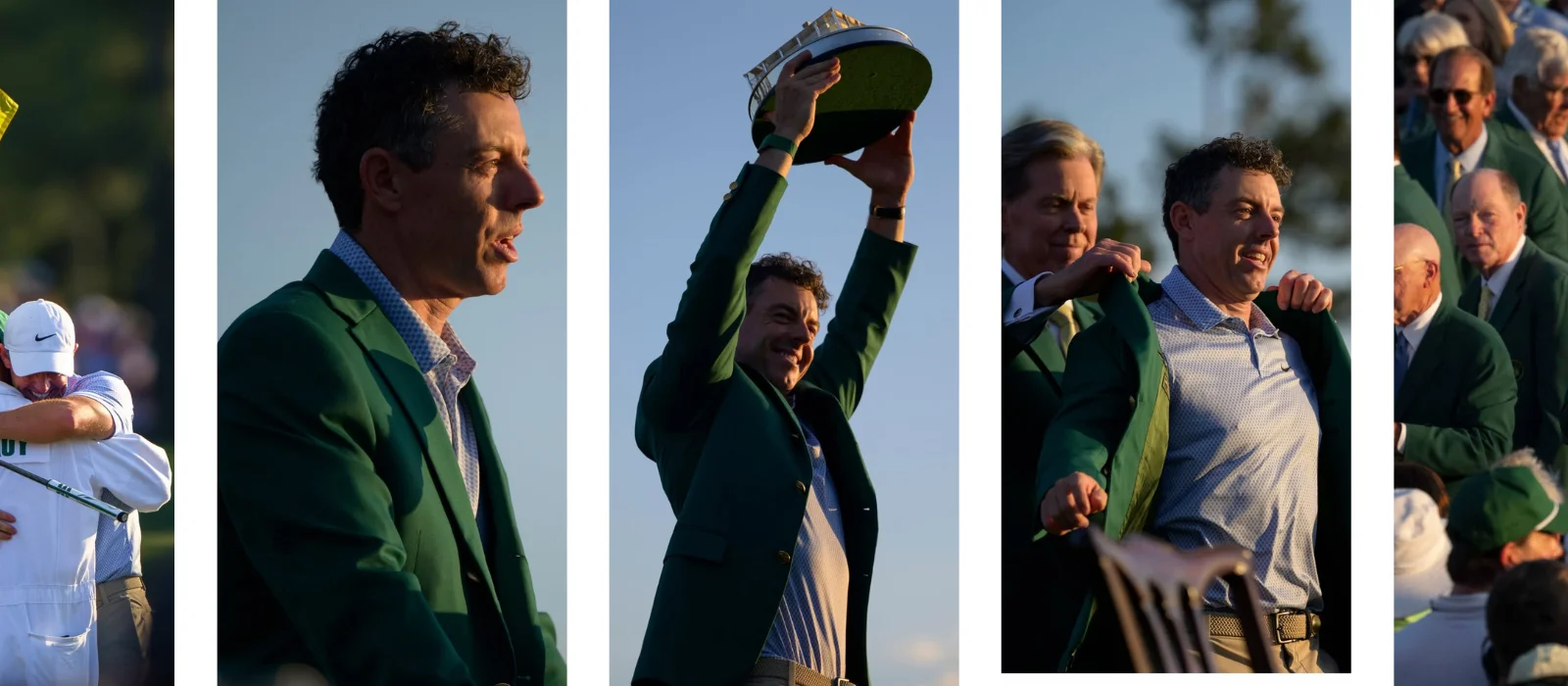
Last year, Rory McIlroy became the sixth golfer in history to complete a career Grand Slam and the first Irish person to win the Masters. At the 90th Masters at Augusta National, he became the first back-to-back champion since Tiger Woods in 2002. He also joined an even more exclusive club – two-time owner of the most prestigious jacket in all of sports.

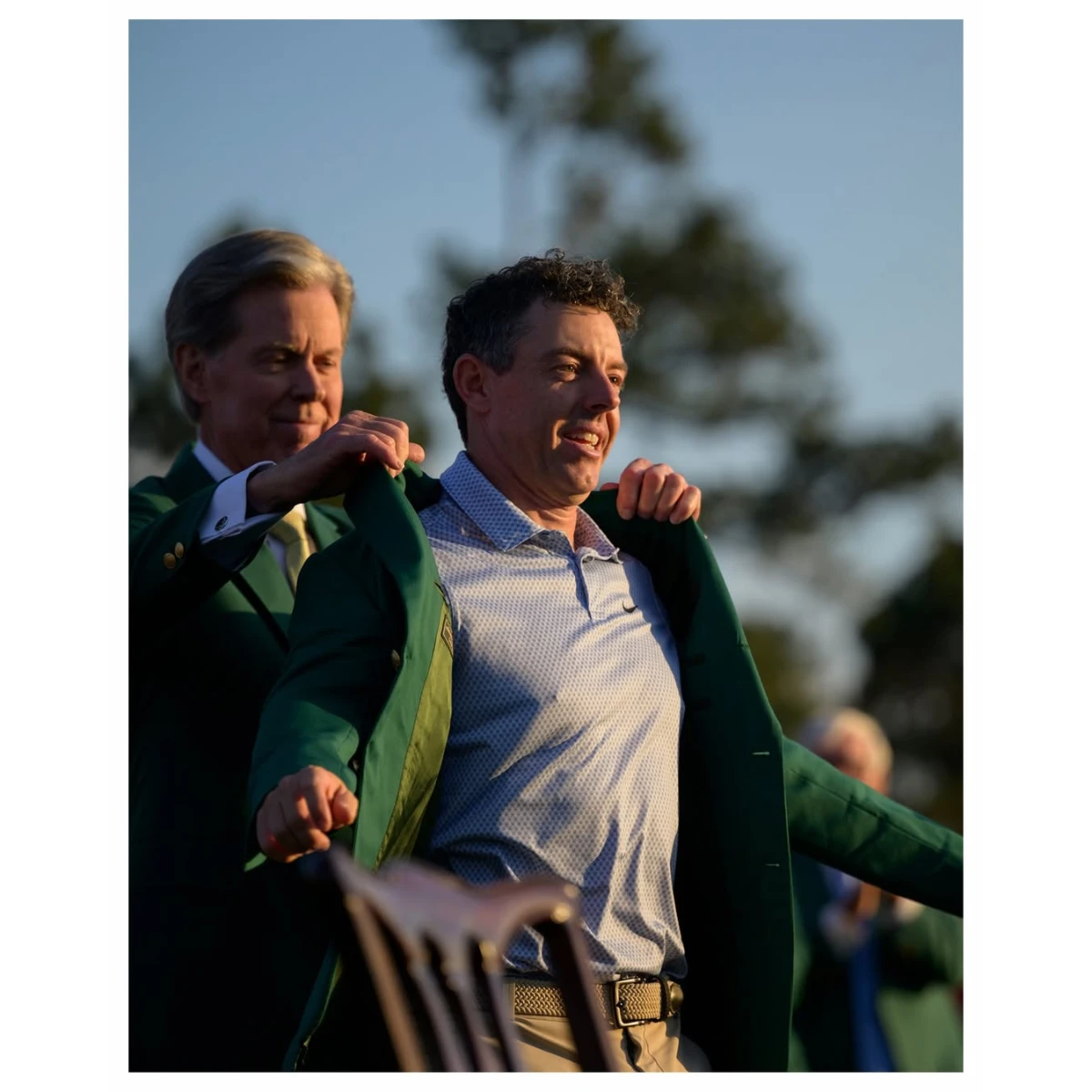
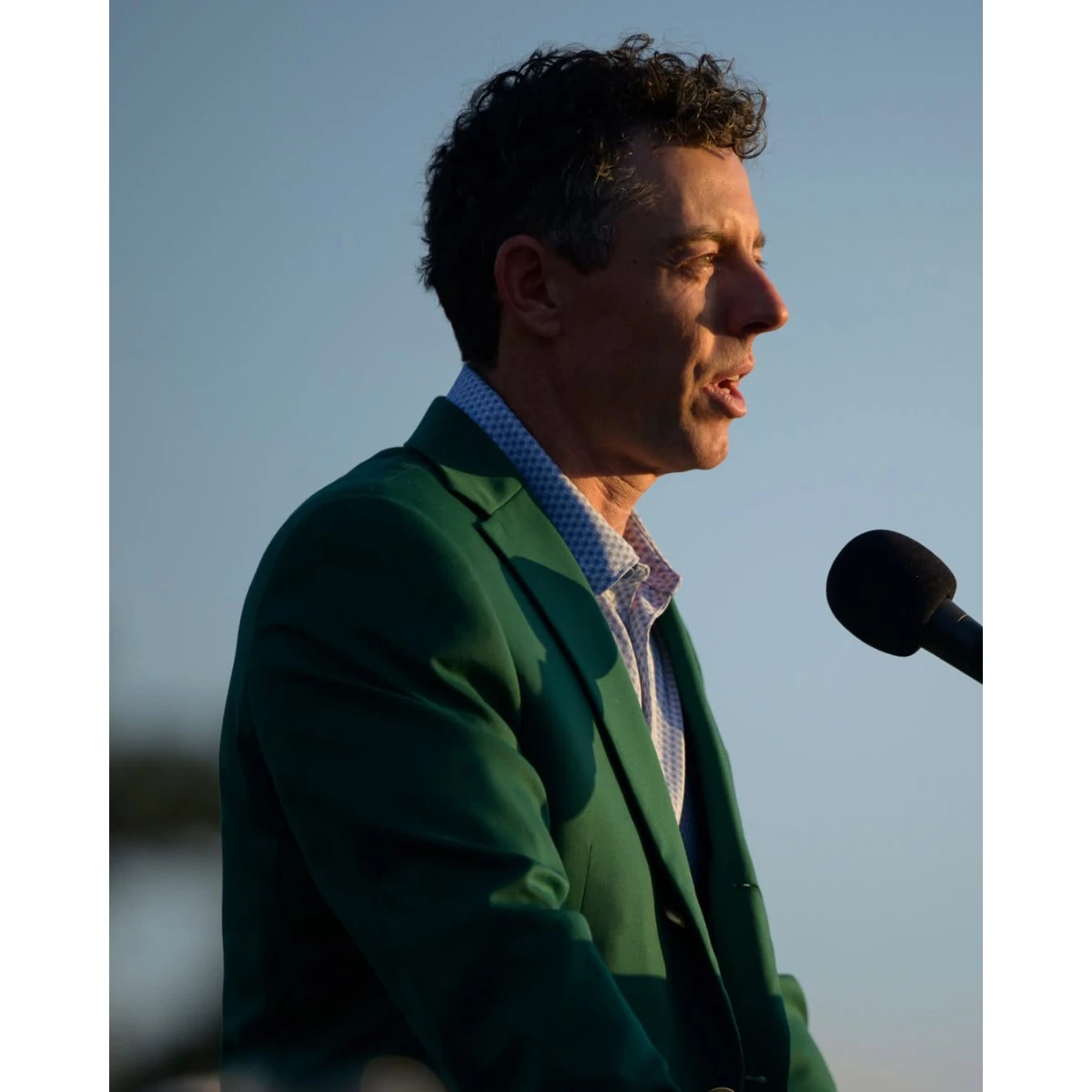
Given that the cinematic landscapes of the Augusta National Golf Course produced some of the most memorable storylines in golf history at the prestigious Masters Tournament, it was fitting that the costume that Rory McIlroy sported for his final act would be the iconic green jacket as he was crowned the winner of the 2026 edition and the first back-to-back champion since Tiger Woods in 2002.
In McIlroy’s story, while the green jacket is a corollary of a triumph that imagines a childhood dream of ascending to the ranks of an elite group whose members include Gene Sarazen, Ben Hogan, Gary Player, Jack Nicklaus, and Tiger Woods, it represents a career-long commitment to mastering his craft in the face of highs and lows and cementing a legacy as one of the most talented golfers in history.
Beyond the fairways, the green jacket is possibly one of the only trophies in a sporting competition where a clothing item outshines the silverware or enormous windfall.
First introduced at the 1949 Masters, the single-breasted blazer is a uniform blend of wool and polyester and comes in Pantone 342C or “Augusta Green”, a shade that echoes the lush and verdant landscape of the course. The left breast pocket is emblazoned with a hand-stitched Augusta National logo with the brass buttons stamped with the same logo. In their application to compete in the Masters, players are requested to submit their jacket size. The winning player’s jacket is tailored to their exact measurements after winning the tournament.



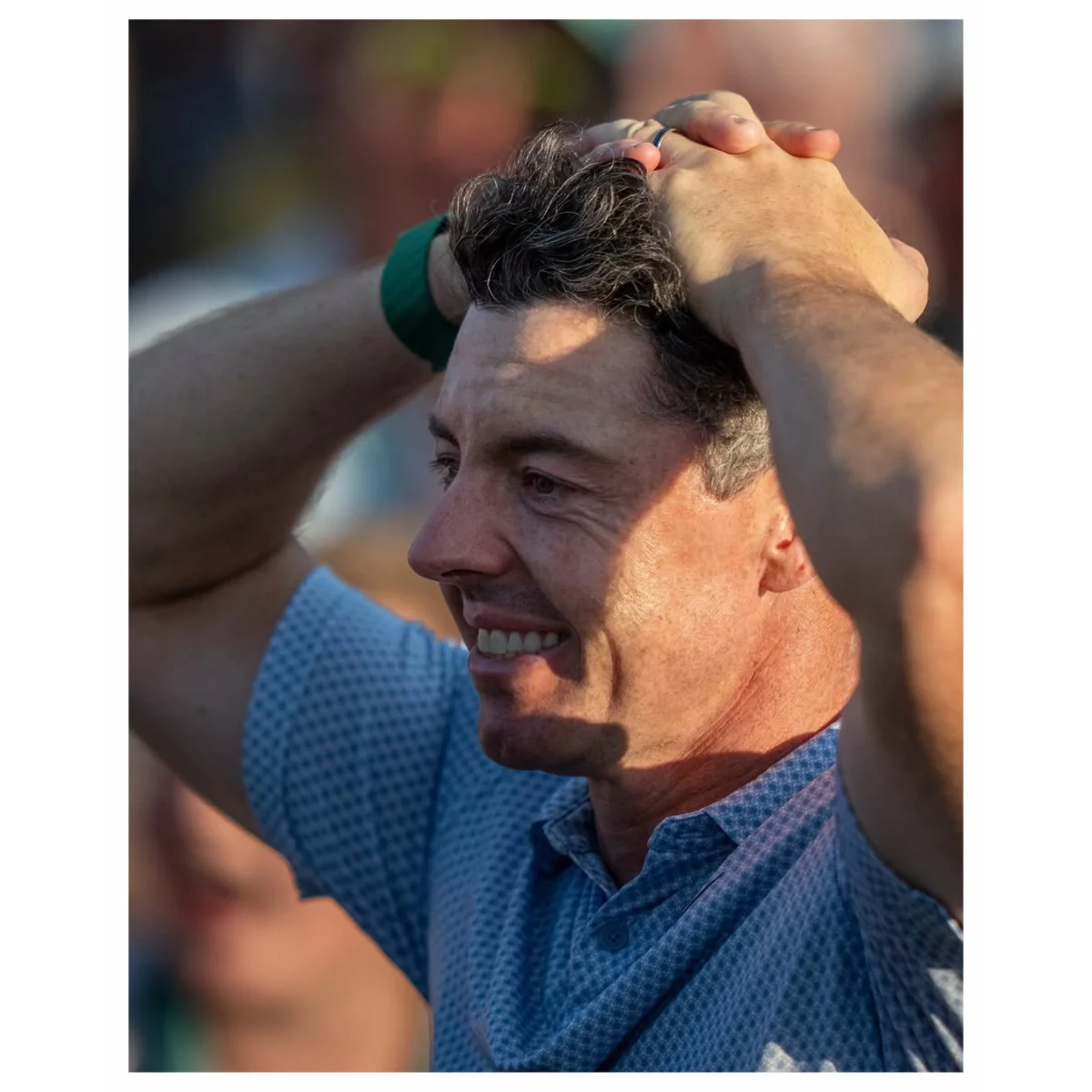
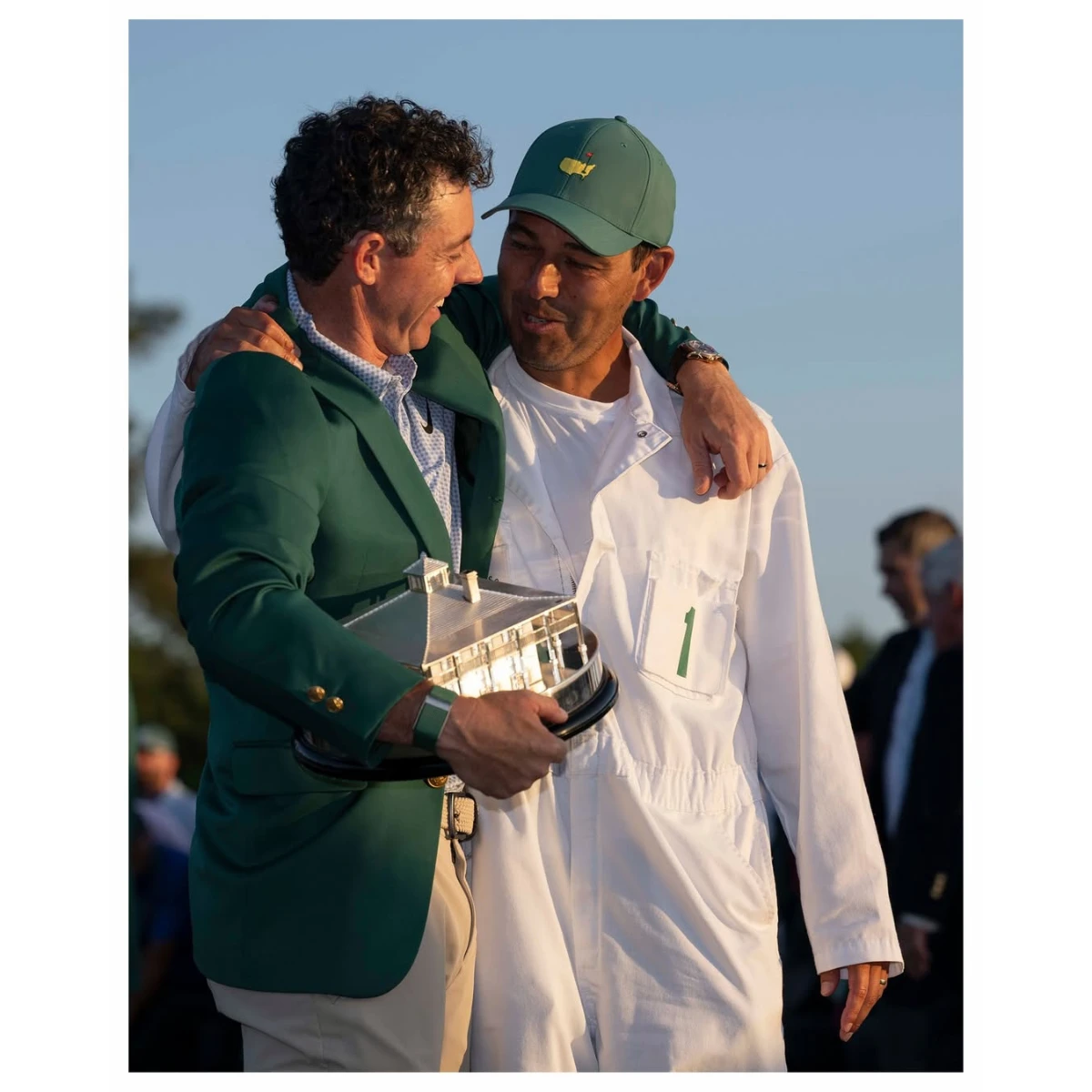
The jacket remains on the grounds after the presentation on the 18th green, butfirst-time winners, like McIlroy was last year, can remove the jacket from the club grounds for public appearances.
That fashion and golf are interlinked is no secret. Golf dress codes are among the strictest in sports, reflecting the prestige and august veneer of the game. Augusta is known for upholding strict dress codes for its players and broadcasters, and spectators, known as ‘patrons’, who are encouraged to dress in business casual attire. From polo shirts tucked into tailored trousers and a strict no-hat rule in clubhouses, fashion is woven into status on fairways across the globe. To play, you must first dress the part.
It means big business too. According to Grand View Research, the global golf apparel market size was estimated at $4.15 billion in 2023 and it is projected to grow at 6.9% in the next six years, driven by an increased global interest in the sport, fuelled by an uptick in participation, particularly among younger demographics, including Generation Z.
It is contributing to a nascent industry of buzzy upstarts, with the likes of Bisque Golf, Manors, Malbon, and Radmor, emerging as disruptive brands catering to a new, younger audience. They are reimagining the country club codes that dominate the fairways by giving them a youthful, streetwear-inspired flair.
In all of this, the Masters’ jacket remains an enduring emblem of tradition and skill belonging to one of the most mythical courses in the world. Beyond sponsorship and branding, it symbolises a career-defining success that millions of golfers around the globe aspire to achieve, but only an elite group could clinch.
The jacket symbolises McIlroy’s second time lifting a trophy at Augusta and it will remain the single most important item he has ever worn, while his story will continue after he takes it off.
A version of this article was originally published in 2025. Photography by The Masters.
Also Read