

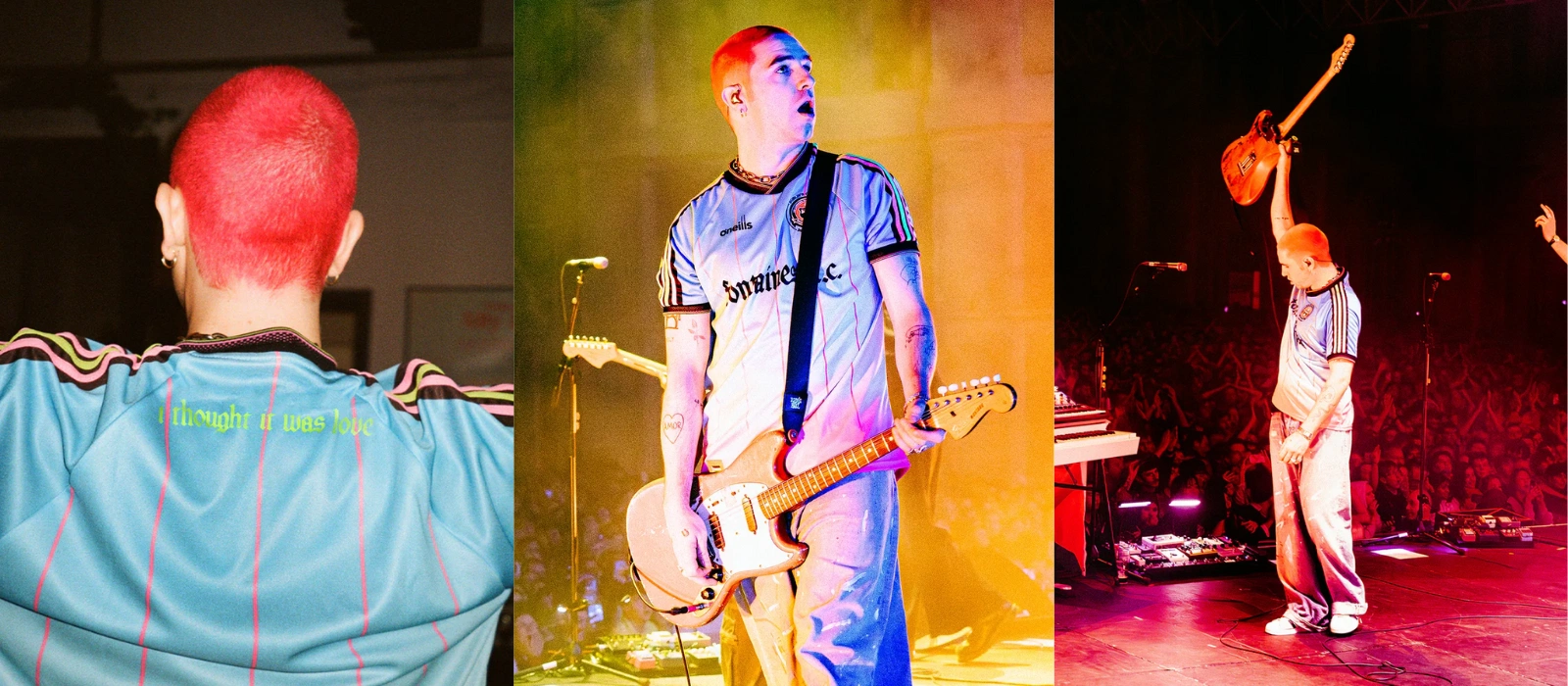
The Bohemians x Fontaines D.C. Jersey
How the jersey became a political symbol
From keffiyehs to badges supporting womens rights and the LGBTQIA+, Black Panther berets to feminists wearing trousers, fashion can be a genuine act of solidarity and activism. The jersey is the latest fashion medium to become a symbol of protest, communicating powerful social and political messages, writes Anna Crowley.
FIFA rules that kits, including jerseys, should not have any political affiliation. But football and by extension its kit, has always been and will always be, political. Teams are formed around local communities and so their kit often reflects this. From the tension between the Celtics’ green clover and the Rangers’ blue lion to Northern Irish player James McClean’s refusal to wear jerseys displaying the red poppy, kits and their designs can become politically charged.
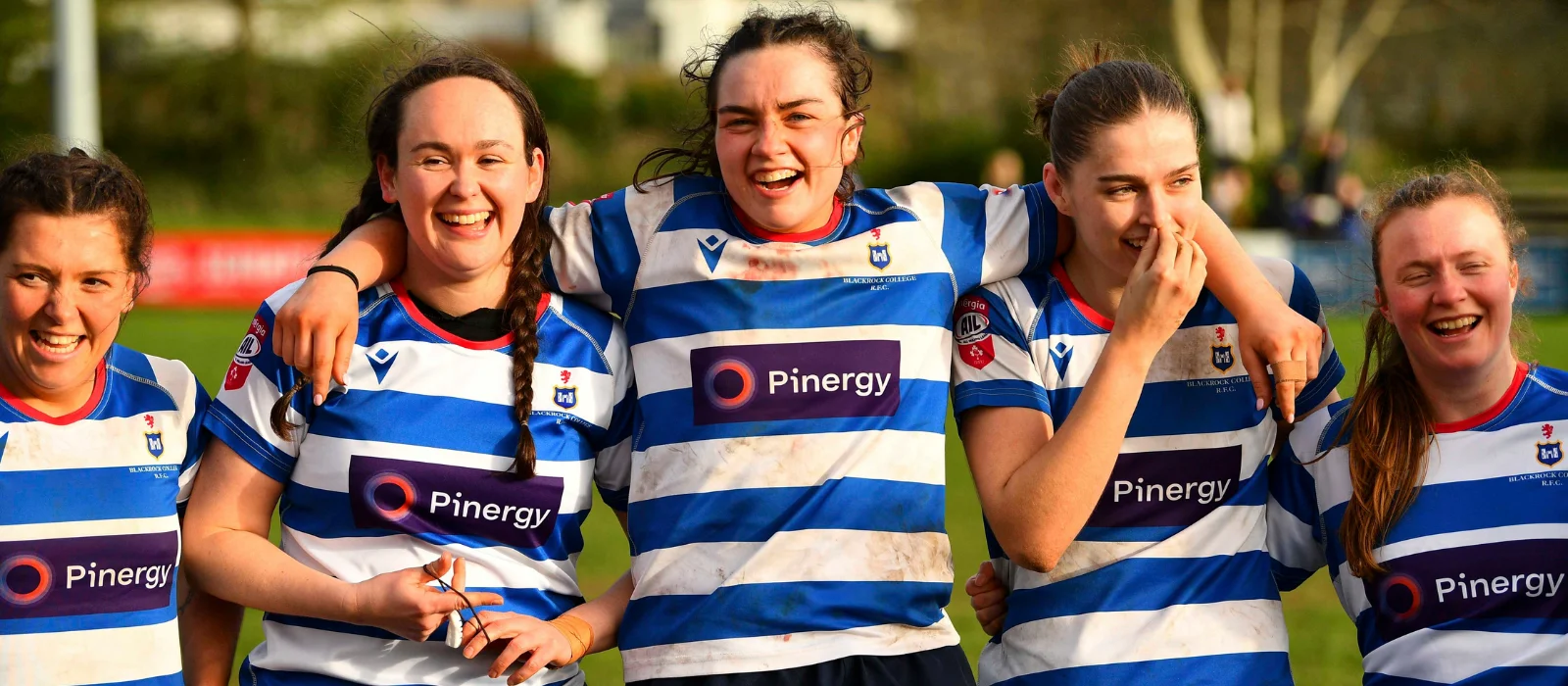
In recent years, the jersey has reached the wider fashion scene and begun to play a significant part in youth culture in Ireland today.
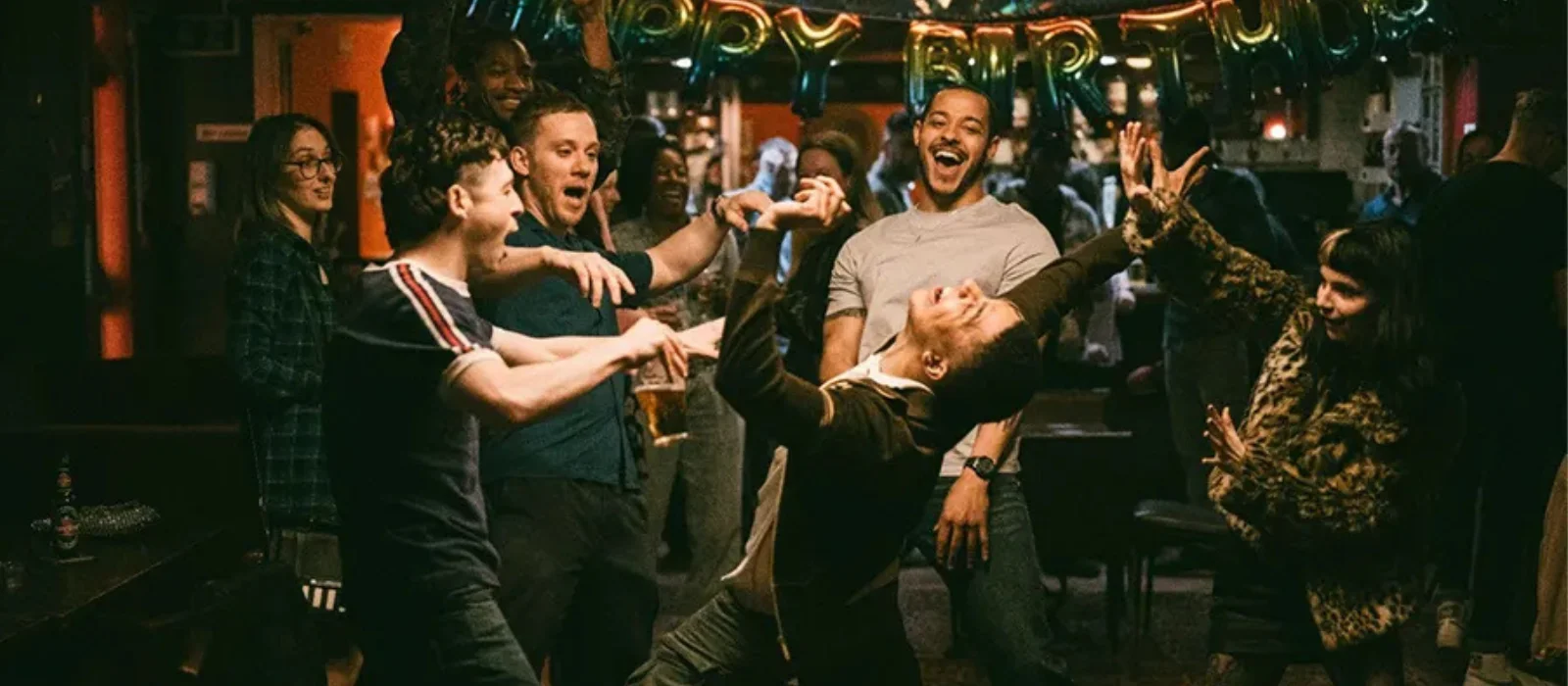
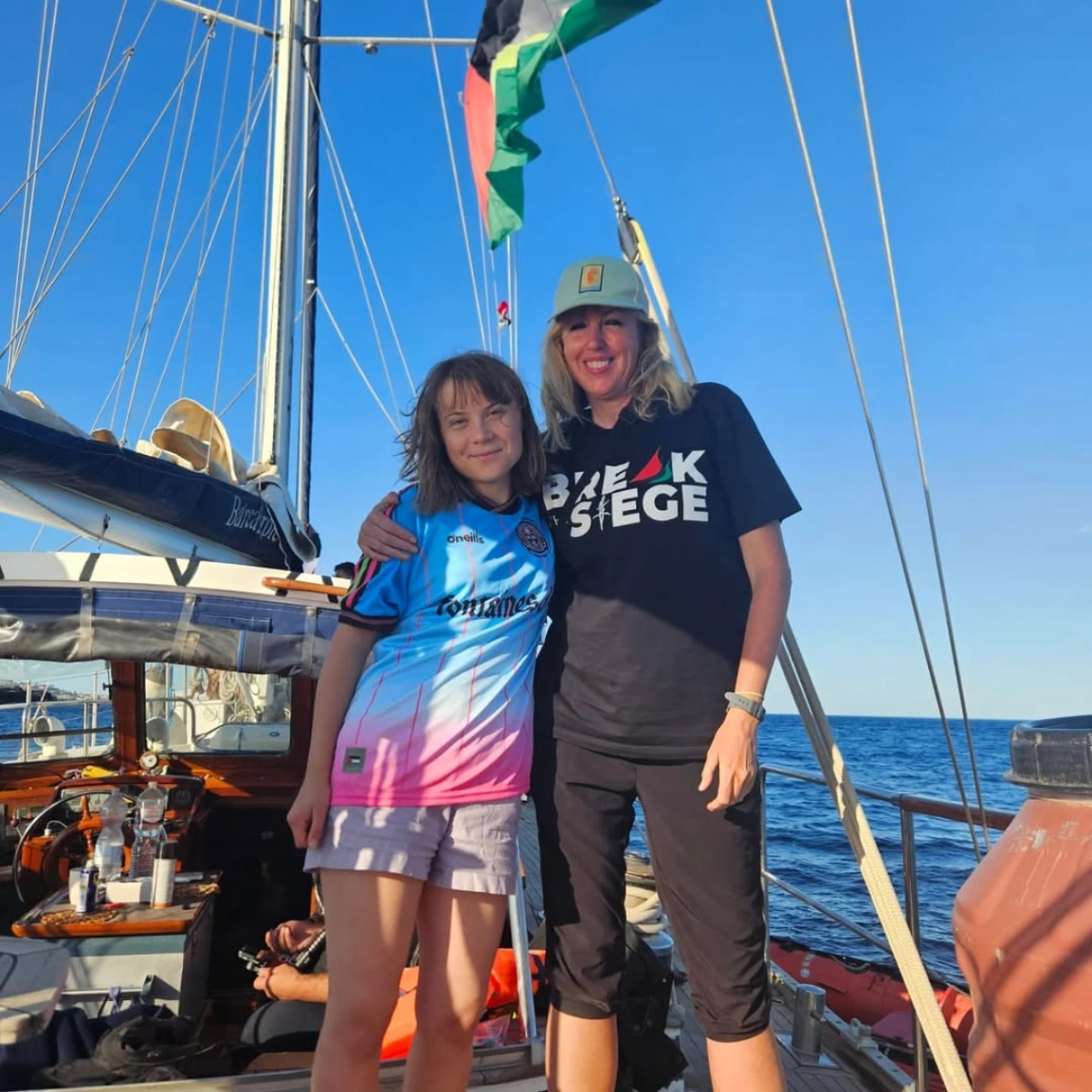
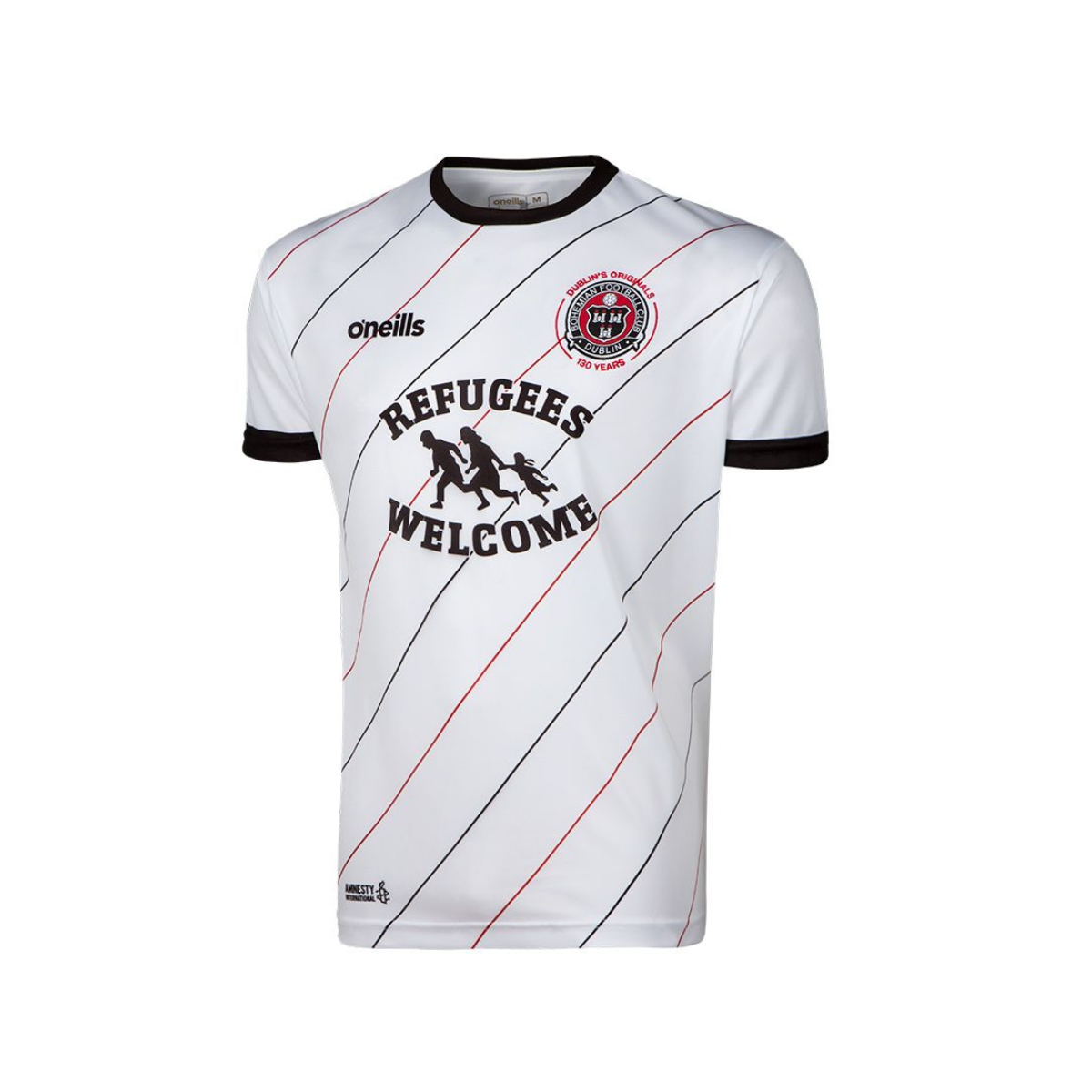
Irish brands like Pellador and designers such as Robyn Lynch have gained popularity for their stylish sports tees. Bohemians FC, the oldest football club in Ireland, which remains not-for-profit and run by the local community and fans, has become famous for innovative jerseys sporting political messages. Their 2020 ‘Refugees Welcome’ jersey, in collaboration with Amnesty International, was made to draw attention to direct provision, the cruel accommodation system that asylum seekers are forced to live in when they arrive in Ireland. Bohemians FC have teamed up with artists like Thin Lizzy, the Bob Marley estate and most recently Oasis, while the Fontaines DC x Bohemians collab jersey, which donates 30% of the profits to Medical Aid for Palestinians, has been seen worn across the globe with Greta Thunberg wearing the blue and pink kit on board the Freedom Flotilla.
Undoubtedly, some political moves made by manufacturers are economically and commercially motivated and through pinkwashing, greenwashing or contradictory gaps between what clothes say and how they are made, manufacturers are often performative in their politics. Football kits have come under fire for having designs supporting ‘progressive’ politics, while continuing to generate textile waste and outsource labour to factories in the Global South with dangerous working conditions. Irish designer Sewphie’s reworked vintage jerseys are not only a lace-lover’s fantasy, but a call out of the environmental toll the quick-paced kit industry takes on our world’s resources.
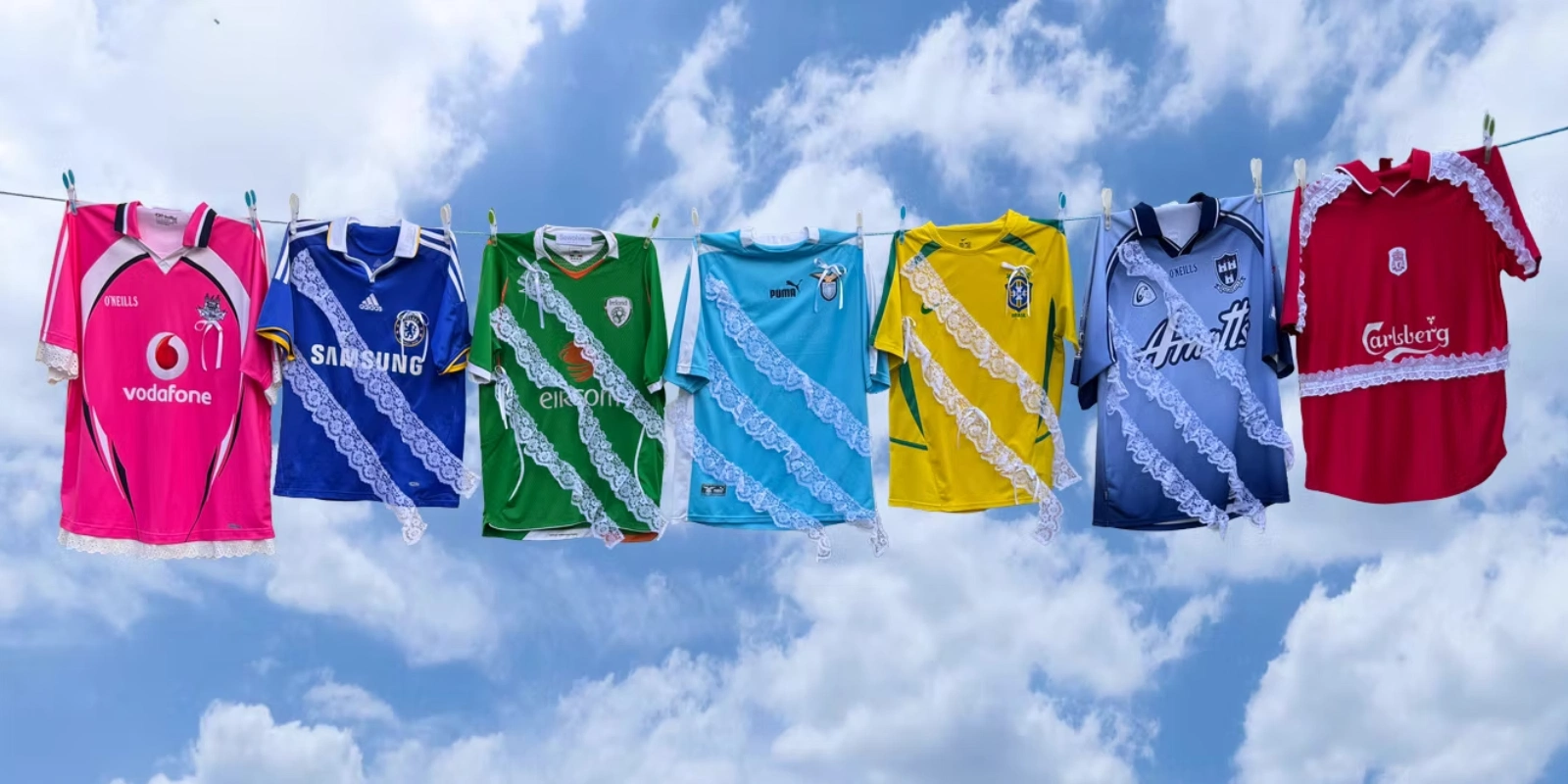
Reworked vintage jerseys by Irish designer Sewphie.
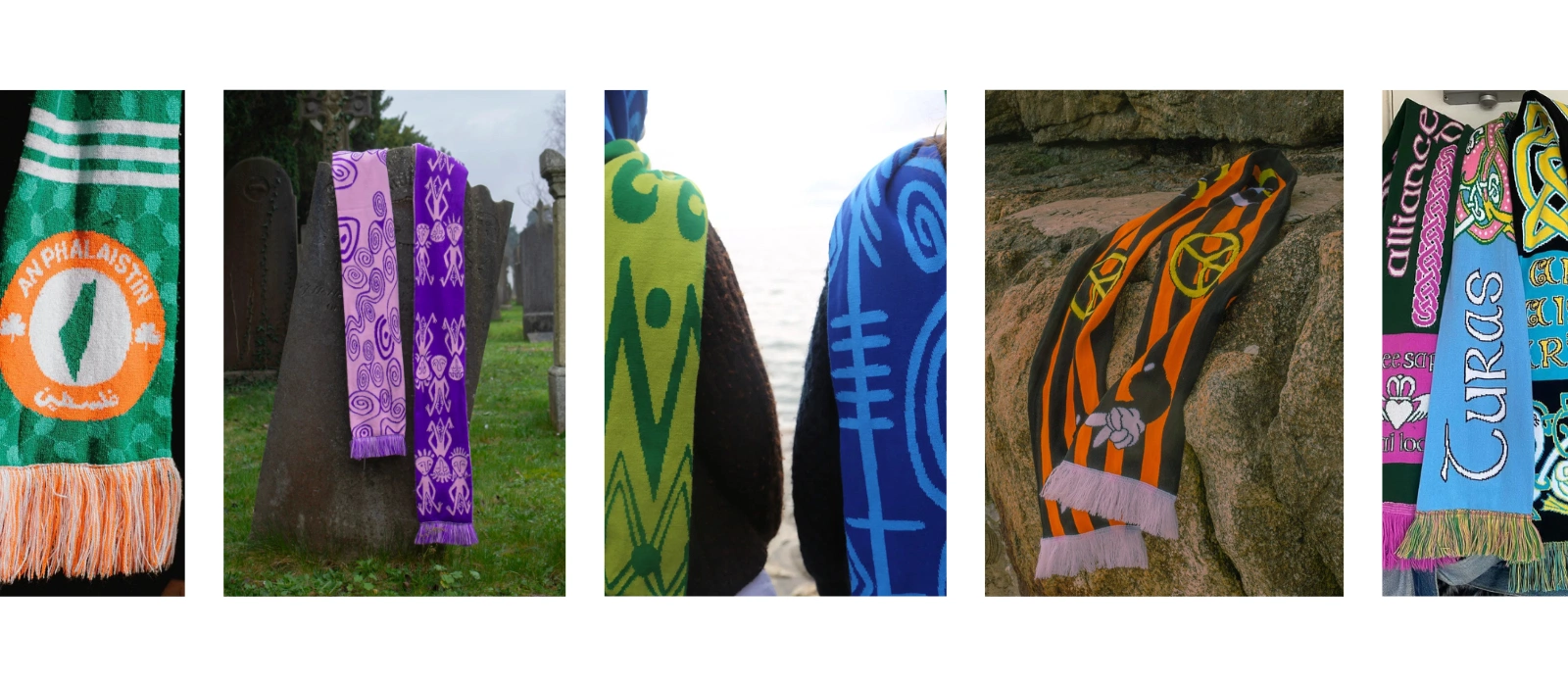
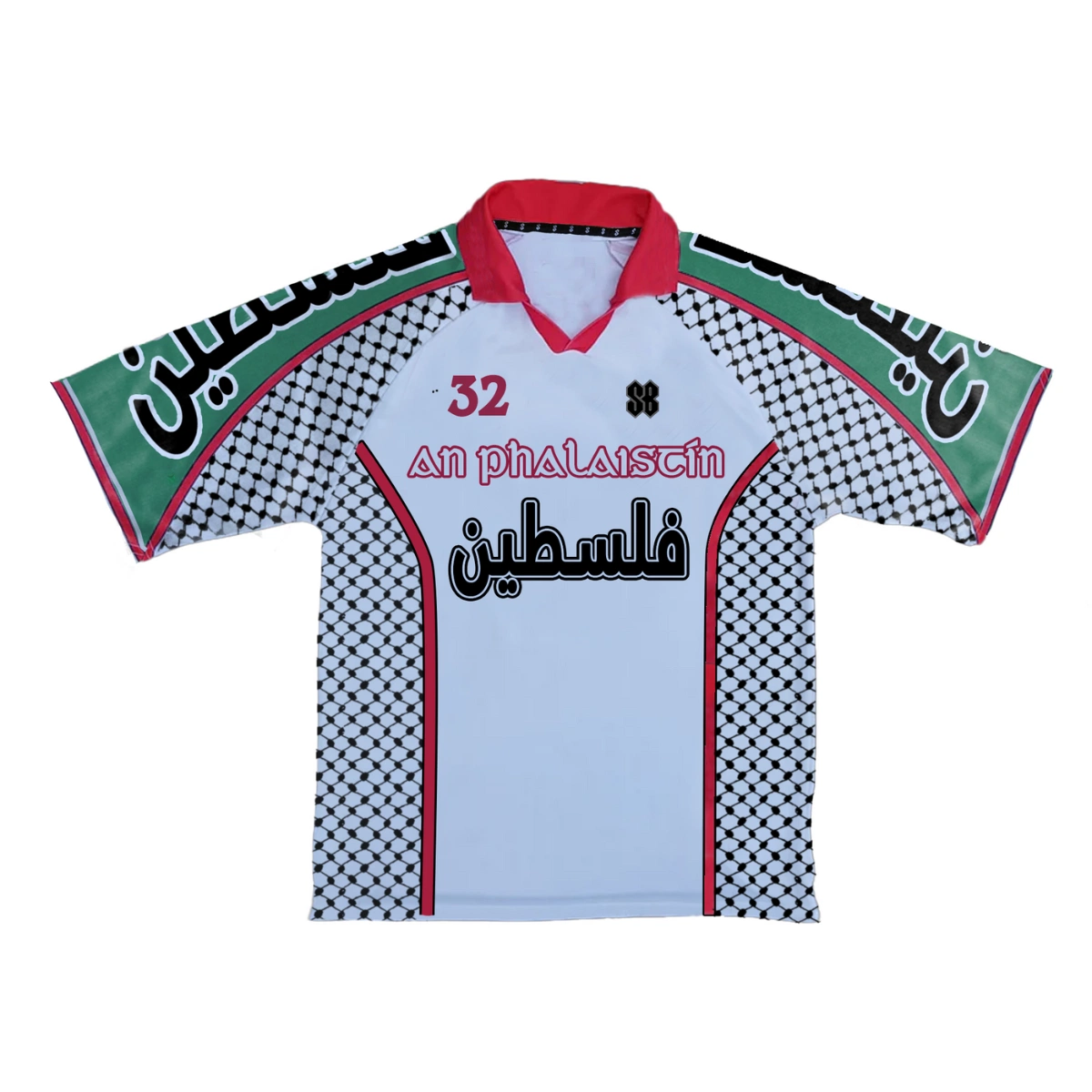
Sewphie is among many Irish creatives who have updated the jersey to convey a political message. Gemma Dunleavy collaborated with Bodibro in 2020 on a jersey proclaiming ‘Up De Flats’ alongside the release of her EP with the same title, paying homage to Dublin’s North inner city. For the 2022 World Cup, Dublin-based store Hen’s Teeth paired up with artists across the globe to design a line of jerseys in aid of Amnesty International’s Campaign for Migrant Workers in Qatar. “it was impossible to escape … how dark the build up” to the World Cup was due to the treatment of migrant workers, said Hen’s Teeth, who wanted to use the “jersey as a canvas” and “to make noise ultimately, directing fans to the Amnesty campaign.” Recently, the artist Adam Doyle, known as Spicebag, released jerseys and a scarf centred on Ireland-Palestine solidarity, connecting Gaeilge, Arabic and a mash-up of Irish colours and keffiyeh designs that are trendy and, more importantly, impactful.

From the iconic Black Panther beret-topped leather uniforms to the early feminists wearing trousers, from badges and patches supporting LGBTQIA+ and women’s rights to keffiyehs – it’s clear that wearing clothes can be a genuine act of solidarity and activism. But while fashion more broadly can be a part of the political puzzle, do jerseys fall under this jurisdiction? Does wearing politically-charged jerseys encourage a ‘teams-based’ politics that isolates the ‘other side’ amid an increasingly polarising time? They don’t have to. Just as the sports player shakes the hand of their opponent at the end of the match, the new age jersey wearer can showcase their politics while respecting everyone’s humanity.
Fashion’s visibility can spark political discussion and engagement, and with the rising popularity of casual sportswear, this is exactly what the football jersey has done. We should continue to wear our jerseys, not as a means of virtue-signalling or insulating ourselves from the ‘other side’, but instead, as a way to genuinely stand in solidarity with our neighbours in Ireland and across the globe. Jerseys have always been political, and with football boasting a fanbase of 3.5 billion people worldwide, they should continue to be so.
Featured photography by Bohemians FC, additional photography by Spicebag, Sewphie and Liam Cunningham.
Also Read