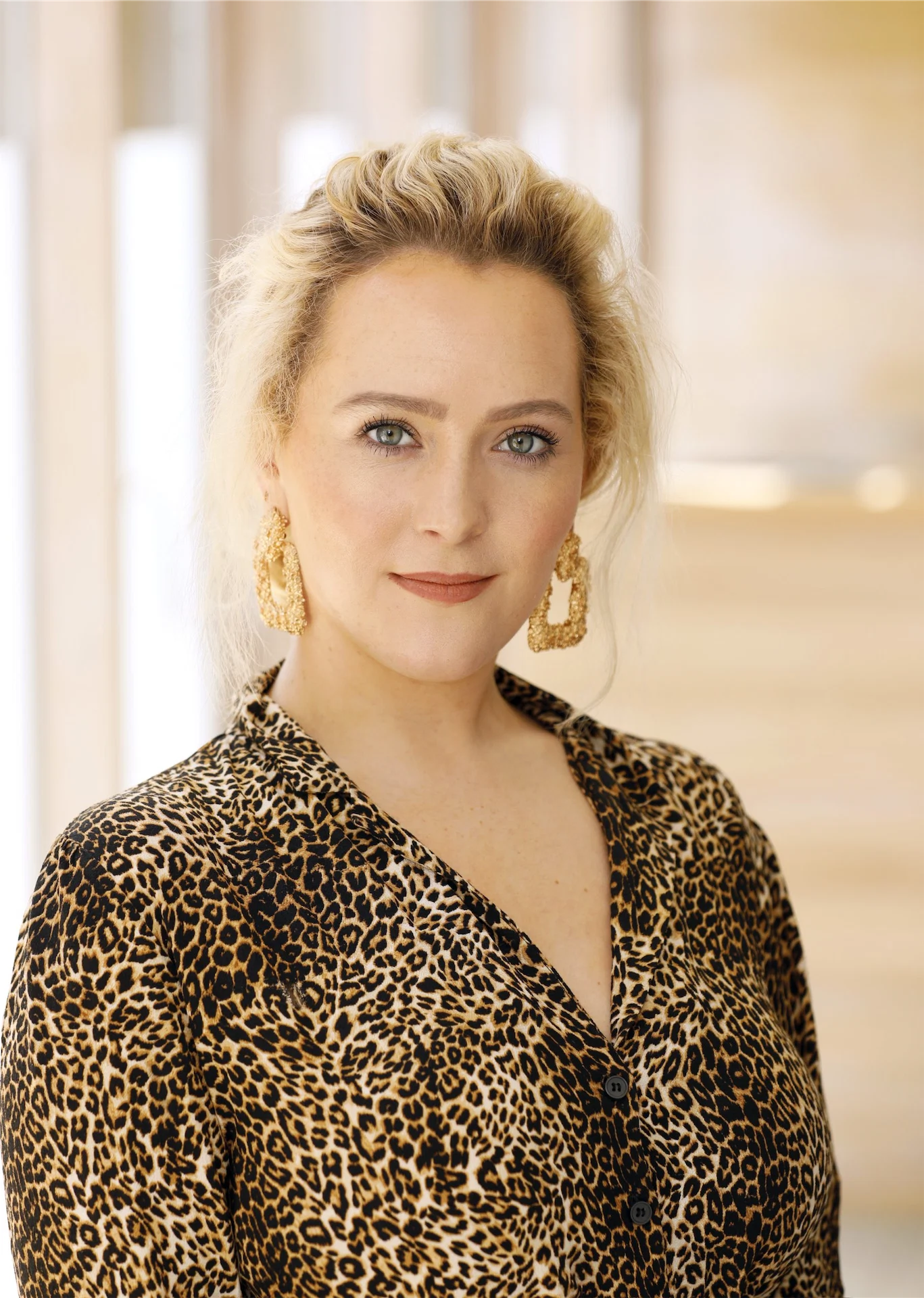
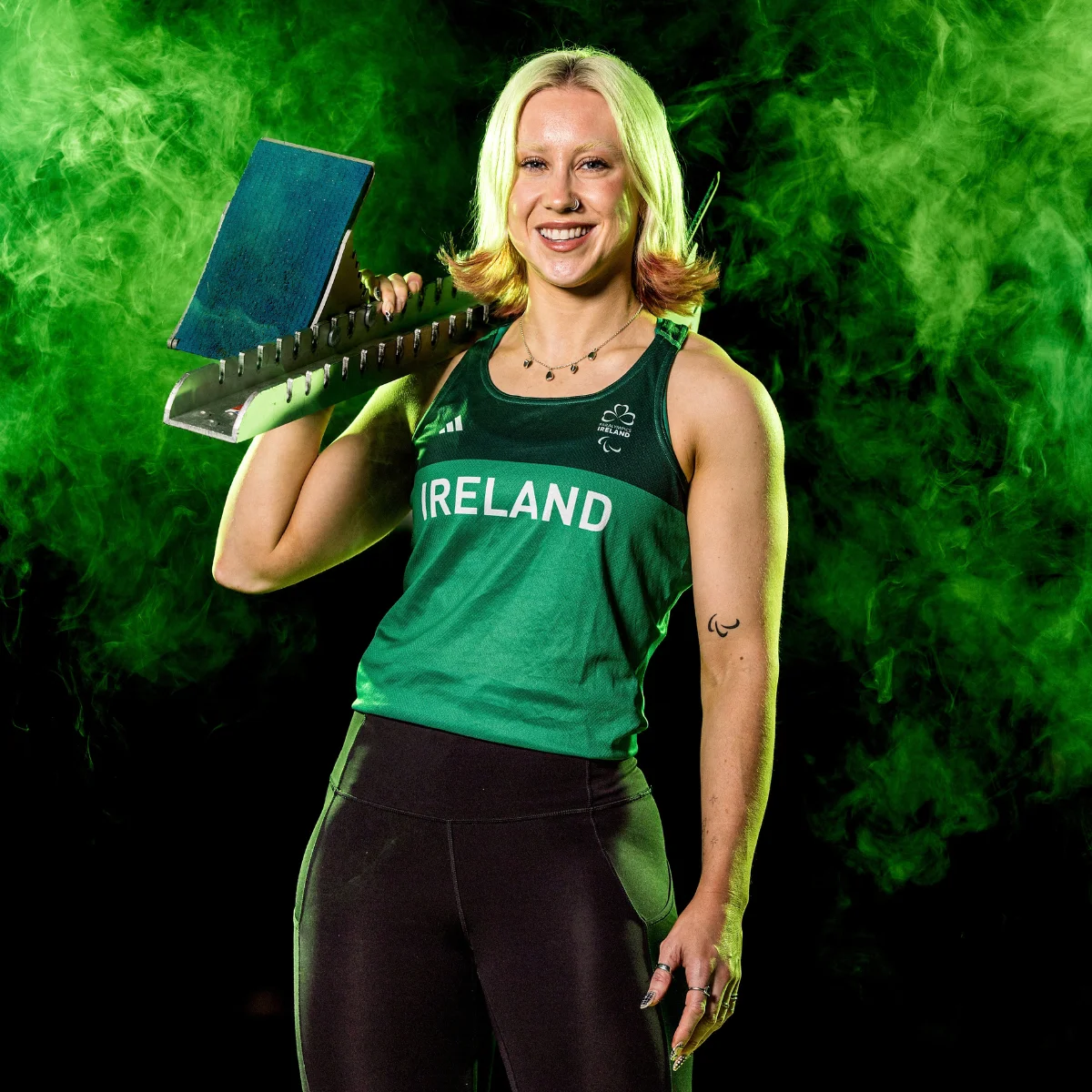
In this instalment of our Women in Sport series, sprinter Orla Comerford shares her sporting inspirations, biggest goals and proudest achievements.
A three-time Paralympian, Orla has represented Ireland at Rio 2016, Tokyo 2021 and Paris 2024, where she secured her first Paralympic medal, a bronze in the 100m. She followed this with a standout performance at the World Para Athletics Championships, winning double gold in the 100m (setting a championship record) and the 200m.
Alongside her sporting career, she is a Fine Art graduate of the National College of Art and Design and worked at the Irish Museum of Modern Art until recently, balancing elite performance with a strong background in the arts.
Her journey reflects consistency, excellence and versatility across both sport and education, combining a world-class athletics career with a professional path rooted in creativity and culture.
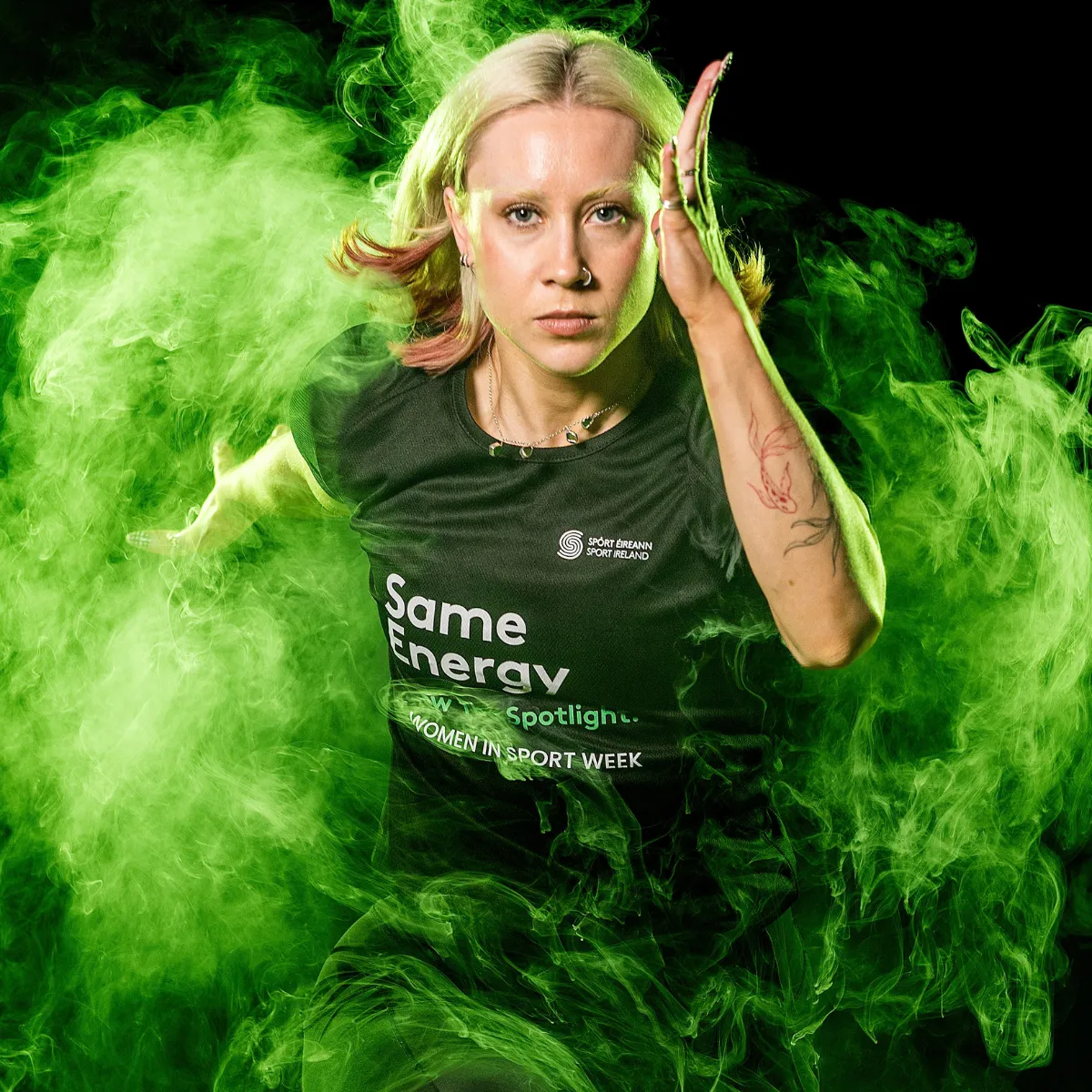
Name: Orla Comerford
Profession: Professional Athlete – Sprinter
How did you become involved in your sport?
I started athletics when I was really young. I remember doing lots of different sports when I was at primary school age, and I asked my mum if there was a sport that existed where you could just run. I joined my athletics club, Raheny AC, when I was about seven years old, and I have been there ever since.
What message would you like to share with young women and girls interested in pursuing a career as an athlete?
I’d like to tell them to enjoy what they do and to be patient. Enjoying your sport is the most important part, and if you love what you do, then it’s easier to work hard.
Proudest moment so far…
I think it was probably the 2024 Paris Paralympics, because my family and friends were all there, so I got to share the moment with them. That was really special.
The female athlete I admire most is…
I think Irish sprint hurdler Derval O’Rourke. She was a huge inspiration for me growing up. I used to see her training at the track and then competing on the world stage, winning medals, and I thought, if she can do it, why can’t I? I think even now to this day, I love the work that she does in the sport as a pundit; she continues to bring that same energy around women and sport in all her current media work.
Do you think there is still a stigma around women in sport?
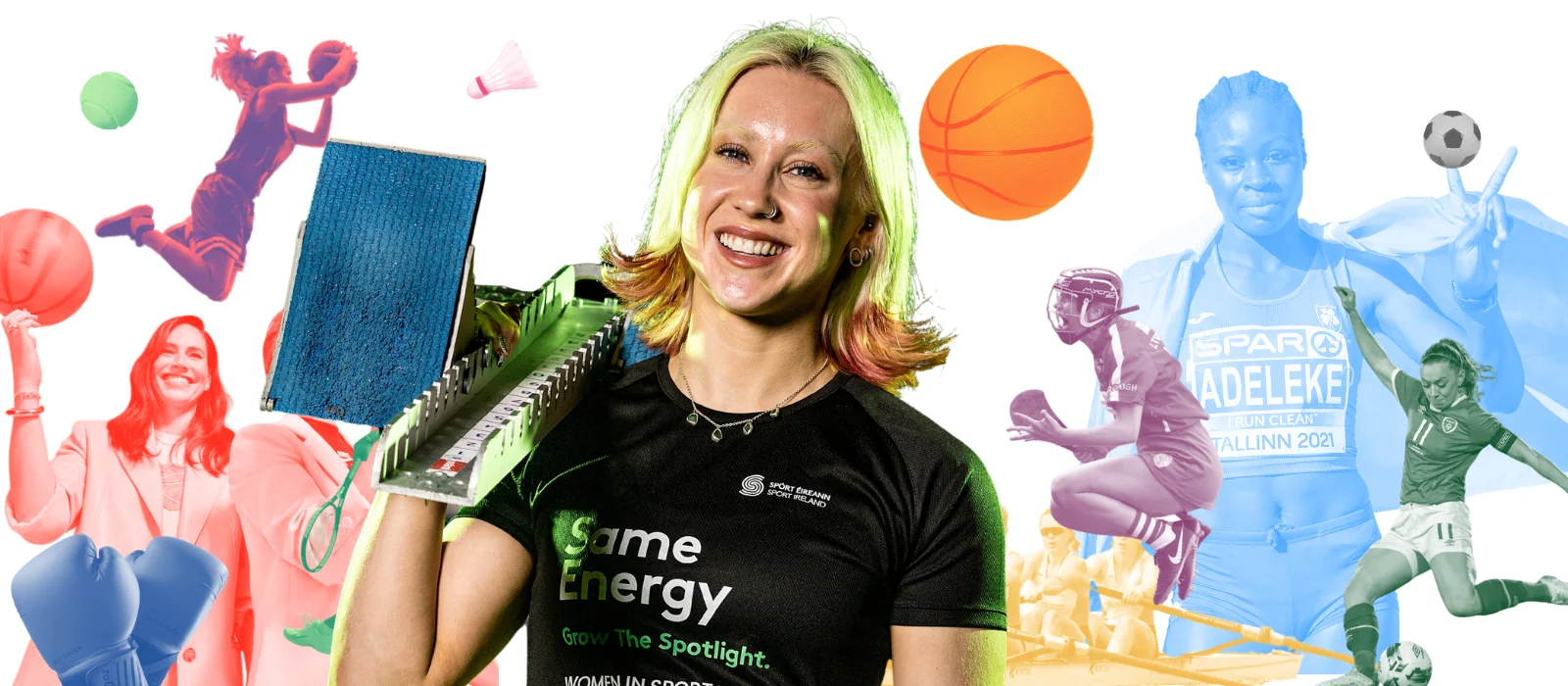
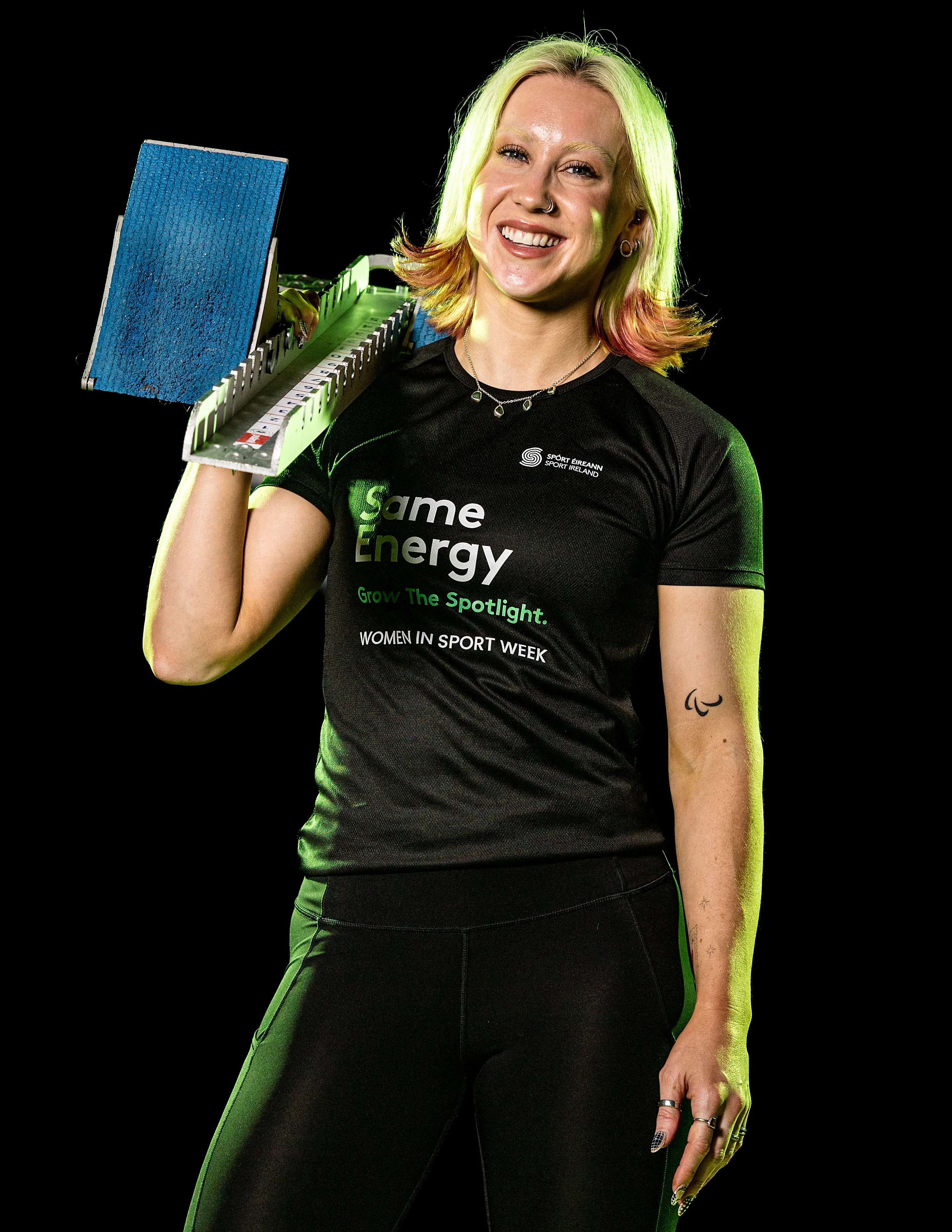
Yeah, absolutely. I think the Sport Ireland Women in Sport Week “Same Energy” campaign is an exciting opportunity to celebrate how far we’ve come while recognising that there is still more work to do. It highlights the importance of bringing the same level of energy and support to women’s sport as is seen across the board in men’s sport – not in competition, but in parity of opportunity, attention and investment. From grassroots participation to elite performance, the aim is to engage coaches, fans and athletes alike and encourage greater involvement at every level.
What is the biggest barrier to driving visibility in women’s sports?
The biggest barrier is access, being visible and ensuring people can see women’s sport, hear our stories and engage with them in the same way. A wider cultural shift is also needed, so that women’s sport is given the same significance, respect and voice as men’s. For me, it’s not about one change, but a broader transformation, with media playing a key role in driving it.
The biggest stigma/misconception that exists in women’s sport is…
There is a misconception that women’s sport is not as fast, skilled or high-level as men’s. In reality, I believe it can be even more entertaining, with just as much skill, speed and power on display. That perception undermines the quality of women’s sport, and all it takes is watching it live to see how untrue it really is.
If I wasn’t an athlete I would be…
I would be an artist. I try to dip my toe in it, but it’s hard to keep that ball rolling while you’re travelling around the world racing. But I love art. It’s something that I’m really passionate about.
My favourite pre-competition meal is…
If I am racing in the evening, it’s pasta; if I am racing in the morning, it’s Weetabix.
My pre-competition playlist includes…
It includes Little Simz, Fontaines D.C. and Gorillaz, a fairly eclectic mix, but I definitely like a hype song.
My daily routine is…
My daily routine centres on getting as much sleep as possible, eating well, and timing my nutrition to fuel training sessions and support recovery. Everything I do is geared towards performing at my best in training and ensuring I’m fully recovered for the next session.
My biggest sporting goal is…
The LA 2028 Paralympic Games – that’s the big goal, the big ticket.
Sports brands I love (Irish or otherwise)…
Biggest splurge to celebrate a win…
After winning double gold, I bought a yellow sapphire ring in India. I’d originally planned to get an emerald, but after visiting an astrologer who advised me to wear a yellow sapphire, I decided to go with that instead.
How do you mind your mental health?
It’s about staying present in everything I do. While I have LA 2028 in mind as a long-term goal that keeps me focused, my priority each day is to stay in the moment at training and not get caught up in “what ifs”. A bad session doesn’t mean everything is going badly, so I try to take things day by day, deal with what’s in front of me and move on. It’s about learning when things don’t go well and taking the wins when they come, because they don’t come often. Staying present helps me be more intentional in my decisions and how I approach my sport.
My three desert island beauty products are…
SPF is my number one if I’m on the island, along with lip balm and a good cleanser.
I need a lot of sleep because…
I’m a sprinter, so we’re naturally quite sleepy characters! I have two greyhounds, and I always joke that they do short bursts of high-intensity activity and then sleep all day… much like me.
Confidence, to me, is…
To me, confidence is feeling comfortable being myself.
How do you get over a bad performance?
I think bad performances are just as important as good ones. It’s important to sit with the disappointment or frustration for a moment and allow yourself to feel it, but then move on quickly to what can be learned and how that can be applied to the next race. In that sense, both are valuable; you can’t have the good days without the bad ones.
Lastly, why is sport such an integral part of community, on a club, local, national and personal level?
Sport is important on all those levels because it brings people together, whether that’s cheering on women’s rugby, running together, or getting active in a local community and forming new connections. It connects us socially as well as physically. I think sport plays a huge role in that, supporting not just physical and mental health, but social wellbeing too.
Also Read