

Meet the Inish Turbot weaver crafting textiles from washed-up rope
Born in a cottage on Inish Turbot, Hanneke Frenkel’s creations made from washed-up rope weave together a rich tapestry that represents both the beauty and realities of island life.
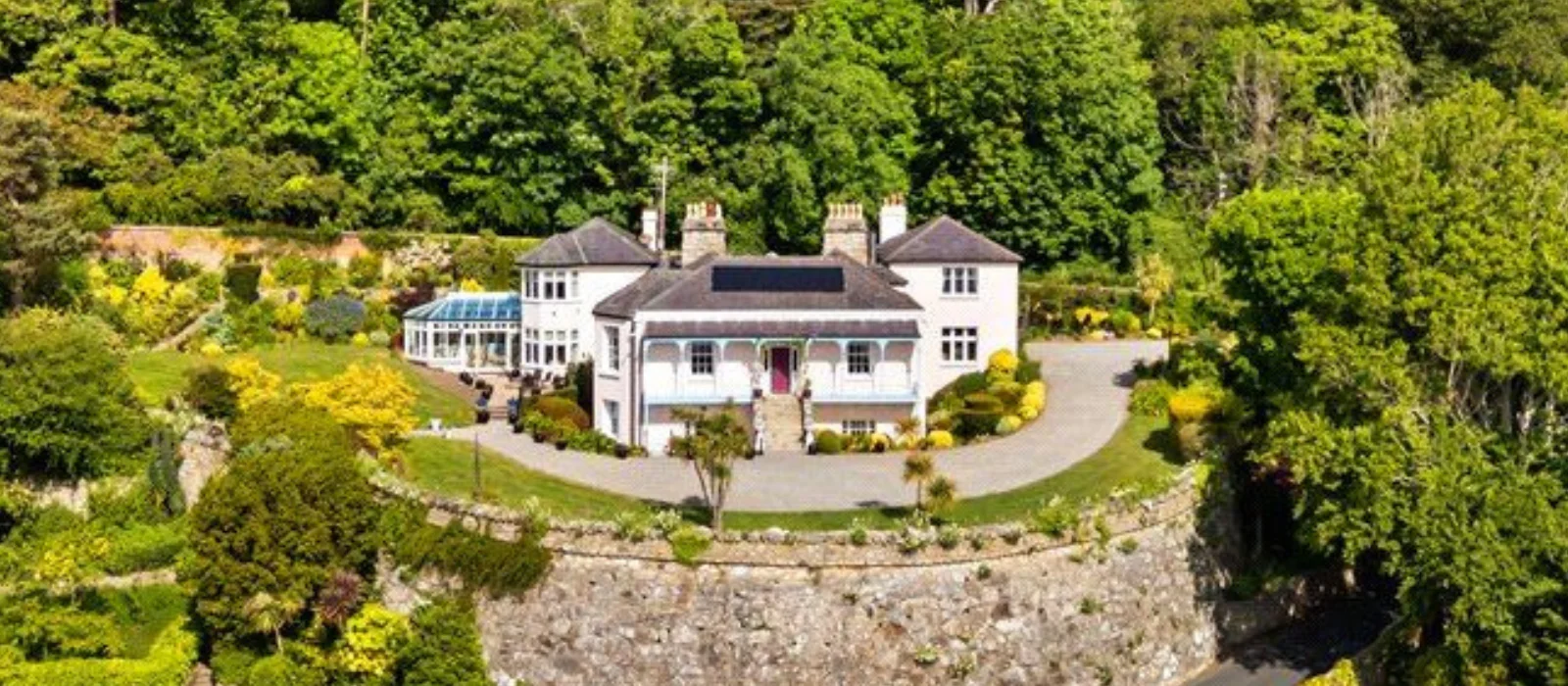
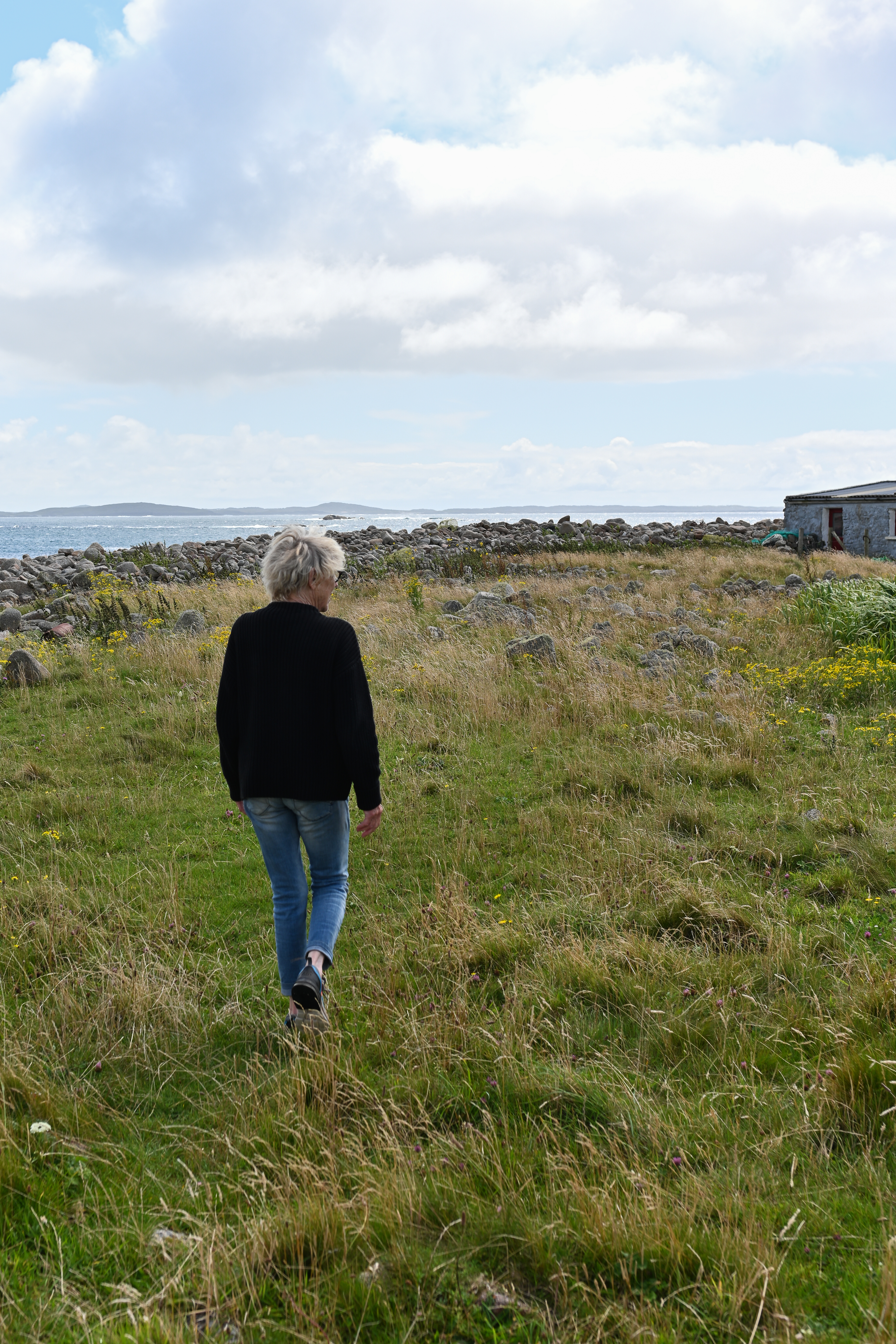
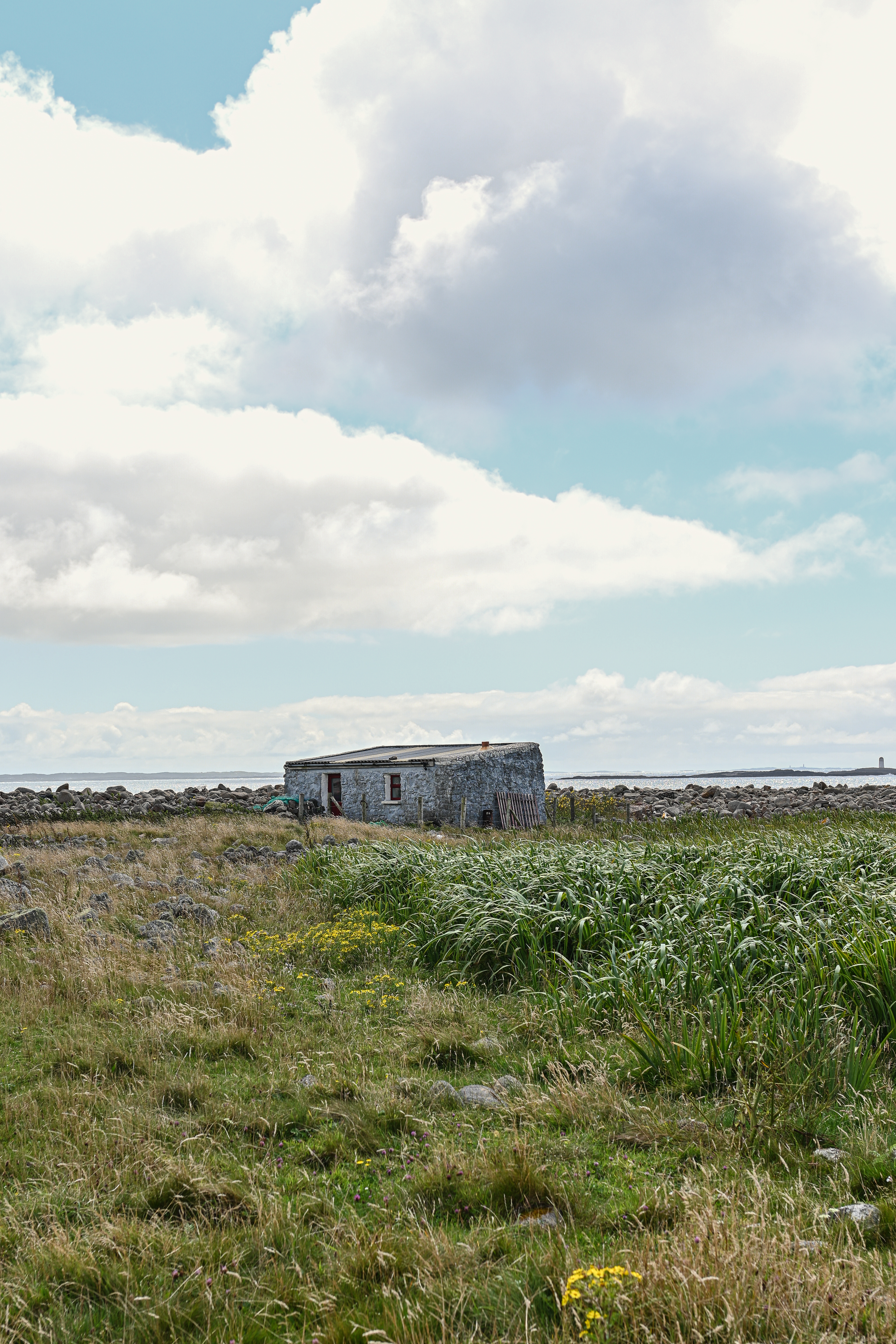
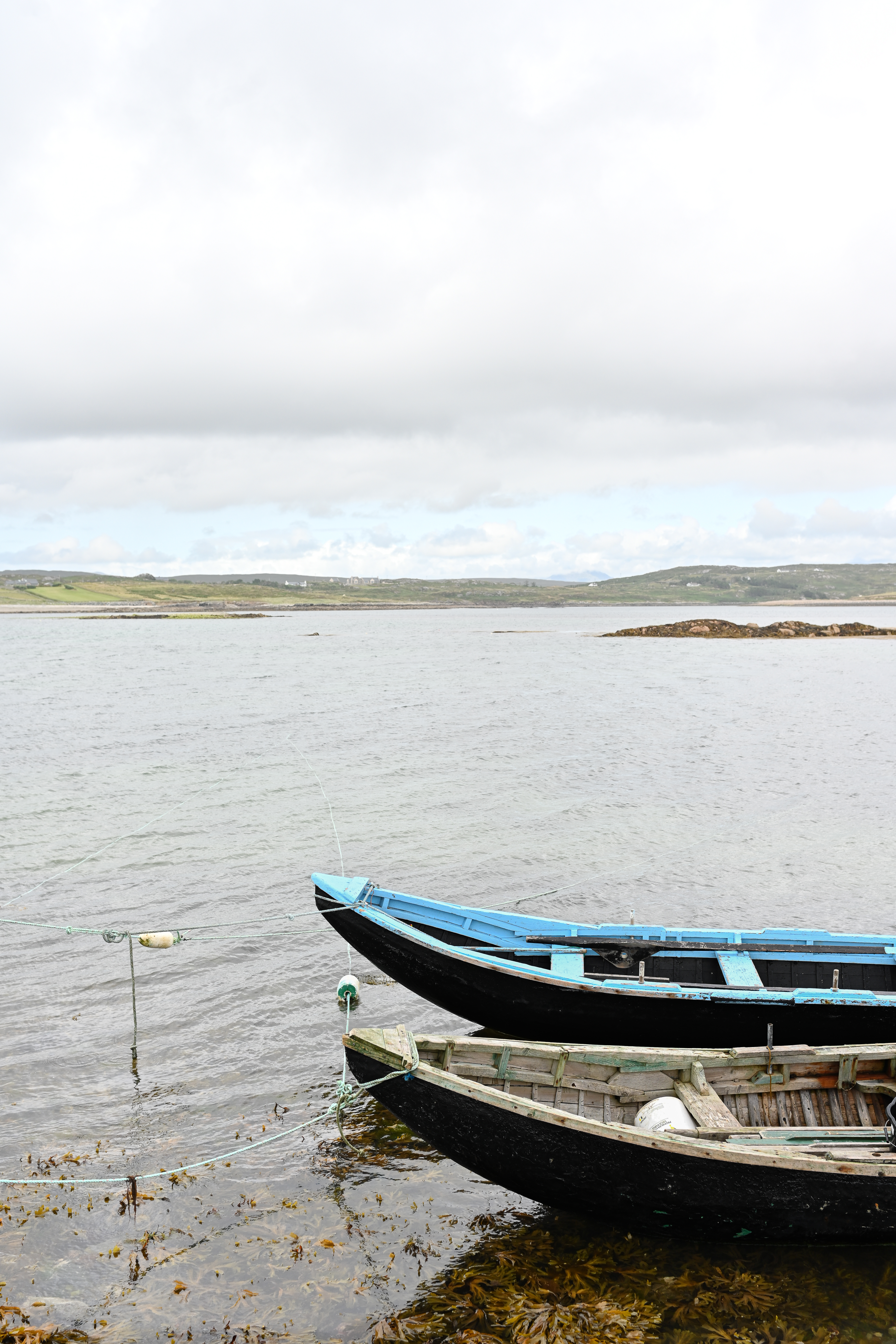

Across the water from Fahy pier at the foot of Clifden’s Sky Road lies Inish Turbot, a small, rugged land mass etched by wind and sea. Pockets of fine white sand skirt the often-turquoise waters, and stone walls shelter small fields sentinelled from afar by the Twelve Bens. A grass road cuts the island from east to west and leads to an unlikely hive of creativity that has been awoken on this once deserted green isle.
Once home to almost 170 people, self-sufficient farmer-fishermen, renowned for their resilience and the warmth of their welcome, Inish Turbot’s population dwindled over time. As emigration to the mainland, England, and America claimed its young, the island was slowly exhausted. By November 1978, the last residents were evacuated, leaving only the sheep
and cattle that graze its fields.
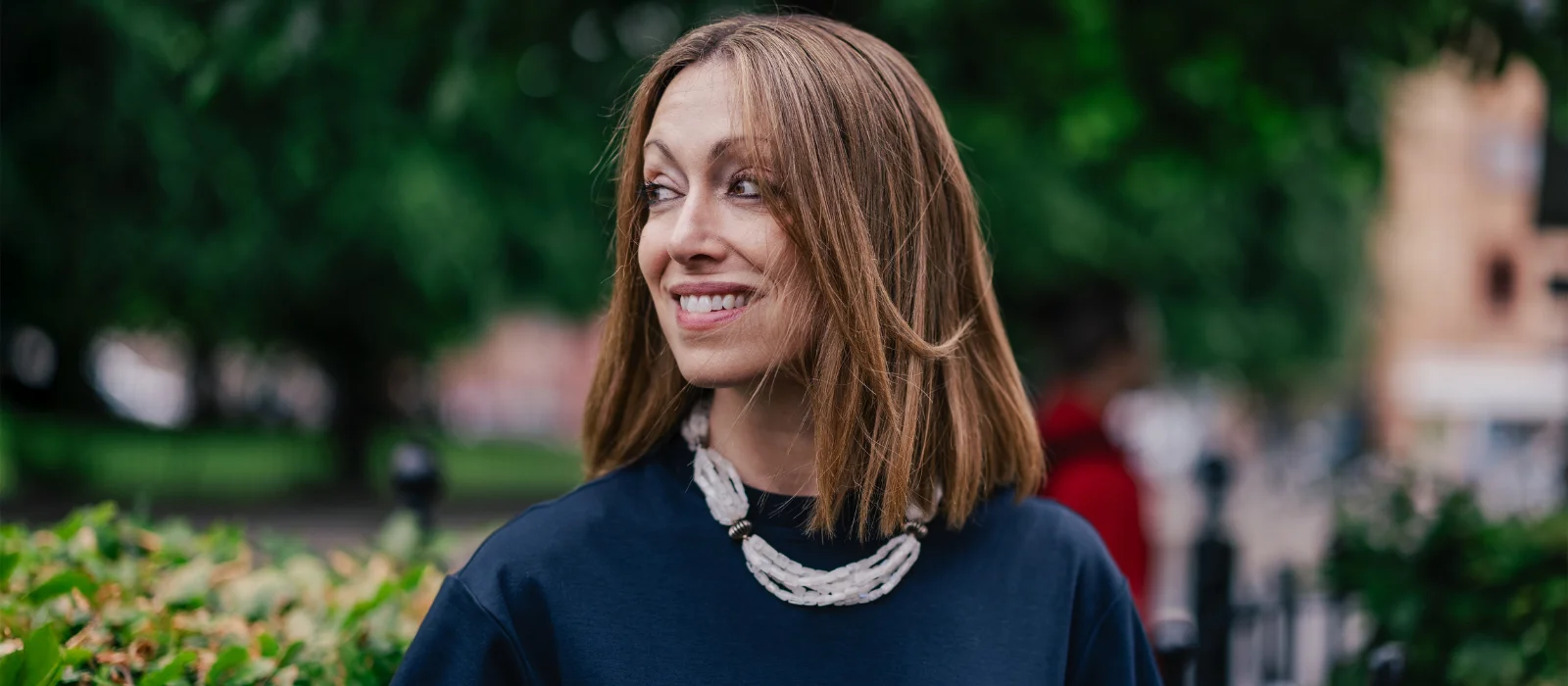
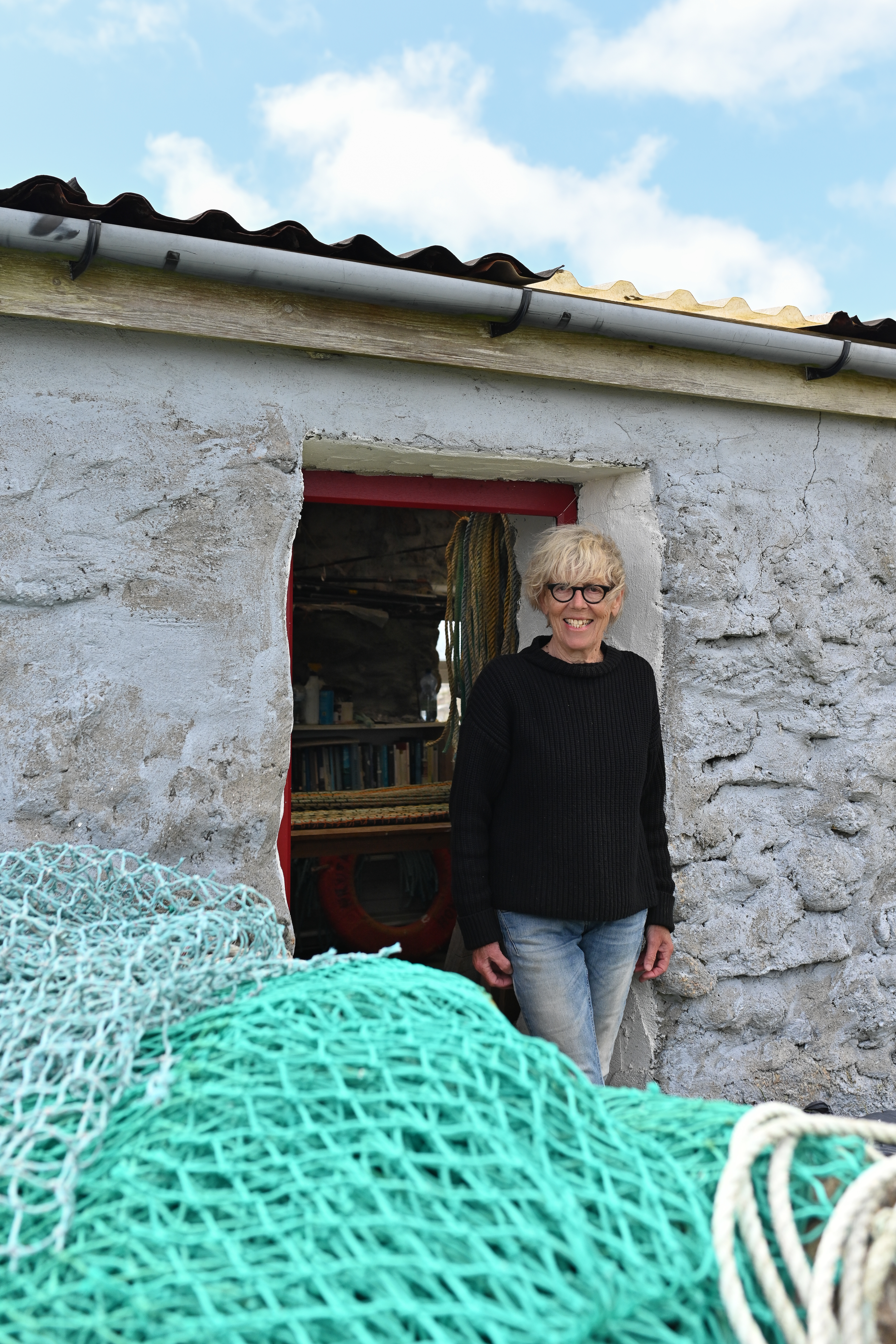
In recent years, a handful of cottages have been restored, bringing seasonal life back to the island. Part-time residents value its tranquillity and the magic of its starry nights. Among them are Dutch natives, Hanneke and Stefan Frenkel, who have called Inish Turbot their refuge for three decades. Inspired by a friend’s house on Inishlacken island off Roundstone, they sought a similar coastal getaway and found their haven here.
Stefan, a creative director, and Hanneke, with a background in art and design, more recently working as an upholsterer, found themselves unexpectedly confined to the island when the pandemic struck in 2020. With electricity disrupted by a damaged cable, they resorted to a generator for essential power. A spilled oil incident when filling the generator led to the loss of a rug, but also the beginning of an unexpected creative endeavour.
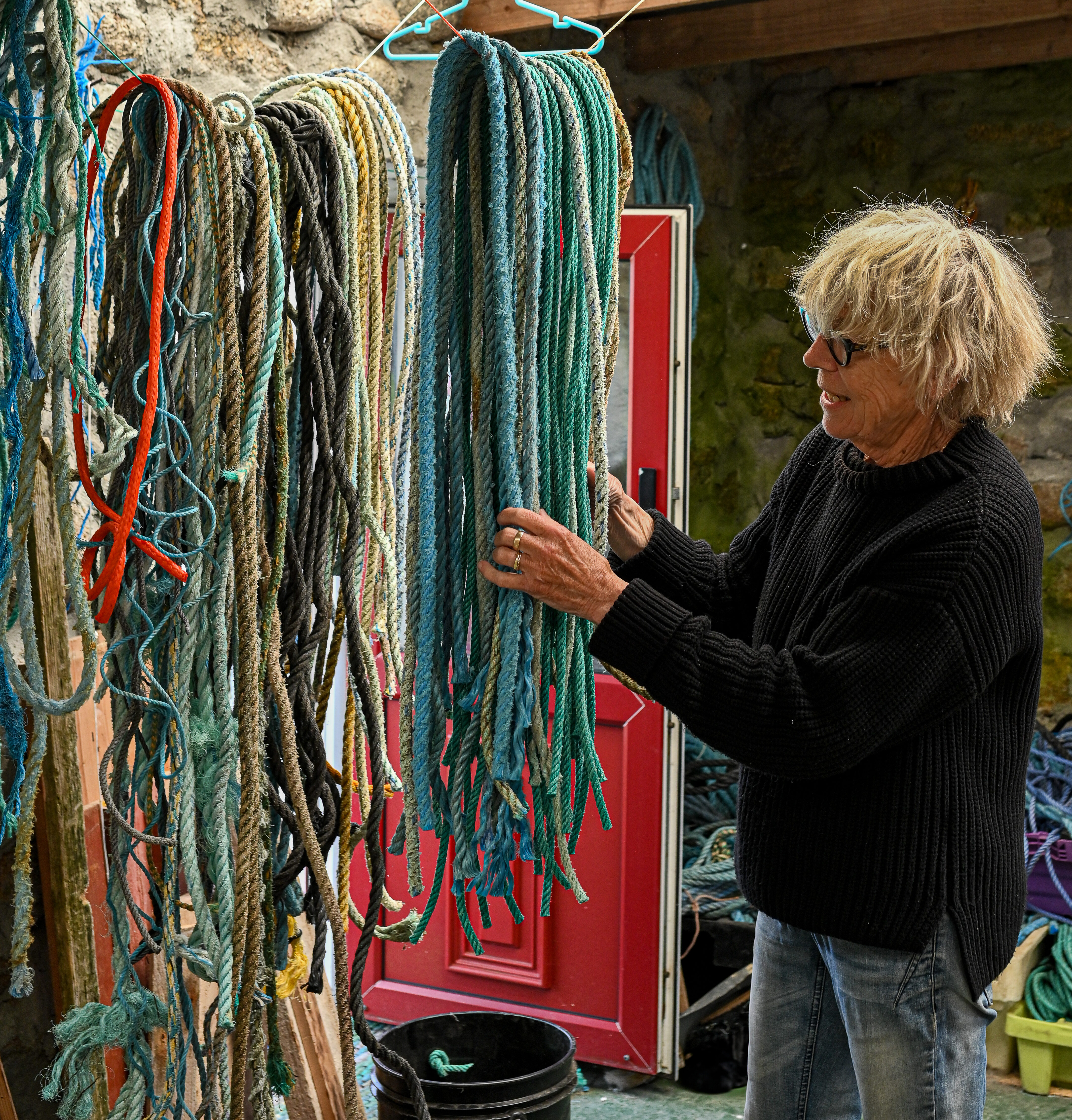
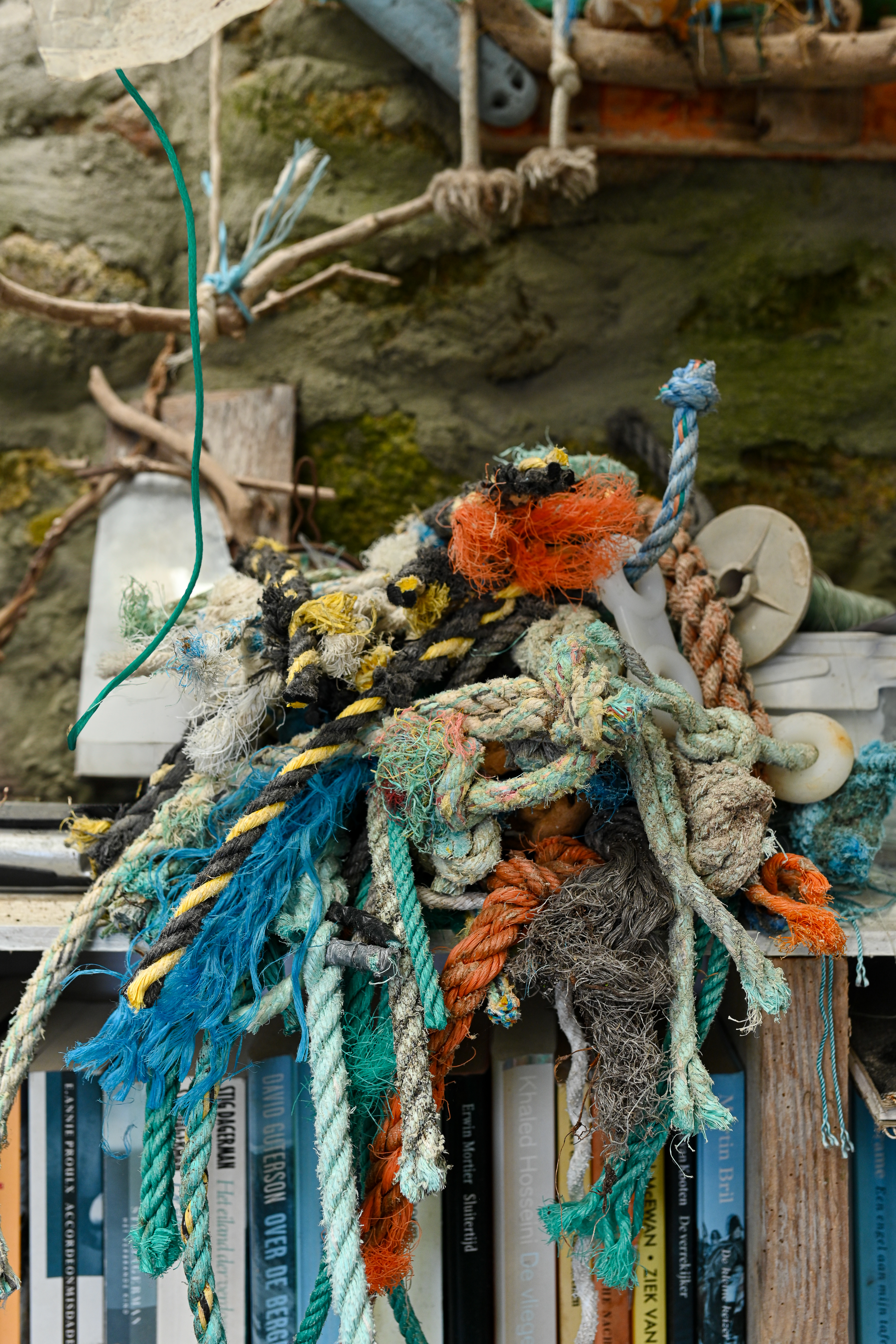
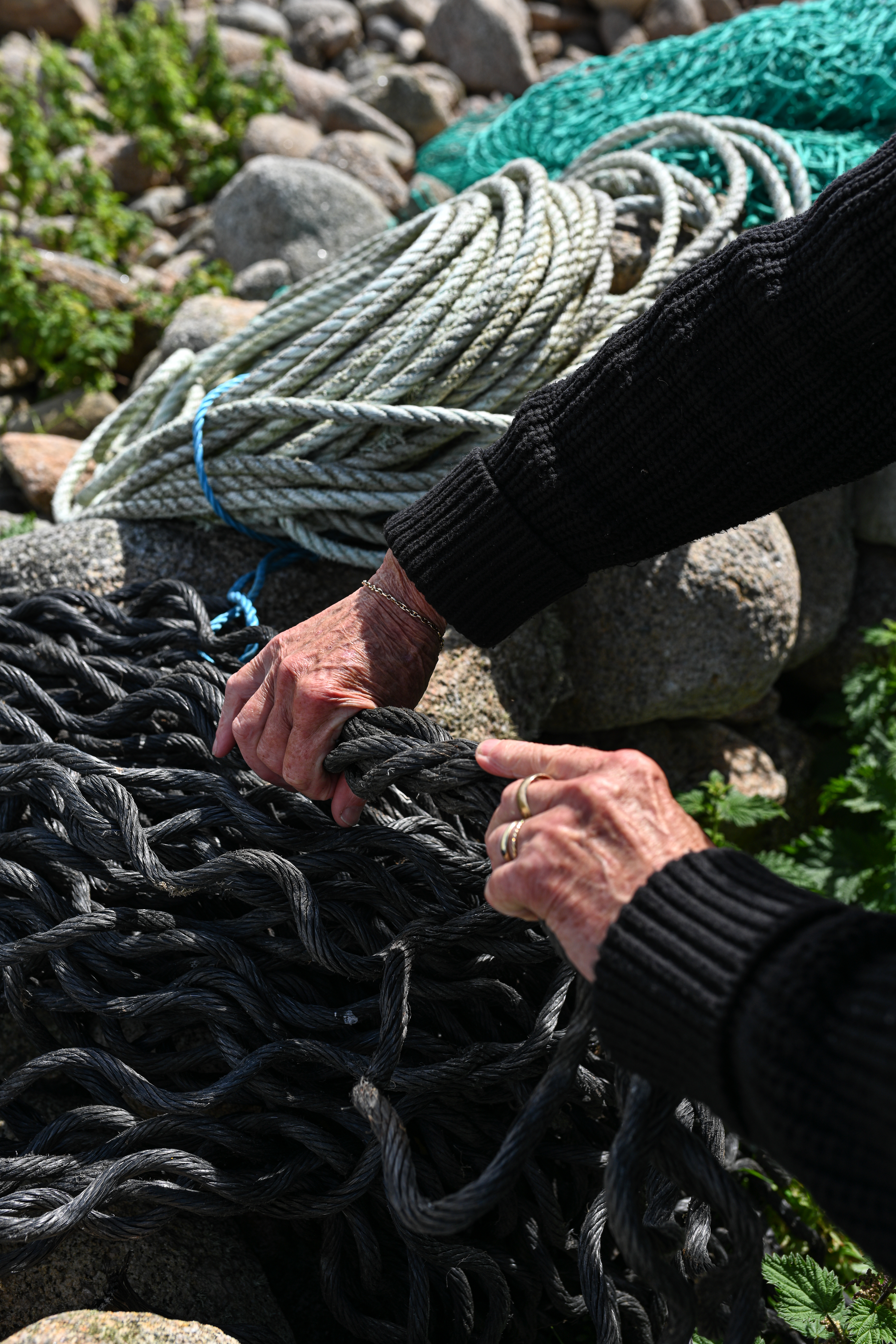
On one of her shoreline walks, Hanneke found a colossal length of rope, washed ashore and tangled in knots. She dragged it home and set to untangling it – just the kind of thing there was time for during lockdown.
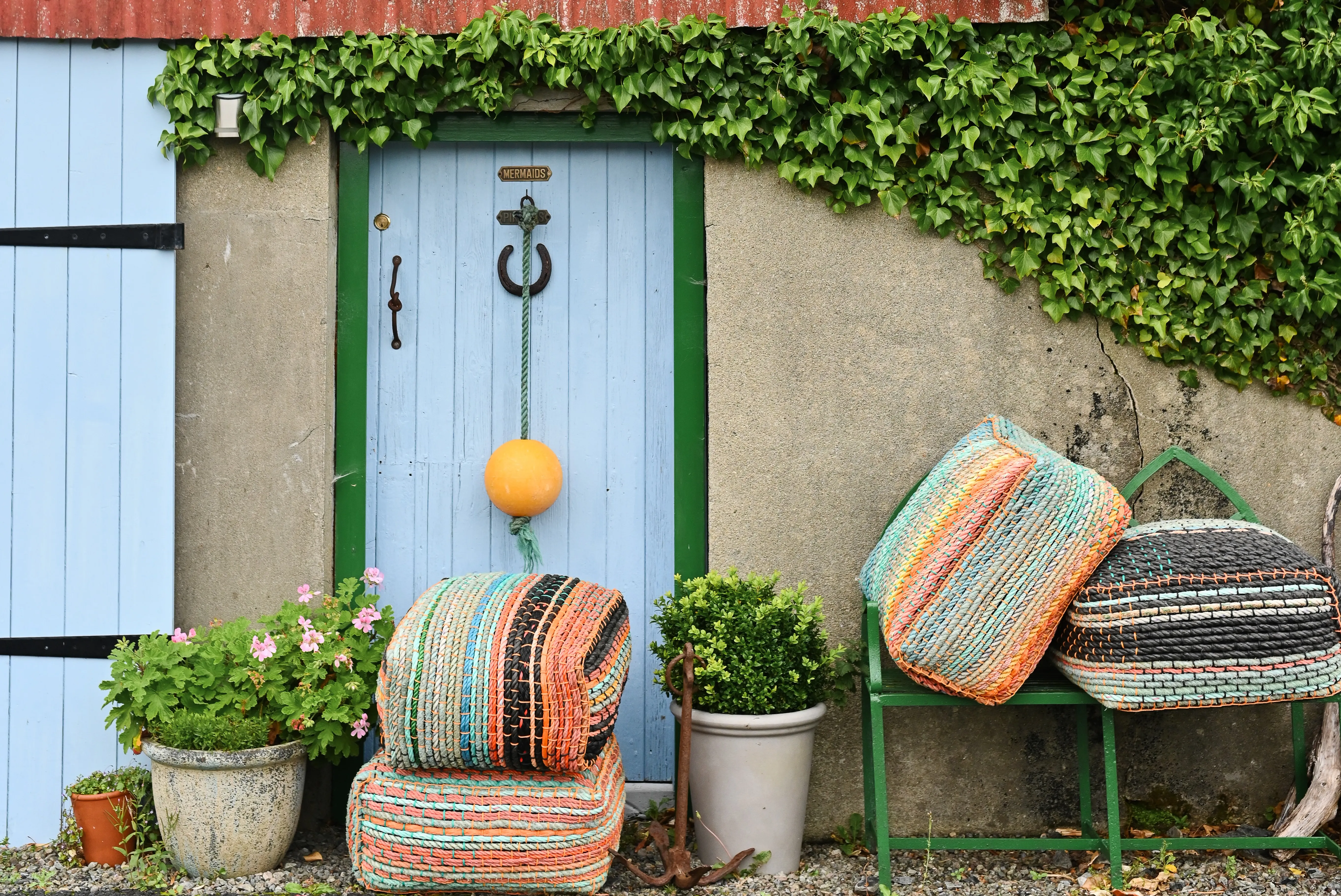
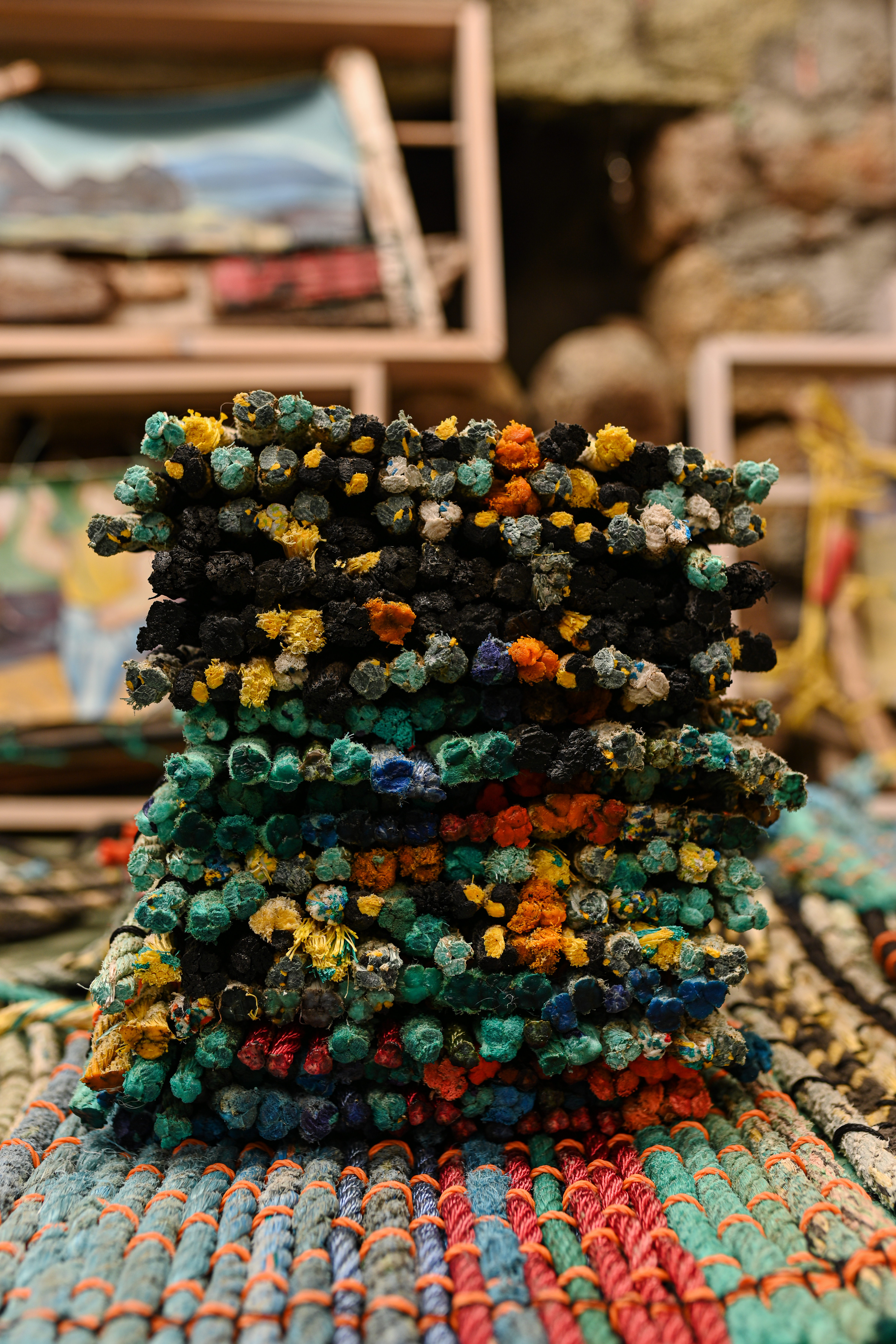
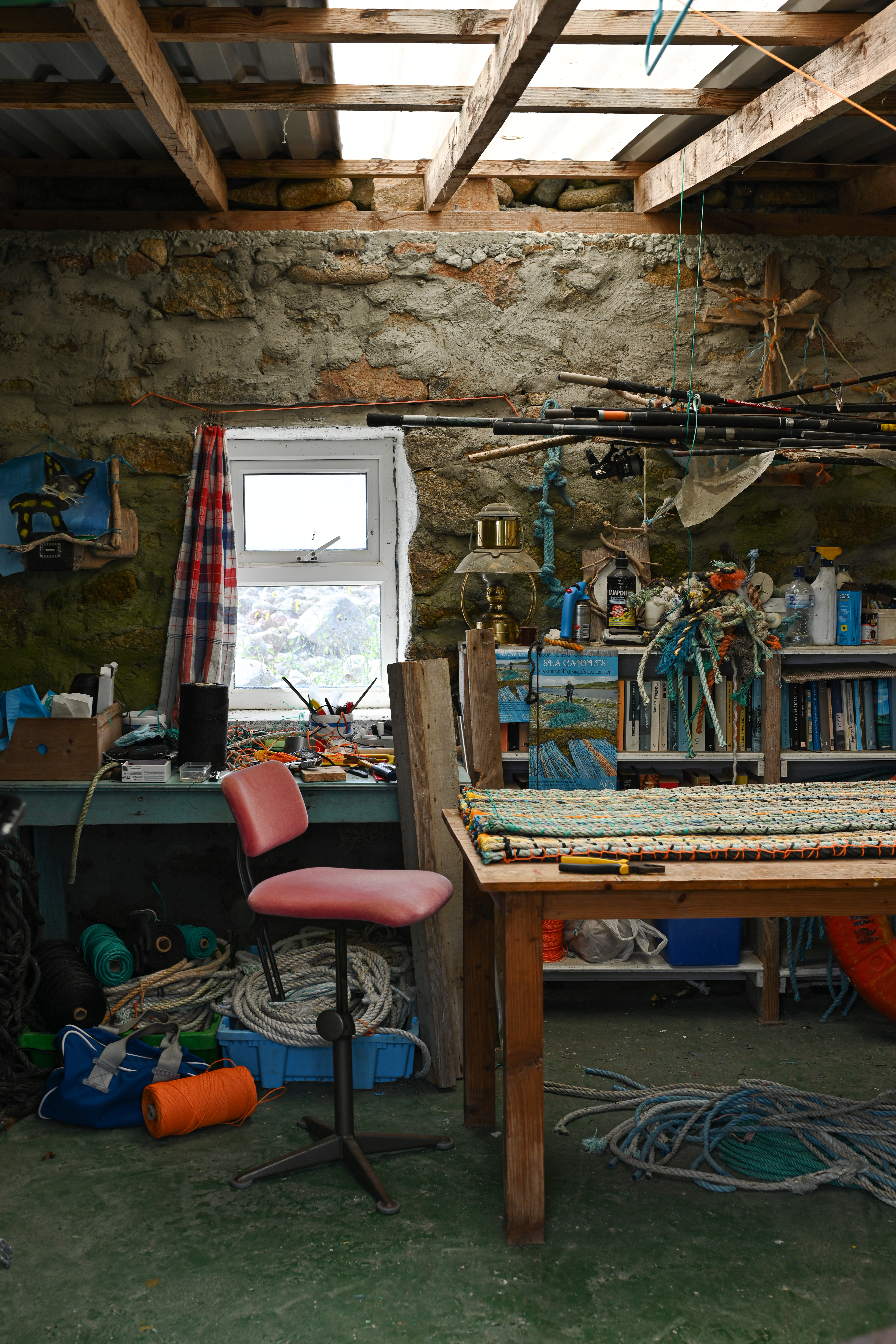
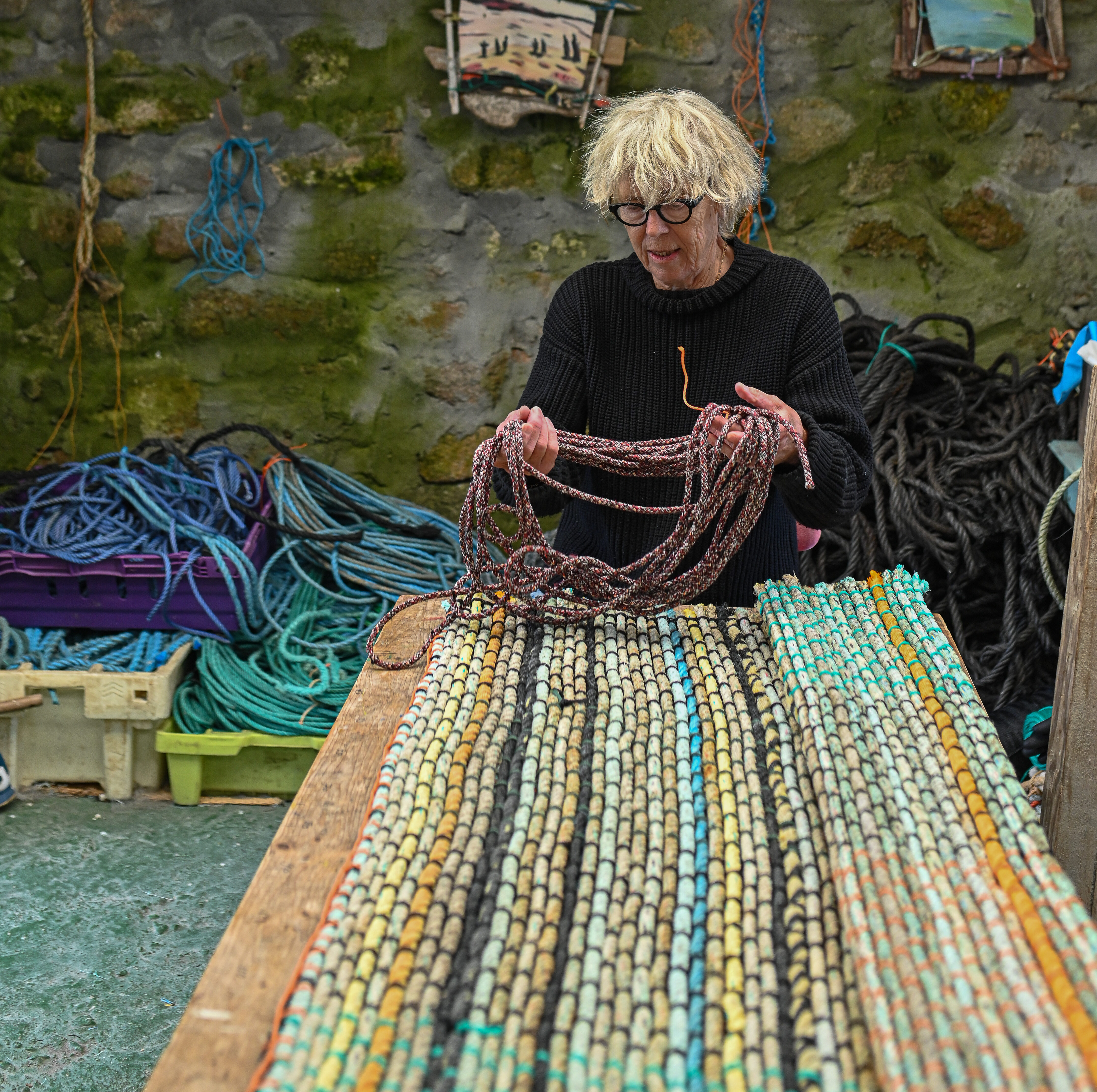
Seeking a replacement for their oil-stained rug, she experimented with weaving the rope, discovering a medium that dictated its own colour palette and texture. She replaced her fireside rug and continued making variations of the same, finding new ways and tools to work with.
Hanneke was amazed and delighted with the interest in her creations, and was encouraged by journalist Lorna Siggins to propose an exhibition to the Clifden Arts Festival visual arts curator Ethel Feneran. Ethel embraced the idea, and when suitable venues proved difficult to secure, Stefan suggested hosting an exhibition on the island itself.
It caused a flurry of excitement, and the trips to Hanneke’s studio sold out. She worked long days scavenging for rope and weaving her “sea carpets” while Stefan complemented her work with painted storyboards of the island framed by beach finds.
The first day of the exhibition went off without a hitch but as the weather turned, determined visitors organised their own boat trips with local fishermen. A further surprise emerged when Peter Carroll of A2 Architects in Dublin discovered Hanneke’s creations. Carroll and a team of architects were curating an exhibition for the 2023 Venice Biennale, themed The Laboratory of the Future.
Hanneke’s journey from finding a tangled length of rope to becoming an internationally recognised weaver is a testament to her creativity, perseverance, and the enduring allure of Ireland’s coastal heritage.
Their project, “In Search of Hy-Brasil”, commissioned by Culture Ireland and supported by the RIAI, explored Ireland’s remote islands, their cultures, and communities. Inspired by the mythical mist-shrouded island of Hy-Brasil off Ireland’s west coast, the architects sought to capture the essence of Ireland’s coastal fringe, drawing connections between the social fabric, cultural landscape and ecology of these islands. Hanneke’s work, born from the shores of Inish Turbot, resonated perfectly with their vision.
She was asked to contribute to the Biennale exhibition and came up with a prototype for an ottoman to be used for seating in black rope and orange stitch with wool filling. Her involvement with the Venice Biennale marked a turning point as they commissioned her to create 28 of her “sea sacks” for the exhibition. Now she faced a daunting task: sourcing enough black rope, which she discovered was very unusual in the fishing industry. The word sent from her fisherman friends eventually reached Castletownbere in Cork, where a local skipper contacted to say he found a good length of it in a bush, covered in briars which he gathered and sorted for her.
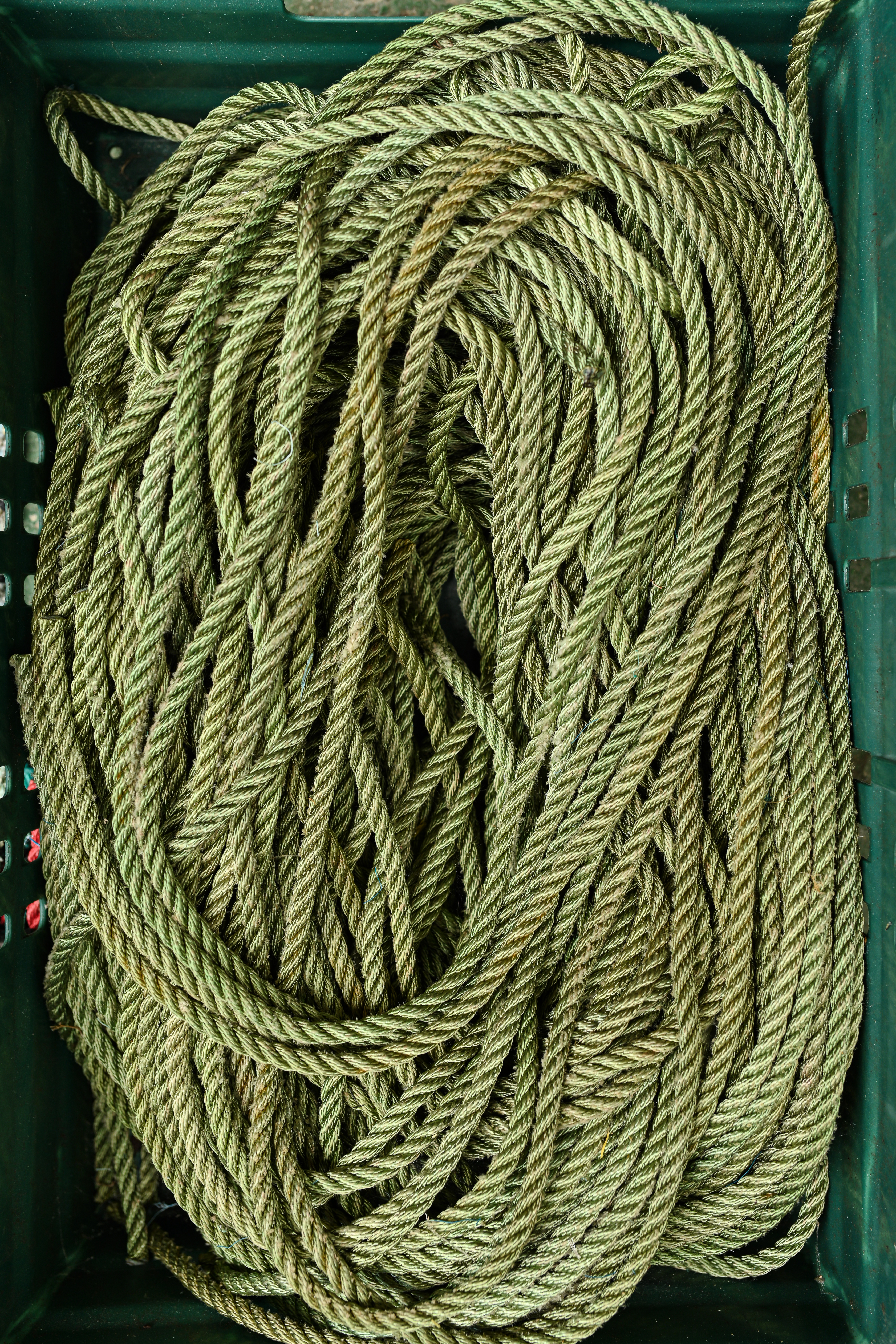
Rough seas and a cold studio prevented her from carrying out the work over winter on her beloved island, so everything was brought to their home, a renovated church, just outside Amsterdam, where she worked while Stefan tried to source more material, even venturing into a sprawling recycling centre with their son to search among mountains of discarded fishing nets and hawsers.
Her home soon morphed into a warehouse with thousands of metres of rope and “sea sacks” everywhere. “I am still tired from it now,” she laughs. “I am not exactly a fast worker, but I am steady, I worked all day and late into the night for months.” Her creations were a resounding success and have since become much sought-out items.
Interior designer Sadhbh O’Gorman of Provenance Interiors in Clifden played a pivotal role in spotting and promoting Hanneke’s work. As the sea crossing comes with its usual challenges, Sadhbh has provided Hanneke with a space to showcase her creations in a little seaside shed on the mainland in an exhibition entitled Floating Colours for the Clifden Arts Festival in September of this year, and she arranges viewings of Hanneke’s creations throughout the year.
Hanneke’s journey from finding a tangled length of rope on Turbot Island to becoming an internationally recognised weaver of this discarded material is a testament to her creativity, perseverance, and the enduring allure of Ireland’s coastal heritage. Everything about Hanneke’s work captures the zeitgeist of the time. Removing plastic from the ocean, ecologically tidying our shores and creating handmade, easy-care (you can just wash them down) and striking carpets and craft items.
Photography: Cliodhna Prendergast
This feature originally appeared in the autumn/winter 2024 issue of IMAGE Interiors. Have you thought about becoming a subscriber? Find out more, and sign up here.
Also Read