



Carl Kinsella: ‘The intersection of online-ness and Irishness is so underexplored’
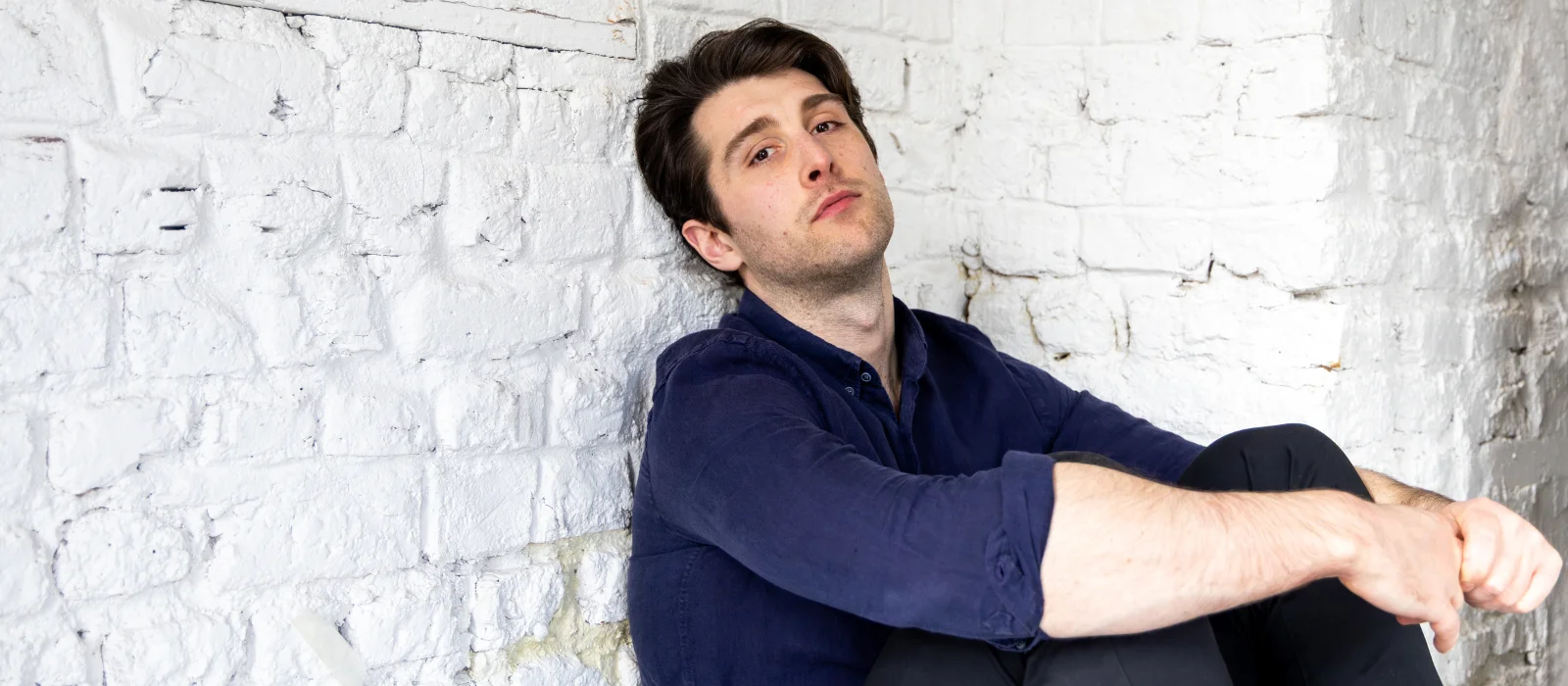
Earlier this year, Carl Kinsella’s collection of essays, At Least It Looks Good From Space, hit the shelves. An exploration of how we cope when everything seems under control from afar, the book is funny and honest and deeply human. The author shares insights, inspirations, and some literary favourites.
Carl Kinsella is a writer from Dublin who writes a weekly social commentary column for The Journal called ‘Surrealing in the Years’. He has twice been nominated in the ‘Popular Columnist of the Year’ category at the Irish Journalism Awards, and writes for the BBC Radio comedy show Lunchtime with Michael Fry, and serves as a news correspondent on the popular podcast Catch Up with Louise McSharry.
In At Least It Looks Good From Space, Carl attempts to solve the great human mystery of why we are the way we are, or to at least examine, up close, why he is the way he is, reliving some of the pivotal moments in his life to figure out the whys, the hows and most importantly: whose fault it is.
Carl explores the complexities (and simplicities) of being friends with men, how the overwhelming presence of technology affects our lives, his experience with OCD and the reality of intrusive thoughts, how online activity might be making us addicted to attention (or maybe that’s just Carl), thoughts on theme parks, how millennials relate to their parents, and that one time he fell into a lagoon.
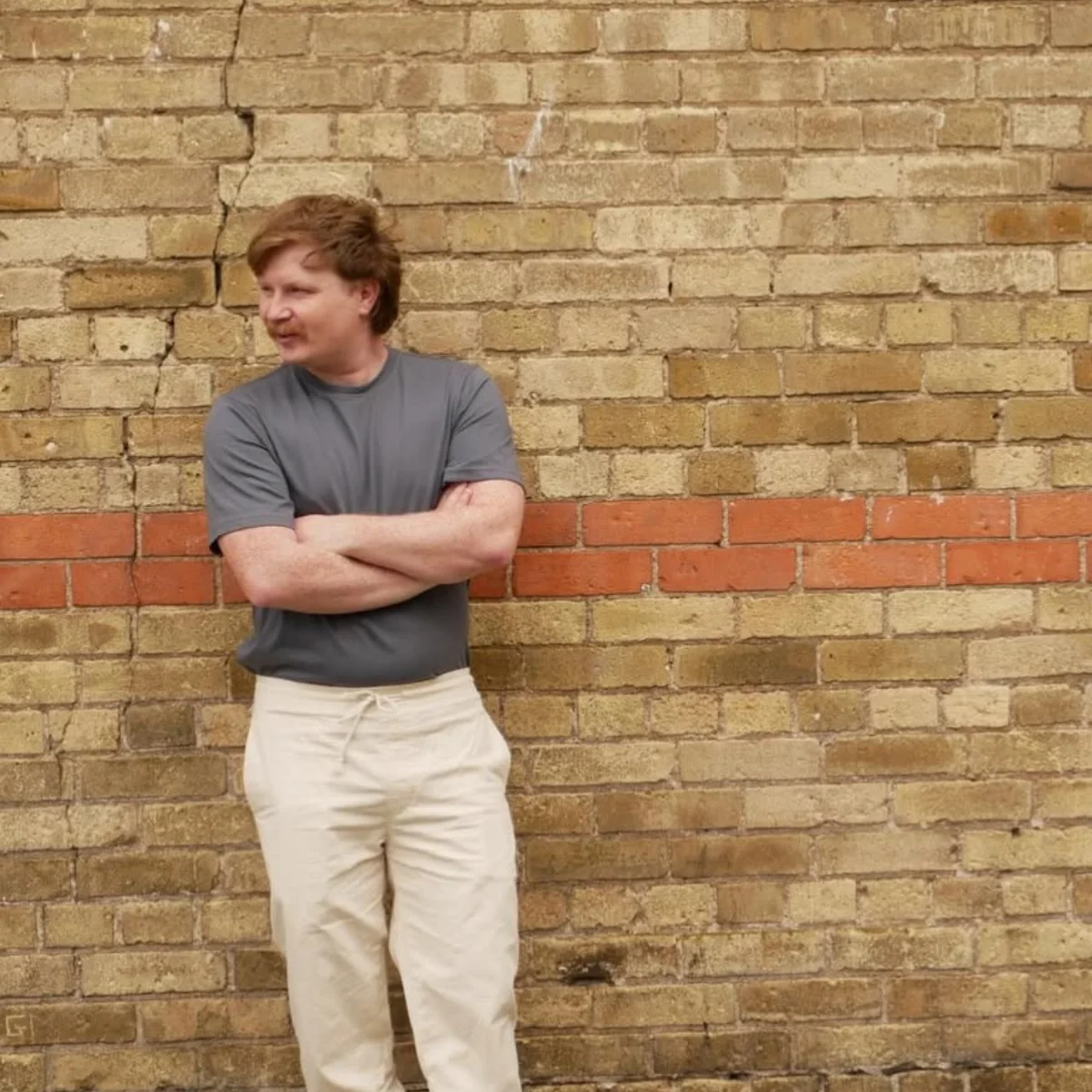
Did you always want to be a writer? Tell us about your journey to becoming a published author.
I have loved writing for as long as I can remember, and certainly if you’d told me as a six-year-old that I would be a published author one day I’d definitely have said “That’s good” and maybe also something like “That must mean I’m pretty rich, then?” at which point you’d have to tell six-year-old me about certain developments in media consumption trends in the intervening 26 years. I’ve been writing news and columns for various Irish publications for the last ten years. This book came about at least in part due to the weekly column I’ve been writing in The Journal for the last two years now.
What inspired you to start writing?
Honestly, I’d say my impulse to write predates the time in my life when my memories come into focus, so I don’t really know. My parents were both really enthusiastic readers and certainly encouraged me to write, but the truth really is that I’ve been writing for as long as I can remember.
Tell us about your book, At Least it Looks Good From Space. Where did the idea come from?
Hachette Ireland proposed the idea of a book of essays to me, and I quite quickly knew that I’d be able to write most meaningfully about the themes that ended up being so central to the essays: mental illness, the internet, family and friendship. I think the intersection of online-ness and Irishness is so underexplored, and I was really excited to take on a project where I could give an account of what this very specific moment in time and space feels like.
What do you hope this book instils in the reader?
There are certain arguments I make in the book in relation to, for example, how we think about the internet, or free will and consciousness, or mental illness. I think some of those arguments are valuable, and I’m glad I got the chance to publish them. For the most part, though, I prefer not to think about the specific consequences of my writing for any given reader; I think I prefer the idea of readers just instinctively feeling whatever they feel as they read it.
What did you learn when writing this book?
I’m not good at answering this kind of question, so I’ll tell you something I learned about myself, and it’s that the guy who recorded my audiobook told me I was the fastest speaker he had ever recorded. Which obviously, when recording an audiobook for public consumption, is not a compliment. I kind of took it as a compliment, though. The fastest!
Tell us about your writing process?
I’m not someone who uses spider diagrams or plots out an essay before I write it, and I didn’t approach the essays with an idea of ‘I need to mention X, Y and Z’. I sort of let the kinetic energy that comes from the writing itself help to generate the next idea as I go. My process is basically a lot of thinking, and then a spontaneous burst of writing. If that can be called a process.
Where do you draw inspiration from?
I’d say I cast a pretty wide net. Particularly when it comes to turns of phrase or the more prosaic bits of my writing, I really think that kind of inspiration can come from anywhere. Cop-out answer. I do think on a motivational level, though, I’m always much more inspired to write when I am reading someone else’s work. Whenever I feel properly bereft of inspiration, there are certain songwriters I count on to jog something. Sam Beam of Iron & Wine and John Darnielle of The Mountain Goats are the two that specifically come to mind.
What are your top three favourite books of all time, and why?
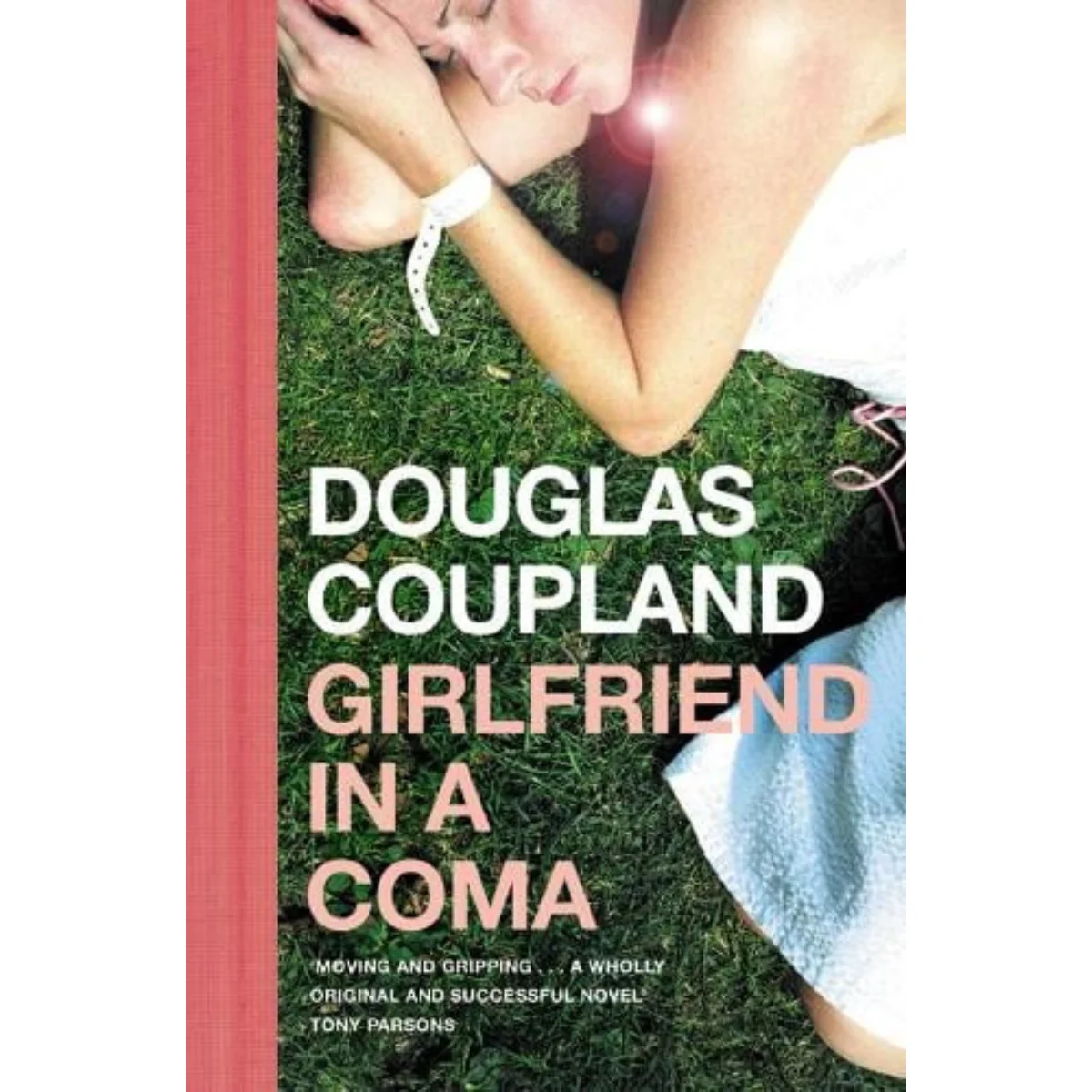
My official answer is Girlfriend in a Coma by Douglas Coupland. This is a heavily sentimental answer. I read it when I was around 17, and something about the characters and world Coupland created for that novel took root in my heart. I’ll also say The Luminaries by Eleanor Catton, which is a book that encompasses everything I enjoy about reading. To throw in a classic pick, I’ll say Moby Dick.


Who are some of your favourite authors, Irish or otherwise?
I’m not good at playing favourites because I have too many favourites. With regard to Irish authors, I’ll say Eimear McBride. Her style, prose and intensity all really resonate with me when I read her. There is obviously no shortage of brilliant Irish authors, though. Kevin Barry, Sally Rooney, Sara Baume, Anna Burns — all spectacular talents.
My favourite author in terms of how much time I’ve spent reading, rereading and enjoying his work is Douglas Coupland. Other favourites would include Donna Tartt, Eleanor Catton, Toni Morrison, John Steinbeck, Herman Melville and Fyodor Dostoyevsky (feels like it’s weird to say his first name for some reason). I do find it hard to stratify the authors whose work I admire, though.
What are some upcoming book releases we should have on our radar?
I am definitely not the person to ask about this. I am completely overwhelmed by how many already-existing books there are to read, so I don’t pay an enormous amount of attention to what comes out and when. Which is not a comment whatsoever on the quality of modern literature, I literally just mean that there are about 200 unread books in my home to get through first. Whatever the new exciting thing is, I’ll catch on to it in about five years.
What book made you want to become a writer?
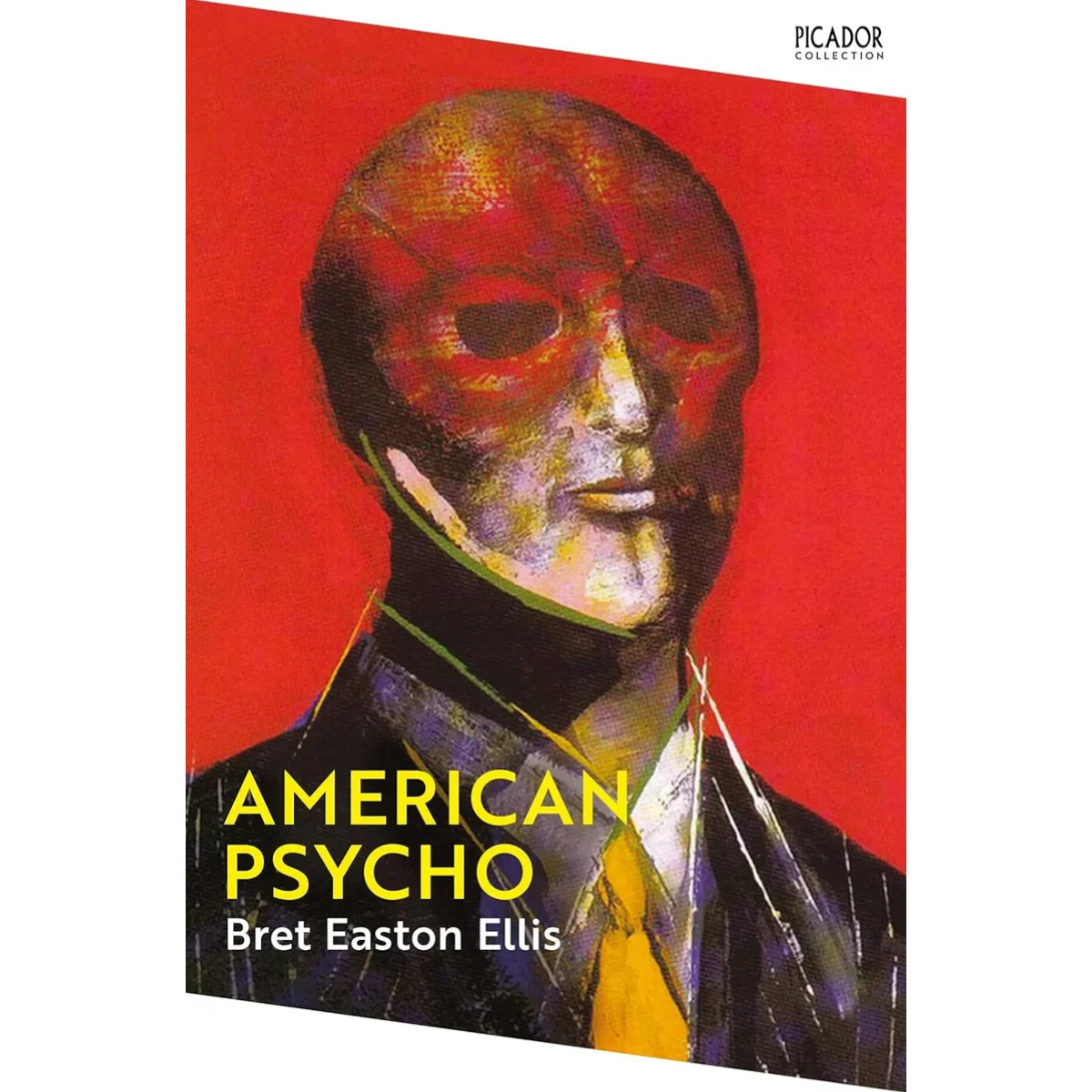
When I was 14 I wrote a short story and I gave it to an English teacher to get his thoughts and he compared it stylistically to Bret Easton Ellis, so naturally I went and read American Psycho, which I wasn’t especially into. I went on to read Less Than Zero and Rules of Attraction by the same author, though, and found them profoundly unsettling, provocative and powerful, and written in a style that I felt I could emulate. I won’t say those books necessarily made me want to become a writer, but they helped me understand the kind of impact that writing can have, and in a style that seemed eminently replicable. Harder than it looked, though.
What’s one book you would add to the school curriculum?
Definitely not anything by Bret Easton Ellis.
What’s the best book you’ve read so far this year?
I’ve been wearing blinders for the last nine months to ensure that I got my own book finished by its deadline, so it has undoubtedly been my worst year ever for reading. I just finished The Benefactors by Wendy Erskine, though, and it was tremendous. I’d highly recommend it.
What’s your favourite bookshop in Ireland?
Outrageously difficult question. Unfair, and perhaps even cruel. I am really fond of the Book Centres in Wexford, Waterford and Kilkenny. They’ve always been towns that I love to visit, and stopping into those shops always makes me happy in a specific way. I love Marrowbone Books in the Liberties. I love Charlie Byrne’s. Do other people answer these by just giving one favourite?
What’s some advice you’ve got for other aspiring writers?
I really wouldn’t presume to advise anybody else, and writers at different stages in their development will presumably need to hear different things. Maybe to make sure they spend more time writing than they do aspiring. Maybe also to try to describe things in a way that nobody else has ever described them before. I think that’s a cool guiding principle.
Lastly, what do the acts of reading and writing mean to you?
I’ve thought about answering this a few different ways and one sequence of words that occurred to me was: “Reading is a feast for the brain.” Obviously that’s an insane thing to think, let alone say, but that’s my answer. Reading is a feast for the brain. And I suppose writing is like being the brain’s chef.
At Least It Looks Good From Space by Carl Kinsella (€16.99, Hachette Books Ireland) is on sale now.
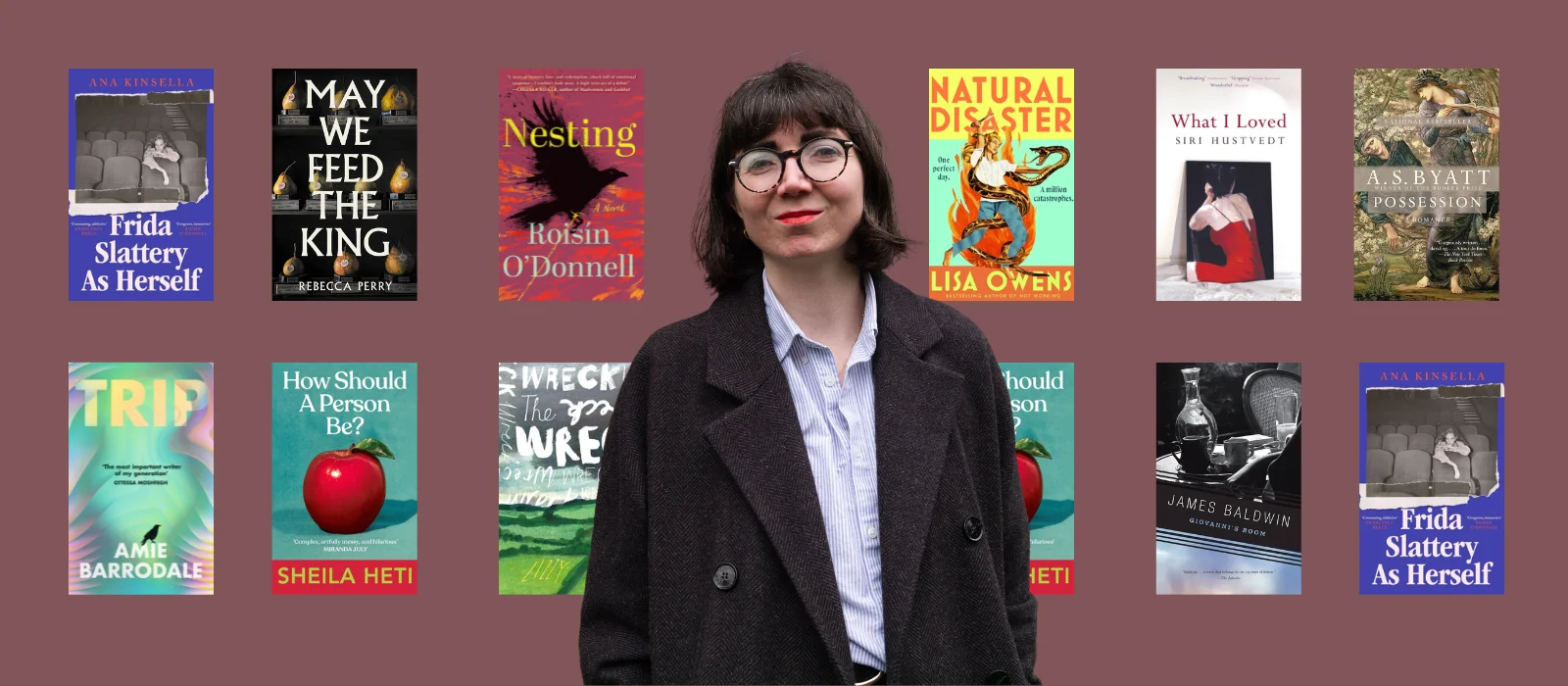
Photography by Ciara Quinlan.
Also Read