


Artist turned filmmaker Myrid Carten is getting personal with her debut feature film
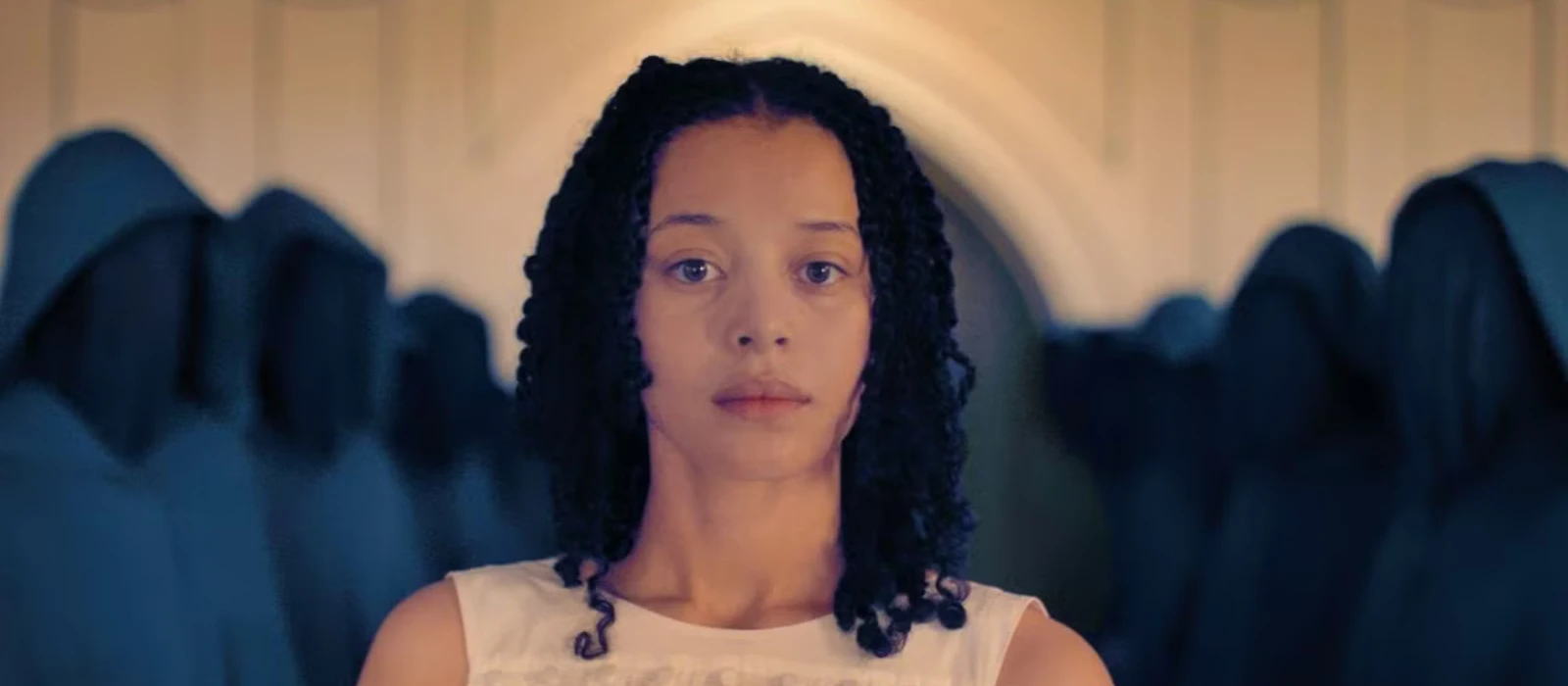
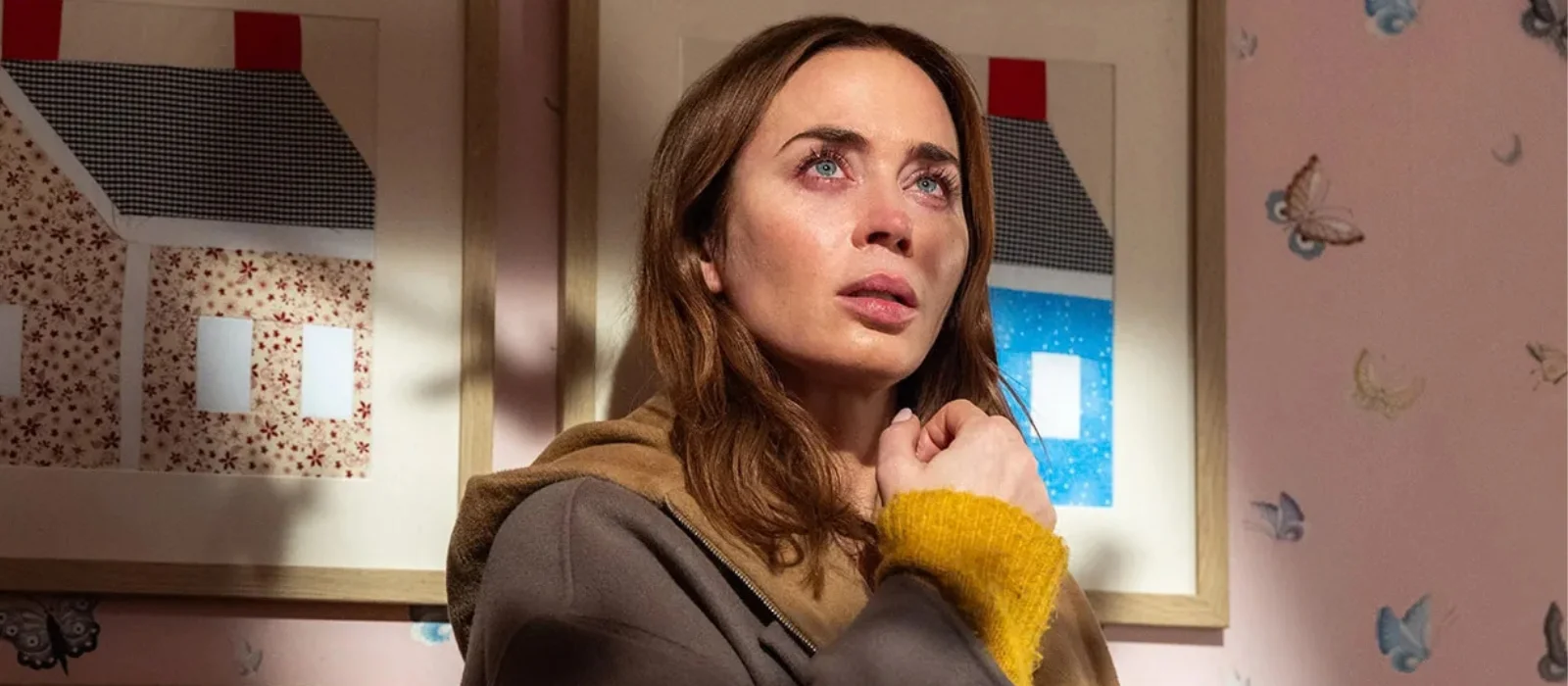
Before A WANT IN HER hits cinemas on October 10, we caught up with Myrid Carten to discuss the process of bringing such an intimate project to the big screen.
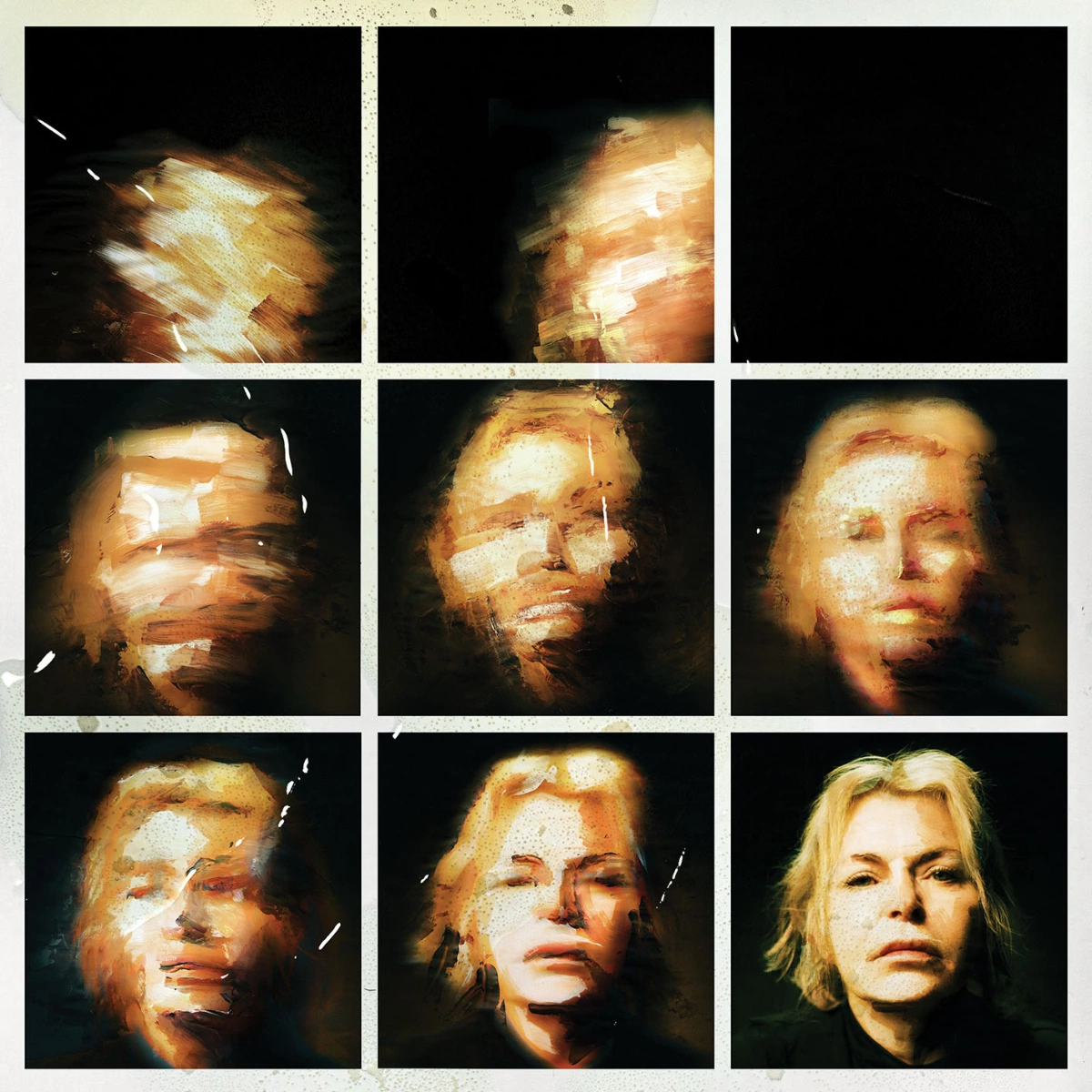
Originally from the Donegal Gaeltacht, Myrid Carten studied Fine Art at Goldsmiths University of London and Central Saint Martins UAL. Using documentary and fiction, and often a playful combination of both, her work interrogates both the struggle for intimacy and the ways we are compromised by our pasts.
Following a natural trajectory to filmmaking, Myrid’s first feature film—A WANT IN HER—won the Audience Award at this year’s Dublin International Film Festival and has received huge critical acclaim, so its cinematic release on October 10 in both the UK and Ireland is expected to cause quite the stir.
When her mother goes missing somewhere in Ireland, artist Myrid Carten returns from London to find her. Her search takes her into a feuding family, a contested house; and a history that threatens to take everyone down, including herself. Intimate, surprising, and often darkly funny conversations with her mother and other family members reveal the trials of loving someone who struggles with addiction and madness.
A WANT IN HER is an immersive, first person account of the cost of love, and how difficult it can be to escape. It asks the universal question: how can we be with those we love without losing ourselves?
What led you towards pursuing the path to becoming an artist, and later, a filmmaker?
The desire not to work. My father always said, “If you love what you do, then you’ll never work a day in your life.” This hasn’t turned out to be the case as I find being a filmmaker is a lot of work! But often too it is worthwhile soul work.
A WANT IN HER is described as ‘a first person account of the cost of love, and how difficult it can be to escape’, pieced together with footage compiled throughout your lifetime. What made you decide to pursue this subject for your first feature film?
It pursued me! I spent many years dodging this subject because a great BA tutor of mine told me when I was 21, “You have a lifetime to tackle this subject. It might be the most significant work of your life. You don’t have to do it now.”
But then my mother’s brother died of a heart attack when I was 28, and I knew this was the start of something, and the time to address this family legacy was now. Five of my mother’s siblings passed away in the first three years I was making the film. I was able to interview nearly all of them thanks to that intuitive sense.

Your work feels deeply personal. Is it a cathartic experience, putting it out into the world to view, or does it feel exposing?
I’d say making work is a meaningful experience, but it’s being on the receiving end of a great piece of art or film that feels more cathartic to me. And I find some of the chat to promote the film more exposing than the actual filmmaking, which was so much about crafting a cinematic and engaging story.
How has your family reacted to the film?
Unexpectedly. My mother said it was the best thing she’d seen all week! It only took me five years to win such an accolade. But it turns out she’d been to the cinema twice that week, and so she proceeded to tell me how much better it was than the Bob Marley biopic. Not the conversation I expected to have, but I’ve learned in this journey that many of my expectations are wrong. My family, in general, have been far more trusting and generous than my fears would have predicted.
You’ve said that this film poses the universal question: How can we be with those we love without losing ourselves? Has working on the project brought you any closer to an answer?
Yes. And lots of good psychotherapy while making it.
What was your favourite part of the process of bringing A WANT IN HER to life?
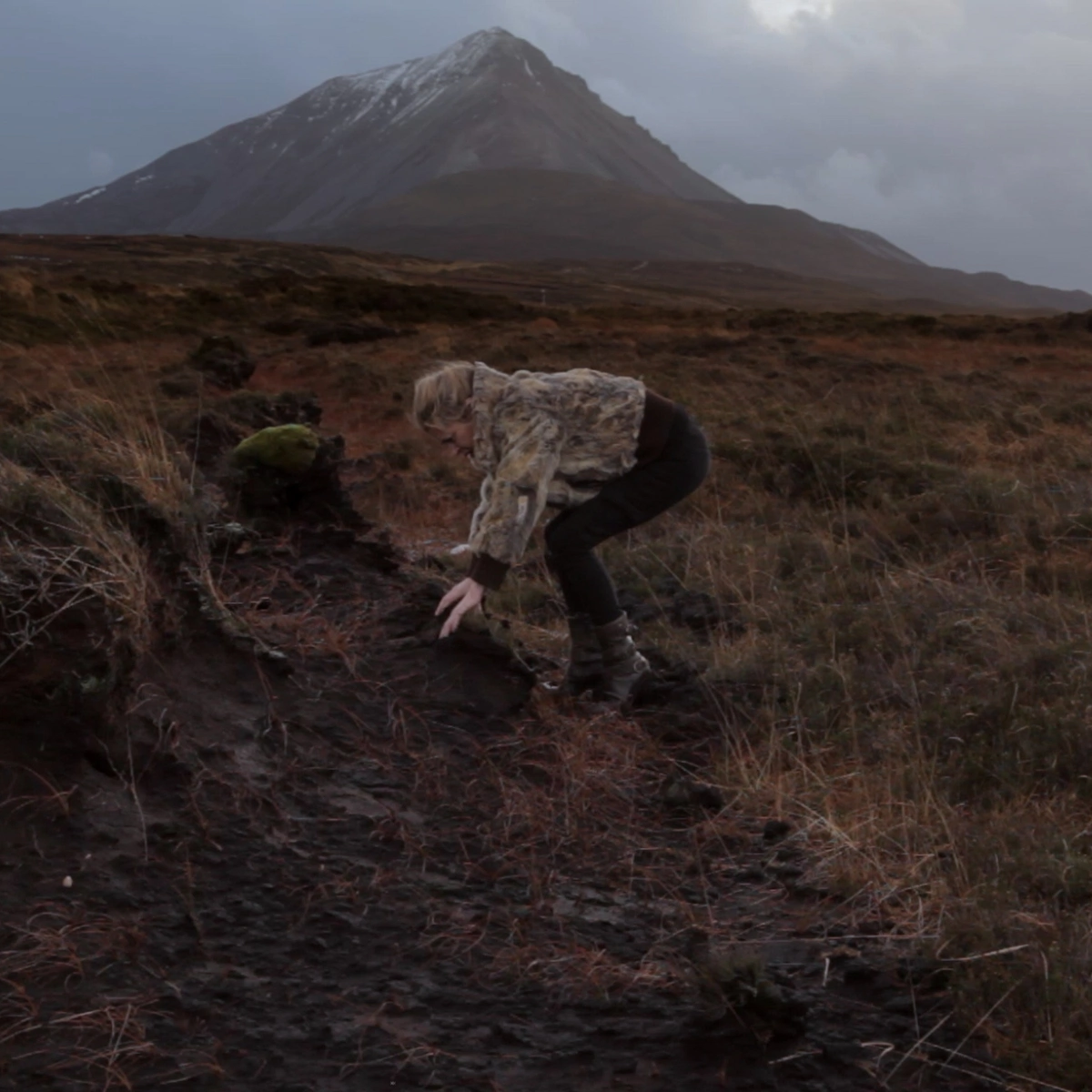
Being playful and having the freedom to experiment while also collaborating with some incredibly talented people, like artist cinematographer Seán Mullan and story editor David Barker. Many people in the process trusted me and helped me to try out ‘mad’ ideas or impulses. I loved those moments where serendipity or magic seemed to emerge. Like the bus passing with a big Samaritans ad on it saying, ‘You can get through this.’ Or how this image came to me of the opening shot, where bodies would obscure the bench we planned to shoot. “Dunno how we would get that,” I said to Seán. When we arrived, a Scottish Pipers event was taking place at the spot, with people crowded all around our bench. We couldn’t have planned something better.
Was a career in the film something you always aspired to?
I have wanted to be a filmmaker since I was a teenager, partly because I watched too many soaps and felt it would mean I hadn’t wasted my childhood. Perhaps more importantly, I got a miniDV camera when I was ten. Apparently, what you’re into around that age can have a bearing on what you go on to do. My mother’s advice was, “Go to art school – artists make the most interesting films.” Whether or not that’s true is up for debate.
Who is someone you look up to in the world of Irish filmmaking?
Tadhg O’Sullivan and Ross McClean.
What is one thing you wish everyone knew about working in film?
Every bad film is a tragedy, and every great film is a miracle.
What is one piece of advice you would give to someone hoping to have a career in filmmaking?
Think through making. You learn how to make a film by making a film. There is no set path; everyone must find their own way by taking the next right action.
Myrid Carten’s life in culture

The last thing I saw and loved… Fanny & Alexander – the TV series version.
The book I keep coming back to… Annie Dillard’s Pilgrim at Tinker Creek, Rilke’s Letters to a Young Poet, and what I see as a contemporary counterpart, Nick Cave and Seán O’Hagan’s Faith, Hope and Carnage.
I find inspiration in… Books, both literature and photobooks.
My favourite film is… I can only give a top five (in no particular order): Clueless, Fish Tank, Movern Callar, China Town, and Maborosi.
My career highlight is… A critic saying that A WANT IN HER is too original and accomplished for comparisons to stick. This is a message I need to return to as I struggle daily with ‘compare and despair’.
The song I listen to to get in the zone is… ‘To War’ by Cormac Begley.
The last piece of work I recommended is… Film: De Humani Corporis Fabrica, directed by Lucien Castaing-Taylor and Véréna Paravel, which was one of the best cinema experiences of my life. Book: Silverback by Phil Harrison.
I never leave the house without… My lip balm and being late.
The piece of work etc. I still think about is… Television: I May Destroy You by Michaela Coel. Film: Butter on the Latch by Josephine Decker. Performance: Nick Cave’s live show.

My dream project would be… To adapt Eimear McBride’s The Lesser Bohemians. Though I know she is doing that herself, and I look forward to seeing it. So the Britney biopic.
The best advice I’ve ever gotten… Meditate.
The art that means the most to me is… Rembrandt’s late works, especially Portrait of Catharina Hooghsaet and Portrait of Margaretha de Geer.
My favourite moment in A WANT IN HER is… Min 18. And all the time people laugh – there is no better sound when watching your own work with others than laughter and sobs.
The most challenging thing about being a filmmaker is… The time it takes to make a film and the fact that the maker can never really see the work when it’s finished.
After a shoot, I… Zone out with a cup of tea in front of a fan heater and avoid looking at the rushes.
If I wasn’t a filmmaker, I would be… Even more lost. And Jane McCann’s apprentice (designer of the brand Óna and the most exquisite linen pieces).
The magic of film and art to me is… It can give a visual form to the spiritual.
A WANT IN HER is directed by Myrid Carten and produced by Tadhg O’Sullivan, Róisín Geraghty and Kat Mansoor with backing from Fís Eireann/Screen Ireland. It will hit cinemas across the UK and Ireland from October 10.
Also Read