










Sponsored
The pitches that weren’t perfect: What founders learnt from getting it wrong
Sponsored By

We explore the pitches that didn't go right and how it impacted those businesses.
For every unicorn start-up story, there are countless tales of initial rejection. The founders of some of today’s most successful companies didn’t get it right the first time.
In fact, their failures to land an early pitch often laid the groundwork for their eventual success. Take Airbnb as a good example…

Case study 1: Airbnb
The story of Airbnb’s founders – Brian Chesky, Joe Gebbia and Nathan Blecharczyk – is a classic example of a pitch that missed the mark. In 2008, the company was still called “Airbed & Breakfast”. Their idea was to rent out air mattresses in their apartment to conference attendees to make some extra cash. They created a pitch deck that, while containing key metrics, failed to capture the true vision and market opportunity. They were rejected by seven prominent investors in Silicon Valley.
The pivot to success
Instead of giving up, the founders went back to the drawing board. They launched a creative marketing campaign selling limited-edition, election-themed cereal boxes – “Obama O’s” and “Cap’n McCain’s” – to generate income and buzz. More importantly, they refined their pitch to focus on a new, more compelling narrative. The new pitch wasn’t just about renting out spare rooms; it was about creating a community and a unique travel experience.
They also focused on the size of the market, proving that their idea could disrupt the massive hotel industry. The founders’ resilience and their ability to pivot from a transactional business model to a visionary community platform ultimately landed them a $600,000 investment and set them on the path to becoming a global travel giant.
Case study 2: Uber
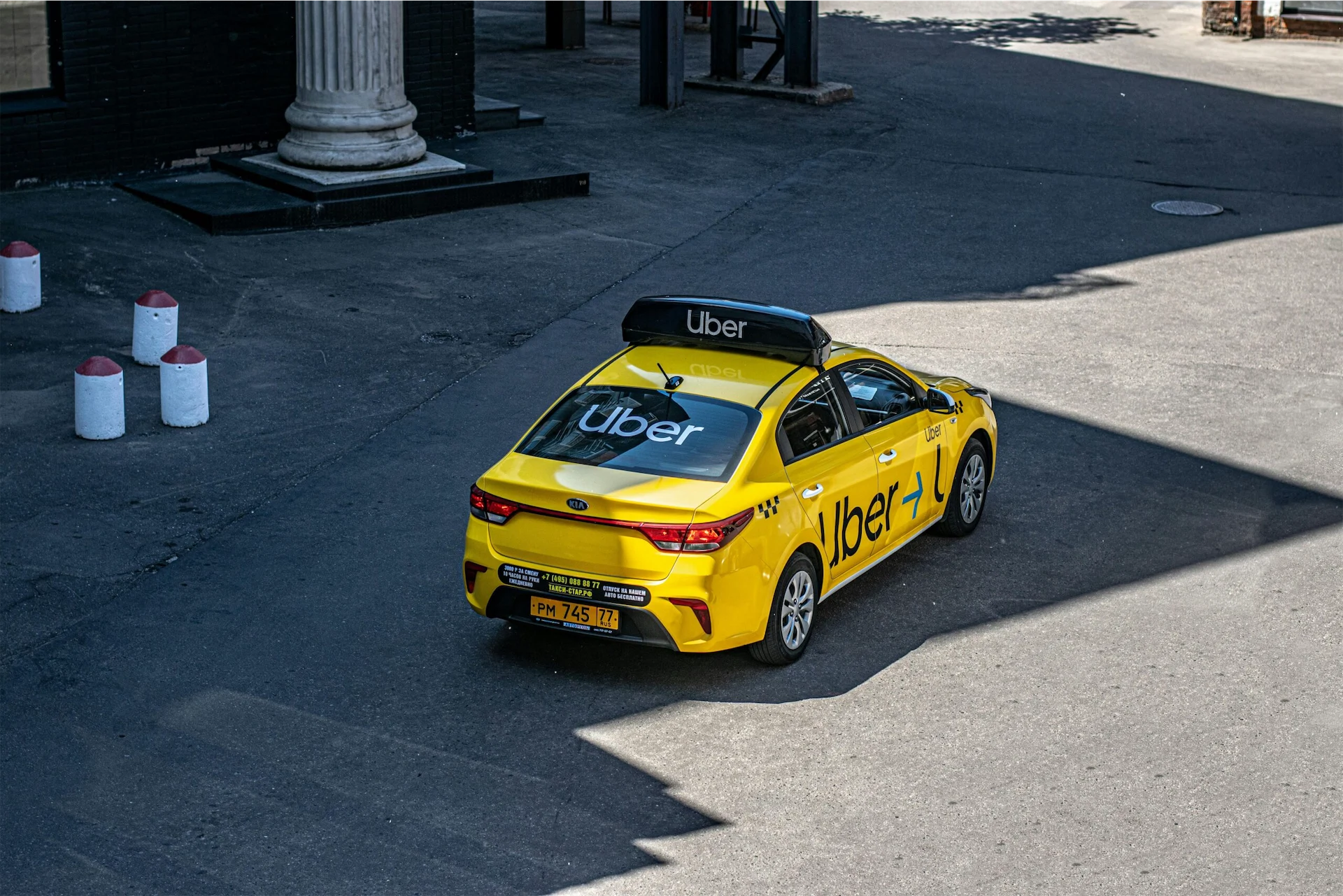
Before Uber was a global transportation behemoth, it was “UberCab” – a luxury black car service for a select group of executives in San Francisco. The initial pitch, while innovative, was limited in scope. Founders Garrett Camp and Travis Kalanick’s initial vision was to create a “NetJets of limos”, a premium on-demand service for the elite.
The pivot to success
The key to Uber’s success was realising the market for on-demand rides was far greater than the luxury segment. They shifted their focus from a small, exclusive clientele to the everyday commuter, rebranding from UberCab to Uber. They expanded their offerings beyond black cars to include lower-cost options like UberX, making the service accessible to millions.
This pivot from an exclusive luxury service to a mainstream utility opened up a massive market and fundamentally changed how people think about transportation. Their ability to aggressively scale and adapt their business model proved that their initial idea, while solid, was only a fraction of their true potential.
Top takeaways
Both these case studies give takeaways for any founder ahead of their big Pitch, such as the finalists of The Pitch 2025 who take to the stage on September 22.
- Don’t pitch a product, pitch a vision: Both Airbnb and Uber learned that their initial pitches were too focused on the “what” (renting a room, hailing a luxury car) and not the “why” or the “what if.” A compelling pitch tells a story about the problem you’re solving and the future you’re building.
- Show, don’t tell: Airbnb’s founders sold cereal to prove their resourcefulness and business acumen. Uber showed that their app could be used for more than just limos. Demonstrating early traction, even in a small way, is far more powerful than making claims about future potential.
- Embrace the “pivot”: A rejection is not a verdict on your idea, but a critique of your current approach. The most successful founders use rejection as a catalyst to rethink, refine and, ultimately, expand their vision. The ability to pivot is a sign of a founder’s resilience and adaptability.
Are you following The Pitch? We invite you to see these exceptional entrepreneurs in action. This year, you can watch The Pitch 2025 live to witness the pitches and see who will be crowned the winner of The Pitch, powered by Samsung.
On September 22, The Pitch 2025 finalists took to the stage for their chance to win a prize worth up to €150,000. To watch the event livestreamed, tune into our social media channels. Visit The Pitch Hub to learn more.
Also Read