

Caelainn Hogan: ‘There are mothers still searching for their children and people still searching for information about their identity to this day’
“The Irish state is still failing to fully investigate illegal adoptions and is still excluding many survivors from redress, justice and information,” writes journalist and Republic of Shame author Caelainn Hogan.
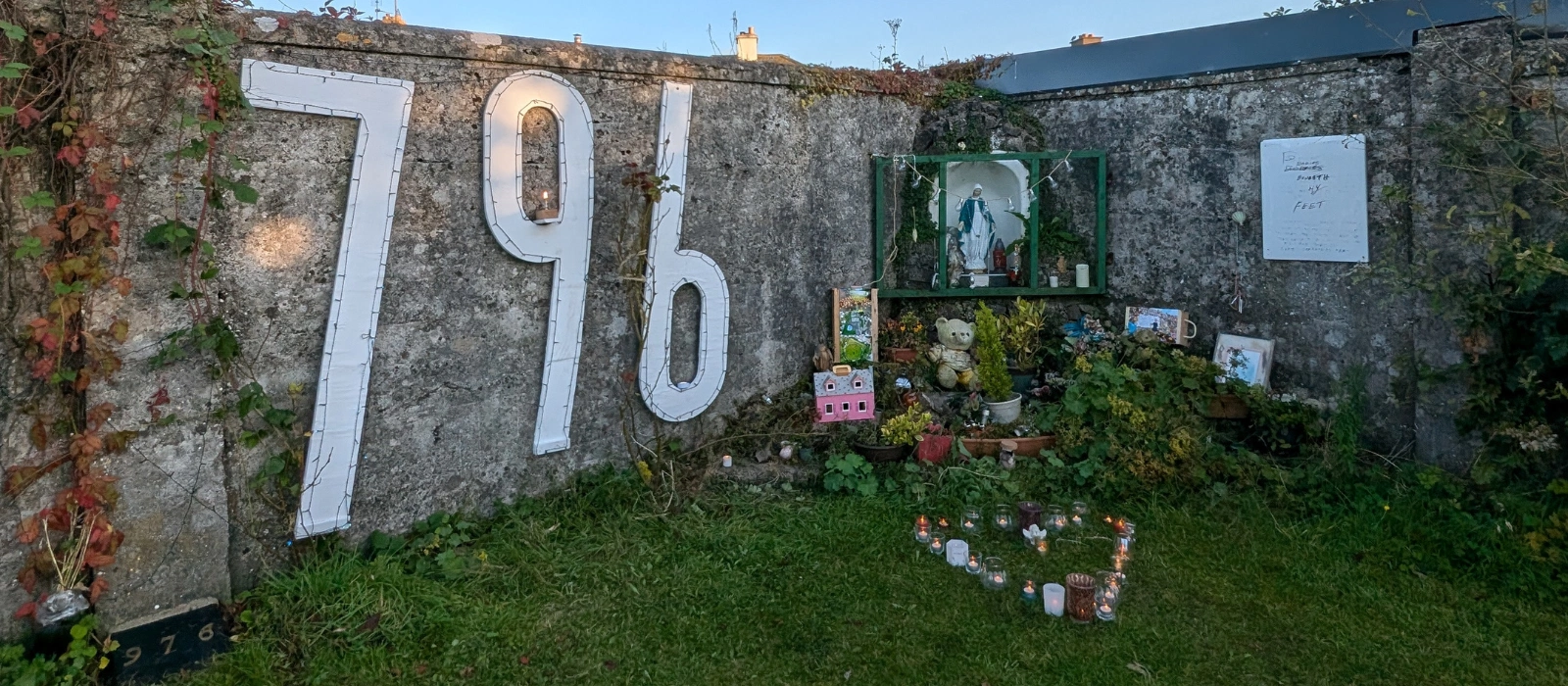
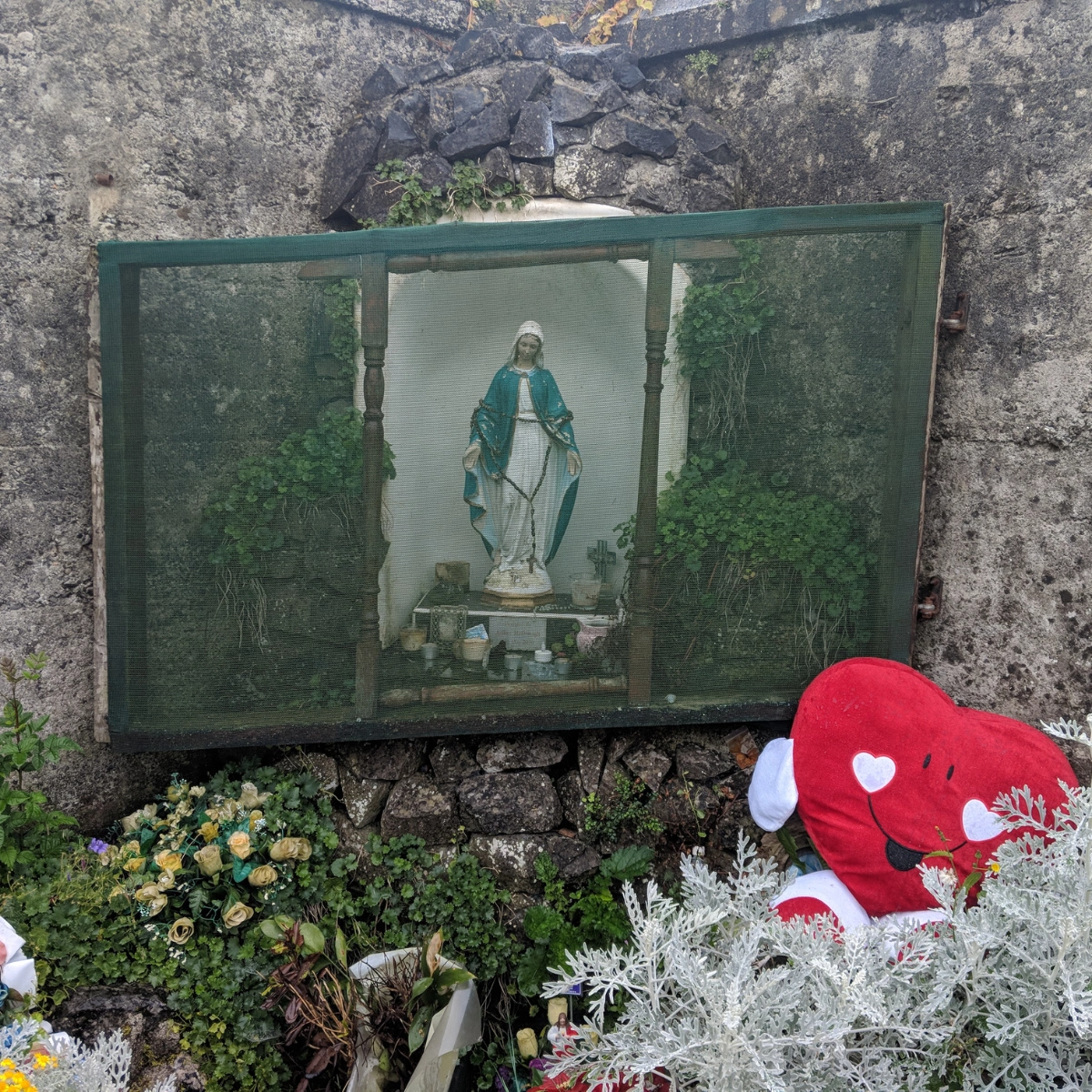
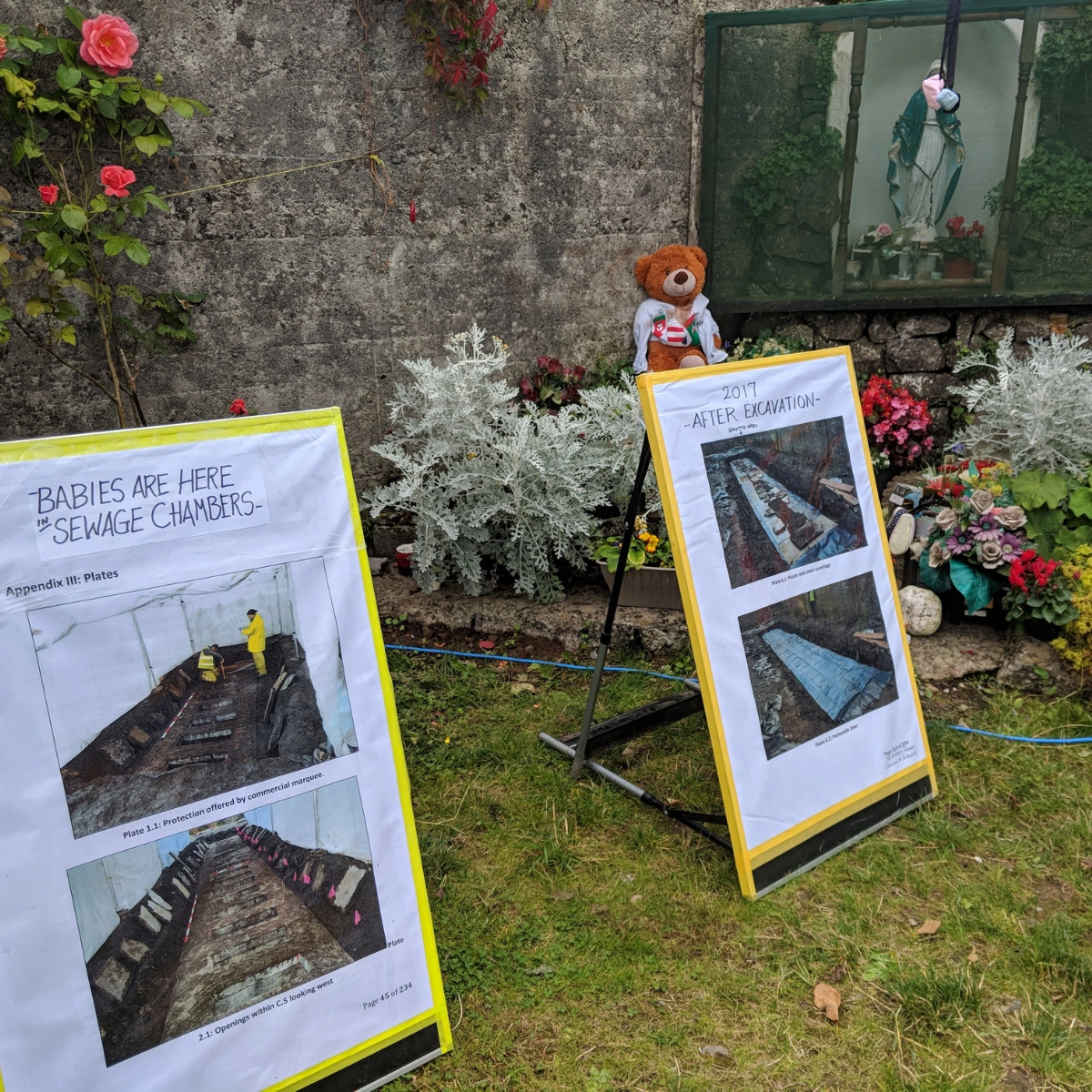
When I first saw the ground of the mass grave at Tuam, where the remains of children were found in sewage chambers, it was through a small hole in hoarding erected for the test excavation. A statue of the Virgin Mary stood in the far corner, overlooking the dark gravel raked over disturbed earth, with spray paint marking certain locations on the surface, presumably left by the technical team.
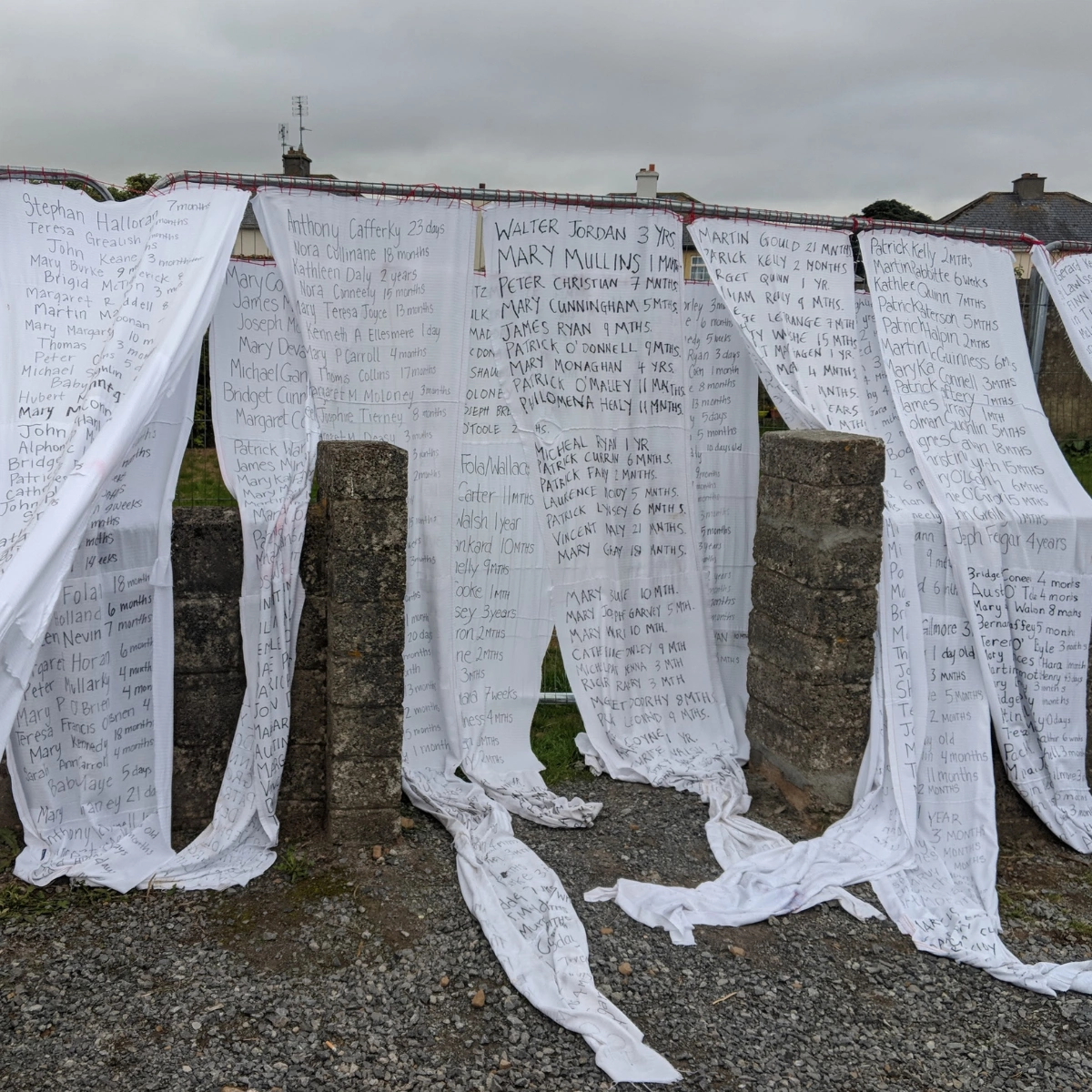
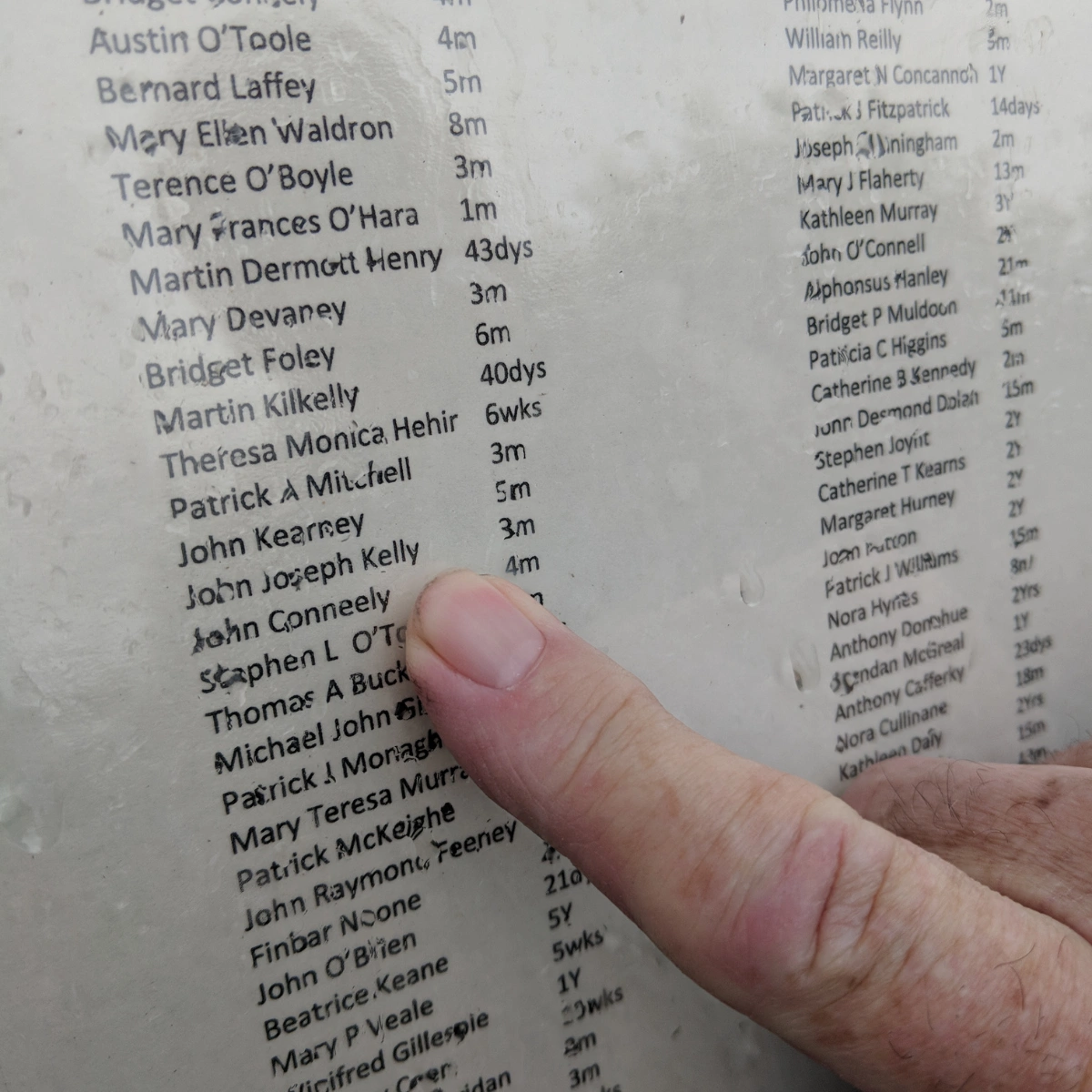
On the outside of the hoarding, someone had stuck pieces of A4 paper, laminated but still stained with rain, with the names of the hundreds of children who died there typed in neat rows, along with their ages.
More than a decade after Catherine Corless and survivors broke the silence about the deaths at Tuam, the excavation is finally beginning.
This was in 2017, after the test excavation was completed and the news made public that “significant human remains” were found in a disused tank, dating back to the time the Bon Secours nuns and the county council ran the institution. It would take years for the Commission of Investigation into Mother and Baby Homes to release its final report in 2021, along with photos of the grate-like structure beneath the ground, which no person could possibly climb into, no way to bury a body in any dignified way, even the tiny body of a months-old infant.
The memorial garden is sealed off again. The full, forensic exhumation that started this summer is the culmination of many hard years for survivors, who have tirelessly fought for answers and more than a decade after news broke around the world about the research of Catherine Corless, who found around 800 children died there, with no records to show where most were buried.
The excavation will span the entirety of the old grounds of the institution, at least up to the borders of the homes that encircle it. Maps showed a children’s burial ground. Still, the Council went ahead and built houses and a children’s playground, with little done about the many incidents where local people, including little boys, stumbled across bones and unmarked graves.
In 2017, the same year it was confirmed that significant human remains were found in sewage chambers on the grounds of the Bon Secours institution in Tuam, I started writing Republic of Shame, a book investigating the religious-run, state-funded institutions that incarcerated pregnant people and their children. The Tuam institution closed in 1961, but it was only one of many. Until 1987, the year before I was born, children born to unmarried parents in Ireland were still “illegitimate” under the law. For generations, tens of thousands of mothers were sent away to institutions run by religious orders and separated from their children.
I started speaking to survivors at a pivotal time. It was a few years after the marriage equality referendum, with its debate around who gets to be a family. People opposed to marriage equality had argued that children should only be raised by a married, heterosexual couple and there was real pushback. People raised by single mothers, by grandparents, were saying: no one’s going to tell me who gets to be a family. While I wrote the book, Ireland voted to repeal a constitutional ban on abortion. An illustration at the time showed a young woman in a Repeal jumper being called a murderer by a priest, who is standing on a pile of bones on the grounds of Tuam. A national conversation was happening about how pregnant people trying to access reproductive healthcare were shamed, silenced and forced to travel beyond our shores. At the same time, survivors of the mother and baby home institutions were sharing their testimonies of their pregnancies being controlled, their babies taken, with tens of thousands of women and girls effectively incarcerated, separated from their children due to stigma.
For the people with loved ones who might be buried at Tuam, it has been a long and difficult fight to get here.
I was a teenager in 2006, when the Castle mother and baby home institution finally closed down, as I discovered while reporting my book. That institution was run by lay people but under the local Catholic dioceses, who didn’t want mothers there to get education around reproductive health or contraception. It was opened in the 1980s and one of the motivations was to prevent pregnant people travelling from Ireland to access abortion. Like Tuam, this institution was only closed because the building was in disrepair and it was expensive to fix. A crisis pregnancy organisation set up by Catholic bishops used to send mothers to the Castle. With the increasing threat of the far right and Catholic ethno-nationalism seeking to roll back hard-won rights, there are priests and politicians today in Ireland who have openly spoken about bringing back institutions like the mother and baby homes as an alternative to abortion.
In the 1960s, when more than 96% of children born outside of marriage were adopted, a senator challenged the government of the time, saying mothers were treated like a “slave” or “prisoner” in these institutions and that there would be no “adoption system” if mothers could keep their babies. In the 1990s, a religious order that ran an institution where children were held for adoption admitted to false information in their records being given to people searching for each other. The Irish state is still failing to fully investigate illegal adoptions and is still excluding many survivors from redress, justice and information. It has taken more than a decade after Catherine Corless and survivors broke the silence about the deaths at Tuam for the excavation to finally begin.
The first time I visited the site of the Tuam institution, I met a man who was born on the housing estate but knew nothing about the children’s remains until the recent revelations, who wondered aloud to me what the nuns were hiding. “I don’t think God was here,” he said. As a child, he would have played in the area, “running around and it’s a graveyard really.” It had a real impact on him. “It’s hard to be religious after that,” he told me. The proximity of the main cemetery, the consecrated ground just across the road from the estate, seemed to add to the insult of leaving children in a mass, unmarked grave on the grounds.
The way to the Dublin Road housing estate, built on the grounds where the institution once stood, is lined with national schools with saints’ names, a reminder that around 90% of our primary schools are still under Church influence.
The church treats its records as private, even though its portfolio of properties and assets were all funded by public donations and state funding. While the state now holds a huge number of records from the mother and baby home institutions, a recent review of adoption files, which found that there could be up to 20,000 cases of illegal adoption in Ireland, stressed that today there might be thousands of files relating to these adoptions still in private hands. I was only able to access two Diocesan archives, one in Dublin and another in the West of Ireland. One of the archivists I met with turned out to be a convicted child abuser.
I wrote Republic of Shame after half a decade of reporting internationally but accessing information on the religious-run institutions in my own country was Kafkaesque. I used freedom of information requests to access whatever information I could from the state and went through the national archives, though many records were missing. I supported survivors to apply for their own records and, through that, witnessed first-hand the bureaucracy and barriers to information. I helped a mother who was sent to Tuam twice to apply for her records and struggled even as a journalist, let alone a survivor in her 80s. The state didn’t provide the record from a county council ledger that I found, showing her family had paid for her son to be in the institution, despite the deprivation, and we had to apply directly to the nuns who ran the Magdalene Laundry, where she was sent for being “penitent – twice”, for having two children.
The lives of “illegitimate” children were not valued, neither were the lives or choices of their mothers.
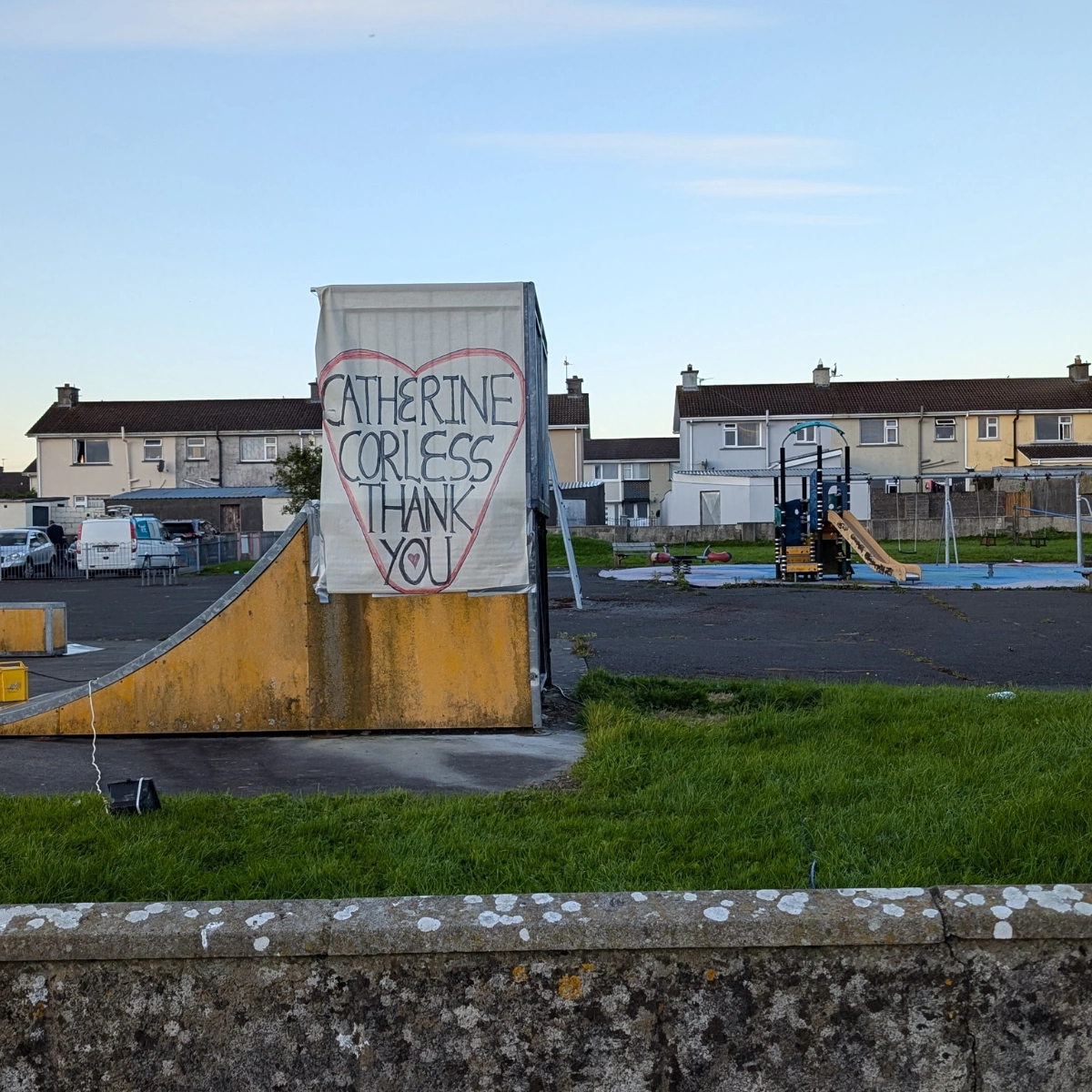
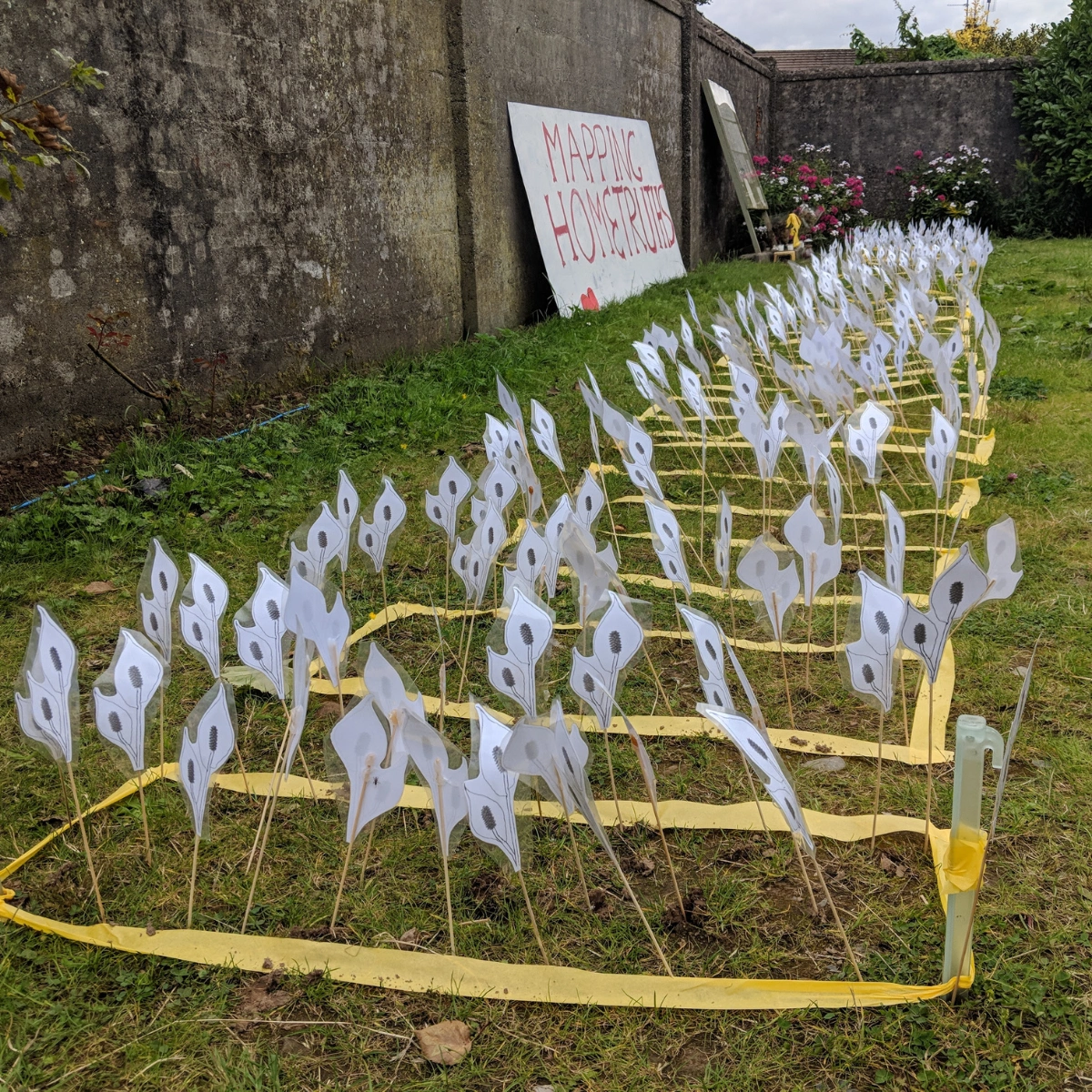
The burial site at Tuam lies at the heart of narrow, house-lined streets, beside a tarmacked playground with a skate ramp, along with the single remaining wall of the institution’s chapel. At vigils and memorials held by survivors at Tuam through the years, the names of babies and their ages were read out, the records printed out and hung among the leaves of trees showing the causes of death, including marasmus, another word for malnutrition. Years after members of the public, including myself, were asked at an official consultation to pass a felt stone around a hotel function room and say what we thought should happen with a children’s mass grave, the Irish state is finally acting, backed by new legislation, and a team of experts is involved in excavating the burial site. For the people with loved ones who might be buried at Tuam, it has been a long and difficult fight to get here.
As of September, more than 100 people have come forward to give DNA so far, with samples taken from more than eighteen people. The Office of the Director of Authorised Intervention, Tuam (ODAIT) team is taking samples from elderly or vulnerable people first before expanding to a wider group of relatives, which can include parents, grandparents, siblings, aunts, uncles, nieces and nephews from the maternal and paternal side. Cousins are omitted though, which has concerned some family members, including a woman I spoke to at one of the last vigils before the site was closed for the excavation. I think of a volunteer at the Knock shrine who told me he was born in Tuam. His local priest, who he asked for help searching for his mother, told him to “leave that alone”. He wondered if he could have a sibling in the grave. It is not clear if he could give DNA to find out.
From the earliest years of these institutions, people raised the alarm about cruelty and neglect. One inspector warned that “illegitimate” children were better off in the so-called “slums” of Ireland’s cities than in the state-funded, religious-run institutions that were supposed to care for them. It was known by those in power that children in these institutions were dying at sometimes five times the rate of children born within marriage. For a while, these deaths were justified by a belief that these children were physically weaker because of the supposedly immoral nature of their conception. The lives of “illegitimate” children were not valued, neither were the lives or choices of their mothers.
Many survivors hope to see investigations into the unmarked burial sites of other institutions where hundreds died. What of the children sent to psychiatric hospitals when Tuam closed who quickly perished there? Or the many children sent from Tuam to Sean Ross Abbey, a mother and baby home institution with its own mass grave that has yet to be excavated. Or Bessborough, where we still don’t know where more than 800 babies of the more than 900 who died there are buried.
In the book, I share conversations I had with Bon Secours sisters, the order that ran Tuam. I found a common denialism, hoping it wouldn’t turn out to be as it was reported, even though at that time the test excavation had already confirmed it. Some of the Bon Secours sisters talked about how Direct Provision and emergency accommodation, especially with the number of children homeless, was going to be the institutional injustice that would be the subject of future reports. While I would agree with them on that, if not much else, I also tried to explain to the nuns that for survivors, what happened in the institutions is not in the past and they face ongoing injustice. There are mothers still searching for their children and people still searching for information about their origins and their family and identity to this day. Some survivors are people my own age and younger, still searching for answers.
The de facto theocracy that institutions like Tuam were a part of tried to cement authority through the punishment and control of marginalised women and children. Many men, and women too, living within that patriarchal system, saw no harm in it or failed to ever question it, because it didn’t hurt them personally. Today, we have people in power who are still forcing people to leave this country to access healthcare and people seeking power who want to roll back reproductive rights completely.
Too many children today are forced to live in institutional settings, separated from their families, as in Tuam.
The religious-run institutions that separated mothers from their children and locked women away in laundries did so not only out of a moral crusade but out of economic interest for those in positions of political and social power, who saw vulnerable families as a burden. Instead of providing economic support to marginalised single mothers and families, those in power chose to effectively incarcerate and exploit them instead, while taking away their children and expecting donations not only from “respectable” married couples adopting them but also from mothers at the time, as well as survivors searching in more recent years.
I became a mother over a year ago without being married to the father of my child and it is surreal to think that, within my lifetime, mothers were sent to institutions and separated from their babies for being unwed. The stigma and shame that my own parents experienced for having me out of wedlock is not something I have experienced but my family is still not fully equal under the law in some respects. But while I have never experienced any stigma for being an “unmarried mother”, that stigma is definitely still weaponised against mothers who are from marginalised communities, mothers who are homeless, mothers who are racialised, mothers who are criminalised as sex workers or drug users and who still feel the threat of forced separation from their children.
Too many mothers still face discrimination by the wider public and from people in power for being single parents, for being seen as a burden on the taxpayer. Mothers who are in vulnerable situations, who are made vulnerable by the inequalities in our society, are still in fear of having their children taken from them by the state. Too many children today are forced to live in institutional settings, separated from their families, as in Tuam.
Also Read