




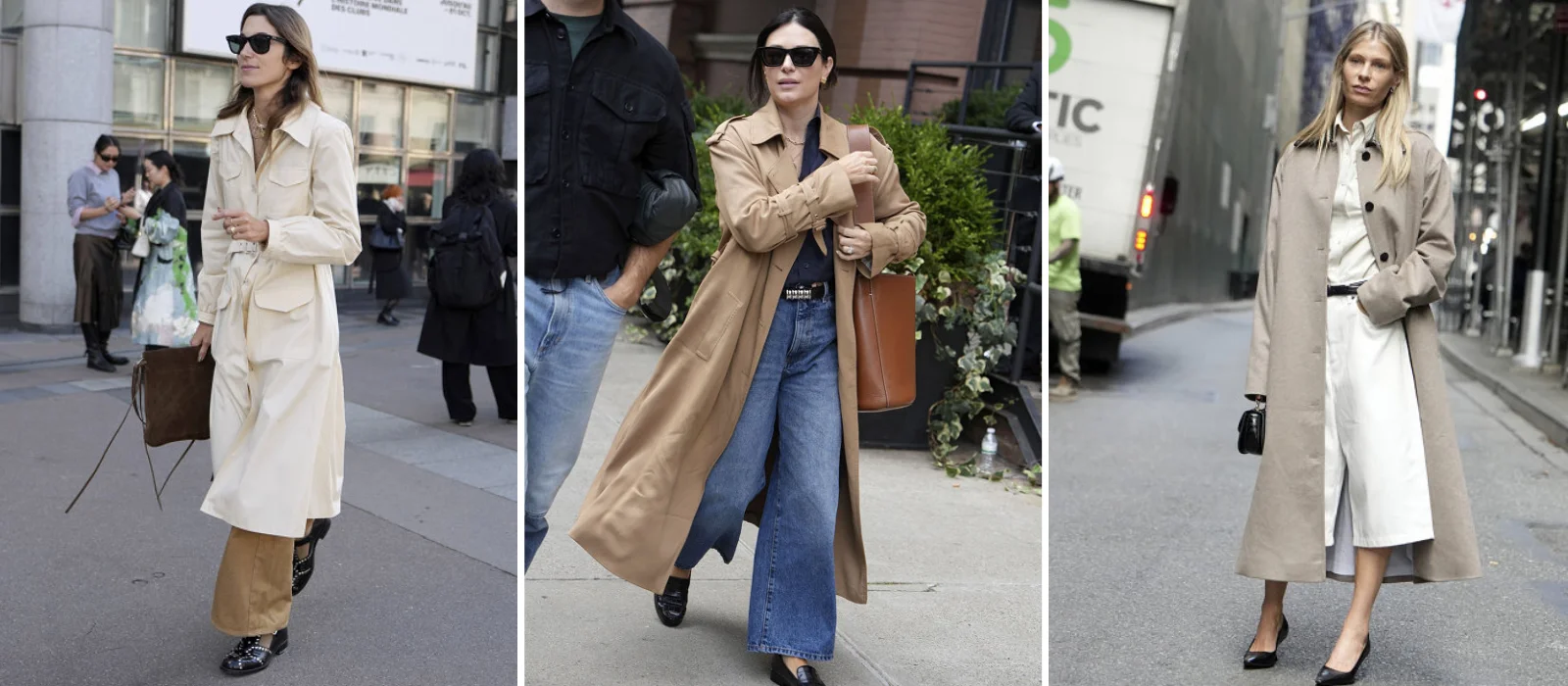



‘For men, thoughtful dressing is conflated with self-absorption, queerness, or a lack of rigor’
“When a woman dresses carefully, it is expected—sometimes demanded—by the social contract,” Patrick Holloway writes in his reflection on the perception of masculine dressing. “When a man does, it is interrogated. Who does he think he is? Is this vanity? Is this insecurity?”
For years, even as a teenager, people have commented on what I wear. The comments are normally wrapped up and thrown out as a joke. Just this week I went for dinner in a local restaurant and lads I only kind of know were at a table as I went in, one of them called out as I passed, “Come here, Tim here wants to know where you got the pants.” I laughed it off. The pants in question were nothing, in my eyes, to comment on—a wide, baggy pin striped pair of jeans. But these jokes, or rather, a specific tone people use has followed my choices for a long time, with comments like, “Jesus, where do you think you’re going!” The words are framed sometimes as backhand compliments, but they carry an implication that is not warranted—something about this level of intention and care is excessive, performative, or faintly suspect.
I’ve become attuned to this tone over the past several years, and recently my work as a writer has put me into public-facing spaces—readings, festivals, panels, bookshop conversations, teaching classes—where eyes look me up and down and what I wear is often commented on. Before an event, I choose what to wear with care. Not extravagantly, but deliberately. And I have fun with it. I enjoy throwing pants on the bed, matching with layers, wondering if I can dress the outfit down with trainers, or dress it up with loafers. It is a hobby; it is enjoyable but also it reaches to something deeper. I want to feel grounded in myself, present in my own skin. I want to feel good and look good in equal measure.
Men are still encouraged, explicitly and implicitly, to appear unconcerned with how they look. Effort risks being read as ego.
What fascinates me is not that people notice clothing—it is that they feel licensed to comment on it when the wearer is a man who seems to have thought about it. When me and my wife go out, with all our gang, I see how the women all compliment each other, commenting on a jumpsuit, a jacket, a pair of earrings. They big each other up. There is a kindness and community to it.
The truth is I spend far too long scrolling through fashion sites, ‘hearting’ items on Vestiare, gawping at the Gucci site and all the lovely, pretty things I can’t afford, fantasizing over The Row and their loafers, or adding items into my online cart on Zara, COS, ASOS, Percival, Nike, and then deleting them one by one when I check my bank balance. The Instagram algorithm (a thing of tragic beauty) has me pinned down—every post is books, tennis or fashion. There is a dreamworld in which I can combine the three on a daily basis. When Jannik Sinner made history by taking to Wimbledon Centre Court in 2023 with the custom Gucci duffle bag, bringing the brand’s iconic monogram to tennis, signalling a shift in the style to come, well, I was delighted, wondering if it would be a step too far to get my own duffle bag and bring it onto centre court in Crosshaven.
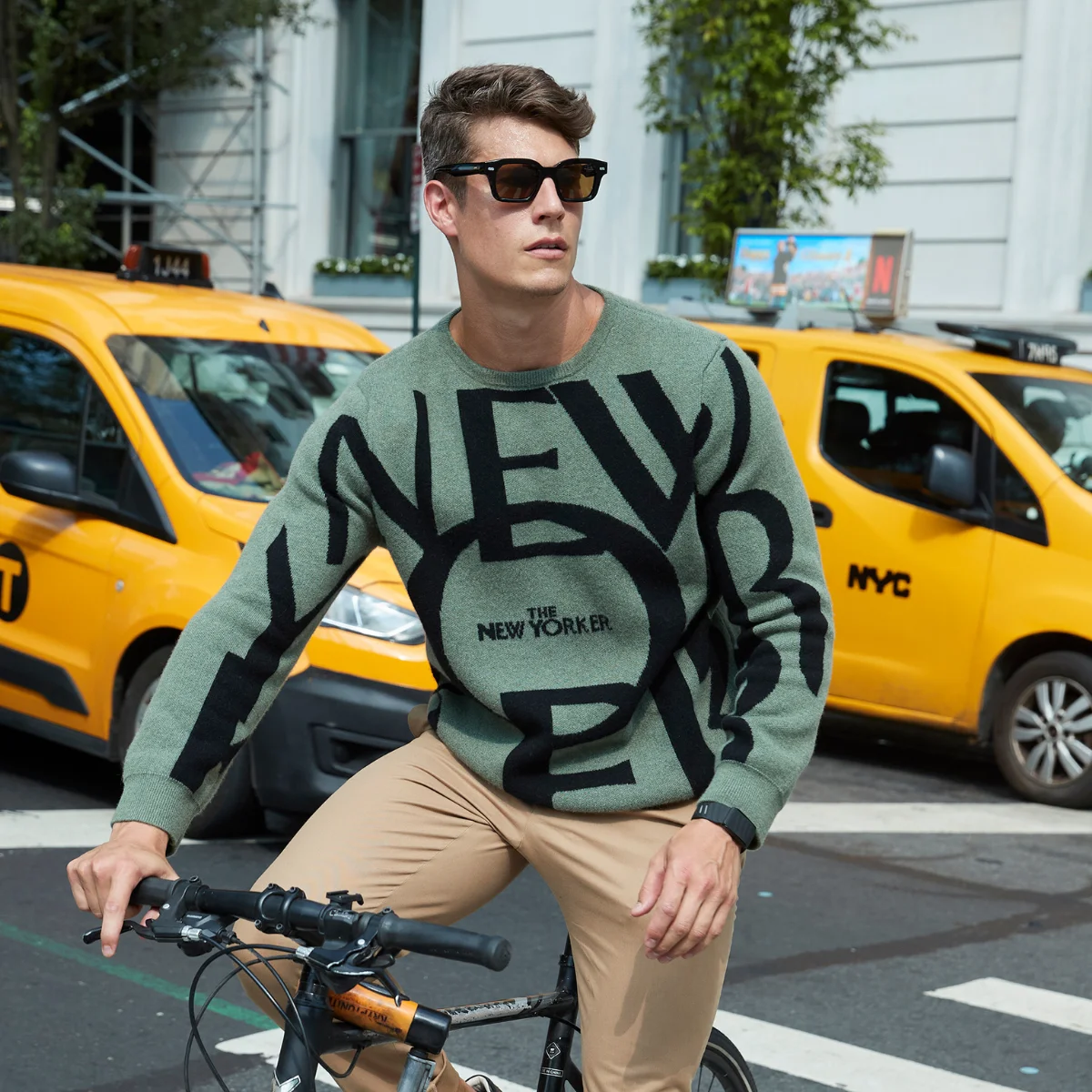
Last year, while I was scrolling, I came across another crossover of my favourite things. Garin, a fashion label where cashmere meets craft, had teamed up with The New Yorker (a magazine I have read for over twenty years, mostly for the short stories and poetry) to create a limited cashmere sweater honouring The New Yorker’s centenary. It’s simple but with beautiful silhouettes of The New Yorker logo on the front, and a simple black line down the back. I wanted it, still want it.
Men are still encouraged, explicitly and implicitly, to appear unconcerned with how they look. People roll their eyes when I talk about a new belt bag I want, or avocado eye cream. Effort risks being read as ego. People tend to think when a man enjoys fashion, they love themselves. When a woman dresses carefully, it is expected—sometimes demanded—by the social contract. When a man does, it is interrogated. Who does he think he is? Is this vanity? Is this insecurity?
The assumptions are abundant. Thoughtful dress is conflated with self-absorption, queerness, unseriousness, or a lack of rigor. It is treated as a signal that something else must be compensating. The neutral dresser, meanwhile—the man in jeans and an anonymous jacket—moves through the same spaces without remark. But surely he too thought about the jeans he would wear, the colour of the jacket?
This double standard reveals how deeply gendered our ideas of care remain. Care, in almost every register, is feminised: care for others, care for the self, care for appearance. It is the same when it comes to my daughters. If I am alone with them in the park, or at the café, a random comment of, “You’re a great dad” will float by. I wonder if my wife was alone with them would she hear, “You’re a great mum.” At a school event I went to because it was my day to work from home, it was me and the mothers, pretty much. One mother asked, “Does your wife find it hard now, not being at these?” Only after I had the answer—“Does your husband?” This idea of care being assigned to a gender is detrimental for everyone involved, and I see it when it comes to fashion, to clothing, to how we want to be seen.
What’s striking is how often the commentary is framed as benign. I could never pull that off. You mustn’t care what anyone thinks. These remarks seem complimentary, but they reinforce the idea that dressing with care is a kind of risk—socially dangerous terrain that requires explanation or exceptional self-assurance. It’s befuddling to think that wearing certain clothes could be considered brave. They position the speaker as an observer and the dressed man as an object, subtly othered.
Clothing has always been a language. The insistence that men should not speak this language fluently—or should do so only in flat, conforming ways—limits not just self-expression, but emotional range. Again, it limits the idea of care, self-care, any care.
For me, clothing is not about bravery or display. It is about feeling good, showing who I am and how I feel on that particular day. Writing is so solitary, it’s all mind and thought and mostly overthinking. It happens in private rooms, in silence, with no witnesses. When that work becomes public—when I step onto a stage or into a crowded room—I feel the familiar vulnerability of being seen, just like I did when I was an insecure teen. Clothing becomes a way of anchoring myself to myself. It is not armour exactly, but it is grounding.
I choose clothes the way I choose sentences: for balance, clarity, and expression. I want to feel at ease enough to be present, not distracted by discomfort or self-consciousness. This is not about seeking approval; it is about refusing to shrink. And yet, the cultural script insists on reading this care as outward-facing, as though the primary audience must be other people rather than the self. About impressing others rather than just impressing myself. Don’t we all just want to look in the mirror, give ourselves a nod and feel good walking out the door?
Clothing has always been a language. We read it instinctively, constantly, even when we pretend not to. We judge what others wear, putting them into silly boxes. The insistence that men should not speak this language fluently—or should do so only in flat, conforming ways—limits not just self-expression, but emotional range. Again, it limits the idea of care, self-care, any care.
What would it look like to remove the commentary altogether? To allow men to feel good in what they wear without qualification or joke or diagnosis? To treat clothing as one of many quiet ways a person prepares themselves to meet the world?
I think we all see things on rails, on fashion websites and think, I’d love that but where would I wear it? Who cares! I am sick of thinking that wide pleated trousers can only be worn by Jacob Elordi or knitted bombastic cardigans by Harry Styles. Buy the outfit, wear it to your local pub! You can also treat yourself to the Garin New Yorker sweater (with a discount code Patrick10 — turns out the people at Garin are very sound!) While you’re at it, I’ll have one too, size M, in sage please. And let us all compliment each other to high heavens not just because of what we wear but because we’re comfortable in how we wear it.
Also Read