



‘Female post-natal health is still simply an afterthought and it isn’t good enough’
By Amanda Cassidy
26th May 2021
26th May 2021
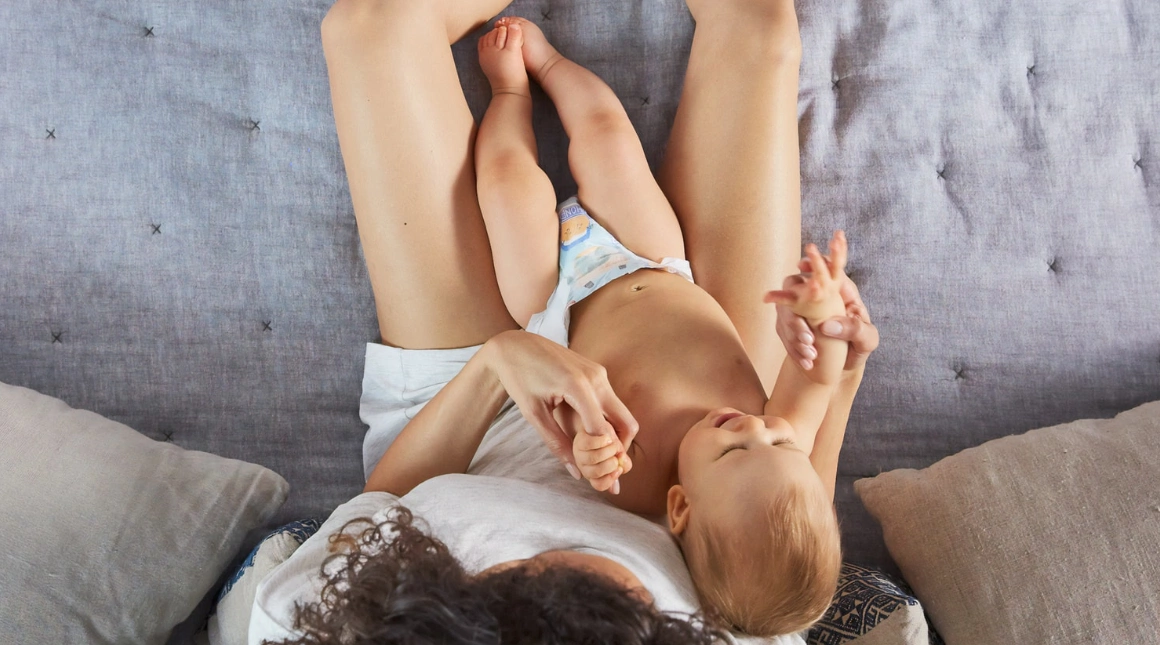
Apart from the six-week check-up with our GP after birth and unless you’ve had complications, there is little support for new mothers when it comes to the impact of childbirth on the female body.
Amanda Cassidy speaks to a physiotherapist about the importance of post-natal rehabilitation.
We all know the French women are marvellous —chic, nonchalant, with the ability to eat croissants without gaining weight and to wear red lipstick while doing so. Even their kids are well behaved.
They don’t throw chips, in fact — they probably don’t even eat chips. It is a sickener. But one thing we can’t take away from the French is the priority they place on women’s health when it comes to postnatal recovery.
Already part of every new mother’s standard post-labour rehabilitation in France, trained specialists assess the strength and function of the tummy and pelvic floor muscles to help prevent longer-term problems.
“The fact that in 2021, female postnatal health is still simply an afterthought, isn’t really good enough”
Here, unless we have had a severe childbirth complication (like a sphincter tear or forceps delivery damage) there is little in the way of support built into the system for those who have just become mothers.
We have a six-week check-up with the GP who glances at mums with a brief ‘how are you healing?’ but the focus is usually on the baby.
Unacceptable
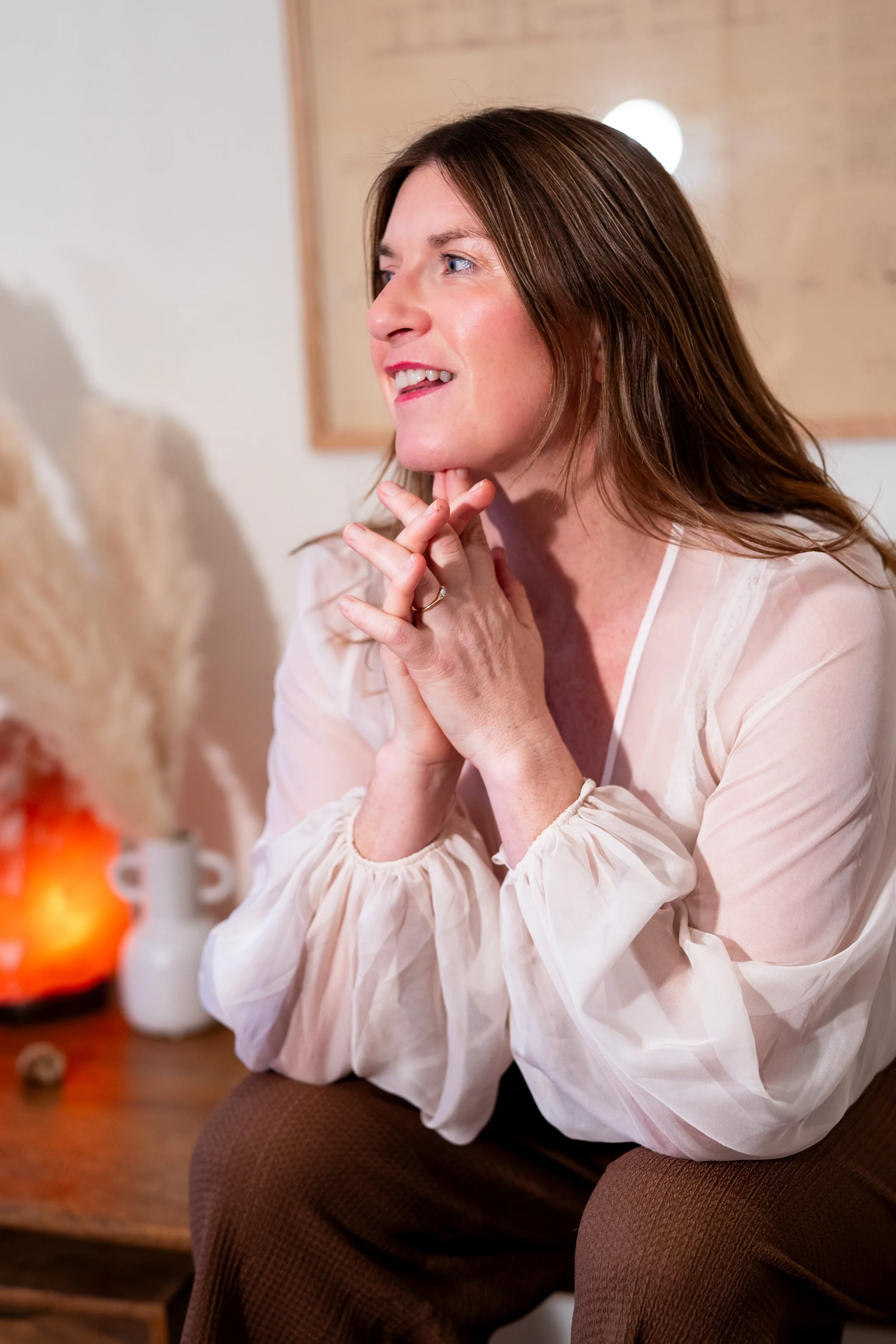
And while we would always put our child first, the fact that still in 2021, female postnatal health is still simply an afterthought isn’t really good enough. Mary-Kate Ryan is a physiotherapist and women’s health specialist at Platinum Physio, part of the Platinum Pilates group.
She said that it was after the birth of her first child when she realised how little people knew about the rehabilitation available to them.
“In group mummy and baby classes, I’d hear mums giggling about leaking and peeing themselves a little and I was thinking, yes this is common but it is also not something that we should simply accept. There are ways to alleviate these issues, why aren’t we prioritising our postnatal health?”
Mary-Kate has three children herself, aged two, four and five. She offers mums an in-depth assessment which includes pelvic floor internal check, an assessment of tummy muscles, how they are moving, function, posture and movement.
“After having a baby, our whole internal structure has altered. We’ve spent nine months carrying our bump and we don’t just go straight back physically to the way we were. In addition, all the pushing, pulling, carrying we do after childbirth can also affect our physical health.
It is about tweaking that, offering tips for optimal function and exercise that strengthen the areas we need to be strengthened or supporting the areas that need supporting.”
What is a Mummy MOT?
After having a baby, half of all women have a weakness in either their tummy or pelvic floor area – over a third suffer with chronic pelvic pain.
This creates instability and poor core strength and results in altered transfer load, back pain, pelvic pain, bladder and bowel weakness. A Mummy MOT helps women avoid these distressing and often embarrassing symptoms.
The assessment of the tummy gap and pelvic floor means Mary-Kate can create a bespoke post-natal recovery programme plan devised especially for the woman, her lifestyle and fitness goals, including specific and safe post-natal exercises to regain stability and optimum function.
“The majority of the issues associated with postnatal recovery are treatable but the longer you leave it, the more complicated it is,” explains Mary-Kate who works on the physio side of Platinum Pilates (the group have seven Reformer Pilates studios and three Physio clinics in Dublin.)
“As mums, we put so much pressure on ourselves, this is also the chance to take some time for yourself, to feel strong again. Reformer Pilates is great for the core system, we are not static creatures so doing exercise upright, while supported, is great for recovery, maintaining optimum function and for our future physical health.
“It is also the chance to close your eyes, focus on exercise and just breathe, feeling your body getting stronger, improve your posture and your pelvic floor but also a way to manage stress through movement that can heal.
“Then we can focus on what our bodies just did — something powerful, something truly amazing.”


Also Read