WIN a Ford Puma to drive around in style

Shayna Healy

Male infertility: ‘Late at night, when the house was still, I started to feel it all pressing down’
Male infertility: ‘Late at night, when the house was still, I started to feel it...

IMAGE

Dream Point Dublin steps through the looking glass with an ‘Alice’s Wonderland’ immersive takeover

Ciara Cosgrove

Why 2026 could be the year of introvert energy

Leonie Corcoran

Paint colour inspiration from stylish Irish homes

Megan Burns

Real Weddings: Johanna Dooley’s dreamy pastel wedding in Co Wicklow

Shayna Healy

The IMAGE staffers share their bedside essentials

Sarah Gill

Meet the woman behind Juspy, the collagen and protein superfood cacao you need to try

IMAGE

Irish creative director Seán McGirr makes his mark at McQueen

Paul McLauchlan

A dietitian shares how she shapes her days to support her health and wellness

Megan Burns

Stress, sleep and the menstrual cycle: What you need to knowStress, sleep and the menstrual cycle: What you need to know
Sponsored

Stress, sleep and the menstrual cycle: What you need to know

Sponsored By

by Jennifer McShane
01st Feb 2026
Sponsored By

When it comes to hormonal health, few things have as profound an impact as stress and sleep. Yet, many women may not be aware just how closely these two factors are linked to the health of their menstrual cycle.

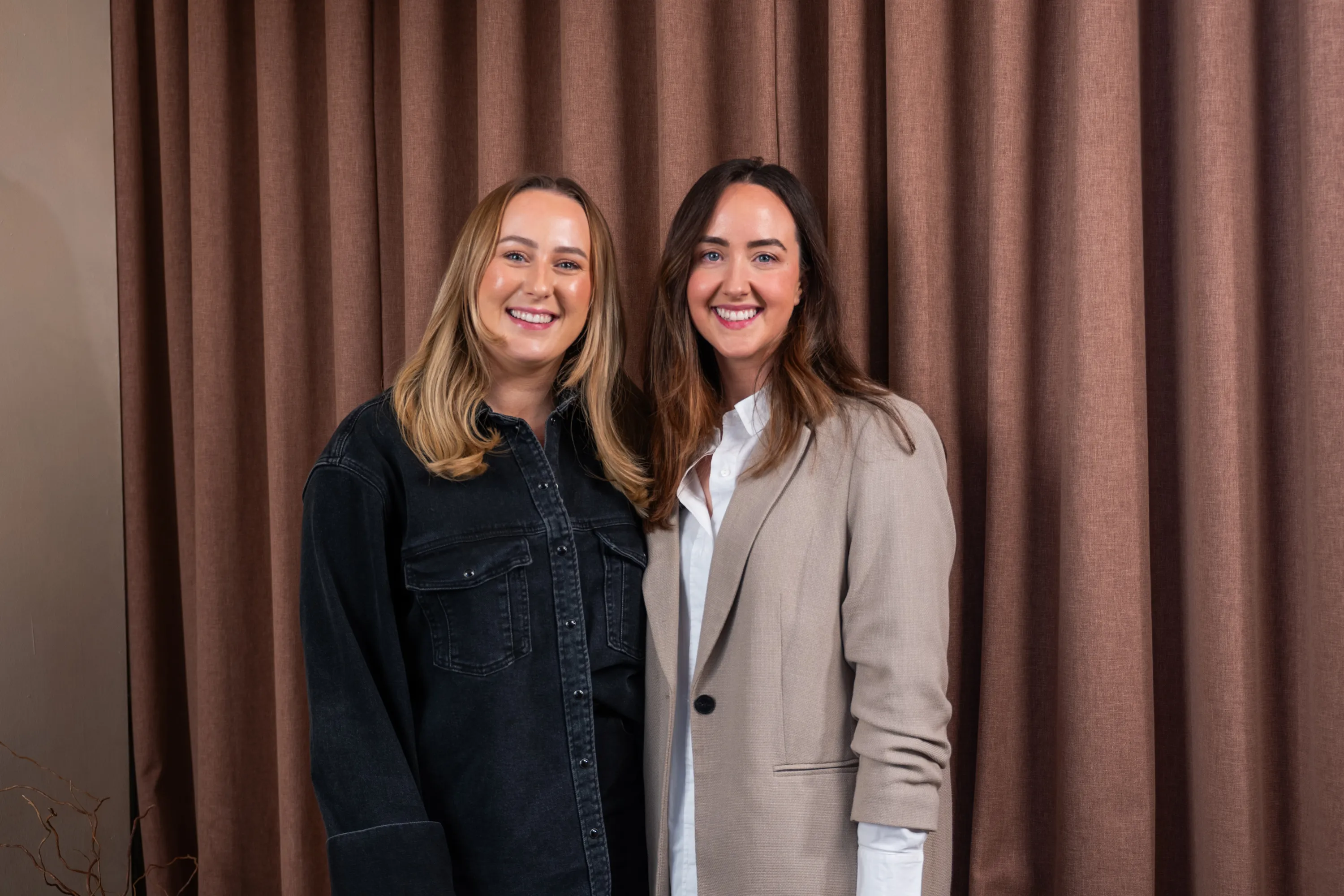
In the latest episode of our IMAGE The Check-in podcast, nutritional therapists and co-founders of Gigi Supplements, Lisa Hughes and Jennie Haire, break down the science behind stress, sleep, and hormones,  and why tuning into our cycles can radically change how we feel, perform, and recover each month.

“Stress is a huge component of your menstrual cycle, and it’s massively under-acknowledged just how much stress really impacts the menstrual cycle,” explains Jennie. From cycle length and ovulation to digestion and energy, stress disrupts more than we realise.

How stress impacts your cycle

Many women might not realise that their menstrual cycle isn’t just four to five days of bleeding each month. “[I often ask] ‘How long is your menstrual cycle?’ And they say, ‘Oh, it’s five days.’ I say, ‘Oh, yeah, that’s your period. So, how long is it from day one of your period to when your next period starts? That’s the menstrual cycle’,” says Jennie. “There is this kind of understanding for the first time, that there might be more here that’s worth tracking.”

Tracking your cycle for even a couple of months can help you spot how stress is affecting you. “It changes every month. It’s not going to be the same, even for me, who has a 28-day cycle. And there’s so many things that influence that. Stress is a huge component,” she adds.
That stress isn’t just about obvious trauma. Lisa highlights how modern women often live in a chronic state of stress, sometimes without realising it. “Stress nowadays comes in so many different shapes and sizes… that email that comes through[after hours], or it’s rushing to get back home or into work. It’s the under-eating, the over-exercising. And I fell into that trap.”

Even healthy habits can backfire. “Intermittent fasting really, really peaked when I was doing a clinic. And I was looking at all of this amazing research on how it is extremely beneficial for the body, and it is really good for blood sugar management and all of these things. I was like, ‘Oh, my god, this is absolutely amazing.’ On the other hand, my menstrual cycle was so irregular. So my body was literally in stress. As Jennie mentioned, my digestive system wasn’t working well because, only when I clocked it, did I realise all this research had been done on men, so, of course, it wasn’t translating into my body the way it was for men. And once, I stopped that and completely changed the way I looked at it. It was night and day. Within one month, my period returned to normal. I was going from like, 45-plus day cycles, thinking I had PCOS, just trying to figure out what was going on,” she continued.

Stress doesn’t always have an immediate effect, either. Lisa explains that the impact of a stressful event might not show up in your cycle until months later. “Our eggs go through a maturation cycle, which is 90 days… so essentially, what we’re doing now we’re going to see in three months’ time in our menstrual cycle.”


Why sleep is your hormonal superpower

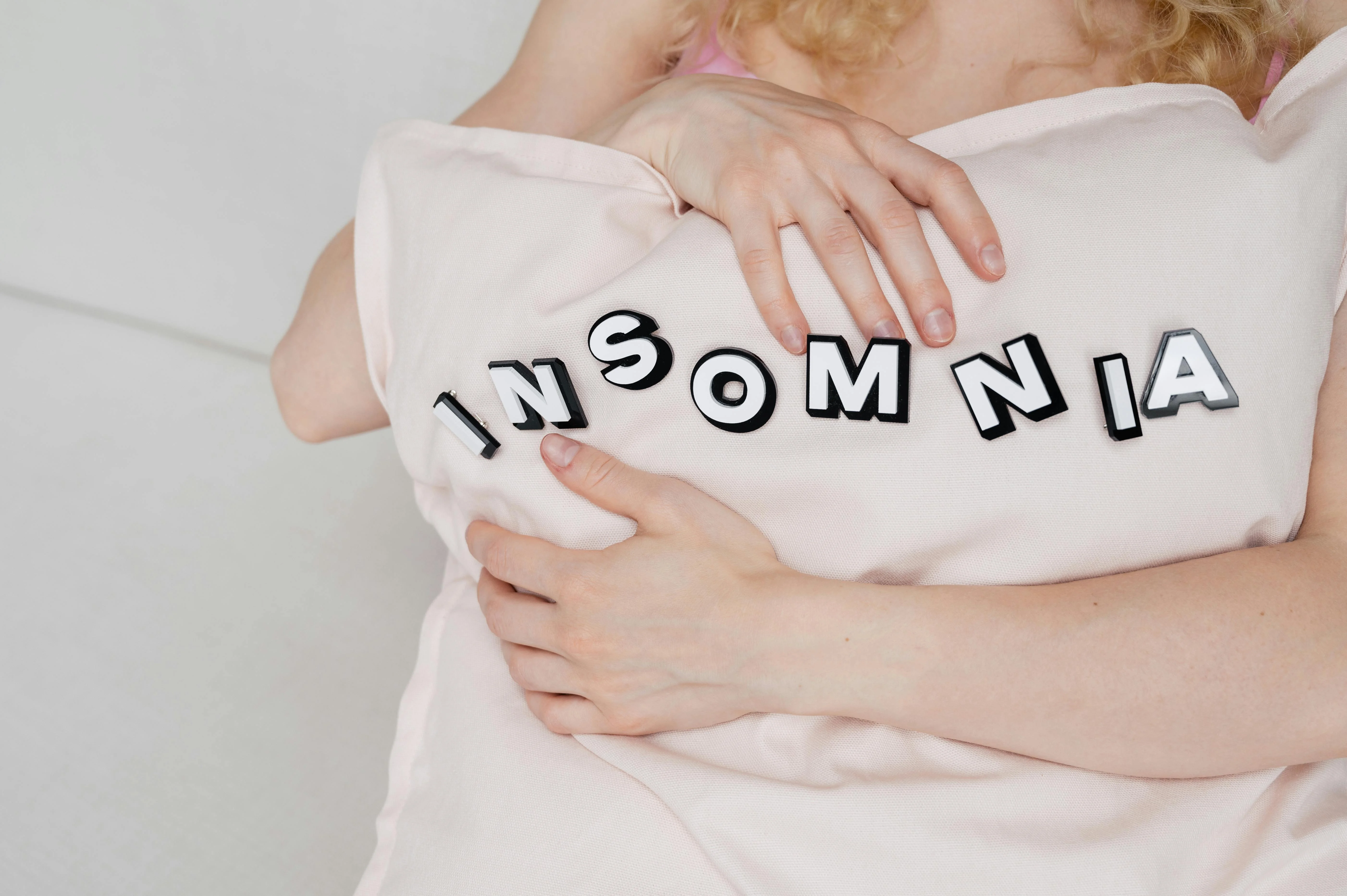
If stress is the disruptor, sleep is the healer. “Sleep is everything,” says Lisa. It affects blood sugar, hormone signalling, digestion, recovery and emotional regulation.

“Sleep will do pretty much just about way more than anything that you could do for your hormonal health… your body does everything that it needs to do while it’s sleeping.”

And when you can’t get enough of it, it’s about improving quality. “[You] have to focus on the quality of the sleep. Ask, how can I make sure the hours that I do get are the deepest, most restorative?” says Lisa.

Nutrients like magnesium, a key ingredient in Gigi’s Supplements, play a vital role. “Not only does it relax the muscles… It is also amazing for relaxing an anxious mind. So you’re getting a double effect.”

Establishing a consistent wind-down routine can also support better sleep. “Like you would with a baby or a child… it’s not just like, ‘oh my god, okay, it’s nine. I have to hop in bed’… what can you do for that hour beforehand? Can you dim the lights in your house? Finish up with the TV?” suggests Lisa. “If you are kind of going to bed and… checking emails… that has derailed me [leaving me] with like, three hours of sleep.”

However, both Lisa and Jennie stress that when introducing a new supplement or hormonal support, it’s important to be patient. Because the menstrual cycle is influenced by a 90-day follicle maturation process, any meaningful changes — like reduced pain or improved regularity — may take up to three months to appear. However, some benefits, such as improved mood, sleep, or energy levels, might be noticeable sooner.

Your cycle changes every month. It's not going to be the same, even for me, who has a 28-day cycle. And there's so many things that influence that. Stress is a huge component.

Why your cycle matters

“What you’re doing now is really impactful for the future of your menstrual health,” Jennie stresses. Our menstrual cycle is a vital sign of overall health, and understanding it can help us work with our bodies rather than against them.

Whether you’re managing period pain, trying to conceive, or just seeking more balance in your energy, sleep, and stress levels, Lisa and Jennie’s message is clear: your cycle is not just something to endure. It’s something to understand.

To hear more from Jennie and Lisa, listen to their full conversation on our IMAGE The Check-in podcast and explore the range of supportive supplements they’ve created at Gigi Supplements.

We’re lifting the lid on women’s health: the real, the raw, the rarely spoken aloud. Our new podcast ‘IMAGE The Check-in’, hosted by Ellie Balfe, gets straight to the heart of what’s truly on women’s minds right now. We dive into monthly health themes with expert guests and honest voices. 

Listen to IMAGE The Check-in HERE or wherever you get your podcasts.

To stay up to date on our latest expert-led articles, insights, podcast episodes and more, visit the IMAGE Women’s Health Clinic Hub.

Also Read