





Sponsored
‘Every woman deserves to understand her body’ – Hertility’s founders on why women’s health can’t wait
Sponsored By
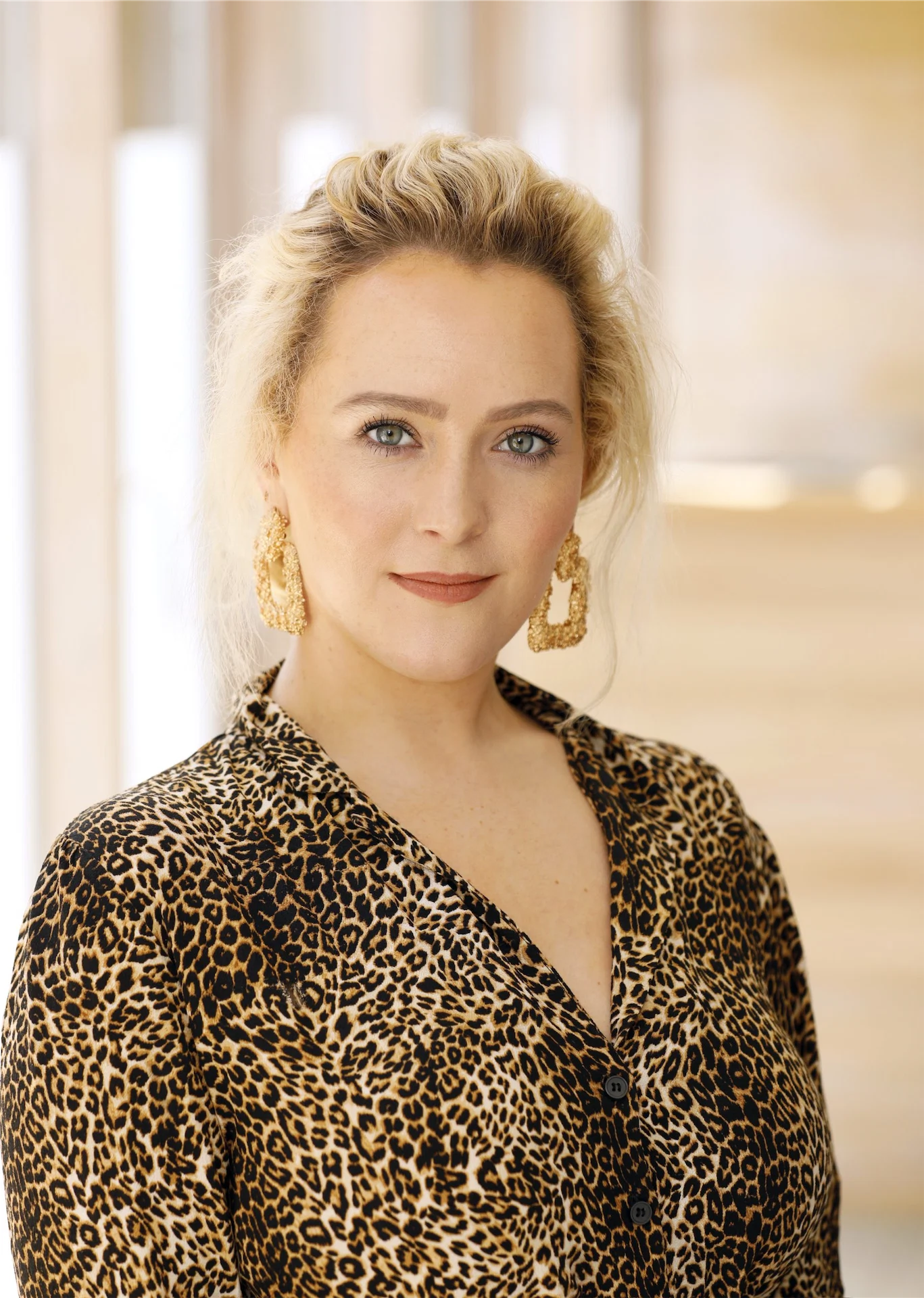
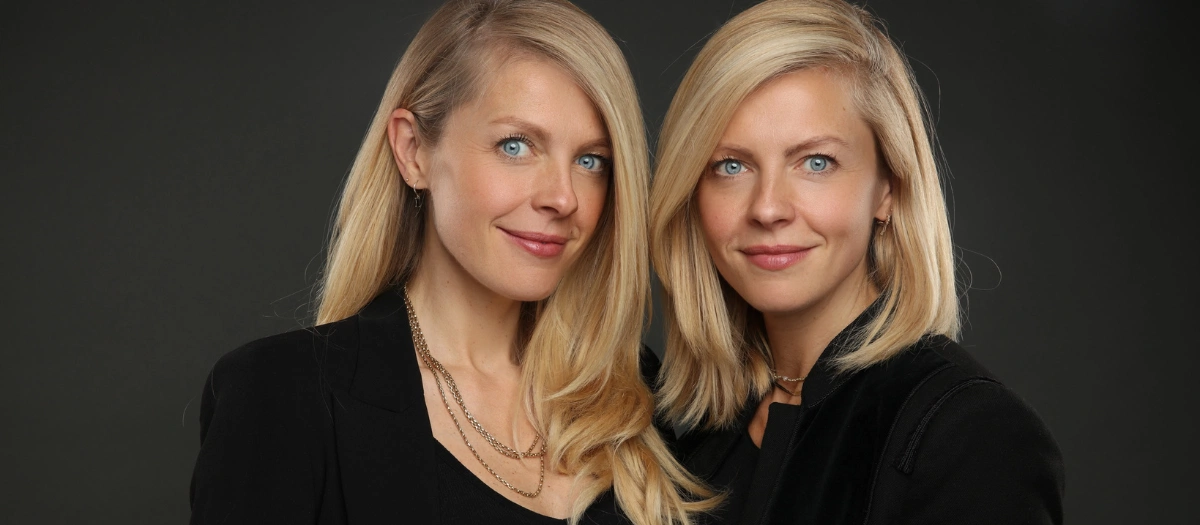
We sat down with Dr Helen O’Neill and Deirdre O’Neill, founders of Hertility, to discuss how their pioneering work in fertility and hormonal health is empowering women and how one Irish health insurer is transforming support for women’s health.
For generations, women’s health has too often been reactive, waiting for problems to appear, symptoms to worsen and answers to come late. But one Irish health insurer is changing that.
In a first for the Irish market, Irish Life Health has launched proactive female health benefits, giving members access to pioneering at-home fertility and hormone testing and virtual consultations through Hertility, an Irish-founded women’s health company that’s redefining how women understand their bodies.
As Hertility’s co-founders, Dr Helen O’Neill and Deirdre O’ Neill, explain, the partnership marks a shift from silence and stigma to empowerment and access, helping women to be “seen, heard, and treated” without waiting.
“It’s fair to say Hertility was founded both from a personal and professional need,” says Dr Helen O’Neill, who has spent her career studying reproductive genetics and developmental biology. “So often we see companies that are founded out of a personal experience, but the people behind them don’t necessarily have the professional expertise to solve the problem. I had both, and I wanted to use them.”
After earning her PhD in stem-cell genetics and running her own research group at UCL, Helen was struck by how little was understood about human fertility. “We only ever learn how we’re made by studying embryos from IVF, but so much of the process remains a black box,” she notes. “When you look at infertility, both globally and in Ireland, one in six couples is affected. We are living in an infertility epidemic, and the majority of causes are age-related.”
The gap in understanding inspired her to start a clinical trial exploring whether predictive algorithms could help identify fertility risks and gynaecological conditions earlier. Then, lockdown hit, and with clinics closed, she took recruitment online.
“The response was overwhelming,” she says. “Thousands of women signed up within days. That told us something powerful: women want to know about their bodies. They are starved of information, and they’re seeking answers and care.”

Today, Hertility users range from 18 to 60. “Our biggest group is 26 to 35-year-olds,” Helen explains, “but what’s fascinating is how many younger women are proactively testing. They’re not waiting for symptoms; they just want to understand their hormonal health.”
Deirdre, a dual-qualified lawyer in Ireland and England, understands that urgency from another perspective. “When I was working in London, long hours, eating breakfast at 4pm, my body was saying, ‘no, this isn’t how it works’,” she recalls. “When I tried to think about having a family, I realised how little support or information was out there.”
She says the workplace context was key. “There’s this expectation that women are the boss, the breadwinner, the baby-maker, that we just keep going,” she notes. “Instead of paying for egg-freezing or IVF, workplaces should be investing in helping women avoid ever needing those things. That’s where proactive care like Hertility comes in.”
So why does tracking hormone health matter? “Where we are in our menstrual cycle affects everything,” Helen explains. “Our mood, our cognitive function, even our coordination. It’s strange that we obsess about the weather when it has far less impact on how we perform on a given day.”
At Hertility’s office, staff sometimes introduce themselves by cycle phase: “We’ll say, ‘Hi, I’m very luteal today,’ and everyone gets it,” she continues. “When you’re in your follicular or ovulatory phase, your estrogen is high, you’re on it, you look and feel better. During luteal, your body’s preparing for the next cycle. Yet we’re expected to operate at the same level every single day. It’s like comparing day and night.”
Hertility’s testing has revealed that 60–70% of women have at least one hormone out of range. “That shouldn’t surprise us,” Helen notes. “The most prescribed drug in the world is thyroxine, a hormone replacement. But we tend to dismiss the signs: tiredness, weight changes, mood shifts. We blame ourselves instead of recognising that hormones might be the root cause.”
“Your egg reserve is in constant decline,” adds Deirdre. “The rate at which that happens depends on lifestyle, genetics and environment. Some 20-year-olds may have the ovarian reserve of a 40-year-old, and vice versa. So I would recommend tracking your ovaries over your calories.”
She explains that Hertility’s aim is to offer personalised insight, not panic. “Rather than saying to every woman ‘freeze your eggs’, we want to help you understand your timeline, your hormones, your risks,” she says. “Conditions like PCOS and endometriosis affect millions, but they’re chronically underdiagnosed. Tracking helps uncover those patterns early.”
Helen adds that many women don’t even recognise their symptoms as medical. “When we ask users why they’re testing, those who say they have symptoms list an average of seven,” she says. “But even women who say they have no symptoms list five once we go through it. We’ve been taught that pain, heavy bleeding, or irregularity are just ‘women’s problems’.”
For Deirdre, the partnership with Irish Life Health is a turning point. “Irish Life Health are the first insurer globally that we have partnered with – they recognise the importance of proactive healthcare and, in particular, fertility and hormonal testing as a proactive measure for women,” she explains. “Most insurers are reactive; they’ll only help once you’ve proven something’s gone wrong. Irish Life Health is saying, ‘let’s help you before that happens.’”
Through the partnership, Irish Life Health members can access a subsidised Hertility at-home fertility and hormone assessment, including a blood test, doctor-written report and virtual consultation with a specialist. It’s designed to empower women with knowledge and connect them to care earlier, from curiosity through conception to menopause.
“It’s about removing barriers,” Deirdre says. “Irish Life Health reaches women in workplaces, homes, and everyday life, giving them access to care where they are.”
For both co-founders, the mission is deeply personal and far from complete. “One in ten women has endometriosis, yet it still takes an average of nine years to get diagnosed,” Helen says. “That’s unacceptable. Less than two per cent of research funding goes toward women’s health, yet millions are spent every year studying erectile dysfunction.”
She pauses. “Think about it. You can order anything online and have it delivered in hours. But if you want care for heavy bleeding or hormonal pain, you’re put on a waiting list. That’s the gap we’re closing. Every woman deserves to understand her body, not to suffer in silence.”
Irish Life Health believes that all women should have access to the expert help they need, when they need it. That’s why they’re the first insurer to offer members access to proactive benefits like specialist online or face-to-face medical experts, giving them the chance to be seen, heard and treated without waiting. Visit irishlifehealth.ie for more information.
Irish Life Health dac is regulated by the Central Bank of Ireland.
Also Read