






Sponsored
Breast cancer check: The power of early detection
Sponsored By
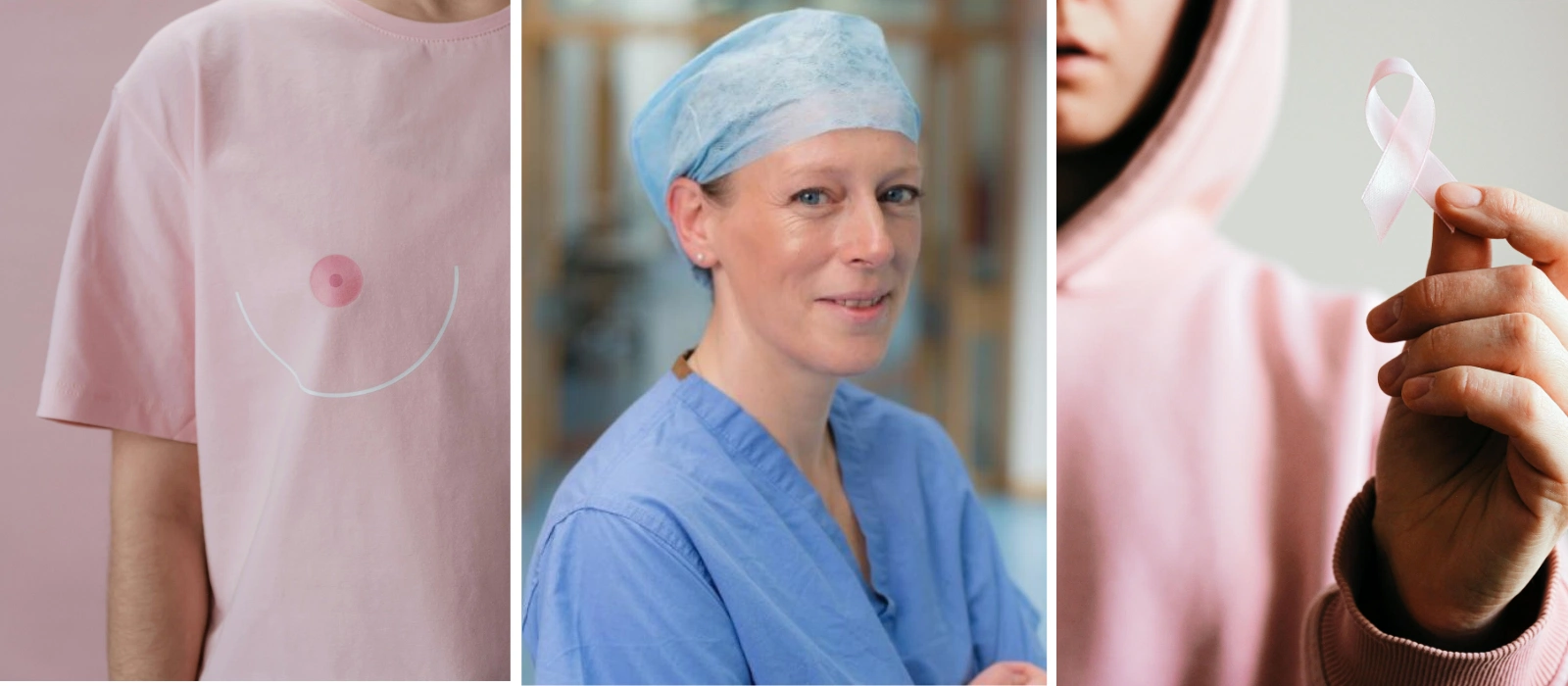
We speak to Dr Shona Tormey, consultant breast cancer surgeon, about breast cancer in Ireland, from early diagnosis and treatment to how to perform regular breast checks at home.
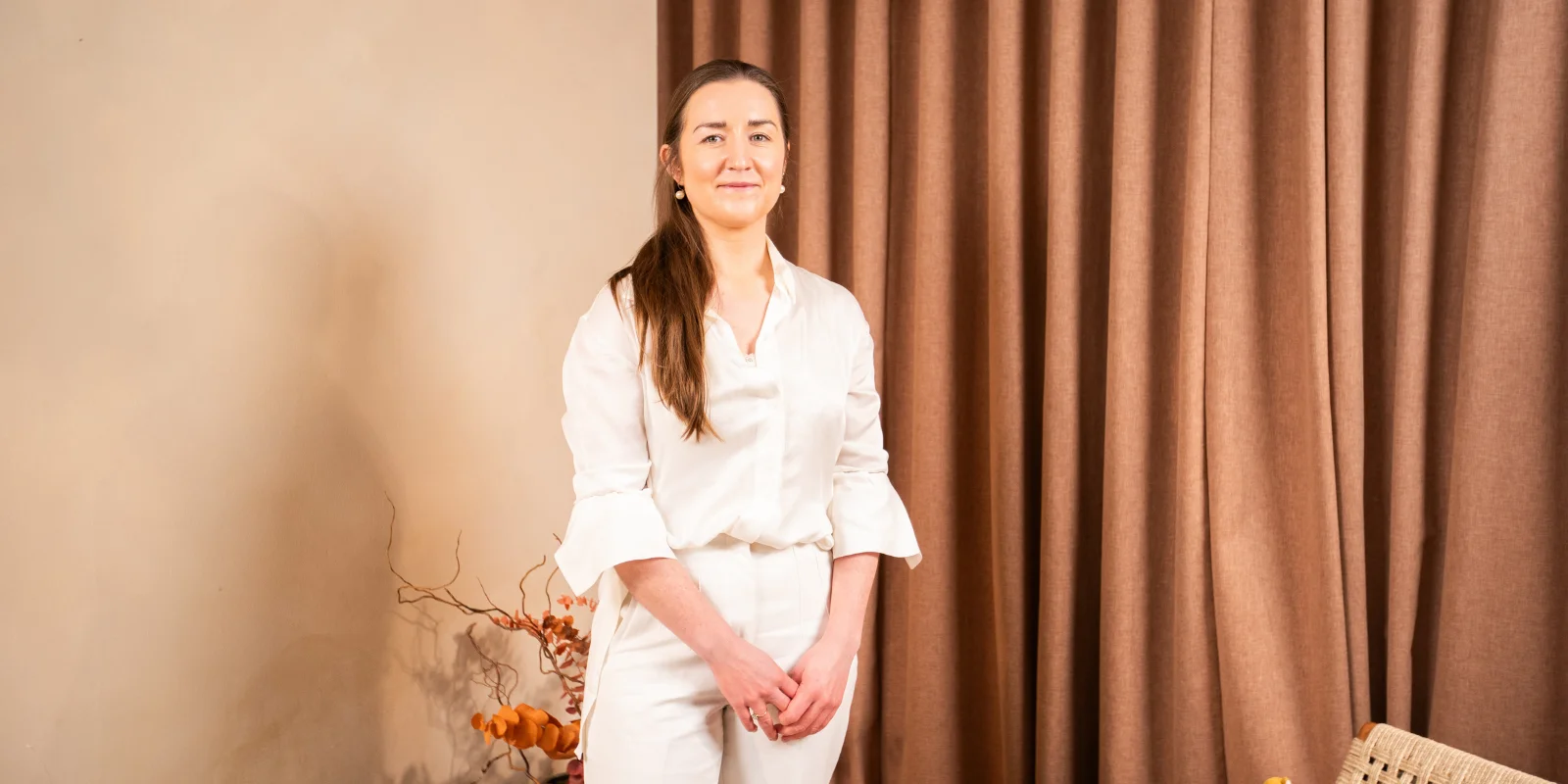
In our upcoming episode of IMAGE The Check-in, IMAGE contributing editor and wellness leader Ellie Balfe speaks to Dr Shona Tormey, Consultant Breast Cancer Surgeon at University Hospital Limerick.
With over 16 years’ experience, Dr Tormey has helped thousands of Irish women navigate diagnosis, treatment and recovery – and she’s passionate about empowering women with knowledge, self-awareness and confidence in their care.

Understanding the reality
Breast cancer remains a reality for so many Irish women, but as Dr Tormey reminds us, awareness and early detection are key.
“Breast cancer is the most common female cancer in Ireland,” she says. “One in seven women in Ireland will develop breast cancer in their lifetime.”
That number, she explains, has grown. “Ten years ago, the incidence would have been perhaps one in nine. That rise is believed to reflect two things: the increasing age of the population – because cancer is common as we get older – and lifestyle factors.”
The figures tell their own story: “In 2024, we had 3,700 breast cancer [diagnoses]. Approximately 1,500 were diagnosed through screening; the remainder were in the symptomatic service.” We have eight centres, and there are four screening centres, so Irish patients have ready access to breast care services.”
And yet, there’s reasons to be hopeful with survival rates rising. “Most breast cancer will be early-stage, confined to the primary site, and for most women, we are seeing very good long-term survival figures – up from 72% ten years ago to 88% in recent years.”
Know your body
For Dr Tormey, empowerment begins with familiarity. “Breast awareness is very important, for women to be empowered enough to advocate for themselves,” she says. “In general, we recommend a self-check once a month, around Day 7 of your cycle, or the same time of the month if you’re post-menopausal. At that point, the breast is a little less lumpy and bumpy, so you’re more likely to get a true reflection of what’s happening.”
Her practical advice is straightforward and involves a self-examination. “Look at yourself in the mirror, check in the shower, and when you’re lying down, think of it like a clock – from 12pm to 12am; covering all quadrants and under your arms. If you perform your check at the same time each month, you’ll know what’s normal for you. That’s really what it’s about.”
Genetics and risk
Many women worry about family history, but Dr Tormey says the numbers tell a reassuring truth. “Genetic risk constitutes 5 to 10% of breast cancer cases,” she explains, “so 90% will not be genetic.”
Still, awareness matters. “We’re seeing an increase in the younger population – under 40 – and that’s believed to be due to lifestyle factors such as alcohol and weight gain. There’s also a small cohort of patients with genetic mutations or strong family history, and those are referred for genetic screening and tailored surveillance.”
Breast cancer and HRT
The topic of HRT comes up time and again, and Dr Tormey takes a balanced view. “We avoid prescribing HRT for women who have breast cancer,” she says, “but that’s not to say all hormonal support is off the table; there are non-hormonal options, and those can be life-changing for women experiencing menopause after treatment.”
She believes in nuance and looking at everything collectively, not fear. “The breast cancer risk associated with HRT is very small, in the order of between three and five women per 1,000, but it’s not zero. The benefits, in terms of osteoporosis, cardiovascular risk and quality of life, far exceed any potential risk. It’s all about shared decision-making: weighing the benefits and risks, and deciding what dose and for how long.”
Being breast-aware, knowing how to do breast self-assessment, and not being afraid to access care through your GP, that’s the key.

If something feels off
Her message on early action is simple – don’t delay. “If you’ve got a symptom, get it checked out,” she urges. “[Look for] a lump, the nipple turning in and staying in, skin changes, a bloody nipple discharge, or a lump under your arm.”
Speed is crucial, and she wants women to know that help is immediate. “Any patient with a breast lump will be seen within ten working days, because that’s an urgent referral.”
And if you’re ever second-guessing yourself? “There’s no such thing as wasting time when it comes to your health.”
Beyond medical treatment lies another side of recovery: emotional healing.
“We have breast-care nurses, counsellors, cancer-support services, peer-to-peer groups and psycho-oncology support available,” says Dr Tormey.
Anxiety, fear and uncertainty are common. “Anxiety, depression and fear are often symptoms we see at diagnosis, and sometimes long afterwards,” she explains. “But women are very resilient. We see women returning to their roles, carers, professionals, mothers, and it’s wonderful to see.”
Lifestyle and prevention
When it comes to prevention, Dr Tormey says the small, everyday choices make the biggest difference.
“The big ones for breast cancer are reducing weight and exercising,” she says. “Obesity is linked to enhanced oestrogen production, and that has been correlated with increased breast cancer risk.”
She’s equally direct about alcohol: “Even at low consumption, you still have an increased risk, often between 7 and 10%, from a single unit per day. In general, the advice is to reduce or abstain if possible.”
And there’s one lifestyle factor worth celebrating. “Breastfeeding has been shown to reduce your risk of oestrogen-negative breast cancer, particularly when continued for more than a year.”
Knowledge is power
For Dr Tormey, empowerment isn’t just medical, it’s personal. “Being breast-aware, knowing how to do breast self-assessment, and not being afraid to access care through your GP, that’s the key,” she says. “Patients should be reassured that they have a very robust infrastructure supporting breast services here in Ireland. Knowledge is power, and don’t be afraid to ask for help.”
“We’re seeing a reduction in mortality rates from breast cancer globally. It’s very exciting – and it’s inspiring to see the difference a few years make in treatments.”
How to check your breasts at home
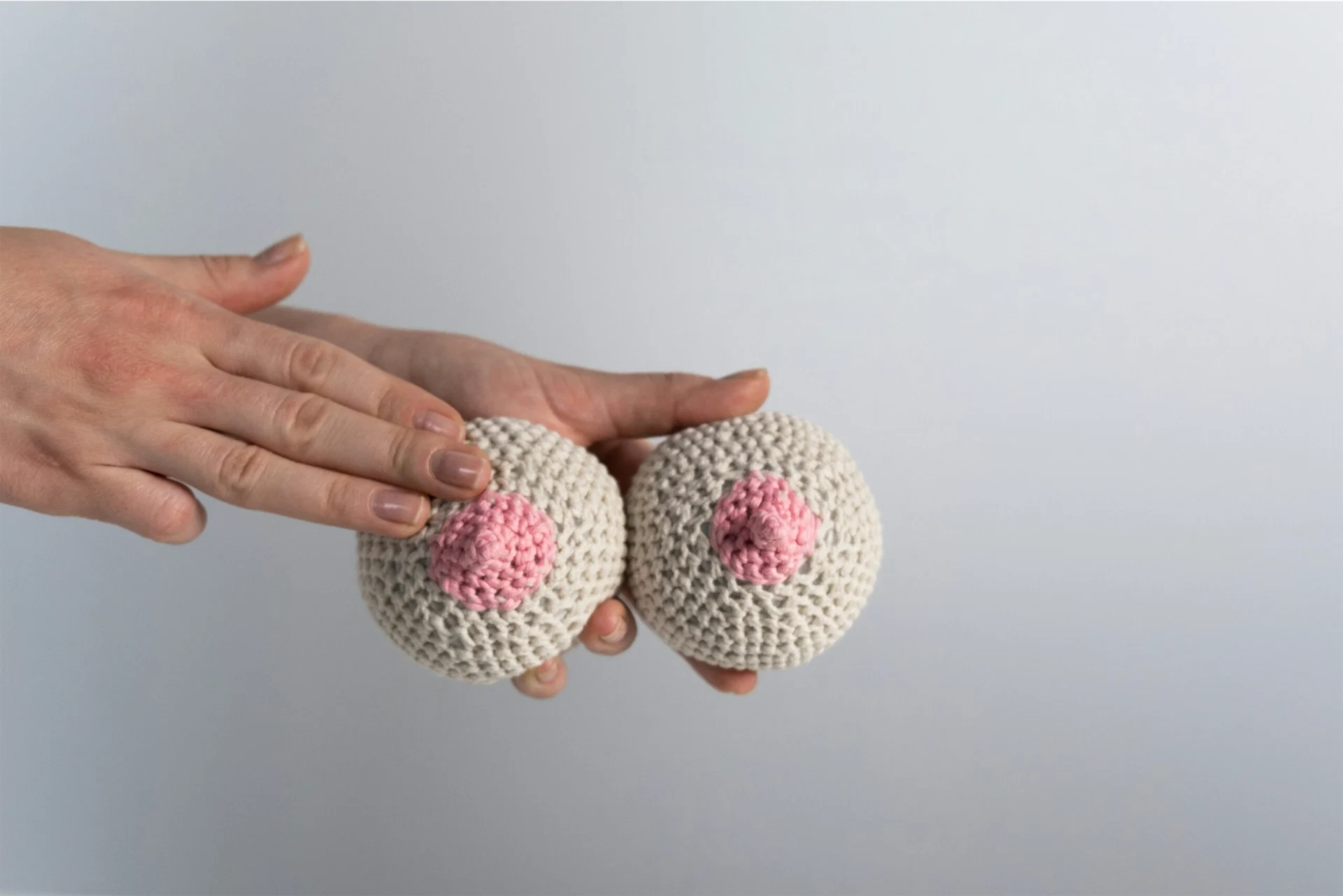
Approximately 74% of Irish women with breast cancer discovered the lump themselves, which highlights the importance of examining your breasts at home.
Here are four ways to do that:
- Stand in front of a mirror and become familiar with what your breasts look like from all angles. Note their size, pigmentation, the appearance of the skin and the appearance of the nipple.
- Using four fingers and the flat of your hand, begin at the outer edge of the breast (nearest your chest) and work around in a full 360-degree circle. Keep pressing the breast in circular motions, noticing if any breast tissue feels different from the rest. Continue feeling around in circular motions, moving inwards, until you reach the nipple.
- Next, check your armpit, as breast tissue extends here. Raising one arm up above your head, use your four fingers (flat, just as before) and feel around the breast tissue. Repeat with your other armpit. Some women find this easier to do while lying down.
- Gently squeeze your nipple and check for discharge.
We’re lifting the lid on women’s health: the real, the raw, the rarely spoken aloud. Our new podcast ‘IMAGE The Check-in’, hosted by Ellie Balfe, gets straight to the heart of what’s truly on women’s minds right now. We dive into monthly health themes with expert guests and honest voices.
Stay tuned for our episode with Dr Shona next week. Listen to IMAGE The Check-in HERE or wherever you get your podcasts.
To stay up to date on our latest expert-led articles, insights, podcast episodes and more, visit the IMAGE Women’s Health Clinic Hub.
Also Read