






‘When we cook for someone, we choose connection over isolation, generosity over scarcity, and hope over despair’
“If the world is falling apart, I’ll start by making a meal,” writes Alex O’Neill in her reflection on food and community as the antidote to feeling lost amidst the cruelty and injustice of society.
Like many people across Ireland right now, and far beyond, I’ve been walking around with a heavy weight in my chest. The cruelty unfolding right in front of our eyes, streamed live on our phones intensifies, with images of bombed buildings and broken children filtering onto our timelines daily. The world’s powerful are either complicit or disgracefully silent. It’s hard to know what to do with your rage when nobody with power seems willing to act, and we all watch the never ending horror continue to get impossibly worse.
Witnessing a man-made famine take the lives of people who have suffered in so many ways has made me feel genuine despair, to the point where I struggle to sit down and enjoy a meal. How am I so lucky to be able to live my life so freely, when there are people whose very existence is being intentionally eradicated by real life monsters?
We don’t talk about that enough, how food, the act of making and sharing it, is an antidote to loneliness, to political disillusionment, to the myth that we are powerless.
Closer to home, Ireland feels like a country fraying at the edges. The housing crisis is no longer just a crisis, it’s a catastrophe. We are now a nation that cannot guarantee shelter to its people, cannot house its young, and cannot protect those most vulnerable. We have gone back to the landlord class, where foreign investment funds and billionaires buy up whole housing estates or apartment complexes to rent back to the state, or the rest of us (if we’re lucky) at obscene rates. There’s no real renter protections, the prospect of buying your own home feels out of reach for so many, and month on month the homeless figures continue to rise. We have the highest record of child homelessness in recent history, those lucky to have a home are struggling to heat it, and with the cost of basic necessities continuing to rise month on month, people are drowning.
Parents are skipping meals. Communities are being pulled apart. Refugees are being scapegoated for failures they didn’t cause. We have people on a TV show on our national broadcaster taking part in a game show in the hopes of securing a house deposit. Everything feels like it’s being held together with masking tape and misplaced hope. It seems like an endless cycle that we can’t quite escape. I despair, and I am sure many of you feel the same. But I will not let despair win. In the face of so much uncertainty and cruelty, abroad and at home, I’ve been finding myself trying to think about the very real things we can still do. One of them is feeding people. We don’t talk about that enough, how food, the act of making and sharing it, is an antidote to loneliness, to political disillusionment, to the myth that we are powerless.
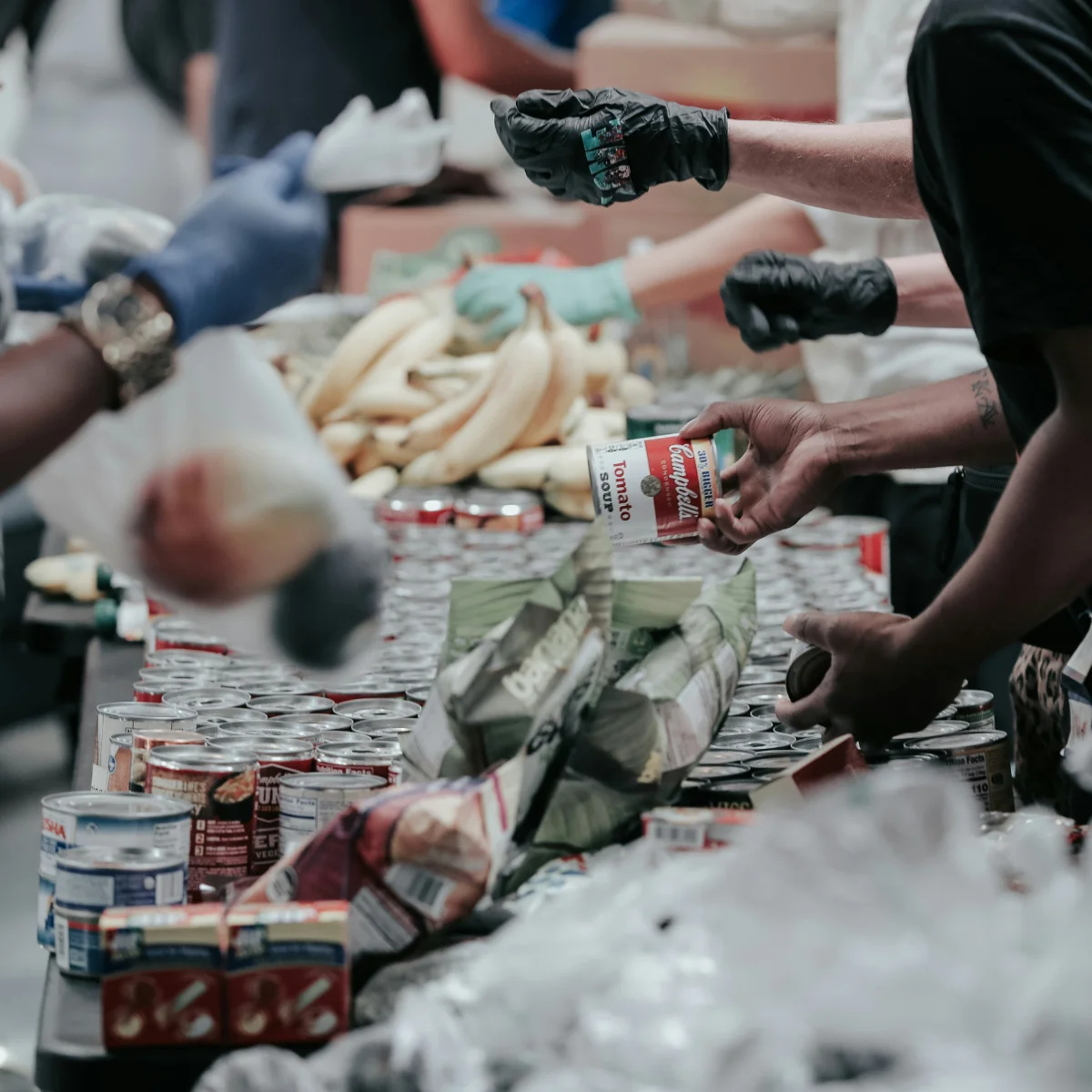
Ireland has a long history of feeding each other through hard times. Throughout our history, aid groups have quietly stepped in where the state had failed, offering meals, groceries, and sometimes even warm spaces to anyone who needs them. Previously this would have been done by religious and charity groups, like the Quakers, St. Vincent de Paul, the Jewish Community in Ireland, and The Salvation Army during the famine, many kept this work up well into the 20th century. This help came in church halls, community centres, GAA clubs, and at kitchen tables, as well as on the streets. Irish diaspora abroad too, sent money or even food parcels home. Neighbours looked after neighbours, especially offering support during times of difficulty like death, grief and sickness. Caring for people by sharing what little food we have, has always been the way of Irish society.
Today, groups like The Community Kitchen, Muslim Sisters of Éire, FoodCloud, Liberty Soup Run and dozens of hyper-local initiatives continue to feed those falling through the cracks. It’s always been in our history to step in and step up for each other, as anybody who walks around our major city streets sees even today with the various street soup runs who operate. The act of providing a meal for somebody is a selfless act, it is often one that receives the most thanks and appreciation from those who need it, but little support or even acknowledgement by the state itself, no matter who’s running it.
The recent bylaws brought in by DCC are making the job of those who try to care for our ever growing homeless community and those struggling to get by even harder, with further red tape or hoops to jump through to help others in need. This itself is just another example of the madness that seems to be happening in front of us… but still, these groups continue to show up to the very best of their ability, feeding those who need it most, their lines growing week on week. People continue to show up, in whatever way they can, because they know it’s something that they can do, that makes a difference to others.
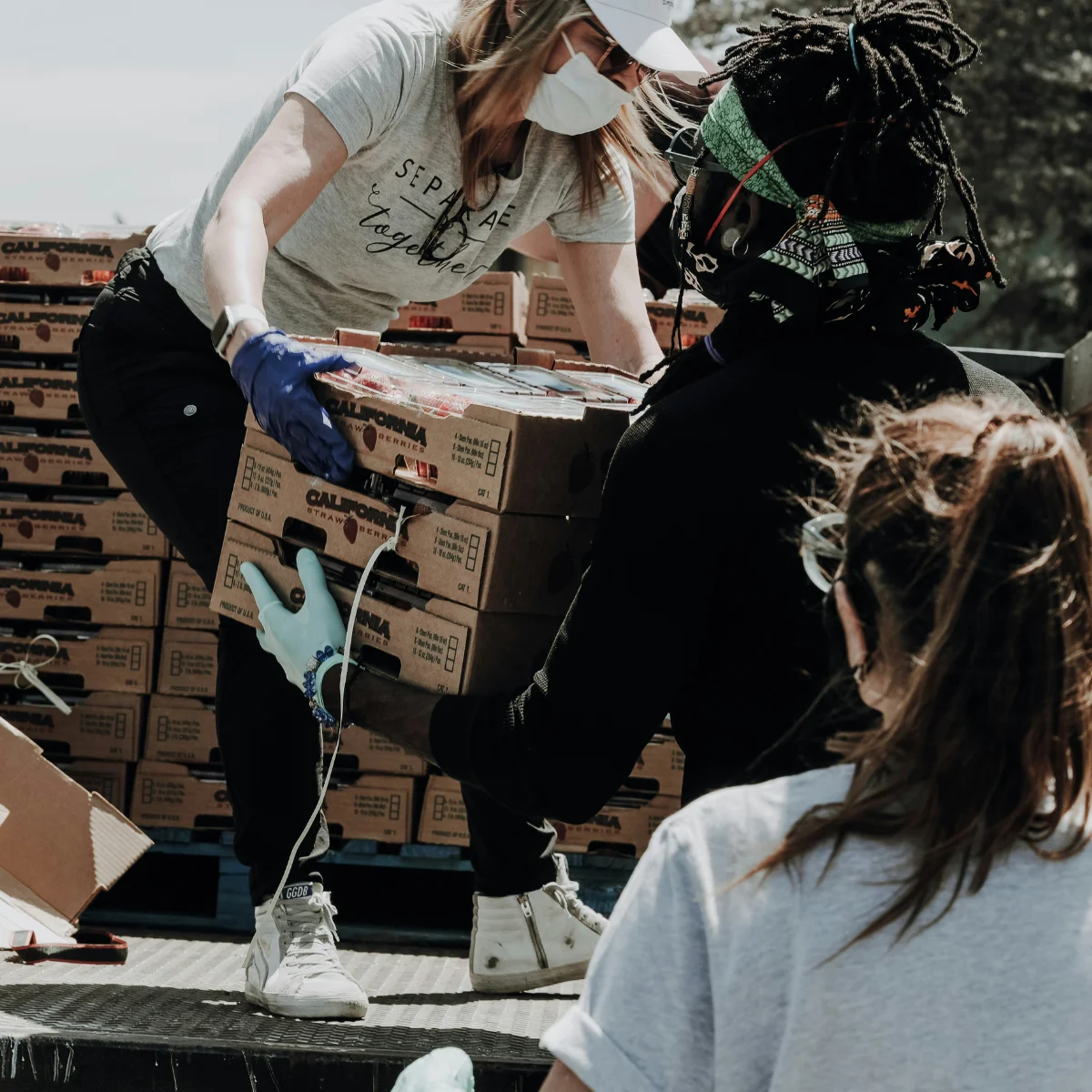
Cooking for someone, anyone, whether it’s a friend, a stranger, or someone living on the street outside your office is a radical act that says “I see you”, or more simply, “I care.” In a world that tells us to look away, to scroll past or to shut down, that kind of care is defiant, and is exactly what our communities need right now. Maybe you have a few tins in the back of the press. Maybe you know how to make soup that fills the whole house with warmth. Maybe you can cook, or deliver, or just ask your neighbour if they’ve eaten today.
As Ireland debates who gets to live here, who deserves help, and what “Irishness” means, we need to be louder about what real community looks like. It’s not nationalist. It’s not stingy, and it’s not cruel. It’s a pot that stretches a little further than it needs to. It’s dropping off leftovers to the asylum seeker family down the road. It’s choosing generosity, again and again, because that’s the most Irish thing you can do.
Cooking for someone, anyone, whether it’s a friend, a stranger, or someone living on the street outside your office is a radical act that says “I see you”, or more simply, “I care.” In a world that tells us to look away, to scroll past or to shut down, that kind of care is defiant, and is exactly what our communities need right now.
We may not be able to stop bombs in Gaza, but we can try our best to protest, campaign and hound our politicians to act with the will of the people. Political pressure works, but can be exhausting. We may not have the political power to solve everything that’s broken here, and can get tired of emailing TDs who never respond, or are all words, no action… But we can still refuse to be numb. We can still care. And we can still feed one another.
You don’t need any fancy training or to be a renowned chef to make something nourishing, something made with love. A simple soup, banana bread with those brown bananas. Beans and rice, a one-pot wonder, a hearty curry, pancakes for dinner, or crumbly soda bread with butter spread on thick. The act of preparing something for somebody signals to each other, and to ourselves, that we are not giving up, we refuse to.
It’s also an act of self care, to take that time to make something from scratch (or, mostly from scratch. Packets and jars are allowed). There’s a mindfulness to cooking. The chopping of vegetables, the slow stirring of a pot, even laying out a table, are all small rhythmic and mindful acts that can bring us back to our bodies, keeping us in the present. For me, cooking is a form of meditation. Cooking is almost like a ritual, something we can return to even in the middle of chaos, where you get to make something tangible, that you and others get to enjoy and be nourished by. It’s a love language, it’s care made visible… a care that you can smell, taste, and touch.
I have been suffering from diagnosed burnout, chronic stress and feeling totally overwhelmed the last couple of months. I’ve gotten out of many of my self care habits, like yoga, going to the gym and good sleep schedules, and replaced them with habits which actually cause more harm than relief. I’ve fallen into old ways of restrictive eating to try to regain control when I feel helpless, overstretched, and like life is just unravelling around me. I say trying to regain control, but that’s not actually what’s happening, it’s just the idea behind it, and is something I long ago promised myself not to go back to. But when you’re struggling, you often retreat back to ways that feel familiar, even when you know they’re not what’s best.
Something that’s really helped me with that is sharing a meal with loved ones, or even taking myself out for a little treat, whether that be a chicken fillet roll because that’s what’s closest, or a punnet of the last of the Irish summer berries, or a pastry from my local market. It all helps me feel a bit more grounded, a bit more energised, and a bit more present when things feel out of whack. When I make sure I have a good, solid, rounded meal, I feel like I have at least taken care of myself that day, and sometimes that’s all I have achieved that day, and that is enough.
The act of sitting at a table with somebody else, a friend, partner or colleagues multiplies that care. A table is one of the few places left where phones are put down, where conversation forces itself to the front, and where the pace of life slows just enough to let chats, laughter, and even silence, flow.
Something I always say at our Bahay demos or when we’re on television doing food segments is that you don’t need to share a language to communicate over food. You very often leave a dinner table knowing more about the people you sat beside, even yourself, if you’re paying attention. Sharing food is one of humanity’s oldest practices of solidarity. It equalises us, it breaks down barriers and walls. The dinner table is where neighbours become friends, where strangers can connect, and where difference softens in the presence of warmth and hospitality.
Revolution did not happen on empty stomachs.
A pot of soup can become a gathering point, or a symbol of solidarity, even resistance. It’s where plans can be made, action plans devised, or the day’s work can be assessed and reviewed. Revolution did not happen on empty stomachs. We know now more than ever that the fact we have food in our kitchens, abundant food at our fingertips, is something not all people have, and is to be eternally grateful for.
I find hope when seeing projects like The Great Oven, who build giant, beautifully decorated community ovens, and install them in refugee camps, conflict zones and informal settlements, which started in 2019 in Lebanon and has since expanded to South America, South Africa and next plans to build one in Palestine. The project provides sustainable food relief, but the mission expands far beyond that by leveraging the power of cooking, art and music into creative community building.
In choosing to cook, in choosing to sit together and eat, we are choosing connection over isolation, generosity over scarcity, and hope over despair. Cooking won’t fix everything. But it’s something. And when everything feels overwhelming, something can be everything.
Also Read