






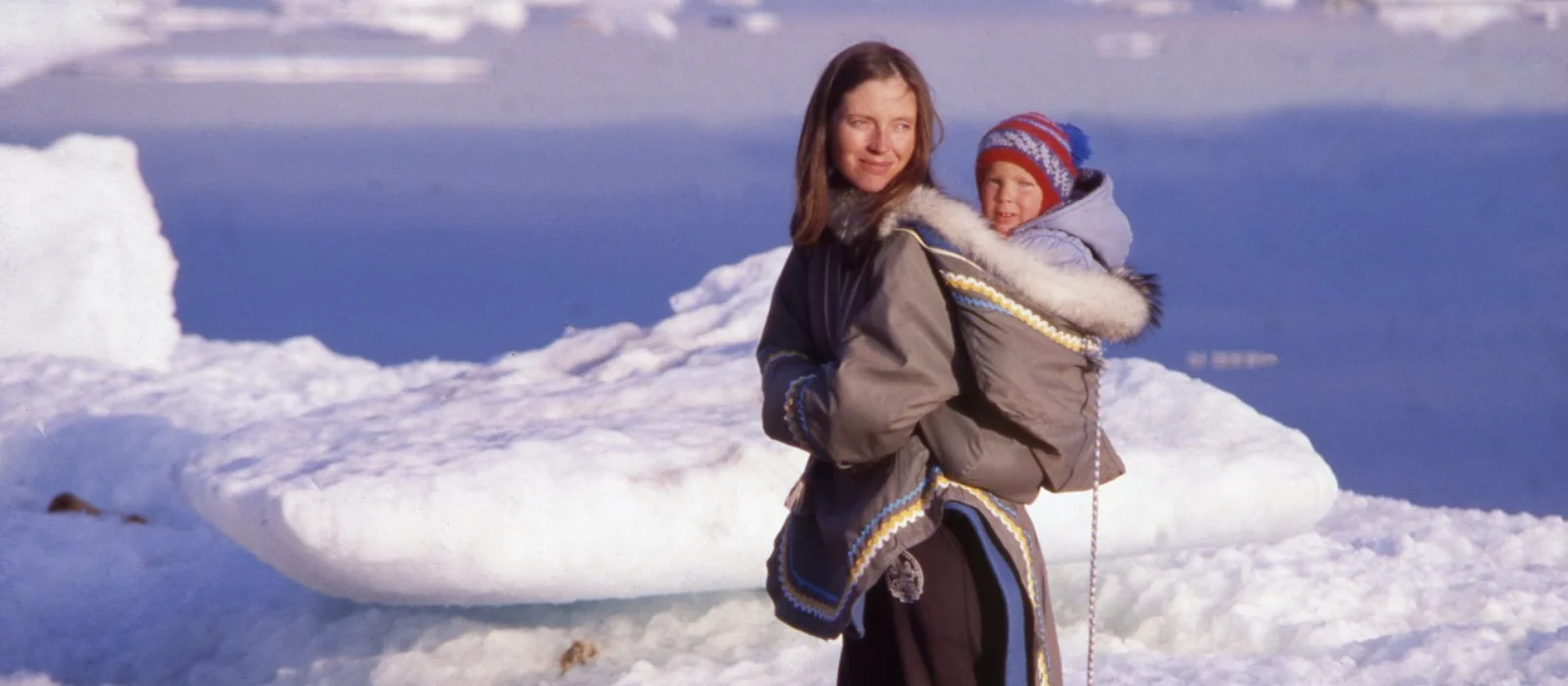
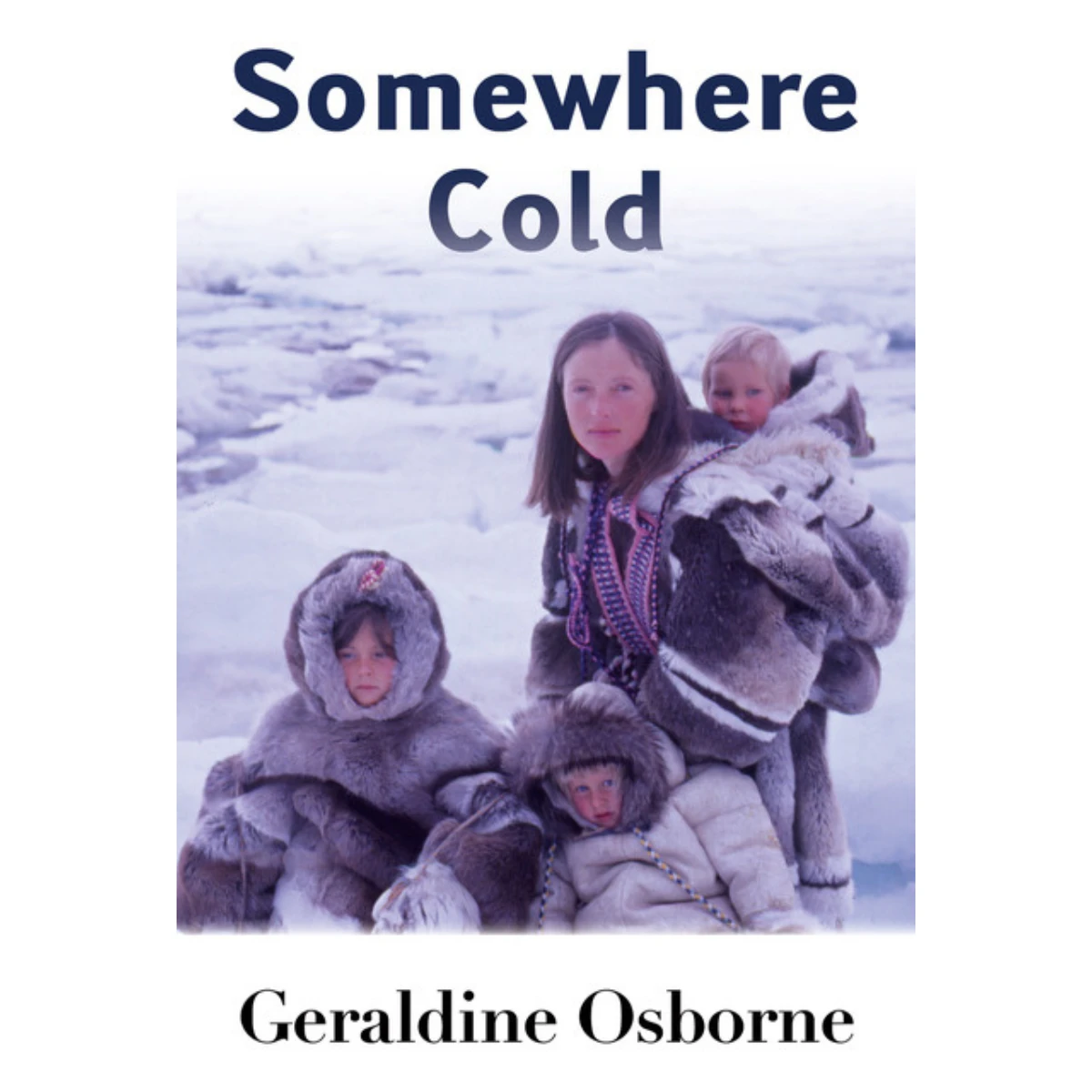
Irish doctor Geraldine Osborne’s memoir, Somewhere Cold is about pushing boundaries, embracing the unknown and discovering that sometimes the most valuable lessons come from unexpected places.
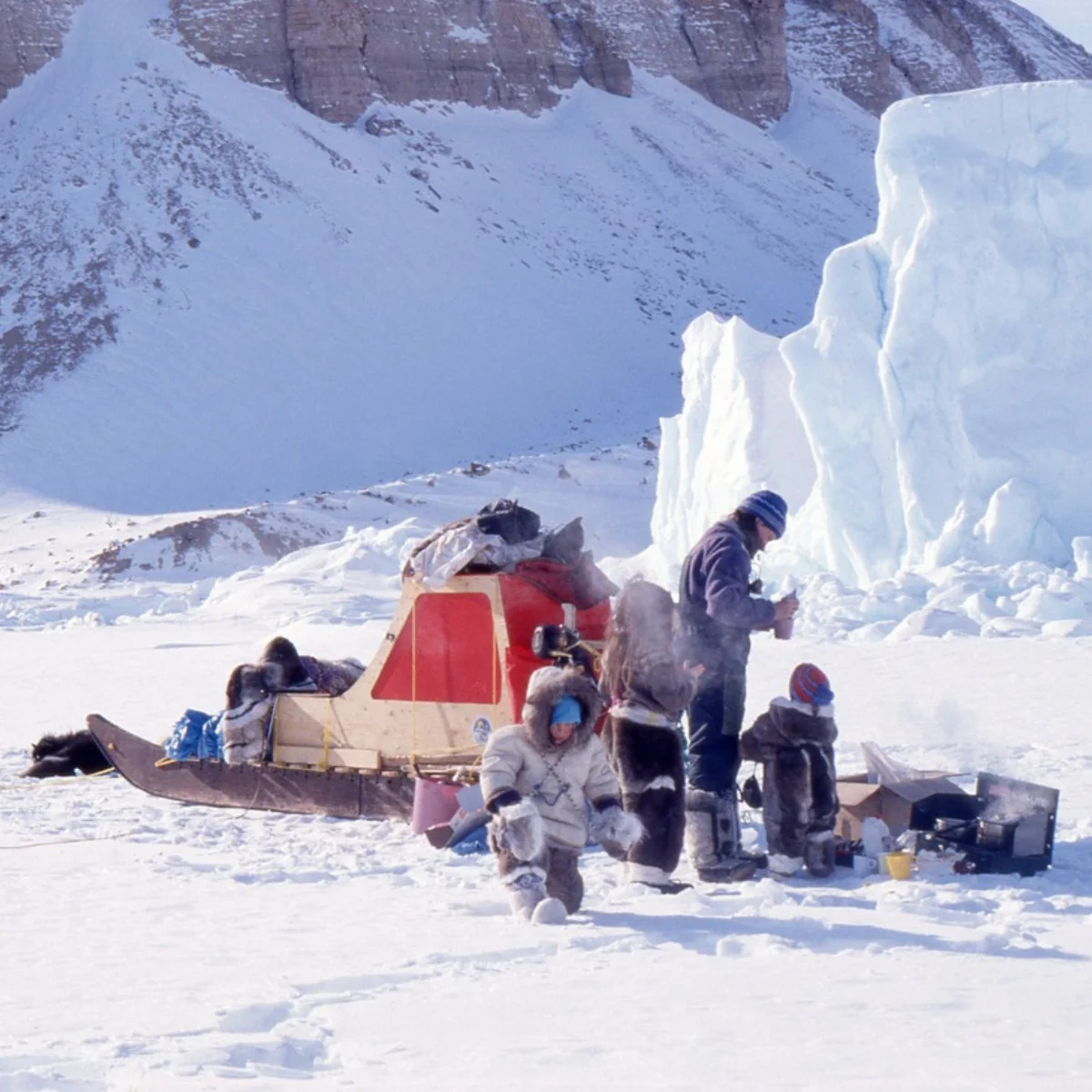
In 1989, Irish doctor Geraldine Osborne, her artist husband Danny, and their three young children—ages five, two, and one—embarked on an extraordinary adventure: to spend a year living in one of the most isolated parts of the world, the tiny Inuit settlement of Grise Fiord, over a thousand kilometres above the Arctic Circle.
Danny wasn’t a stranger to Arctic extremes. In 1981, he took part in the first Irish Arctic Expedition. But his urge to reconnect with the Arctic never left—and in 1989, he convinced Geraldine to pack up their young family to spend the dark winter at temperatures below -40 °C living in this northernmost community of Canada while training their dog team and preparing for a perilous dog-sledge journey across the frozen sea to retrace the route of the last Inuit migration to Greenland in the following spring.
Written with warmth, humour, and unflinching honesty, Somewhere Cold explores their remarkable year in the High Arctic as Geraldine balances maternal instincts to protect her children from hazards with the desire to embrace this once-in-a-lifetime adventure. Along the way, they form deep connections with the local Inuit community, who share their traditional knowledge, country food, and exceptional resilience.
A compelling blend of travel narrative, family memoir and cultural observation, richly illustrated with photographs, Somewhere Cold is about pushing boundaries, embracing the unknown and discovering that sometimes the most valuable lessons come from unexpected places.
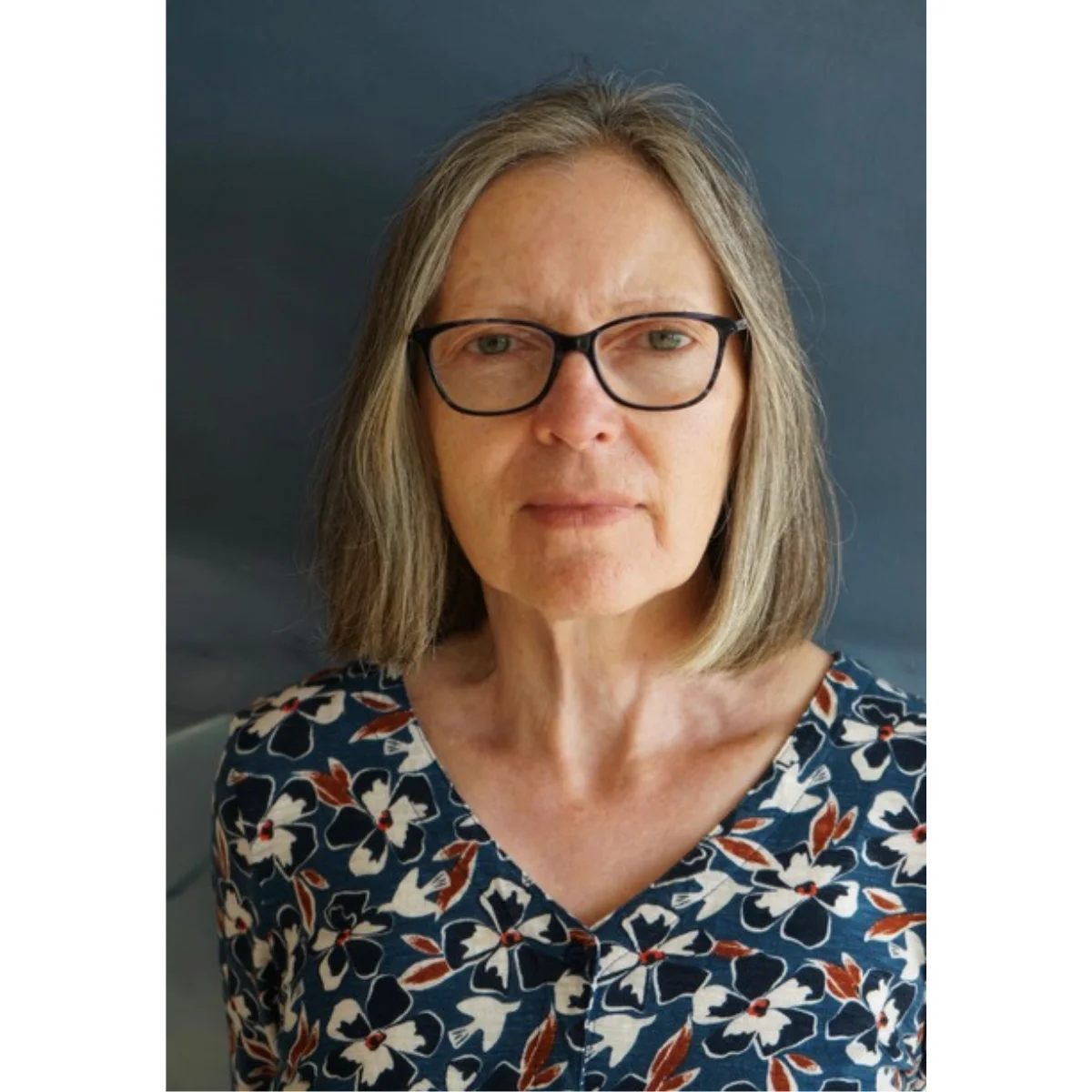
Tell us about your new book. Where did the idea come from?
Somewhere Cold is about a year my husband, Danny, and our three young children – ages five, two, and one – embarked on an adventure: to spend a year living in the remote, tiny, Inuit community of Grise Fiord in the Canadian High Arctic, over a thousand kilometres above the Arctic Circle. Our plan was to travel by dog team across the frozen sea ice to Greenland, so we spent the three months of winter darkness preparing for it. Danny had experienced Arctic extremes before as part of the first Irish Arctic expedition in 1981 and he convinced me to move there with our children.
What inspired you to start writing?
I started to write the book after we returned from our travels, but quickly found it impossible to have the time or ‘headspace’ with caring for three young children and having a demanding job, so I shelved it. Then about two years ago, after I retired from my job in medicine, I unearthed the four chapters I had written more than three decades ago, and all my old notes, as well as Danny’s journal, press cuttings and hundreds of photos, and I got to work. My motivation was to chart our journey while giving readers a glimpse of this extraordinary part of the world, and the amazing way of life of the Inuit who have lived there for thousands of years.
Did you always want to be a writer? Tell us about your journey to becoming a published author.
I’ve always been an avid reader but it wasn’t until I started travelling and keeping a journal that I had the urge to write about my experiences. I had some articles published in newspapers and magazines, and I did some radio documentaries a long time ago, then more recently I started writing this memoir. My story is unusual, so I was lucky to have the support of a publisher, Mercier Press, from the start which gave me the encouragement to keep writing.
What do you hope this book instils in the reader?
Perhaps the book might inspire some readers to do something a little out of the ordinary, or have their own adventure, which doesn’t necessarily require travelling to the ends of the earth. I also hope that it might contribute to a greater awareness of the richness of indigenous heritage. Without the colourful tapestry of Inuit ideas, beliefs and myths, along with those of other indigenous cultures that are fast disappearing, our world becomes more bland and homogenous.
What did you learn when writing this book?
Reflecting on that year, I realised that much of my energy was spent resolving complications and setbacks, big and small, which are part of life for everyone. Danny had ambitious plans, but I was worried about exposing the children to hardship. At the same time, we both understood each other’s perspective, we had to compromise and work together to move forward, just as Inuit do to survive in the tough Arctic environment.
Tell us about your writing process?
I need routine, and I’m a morning person so I devote the morning to writing. Inevitably life will intrude and other commitments arise and that’s okay so long as these days of absence don’t become weeks or months. If that happens I find it very hard to pick up the threads and get back into the writing routine again.
Where do you draw inspiration from?
Inspiration comes from many sources, usually places I’ve been to, or encounters with different people or situations, also books I’ve read, myths, or even a poem such as the one I use as the epigraph in Somewhere Cold.
What are your top three favourite books of all time, and why?
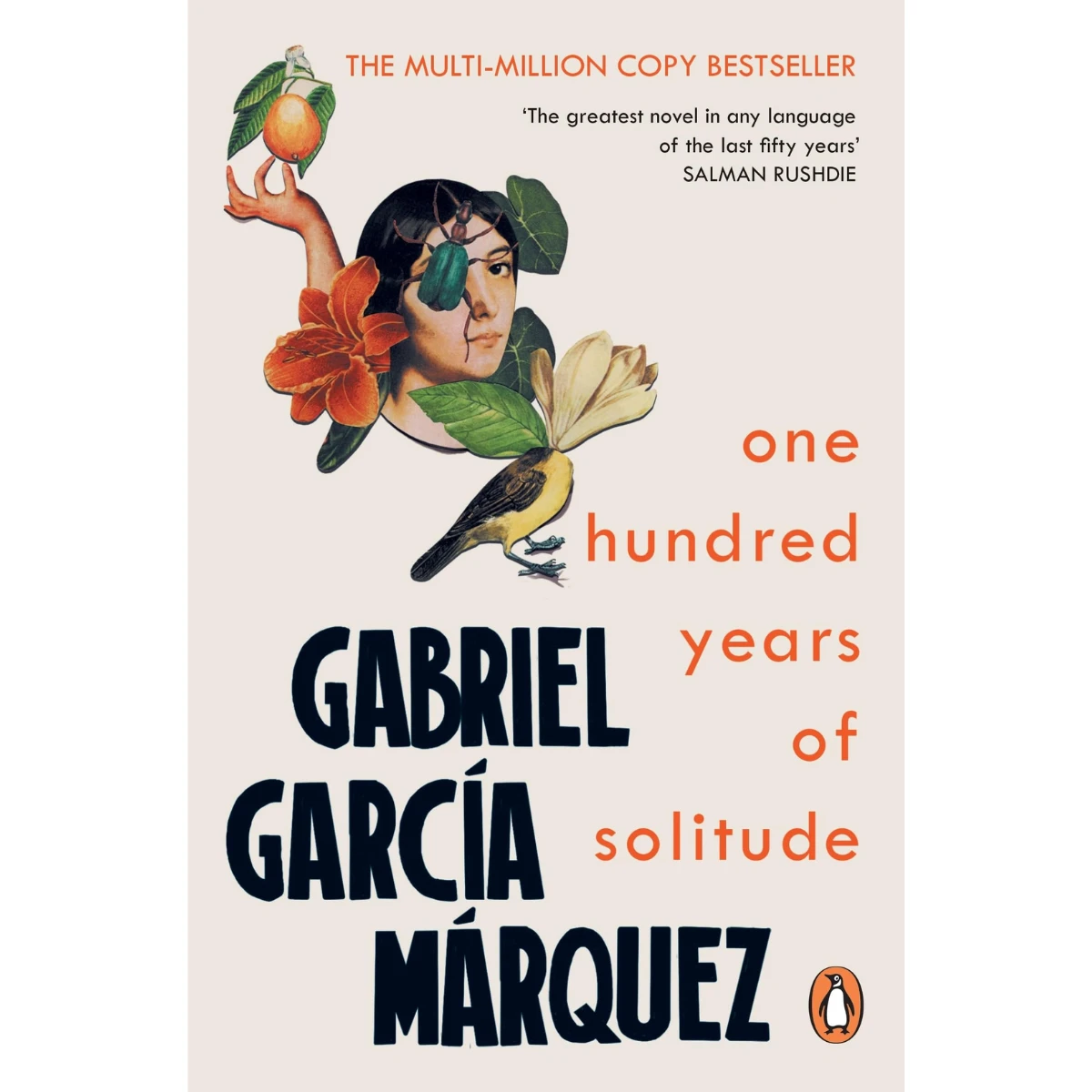
I have a fondness for Latin American literature and One Hundred Years of Solitude by Gabriel Garcia Marquez is my favourite. Many people will be familiar with the story from the Netflix adaptation but the book is so much more with long flowing poetic sentences. It is a captivating story with all the drama of life, love, death and war.
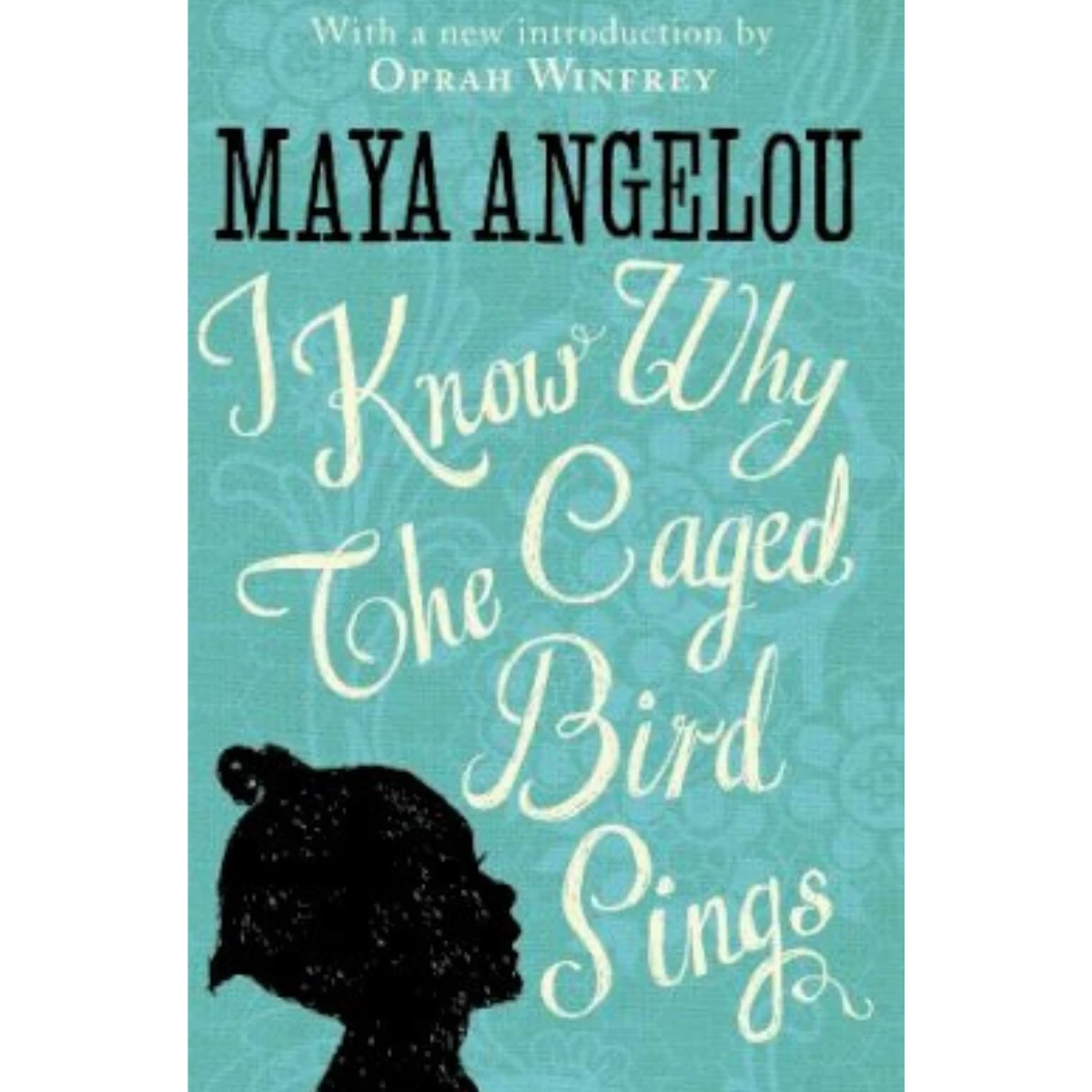
I Know Why the Caged Bird Sings is Maya Angelou’s memoir of her early life growing up in poverty, and dealing with racism, separation from her parents, child abuse and discrimination. But despite all these challenges she possessed a remarkable self-belief that she narrates with dry humour and compassion.
A Whole Life by Robert Seethaler is a novella that is up-lifting and meditative. The protagonist is a solitary man who leads a simple life in the Austrian Alps and despite loneliness and tragedy he is not a bitter person but sees himself as insignificant compared to the immutable landscape around him. It makes one question what makes a good life.
Who are some of your favourite authors, Irish or otherwise?
There are so many great authors. I enjoy Claire Keegan, Wendy Eskerine, Chimamanda Ngozi Adichie, and Deborah Levy.
What book made you want to become a writer?
Eight feet in the Andes was the first book I read by Dervla Murphy, where she recounts a 1,300 mile journey she made through Peru with her nine year old daughter, Rachel, and their mule. As well as the details of their amazing journey, I was fascinated by her no-nonsense attitude to the hardships endured and her sense of humour. Although I am quite different to Dervla, after reading her book I could imagine myself writing a book about travel too.
What’s one book you would add to the school curriculum?
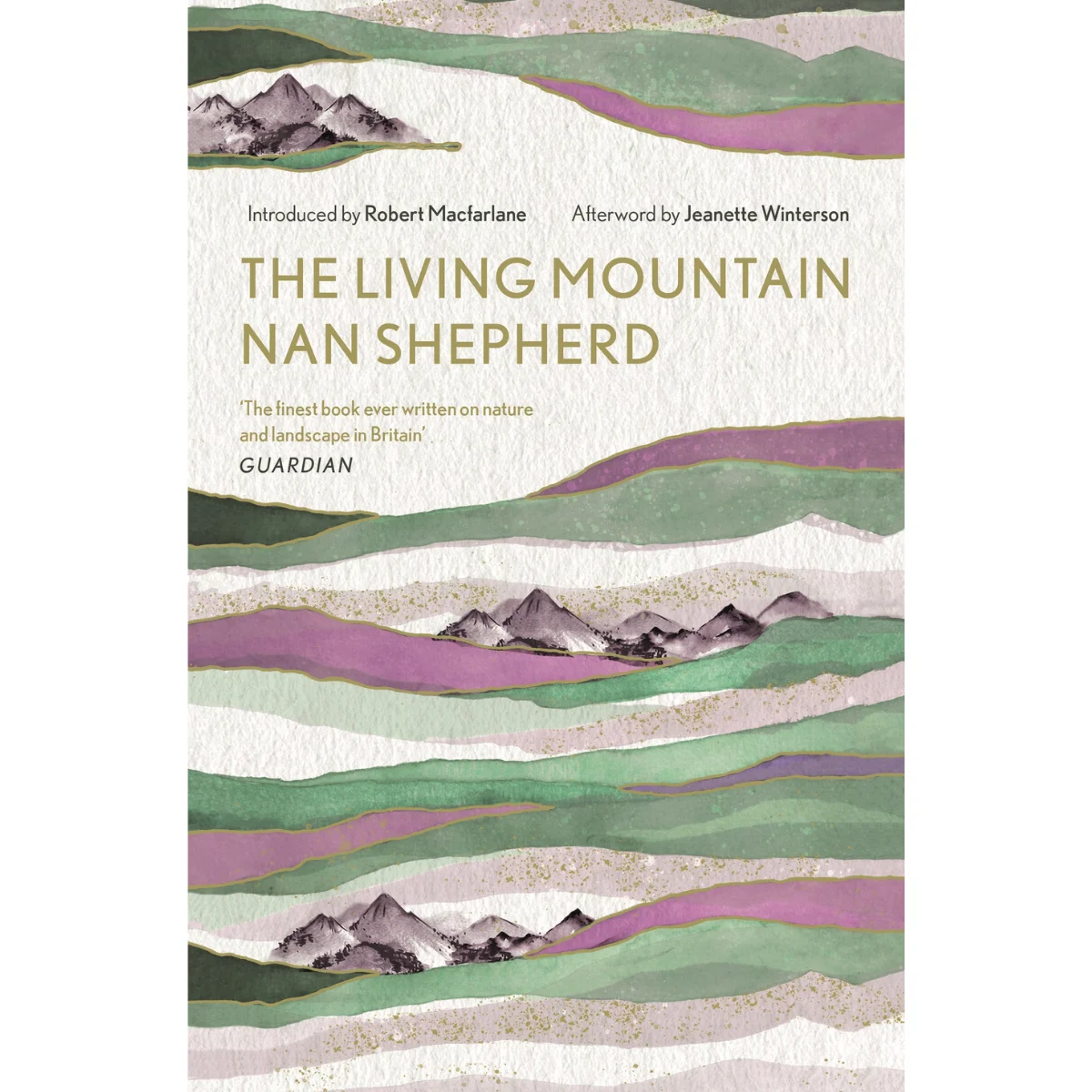
The Living Mountain by Nan Shepherd. Described as ‘a masterpiece of nature writing’, it’s short, poetic and powerful and would make even the most reluctant student want to experience “The feel of things, textures, surfaces, rough things like cones and bark, smooth things like stalks and feathers and pebbles rounded by water, the teasing of gossamers…”
What’s the best book you’ve read so far this year?
I loved Lucia Berlins book of short stories A Manual for Cleaning Women. The stories are based on events in her life, and written mostly in the first person. They portray with compassion, sadness, and humour, the lives of people in the margins, the drunks, the drug addicts, or the women working in low paid jobs trying to make ends meet.
What’s your favourite bookshop in Ireland?
Chapters in Dublin. Their extensive second hand book section means I could spend the whole day browsing there.
What’s some advice you’ve got for other aspiring writers?
It’s never too late to get that book you’ve always wanted to write done. It took me over three decades, although I didn’t really start in earnest until over two years ago. You have to sit down and devote time to it – a lot of time and effort.
Lastly, what do the acts of reading and writing mean to you?
For me, reading is primarily a form of entertainment and escape. As a writer I also learn a lot about the nuts and bolts of what makes a good book, such as narrative structure, character development, plot, etc. Writing is hard work, immensely satisfying when all is going well, but frustrating when it isn’t. When I was writing this memoir it forced me to reflect on my feelings, thoughts and actions and put it all into perspective. It’s supposed to be a therapeutic process, personally I’m not so sure, but I imagine for some people it is.
Also Read