





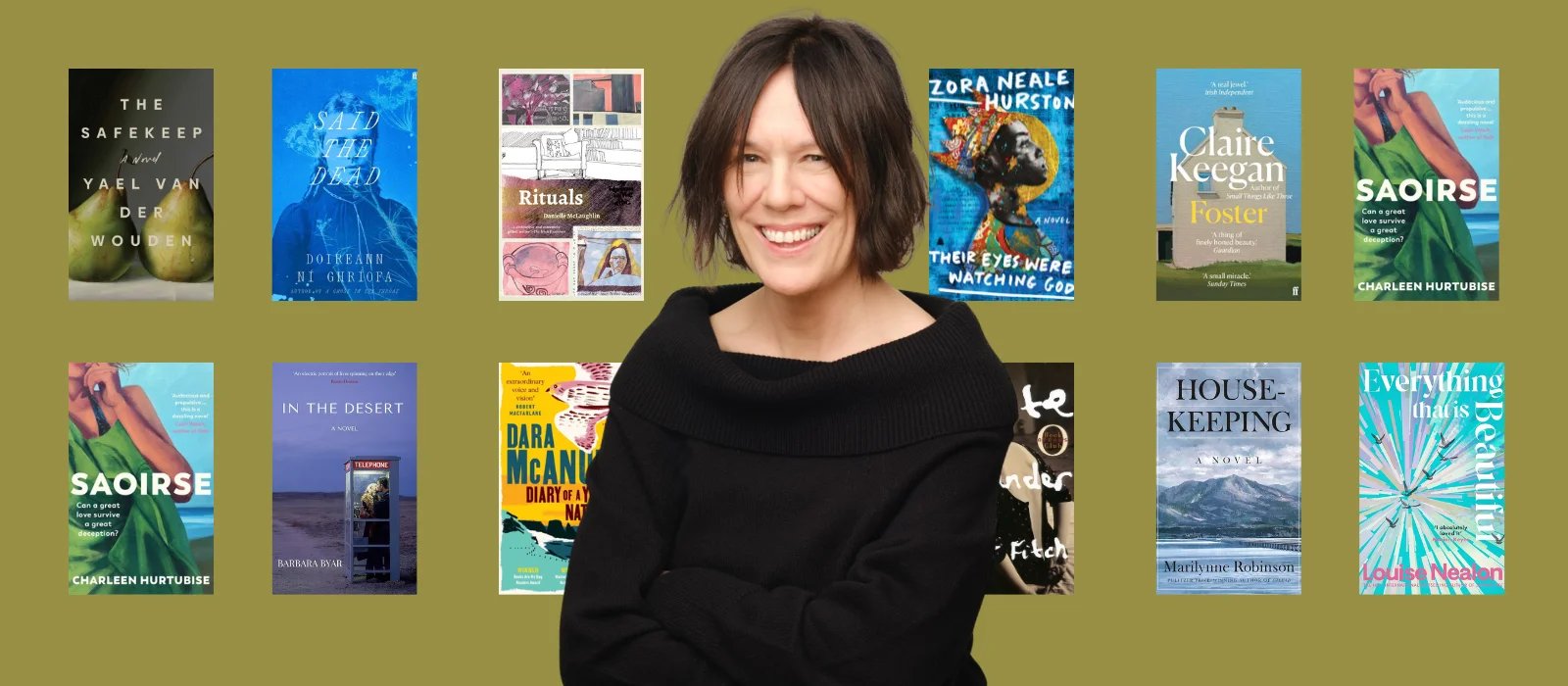
Charleen Hurtubise shares her literary inspirations, writing process, and her belief that stories find us and we are charged with recording them.
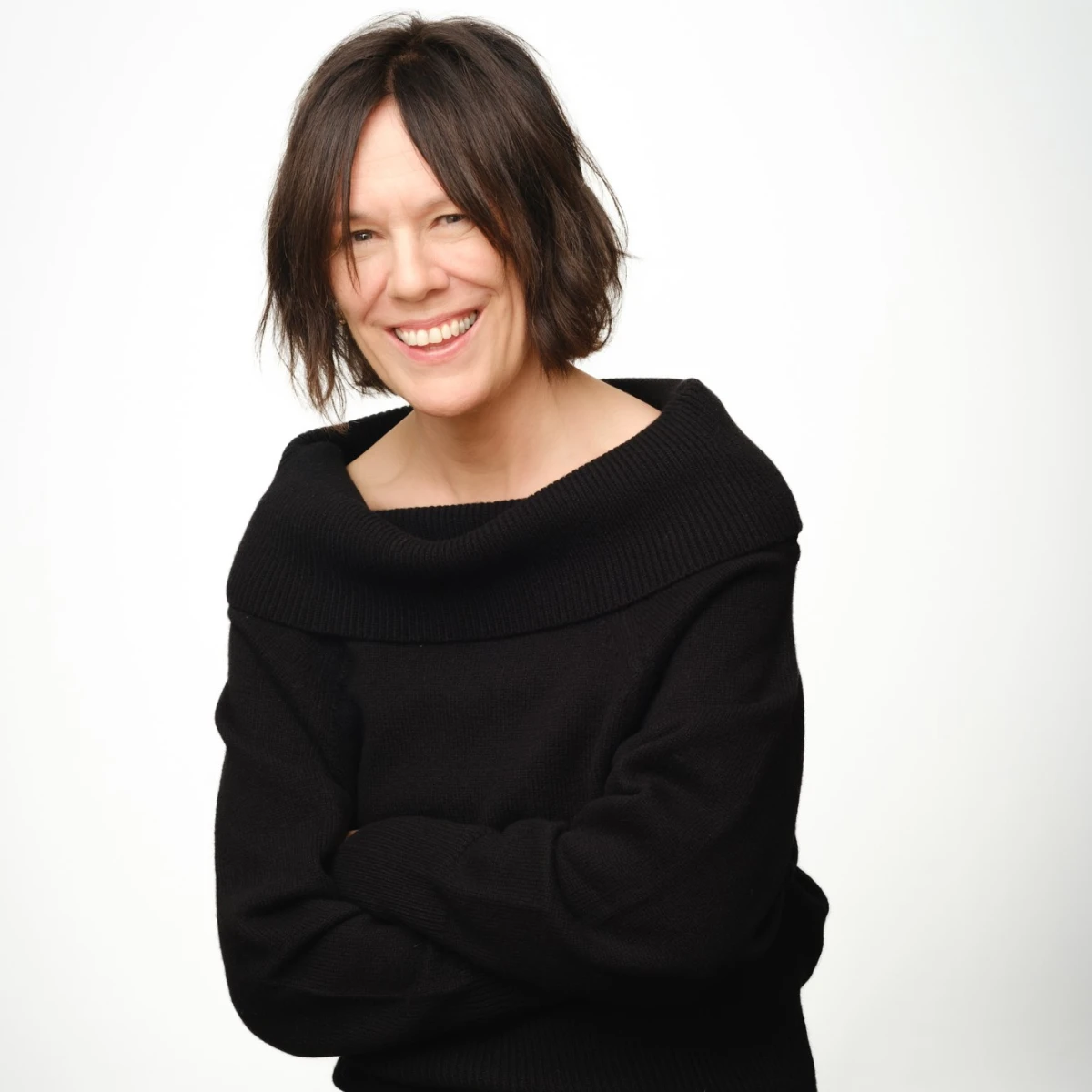
Charleen Hurtubise has lived in Dublin, Ireland for over 25 years, having moved from Michigan, USA. She is a teacher and artist as well as a writer, and her short fiction, essays and poetry have appeared in various publications. She holds an MFA Creative Writing from University College Dublin (UCD) where she has also facilitated creative writing modules.
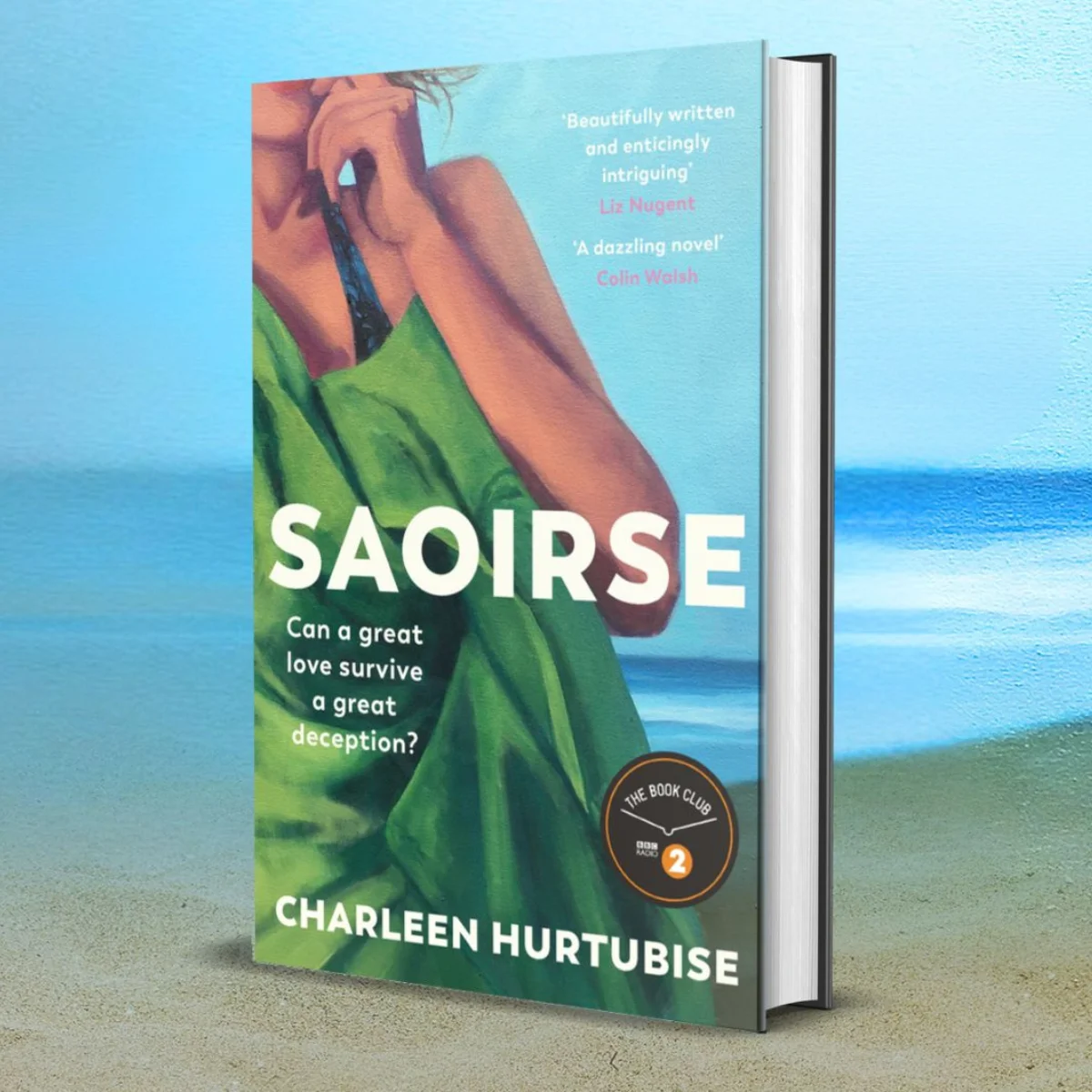
Exploring the fine line between dishonesty and reinvention, Saoirse is an evocative and compelling story of a woman perpetually in flight. In the wilds of Donegal, Ireland, 1999, Saoirse is an artist living an outwardly idyllic life. Her tender husband Daithì and two beloved daughters are regular subjects for her work, and in them she has found the safe home that she has always longed for. She tends not to talk about her past, and those that love her have learned to accept that the full story is too painful for her to disclose.
When her Dublin exhibition unexpectedly wins a prestigious award that invites a swarm of publicity, Saoirse is left panic stricken. The unanticipated recognition threatens to expose a decade’s worth of buried memories and past crimes. Because what her family and friends don’t know is that Saoirse has been on the run since she was seventeen, she has stolen an identity to survive, and whilst Ireland might now be her home, it wasn’t her first – and now her past life is poised to reclaim her.
Did you always want to be a writer?
As a youngster, I was immediately interested in the printed word. I must have been three or four years old and remember drawing squiggles on a page and reading them aloud to my older sisters. They laughed because they only saw scrawl, whereas I knew these symbols had meaning. I eventually unlocked the code of print. My first story was a little book I wrote when I was eight about a dog named Bingo who was brought along on a family camping trip. Already, the dysfunction and chaos element was apparent in my work (not to mention Bingo desperately needed his toenails clipped).
What inspired you to start writing?
I was always an avid reader and held authors like Toni Morrison, Barbara Kingsolver and Margaret Atwood up upon a pedestal. But it wasn’t until my early twenties when I began to find literature that made me think I might have something to say.
Tell us about your new book. Where did the idea come from?
Saoirse is a story about an Irish-based artist living in Donegal under a stolen identity. Her peaceful life is threatened after winning a major visual art award attracts unwanted media attention. She is forced to confront secrets she has long tried to bury. The idea of an American running away, hiding in Ireland and accidentally starting a life really played to my imagination, especially in the ‘90s before government systems were linked up and before a quick internet search could lead to exposure. I’m concerned with how the past shapes us and the lasting imprint of trauma.
What do you hope this book instils in the reader?
Saoirse is written from a survivor’s perspective. The protagonist and her sister, as children, were at the mercy of bad adults who exploited them for their own gain. When Saoirse did escape, her survival mindset and the bad choices she made in order to meet her basic needs followed her into adulthood. I think of all the media attention today of rich and powerful men and women, billionaires who not only took advantage of, but exploited, raped and trafficked girls. Now there is a scramble to clear their own names. And where are the survivors in all of this media frenzy?
This story is a reminder that, long after the perpetrator has ceased the abuse, survivors live with the consequences of their abuser’s actions. A hyper vigilant, survivor’s mindset doesn’t just go away. I hope Saoirse forces a question about the powerless, what they need to thrive going forward. For my character, Saoirse, turning to art was a way to exist above the pain and vulnerability, a way to turn the chaos into order. It placed her at the centre of her own reinvention. This is what I wish for all survivors.
What did you learn when writing this book?
I have tipped away at my visual arts practice over the years, and like writing, it anchors me in the present moment. I gained much inspiration also, by speaking with artists on various residencies. I knew I wanted to bring art into this story but I also was a bit short on technique and language. When the first Covid restrictions were lifted, I was granted a professional development award from The Arts Council which enabled me to take an evening painting course at NCAD. My aim was to develop a language around the techniques Saoirse used in her art and also to observe my own process as I worked, and thus translated that experience into the novel.
Tell us about your writing process?
I think of a Minecraft tool box with all the various raw materials available with which to create. For me, my basic building block is emotion. I keep a journal as little scenes occur to me, or I tap it into my phone’s notepad. Sometimes I am reminded of an experience or an interaction, how it made me feel, whether positive or negative, and a scene can be charged with the residual emotion. Music can also have a way of firing off the synapsis of the imagination.
Where do you draw inspiration from?
I believe stories find us and we are charged with recording them. Often I start with an idea, an emotion, or a scenario. It takes a long time to tease it out, to link the story scene by scene. But ultimately, if worked long enough, and with time and space, the story that is supposed to be told, gets told.
What are your top three favourite books of all time, and why?
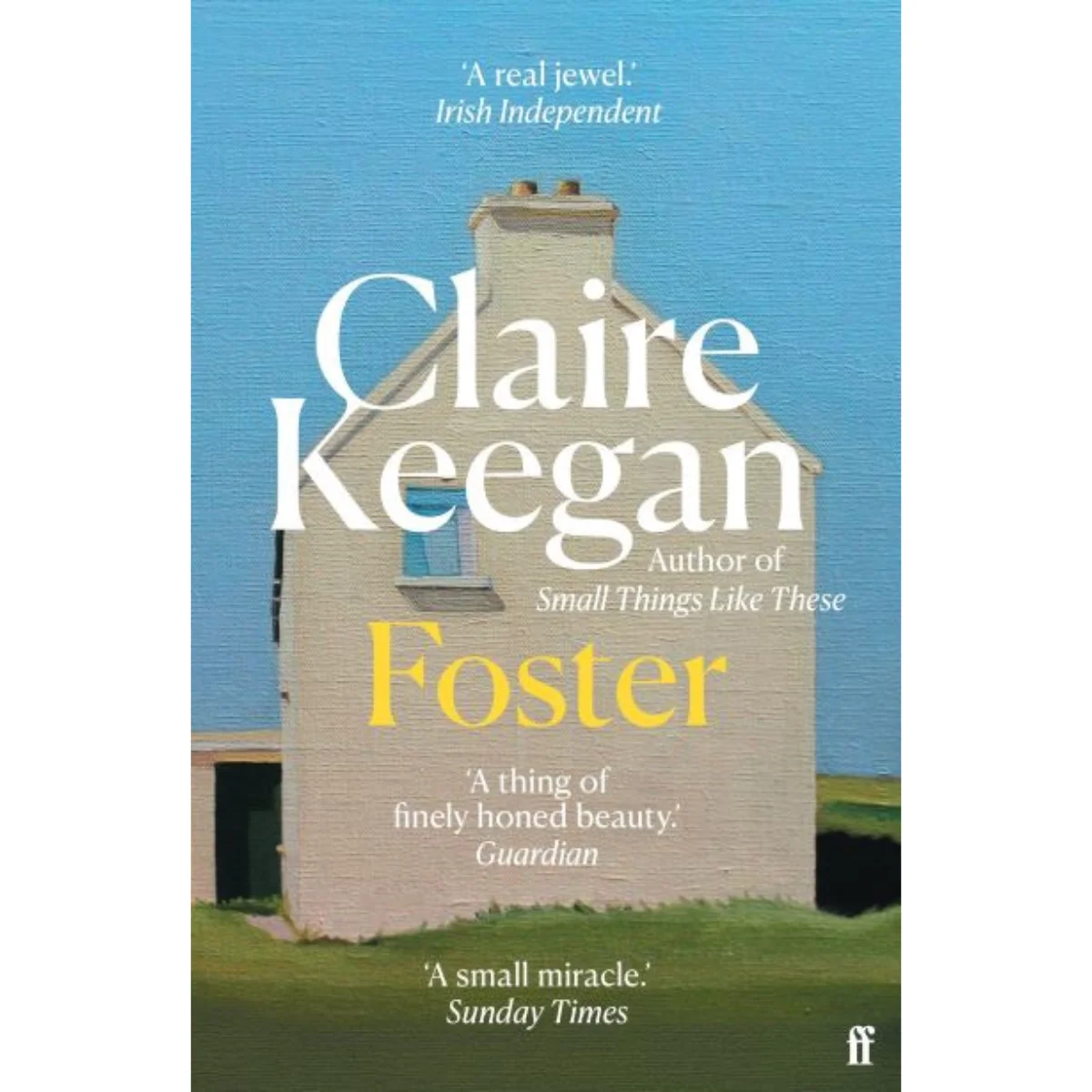
It is almost always about language for me, and the stories of moving a person from her dilemma to a place of safety. Their Eyes Were Watching God by Zora Neale Hurston. Housekeeping by Marilynne Robinson. Foster by Claire Keegan. All three stunned me with their use of language.
Who are some of your favourite authors, Irish or otherwise?
There are many superb writers in Ireland alone, I’ll stick with this location. Claire Keegan and Danielle McLaughlin for their literary fiction, Michelle Gallen and Ferdia Lennon for comedy, Anna Carey for Romance. Liz Nugent, Queen of Crime. Louise Nealon balances the dysfunctional with humour, Sheila Armstrong for her forensic, atmospheric prose. Emma Donoghue who writes everything (including co-writing the screenplay H is for Hawk.) I could keep going but I have to stop somewhere, so might as well be with Ireland’s answer to Rachel Kushner: Wendy Erskine. Both badasses of their respective literary worlds. I’m obsessed with Erskine’s fearless and unapologetic writing.
What are some upcoming book releases we should have on our radar?
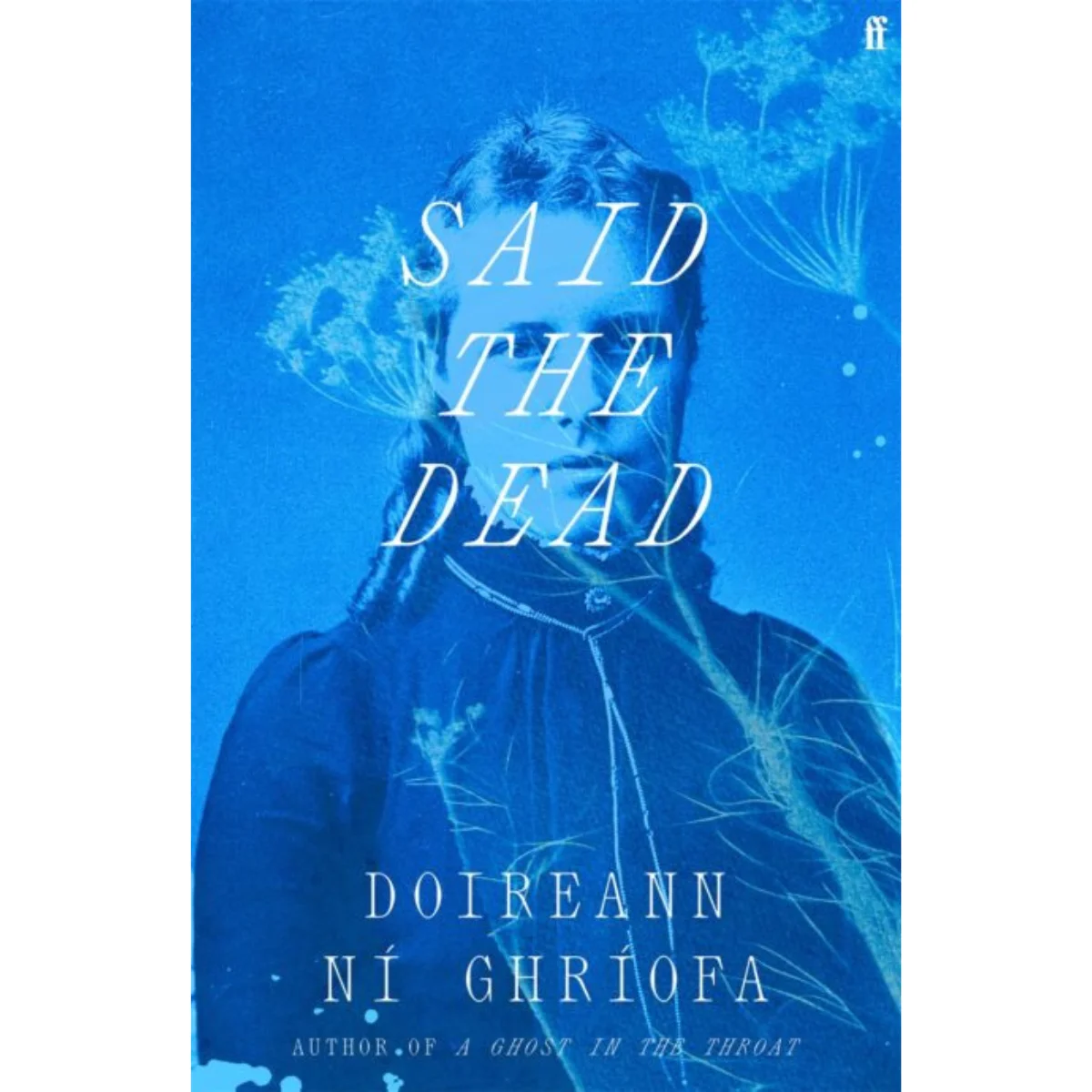
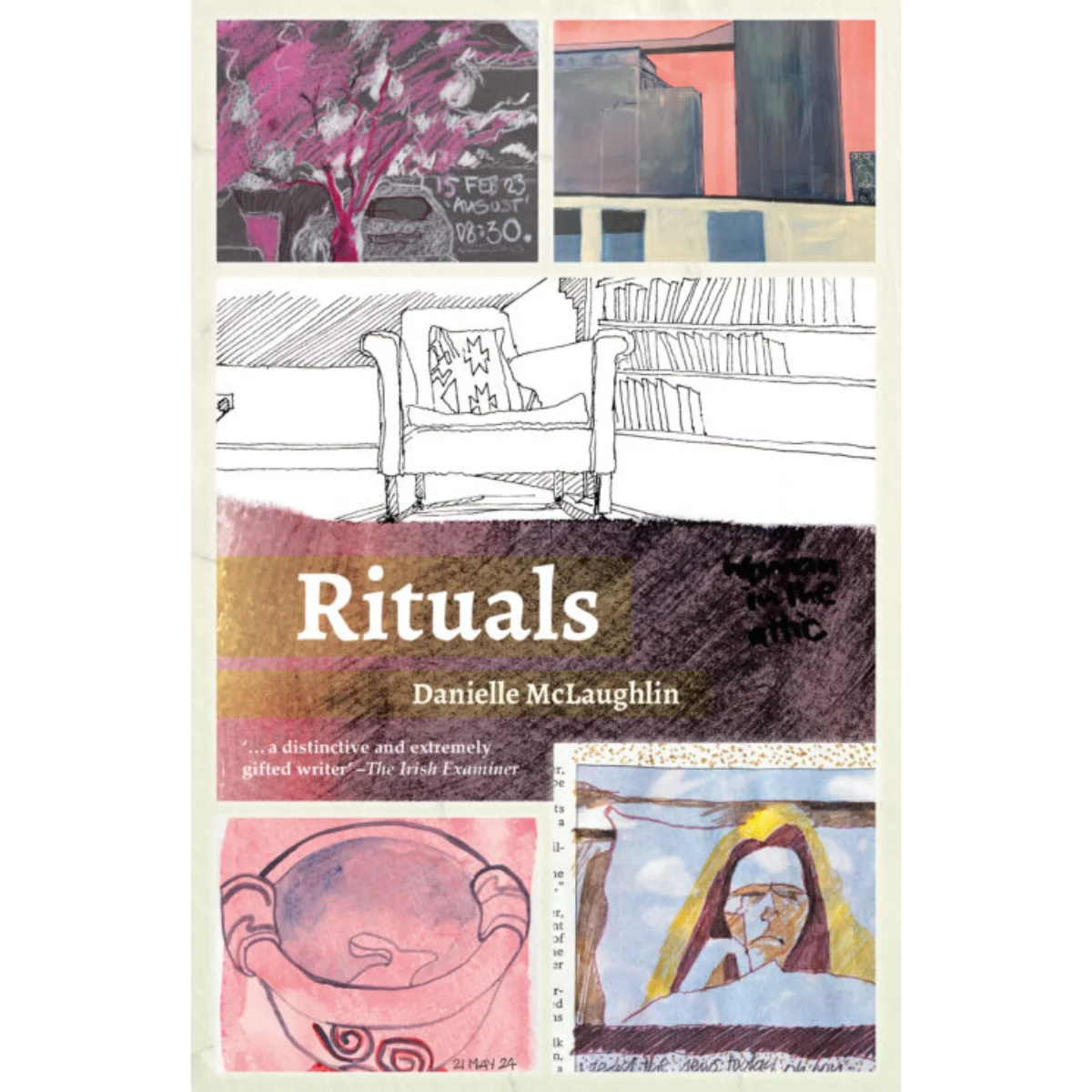
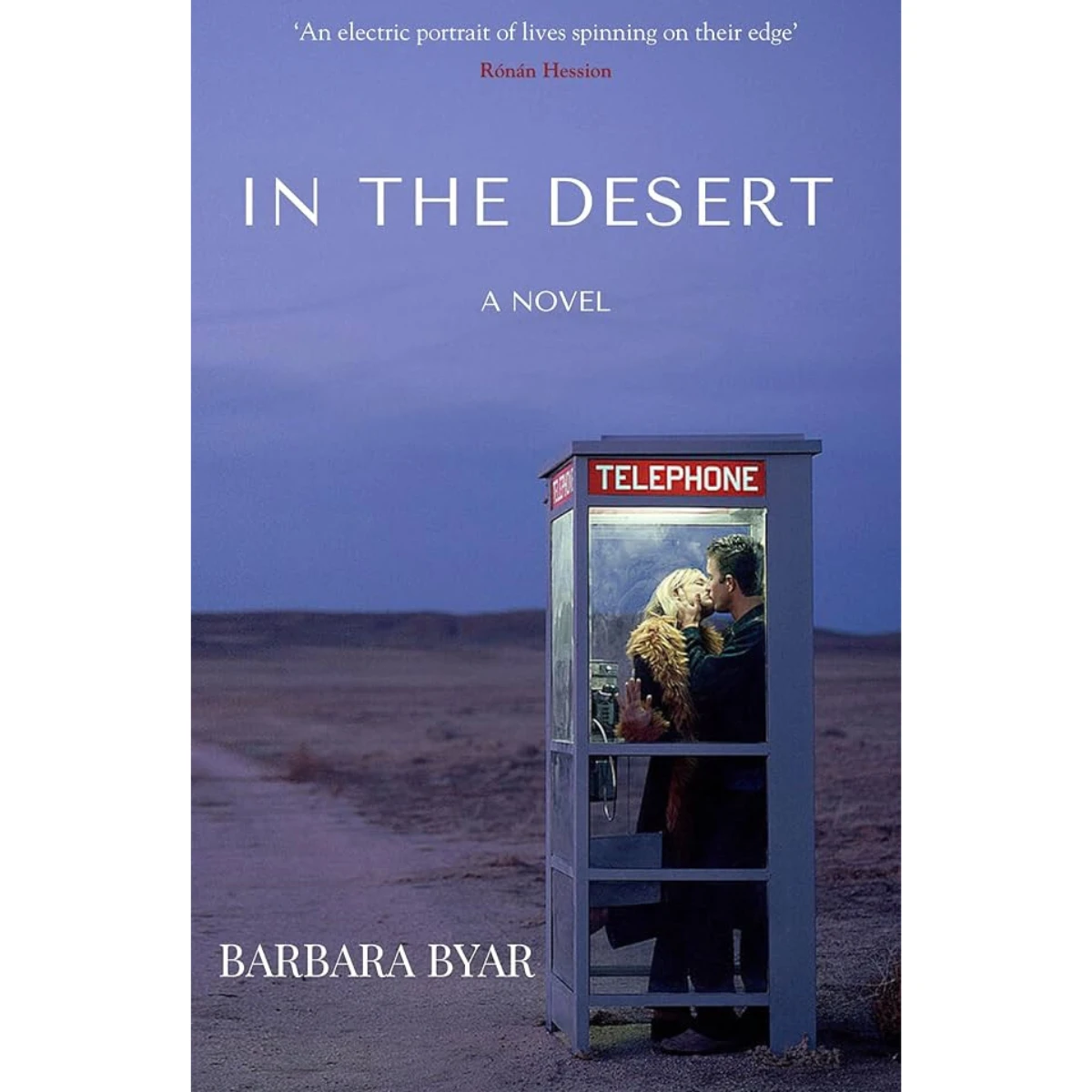
I adored Louise Nealon’s Everything That is Beautiful. She captures the nuances of Irish family life – the chaos, the imperfections, and the unconditional love. And now for your invitation to board a rocket of a novel: Barbara Byar’s speculative ‘grit lit’ In the Desert is out in March. I just finished Danielle McLaughlin’s Rituals, published by The Stinging Fly press. Her writing is flawless, hilarious and poignant, slightly unhinged and full of heart. One I haven’t read yet but am very much looking forward to is Doireann Ní Ghríofa’s Said the Dead.
What book made you want to become a writer?
White Oleander by Janet Fitch. A story that, in essence, could have been mine: the search for safety and identity after adults badly let one down. Upon finishing this novel, I immediately bought a notebook.
What’s one book you would add to the school curriculum?
The writing of Dara McAnulty, multi-award winning autistic author, conservationist and activist. I believe there have been extracts of his work on state exams, but if students aren’t toting home Diary of a Young Naturalist in their school bags yet, they ought to be.
What’s the best book you’ve read so far this year?
Rituals. See Danielle McLaughlin above. Also, The Safekeep by Yael Van Der Wouden is phenomenal.
What’s your favourite bookshop in Ireland?
So many! All of them. In Dublin I love browsing and meeting for coffee at Books Upstairs, and also can’t get enough of Chapters and all they offer: used books and plants in addition to everything else. And if I moved to the country, I would pick a location based on the community surrounding the bookshop: Bridge Street Books (Wicklow), Books at One (Louisburgh), or The Castle Bookshop (Castlebar). But really, all of them, all the bookshops.
What advice would you give to other aspiring writers?
Keep going. Believe that urge and get it down. Find a community of readers and writers, as a mentor said: find your weirdos. You only need one or two to make a group. Apply for all opportunities, submit to every competition. You’ll face rejection, but keep going, and reach out to your writing pals who are also facing rejection. Listen to feedback, but remember – it is an opinion, not a prescription. Trust your own gut. Don’t worry about making mistakes – just keep reading and writing, keep going, and you’ll eventually write yourself into the thing you need to say.
Lastly, what do the acts of reading and writing mean to you?
To read is to enter, and to live, another’s life. To write is to open a window and allow others to come inside. Both are acts of mutual empathy.
Saoirse by Charleen Hurtubise (€14.99, Eriu) is on sale now.
Portrait image by Conor Horgan.
Also Read