
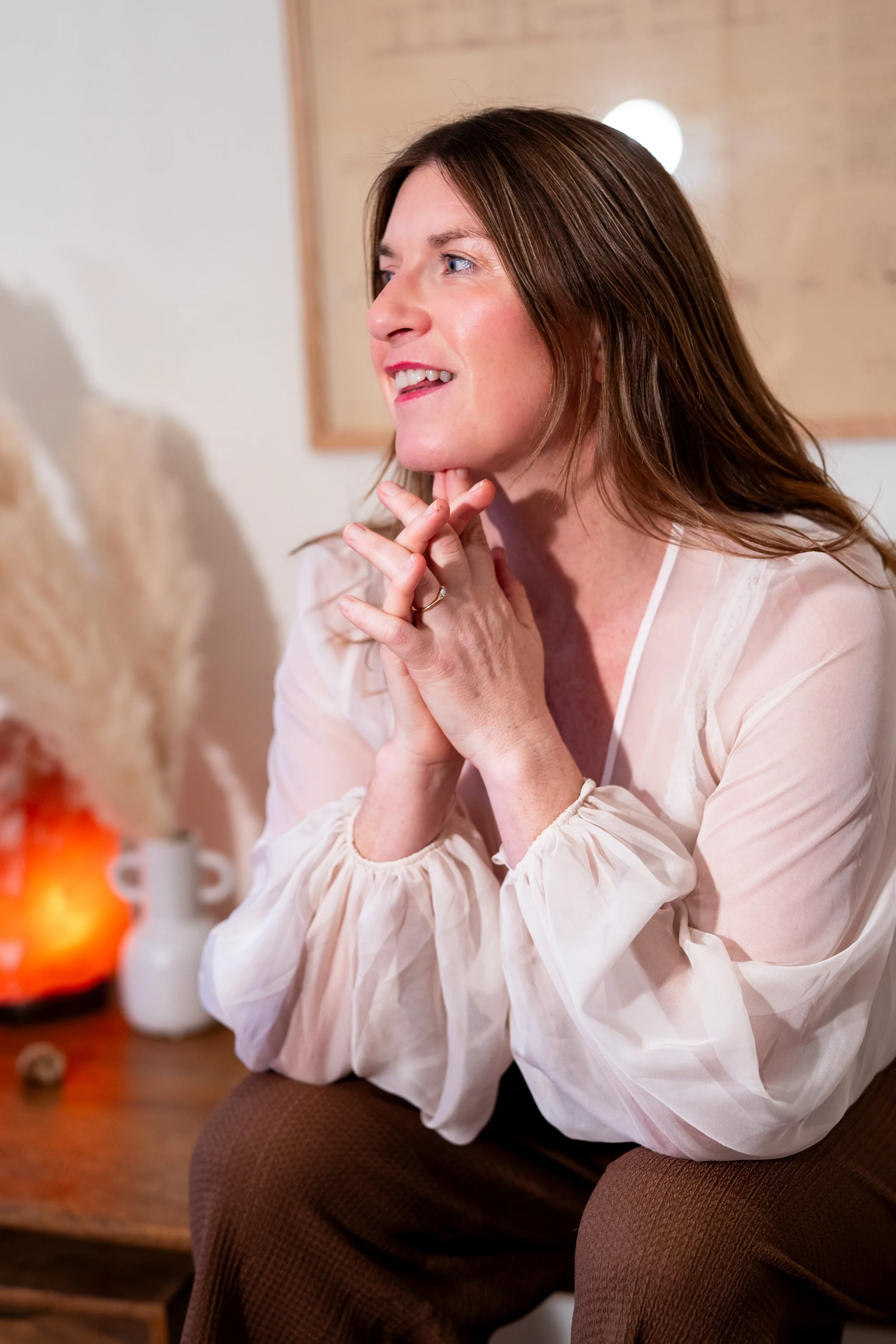

Page Turners: ‘Oddbody’ author Rose Keating
Rose Keating’s captivating short story collection, Oddbody, delves into the weirdness of bodies and of existence, and has been described as ‘weird girl fiction at its finest’.
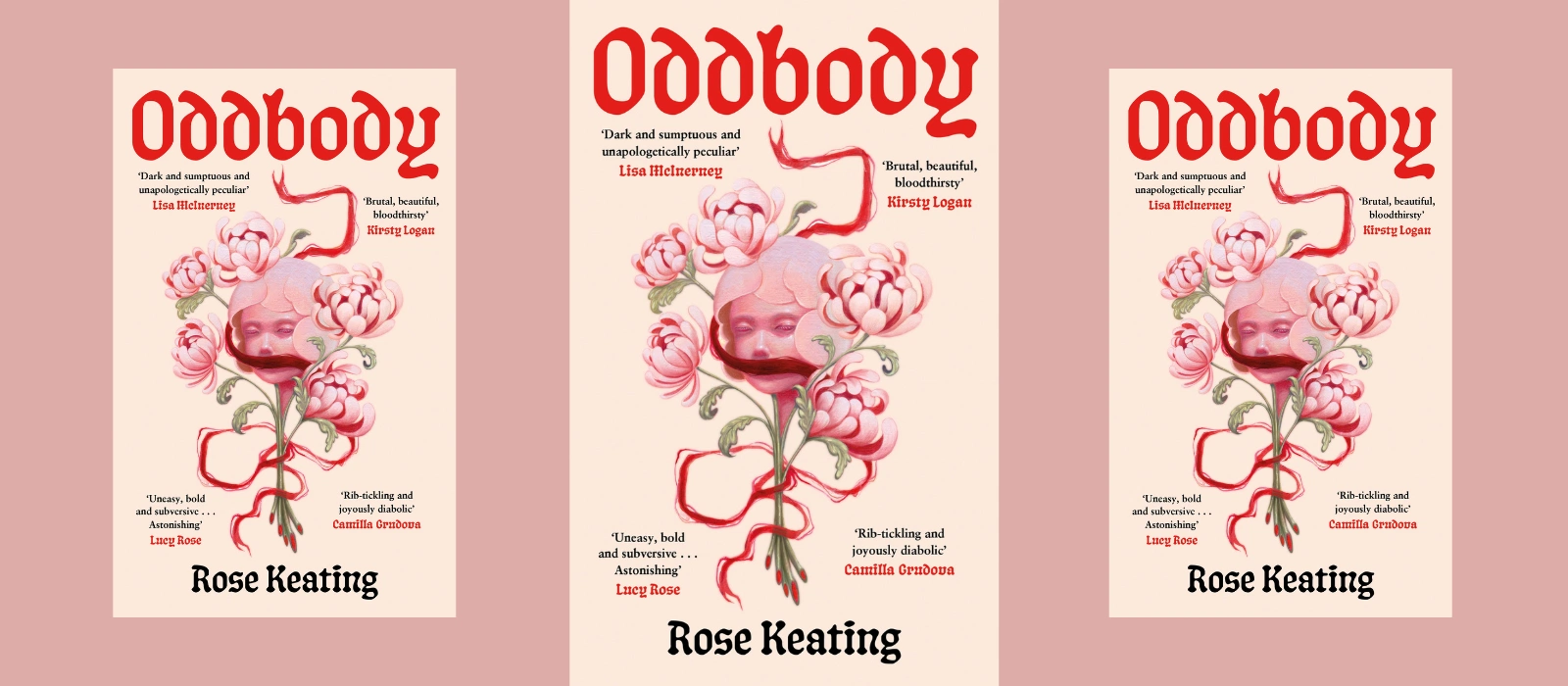
Waterford author Rose Keating’s debut short story collection, Oddbody is striking, visceral, and brutally honest. Delving into the weirdness of bodies and of existence itself through the voices of social outsiders and outcasts, these stories take you on a bold journey through the intricacies of sex, shame, and womanhood.
With ten enchanting short stories, she crafts an emotional masterpiece that challenges us to reflect on the movement and needs of our bodies. Strange yet utterly mesmerising, Oddbody is a provocative exploration that feels both surprising and sincerely authentic.
In Oddbody, a woman finds herself navigating a codependent relationship with a ghost, while Squirm portrays a daughter tending to her father as he devours himself from the inside out. Pineapple introduces us to a woman who opts to have feather wings surgically attached to her back. In Eggshells, a waitress gives birth to an egg during her breakfast shift.
Each narrative in this collection is immersive, bizarre, and deeply empathetic, shining a light on women who dare to defy societal norms and invite you to question the conventions and milestones that determine success.
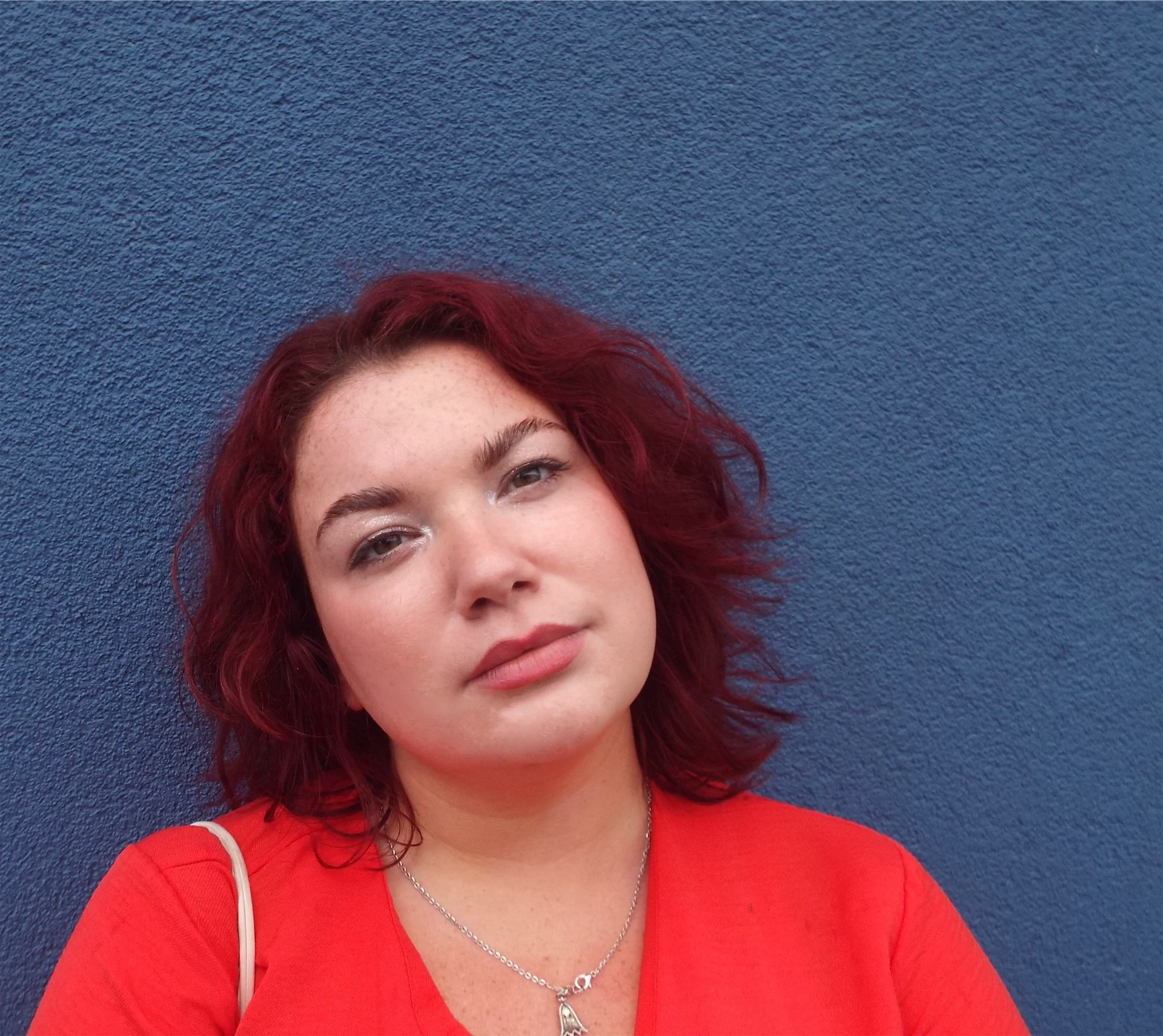
Did you always want to be a writer? Tell us about your journey to becoming a published author.
I’ve almost always wanted to be a writer. I had one brief week when I was six or seven where I learned the word ‘zoologist’ and I wanted to do that instead, because I thought it meant working at a zoo. I then realized working at a zoo might include working with spiders and I saw the error of my ways. I’ve never not written. For a long time, I thought it was the only thing I could do, as I believed I was bad at every other thing in the world. I don’t believe that anymore, but it continues to be the thing that feels most natural to me, and is something I take great joy in – but I’m still secretly holding out for zoology.
What inspired you to start writing?
I don’t think I had one specific moment where I was inspired, or at least it wasn’t a conscious decision that I was aware of. I was a big reader growing up, and it felt natural to try to write myself even from a young age.
Tell us about your new book, Oddbody. Where did the idea come from?
I think writing a collection differs a lot from a novel when it comes to inspiration in the sense that there isn’t necessarily one singular moment of inspiration for the overall book. For me, it was a series of ideas that began to link together over time, and when that linking pattern began to emerge it was easier to start building towards a more unified thematic concept. Shame was a large part of the connecting force. I noticed as I looked back on the stories that I was writing that most of them centered around characters who feel wrong or incorrect in some way, whether that’s in the bodies they are in or the worlds they occupy. That feeling of wrongness is the core of Oddbody and the thing that I most wanted to communicate with my readers.
What do you hope this book instils in the reader?
I hope this book encourages readers to grow more accepting of sitting with discomfort. Oddbody is a collection that delves into tender, ugly, pathetic, intimate and comedic moments of life. These moments can be upsetting and unpleasant, but to sit with these moments is such an important part of understanding ourselves and understanding the world around us.
What did you learn when writing this book?
I think the most important thing I learned through the writing of the book is that writing is work, but it is also play. When I am writing at my best, I am having a lot of fun. I’ve been teaching children this year and it’s made me think a lot about play as a serious act, and I think that is what writing for me is all about – creativity as a form of play taken seriously.
Tell us about your writing process?
My writing process is messy and disorganised and not something anyone should emulate. Typically, I will have an idea at random and write it down, usually on a scrap of paper or somewhere on my phone. I will often forget about it or lose the piece of paper. I also frequently sum up my ideas in a word or two. Recent examples from my notes app include ‘Foot story’, ‘I can’t touch anything’ ‘sexting’ and ‘pile of Goo’. I can remember what one of those four was referring to, but have already forgotten the idea behind the other three notes.
If I remember one of the ideas, I will usually attempt to try to write most of the first draft over a week. For most of the stories in this collection I usually would try to narrow that down to two to three days, or less. I would start writing at 9pm or 10pm and continue writing until 5 or 6 in the morning and would then go to sleep. This method was more difficult post-university when I became an adult with responsibilities and sleeping schedules. I will still typically try to write the first draft within a very short time frame, as I tend to forget what I am actually trying to get at if I spend more than a week on a story. I also still prefer to write at night while drinking a lot of coffee and playing music.
After I finish the first draft, I put it away. It’s usually very sloppy and very rough. I come back to it in a couple of weeks or a couple of months and try to make it better, and then share with a friend and repeat that process based on the friend’s feedback. Once I feel like I can’t do anything else with it, I stop.
Then, I get another idea at random and the process begins again.
Where do you draw inspiration from?
The individual ideas behind the stories in this collection come from a lot of different places. I wrote The Vegetables after watching a Youtube video about obscure cryptids, Eggshells was written after a friend asked me if I would like to be a mother, Bela Lugosi Isn’t Dead was adapted from a poem I had written about how I liked to rewatch the movie Silence of the Lambs over and over when I was a teenager.
The idea part of writing for me always feels fluid and spontaneous and random in a way that is both extremely frustrating and a wonderful surprise – I don’t know how to control where ideas come from or when they come, but it’s always a delight when they do arrive.
What are your top three favourite books of all time, and why?
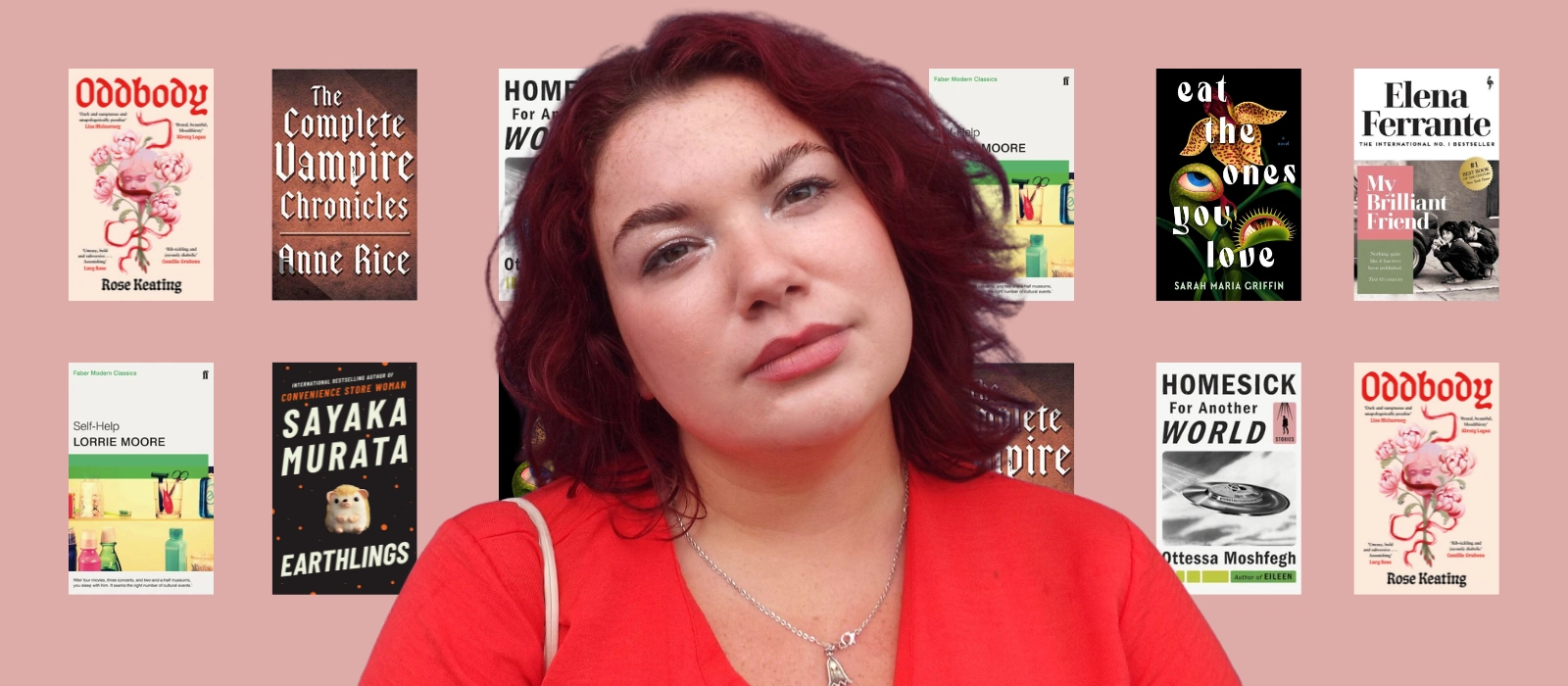
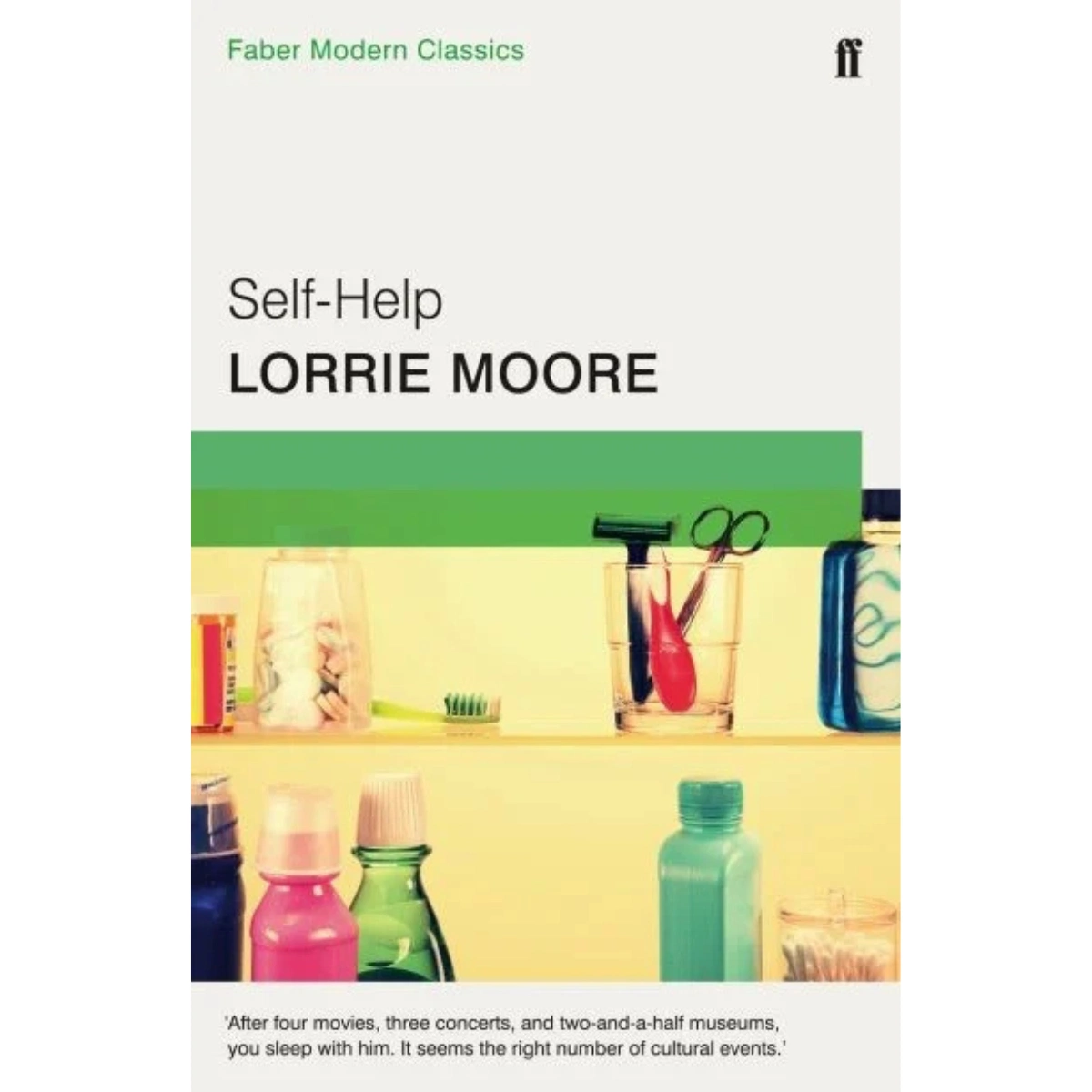
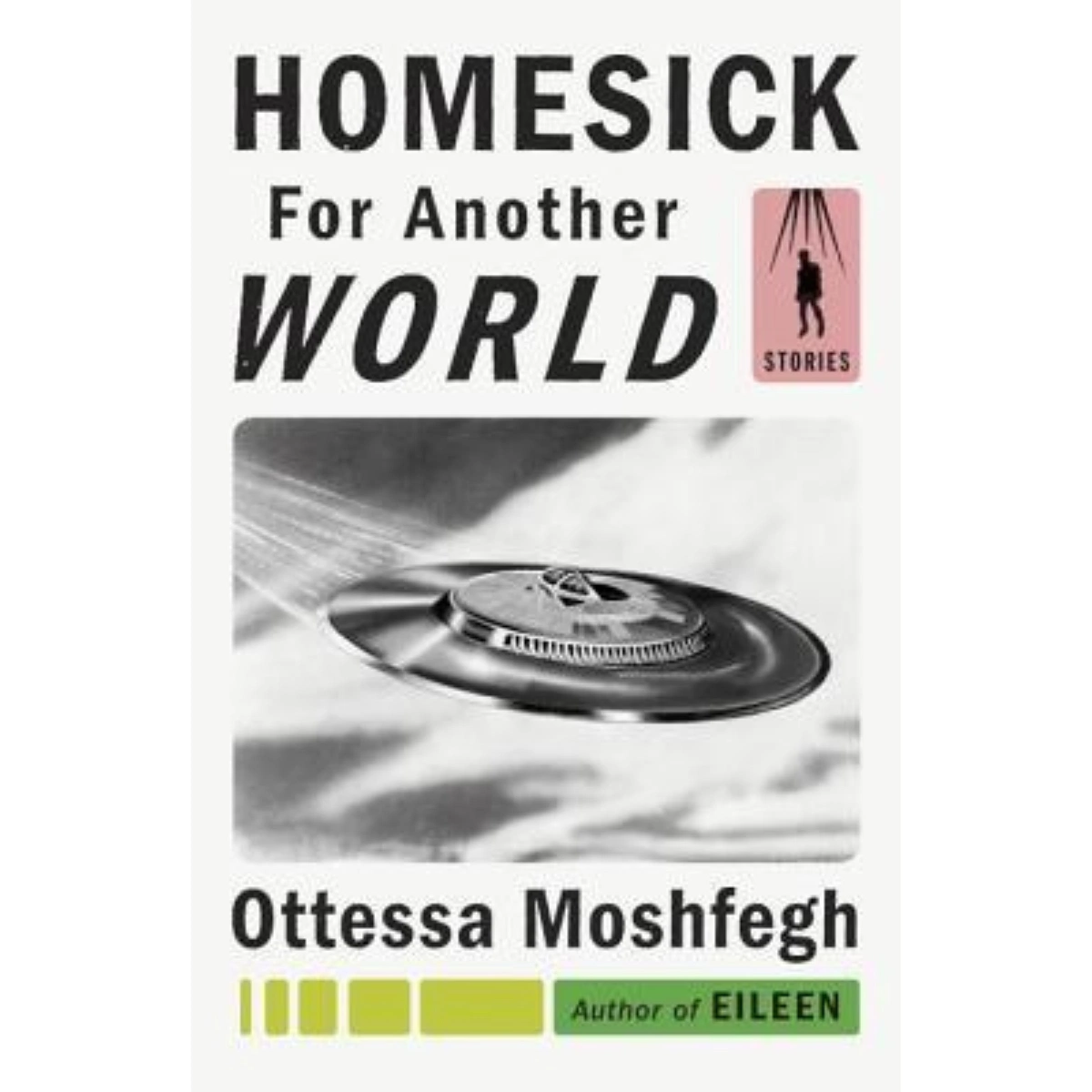
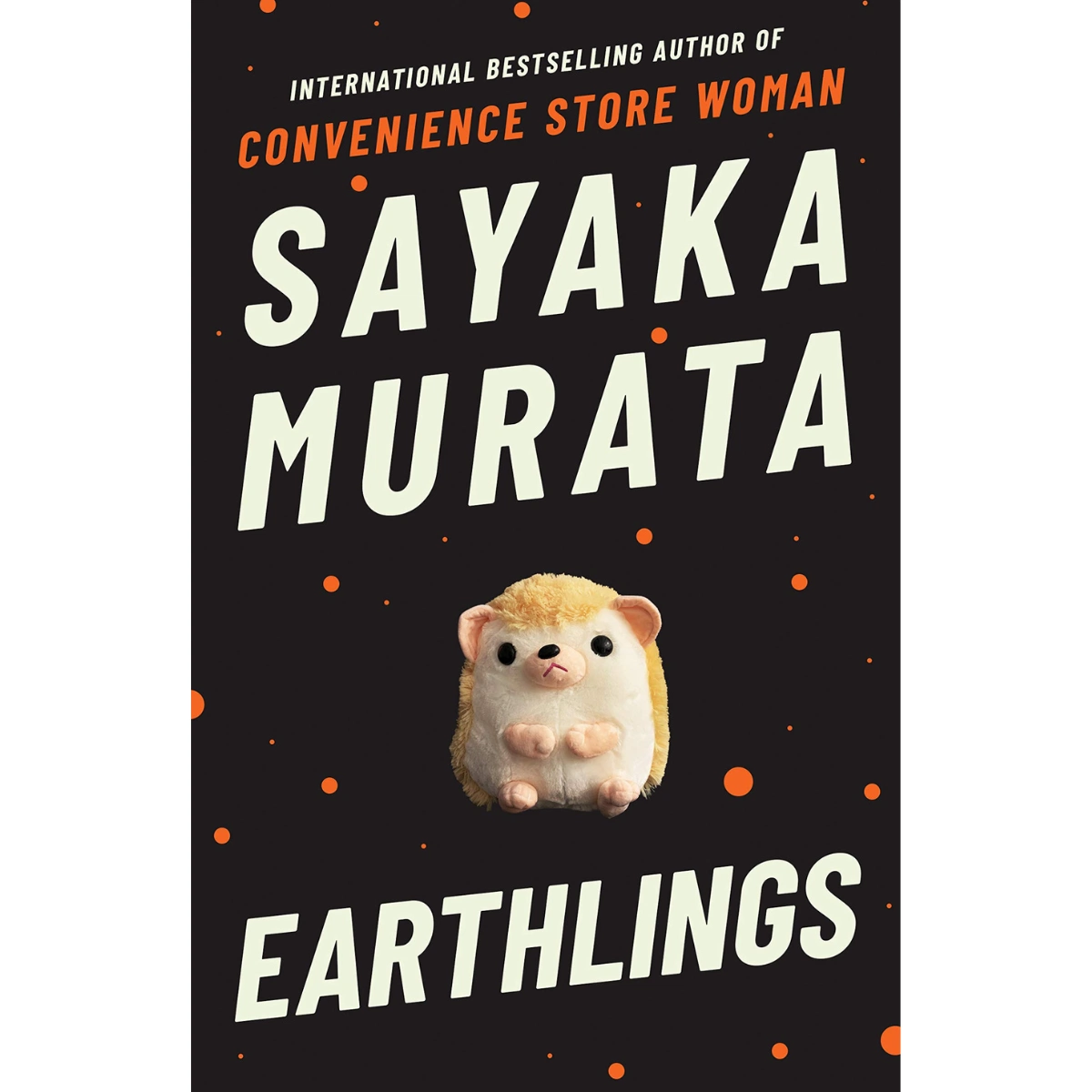
I’m going to cheat a little and say I don’t have three favorites of all time as I tend to change favorites every other month or so. Self Help by Lorrie Moore, Homesick for Another World by Ottessa Moshfegh and Earthlings by Sayaka Murata are three books that I have repeatedly come back to and think about quite actively when I am writing, and would definitely consider them to be some of the books that have most affected my ideas around art. The humor, boldness and strangeness of all three of these books is something I deeply admire and am encouraged by. That might be a little bit different to being my favorites, but they are very important in having shaped my aesthetics and sensibilities as a writer.
Who are some of your favourite authors, Irish or otherwise?
Some of my favorites are Ottessa Moshfegh, Sayaka Murata, Lorrie Morre, Donald Bartheleme, Raymond Carver, Ernest Hemmingway, Cormac McCarthy, Camilla Grudova, Carmen Maria Machado, Daisy Johnson, Toni Morrison, Nicole Flattery, Kazuo Ishiguro, Eliza Clark, Cathy Sweeney, Oliver Zarandi, Jacquline Harpman, April Ayers Lawson, Missouri Williams, Rattawut Lapcharoensap, Eric LaRocca, Natsuko Imamura, Elena Ferrante, Julia Armfield, Han Kang, Miranda July, Max Porter, Richard Yates.
What are some upcoming book releases we should have on our radar?
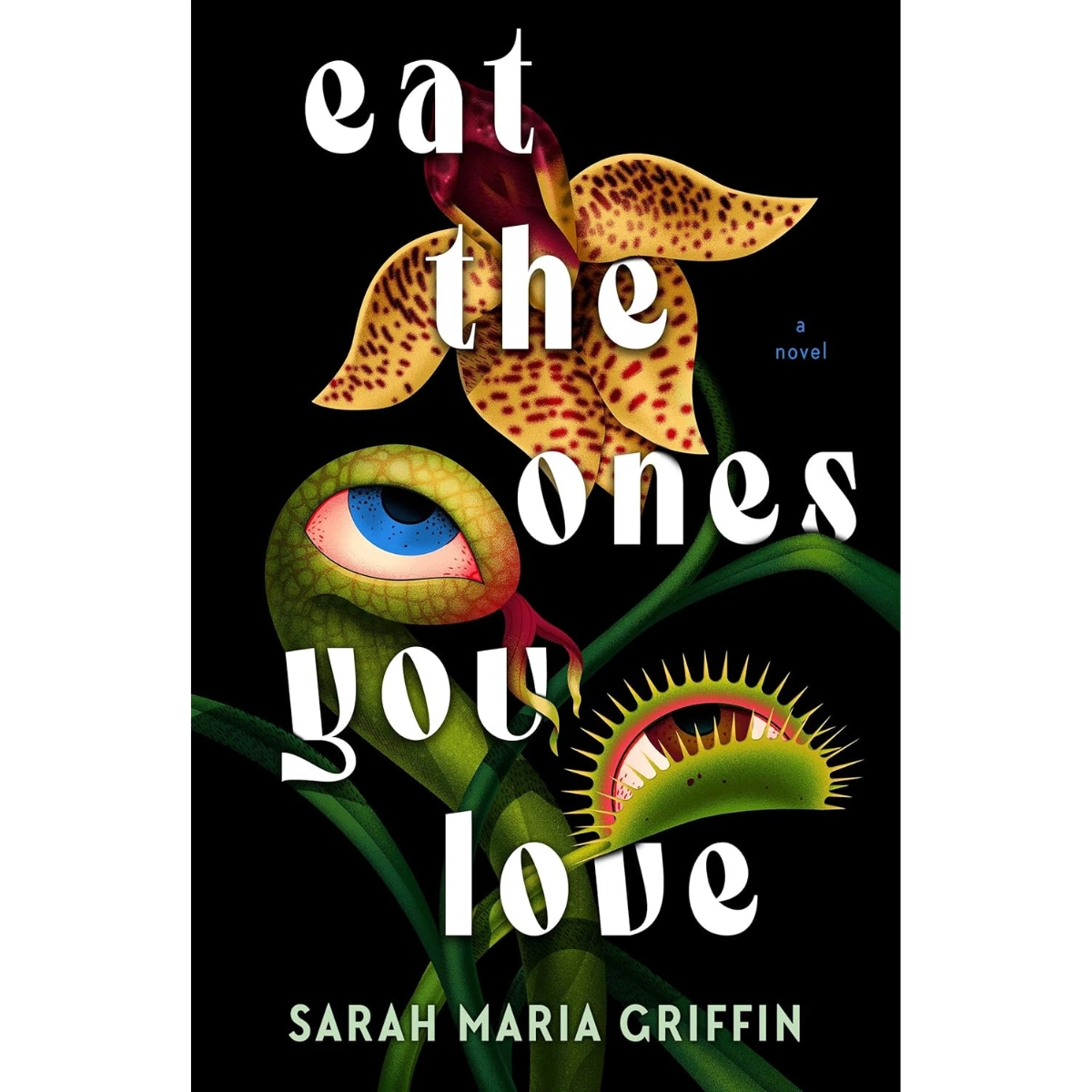
I’m currently very much enjoying Sarah Maria Griffith’s recently released Eat the Ones You Love – it’s a gorgeous read and everyone should get their hands on a copy.
What book made you want to become a writer?
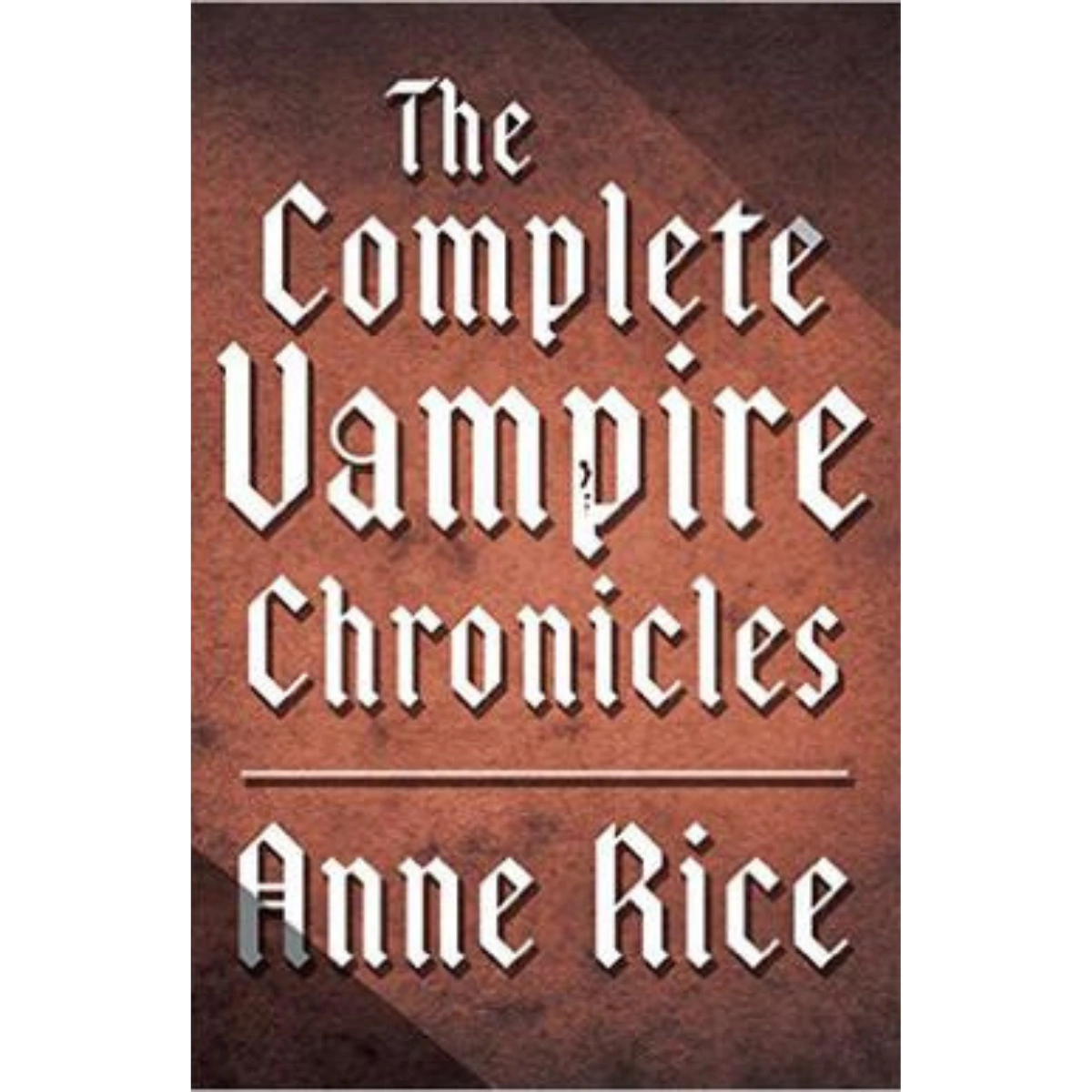
I was obsessed with Anne Rice’s Vampire Chronicles from the ages of 11 to about 15. I thought she was the coolest person in the world and loved her novels so much that I would reread each of them multiple times a year. I genuinely began to write in a more serious way during that time frame because I hoped that if I became a ridiculously famous author there would be a very slight chance I would get to meet her. That sadly did not happen but I’m so grateful to have had the comfort of her books as a young girl and for the motivation they gave me at that age.
What’s one book you would add to the school curriculum?
I’m biased, but I think any collection by Lorrie Moore would make for a wonderful introduction to the short story form – although maybe for an older student as they aren’t always PG friendly. I didn’t realise how a book could be funny as well as being complex and nuanced and sharp until I read her work for the first time, and moreover didn’t realise that humour and truth are deeply intertwined. Giving young people access to literature that is both smart and very, very fun seems important, especially for anyone not reading regularly.
What’s the best book you’ve read so far this year?
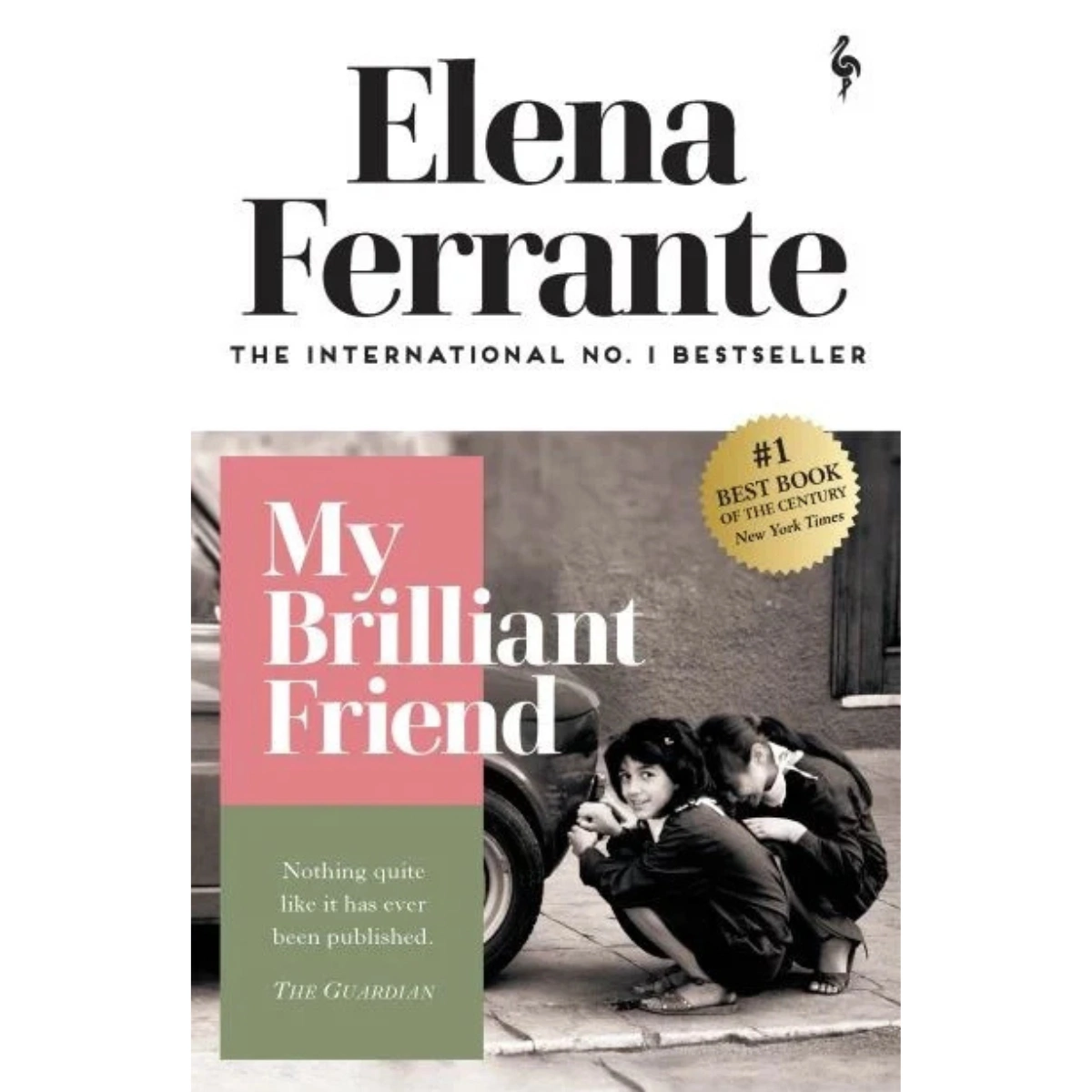
I started reading Elena Ferrante for the first time this year and I was blown away. I picked up a copy of My Brilliant Friend at a bookshop while travelling and wasn’t sure if it was going to be for me, as it seemed pretty different to the kind of genres I usually tend to seek out. I ended up devouring the whole book within a day and spent the next week or two reading the rest of the series. They are fantastic books in general, but I think My Brilliant Friend was my favorite reading experience this year specifically because it caught me by such surprise, something which always makes me particularly happy.
What’s some advice you’ve got for other aspiring writers?
Don’t worry too much about how other people write, or their methods and practices. Writing advice is tricky because what works for one person can be bad for someone else. I used to try writing a little bit every day, which seems like a good idea, but actually resulted in some very disjointed and boring stories as I tend to write at my best during long sustained periods of time in a large chunk, rather than in smaller, regular intervals. It’s good advice but wasn’t good for me – figure out what works for you and don’t judge yourself too harshly if your methods look different to someone else’s.
The only advice that I think is universally good is read often and widely.
Lastly, what do the acts of reading and writing mean to you?
Reading and writing is communication. When I read, I feel connected to the characters, to the writer, to my own world. When I write, I feel connected to other people. Writing and reading make life so much less lonely. For me, it’s how we share with each other.
Also Read