
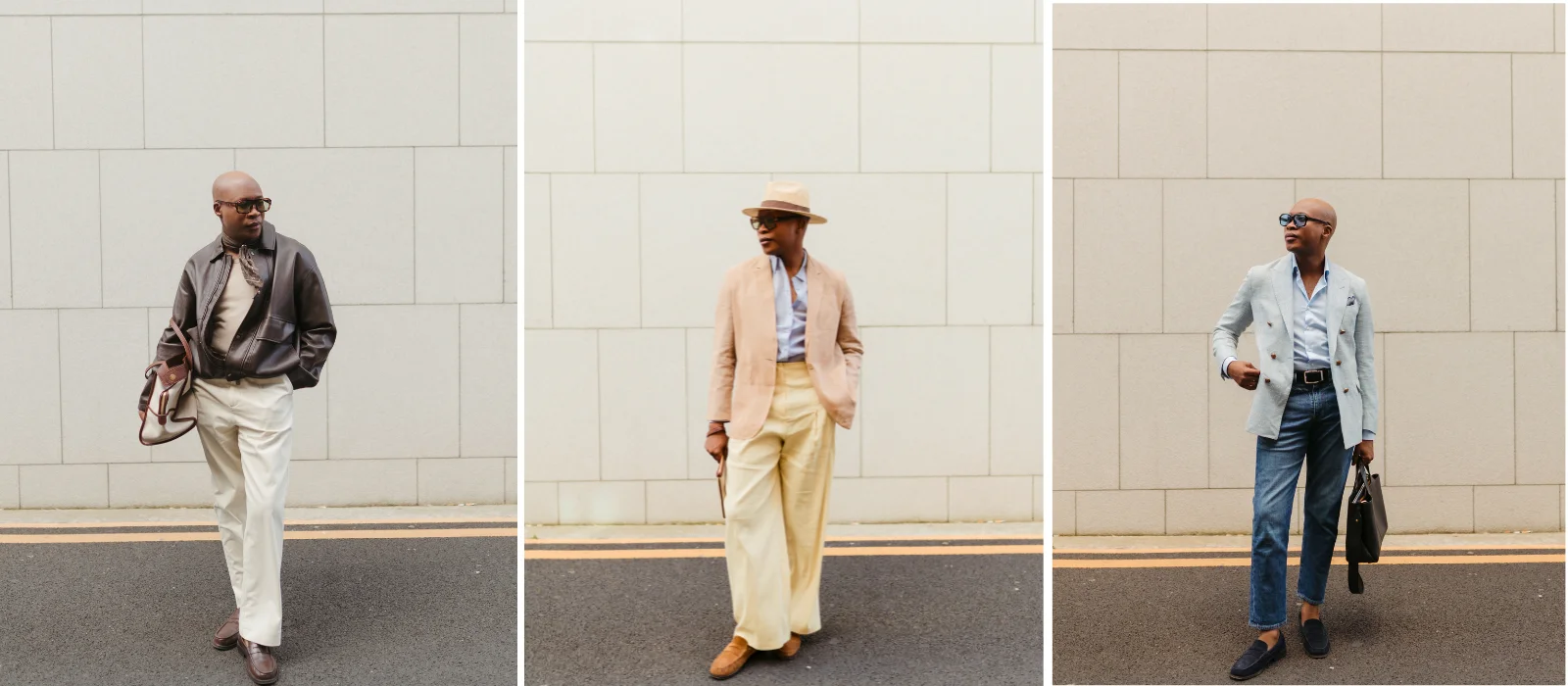
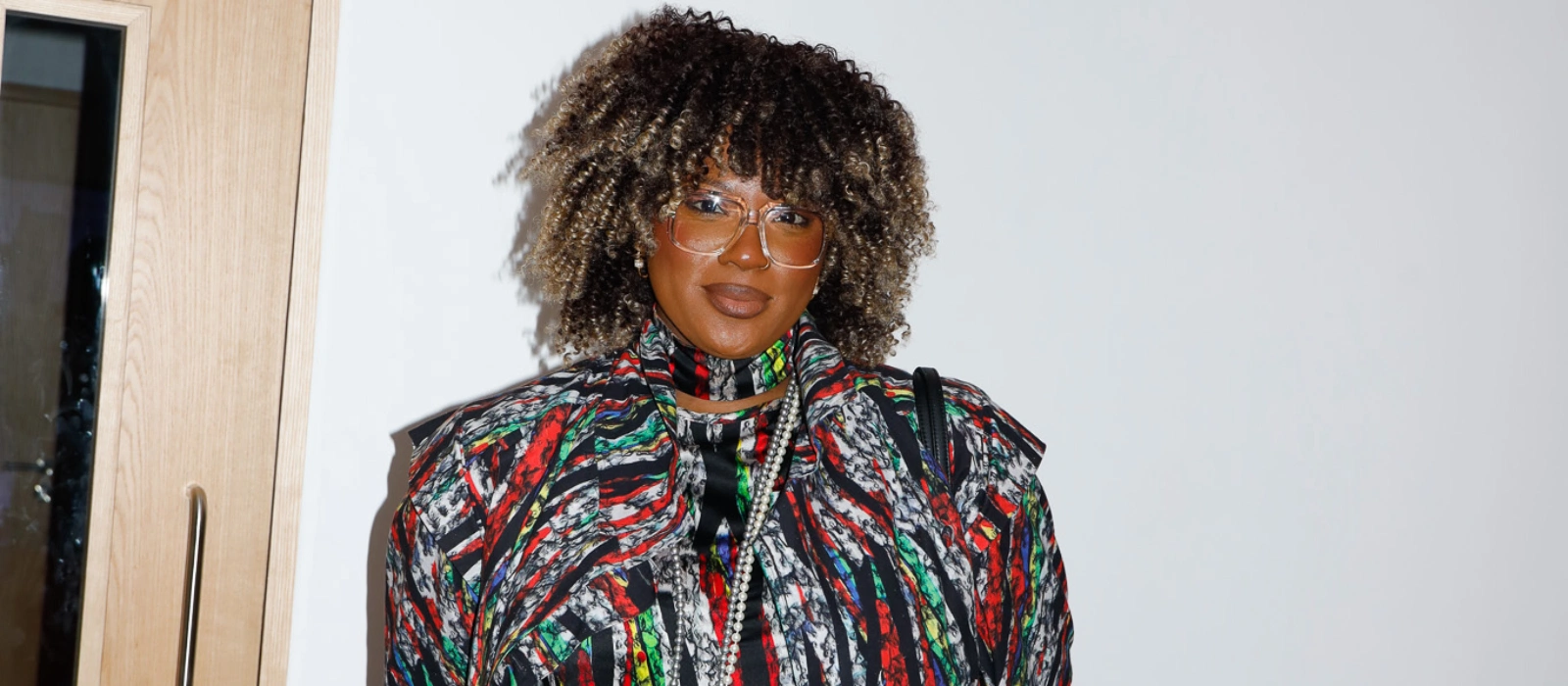
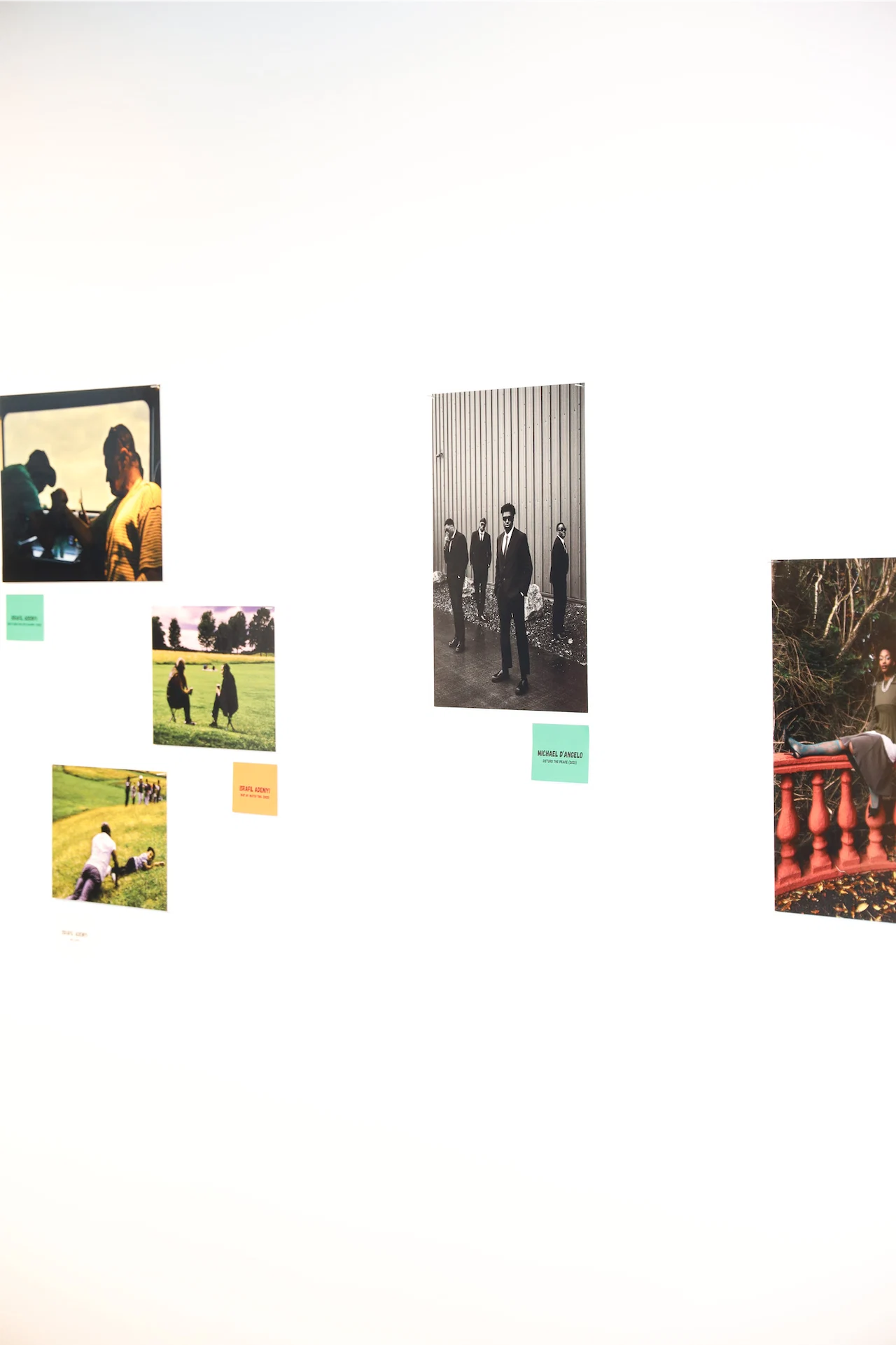
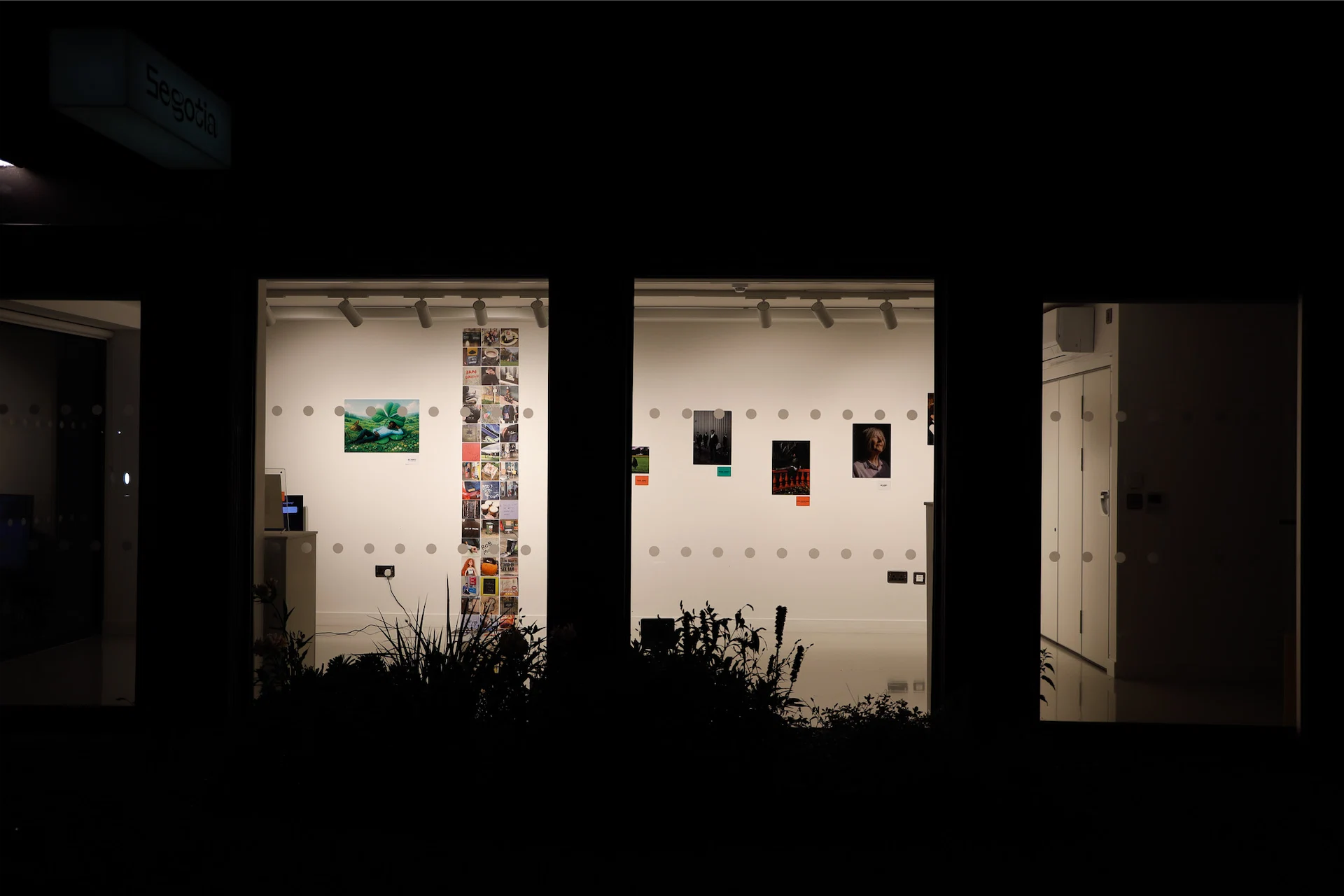
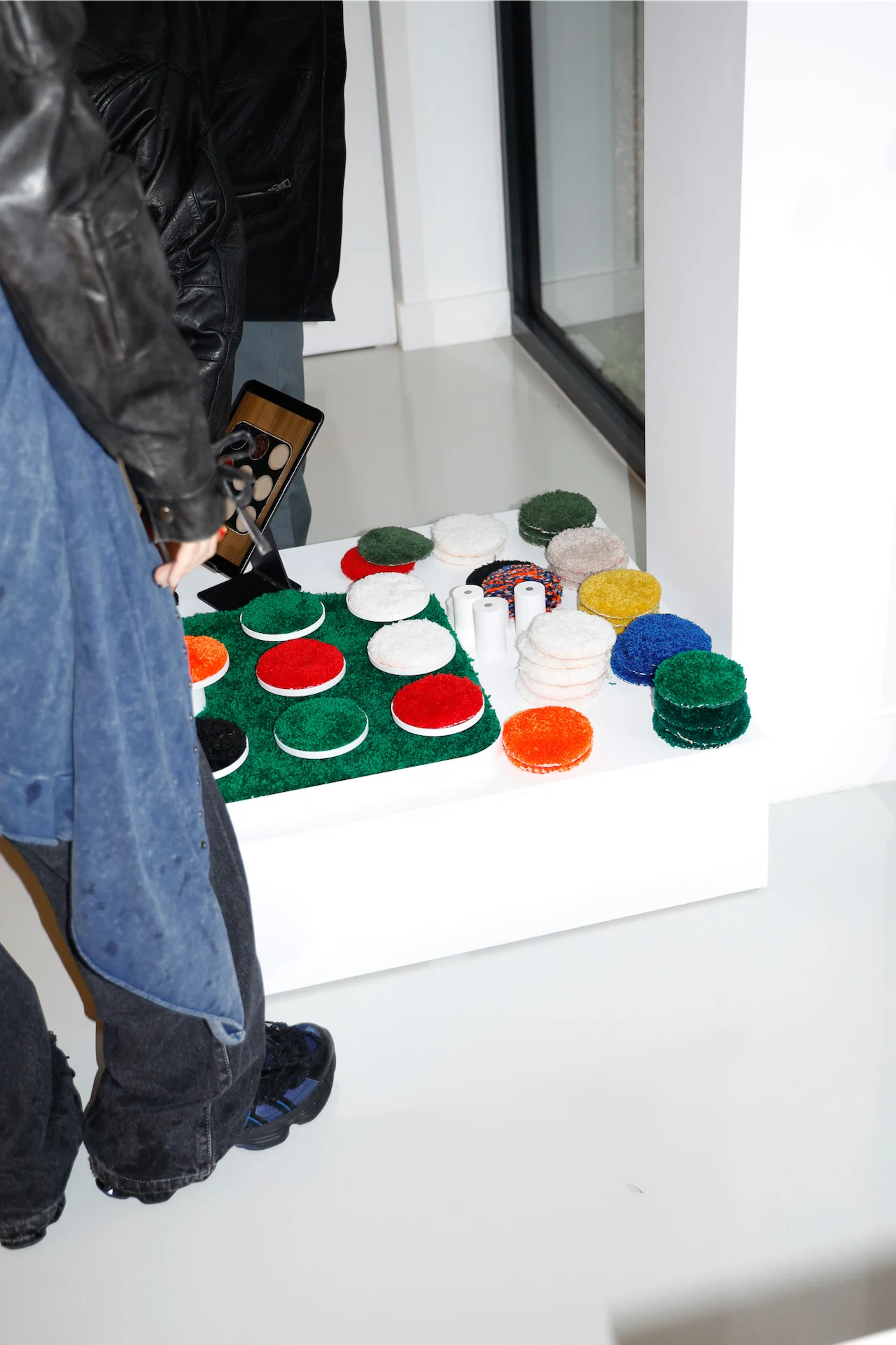
Curated by Zeda the Architect, A Portrait of Éire is a powerful multi-sensory exhibition exploring memory, identity and belonging through a contemporary portrait of Ireland. Presented at Segotia in Rathmines last week as part of Culture Night, the exhibition drew audiences into an immersive reflection on Irish identity. Here is a first-hand insight into the exhibition and its opening night.
The inspiration
I wanted to create space for a fuller, more honest reflection of Ireland, one that holds both memory and possibility. The idea originated from a simple yet persistent question I kept asking myself: What does Ireland look like when viewed by all of us?
I’ve always felt that Irishness, as it’s been traditionally framed, didn’t fully reflect my own experience or that of many others. For some of us, it has felt like something we’ve had to navigate, negotiate or gently push against. So, A Portrait of Éire became a way to explore that not through debate, but through art.
It felt like the right moment because a wider cultural shift was happening. We’re seeing more conversations about identity, belonging and who gets to claim Irishness. However, these conversations can’t just live online or in policy documents, they need to exist in emotional, visual and communal spaces too. That’s part of what this exhibition aims to be.
The exhibition
It was a love letter to the textures, people, stories and sounds that have shaped how I experience Ireland and to the artists who bring those layers to life with such care, resistance, and imagination. Yet, it’s also a challenge. A challenge to dominant narratives, to narrow definitions of what Irish art and identity look like. It invites people to sit with complexity, to question who gets included, who gets remembered, and who is still waiting to be seen. This duality was really important to me. I didn’t want it to be just celebratory or just critical; it’s both. Because that’s what identity often is: it holds love and longing, celebration and interrogation at the same time.
The artists
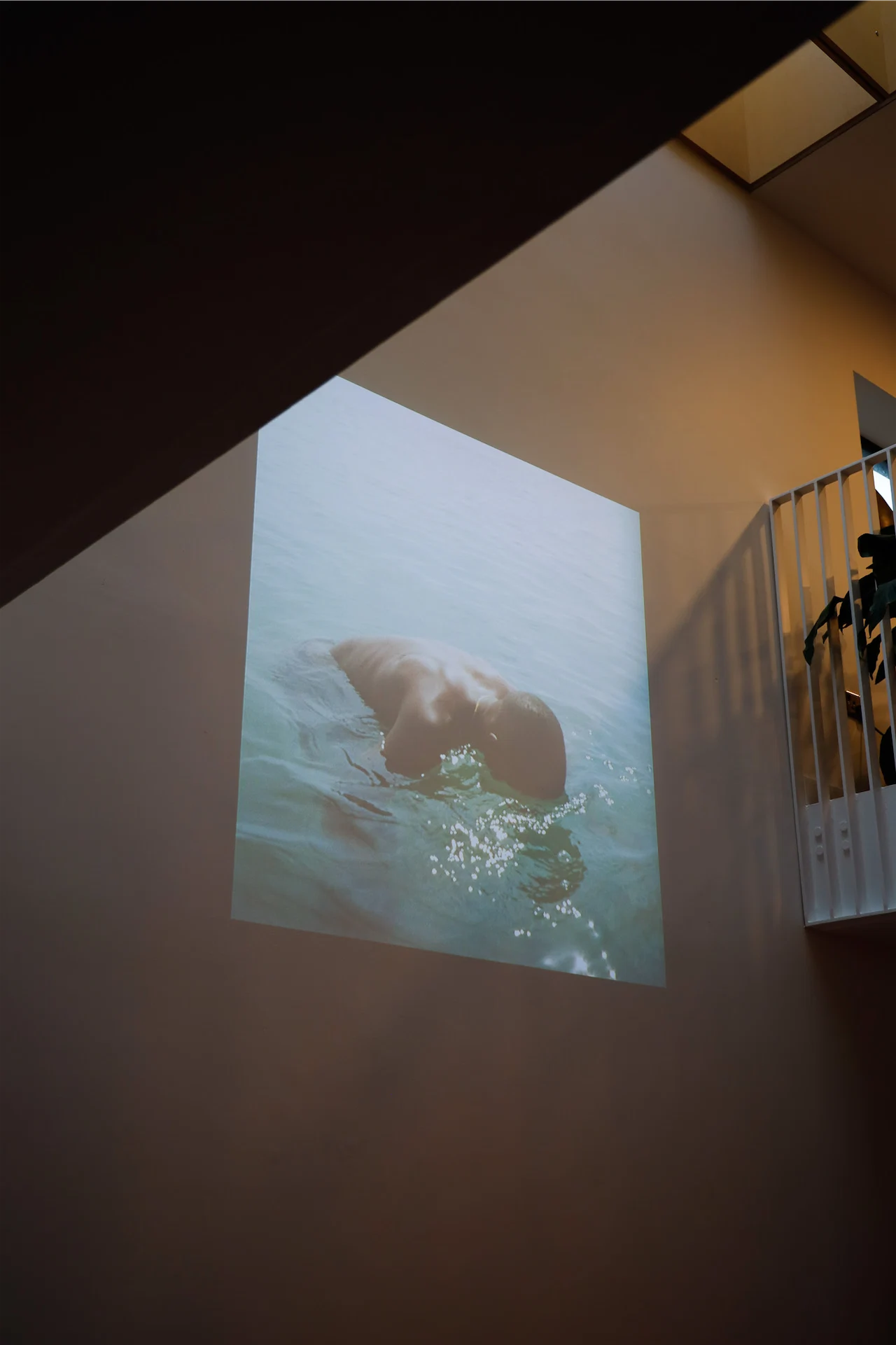
I was drawn to artists whose work feels grounded in truth, whether that truth is personal, political, ancestral or entirely imaginative. The selection process wasn’t about fitting people into a theme, but about allowing the theme to emerge through their existing practices.
Some of the artists were multidisciplinary, some were emerging voices, and others were more established, but what unites them is a commitment to storytelling. Each piece offered a fragment of something bigger. Together, their works became this living, breathing portrait of Éire that didn’t settle into one image, but shifted and refracted like a kaleidoscope. That multiplicity was intentional. I didn’t want a uniform aesthetic or a singular voice; I wanted a chorus, a collective moment. The artists included were: ian Redmond, SiONÁN, Michael D’Angelo, Sekera Mohamed Besta, Zoe Ardiff, Shubhangi Karmakar, Max Shoroye, Elvin Ojuka, Qbanaa, Leon Diop, MariiArtzz, Israfil Adeniyi and Christian ‘Higo’ Figuera.
The end result
I hope people walked away with a deeper understanding of how layered Irish identity really is, that it’s not a fixed thing stuck in the past, but something constantly in motion. Memory is personal, political, selective and powerful. It shapes how we belong and who we feel allowed to be.
Belonging isn’t just something that’s handed to you. It can be created, chosen and reclaimed. And I hope this exhibition gives people a sense of that, especially those who haven’t always seen themselves reflected in traditional Irish narratives. This isn’t about replacing one version of Ireland with another; it’s about expanding what’s possible.
The broader vision
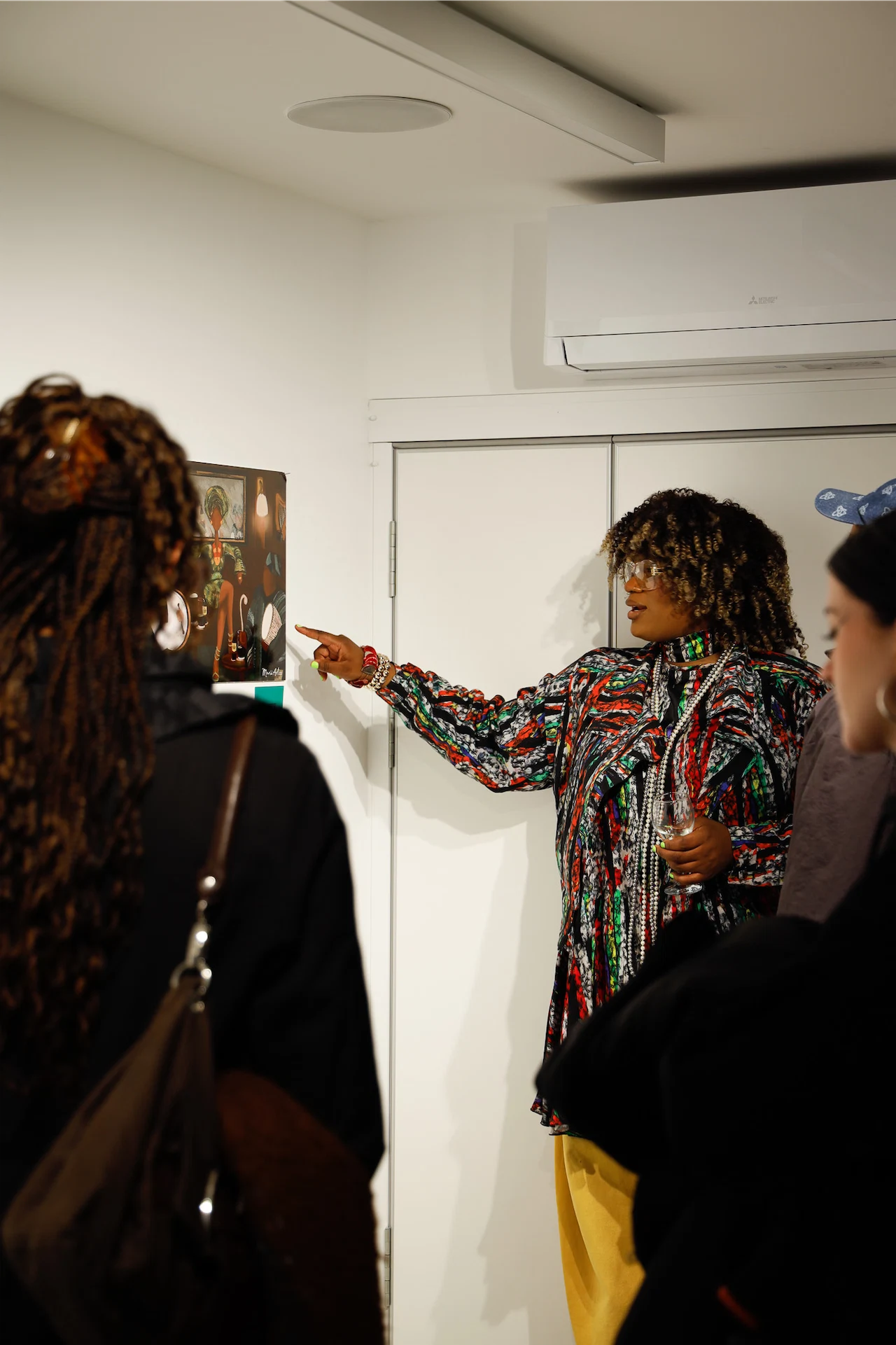
My work is rooted in storytelling, cultural memory and visual language. Whether I’m curating a fashion panel, directing a shoot, or producing an exhibition like this, I’m always trying to hold space for work that sits between categories, work that reflects layered identities and invites reflection.
I care deeply about building experiences that are collaborative, community-driven and culturally grounded. A Portrait of Éire was all of those things. It wasn’t just an exhibition, it was a gathering, a constellation of voices, a soft resistance.
Now, more than anything, I want to keep creating spaces where people feel seen, celebrated and challenged to imagine beyond the limits of what they’ve been told.
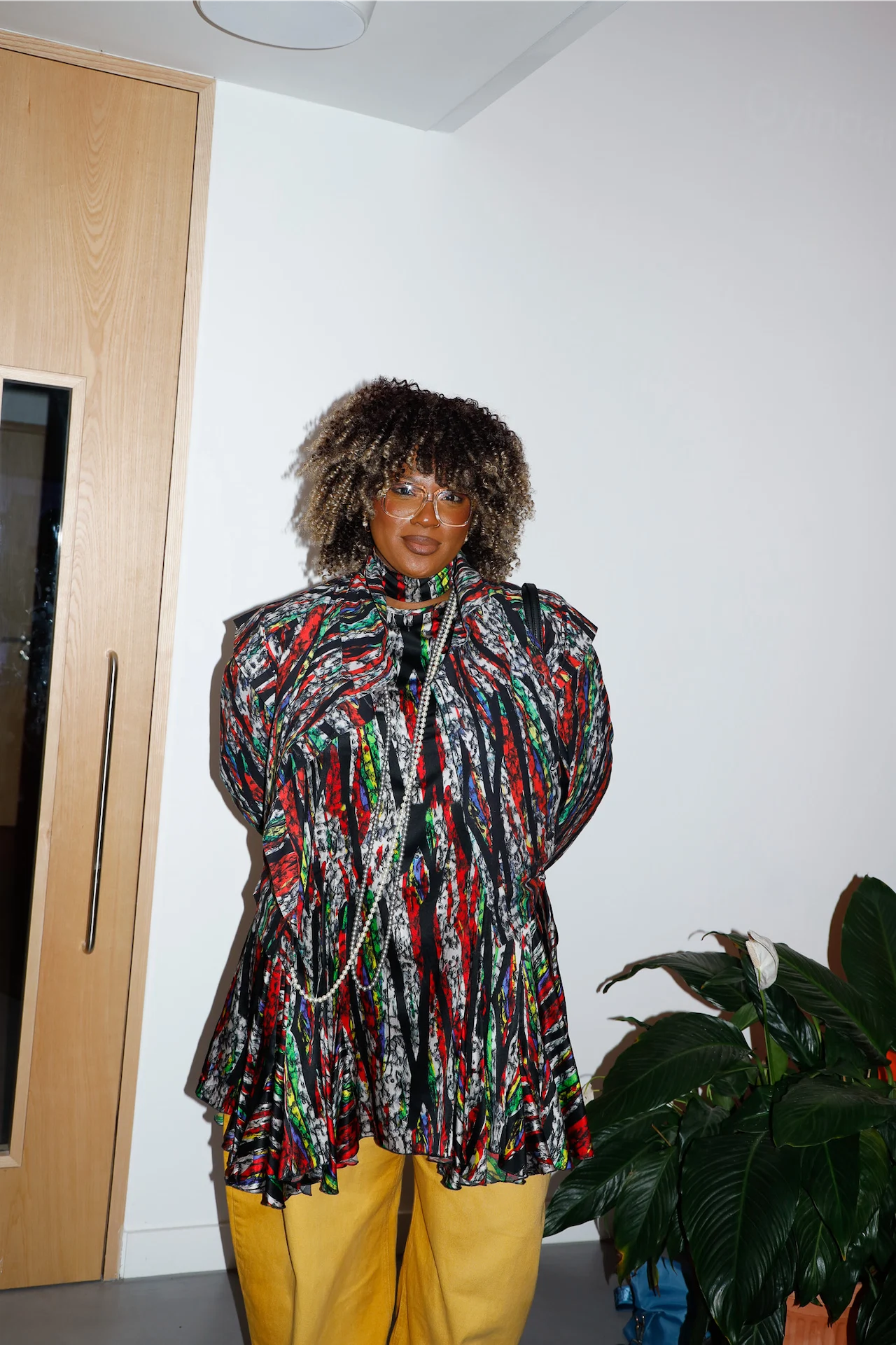
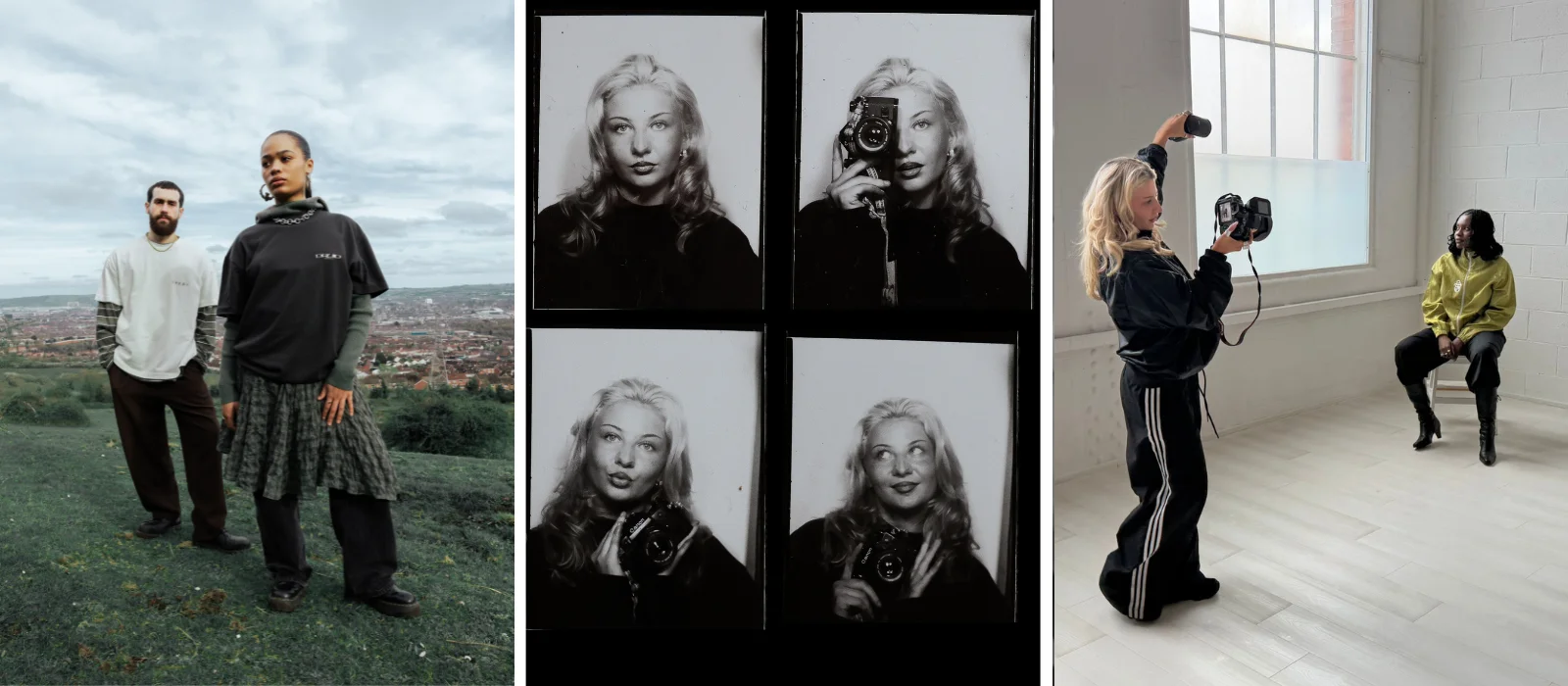
Photography by Jasmine Hughes, @_jasminehughes_.
Also Read