




In a year of setbacks for LGBTQ+ rights, GAZE 2025 reminds us why queer stories matter more than ever

In 2015, Ireland made history by becoming the first country in the world to legalise same-sex marriage by popular vote. It was more than just a win for LGBTQ+ rights – it marked a profound shift in national identity. In casting our ballots, we weren’t just voting for love. We were actively choosing to move beyond the grip of Church control, toward a more open, inclusive and secular society. Ten years on, that decision remains a source of national pride and a reminder that progress is something we must choose, repeatedly, in every generation.
Over the past decade, Ireland has embraced that progressive turn. And while the fight is far from over, we’ve managed – at least so far – to resist some of the more virulent forms of anti-trans rhetoric and reactionary politics that have taken hold in the US and UK.
But progress is not a guarantee. Around the world, a regressive wave of far-right ideology is gaining ground, and Ireland is not immune. We’ve seen its signs: the targeting of migrants, disinformation around trans healthcare, attacks on queer people in our streets. If we don’t stay vigilant, the gains of the last decade can be undone just as quickly.
LGBTQ+ rights are under relentless attack across the globe. In the US alone, over 500 anti-LGBTQ+ bills have been introduced under Trump, targeting everything from drag performances to book censorship and gender-affirming healthcare. Just this month, the Trump administration cut funding for the LGBTQ+ youth-specific option of the national suicide prevention hotline, condemning it as promoting “radical gender ideology,” forcing the closure of this vital service. The Trevor Project warned that this move would deeply harm vulnerable queer young people by removing a crucial, evidence-based support system amid a surge of anti-trans legislation and Pride Month celebrations, yet the administration has shown little care or empathy for these youth.
Across Europe, Hungary and Poland have enshrined homophobia and transphobia into law through constitutional changes and relentless anti-queer propaganda; recently, Hungarian police banned LGBTQ+ Pride events and peaceful assemblies while permitting a far-right hate group to march on the same day, despite multiple court rulings in favour of Pride organisers. This crackdown follows a 2021 ban on public LGBTQ+ expression and constitutional amendments prioritising “child protection” over fundamental rights, prompting sharp international condemnation from EU member states. In Uganda and Ghana, draconian new laws have criminalised LGBTQ+ existence outright. At the same time, a global retreat in corporate and philanthropic funding for queer causes has left many grassroots organisations, including vital arts and culture festivals, dangerously underfunded and vulnerable.
It’s in this moment of uncertainty that the GAZE LGBTQIA+ International Film Festival returns to Dublin, with more resonance than ever. And it does so without a major corporate sponsor for the first time in years – a stark reflection of the very global withdrawal it now stands against. “This year’s festival, more than any other, feels like a statement of resistance,” said Festival Director Greg Thorpe at the programme launch on June 24. “Funding and sponsorship to LGBTQ+ organisations is being cut globally… and we’re not immune.”
Yet in spite of these challenges – or perhaps because of them – GAZE 2025 has programmed its most expansive, provocative and politically urgent line-up in years. As Ireland marks the tenth anniversary of Marriage Equality, GAZE insists on queer visibility not just as celebration, but as culture, memory, defiance and hope.
Funding and sponsorship to LGBTQ+ organisations is being cut globally… and we’re not immune.
Ten Years On: Where Are We Now?
2025 doesn’t just mark another festival year – it marks a decade since Ireland became the first country in the world to legalise same-sex marriage by popular vote. That victory, though profound, wasn’t the end of the story. As GAZE reminds us, queer lives are not a single political milestone but a spectrum of ongoing experiences – of joy and trauma, heartbreak and resilience, humour and heart.
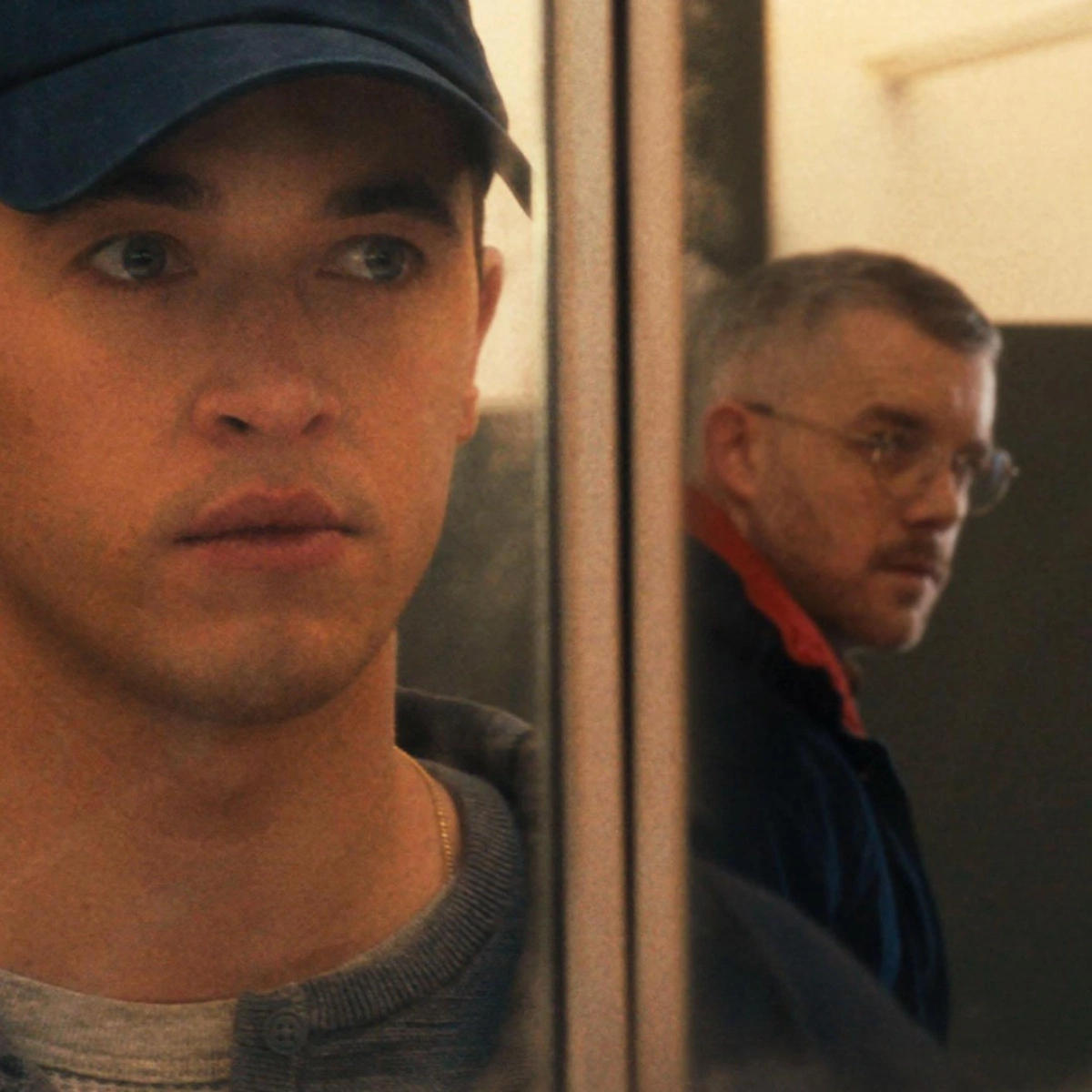
Fittingly, this year’s GAZE programme opens with Plainclothes, a gripping period drama starring Russell Tovey and Tom Blyth, about a closeted undercover cop tasked with entrapping gay men, only to fall for one himself. Set in the 1990s and featuring actual surveillance footage from 1960s public bathrooms, the film is a chilling reminder of how deeply state violence against queer people is etched into recent memory.
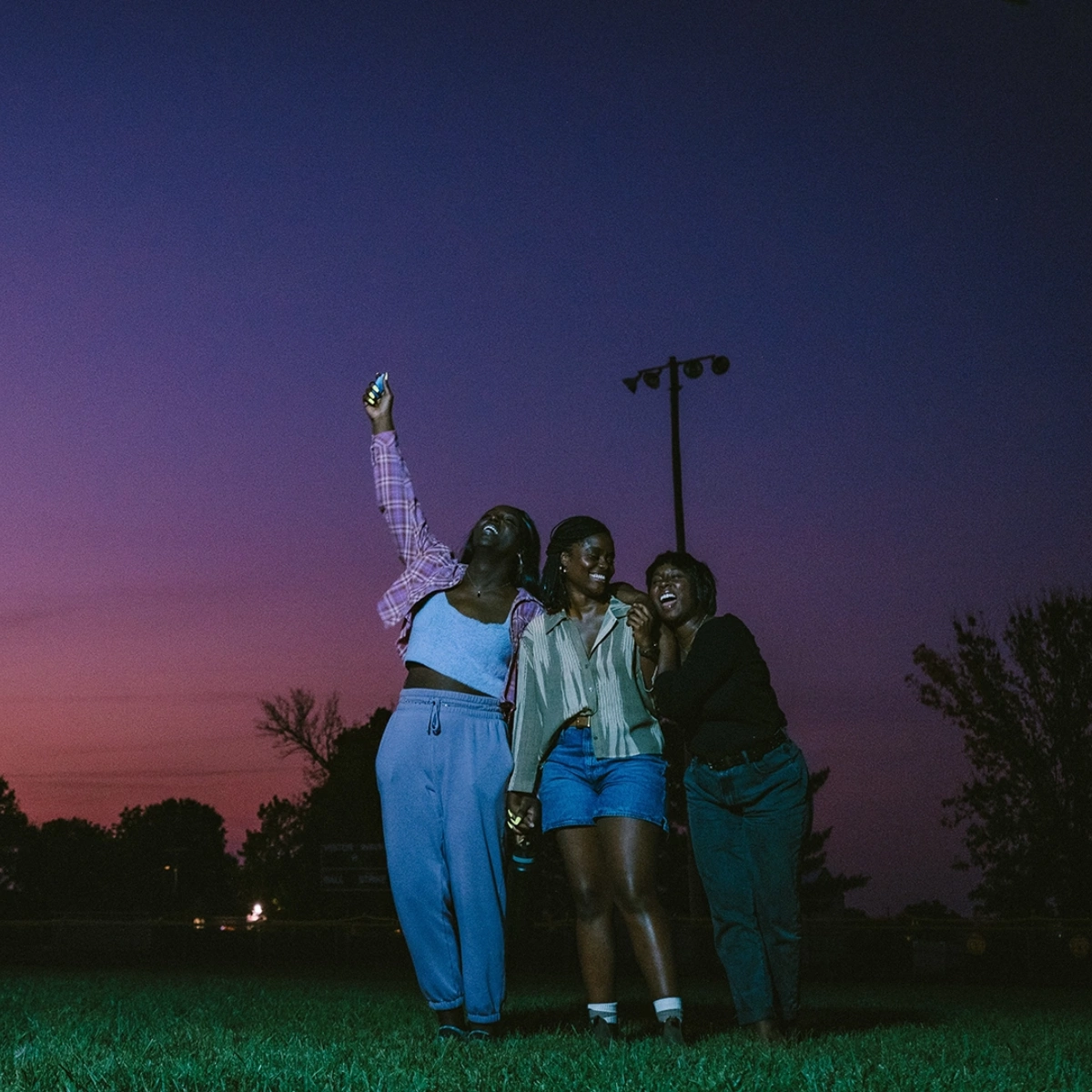
The closing film, Dreams In Nightmares, offers a contrast: a vibrant queer road trip starring three Black queer women on a surreal journey across Trump’s America. Directed by Shatara Michelle Ford, the film is as hilarious as it is radical, offering a vision of queer futures where passion and freedom are not anomalies, but everyday truths, and together, the films create an arc of queer history, looking at the difficult, repression-filled where we have been, and the more hopeful landscapes we’re hopefully moving towards.
“I wanted to close my tenure at GAZE with something about the politics of hope,” said Thorpe. “And I really think Dreams In Nightmares fits the bill on both counts.”
Art as Resistance, Art as Refuge
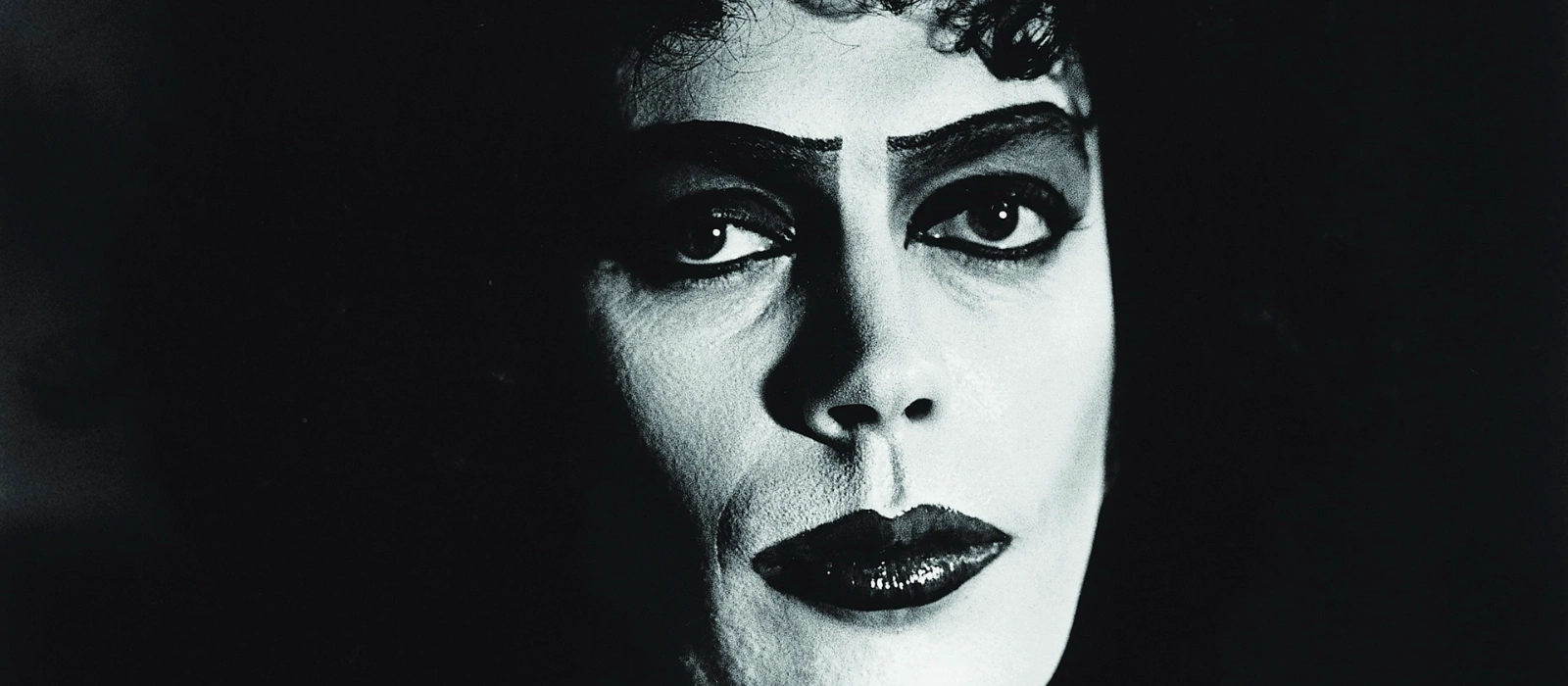
One of the standout strands of the festival is the documentary programme, where the line between art and activism blurs to powerful effect. I’m Your Venus, which revisits the murder of ballroom icon Venus Xtravaganza – immortalised in Paris is Burning – is less true crime, more queer elegy. Another highlight, Strange Journey: The Story of Rocky Horror, is a loving tribute to the film that made weirdness glorious. Directed by Linus O’Brien, son of the cult classic’s creator, the film reflects on how a “sweet transvestite” in fishnets helped generations of misfits find family.
GAZE’s longtime experimental cinema partner aemi also returns with A Body To Live In, a documentary on Fakir Musafar, the legendary performance artist and body modification pioneer whose work explored the fluidity of gender, pain, and identity. These aren’t just films; they’re archives. They preserve truths that might otherwise be erased, ridiculed or ignored.
No Sponsors, But Still Standing
This year’s festival arrives with a sobering caveat: it is GAZE’s first year without a major corporate sponsor. It’s a reflection of a wider trend, where queer organisations worldwide are feeling the sting of financial withdrawal as companies tiptoe away from “controversy” under growing conservative pressure. In response, GAZE is calling on its community to step up, inviting supporters to become Festival Friends. Contributions don’t just help sustain the festival; they send a message that queer stories matter, even (and especially) when they’re politically inconvenient.

A Body to Live In
Blood Like Water
Blood, Memory and Making History
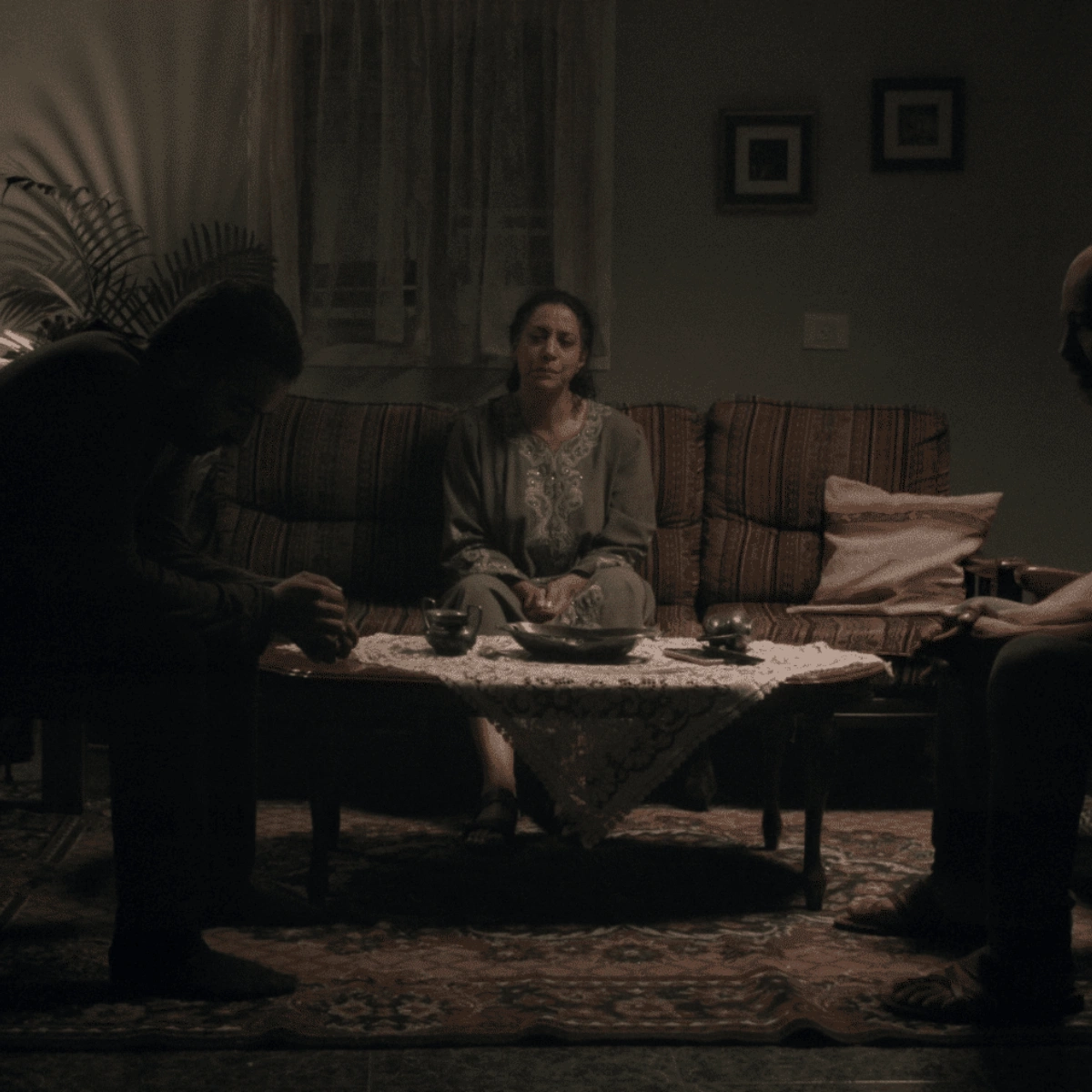
The programme launch was also a reminder that queer history is still being written. At the launch of the GAZE programme, one of the evening’s most powerful moments came with the screening of Blood Like Water, a short by Palestinian filmmaker Dima Hamdan, about the intersection of homophobia and occupation. “It is a film about shame, desire, blackmail, and the indignity of the Israeli occupation from a perspective rarely seen,” said Thorpe, urging viewers to contribute to Medical Aid for Palestinians during the screening. “Free Palestine,” he concluded – a simple, powerful statement that felt vital and in tune with the night’s spirit of solidarity.
Another short, Making History, by Anna Rodgers, revisited the Marriage Equality referendum, showing scenes of joy, relief, empowerment, solidarity and connection on that momentous day that the referendum results were announced. Just 3.5 minutes long, it reduced much of the IFI audience to tears – a visceral reminder of the power of collective memory, and how film can return us to moments of triumph and transformation.
Shortcuts
This year’s short film programme – now nearly 80 films strong – reflects the full scope of queer experience, with stories of joy, grief, pleasure and protest from across Ireland and the globe. It includes GAZE’s first-ever dedicated strand of queer Irish-language cinema, a landmark collaboration with Bród na Gaeltachta that proves Gaeilge can be just as sexy, spooky and subversive as English – with subtitles to guide even the nervously curious. There are shorts scattered throughout the festival, from themed blocks to pre-feature gems, with Irish filmmakers exploring resilience, identity and desire in bold new ways.
To mark the festival’s 33rd anniversary, a special 3 x 3 strand gathers three sets of films around core themes: HIV/AIDS legacy, queer migration, and Japanese queer love stories. From intergenerational activism to archival icons and contemporary connection, these screenings don’t just showcase cinematic craft — they open space for dialogue, with post-film conversations inviting audiences to go deeper. There’s also a dedicated genre shorts strand, a full block of groundbreaking queer animation, and enough spooky, sexy and strange visions to keep even the freakiest GAZE-goer well fed.
A Summer of Resistance and Joy
From queer Irish language films and plus-sized rom-coms to trans thrillers and messy first loves, GAZE 2025 promises not just representation, but complexity – stories where queer people are not lessons or victims, but protagonists of their own wild, wonderful lives.
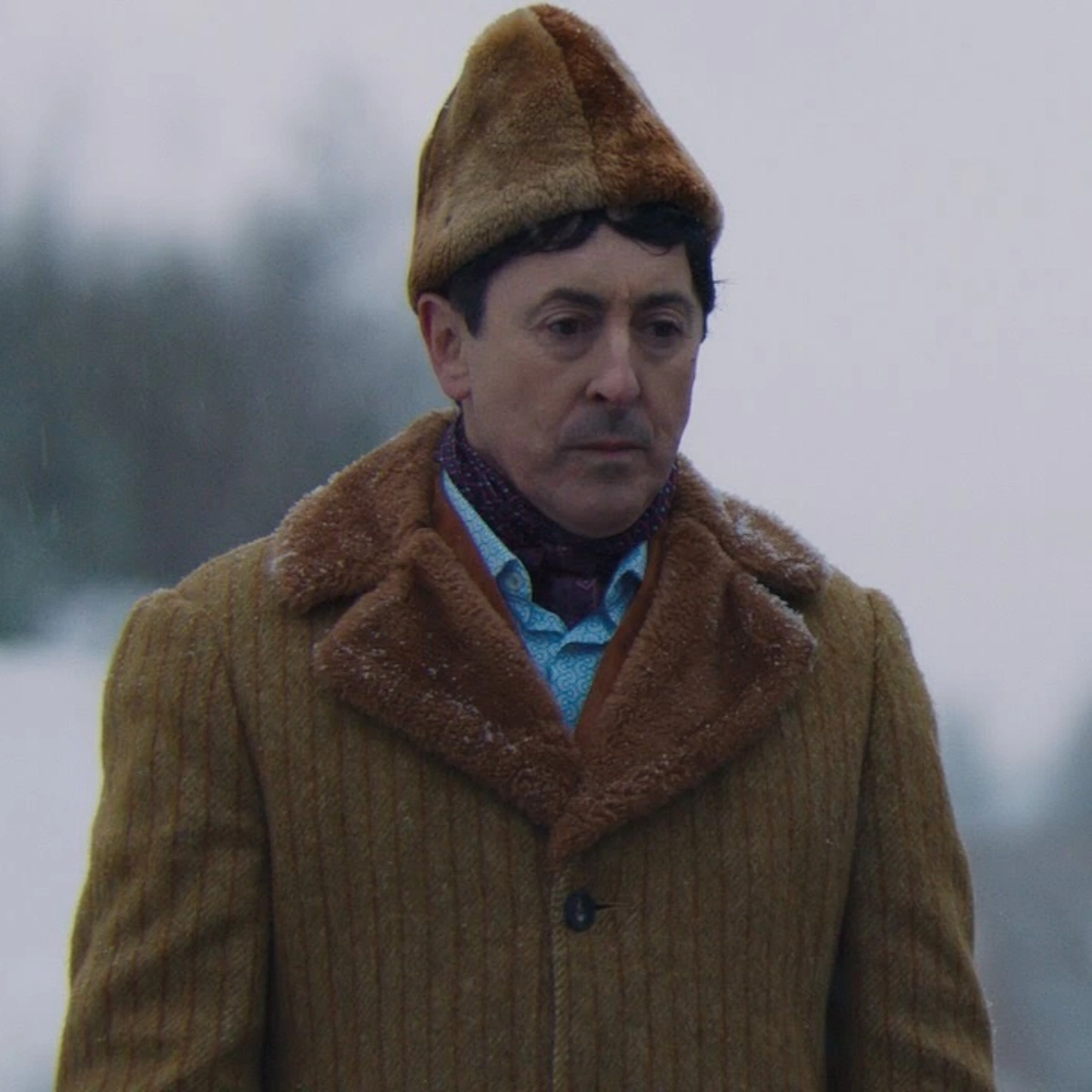
Whether it’s Drive Back Home with Alan Cumming, Lesbian Space Princess from Clitopolis, or the restored lesbian classic High Art, this year’s programme insists on queer life in all its forms: defiant, dazzling, unfinished.
As Pride marches on and rainbows fade from shop windows, GAZE offers something more enduring — a reminder that queer culture is not a marketing strategy or a parade. It’s a legacy, a lifeline, and a lens through which we make sense of the world. Or as Greg Thorpe puts it: “Film is how we honour the milestone. It’s how we share stories, build empathy, and imagine what’s next.”
GAZE 2025 runs from July 29 to August 4 at the Light House Cinema and the Irish Film Institute. The full programme and ticket information are available at gaze.ie.
Also Read