


Grow it Yourself founder Mick Kelly on the future of Ireland’s food security
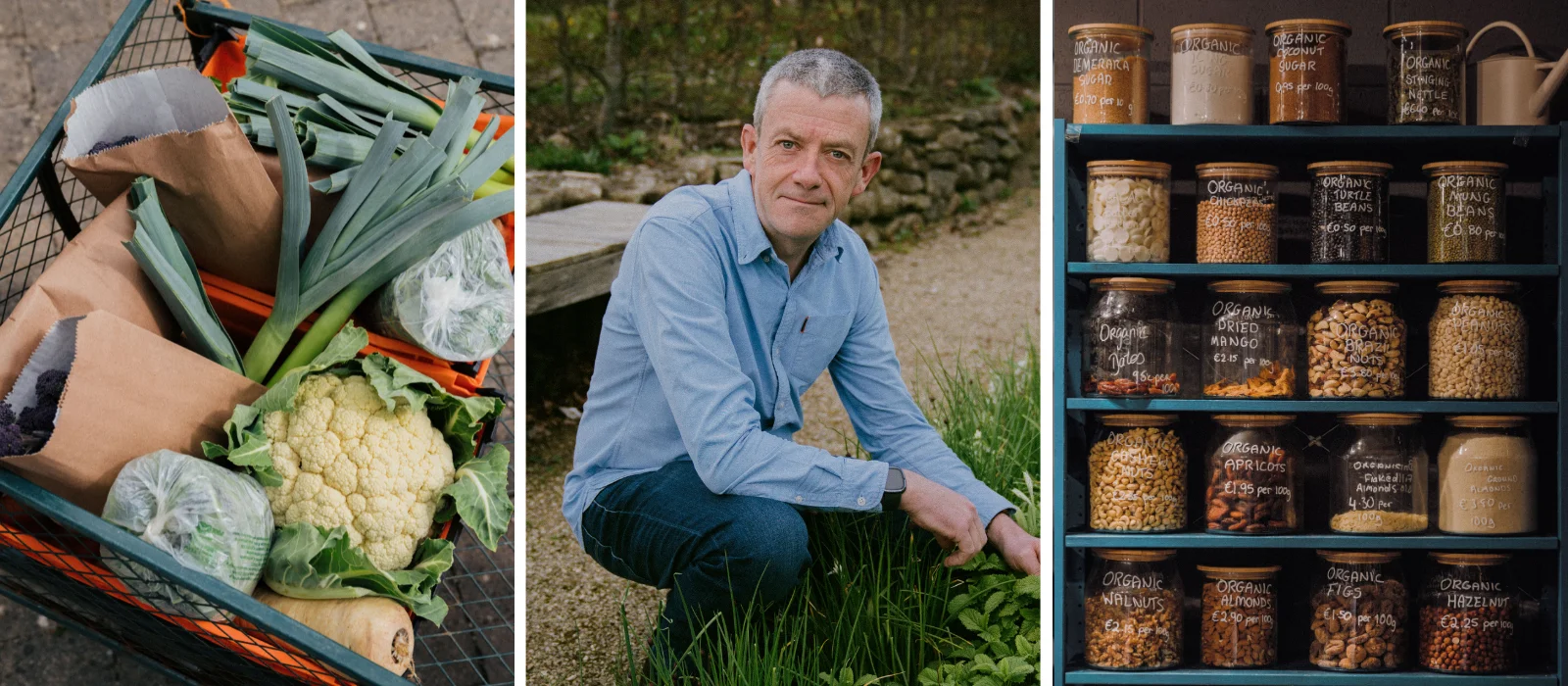
Mick Kelly is the founder and CEO of GIY (Grow it Yourself), a community-driven social enterprise in Waterford that works to make it easier for people to access and grow high-quality organic food. He also actively campaigns for more sustainable food systems and policies within Ireland that support farmers and growers. James Gabriel Martin of Leviathan visited Grow HQ to speak with Mick about the ongoing project, as well as the potential issues surrounding the future of Ireland’s food security.
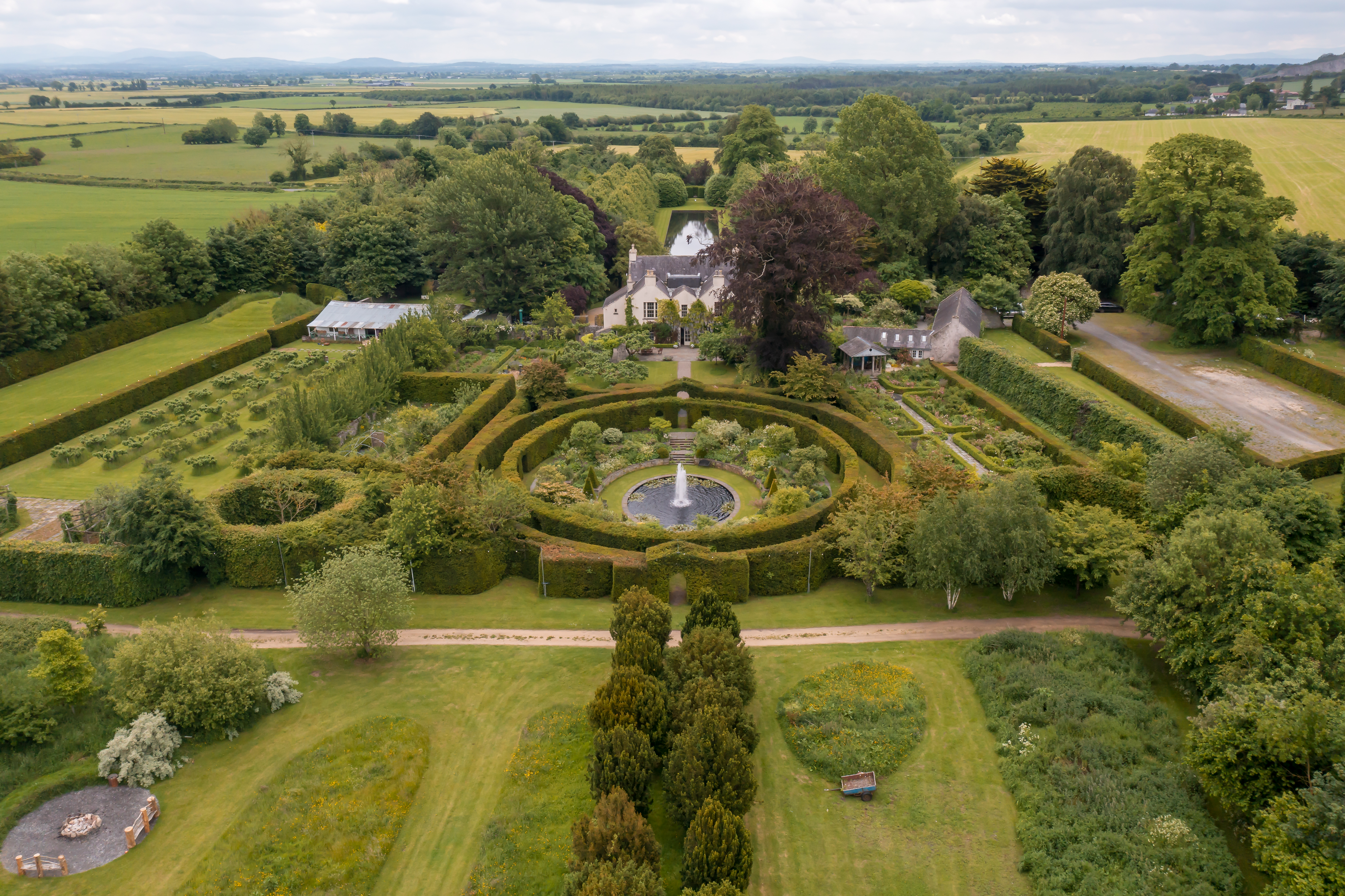
When people think of Ireland, they immediately conjure up images of rolling green hills as far as the eye can see. Of cows grazing happily in verdant fields and pastures, producing the best quality milk imaginable. Of abundant vegetable beds lined in rows. High quality meat. Fresh seafood. It sounds idyllic. And while it’s true that the last few decades have seen Ireland stepping in to the spotlight to make its mark on the world of gastronomy and food on a global scale, this is only half the story.
Earlier this Month Ireland experienced a week of disruption that saw farmers, truck drivers and hauliers taking to the roads in large numbers to protest the high cost of fuel as a result of the ongoing war in the Middle East, stating that the Irish government had made very little effort to assist with the insurmountable price of doing business.
Throughout that time, news channels showed imagery of protestors holding up signs that read, “No Farms, No Food”, and featured interviews with the people on the ground. The message was clear on a practical level within a very short space of time. In some corners of the country vegetable shelves were bare, with supermarkets being unable to accept deliveries. While debate seemed to revolve around the chosen means of protest, it seemed less people were willing to look at the bigger picture, specifically in relation to Ireland’s capabilities to be self-sufficient in today’s landscape of war and the current era of disruptive global politics.
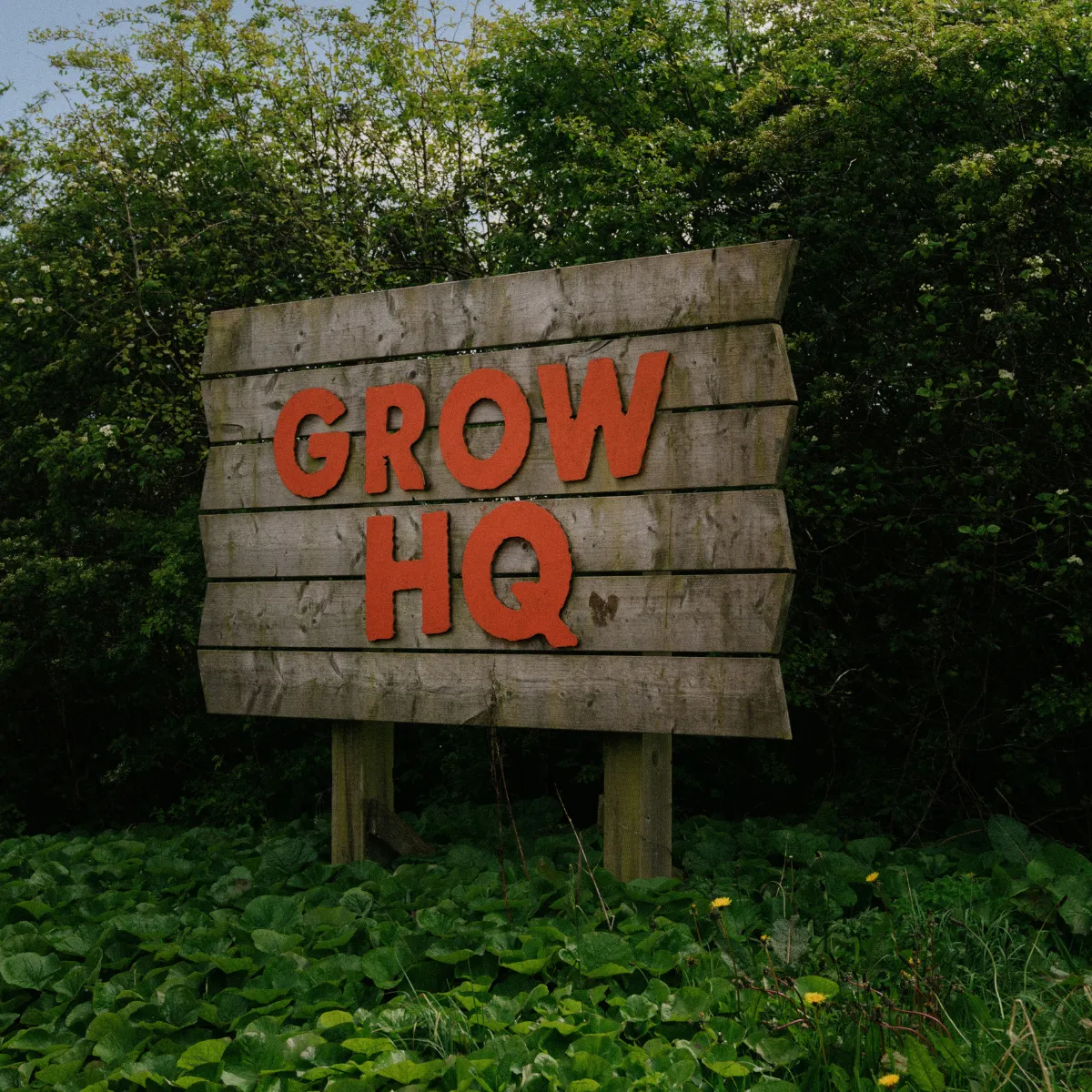
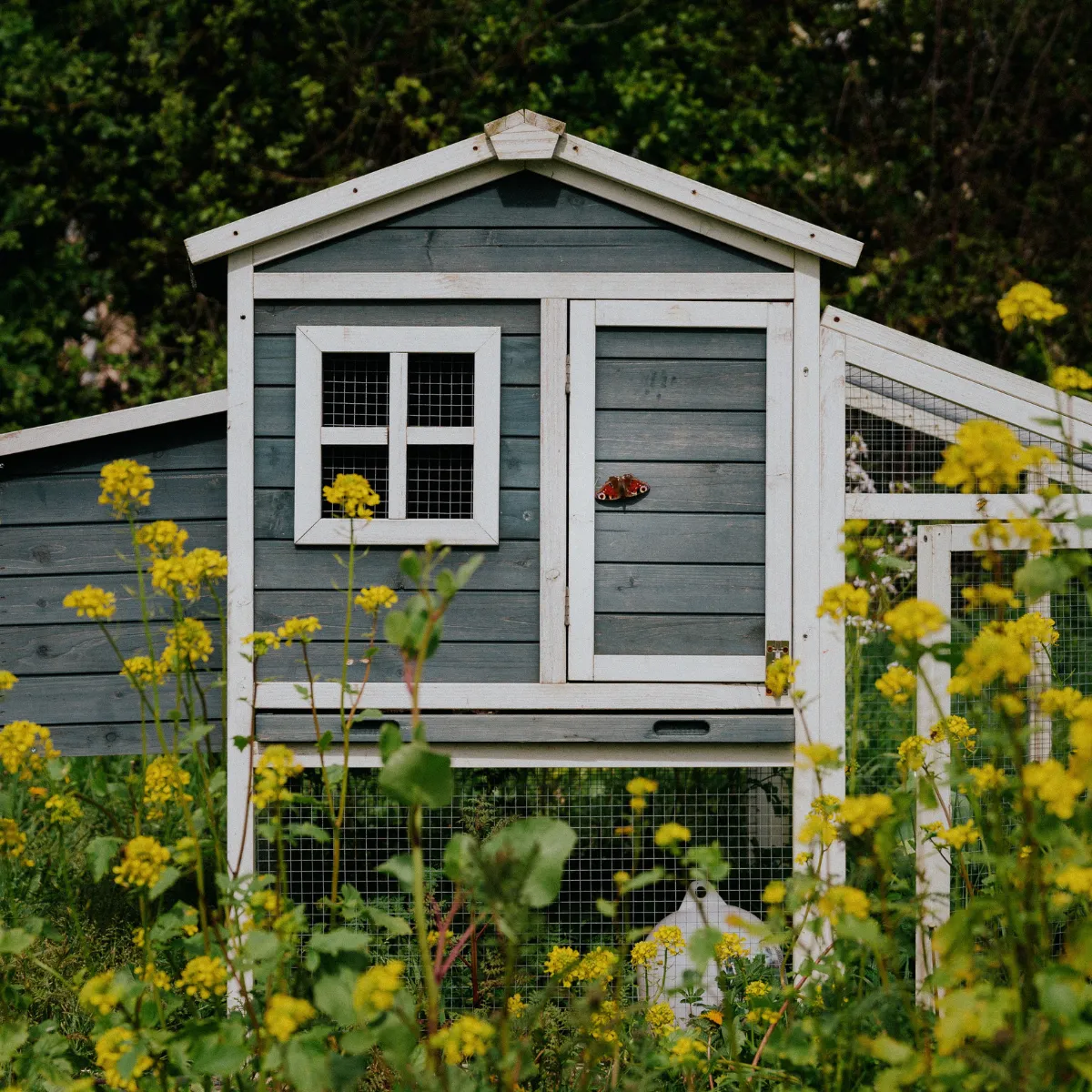
One person that has been shouting about this long before the fuel protests is Mick Kelly, author, television presenter and founder of GIY (Grow it Yourself). I sit down with him at Grow HQ in Waterford, which includes a farm and refill shop, teaching space as well as a café serving organic produce grown onsite.
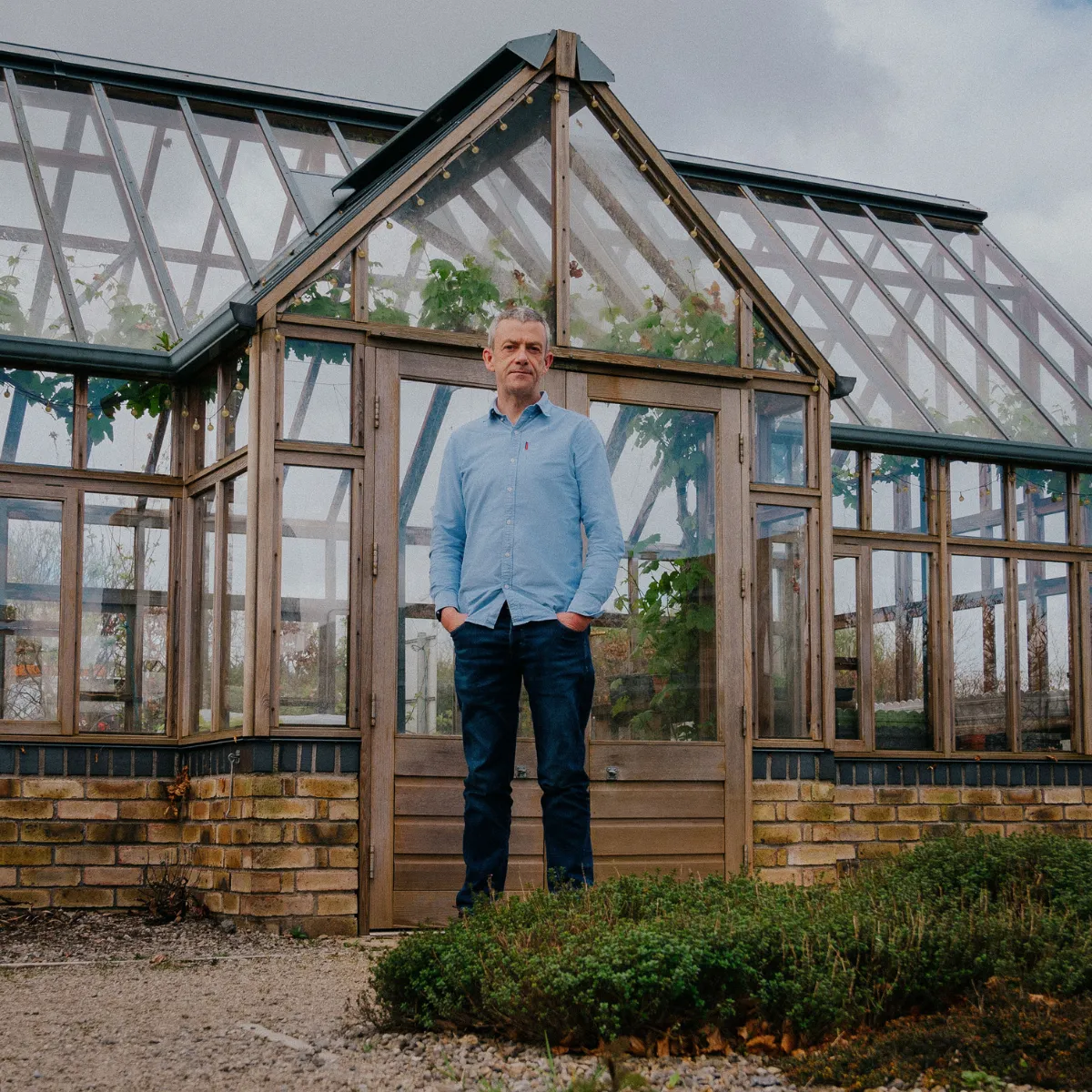
“The vast majority of our agriculture in this country is geared towards foreign export. Yes the numbers are impressive, but it’s also primarily meat and dairy. When it comes to the conversation about food security, people point to the fact that we rank second on the food security index, but it’s a complete illusion. It’s based around those export numbers. If something went drastically wrong globally and we couldn’t access imported food, we might be ok, if say, all we wanted to eat was meat and dairy, but most of the fresh produce that we eat every single day is actually being brought in,” Mick tells me.
Mick states that over 80% of the fruit and vegetables that we eat are imported. Likewise for grains. “All of this is reliant on trade, oil, and on ports to be open, on lorries to be operational. That same chain of distribution that we watched unravel in just three days of protest. My worry would be that if in three months’ time there’s suddenly a shortage because of what’s going on in the Strait of Hormuz, other countries are going to prioritise themselves and we won’t be left with enough supply. As well as that our vegetable sector in Ireland is collapsing in front of our eyes. We only have 73 commercial vegetable growers left. And that can’t be turned around quickly. When those people go out of business, we also lose generations of expertise. We’re really exposed and no one is talking about it,” Mick says.
For some people, modern life has led to a distinct type of disconnect. We are less in touch with the provenance of our food, and therefore we do not have the same understanding of seasonality that we would have had in the past. We also expect vegetables to be cheap.
Supermarkets have played a big role in creating issues. The early 2000s saw Christmas price promotions being introduced, with the likes of Brussels sprouts being sold for 49 cents. In many businesses these became permanent features of the retail landscape, and now it is a given that consumers should expect this price point. More and more growers are being squeezed to take a hit on what they are paid, all while input costs have skyrocketed.
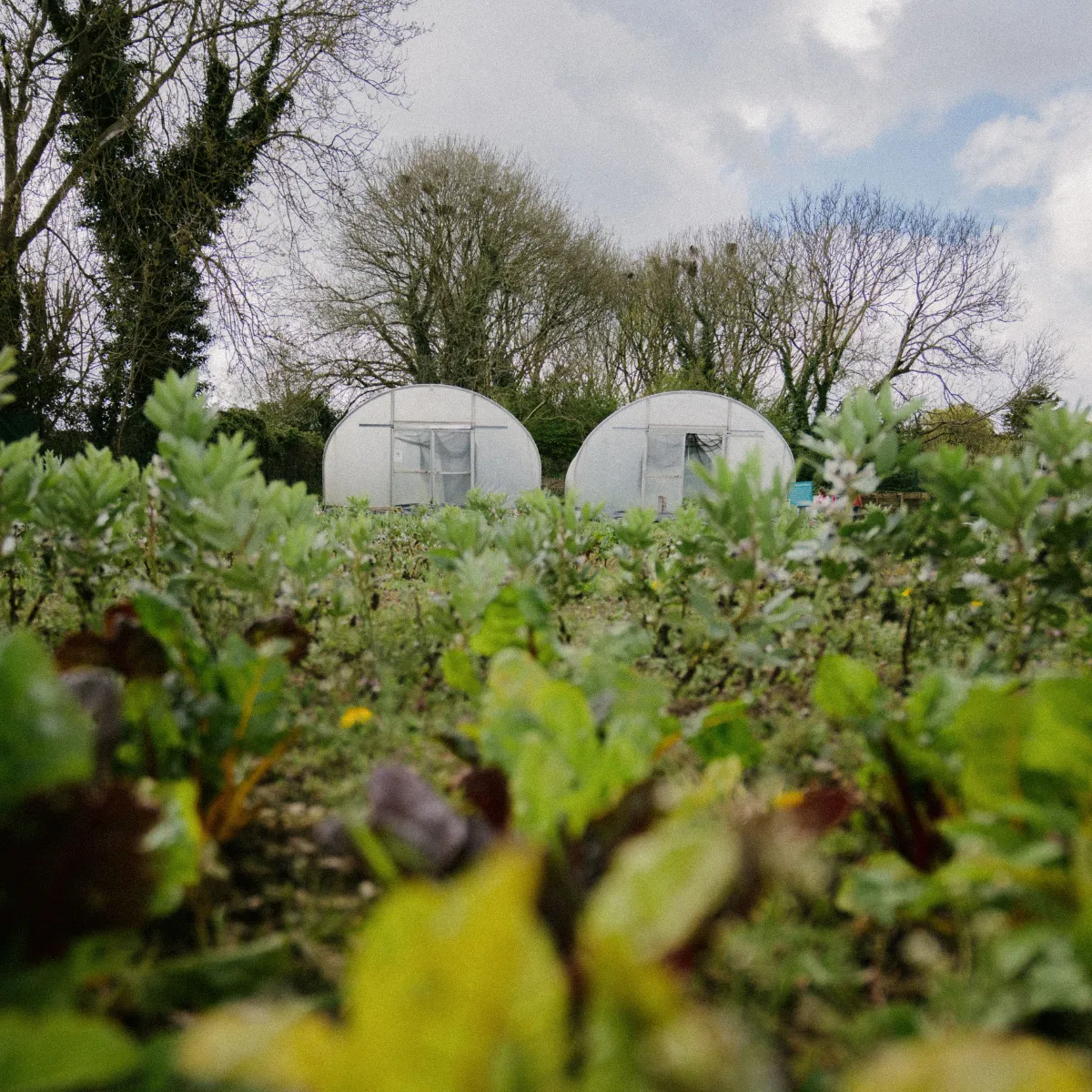
“The more you look at it the worse it gets. Vegetable growers do not get the same support as other producers because they currently don’t feed into the huge export machine, so the government doesn’t care about them. I recently spoke to economist Jim Power on my podcast Food Matters, and he did a graph that showed the price of vegetables decreasing, while the cost of food in general and the cost of living both went up.” Mick says.
For Mick and the team at GIY, their mission as an organisation is to reconnect people to real wholesome food, as well as how it’s produced and grown. A large part of what they do involves visiting schools to build awareness and to educate the next generation on growing organic vegetables. Mick says that he looks at Grow HQ as a lighthouse project for what a more sustainable food system could look like overall. They also promote their weekly vegetable boxes that can be delivered nationwide or collected on Saturday morning at Grow HQ, offering a week’s worth of freshly picked organic produce.
Two years ago the project took on a larger space, the walled garden in the grounds of the historic Curraghmore Estate nearby. This was the subject of a television series called Our Farm – A GIY Story that showcased the unfiltered realities, trials, tribulations and successes of trying to build a sustainable growing space. For Mick, projects like this that can be found on a small scale around the country offer reason to be hopeful.
“There’s a real groundswell of these organic, mixed farming producers. The likes of Green Earth Organics in the west, Cork Rooftop Farm and The Happy Pear in Wicklow. It’s restoring the connection between the producer and consumer, and show that relatively small land banks of seven or eight acres can feed up to two hundred families.”
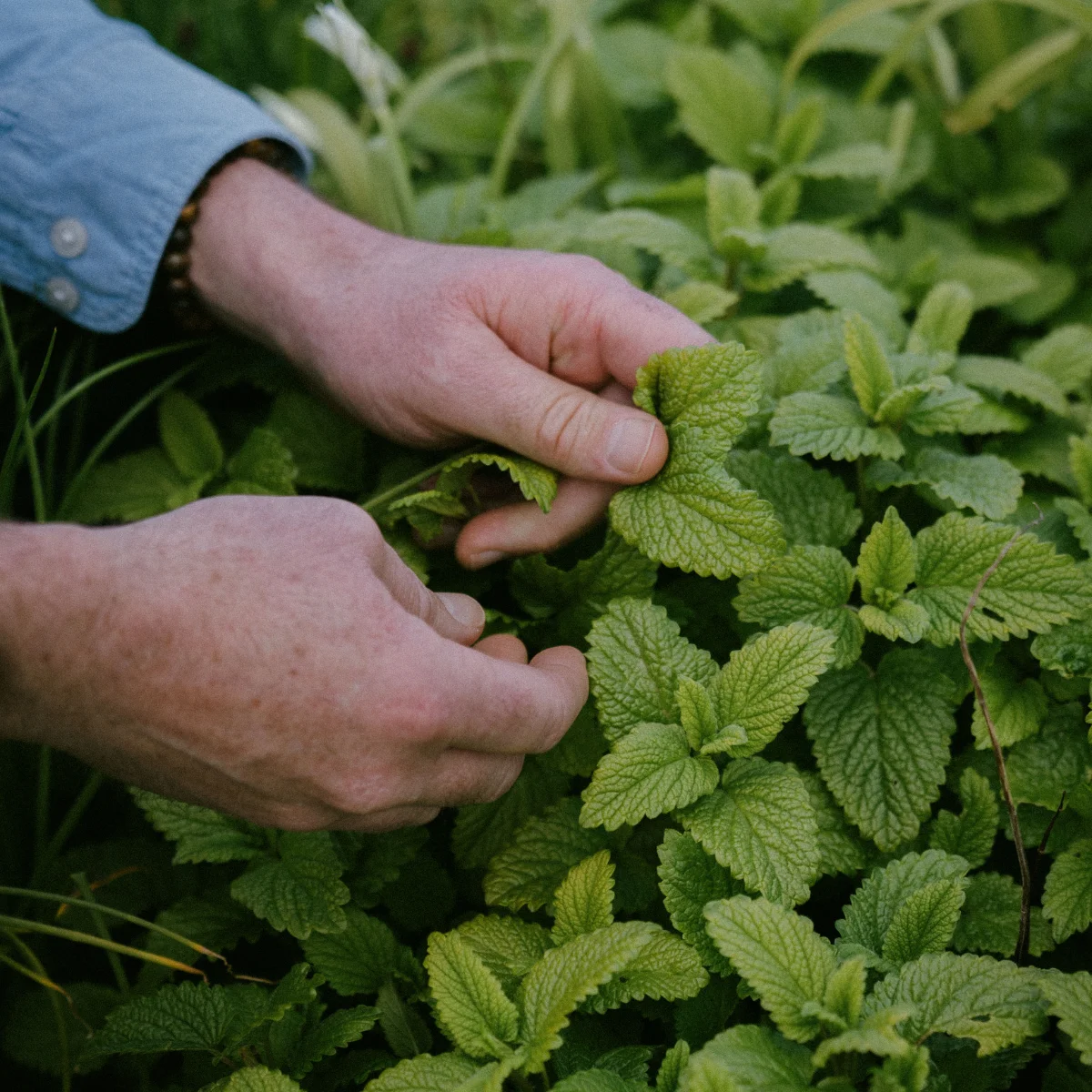
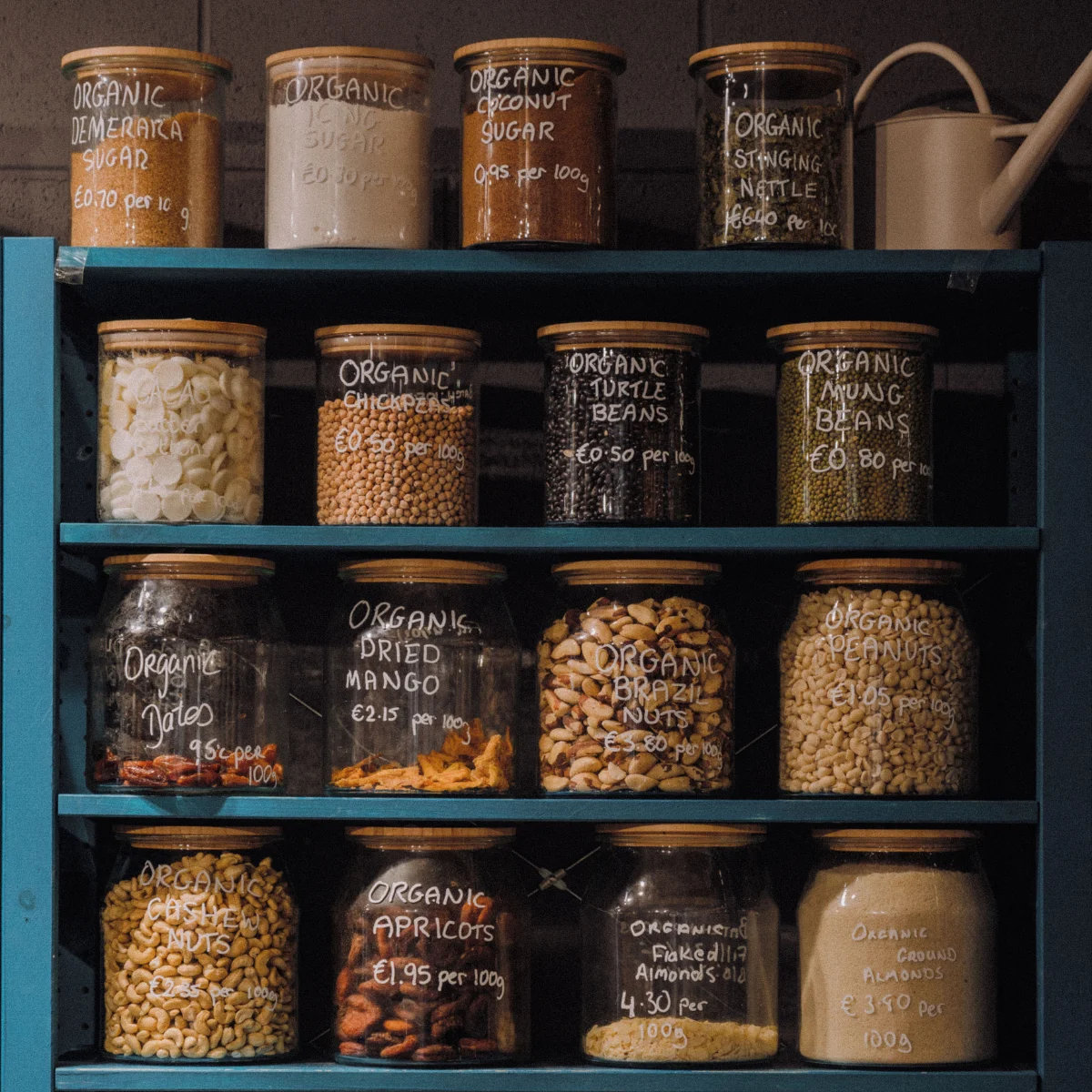
The conversation around organic food can be charged in some cases. For many people organic produce is still seen as elitist, given the higher price point. The higher price is down to the fact that the food costs more to produce. Farmers can’t simply go in and spray weeds, which means more labour and work hours and more people to pay. “You can’t really bridge that gap, and vegetables are too cheap anyway. There’s always a cost to cheap food somewhere, either to your health or to the planet. The bill always comes due. Despite this, it should be accessible to everyone, and that’s again down to policy. The government should be assisting to make it make sense,” Mick says.
There has been a shift in the eating habits of the nation. We’ve seen a move away from diets that were traditionally richer in wholefoods to more and more ultra-processed foods. Mick has also become well-known on social media for his videos calling out petrol stations and shops that specifically target children with their displays of treats.
“These retailers are spending millions redesigning the shops to create these huge snake-like lines that lead customers all the way up to the till, all the while they are flanked by countless ultra-processed foods. The argument is always made in the comments that it’s still down to free will and that people can make their own decisions. The idea that it’s a choice ignores the fact that these global food companies spend billions on advertising. They spend billions on engineering the food to be highly addictive and palatable. So that’s why the store layouts are changing now,” Mick says.
Before I go, I ask Mick what advice he would give to consumers hoping to support positive change in the sector. “Go out and sign up for a vegetable box. Support local growers whenever and wherever you can. We need that for our own food security, for our health, and for the health of our planet. It’s good for you too, you’re getting access to really nutritious food grown in living soil that tastes absolutely amazing,” he says.
Also Read