Geraldine O’ Neill: ‘It’s for creating space for reflection on life, decay, protection and destruction’
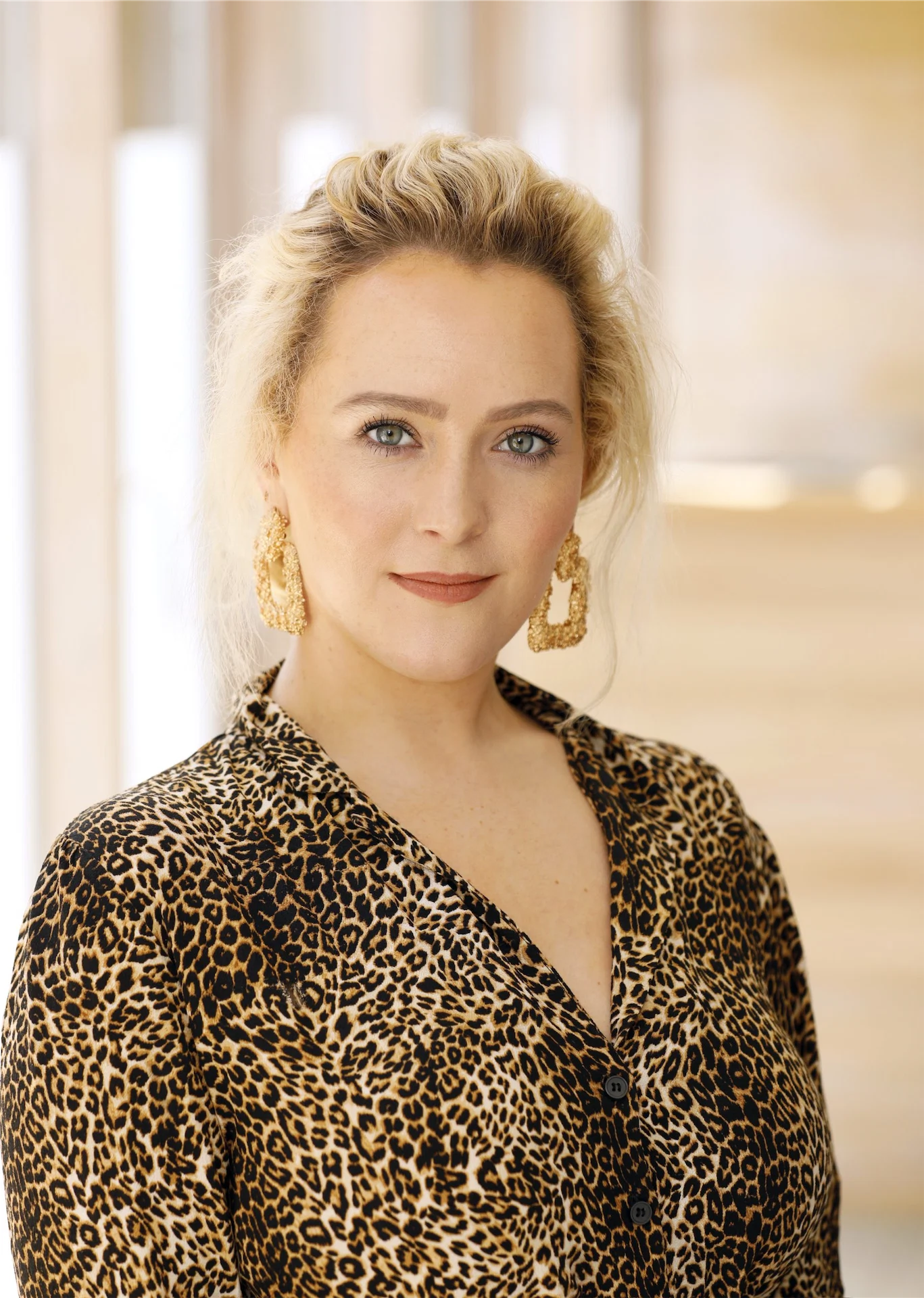
As Dublin prepares for Dublin Gallery Weekend, we sat down with artist Geraldine O’Neill to talk about her new exhibition Flicker, Flicker opening at the Kevin Kavanagh Gallery and her life in culture.
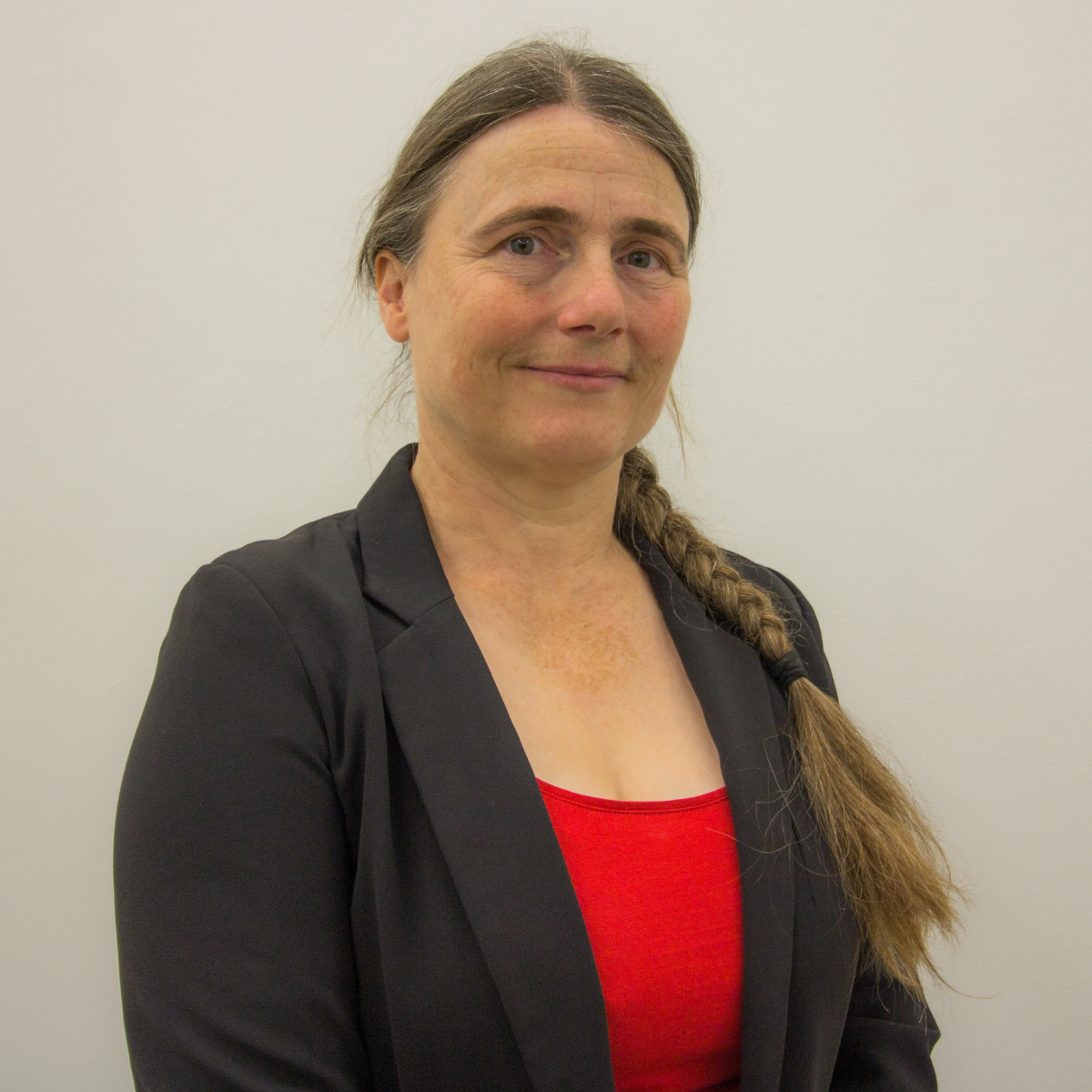
A native of Dublin, artist Geraldine O’Neill studied at the National College of Art and Design from 1989 to 1993, completing her MFA there in 2008. Alongside her studio practice, she has been an influential educator, lecturing in Fine Art at the Dublin Institute of Technology and at St Patrick’s College of Education, as well as serving as an external MFA tutor at the Massachusetts Institute of Art in 2011. Her contribution to Irish contemporary art was recognised in 2013 when she was elected an associate of the Royal Hibernian Academy.
Since her debut solo exhibition at Jo Rain Gallery in 1998, O’Neill has exhibited extensively both in Ireland and internationally, with work shown at the Irish Museum of Modern Art, the National Portrait Gallery, London, in Frankfurt, and at the Florence Biennale. Her 2012 solo exhibition Reciprocal Space, also at Kevin Kavanagh Gallery, delved into the boundaries between visual culture, kitsch, fine art, and science, merging these worlds into a dialogue that reflects both personal experience and broader social narratives.
O’Neill’s practice is distinguished by its intricate compositions and thoughtful engagement with the past and present, paintings where fragments of art history, domestic imagery, and popular culture coexist in delicate tension. Her work is held in significant public and private collections, including the Irish Museum of Modern Art, the European Central Bank, the Office of Public Works, and the Glucksman Gallery, UCC.
Was a career as an artist something you always aspired to?
A career as an artist wasn’t something I always explicitly aspired to, but in hindsight, it feels like a natural extension of my journey. I grew up in a large, vibrant family where curiosity was always encouraged and I was always making something, drawing on the mud with a stick, moulding animals with tinfoil, mark-making on the condensation-covered windows. I think the seeds were there early on. My time with my grandparents gave me a deep respect for the land, for stories and the discoveries I made while camping, along with a summer spent in the Gaeltacht, helped shape the way I see the world – through a lens of language, making, culture and the natural environment.
I studied at NCAD in the 1990s, and it was wonderful. It wasn’t just about learning new techniques; it was about being part of something much bigger. The friendships and creative communities I formed during those years have stayed with me and continue to fuel my work. And of course, becoming a mother changed everything, too. That role, with its blend of nurturing and protecting, has been a driving force in my art, particularly as I navigate the complexities of the uncertainties of the world around us.
So, while I may not have set out with a clear-cut plan to be an artist, the experiences and influences that shaped me have made it feel like the only path I could have taken.
What is your process when creating a new work? How do certain themes and experiences feed into or present themselves in your art?
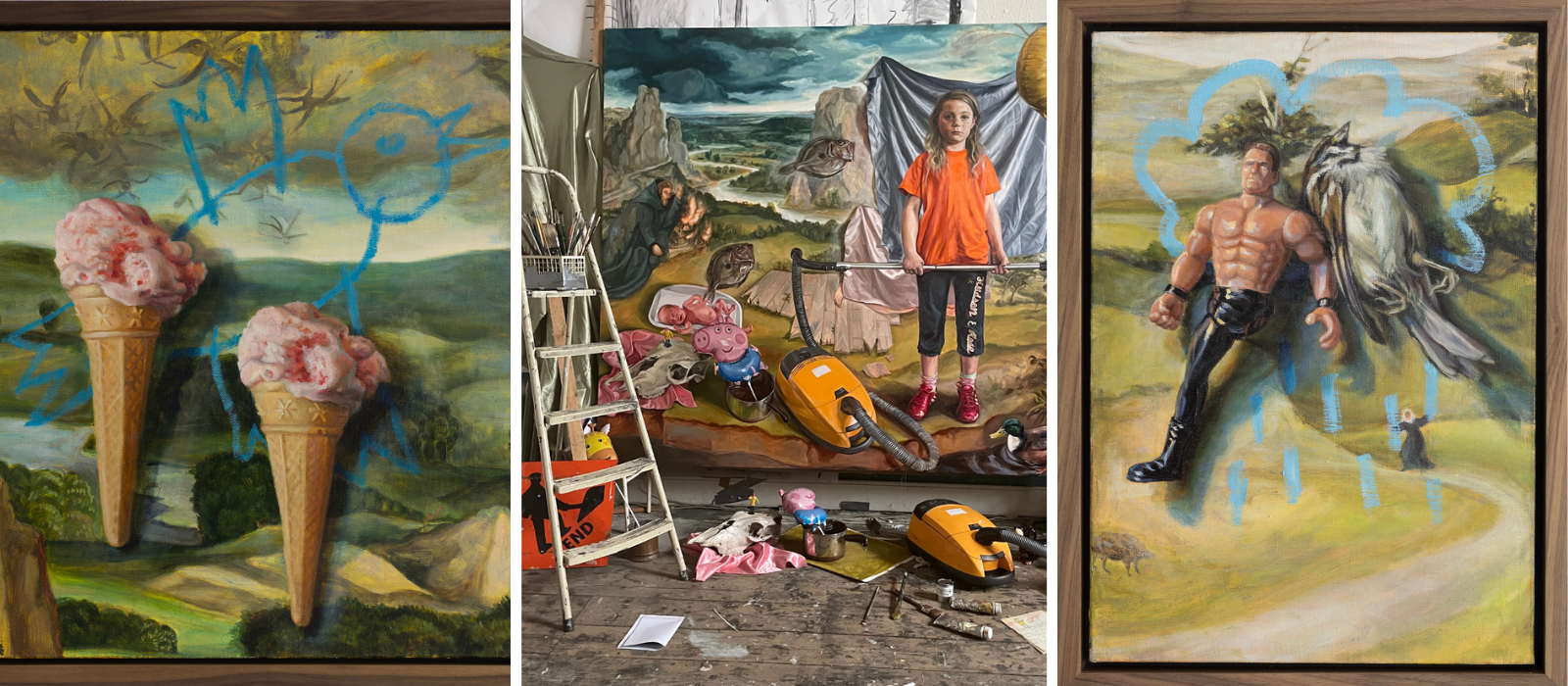
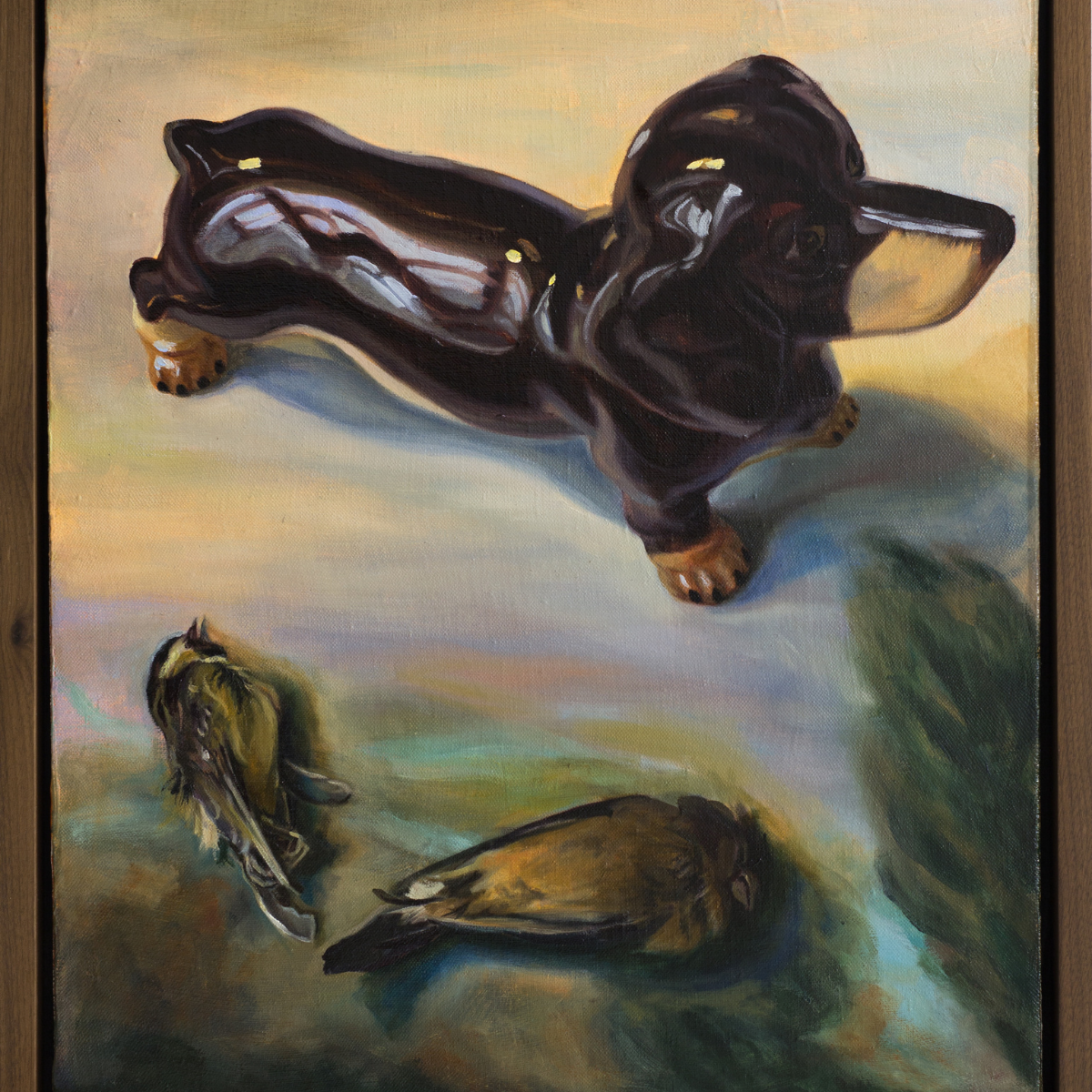
My process when creating a new work is deeply rooted in gathering, both in the physical sense and in terms of ideas. I’ve always felt compelled to collect things, images, objects, materials. My studio is filled with boxes of odds and ends: bones, balloons, domestic detritus, old photographs… anything that catches my eye and holds meaning. These objects often speak to me in subtle ways, and I think through them visually, forming connections that feel personal and intuitive. Bringing together disparate materials allows me to create physical juxtapositions that open up new conversations between concepts, memories, and experiences.
The process itself is experimental and playful. I often work in a way that feels more like a series of small, evolving experiments than a single, linear progression. Some of the objects or ideas I gather transform into temporary installations or works in progress, but not everything I create turns into a finished piece. I make hundreds of these experimental setups, with only a few making it to the canvas.
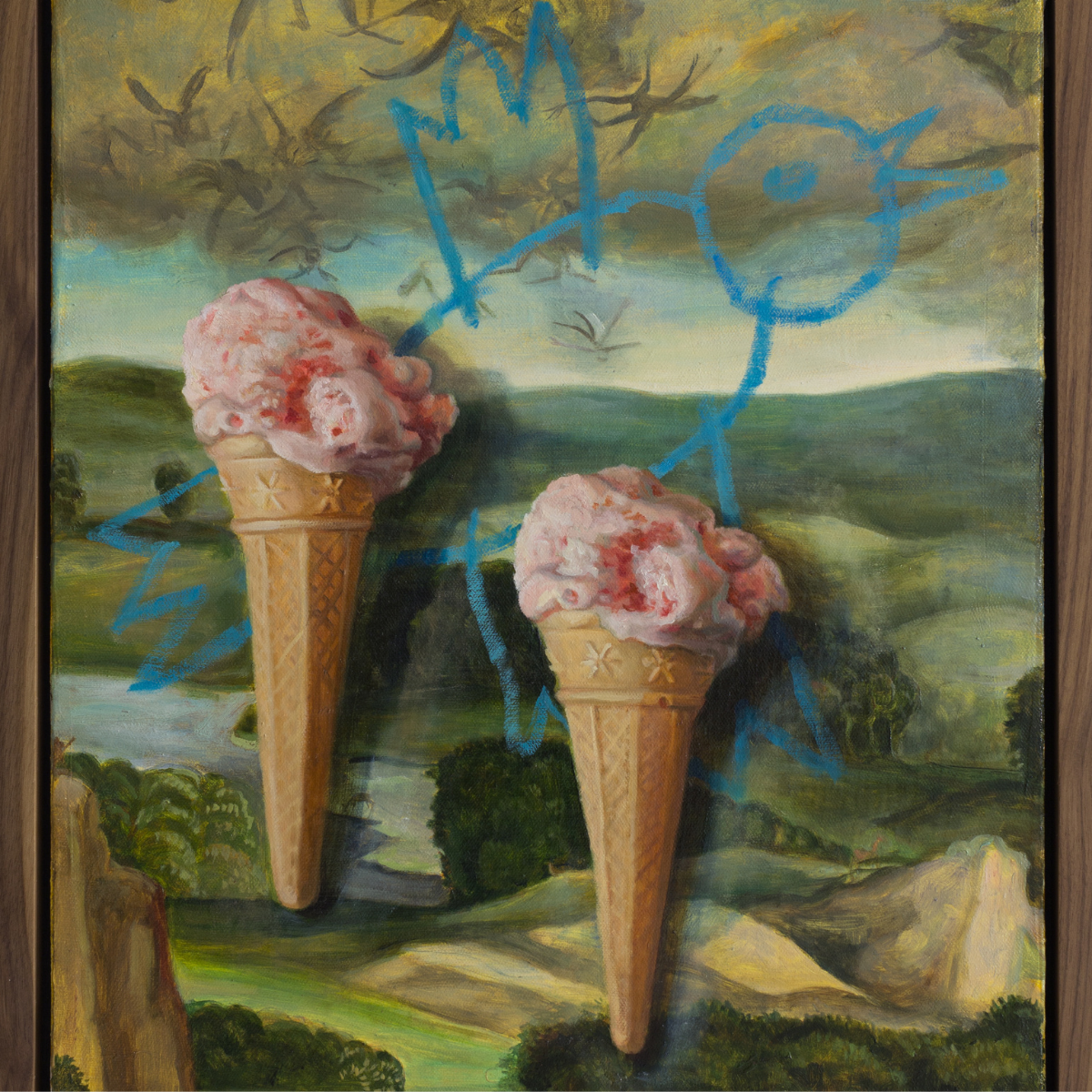
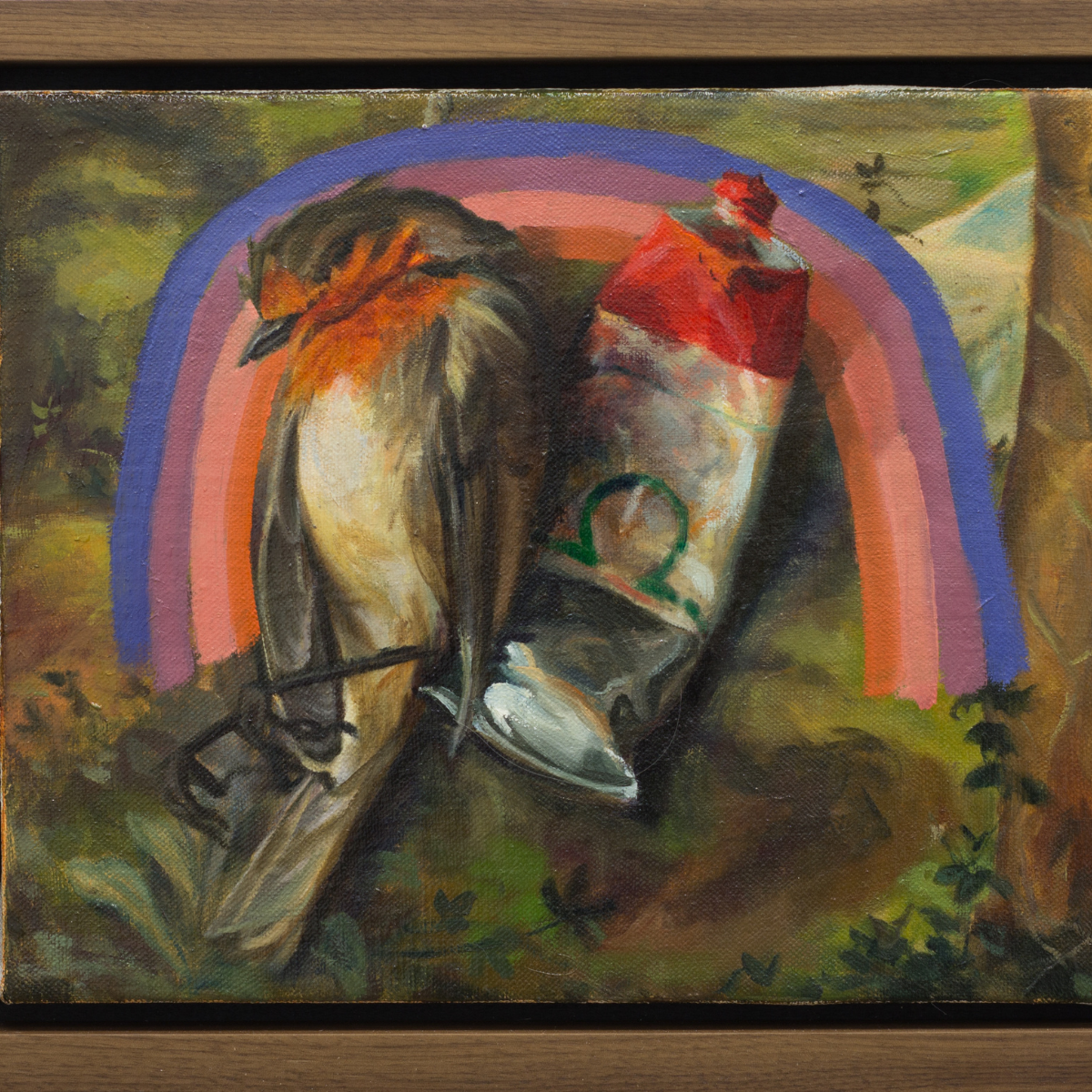
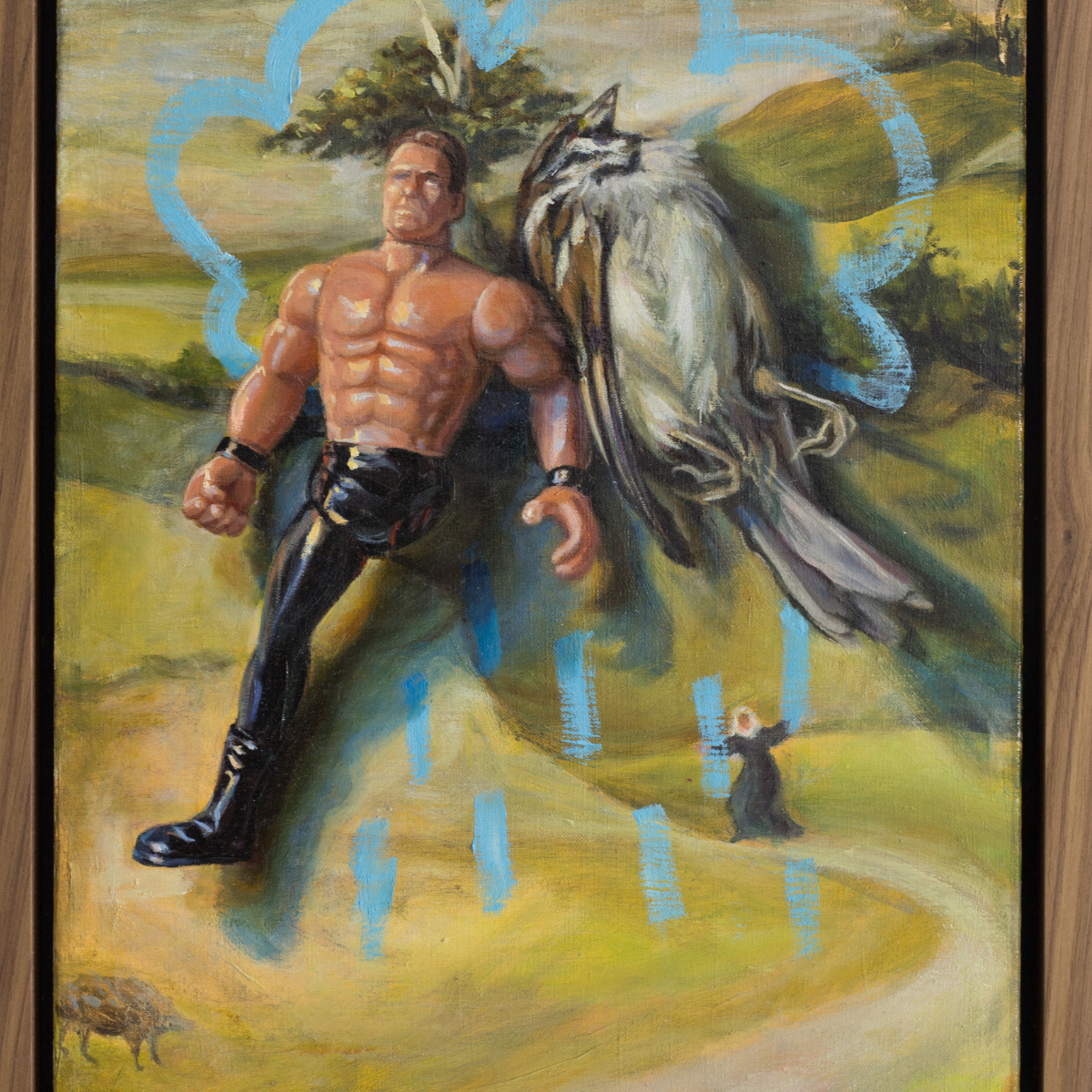
As for the themes that emerge in my work, they often stem from the intersections of personal experience, history, and the broader cultural or ecological crises we face. The imagery in my work blends references from art history with contemporary objects, like plastic toys and bones, creating a “painted multiverse” where different realities coexist and speak to one another. The colours I use also reflect this blending of the beautiful and the sobering. I use rich, saturated tones to create surfaces that are luminous but also carry a sense of weight.
At its core, the work is about creating space for reflection on life, decay, protection and destruction. It’s about witnessing the delicate balance between the things we cherish and the forces that threaten them.
Your work will feature as part of Dublin Gallery Weekend. What can we expect?
Flicker, Flicker, my new exhibition at the Kevin Kavanagh Gallery, offers an evocative exploration of our relationship with the natural world amidst the Anthropocene. The paintings invite the viewer into a world where the tension between humanity and the environment unfolds with every brushstroke. Drawing inspiration from both the intimate moments of her everyday life and the larger ecological crises shaping our world, I try to blur the lines between personal and collective histories.
In the paintings, I use vibrant colour and layered imagery to create a visual dialogue that feels both deeply personal and globally resonant. The result is a body of paintings, large-scale and small, intimate pieces that speak to the fragility of our existence, while also offering a space of haunting beauty in the gallery’s meditative space. The title itself, Flicker, flicker, captures the sense of urgency and quiet tension that runs through the exhibition, first flickering, then tipping, as humanity’s impact on the earth shifts from subtle to undeniable.
What are some of our favourite projects or specific pieces that you’ve created?
The Sunset Belongs to You was a unique and very special project. It was an immersive two-year portrait project commissioned by The Model. The portraits created by Mick O’Dea and me capture the fantastic young people from diverse backgrounds on the cusp of adulthood. It was such a heartwarming project. The children’s voice was central to the project at all times. I made large-scale portraits, giving power and authorship to the children. The portraits give us a very hopeful glimpse into the Ireland of the future. They are now all part of the Niland Collection, where they have a meaningful presence now and into the future.
Who is someone you look up to in the realm of Irish art?
I deeply admire the work of Deirdre O’Mahony. Her practice resonates with me on many levels, not only for its conceptual depth, but for the way it situates art as a living, participatory act within communities and ecologies. O’Mahony’s work explores the politics and possibilities of place through sculpture, painting, installation and collaborative projects, and I’m inspired by how she forges meaningful connections between people, land and the more-than-human world.
What I admire most is her commitment to dialogue, the way she brings together farmers, scientists and policymakers to share knowledge, stories, and lived experiences. Projects like The Quickening and her Sustainment Experiments feasts demonstrate how art can act as a critical and generous space for exchange. By transforming these conversations into a libretto that becomes both performance and reflection, she allows multiple voices to coexist in the same breath.
What has been the highlight of your career so far?
One of the real highlights of my career so far has been the exhibition Shelter at the National Gallery of Ireland in 2023, which I presented as part of the Shell/Ter Artist Collective (S/TAC) alongside Diana Copperwhite, Allyson Keehan, Niamh McGuinne and Sharon Murphy. To have our work shown within such an important national institution, in dialogue with the Gallery’s collection and with international artists, was both humbling and deeply affirming.
The experience was especially meaningful because Shelter grew out of a period of intense uncertainty. The collective was formed during the pandemic, at a time when ideas of safety, vulnerability and connection felt more immediate than ever. For us, it became a space of genuine collaboration and solidarity, a way of exploring how art could hold the complexities of that moment, both the personal and the collective.
I’ve been incredibly lucky in my art career so far, with being elected to the RHA and Aosdána and working in many institutions, but for me, Shelter was special and represented more than an exhibition; it was a culmination of dialogue, trust and creative exchange. It reaffirmed my belief in the power of collective practice and the potential for art to offer a space of empathy and understanding, especially in uncertain times.
What would you say to a budding artist unsure of their next steps?
Always work from an internal sense of purpose rather than external expectations. Embrace risk, collaboration, experimentation and play in your making and never stop evolving and keep your own voice. Rejection isn’t failure, and keep going. Never shy away from sometimes being out of your depth on the path to making innovative and meaningful art.
Geraldine O’ Neill’s life in culture…
Something I recently saw and loved… Daphne Wright’s Primate at the Hugh Lane Gallery.
The books I keep coming back to… Earth Emotions by Glenn Albrecht and The Art of Arts by Anita Albus.
Your favourite film…Battleship Potemkin.
The song I listen to to get in the zone is…Anything from The Oars, with Eoin Coughlan and Brian Morrissey.
The film/performance I still think about…Nuala Ní Dhomhnaill’s powerful ’Na Peirsigh’ at The Peacock is a beautiful translation of Aeschylus Ancient Greek play The Persians.
The exhibition I recommend is… Acts of Creation: On Art and Motherhood is a deeply affecting, thoughtful and must-see exhibition, conceived by Hettie Judah in collaboration with Hayward Gallery Touring and now expanded for its presentation at VISUAL, Carlow.
I never leave the house without… My keys!
The most challenging thing about being an artist is… Organisation and future planning. These are skills that I’ve always struggled with.
The best advice I’ve ever gotten…Work from an internal sense of purpose rather than external expectations. Embrace consistent creation and allow for thinking through making. Sustain your practice through research, learning, playfulness, risk and experimentation and remember every time you hit a roadblock, you are developing resilience.
If I weren’t an artist, I would be… If I weren’t an artist, I think my path would still have circled around the same questions, about perception, pattern, and the invisible forces that hold things together. Flicker Flicker emerged from that restless curiosity: how light shifts, how energy moves, how a moment or a gesture can contain both science and spirit. In another life, I imagine I’d have followed that curiosity into ecology or physics, perhaps something that sits between the tangible world and the imagined one.
Geraldine O’Neill’s exhibition Flicker, Flicker is in the Kevin Kavanagh as part of Dublin Gallery Weekend 6-9 Nov. www.dublingalleryweekend.ie
Also Read