










By Geraldine Carton
19th Apr 2018
19th Apr 2018
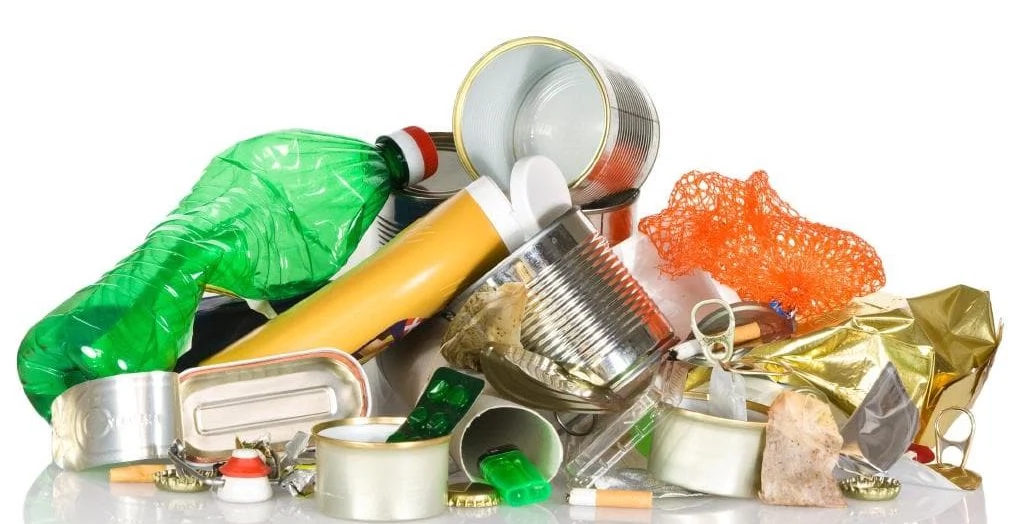
There is a lot of confusion surrounding recycling in Ireland, there’s no doubt about it. Despite our best attempts to “be green”, it’s easy to feel that our efforts are made in vain when the message seems to be changing on a daily basis. One second we’re told that plastic is recyclable, the next it’s not.
In light of this general sentiment, we want to set the record straight; explain what is and isn’t allowed right now, and the reasons why this is (as set out by recycling companies). Before you know it these practices will become second nature, and the constant confusion regarding what is and isn’t allowed will be a thing of the past.
Why the recent change in rules?
China and India are major buyers of recyclable material from Europe, and over the past year they have requested higher standards of what they are receiving. The main change has been that they are no longer accepting mixed materials such as plastics, paper or cardboard baled in together.
So what does this mean for us and our recycling efforts? In short, it means that if we want to continue to ship our recycled waste away, we need to play by the rules and ensure that Ireland’s recycling plants are able to separate these materials quickly and easily.
The basics
All recyclable items should be clean, dry and loose. Don’t fill one recyclable with another (e.g. don’t fill a cereal box with other recyclables) or put them in a bag of any kind as this makes it difficult for the machines to scan each product successfully.
Hard V soft plastics
Almost all hard plastics (i.e. can hold a shape) can be recycled. If it can hold a shape, recycle it. If it can’t, then don’t.
Yay: The punnet packaging from berries, plastic food containers, coffee cup lids
Nay: the film on top of those punnets of berries, cling film, wraps on bottles (e.g. Coke labels, milk bottles, etc.), plastic bottle caps, plastic straws
I’ve heard the word “composite packaging” thrown around lately, what is this?
Composite packaging refers to anything made from mixed materials and it includes typical coffee cups, Pringles tubes, deli hot bags etc., all of which cannot be recycled.
Can tinfoil, or anything containing foil be recycled?
N-O. That means that crisp packets, chocolate bar packaging, coffee pouches etc.
What’s the story with tetra packs?
These are a bit tricky, because while they cannot be recycled (as they contain a mixture of film and composite material), they can be changed to fuel, which is why recycling plants still accept them. Just be sure to wash and dry them before placing in the recycling bin.
I drink about ten cans of diet coke per day, am I destroying the world?
All cans are recyclable, so as long as they are clean and empty then your conscious should be clear as you pop them into a green bin.
Why did my bin collector shout at me when he saw I had put my recyclables in a black sack?
Carrier bags and refuse sacks are not recyclable. What’s more, they get caught in the machines and hinder the scanners ability to sort out the materials. All items going into recycling should be clean, dry and loose.
And what about my morning coffee fix, is that another cardinal sin, too?
Regular takeaway coffee cups cannot be recycled (due to their composite packaging), but you can recycle the lids, so long as they’re washed. An increasing number of cafes and restaurants are using compostable cups now, so keep an eye out for these. Better still, embrace the BYOC (Bring Your Own Cup) discounts offered by an increasing number of cafes in Ireland. Just present your Keep Cups or flasks and let the baristas work their magic.
Can glass go in the green bin?
While glass is 100% recyclable, it needs to go to a bottle bank, not in your household recycling bin. As there is no collection service for glass in Ireland, this must be done manually. See where your nearest bottle bank is here. *Panda Waste accept glass bottles/containers in the green bins in the Dun Laoghaire-Rathdown area
Paper
Paper is easily contaminated as it is so absorbent. If paper has absorbed any liquid other than water or ink, it can’t be recycled. This includes greasy salad boxes, greasy sandwich wrapping, paper napkins with food stains, wet tissue, so this is where a thorough clean becomes really important. (Note: the issue here is oil, so anything water-based is fine).
But what about plastic straws, is it true that they are made by the devil?
Yes, in fact plastic straws actually are the devil. They kill wildlife (both on land and in water) and take 100 years to break down, so refuse at every opportunity. Glass straws or paper straws are fine, but plastic straws are, as already mentioned – evil.
Water bottles
Water bottles are terrible for the environment and have been found to leach out toxins too, making them a double whammy of awfulness. Reusable water bottles have become very stylish of late and can be bought in a range of styles, colours and environmentally-friendly materials. The pouch ones are great, as you can roll them up when the water’s gone and tuck it neatly away in your bag. Or just use a glass.
Batteries
Used batteries should go in special battery bins, from where they can be recycled. They are full of acid, so shouldn’t go in the regular bin.
Lightbulbs
Are not recyclable.
If in doubt, check https://recyclinglistireland.ie/
Related Stories

Also Read