











By Jennifer McShane
04th Mar 2019
04th Mar 2019
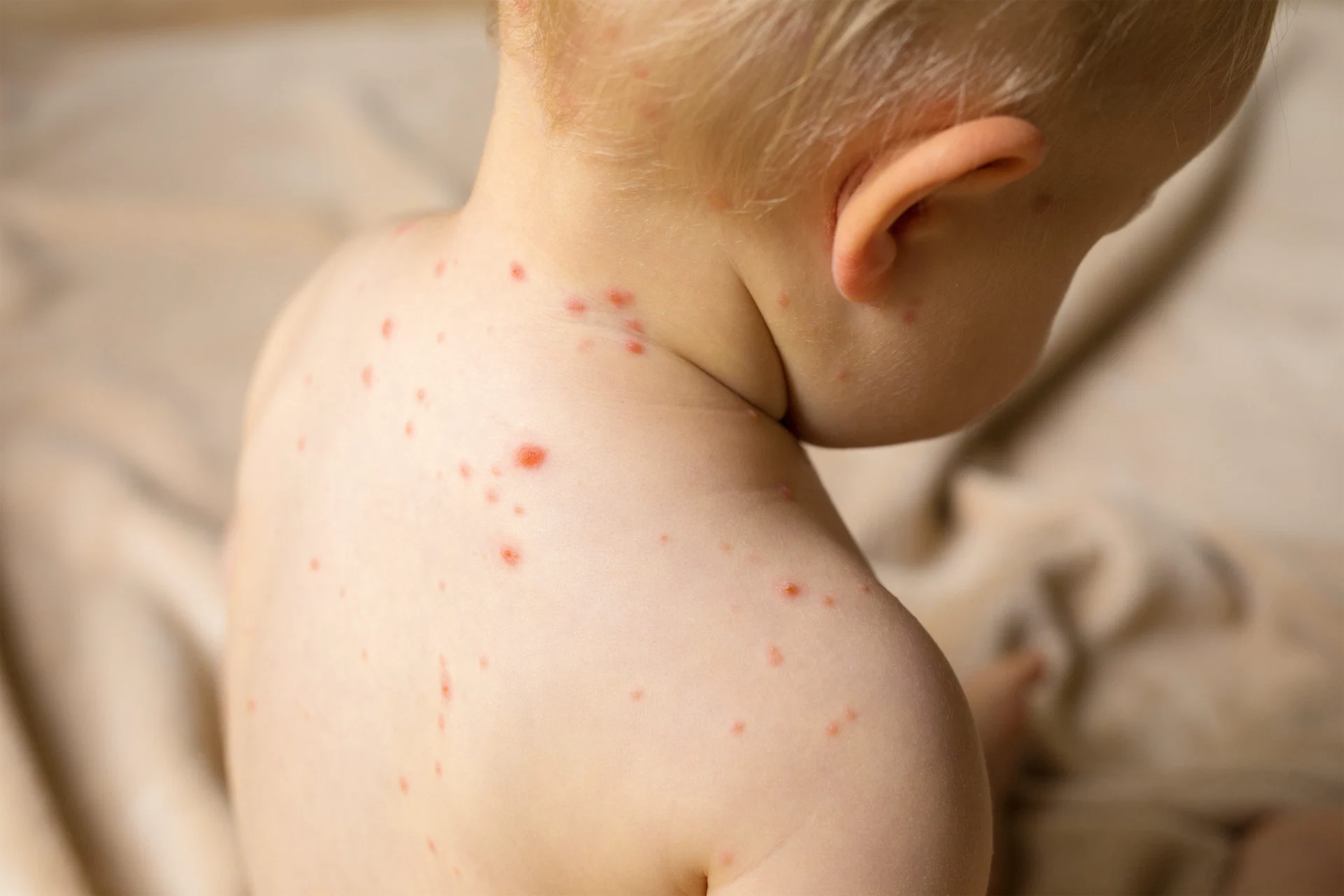
The HSE has said on Monday evening that an outbreak of measles has been confirmed in North Dublin.
According to a statement given to the TheJournal.ie, it is “a community outbreak of measles affecting both adults and children.”
The HSE has advised people who think they have the condition to stay at home and to contact their general practitioner (GP) for advice.
This is the fifth case since the start of February.
#Measles Outbreak in North #Dublin – @HSELive has confirmed an outbreak of measles in north Dublin and is advising that people who think they have measles to stay at home and to contact their General Practitioner (GP) for advice. https://www.hse.ie/eng/services/news/media/pressrel/meales%20outbreak%20in%20north%20dublin.html pic.twitter.com/OuY1jdaV9l
— HPSC (@hpscireland) March 4, 2019
Measles is a highly infectious viral illness. It causes a range of symptoms including fever, coughing and distinctive red-brown spots on the skin. “The most effective way of preventing measles is the measles, mumps and rubella (MMR) vaccine,” says the HSE.
Related: The rise of the anti-vaxx movement: ‘Let someone else take on the risk of vaccinations’
“People at increased risk are those who have not been vaccinated with MMR vaccine or have not had measles in the past. There is a risk of developing measles for up to 21 days after contact with a case of measles.”
What are the symptoms?
The symptoms include a rash and around 10 days after you get the measles infection, the following symptoms begin to appear:
- Cold-like symptoms, such as runny nose, watery eyes, swollen eyelids and sneezing
- Red eyes and sensitivity to light
- A mild to severe temperature, which may peak at over 40.6°C (105°F) for several days, then fall but go up again when the rash appears
- Tiny greyish-white spots (called Koplik’s spots) in the mouth and throat
- Tiredness, irritability and general lack of energy
- Aches and pains
- Poor appetite
- Dry cough
- Red-brown spotty rash – The measles rash appears two to four days after initial symptoms and lasts for up to eight days. The spots usually start behind the ears, spread around the head and neck, then spread to the legs and the rest of the body.
The above symptoms generally last for up to 14 days.
Measles cases in Ireland increased by 244% in 2018
According to a UNICEF report last week, there has been a 244% increase in measles cases in Ireland between 2017 and 2018.
There were 86 cases in Ireland last year, up from 25 the previous year, they said.
The charity is warning of a “global spike” in the contagious disease – with 98 countries reporting a surge.
UNICEF Ireland’s Executive Director Peter Power described the figures as a “wake-up call,” saying, “We have a safe, effective and inexpensive vaccine against a highly contagious disease – a vaccine that has saved almost a million lives every year over the last two decades.”
Related Stories



Also Read