









‘The McGinley murders are utterly tragic, but we must not forget compassion’
By Jennifer McShane
20th May 2021
20th May 2021
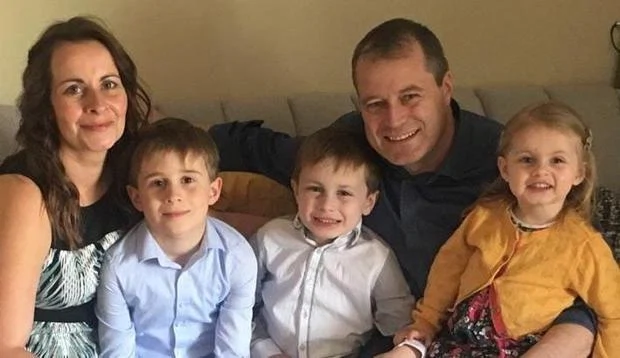
The devastating trial of Deirdre Morley – charged with the murder of her three children – has reached a verdict, but news coverage makes for deeply distressing reading. Jennifer McShane wonders if it's necessary and whether it lacks compassion and empathy.
Deirdre Morley was so severely mentally ill that she thought her own life and that of her children was unlivable, so severely mentally ill that she thought the only way out of her distress was to murder her children and then try to take her own life. It feels uncomfortable to have her name splashed across the front page, the horrific details of her children’s murder getting top billing.
Asking for the ban on naming her and the children to be lifted in its reporting, Deirdre Morley’s trial concluded this week with a not guilty verdict. But in the efforts to explain to complexity and tragedy of the case, some compassion has been lost for the family involved, the horrors of mental illness and the continued absence of sufficient supports for it in this country.
Following the murders, Ms Morley was admitted to Central Mental Hospital and placed on what she called “wonder drug” that’s helped her feel like her old self again. But with this also comes an “unbearable grief”, as she calls it, a desire to go back and change everything. After receiving the help she needed, she could see that her childrens’ attitude were completely normal and not irreparable damage she had inflicted upon them as a “bad mother”.
She was failed by a system that was unable to see the depths of her struggle. Ms Morley had been experienced mental health difficulties since 1996 and been seeking help since 1998. She had been relatively open with mental health professionals, though not her family, about her struggles and had been visiting counsellors and medical professionals. In 2019 she spent time in St Patrick’s Hospital for suicidal ideation. But was only after the murders and the graveness of her crime that she received the help she really needed.
Everything about the Deirdre Morley trial is unspeakably tragic, and my heart goes out to everyone involved. I hope the media will be very mindful on how they report any details of the case. ?
— Maïa Dunphy (@MaiaDunphy) May 19, 2021
In senseless tragedies like this, involving young, innocent children, there is always anger and a need to know how three young lives could be taken. It’s unavoidable and understandable – we’re all mourning the loss of Carla, Conor, and Darragh McGinley as if they were ours. We’re doing the same mourning for their father Andrew, his life will never again be the same.
Their murders are utterly tragic, but we must not forget compassion for Deirdre who will also suffer “unbearable grief” for the rest of her life, knowing what she has done.
She “just wants them back,” she said, during questioning. Her trial has wrapped but various doctors have confirmed she wasn’t of the right mind when she murdered her children – even before the verdict was reached.
Given the nature of what’s happened, there’s something unsettling about the coverage of the case. Did the public really need to know, in-depth, the nature of how her three young children met their end? We know their mother felt she had no choice but to die, but couldn’t bear to leave her children behind. And that such was the nature of her psychotic breakdown, she knew what was happening but simply couldn’t stop it.
But those details are further down in every story – her declining mental health, her intrusive thoughts that she was a bad mother and had ruined her children’s lives as a result, how she tried so hard to mask her symptoms from those closest to her.
There’s something cold about the reporting of this tragedy, a lack of empathy when at the heart of it is a woman who felt so distressed, ill, and alone that death and the killing of her children was the only answer. We can only ache as we know they suffered – and those still here will suffer forever now too.
If you would like to speak to someone or need support, contact Samaritans Ireland on 116 123 or your GP.


Also Read