


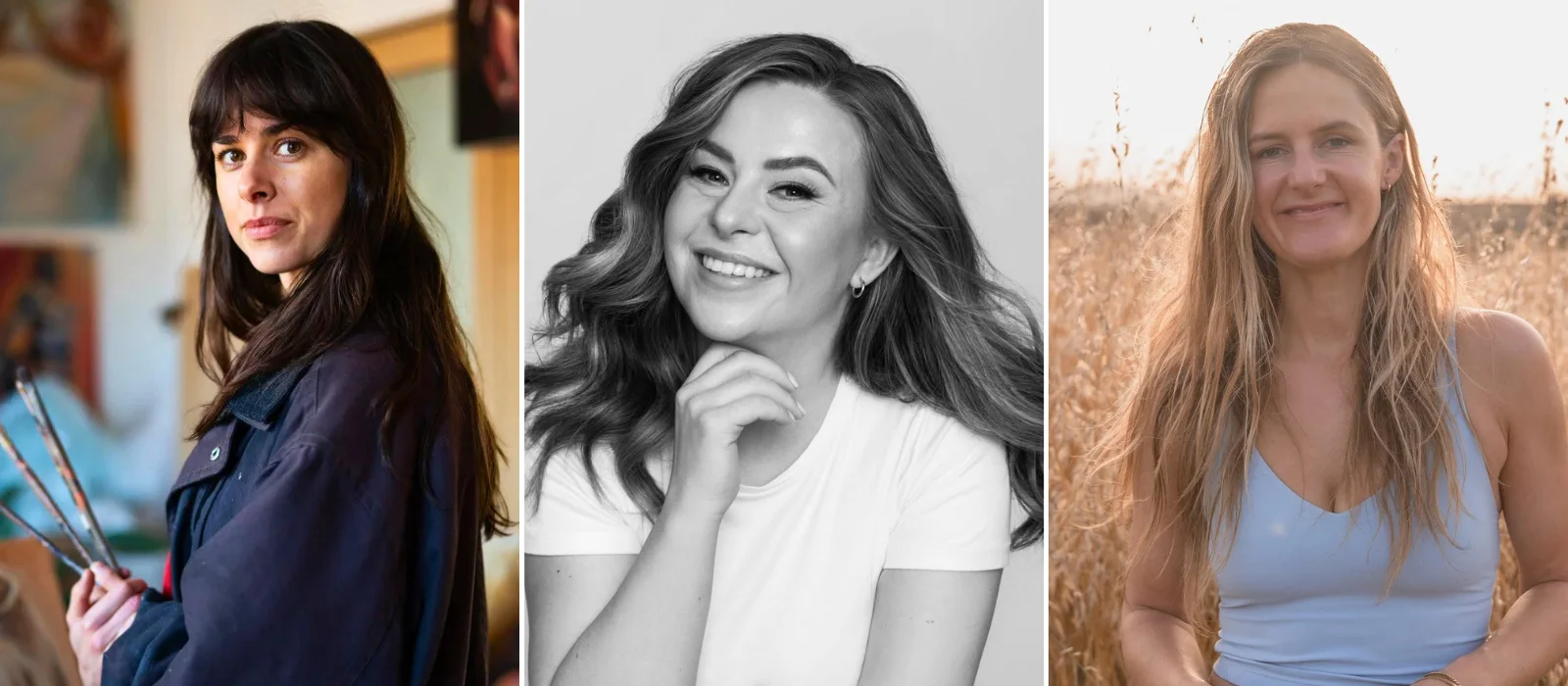
Tempted to step off the well-worn work path and make a change in your job? Here are five women who did just that – and made it work.
If you’ve worked in the same industry for a long time, the idea of switching things up and trying something different can seem impossible. Plus, when life is already so busy, you wonder if it would just be easier to stay put and ignore the screaming feeling in your gut that things need to change. But sometimes, the type of career and lifestyle that served you well in your twenties and thirties no longer serves the season you’re currently in, or the interests you now have. Other times, we find that the role you accidentally fell into
12 years ago has somehow now taken over every other facet of your life.
But we are all creatures of habit, and adjusting our routines is hard. We have financial obligations to consider and familial ties that keep us in holding positions. It’s not a linear process and can consume your every waking thought. And while deciding to change may feel terrifying, staying put in a career that no longer fits can feel equally scary.
Career pivoting sounds bold and exciting in theory, but in reality, it involves a lot of anxious list-making, soul-searching, and potentially listening to dozens of Mel Robbins podcasts. We spoke to five brilliant women whose stories of changing careers and starting again may inspire you to take the next steps on your own career journey. They shared their fears and failures, as well as offering some practical advice on ways to help you pivot. They show that it’s possible to take a detour (or five) on the way to finding work that lights you up. Making any big change in our lives means experiencing both loss and liberation, but it also opens us up to whole new worlds. It’s never too late to start again and embrace a life shift.
These women are the living proof.
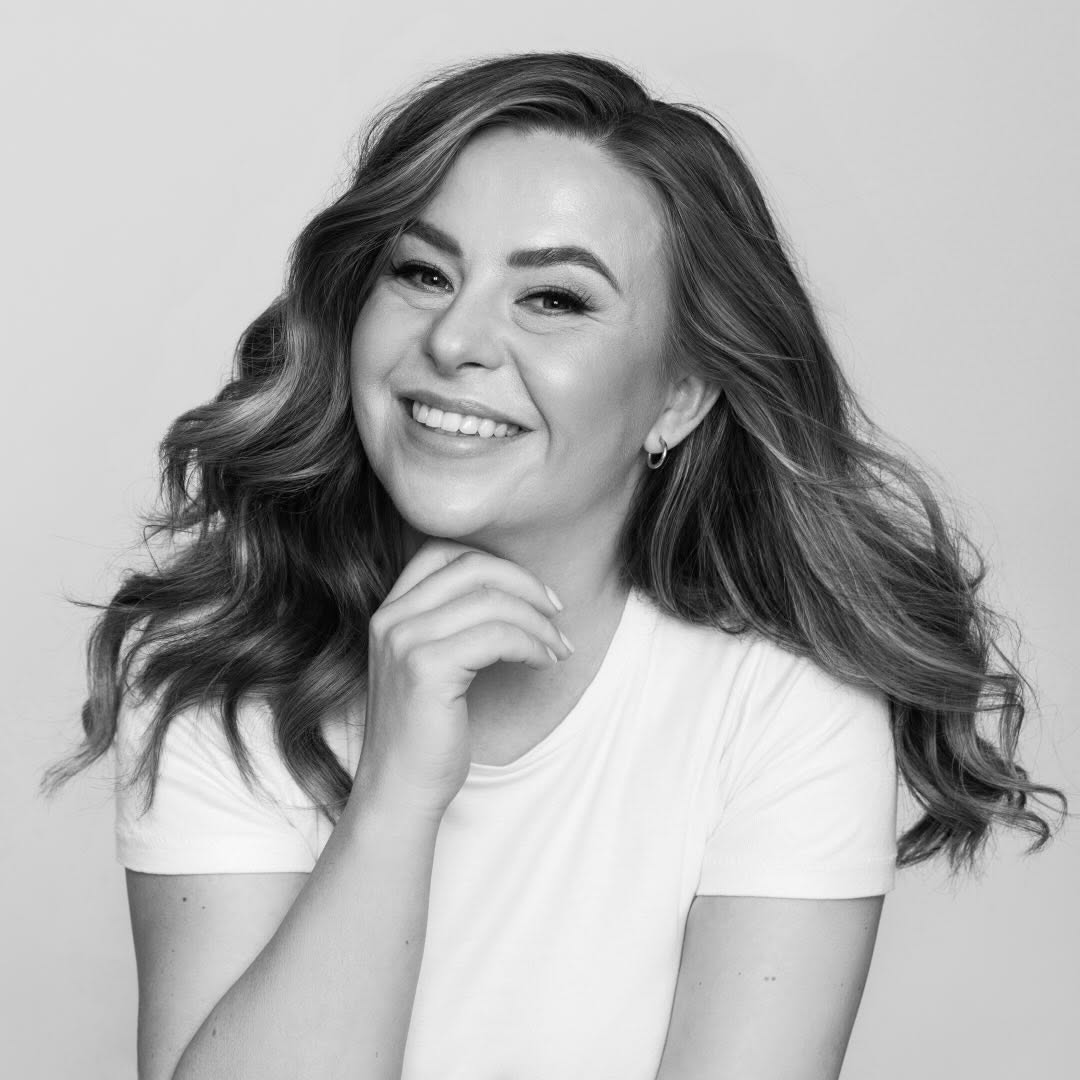
Julia Dunin, photographer and entrepreneur
I moved to Ireland from Poland 14 years ago and have been a commercial photographer ever since. I came up with the idea for Duine, my wellness gifting company, at Christmas 2022, a few months after I had a baby. I remember it felt like a spark at the time and was worth exploring. I was looking at myself as a tired new mum and thinking of the gifts that take you out of your own head to create an experience. Most of those things we don’t give to ourselves; they are given to us, so that inspired me. I wanted to incorporate something that I’ve been doing as a photographer, which is, in a way, caring for people and making them feel good.
As a woman, I love what I do, but I get burned out a lot, and on social media, I very often talk about both the positive and the negative sides. What keeps me going, though, when I’m tired and the toddler is running around, is the bigger dream. I’m looking at the way that I can transition into something that is more sustainable when it comes to lifestyle. There are hard times, but I always look at the bigger picture and am always imagining and manifesting. I was lucky that people were supportive when I first started, but I am very much internally driven. I also have the experience of running my photography business for so many years. I’ve been able to transfer the skills I’ve learned doing that over to my new business.
It’s important to recognise that there will always be fear and risk in starting something new. But for me, it was scarier to keep doing what I was used to doing than trying something different. To anyone else who is considering making a career change, I’d say follow where the excitement is, because when we are excited about things, it’s so much easier to take a big step. Trust in yourself and your skills. You can do it.
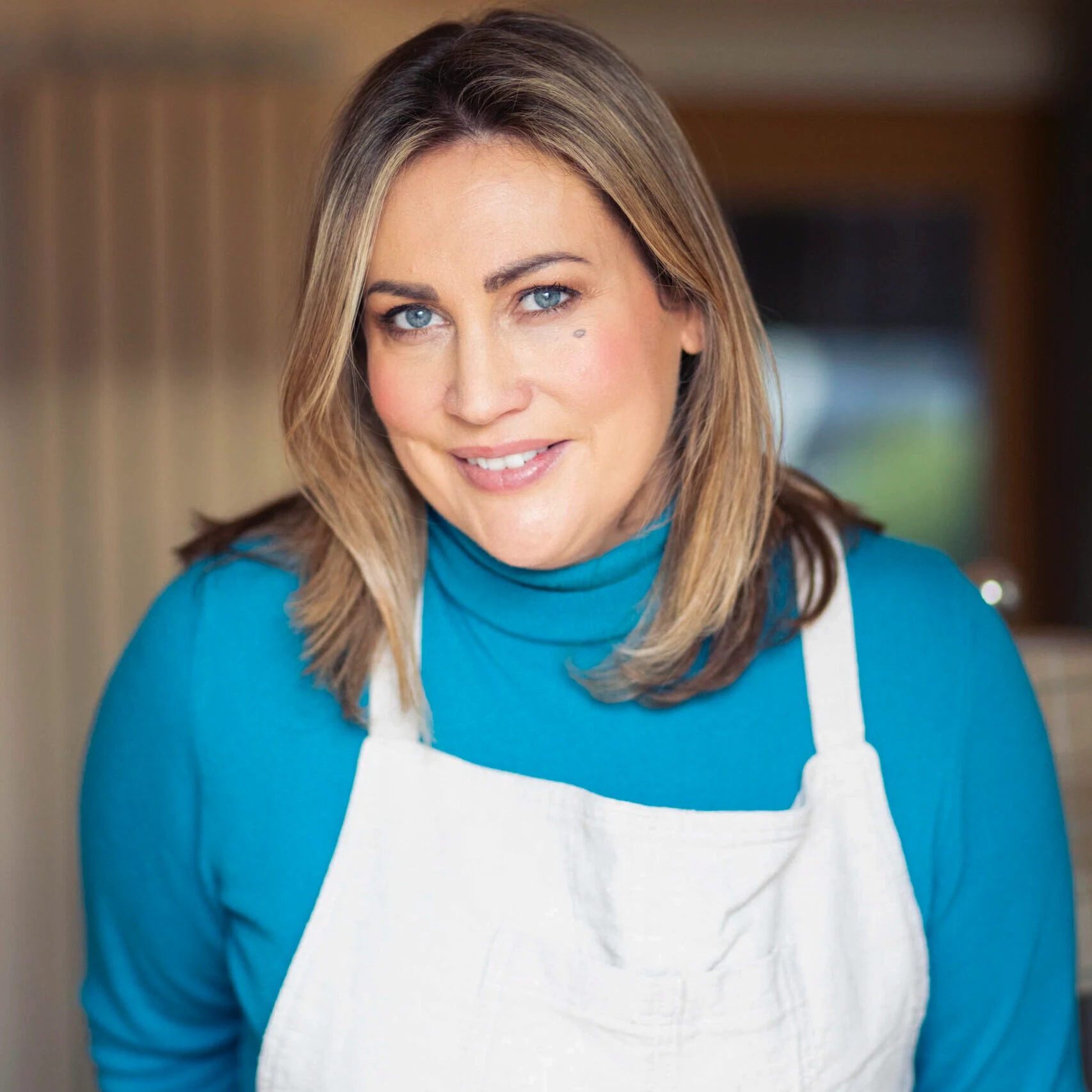
Peigín Crowley, founder of Ground Beauty
During lockdown, everything just stopped, and I had to make a plan fast. I had spent over 25 years as a spa consultant designing wellness spaces, and I’d done private labels for other brands before, but I knew I had one in my own belly, and so Ground was born. I think in business, two currencies are really important, especially as an entrepreneur and as a startup business.
The first is self-belief. You have to stay very strong on plan A. There is no plan B. Some people talk about passion, but for me it’s more intense than that. You have to stay committed. You just have to believe in it. And when that belief runs low, the people around you, such as your partner and your family, also have to believe in it just as much as you do. The second currency, then, is cash flow. It’s not sexy, but in business, understanding the difference between cash flow and profit and loss and gross profit margins, etc., is crucial. My local enterprise board was instrumental in helping with advice in year one because I never did business in school.
We live in a world now where Instagram makes it look like it’s really easy to run a business. “Make your own candles! Become a consultant! Rebrand as a life coach!” It’s not easy at all, but people love the story and the success of it all. So what I would say to people who want to pivot and have their own business is to understand the difference between having a feasible business that will do well, and your need to be creative, because they’re two different things. And if you’re like me and want to take over the world, understand that running a business comes at a cost. It takes up a lot of the oxygen in my home, but at the same time, it also gives my children a real-life example of what hard work can yield.
What we can achieve when we put our minds to something is incredible, but I’ve also learned the difference between capability and capacity. I can put all my resources and energy into showing the world how capable I am, but by saying yes to all the work stuff, I’m saying no to my family or my elderly parents, and I’ve got to mind those I love. I serve my heart by being with my family. We’re a team of 15 now, and my colleagues and leadership team are my greatest assets. Their loyalty, dedication and quality control are just incredible, and I am so grateful to them for putting up with the chaos that it is, but also sharing in the success with me. I’ll honour them forever for doing that. It’s very rewarding.
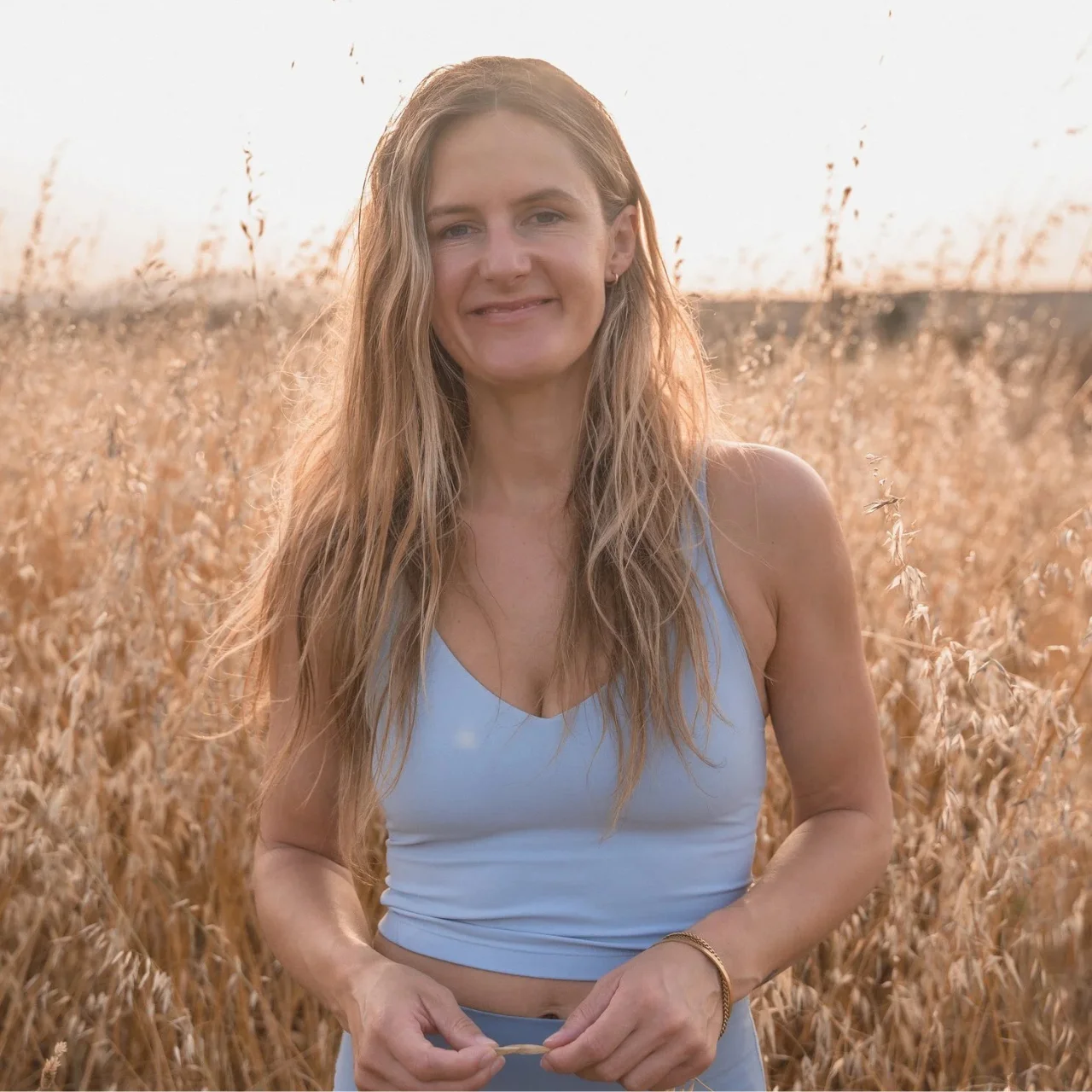
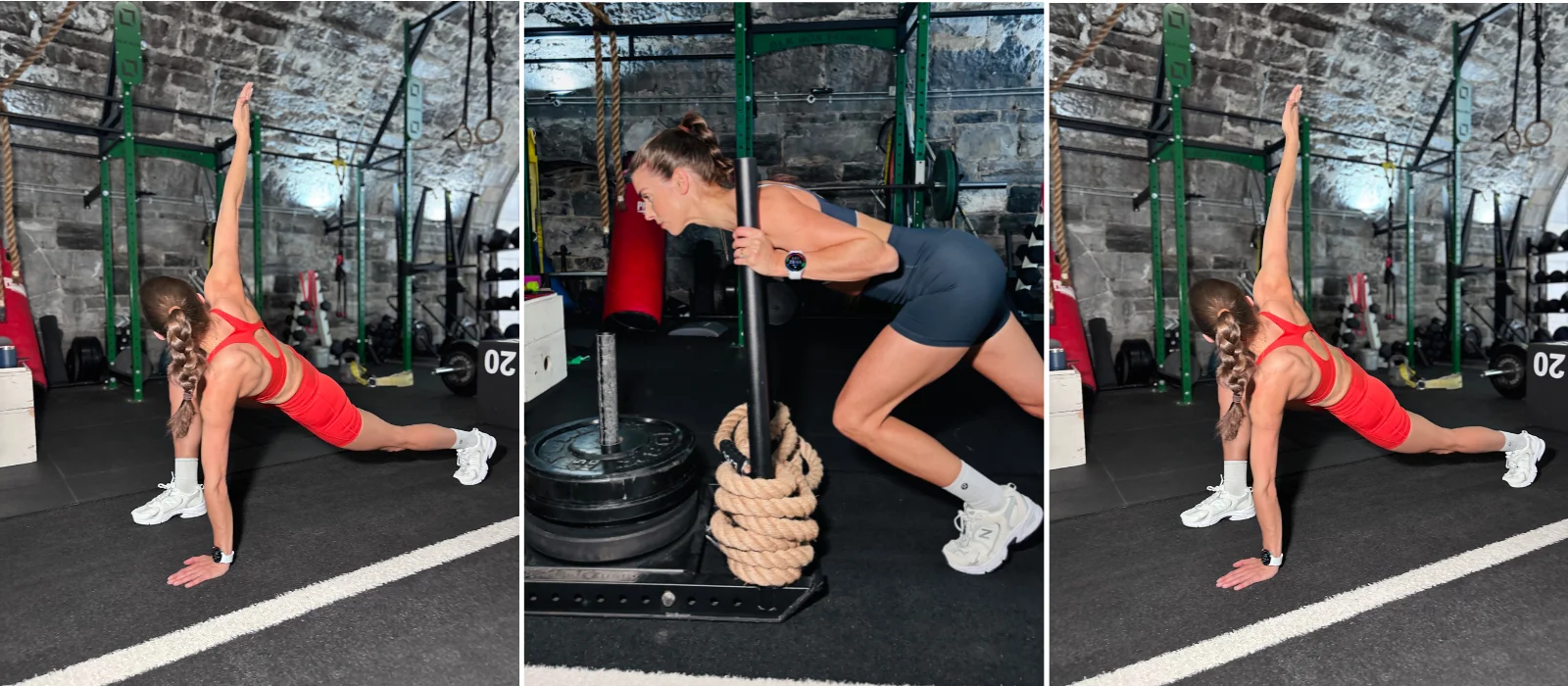
Sarah Shannon, yoga teacher
When I look back at my journals, “What do I want to do?” was a constant question, but I avoided it for a long time. In my early thirties, when most people were getting married and really settling down, I decided to head off and go travelling on my own. When I came back, I got a good job – I am a corporate lawyer by training – but told them that I didn’t want to start until the end of the summer. I remember my parents were like, “What’s the wait?” but I was obviously putting it off. I’d come from backpacking around Southeast Asia for a year and sleeping in hostels to suddenly being back in a law firm drafting share purchase agreements. About six months into my job, I booked a trip to go to an ashram in India for two weeks, and when I came home, I was floating, glowing. But on my first day back at work on Monday, I stayed in the office until 10 pm. I looked at myself when I left, and my eyes were bloodshot. The day had drained all the glow from me. I had to ask myself, “Which do I feel is more me?” The answer was incredibly obvious, and that’s when the seed for my business was planted.
When I finally left in July 2018, I didn’t 100 per cent know what I wanted to do, but I knew to just plan something for myself. I booked my yoga teacher training and immersed myself in it. Around the same time, a friend of a friend opened a coffee shop and invited me to use the space to teach lunchtime yoga, and that’s how it started. A few classes in, the imposter syndrome died down slightly, and I felt “I love this.” That was November 2018, and I haven’t stopped teaching since.
From those first classes, I’ve now grown to running beach yoga, a women’s retreat and an online business too. I wear a lot of hats. My dad and sister are both in business, and maybe that was the blueprint for what I’m doing now. I knew I wanted to build something.
If anyone is ever thinking of making a change, I say: “Take the leap”. It definitely requires a good work ethic, but practically, some things that really helped early on included setting up a website so people could find me, and also choosing a few things and taking action on them as opposed to being the woman who does it all.
Geraldine Carton, contemporary artist
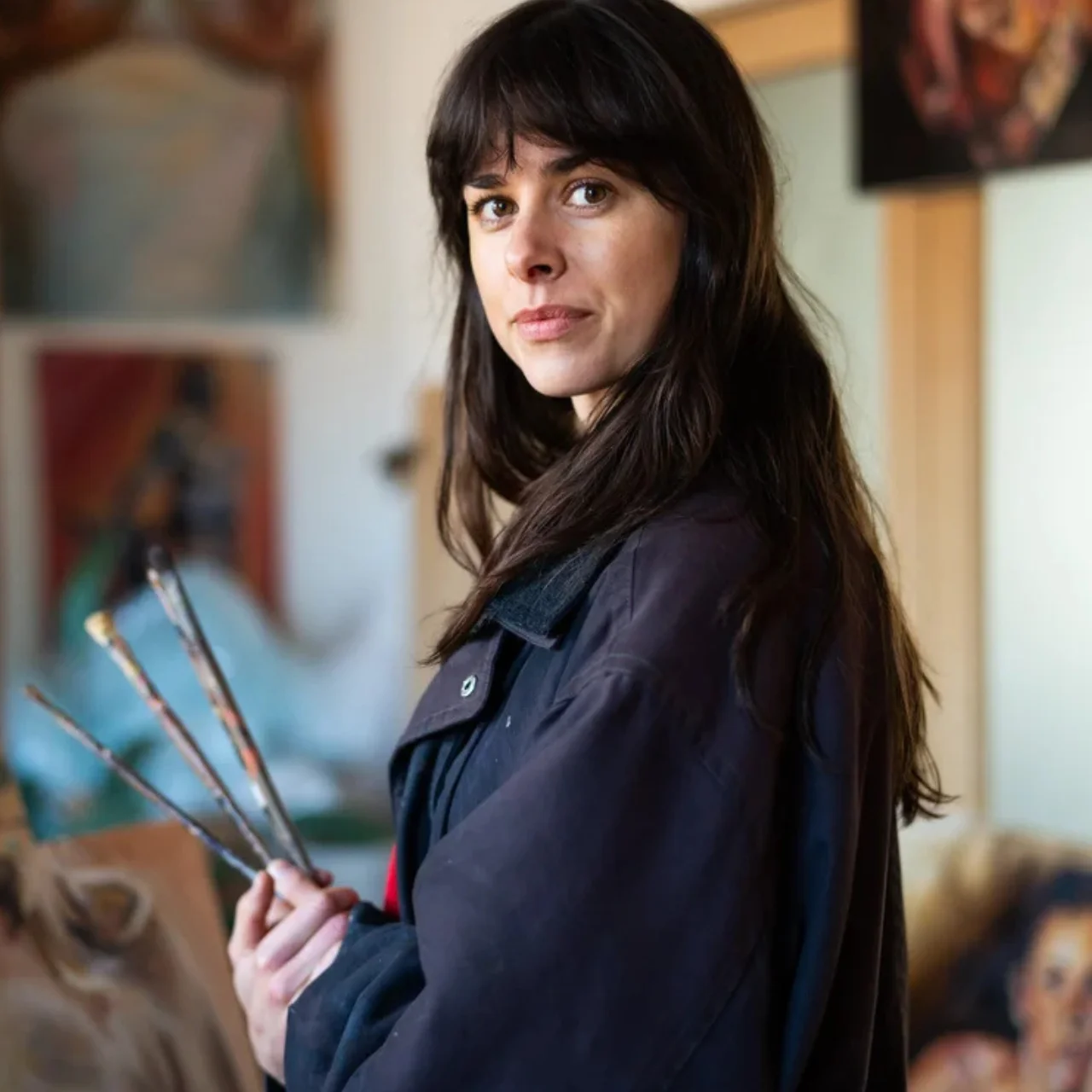
The only consistent thing in my trajectory to becoming a full-time artist has that it’s been totally haphazard! I started out studying social work in Trinity before doing Creative and Cultural Studies in DIT, and worked in journalism and social media. The pace was too busy and stressful, and I’ve always had a social inclination, so that was what pushed me into activism with The Useless Project, which I co-founded with Taz Kelleher. We’d do events and talks around sustainability, but then lockdown came, and suddenly the business model that it was built around did not work. So out of nowhere, I was back home again with no events to organise, and I was really struggling with my mental health. I was like, “What am I going to do? How am I going to make money?”
As a way to calm my brain, I started painting. I had loved art all through school, but I come from a very business-oriented family, and all my friends were doing medicine or nursing, or similar, so I just didn’t see a career as an artist as being possible. When I started painting again, however, it felt like I had been ignoring a huge part of myself for ten years. I felt elated to be doing something that just felt authentic to me, but it took about four years before I decided to leap to become an artist full-
time.
It’s so important to mention, however, that the only way I was even able to consider doing that was with some financial help from my parents, and that’s a huge point of privilege. It’s definitely a huge struggle because I’m my own boss, PR manager, accountant, marketing manager and the HR of myself. My advice to those seeking change would be to anticipate the drop in your funds. As a freelancer, time is money, and so it’s always a dance between bringing money in and also managing my time.
However, if you’re thinking about changing, and I can’t stress this enough, go for it.
We only live once.
Lisa McLaughlin, songwriter and performer
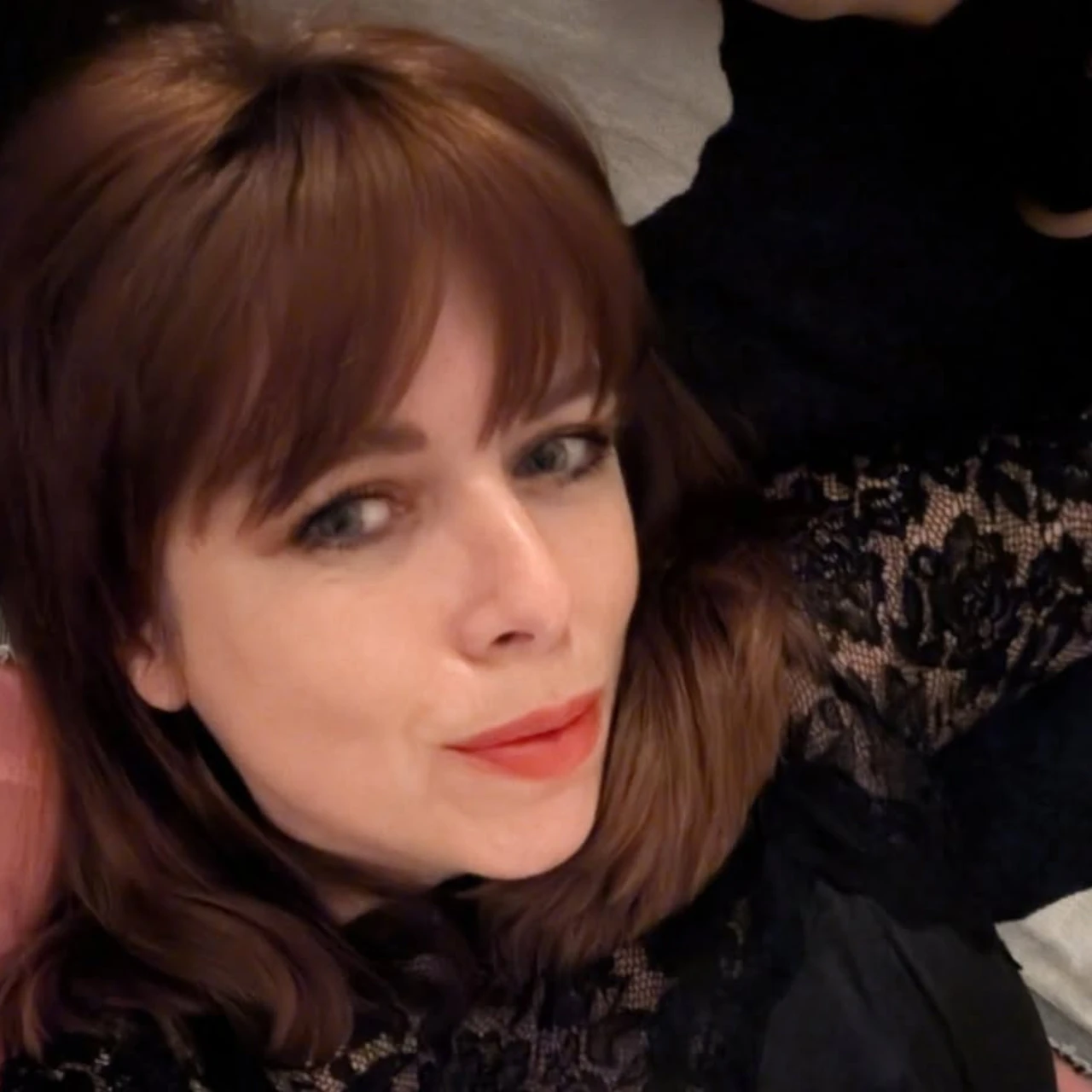
I’ve been singing all my life, and I did support for lots of bands and performers in my twenties, including the The Goo Goo Dolls, who were huge at the time. The support gigs wouldn’t really bring you money; it was more about exposure. But a lot was going on at the time. A lot of life happened, and I don’t know, it just left me.
I decided to return to a full-time job when I was 40, telling myself I needed to be sensible. I was the office manager of 3Arena, which was really good because it allowed me to still feel like me. But as fantastic as it was, every time I walked past the stage, there was a feeling of, “I’m not doing what I need to do”. When I came back to the office after the pandemic, I started changing so much
in my life, and I said to myself, “If I don’t do this now, I’ll never do it”. I’d been thinking about leaving work for a while, and talking about it openly – that’s one of the stages, isn’t it? You’re trying to test the waters with people.
Then I went away on a retreat for one night, and when I went back into work the next week, I decided, it’s now or never. I knew I didn’t want to wake up and feel like I never gave music a shot, so I handed my notice in, and here I am. Fast forward a year and a bit, and I’m making music again, and I know that I’m on the right path. That’s not to say it isn’t scary because it’s living on the edge. It’s made me strip everything back, but the thing is to keep at it and not give up. I’ve been fortunate enough to get a bit of press, and people are responding to my music which gives me the drive to continue on and at least make this album and complete what I started.
The way I look at things now is that we can’t take anything with us. It’s important to keep that in mind. You have to sacrifice other things in your life if you want to follow your own path, but what’s worse? All I could keep imagining was another 30 years from now and being a bitter old woman asking myself, “Why did I not do that?” Life is too short.
Anna Ryan, strategic communications consultant
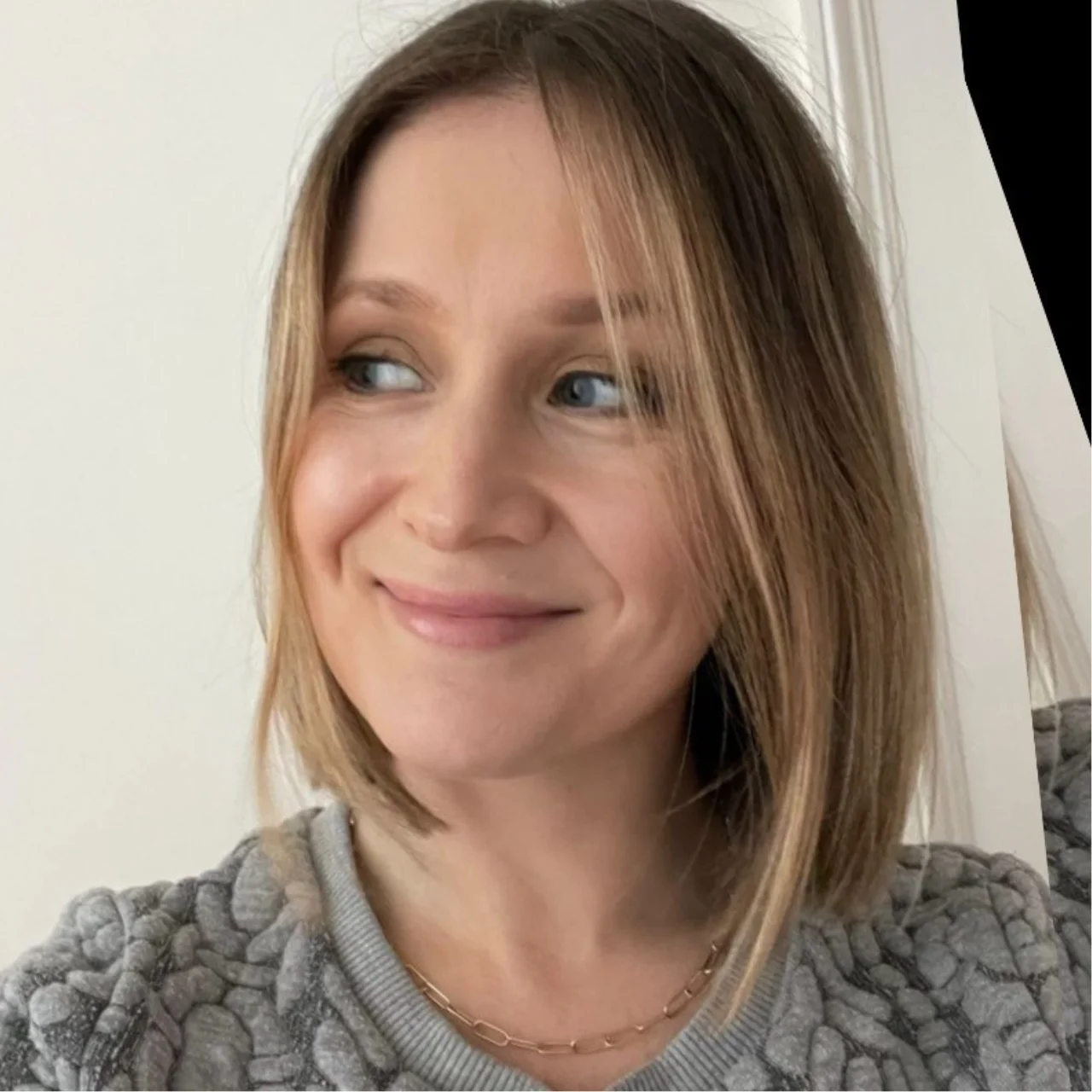
I worked in ad agencies over a ten-year period in both the commercial sector and the not-for-profit sector, and it was really good fun. You’re figuring out different business problems and then using creativity as a tool to solve them. Increasingly, though, I was finding that I wasn’t as motivated by some of the companies we were using these skills to help, which was fine, but I
started to think, “Okay… what’s next?”
So more out of personal interest, I decided to do a part- time master’s in International Development. I found that when I started studying, I really loved it, and that’s when things changed for me. Since then, I’ve worked for organisations such as the World Health Organisation on various campaigns and private foundations on different projects. But the interesting thing is that I still use most of the skills that I had learned working in advertising, but I’m now applying them to a different subject matter.
When you want to pivot your work life, it’s really easy to get intimidated by someone else’s career history and think, “Oh my god! They’re experts in all these areas”, which they are. You learn you’re never going to have the depth of knowledge that someone who has ten years on you has, but you do have these other skills. So you become better at knowing what you can bring with you, and it’s never too late to change. You just have to think about things differently because it’s not actually about your knowledge. It’s about how you can adapt to working with other people, other cultural norms and sensitivities and other working styles. Anybody can go and study for a degree. It’s more about re-engineering your brain to adapt and standing back and seeing what’s going on. If you make any big change in your life, you are taking a risk. And every time you change something, you will lose things. You lose things financially, you lose things in terms of security and stability. That’s just the way it is.
My practical advice is to accept that the perfect idea you have in your head about something might take a long time to achieve. And when your plan does become real, it also mightn’t look exactly like you’d thought it would. But if you have any desire to do something else, start doing your research rather than just thinking about it.
This article originally appeared in the Summer 2025 issue of IMAGE.
Have you thought about becoming an IMAGE subscriber? Our Print & Digital Magazine subscribers receive all four issues of IMAGE Magazine and two issues of IMAGE Interiors directly to their door, along with digital access to all digital magazines and our full digital archive, plus a gorgeous welcome gift worth €75 from Max Benjamin.
Visit here to find out more about our IMAGE subscription packages.
Also Read