




If I Knew Then What I Know Now: Business Consultant Anne Marie Graham
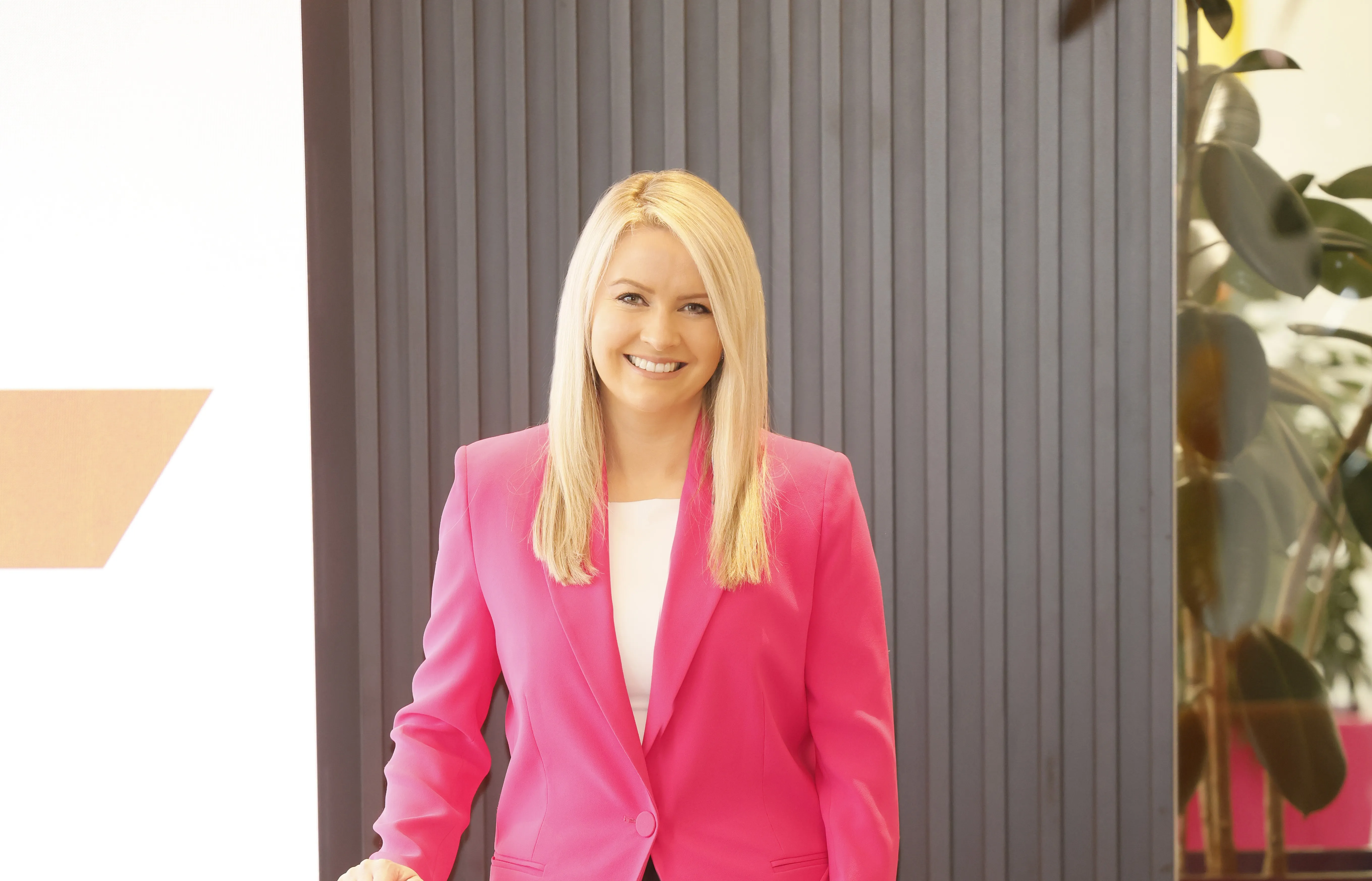
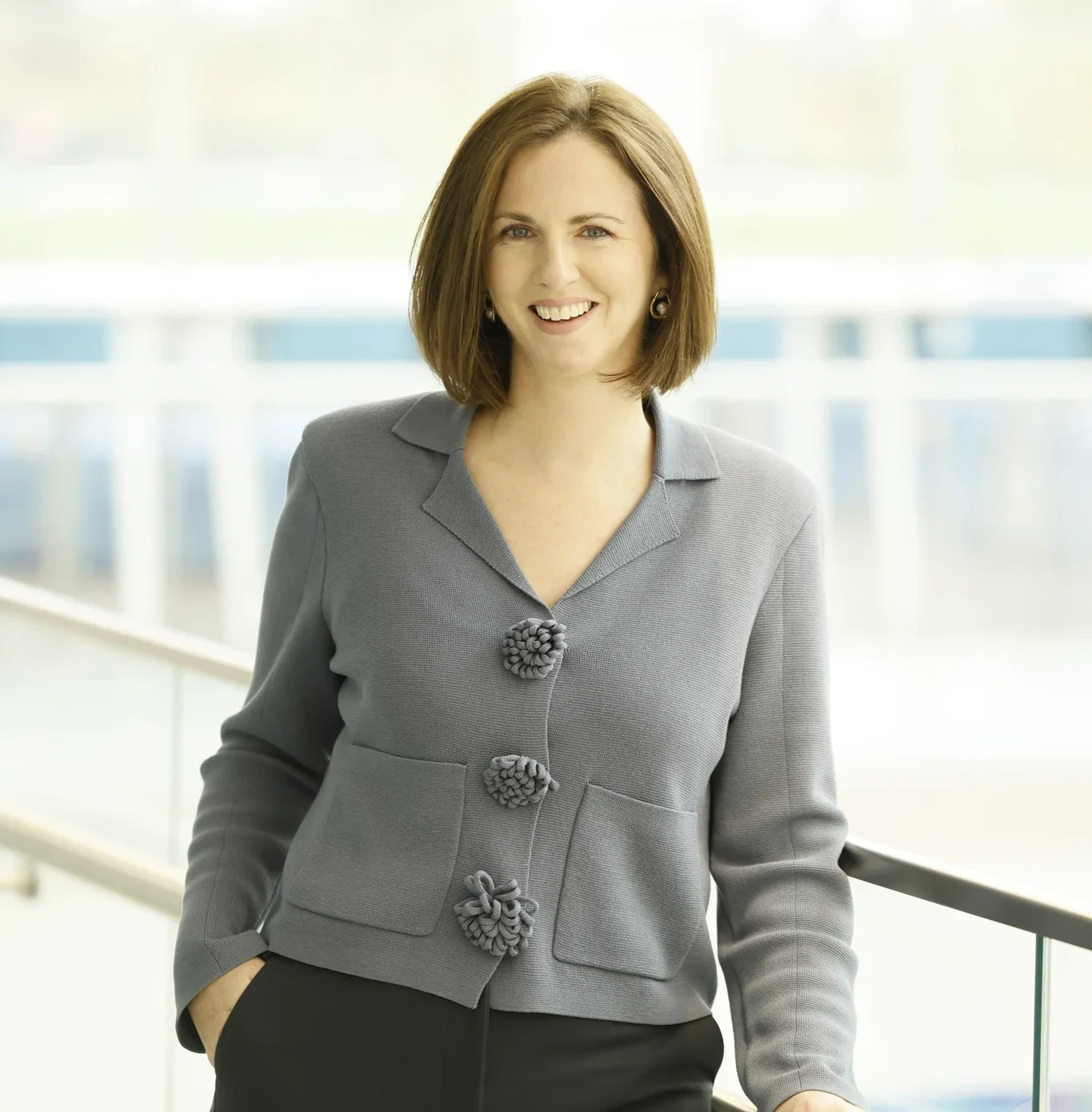
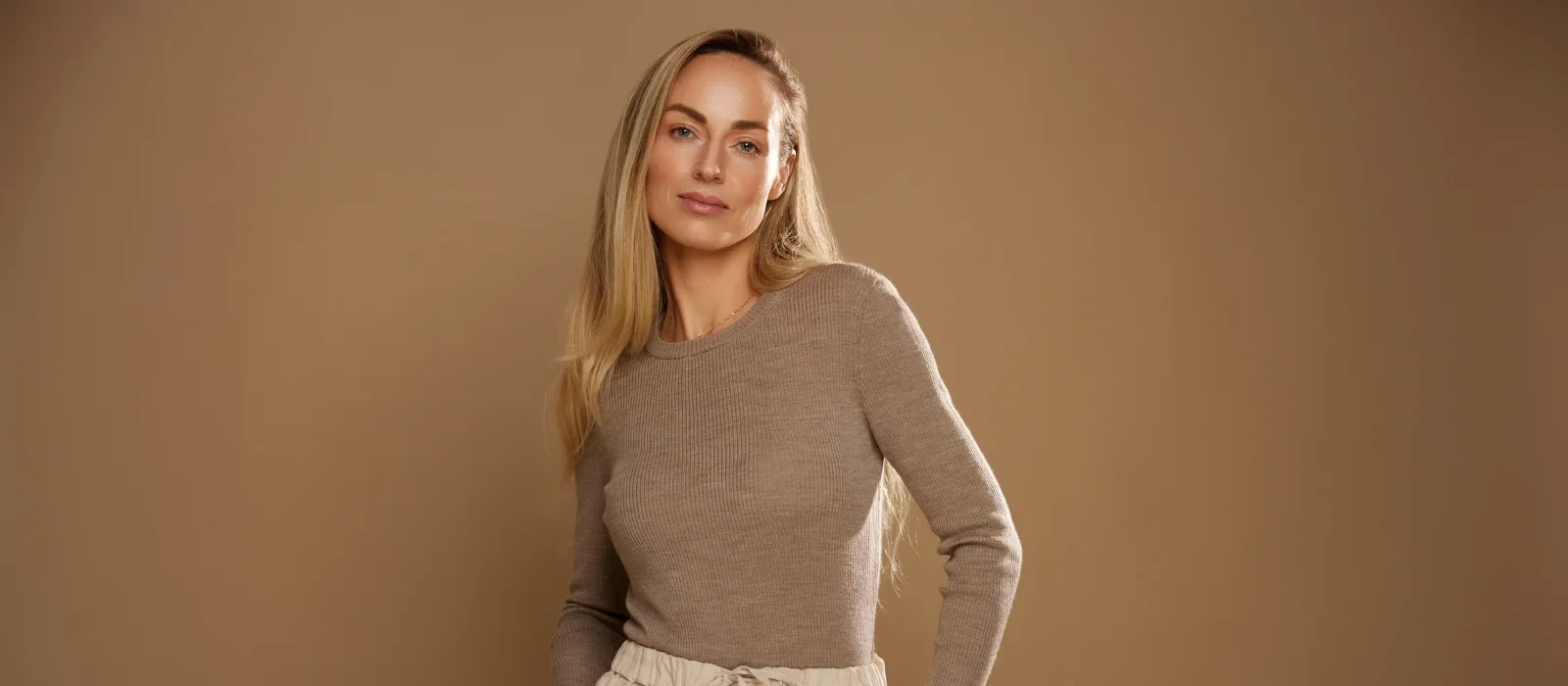
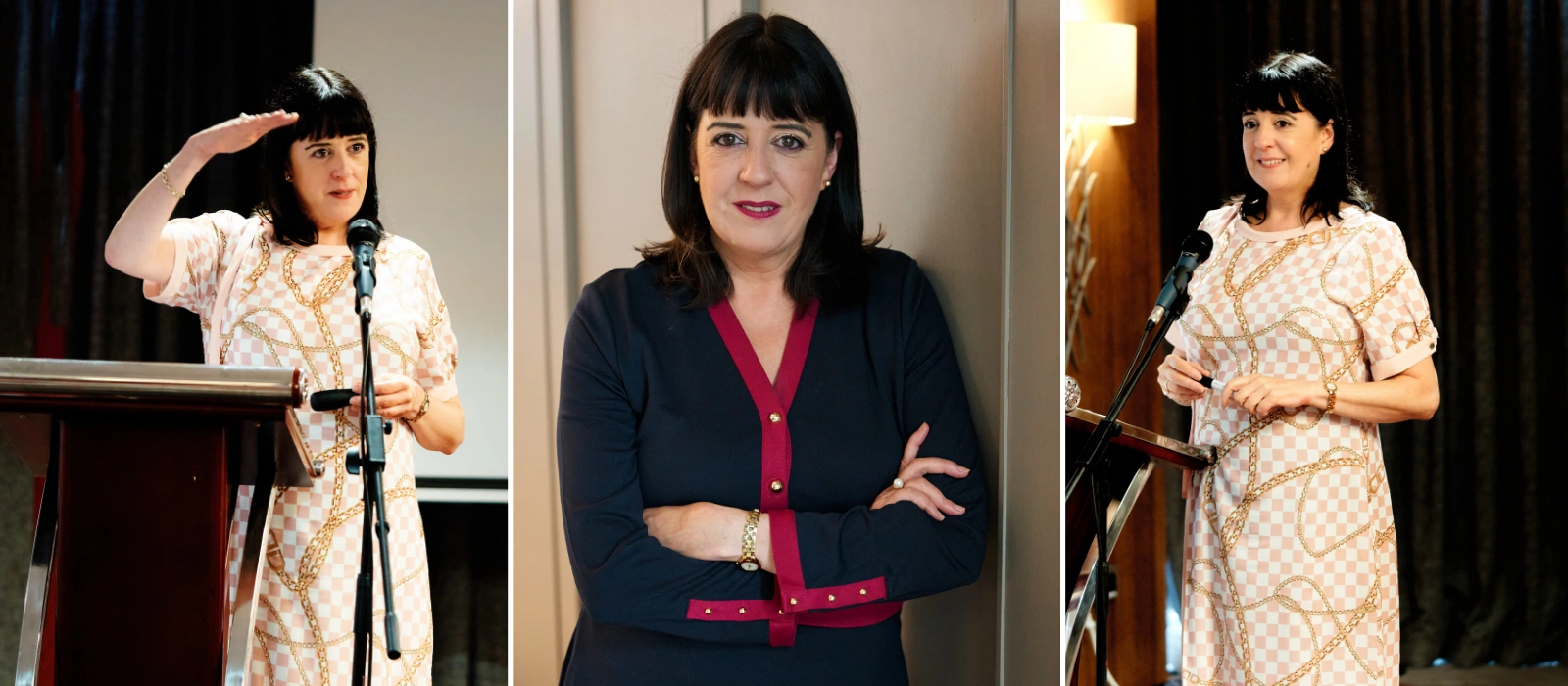
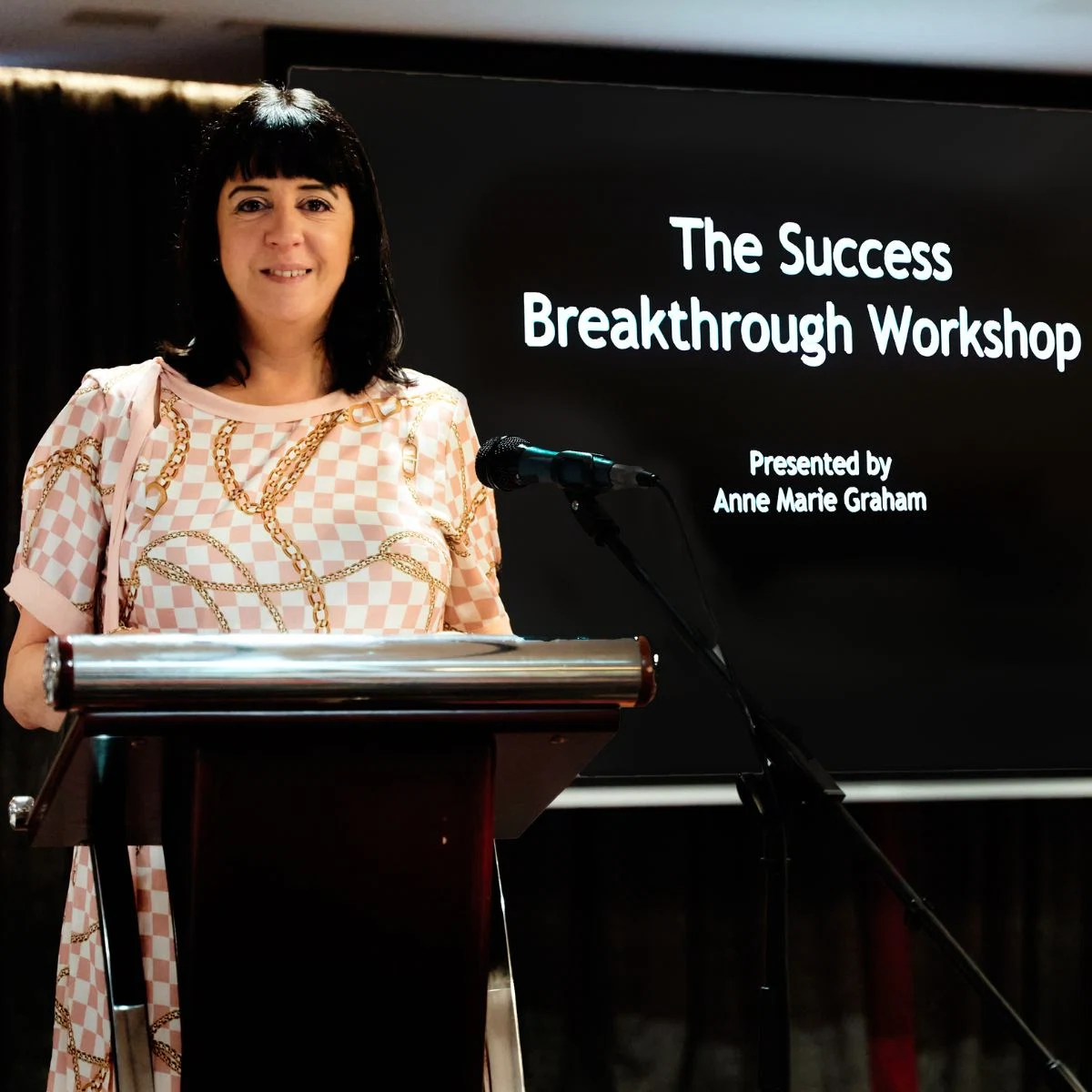
An inspirational leader in her field, Anne Marie Graham is a best-selling author, an experienced business coach, and a skilled motivational speaker. Here, she reflects on her career to date and how prioritising self-value can elevate every element of your life.
Having just celebrated 21 years in business, Anne Marie Graham is an entrepreneur with a strong mindset, relentless determination, and laser focus. Originally trained as a nurse and with a clinical background in neuroscience, Anne Marie pivoted to becoming a businesswoman in 2004 when she set up The Healthforce Group, which she successfully sold on in 2015.
The following year, Anne Marie launched her current coaching and training company, running mindset success strategies to help individuals, groups and companies reach their potential and achieve their personal and professional goals.
Describe your career in three words…
Fulfilment, empowerment, transformation.
What’s one lesson you have learned in business/your career that you wish every woman knew?
My biggest learning in 21 years in business is that my beliefs will create my reality. My perception creates my reality and who I believe I am, how I show up in the world, and my results will be aligned with those beliefs. My results are that all-important mirror.
Do you feel your early training and career set you up for taking the leap and starting your own consulting business, and if so, how?
I believe my nurse training was, without doubt, the best career training and overall life lesson training I could have ever gotten, and it has been more valuable for my business than the business training I have done. I really do believe if you can be a nurse, you can be anything you want. You see the best and the worst of both life and death and above all, you realise how valuable life is and how we should make the best of every day we are here and don’t leave with regrets of what we could have/should have done. That’s something I have seen, having had the privilege of looking after patients at the end of life stage.
My clinical background was in neuroscience, so I have always been fascinated by how the brain works, the mind works and why we do what we do, and that most definitely helped me take the massive leap of faith I did to start my business. To put that in context, I failed business studies in school and maths wasn’t one of my strongest subjects, so I was told I “wasn’t cut out for business.”
Do you believe the Irish educational system adequately supports entrepreneurial spirit and action?
I honestly don’t feel it does. It certainly didn’t in the early ’90s when I was in school. The word entrepreneur wasn’t even used and certainly wasn’t presented as an option for the future. Although the Leaving Cert is still our most important exam at that point, I do think young people in today’s society have a different outlook. A job doesn’t have to be for life. Results in your Leaving Cert don’t have to define you, there are other ways.
The system has definitely improved now in the way there are so many other ways to get into university, apprenticeships and so on, but school doesn’t enable our youth to develop themselves from an emotional perspective, not the way it needs to. It’s too focused on training the conscious mind to learn the data, memorise it and sit an exam that causes us to define who we are based on the three-hour point in time that the exam took place. It doesn’t teach us self-compassion, gratitude, self-care, emotional regulation or acceptance of our flaws.
For me, I also found school hard work. I had to work extremely hard for average enough grades and I subsequently developed a belief early on about being “average”. I was lucky in nursing that I trained the traditional way, so I actually flourished more in an educational method of learning through practical application. I knew then that there was a different way and in my career since. That is largely how I have flourished.
I have been blessed with fabulous coaches and mentors that I have invested in and worked with over the years too and they have been so empowering for me to change beliefs that were not serving me and get to a place of real belief in myself.
What is the most underrated quality essential for leadership in your opinion?
It’s so difficult to pick between empathy and listening! For me, it’s probably the ability to listen, to listen in a non-defensive way to really hear someone rather than just listening to respond, which is more difficult. I guess that kind of listening really requires empathy though!
What defines a resilient leader?
Someone who can show their human side, someone who can show vulnerability but still maintain an ability to steer the ship, even when they feel vulnerable themselves. Having made the mistake of sacrificing self-care in my first business, I now also believe that a leader caring for themselves, so they can care for the people they serve, is also a vital tool for resilience.
What is your advice for anyone building a team?
Firstly, I think it is vital to have had some form of coaching on oneself so you know where your own paradigm shows up, as it can really influence team building, trust, accountability and conflict resolution. I think trust is essential to build an environment where people feel safe to be vulnerable, admit mistakes (which we all make), and most importantly, ask for help.
Trust also allows for “healthy conflict”, where people can offer differing opinions and feel valued enough to be seen and heard. This allows for commitment rather than avoiding issues and our teams can very often present great solutions to challenges. When the team feel seen and heard, they are also much more likely to be committed to the overall good of the business. They will likely commit to decisions, hold each other accountable, and focus on collective results over individual goals and needs.
How best can a leader support and motivate a team?
One way I did this with the first business was to share the company vision with the team and get buy-in from them. It’s critical for the overall success of the business and the mental freedom of the business owner. I think motivation also comes from giving team members a voice. When the goals feel shared and there is a collective voice, it can be very motivating for the team. It also makes it easier to drive accountability within the team.
People are the greatest asset or liability, depending on how much they understand themselves and others, so I also favour the use of psychometric tools. They are data-driven and can reveal so much about where the team are motivated or where they are stagnated.
60-80% of all problems in a company are due to a clash of values, personalities and leadership challenges. The problems stem from the same source: the lack of understanding of why people think and behave differently and many of these tools can help leaders turn those differences into synergy, instead of painful liability.
Is there any life, business or career advice that you were given but (thankfully) ignored?
The first bit of advice was in school at 15 when I was told I “wasn’t cut out for business”! Glad I ignored that one. I was also advised by so many people not to leave the “permanent, pensionable nursing career”. In the early 2000s, I had a vision to start a nurse-led occupational health business having worked in London with Bupa and saw this model work really well. At that time the occupational health space in Ireland was very doctor led, so I had many people tell me that my idea “would never work” and yet within an 11-year period I had started the business, grown it, acquired a competitor and sold it, so I’m glad I ignored that one too!
What’s the most valuable piece of financial advice you ever received?
The first seminar I ever attended of Brian Tracy’s when he visited Dublin in 2005. I was a year in business. He said, “Pay Yourself First”. That was a challenge for me, as new start-ups tend to pump everything back into the business and pay themselves last! It’s the biggest mistake I see business owners make.
Work-life balance. What are your thoughts?
This remains something I have to keep very focused on. I am a recovering perfectionist and workaholic and I only realised how much I had sacrificed self-care in my first business when I had sold it. I prefer to think of work-life balance as balancing work and life. I think it is like a scales, sometimes it will tip too much in one direction but I think the vital thing is that we notice that and correct it so the scales keeps balancing between one side and the other.
What has been your most proud moment in business so far?
I had always wanted to travel to California and train with Jack Canfield on his Success Principles program. His program inspires personal mastery, resilience, and achievement through transformational growth, and they were the key things I had to develop when I went into business (against the odds!). When he was in Dublin in 2006, I told him I am going to treat myself to that when I sell the business, having no idea how I would make that happen. I went out to do the training in 2016 and he gave me a lovely signed copy of his book. That was a real moment of self-realisation for me which I was so proud of.
Having a five-year plan – yes or no?
Overall, I’m a yes. I think the main thing is that you have a big vision for what it is you want your business/career to be. What is it that you really, really want? It’s the vision that keeps you going. I grew my business through the last recession, so the five-year plan needed to be pivoted and rejigged, but the vision didn’t change.
I think five-year plans can be used a guide to engineer the key steps/milestones you need to achieve, but I have to say that in the last five years no one could have predicted all of the life events that have happened worldwide so I would say, have a guide but detach from the timeframe being an ultimate deadline. It’s the vision that’s important.
What’s your go-to quotation for inspiration?
Jack Canfield always says, “You get what you focus on, so focus on what you want.” I paraphrase this with clients to tell them we find what we focus on so it’s really important we watch where our focus goes.
If you knew then what you know now, would you do anything differently?
I would have worked on my self-value so much sooner when I became an entrepreneur, as our net worth and our self-worth will always go hand in hand. I say it to all of my female clients in particular: your self-value and your business value are a reflection of each other. I have always been interested in self-development and neuroscience and studied it from when I qualified as a nurse and went into neuroscience clinically, but it wasn’t until I was coached in the principles of self-value/beliefs/paradigm shift that I really embodied it and results started to elevate.
Also Read