


Zoe Ardiff
A Star is Born: Caólum McCabe makes his debut in Dublin
Fashion month might be coming to an end but Caólum McCabe has the last word. As the Newry-based designer prepares to unveil his debut collection in Dublin, he is hoping to make his mark on the local fashion scene. This weekend, he will present his first collection in a dilapidated Georgian mansion on Henrietta Street.
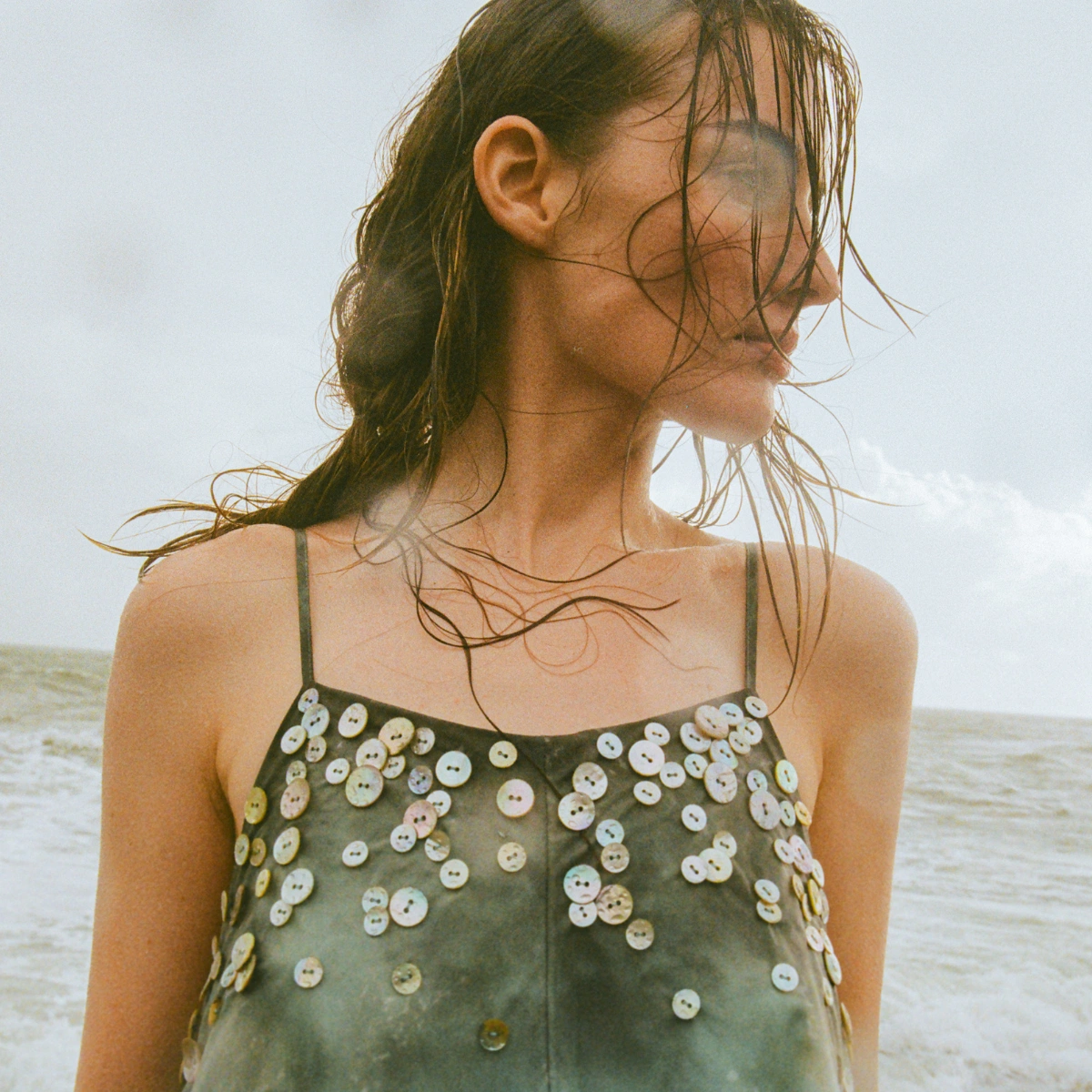
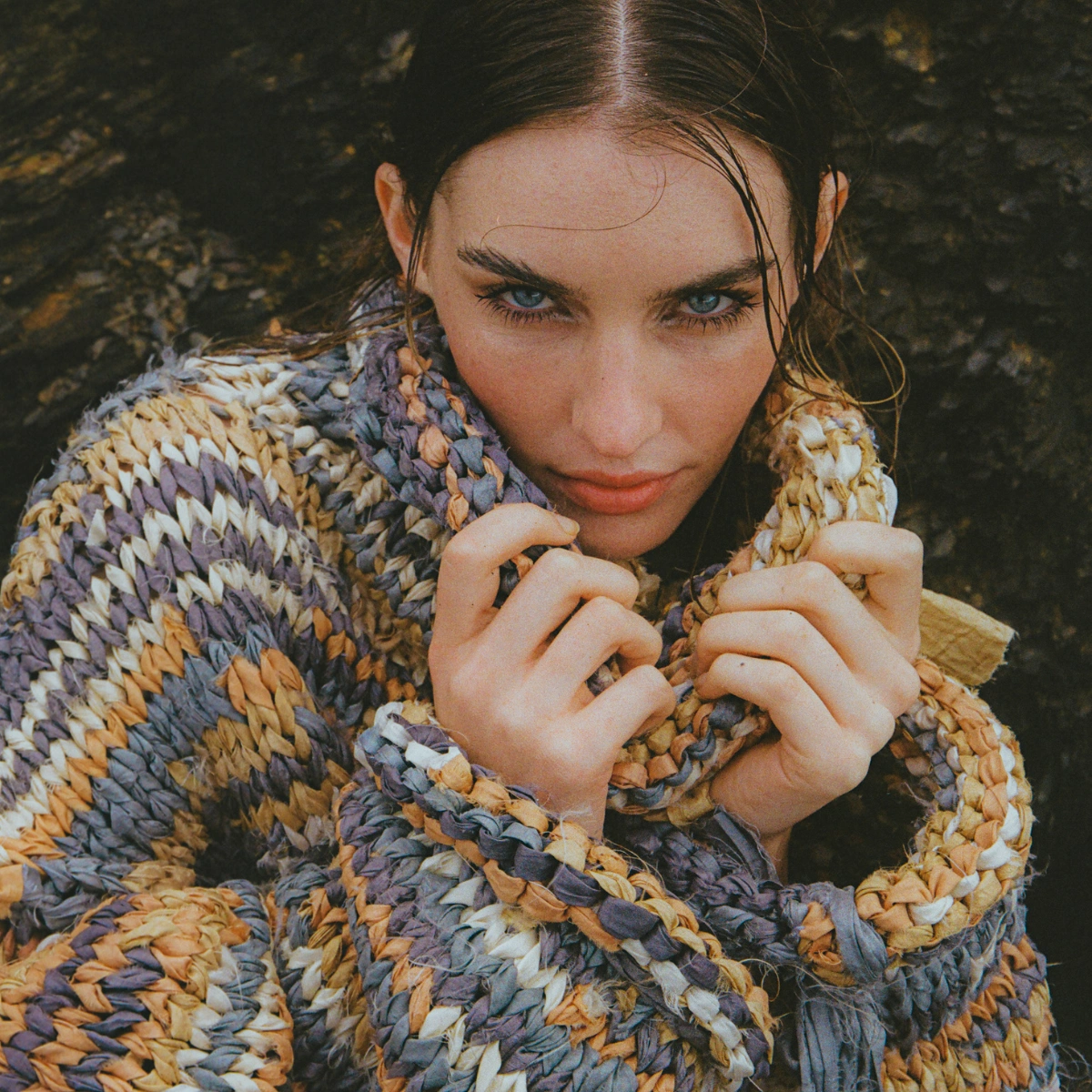
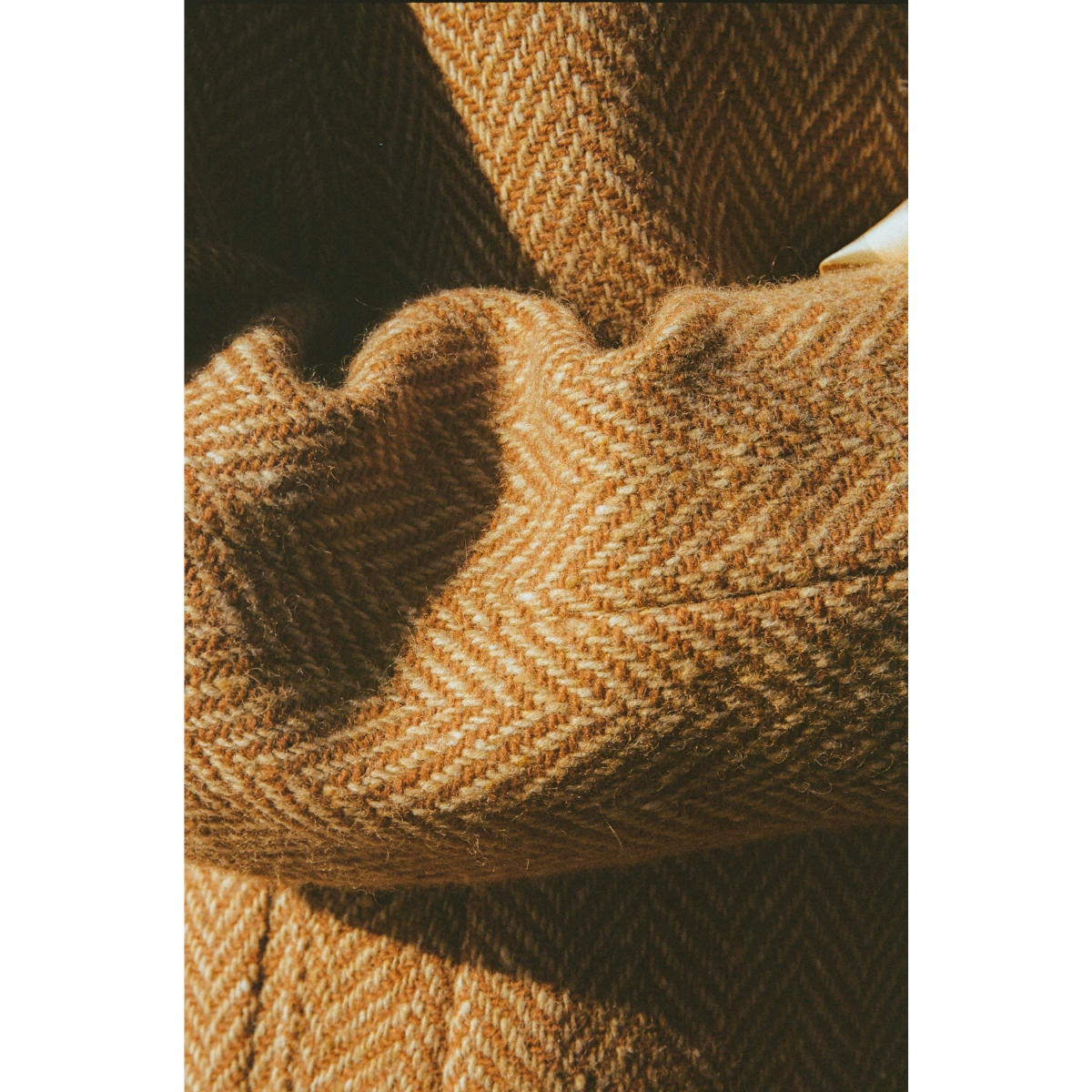
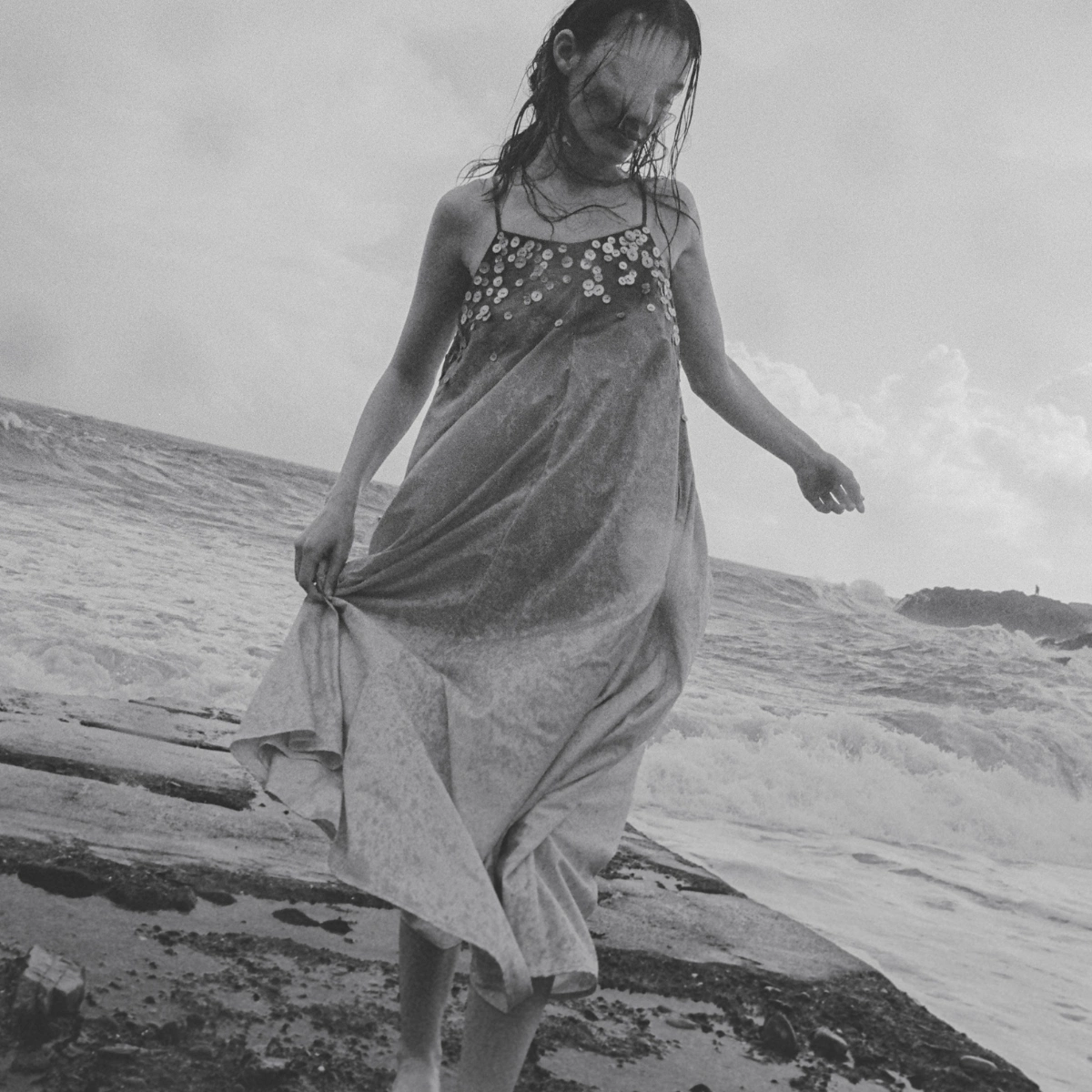
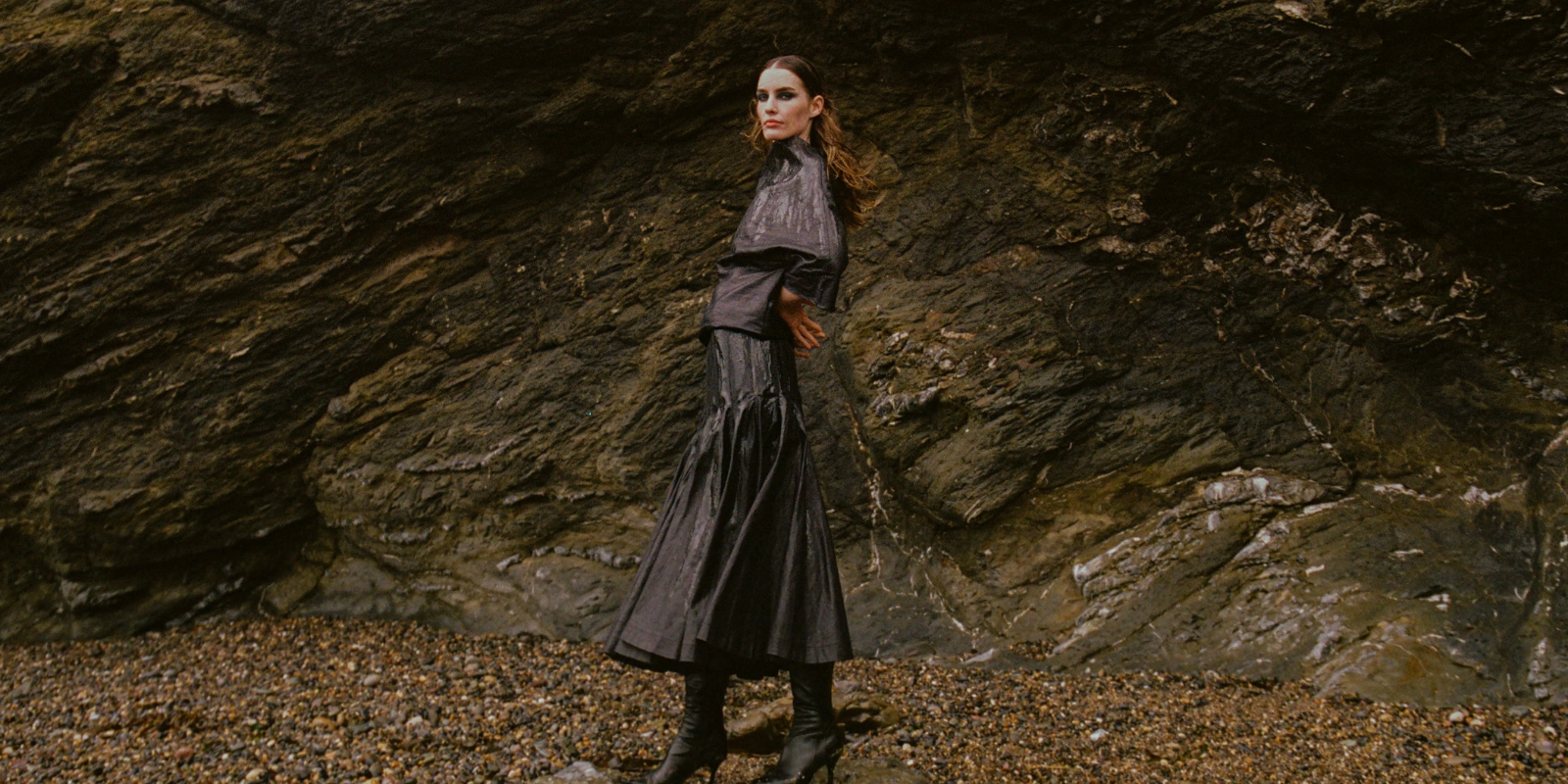
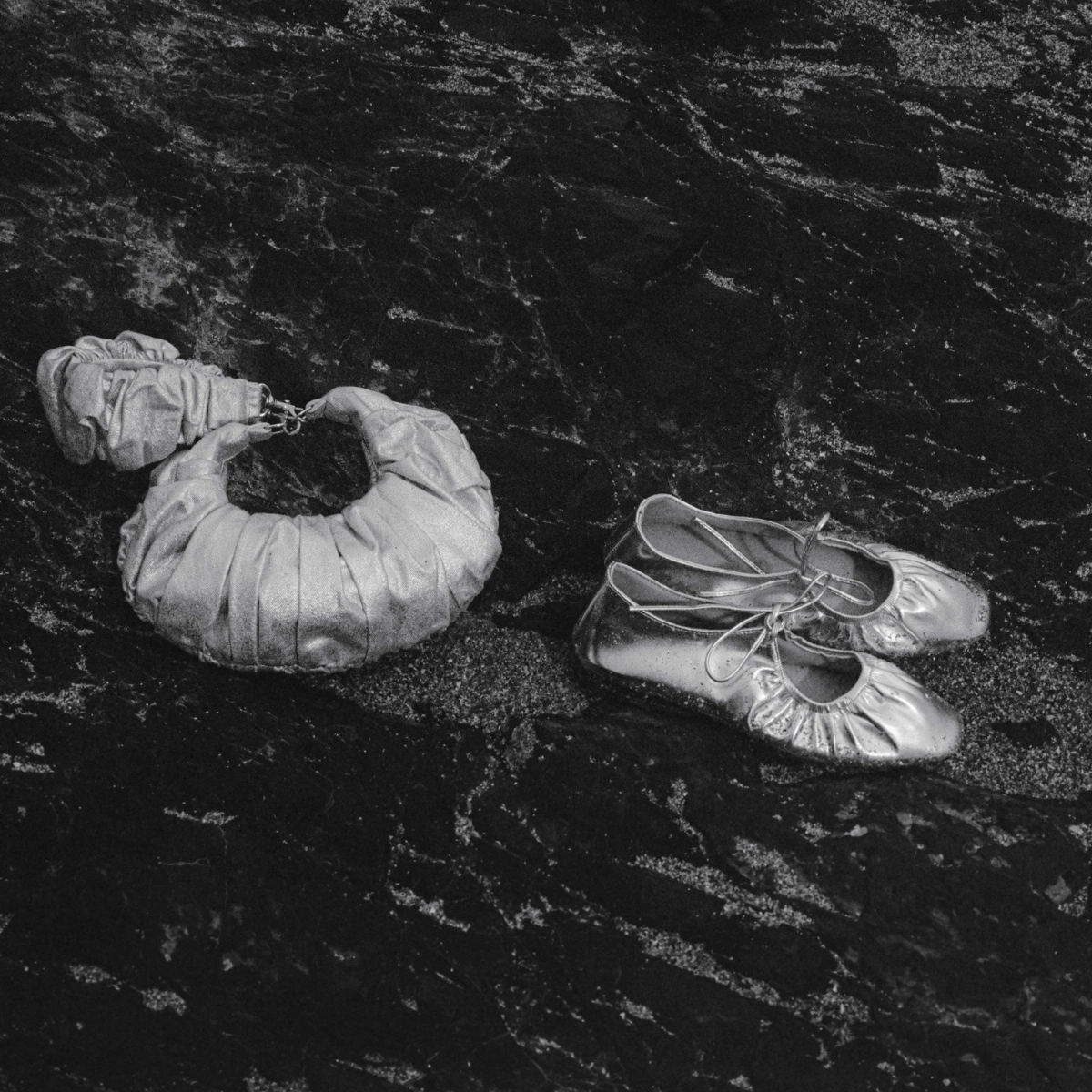
Entitled ‘Persona,’ the 27-year-old was inspired by Ingmar Bergman’s 1966 film Persona, and a personal tale of introspection following his return to Ireland after living and working in London. McCabe channeled his elusive inspiration into an emotive 16 looks: a tweed coat embroidered with pearlescent buttons pays tribute to the Irish landscape and craftsmanship; a hand-dyed cotton poplin slip dress with a metallic sheen, adorned with mother-of-pearl buttons, and silk yarn knitwear evokes a sleepy seaside town where he lives. The collection will be available through private orders with a small e-commerce offering to follow in January.
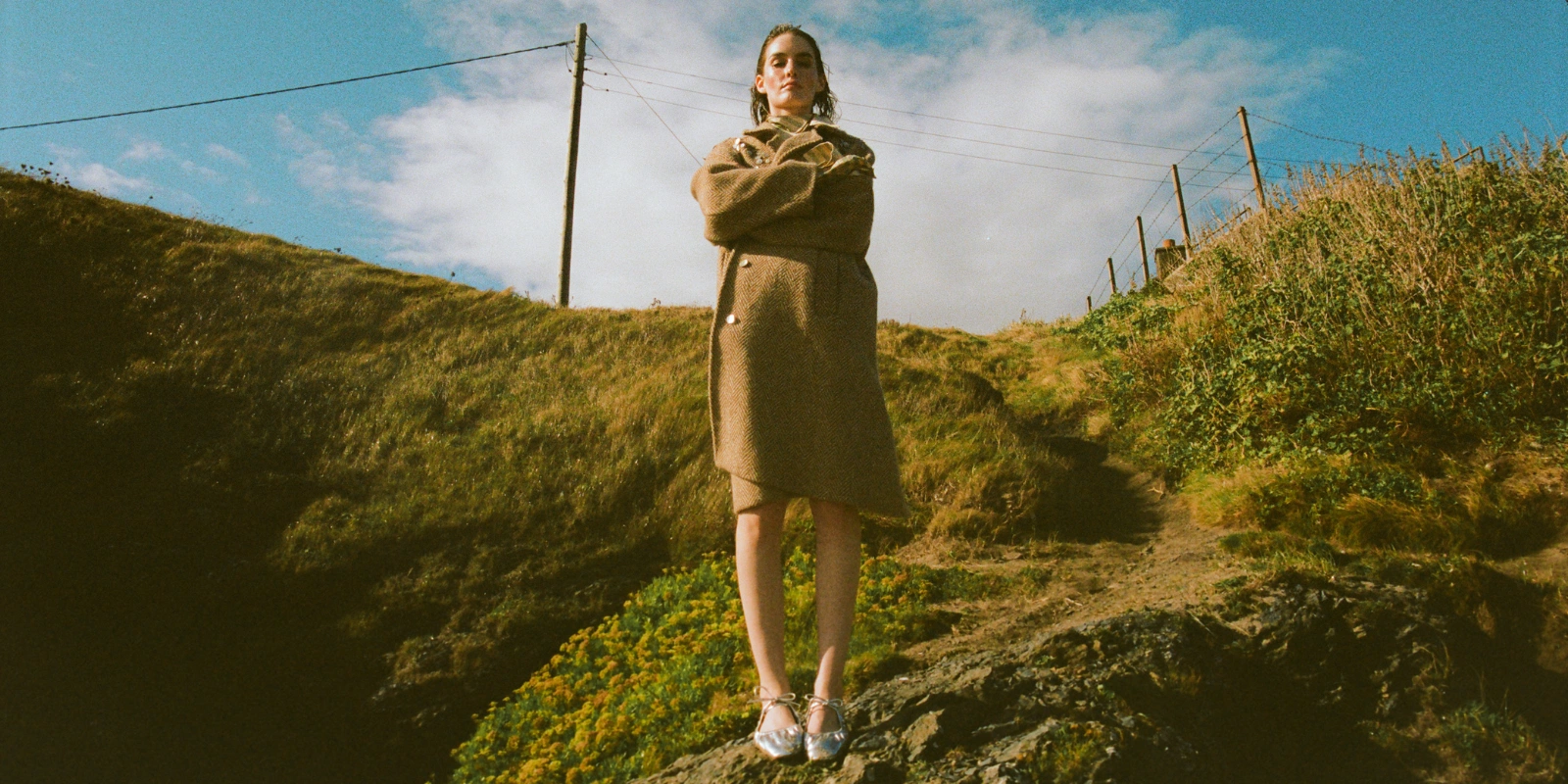
McCabe’s moment is finally here. When he felt his career was flatlining in London, he returned to Ireland, where he picked up a job in a hospital in Newry. In 2024, he received crucial funding from the Arts Council of Northern Ireland and the National Lottery. In tandem with this support, McCabe was funnelling the money he was making from his full-time job into buying better fabrics and producing samples with deadstock fabrics from local mills. Over the last year, the collection started to come together. When he reveals it, he is proudly putting Made in Ireland on the map.
“When people think of Irish fashion, they automatically think of an Aran sweater,” said McCabe, on video call before the show. “I want to show that it can be serious, modern and fashion-forward.”
What was the starting point for the collection?
I had started to give up on fashion. I was working six days a week in London as an intern, the money eventually ran out and I had to return home because I lived pretty much off savings. I started having serious conversations about where I should go from there. How am I supposed to make a viable career in fashion? Because that’s obviously what I wanted. Fortunately, I have very supportive parents who said, ‘You’re working for all these designers, making their clothes, why don’t you do it for yourself?’ At that point, it was the only thing I hadn’t tried. That kick-started the whole process.
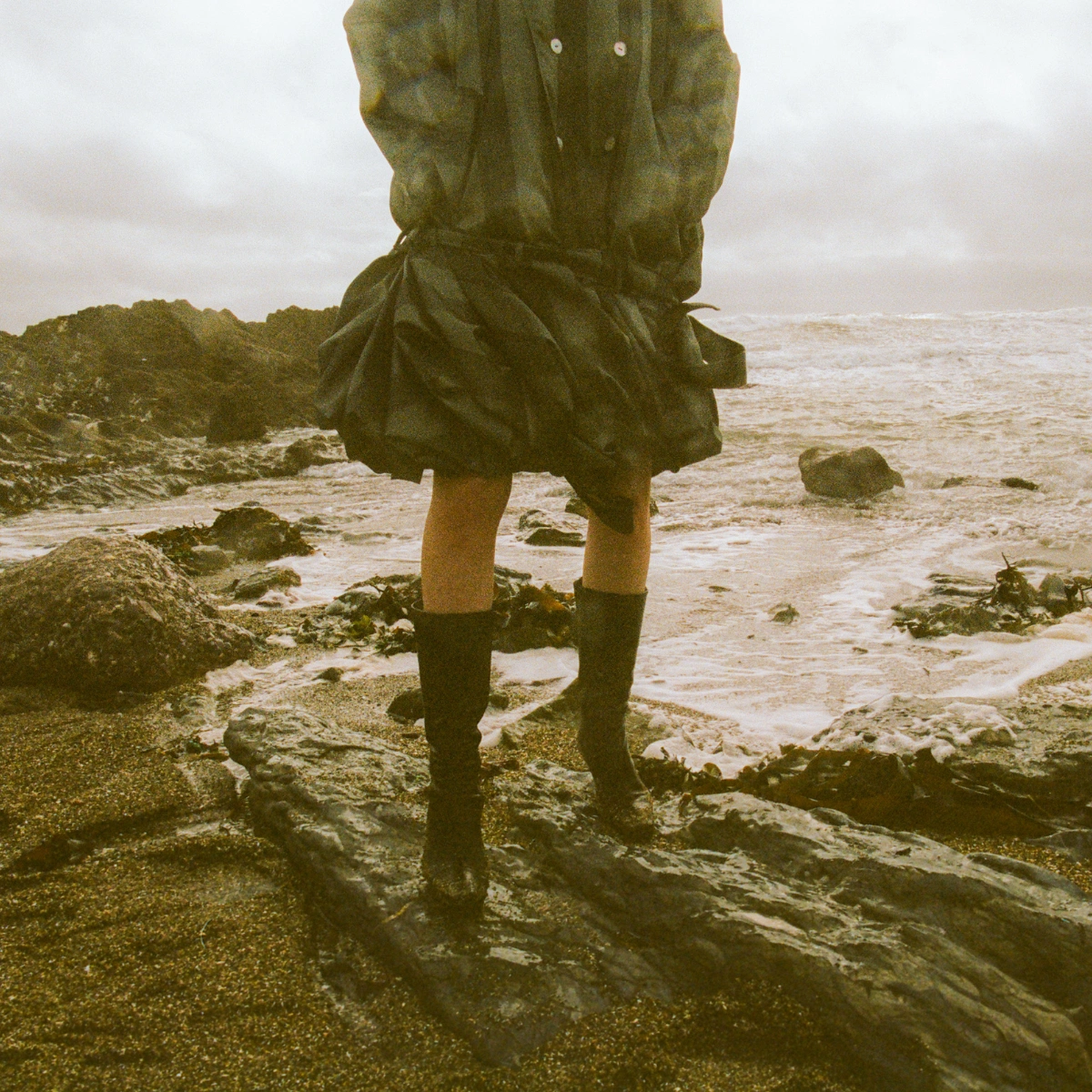
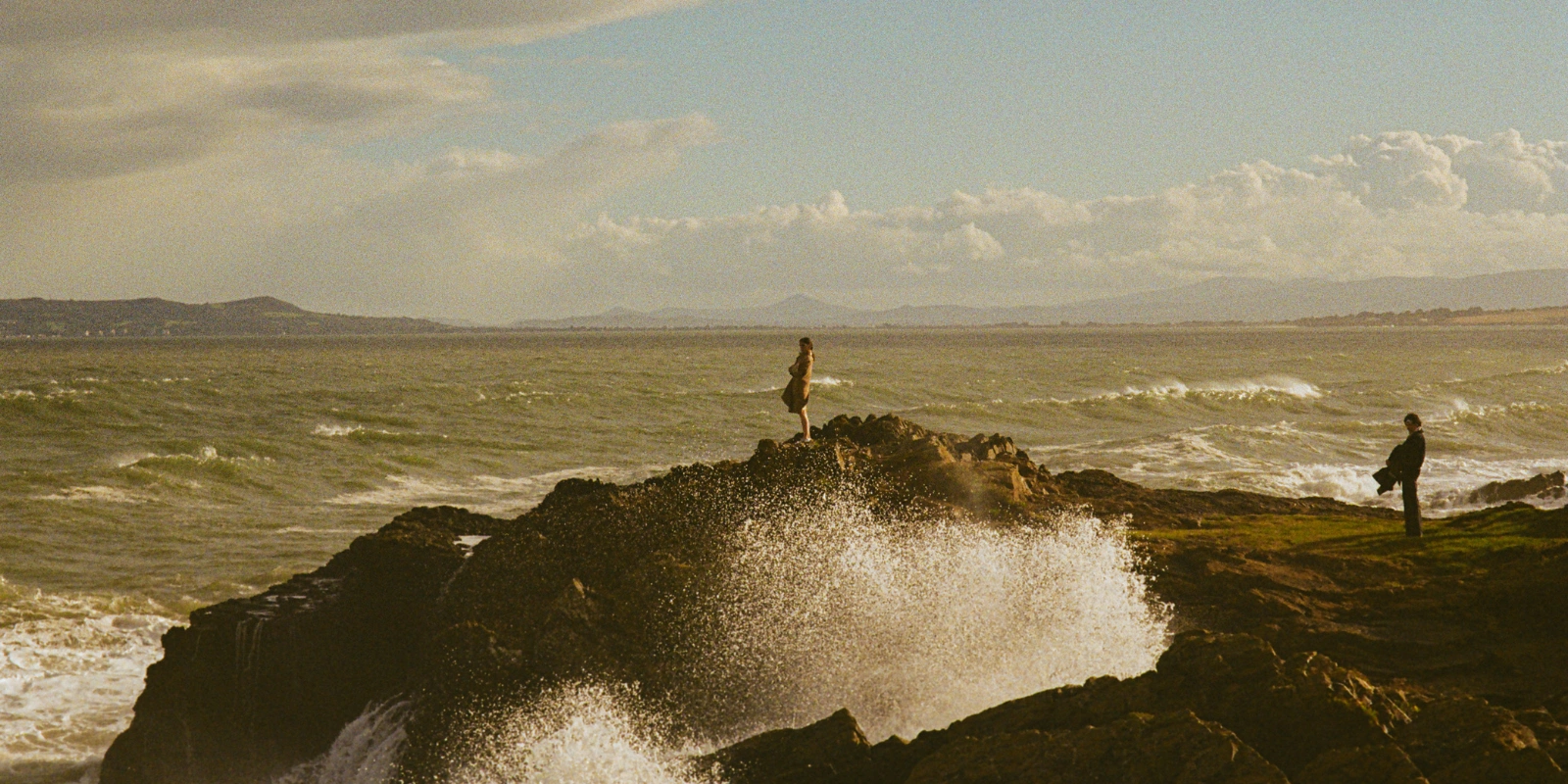
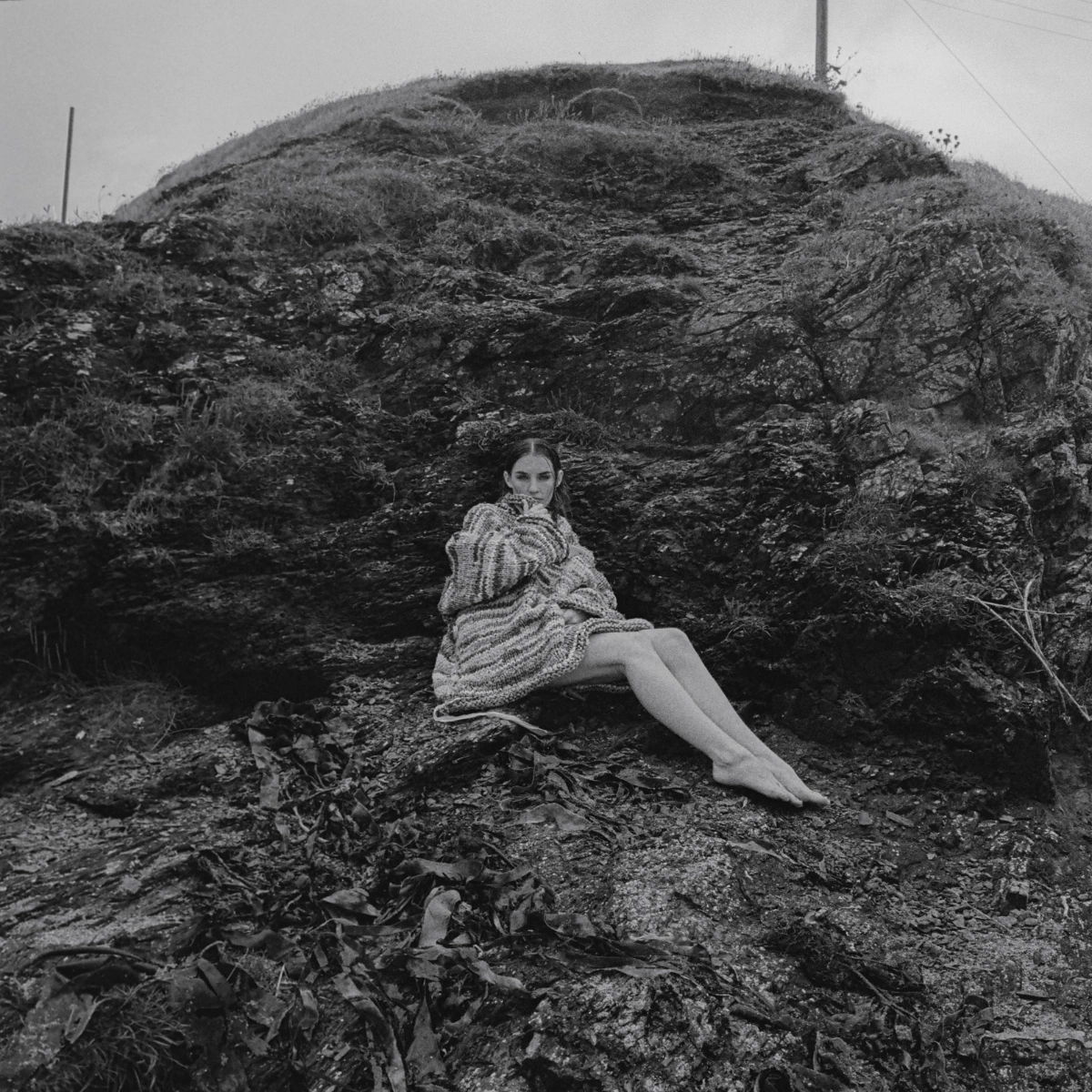
At that time, I spent time with my own melancholy and sadness, which fostered introspection and reflection. I live in a small, quiet border town, which is right on the border between Northern Ireland and the Republic of Ireland. I found myself escaping to a shrine near my house by the water’s edge. I started thinking about the sound of the waves, grey skies, miserable, damp landscapes, which started to build a palette of sandy tweeds adorned with pearlescent buttons, shredded seaweed knits and dark, twisted silhouettes that control around the body. I was also looking at Ingmar Bergman’s Persona, where the female protagonists escape to a cottage by the sea. A lot of my design process comes from a feeling that carries me through.
What is your goal for the first collection?
This is introducing the brand and setting the tone so that people can get a sense for what it’s about and recognise my identity. I don’t want to overwhelm myself too much. The danger with luxury fashion is that you immediately want to put all the pieces into as many stores and boutiques as possible. Consumers are savvy and smart about how their clothes are made and where their clothes are coming from. You need to strip it back and go back to that time of luxury fashion, where it isn’t about abundance or availability of certain pieces. It speaks to a different kind of luxury fashion where there’s only a set amount of things made. For now, we’ll be doing a made-to-order model and one show a year.
How did you pick the venue?
I can’t stand a fashion show that is shown in a white room with the girls walking up and down the runway. You want a sense of the story. Story is really important to me because it’s what people are latching on to. It’s that kind of fashion magic that has been missing in the last couple of years. It’s why there was so much frenzy around Galliano’s [spring/summer 2024 haute couture collection for] Margiela. There was a story, atmosphere and at the end of it all, you have beautiful clothes that you can wear. I hope I’ve achieved that.
I started thinking about the sound of the waves, grey skies, miserable, damp landscapes, which started to build a palette of sandy tweeds adorned with pearlescent buttons, shredded seaweed knits and dark, twisted silhouettes that control around the body.
How important was returning to Ireland in the making of the collection?
There’s a high turnover on the London scene and the deliverables for stores are out of reach for emerging designers, especially in terms of finances because you’re trying to keep yourself afloat while trying to make production and everything else. It didn’t seem feasible for me. I’m just one person working on this. But I have people who are rallying around me, supporting me like freelance creatives.
Do you think the Irish fashion industry can compete on a global scale?
It’s going to take a while to build up [the Irish fashion industry] but in the last three years, there have been more young Irish designers who are fed up with the idea that you have to relocate for work, or to be seen or taken seriously. We’re starting to draw more attention to ourselves and more and more people want to come here to see our shows. There are so many Irish creatives that have been working away; we’re all standing up now and it’s pretty great.
Photography by Zoe Ardiff and courtesy of Caólum McCabe.
Also Read