



‘Women have always been part of agriculture but they weren’t always visible’ – Katie Gleeson on life as a female farmer
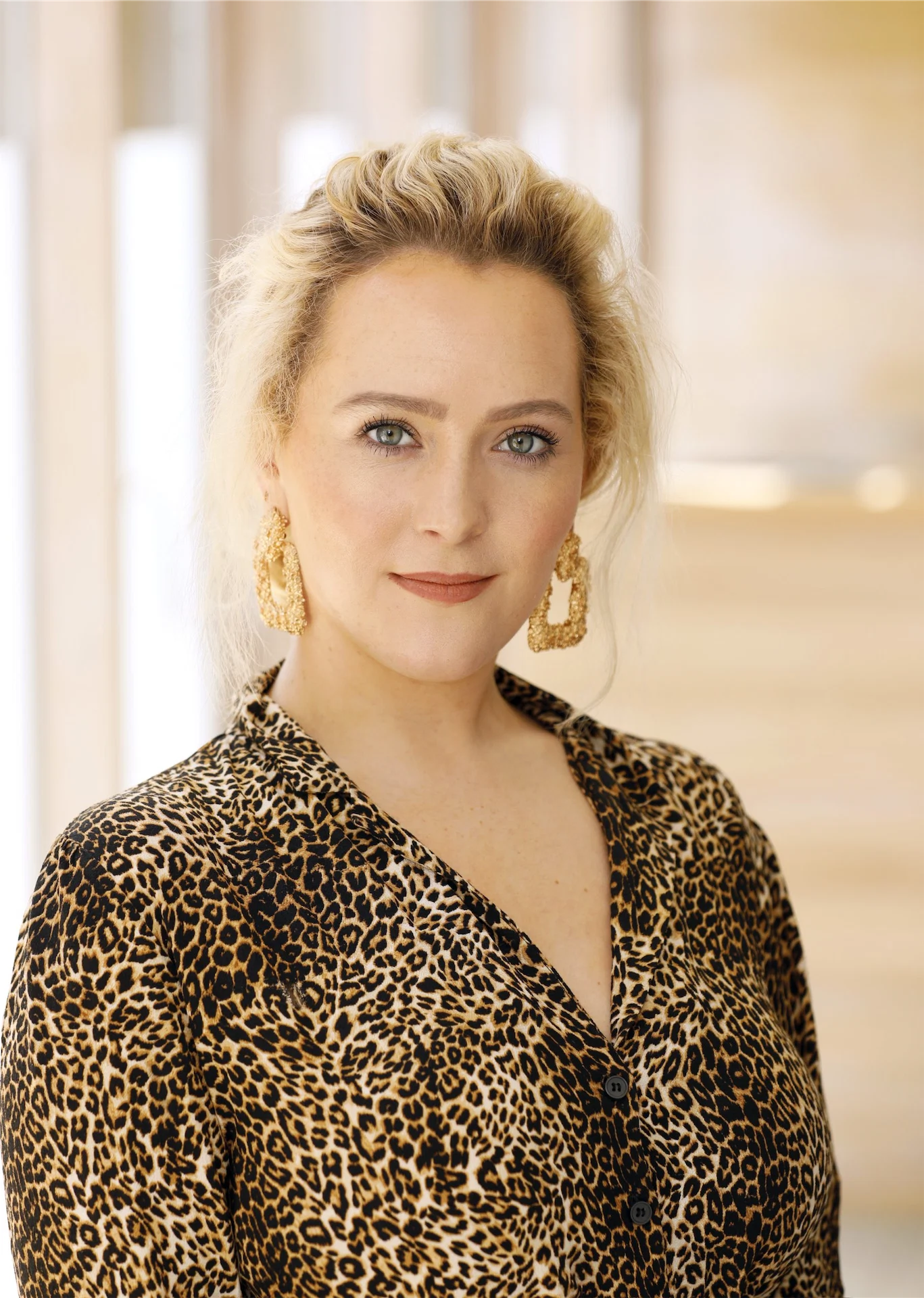
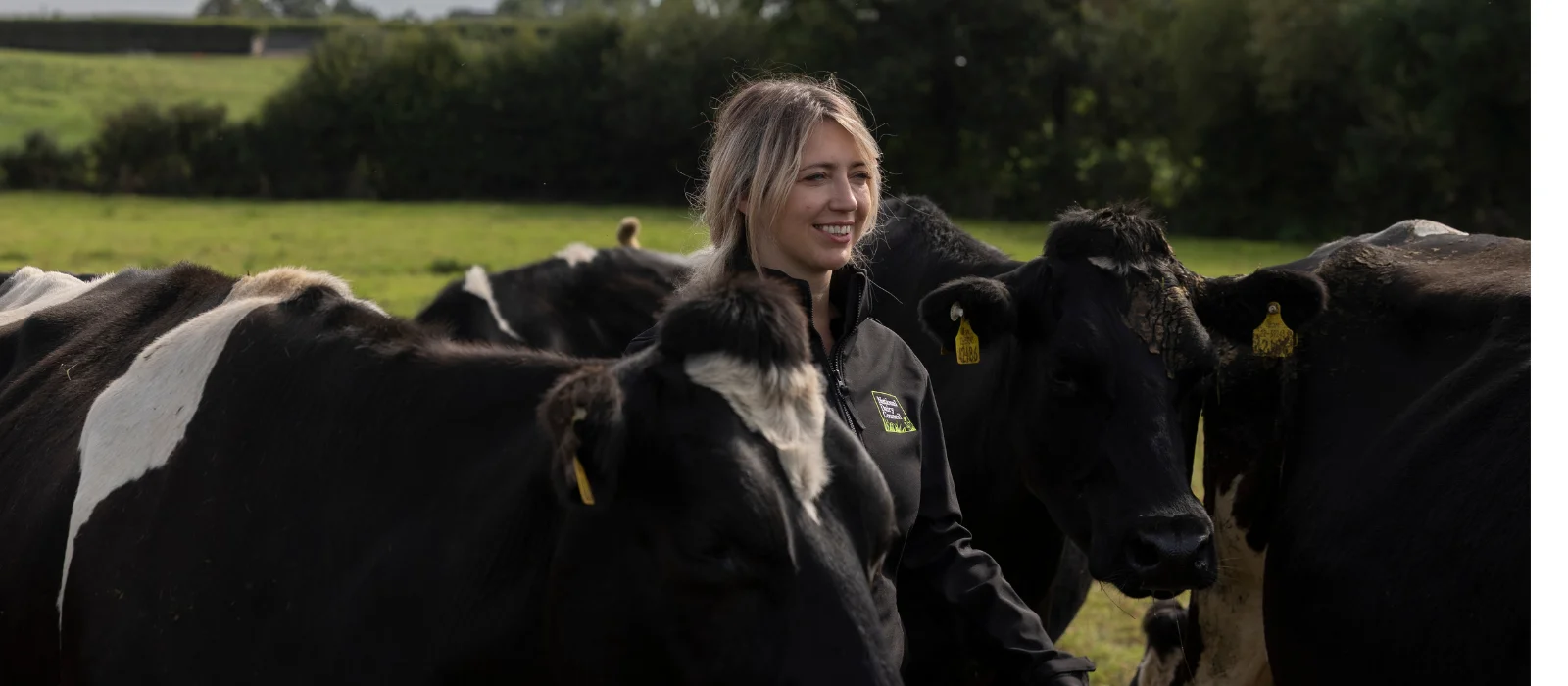
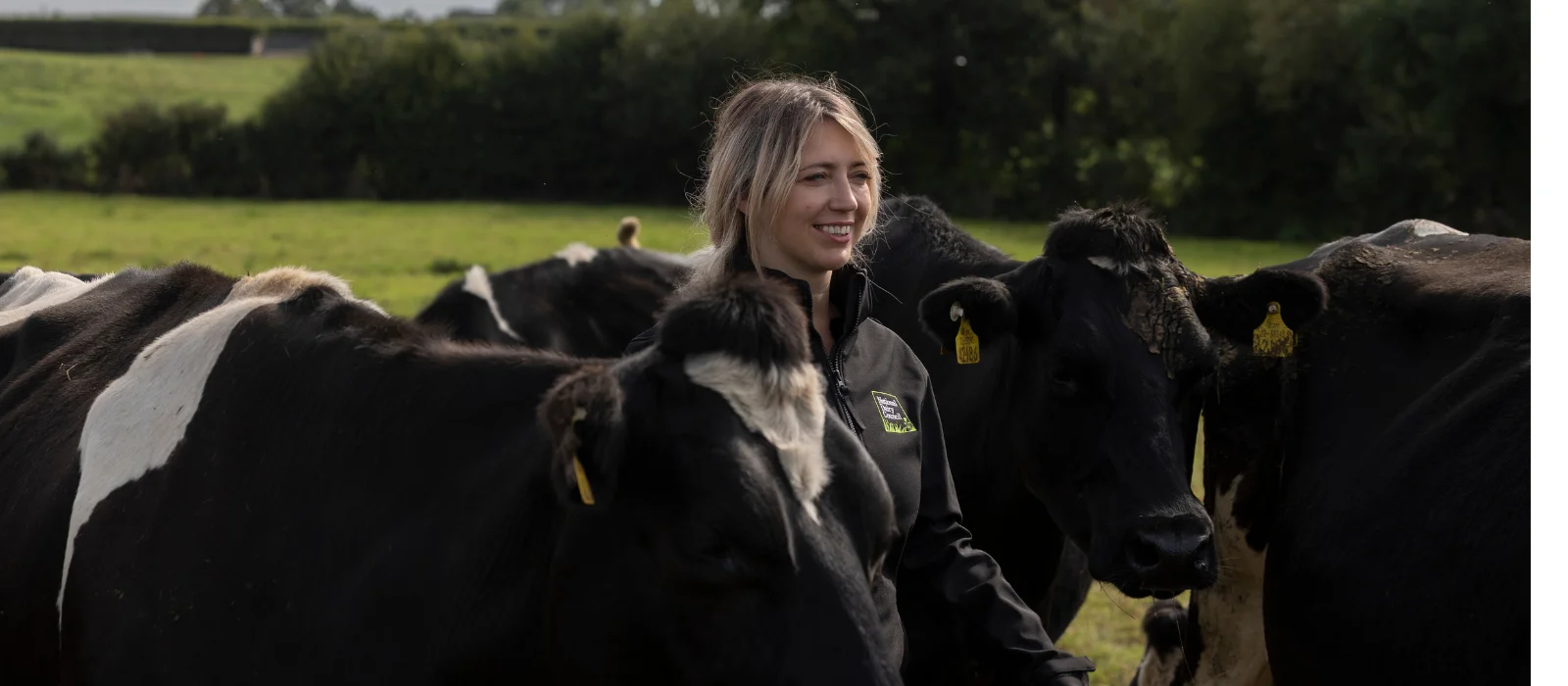
Farming was never part of Katie Gleeson’s original plan when she started out as a hairdresser. But love had other ideas, and soon she found herself blocking gaps and milking cows. Now stepping into her new role as a National Dairy Council Farmer Ambassador, Katie speaks to us about farm life, its challenges, and the realities of balancing career and family when your work is your home.
According to Katie Gleeson, a farm fairytale is written in one of three ways.
The first is that you are born into a farming family, the second is that you get a job on a farm, and the third is by marrying a farmer. For the former townie, it was the latter that brought her to the rural heartland of Clonmore, Co. Tipperary.
“Through love, I found my love of farming,” she says.
A hairdresser for 15 years, farming had never made it on her list of possible career pivots. Still, as she said, romance led her on a path of discovery alongside her husband Phil on his sixth-generation family farm.
“I suppose it really began around 2017,” she recalls. “At that time, my husband and I were both working off the farm. He is in permanent succession, so when his dad was transferred, we moved into the house here on the farm. I was working as a hairdresser then, and between 2014 and 2017 we had three children, so I decided to become a full-time stay-at-home parent.”
“I’ve always been quite an industrious person. I’ve worked since I was 15 and usually had a couple of jobs on the go. Once I stopped hairdressing full-time, I began wandering over to the farmyard, just seeing what was happening. One day you’re blocking a gap, the next you’re helping with something else, and before you know it, you’re properly involved.”
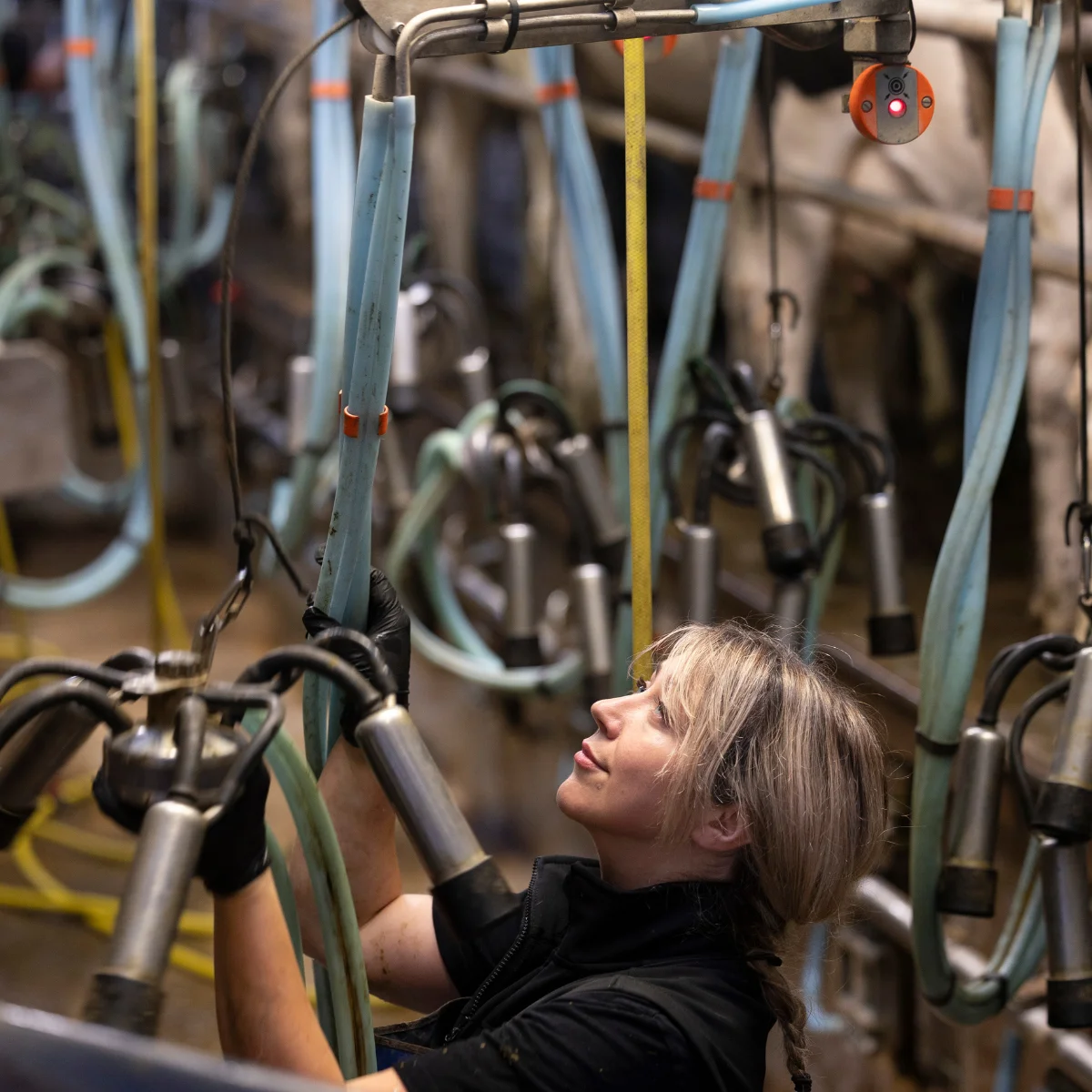
Now a full-time farmer, Katie and Phil are currently milking 100 cows and also keep dairy beef stores. It’s a busy and demanding job, especially when juggling parenthood, but Katie says she thrives in it.
“What I really love about the farm is the variety,” she explains. “There’s so much to it, and I’ve always loved the land. Being able to get up in the morning, work outdoors, work with animals, and move in rhythm with the seasons and nature felt very natural to me.”
“It was completely different from hairdressing, where everything is tightly scheduled around appointments. Farming follows an annual cycle, and in a way, it’s a bit like parenting; you work with the rhythm rather than trying to control it. I really enjoy that.”
“I also love working alongside my husband. I know that might sound clichéd, but we work very well together, and it gave us the chance to actually spend time together. Farming is a family-run operation here. It’s just his us, and his parents, seven days a week, so time away can be hard to come by. Working together every day just made sense, and it feels right.”
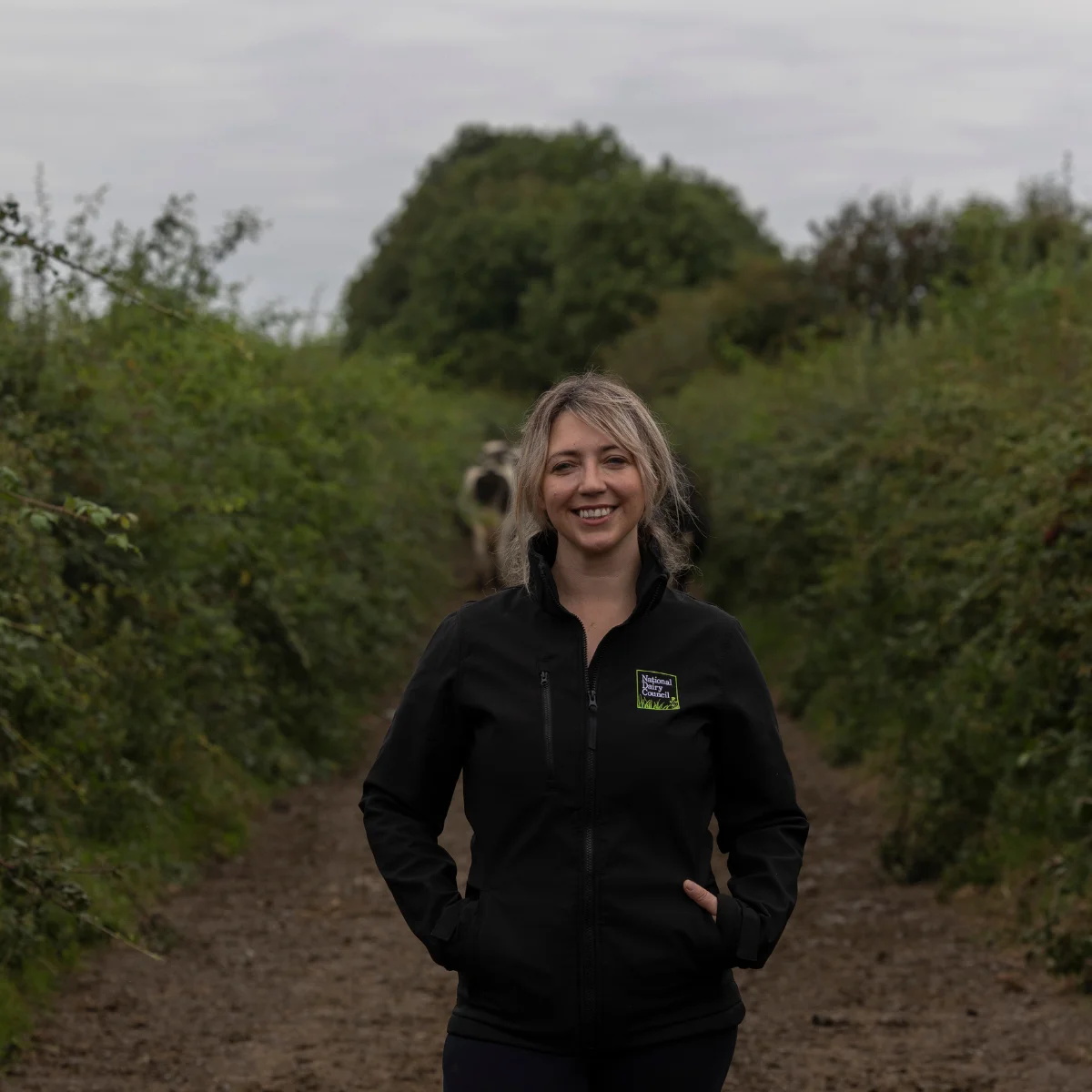
With the intensity of such a role, maintaining a healthy work–life balance can be challenging; however, planning and guidance from her mother-in-law have helped her navigate these demands successfully.
“Mary, my mother-in-law, has been such a guide to me,” she says. “She was an amazing mother. She had six children on the farm. She showed me the ropes and how to maintain that balance and keep on top of everything. You also have to think of life in seasons. In springtime, you accept that we can’t go anywhere because of calving season. But then, at other points of the year, things are much quieter. Early January is a great time to take a family holiday. We also try to get a short break in during the summer, usually between the first-cut and second-cut of silage. You have to take the opportunities as they arise. I don’t mind the work, though. I am, in that sense, a workaholic.”
Despite her already demanding schedule, Katie has returned to college and is studying for a degree in Agricultural Science and Sustainability. She says the experience is reshaping not only how she views the farm, but also how she approaches her work.
“When it first started, I was looking for a more formal agricultural education, but I wanted something broader than just a green cert,” she explains. “I’ve always been very interested in sustainability, how we can improve our carbon footprint as farmers and manage the landscape better.”
“It has absolutely changed the way I look at the farm and even the countryside as a whole. Before, I was good at doing the day-to-day tasks, but now I have a much deeper understanding of why we’re doing them. The course has really empowered me to have more input on the farm, especially when it comes to decisions around breeding, land management, soil sampling and reseeding.”
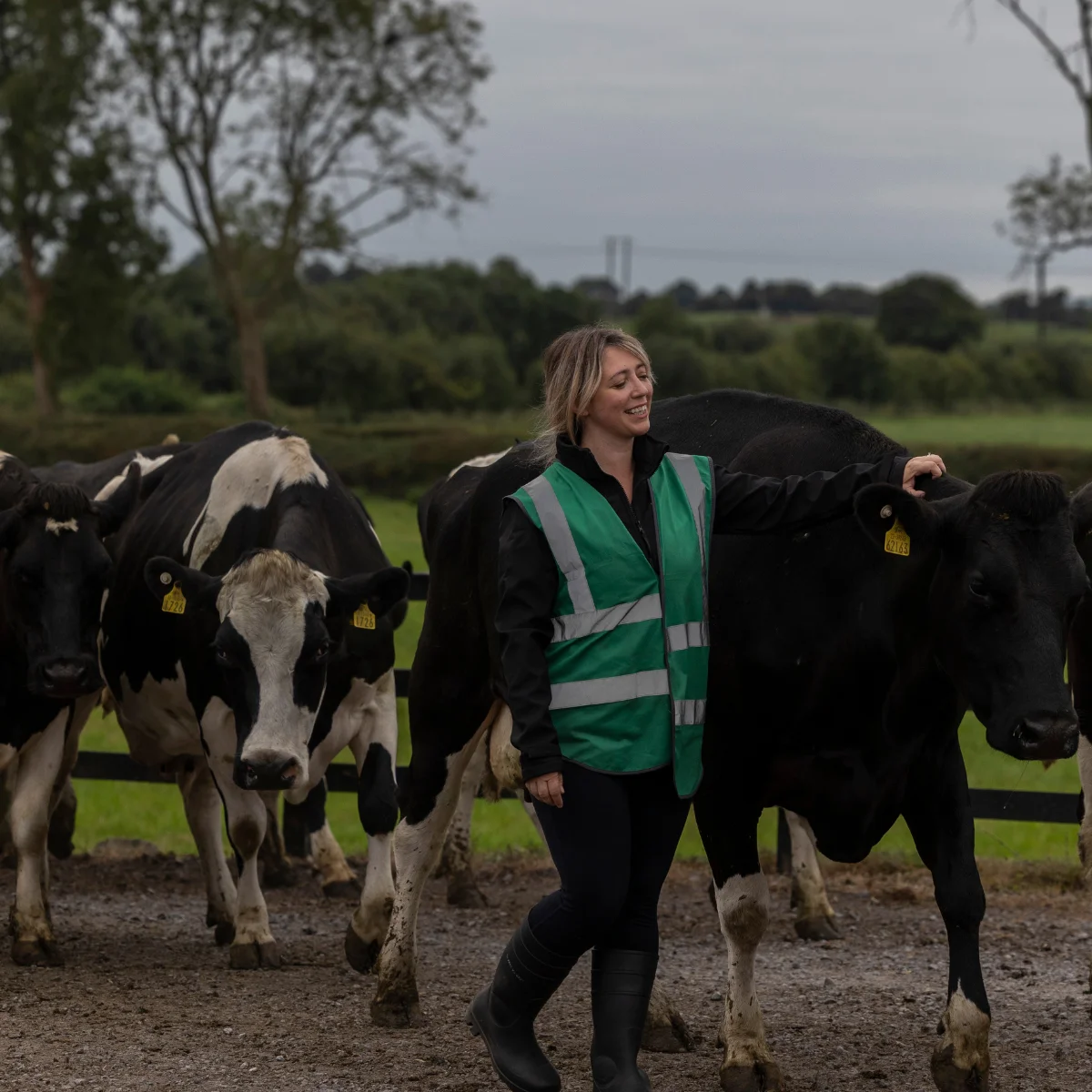
While she adores her job, Katie notes that, like all industries, farming isn’t without its challenges.
“As a family-run farm with minimal staff, our biggest challenge is time,” she says. “It’s finding enough of it to balance the farm and family life, and still do the things we’d like to do. Like all dairy farmers, we’re also price takers, so milk price is always a concern. It’s been strong over the past couple of years and may dip again, but we tend to look at it in five-year cycles – it rises, it falls, and it averages out.”
“Weather is another major challenge and something that really sets farming apart from other businesses. Too much rain or a drought can have a huge impact on grass growth and overall performance, and that’s completely out of our control.”
Over the past number of years, it feels as though more women are coming to the fore in the agricultural sector. Katie runs a popular Instagram account, @katieinthecountry, where she shares the realities of farming life with over 30,000 followers. While social media has changed perceptions of female farmers, she notes that hardworking women have always been there.
“Women have always been part of agriculture, but historically, they weren’t always as visible or clearly defined,” she notes. “Many women come into farming through different pathways than men; some marry into farms, others work as farm labourers, or come from professional backgrounds like science or agribusiness. That diversity has sometimes been a challenge, but it’s also a strength.”
“In the dairy sector, I’m involved with an organisation called Dairy Women Ireland, which aims to empower, educate, and connect women in dairy. It’s a volunteer-led group that runs regional and national events on everything from grass measuring and farm relationships to biodiversity and hedgerow management. We also host a national conference every November, bringing together around 200 women from across the country. It’s about creating a space that reflects the wide range of backgrounds women bring to the sector, and it’s been incredibly positive.”
So, what advice would she give budding young female farmers?
“I’d say be kind to yourself,” she advises. “It’s okay not to know everything; that’s part of the journey. A lot of women, especially those not born on farms, can feel like they’re behind, but you learn by doing.”
“Don’t be afraid to ask questions. There’s no such thing as a stupid one on the farm. Keep showing up, get involved, and over time you’ll find your confidence and your place.”
Also Read