








Ask the Doctor: ‘Since returning to the office after working remotely for so long, I feel constantly panicked — how can I feel normal again?’
By Sarah Gill
11th Apr 2023
11th Apr 2023

All your burning health questions answered by the professionals.
”I have not been feeling myself for the past number of months, since going back to normal life after working from home etc for so long. I find that crowded places and a noisy workplace has me constantly on edge. I feel like I am constantly on the edge of a state of panic and am finding it truly exhausting. How can I stop this, I just want to feel normal again.”
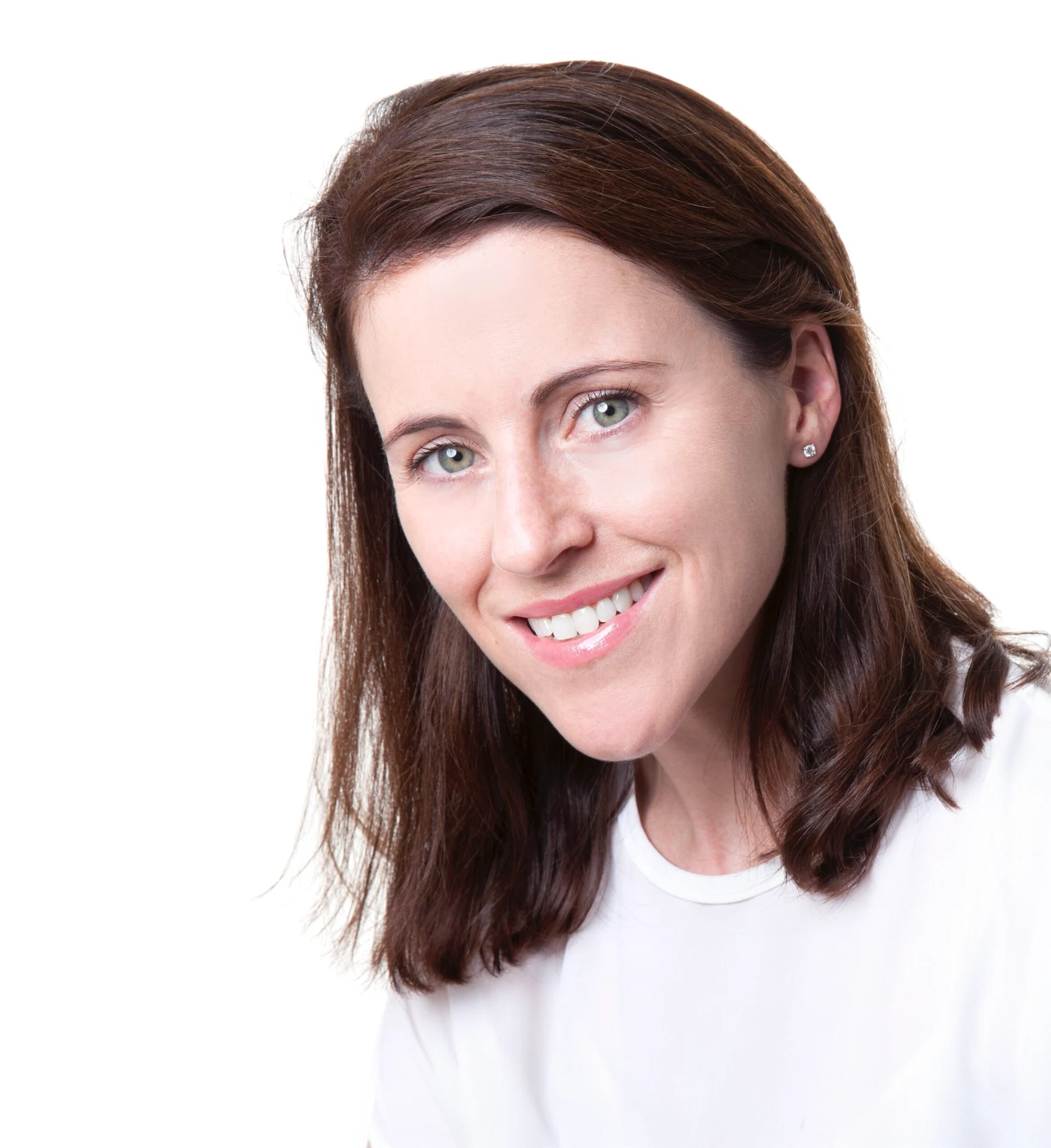
Answer from Dr Suzanne Meenan, Clinical Psychologist, Beacon Hospital
What you are describing are all classic signs of the threat response. The threat response is our body’s way of responding to a threatening or dangerous situation. Also known as the ‘fight, flight, freeze and fawn’ response, it is an automatic physiological reaction to an event that is perceived as stressful or frightening. The perception of threat triggers an acute stress response (in our sympathetic nervous system) that prepares the body to fight or flee.
Adrenaline gets released into our body and changes our breathing, our vision and our thoughts. It can occur in anticipation of this potential action. All of these changes happen for protective and good reasons but can be experienced as uncomfortable, as ‘on edge’, when they happen in safe situations.
If you think about it, our threat systems were turned on collectively when the pandemic started. Danger was imminent and typical human interactions became a potential threat. Crowded places or encountering groups of people were a source of fear and we had to make significant changes to how we worked, how we socialised and how we lived. Working from home allowed our fear response to be managed and our homes as our safe places took on a much deeper meaning. It seems that many people returned to ‘normal’ with minimal adjustment but there are countless numbers of people who have struggled with a heightened fear response that has not settled yet.
So, I would ask you, where do you feel it in your body when you are on edge? What thoughts go through your mind when you are feeling stressed or overwhelmed? If you were to tell me that your fear/anxiety felt like an 8 out of 10, my response would be, what is something small you can start with to reduce it to a 7 out of 10? A fear of a loss of control is at the centre of many of our stresses and fears, so we need to look within ourselves to slowly start taking back control of our lives.
Practical strategies to feel more settled in yourself and to ‘switch off’ the threat system can be physical, emotional, behavioural or cognitive.
- Don’t just say “I’m stressed”. Try to put your feelings into words. If you are not aware and accepting of your own feelings then you won’t know how to move yourself out of them.
- Physical strategies such as yoga or progressive muscle relaxation practised regularly allows the threat system response to be reduced.
- Mindfulness
- Deep breathing. Find your breath control method, practise it regularly and you will see a difference
- Track your thoughts. When you notice more negative thoughts, ask yourself “How is this serving me to think like this?”
- Make sure that you are looking after yourself in your daily routine. Is there time for yourself? How many hours of sleep are you getting at night? Are you eating well? See how the above works for you. Always remember that your GP is there to support you and refer you to additional support if needed.
Have a question for the professionals you’d like answered? Get in touch with sarah.gill@image.ie with the subject headline ‘Ask The Doctor’.
Related Stories

Also Read