


This Beaumont terrace has been transformed with light, warmth and texture
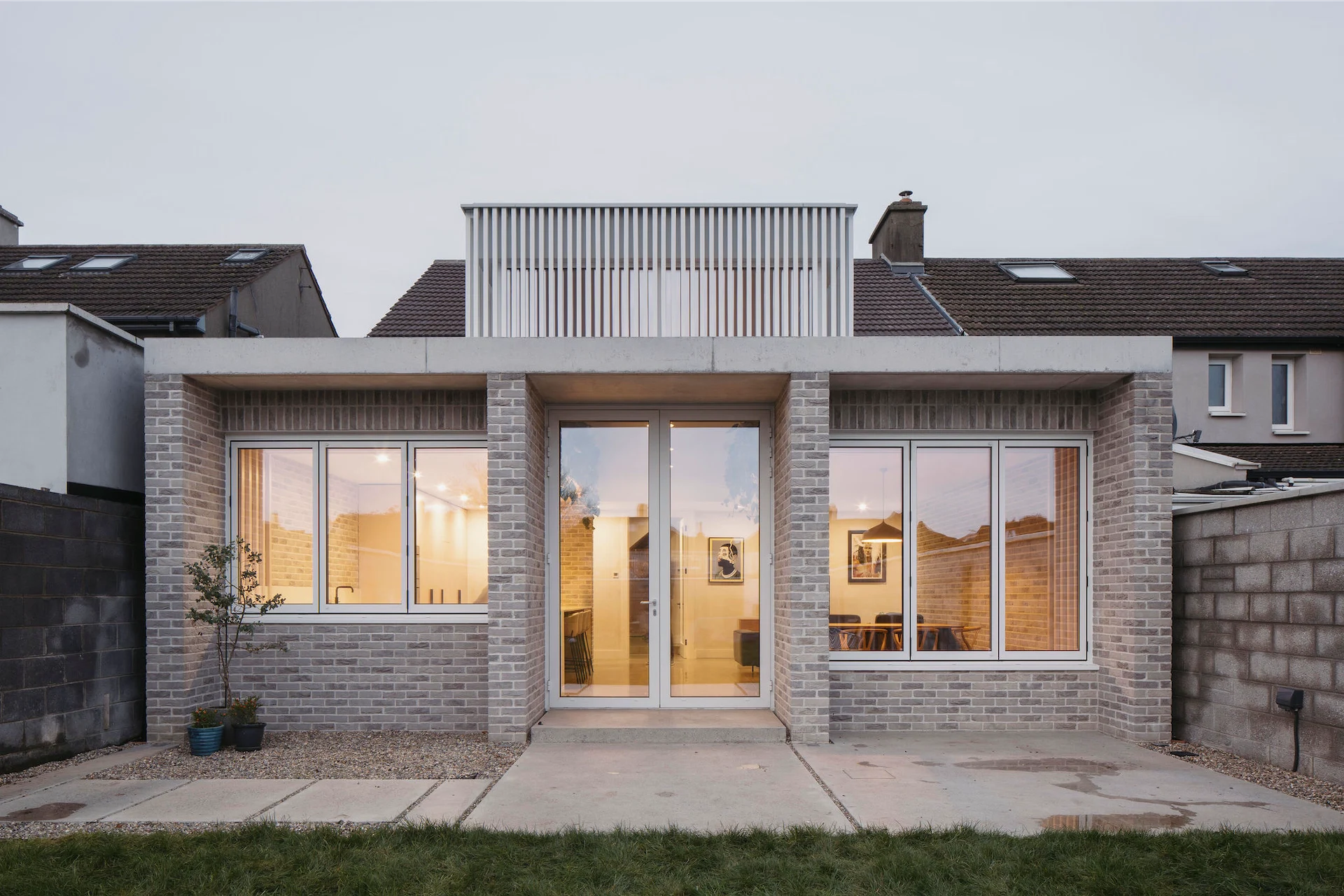
A robust brick framework grounds this extension, while a lantern-like pavilion opens the home to light, garden and volume.
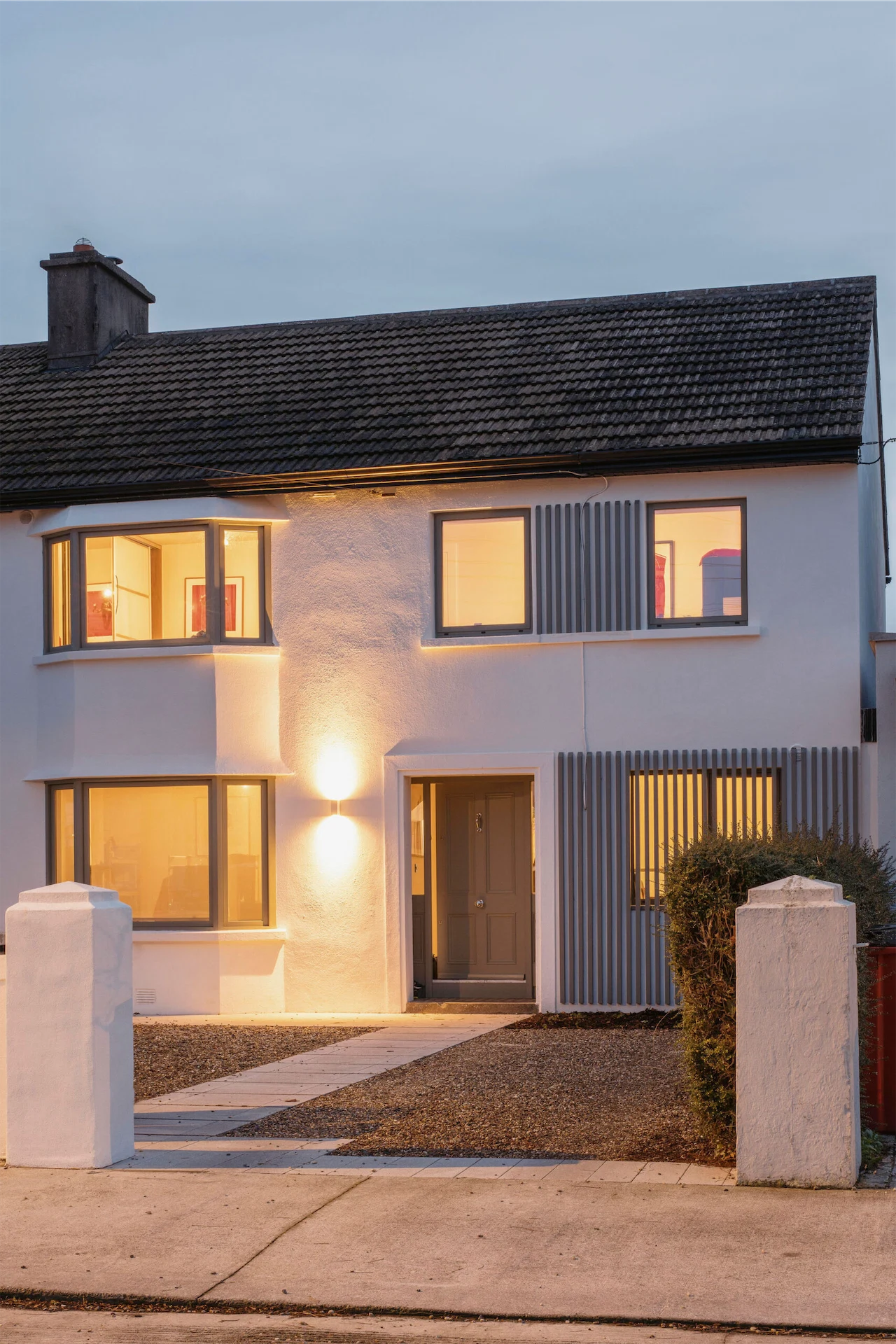
When the owners of this end-of-terrace house in Beaumont approached Architectural Farm, their ambitions were clear, even if the details weren’t overly prescriptive. “For a family who loved cooking, the existing house lacked a proper kitchen space and a comfortable dining area for their growing family,” architect Shane Cotter recalls.
“The connections to the long, south-facing garden were poor and underutilised, and they needed better bedrooms and utility spaces alongside a deep retrofit and energy upgrade.”
The clients’ wish list was practical but also aspirational. Beyond addressing the shortcomings in bedroom and storage provision, the heart of the project was creating a generous, functional kitchen that could anchor a dynamic family room while opening up to the garden in a way that felt natural and engaging. “They really wanted the kitchen to sit at the core of a space,” Cotter explains. “They wanted something that brought the family together and connected meaningfully with the outdoors.”
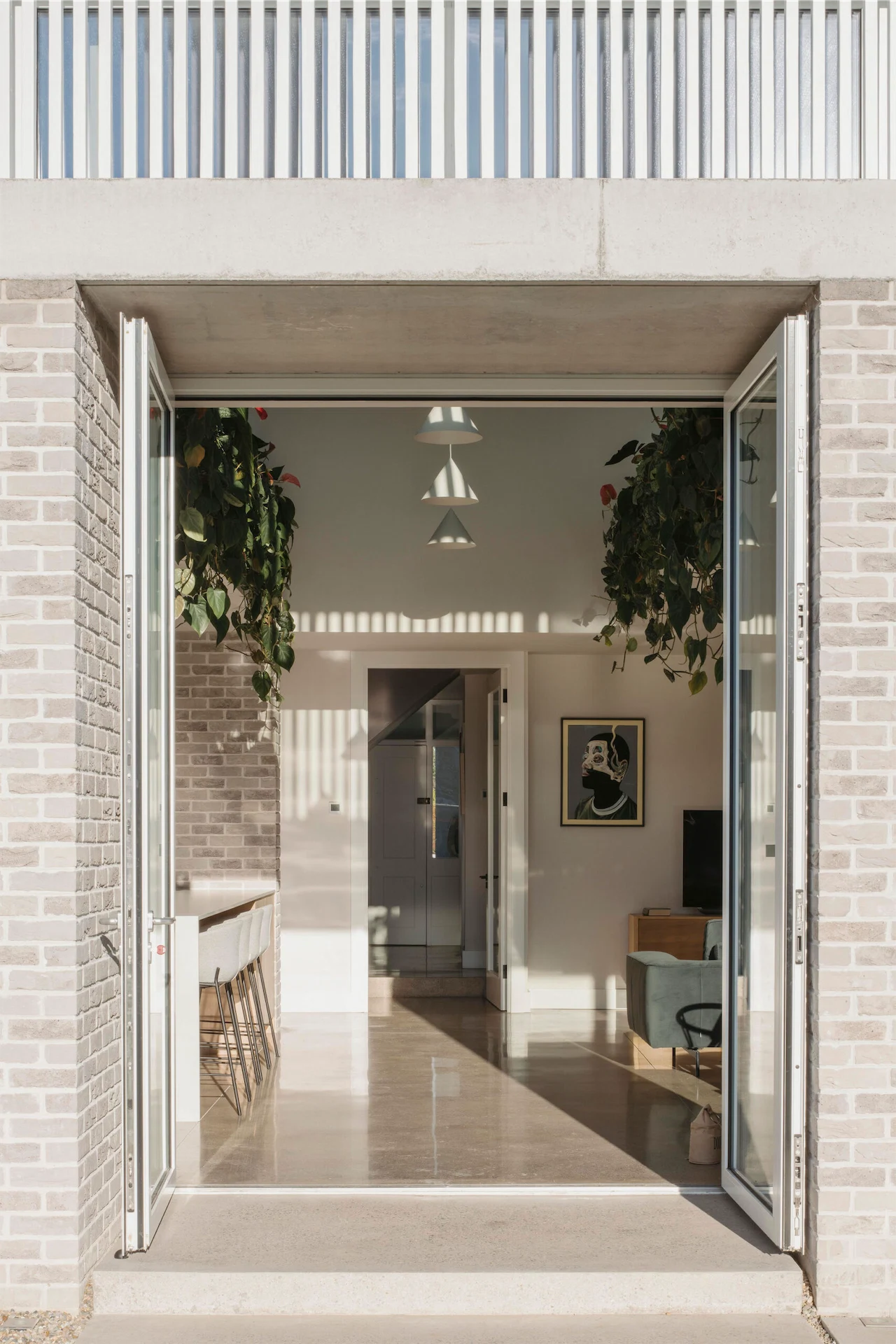
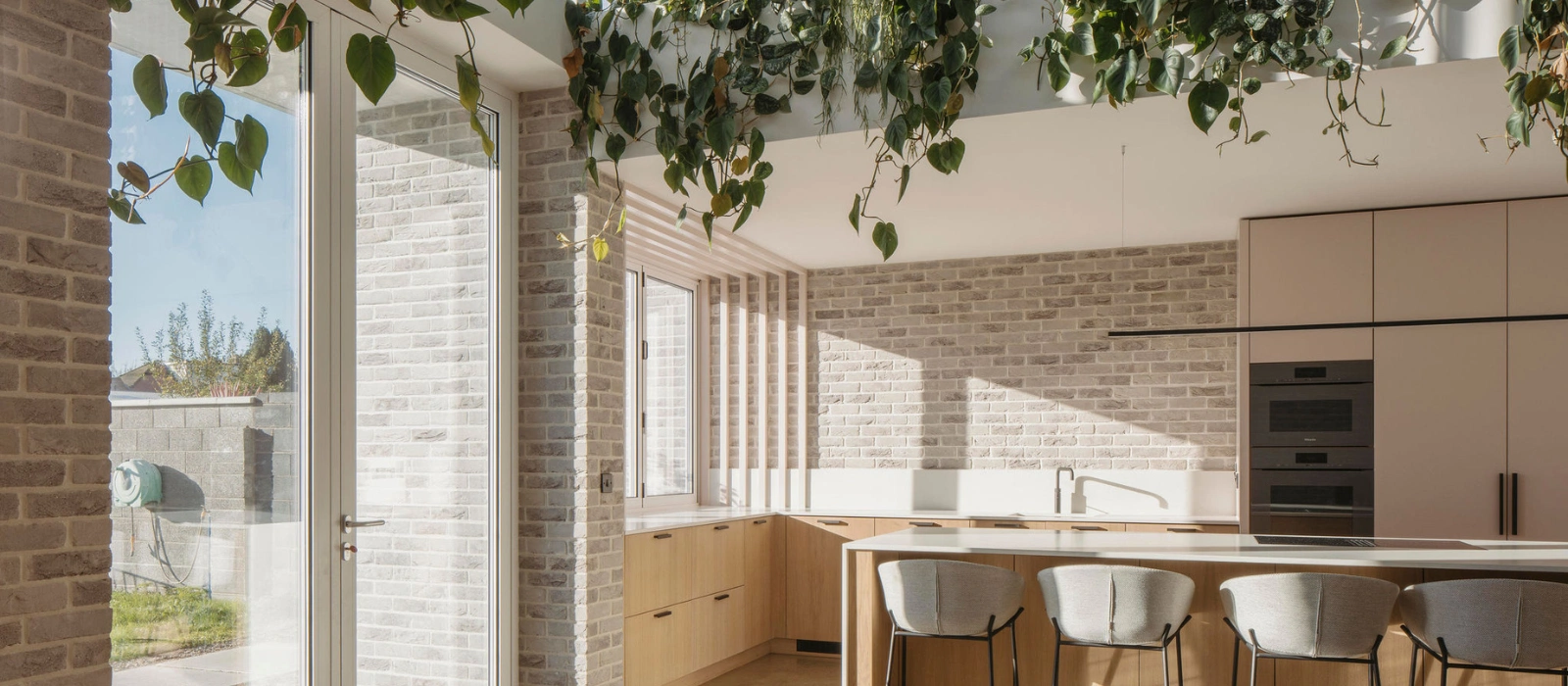
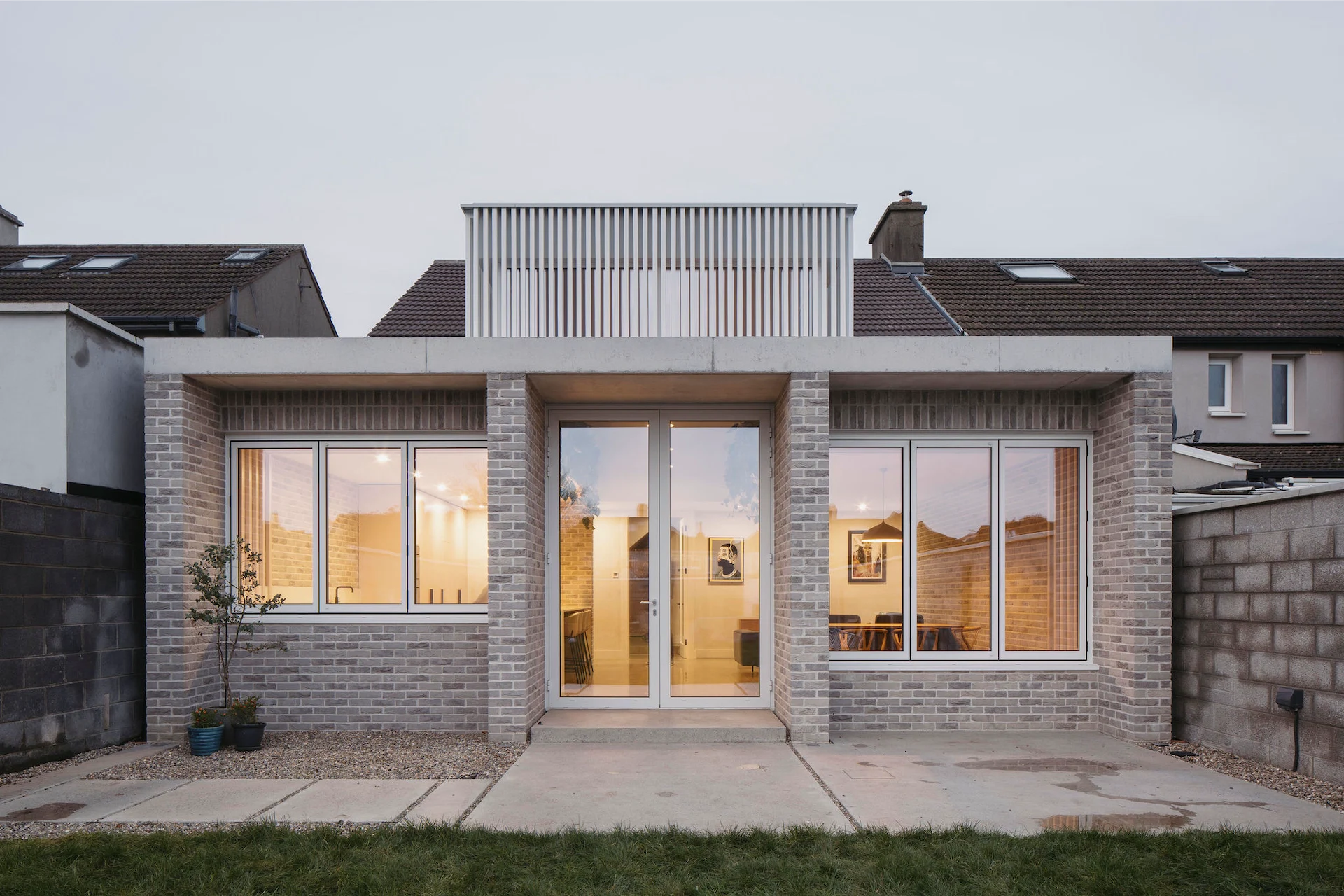
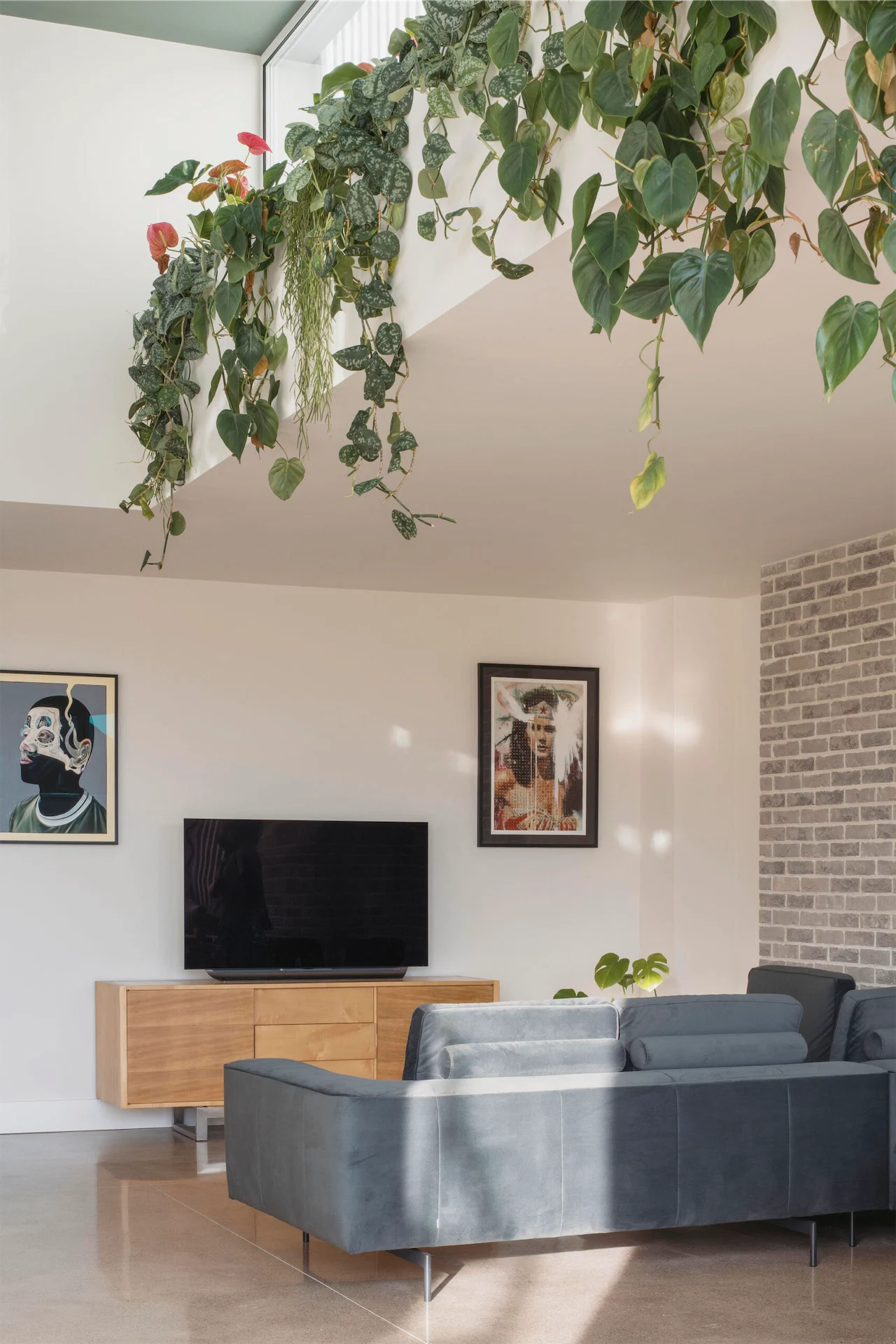
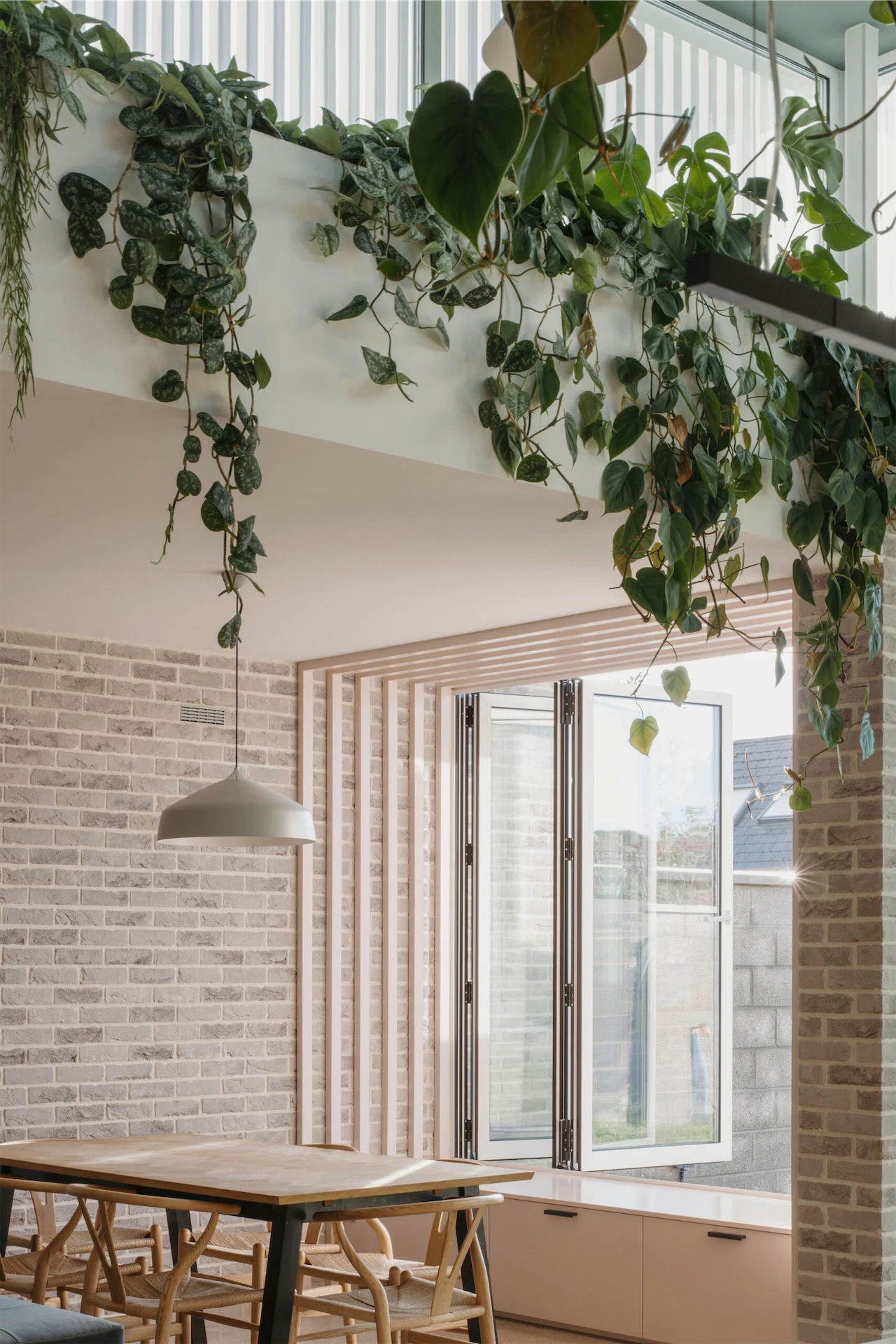
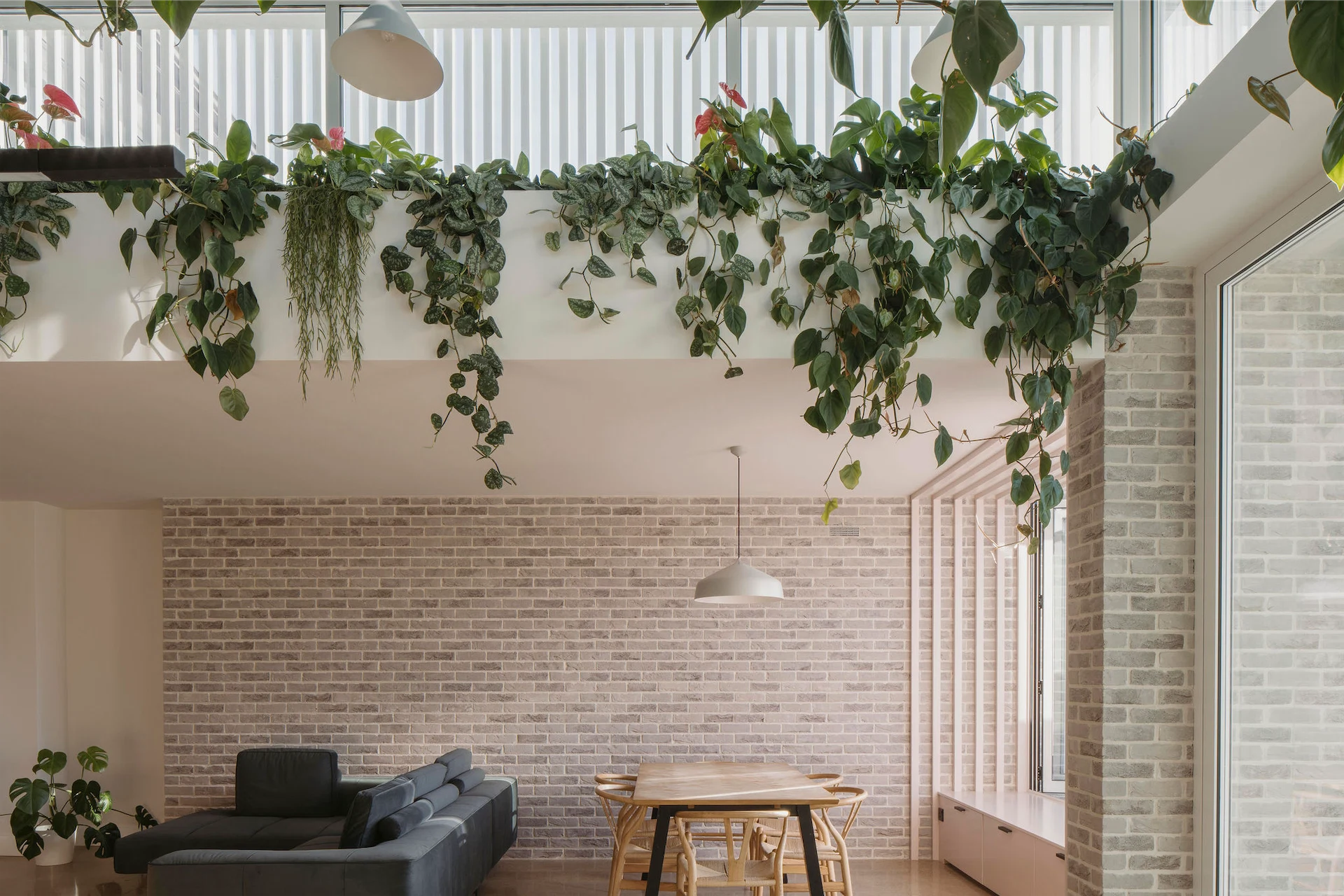
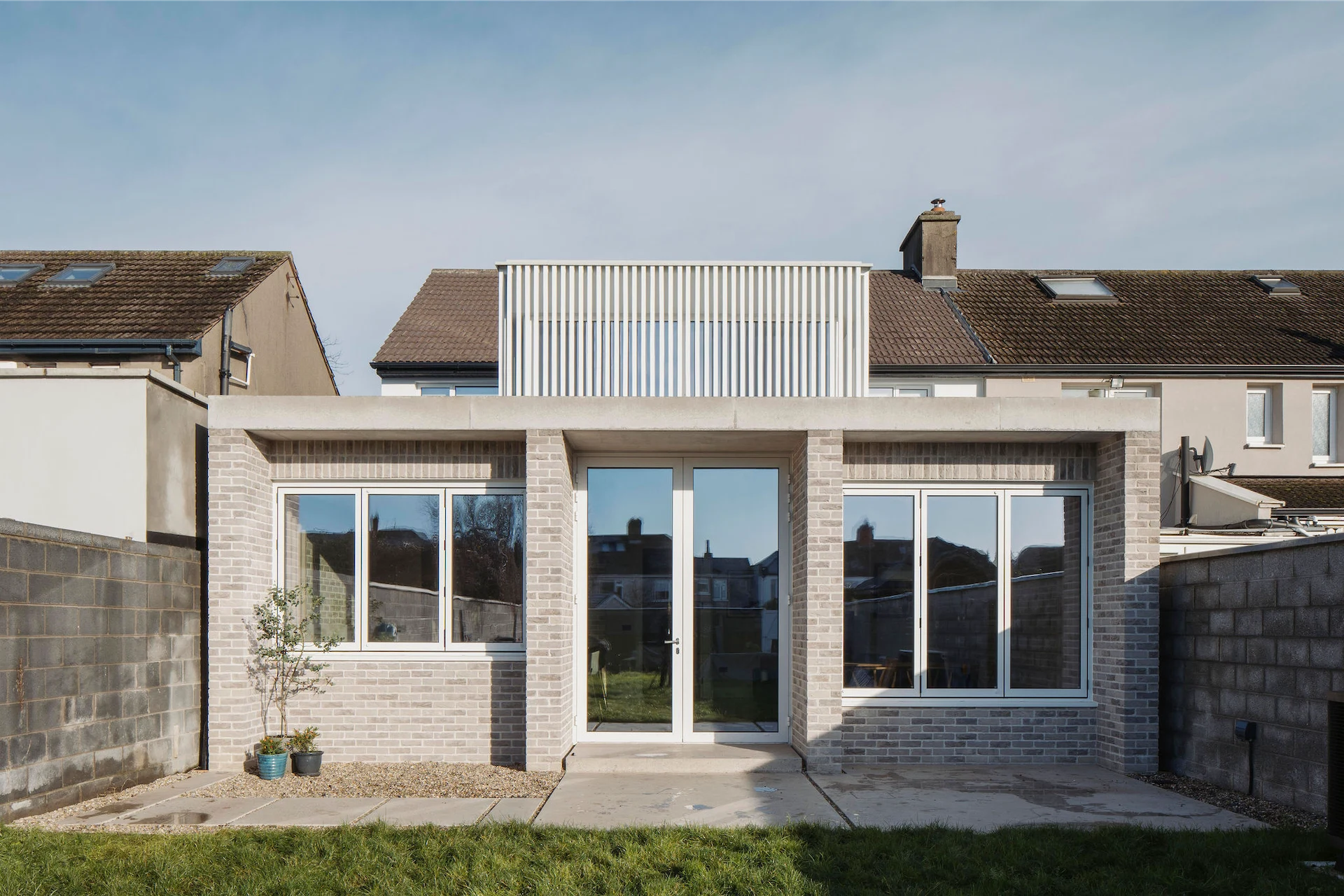
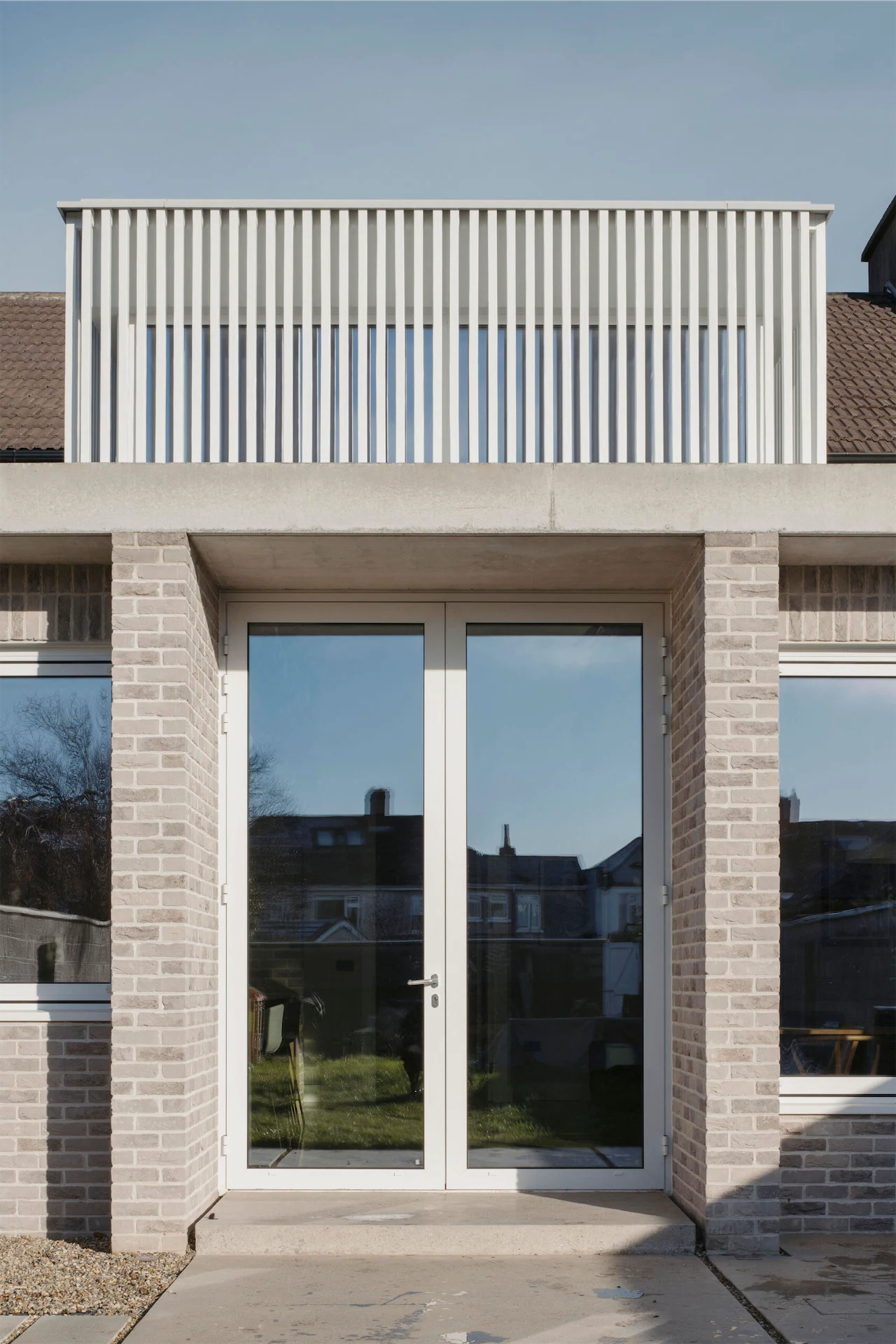
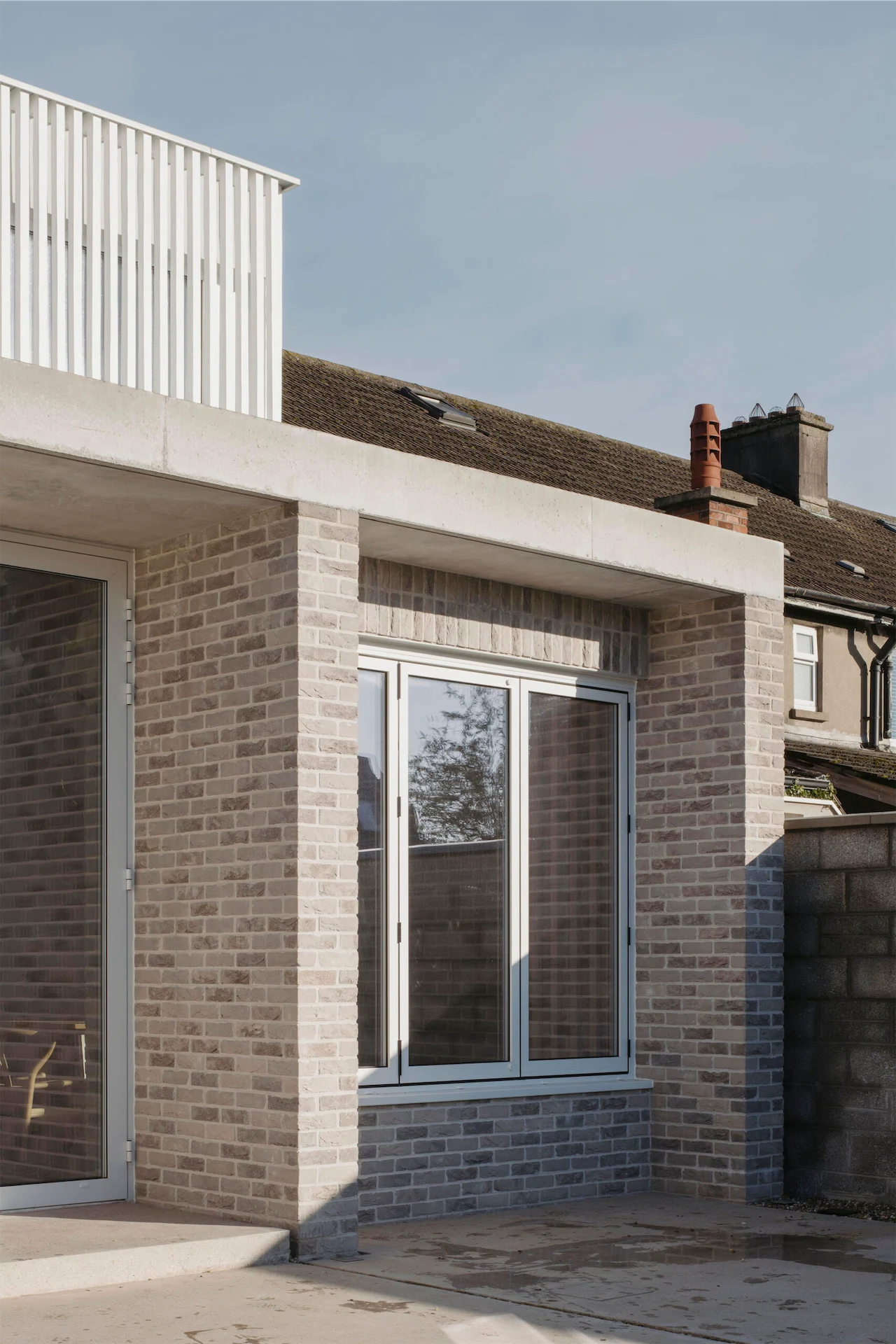
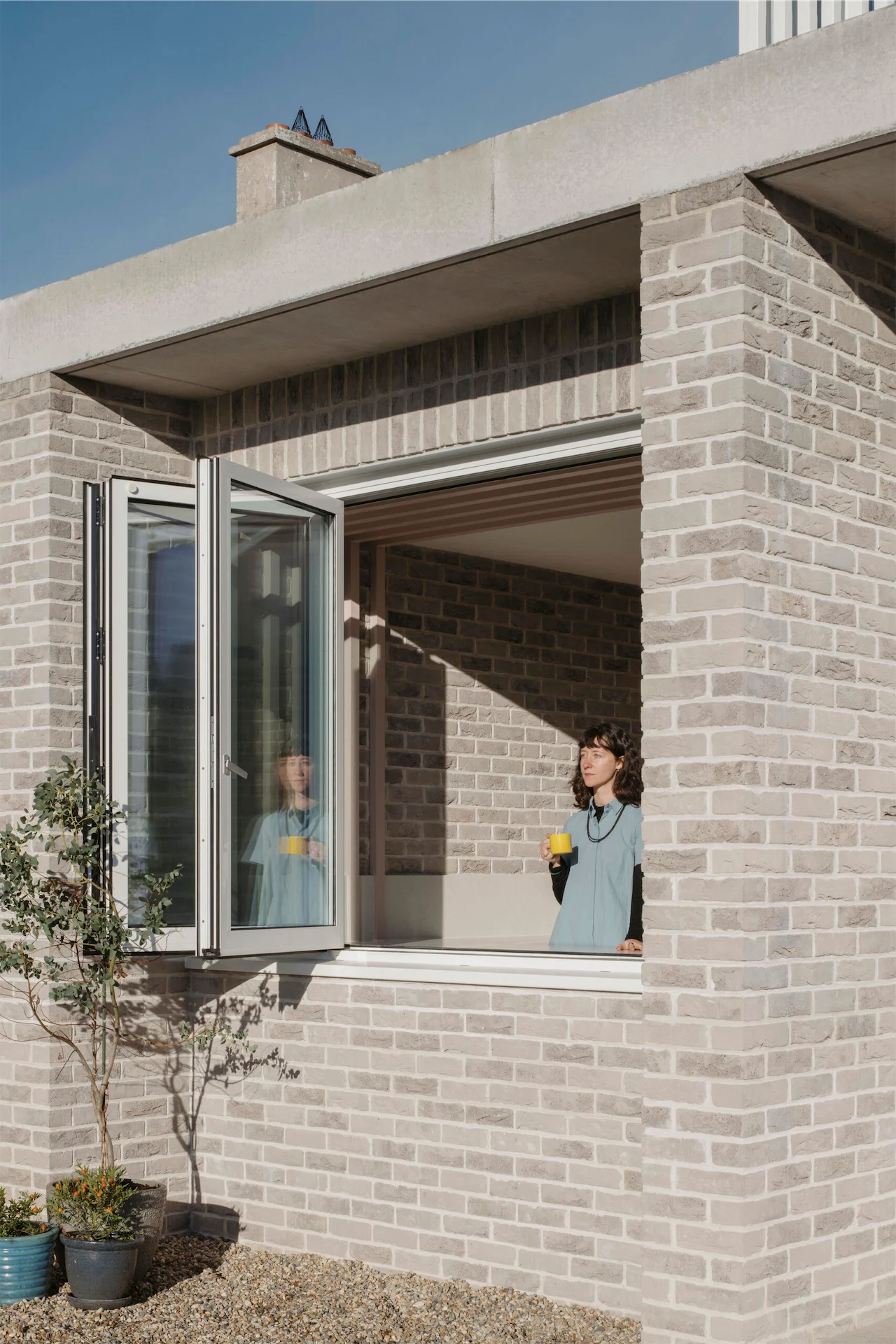
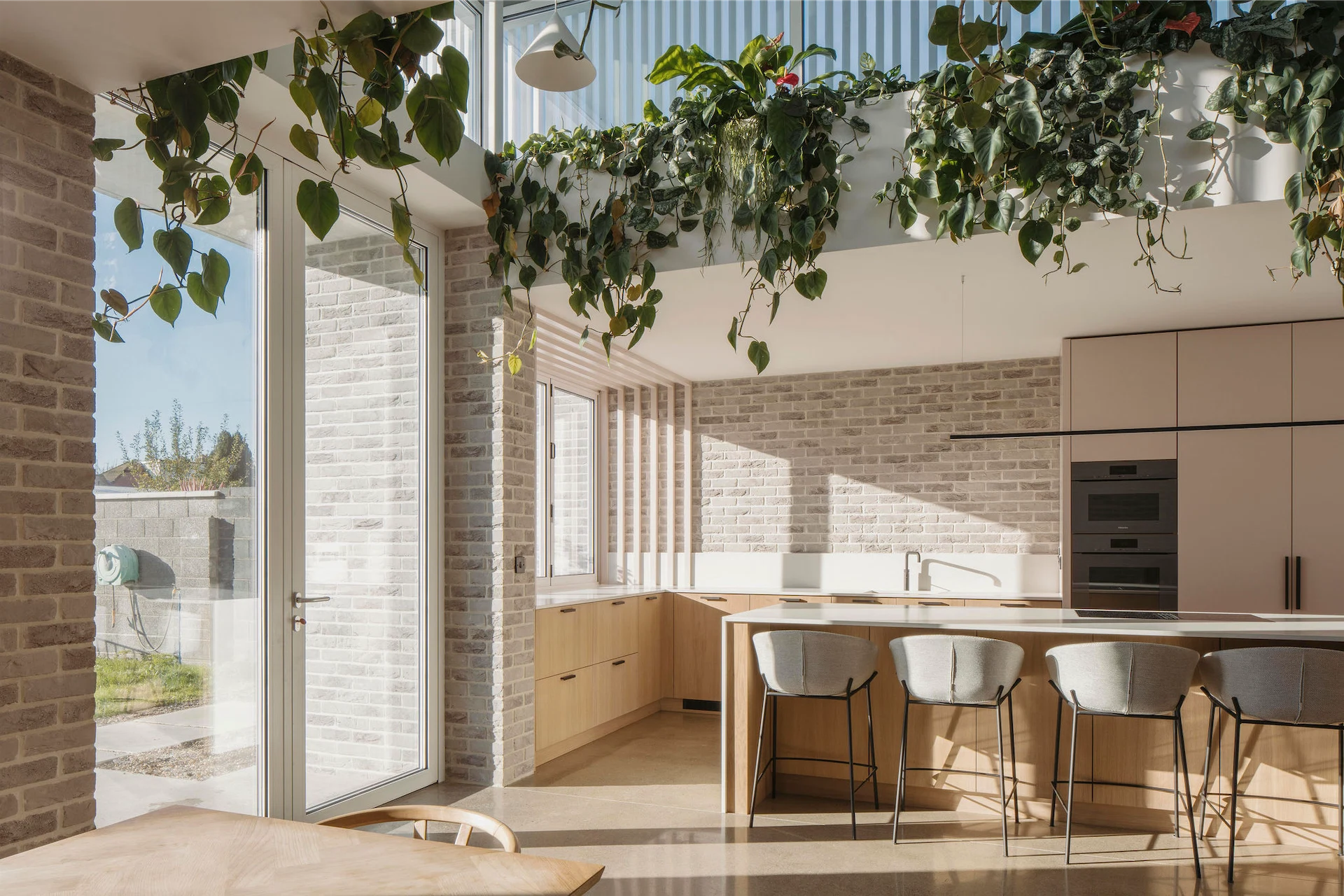
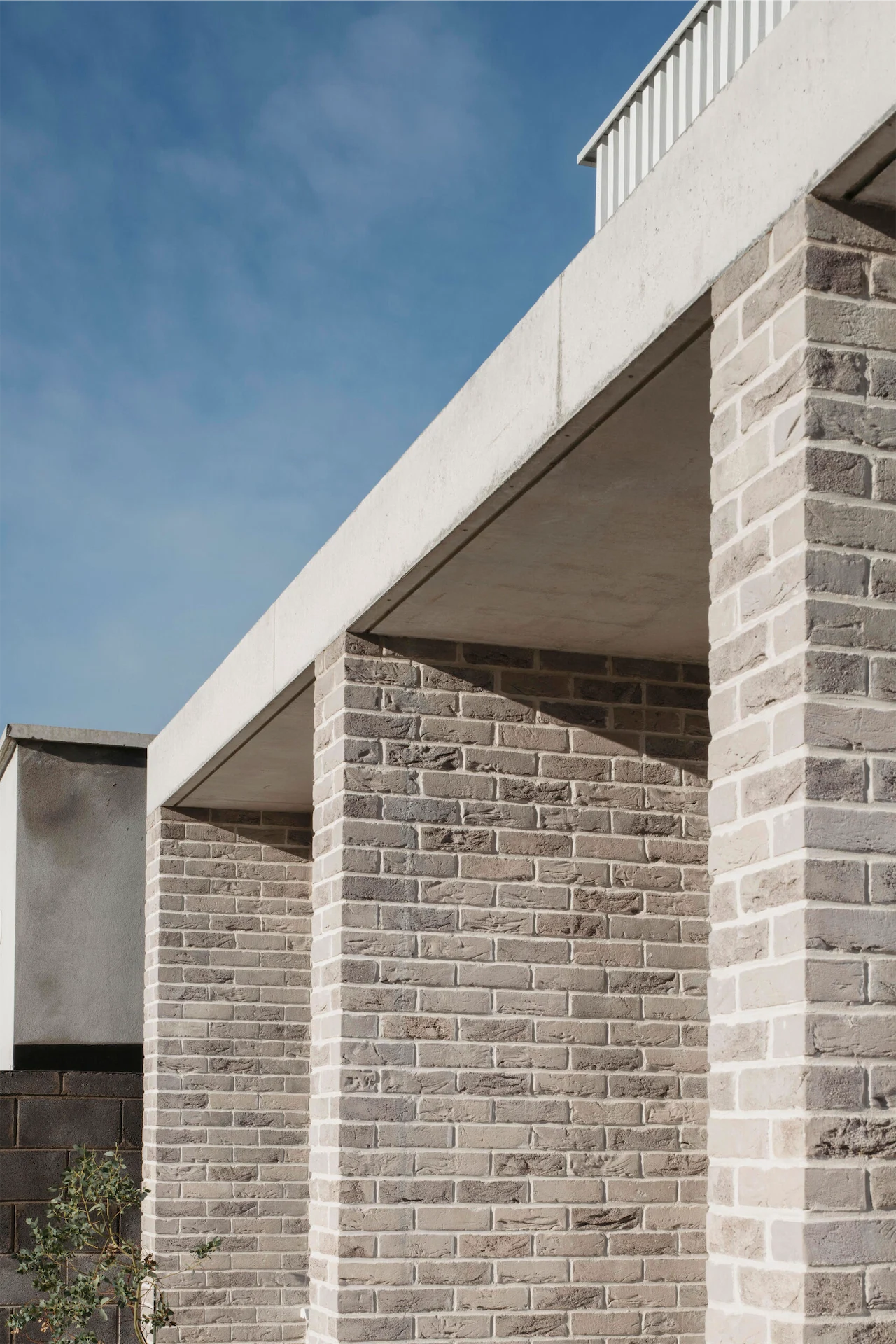
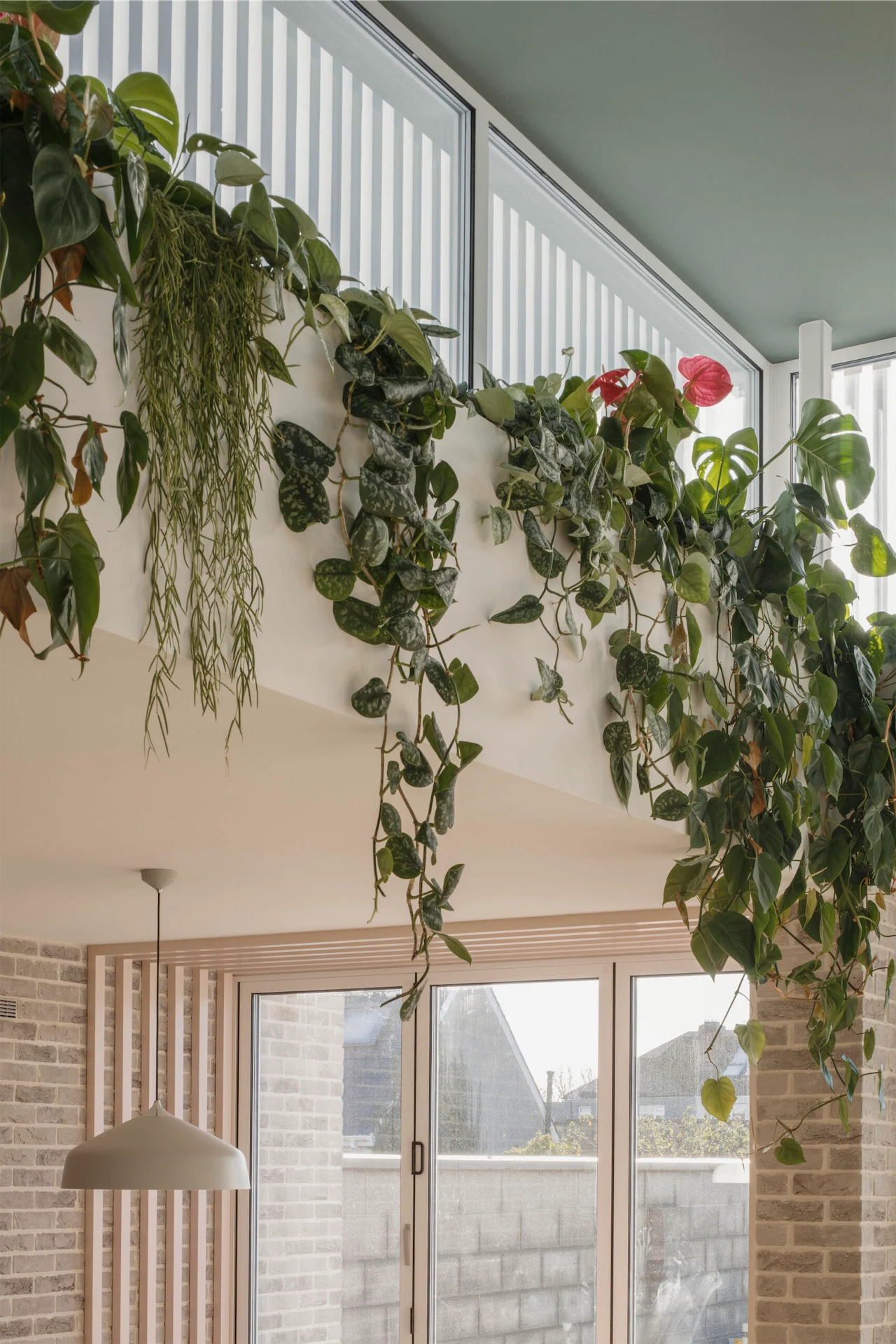
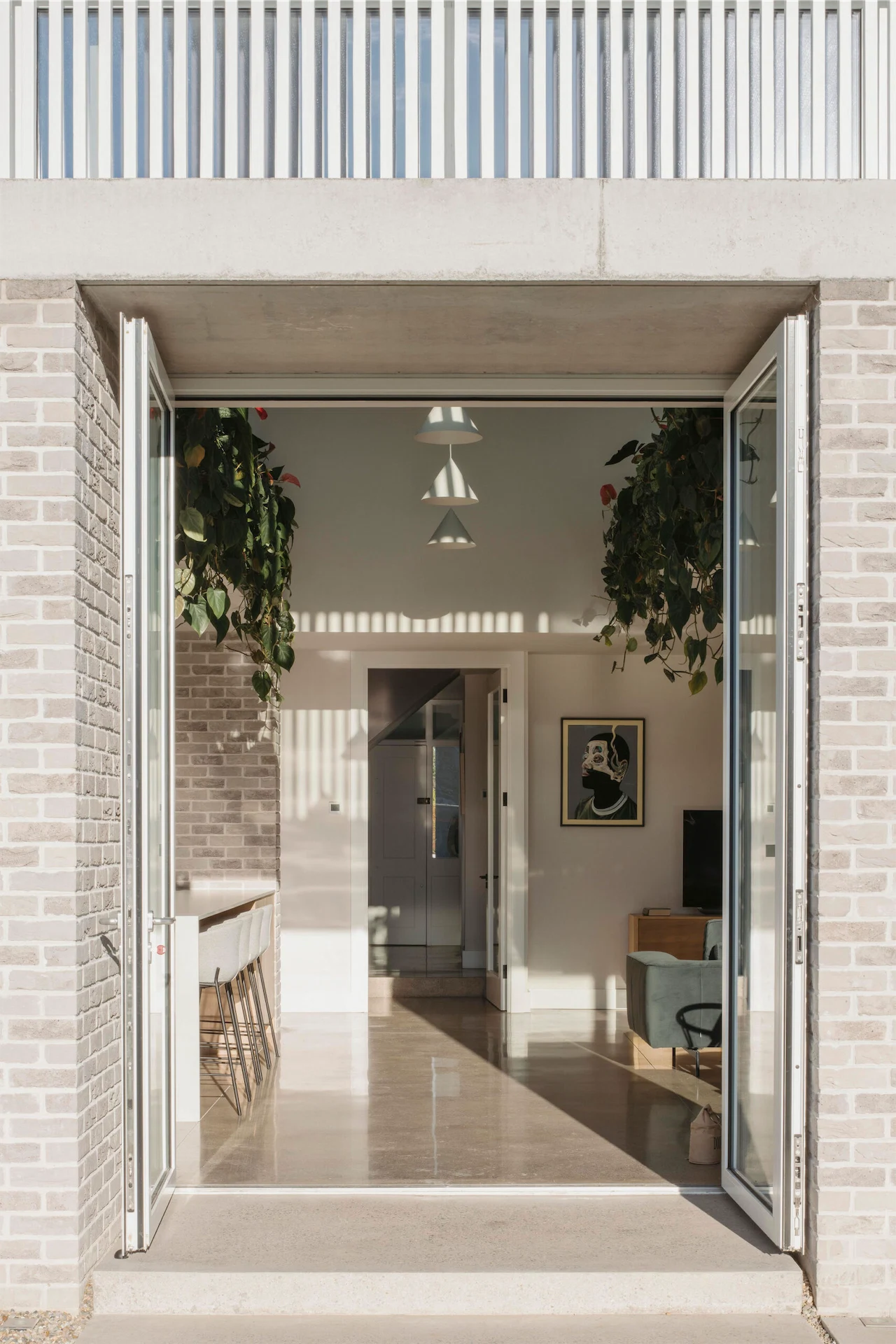
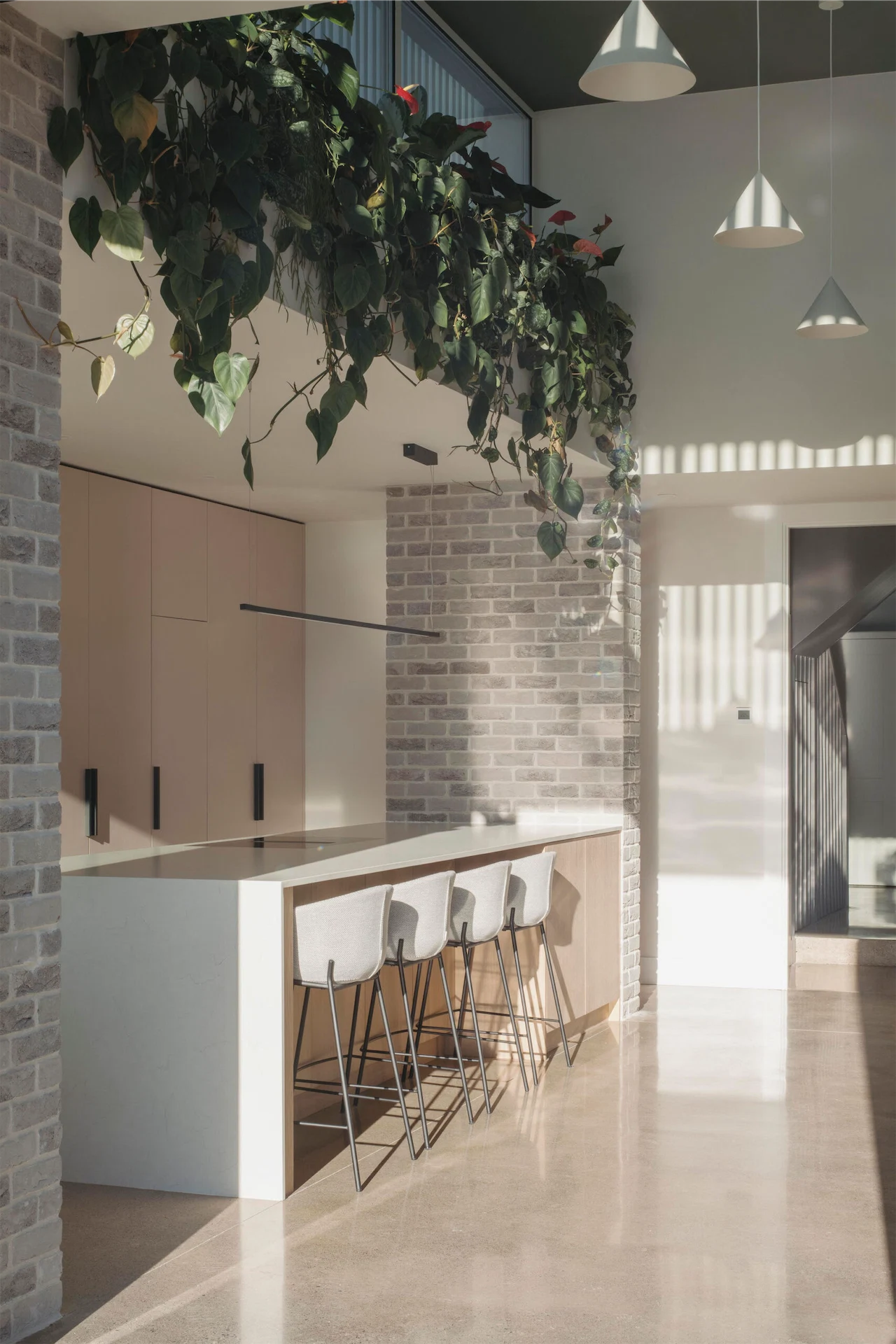
The impressive design focuses on creating a home that is both materially rich and intimately connected to the garden. “The new open plan kitchen/dining/family area to the rear is conceived as a pavilion addressing the south-facing garden and is defined by four deep brick piers with a concrete cornice to provide solar shading,” Cotter says. “This, in turn, supports a central glazed lantern wrapped in an external timber screen. External landscaping details respond to the linear nature of the brick piers. The double height lantern space provides volume, diffused light and incorporates high-level planting, creating a hanging garden.”
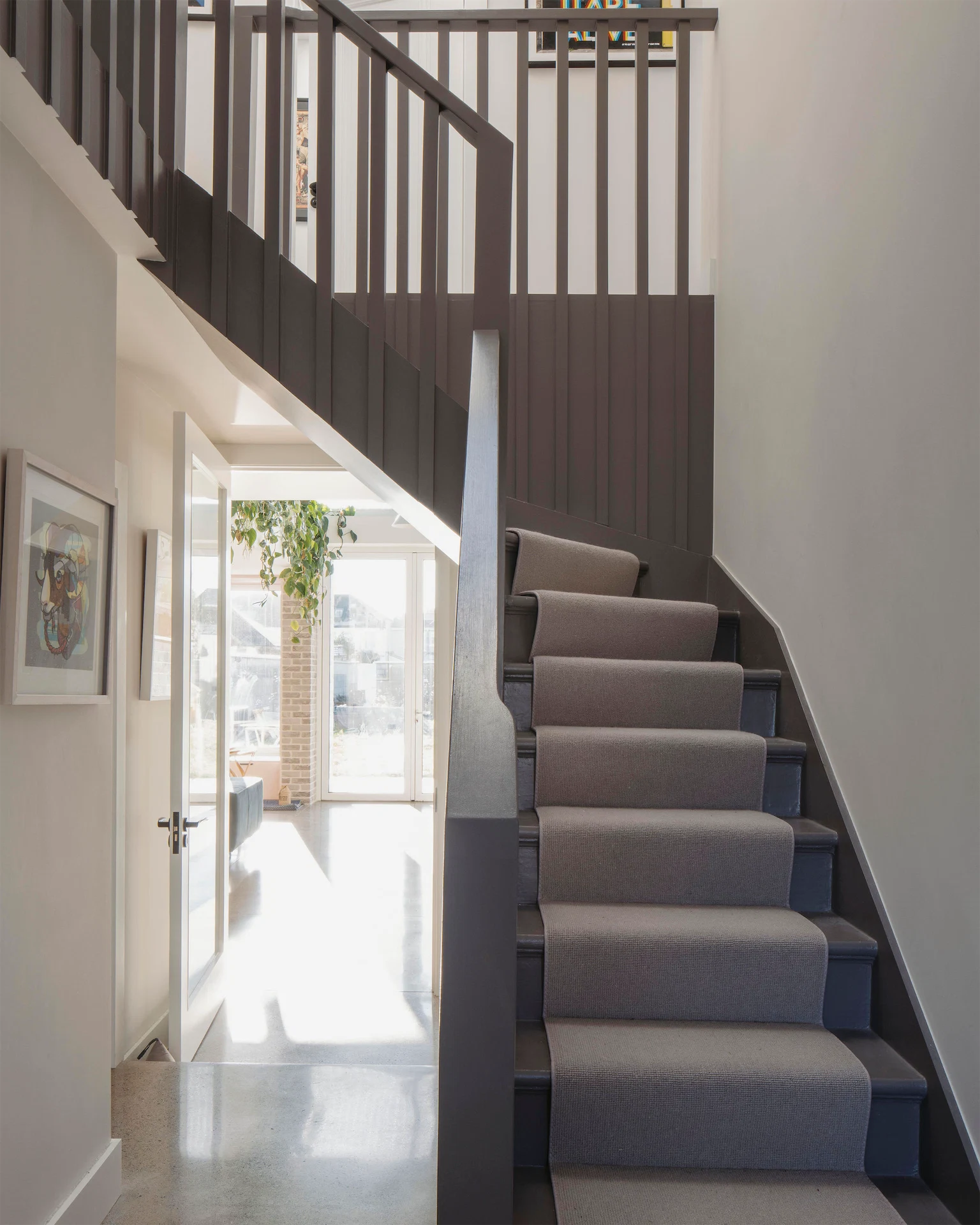
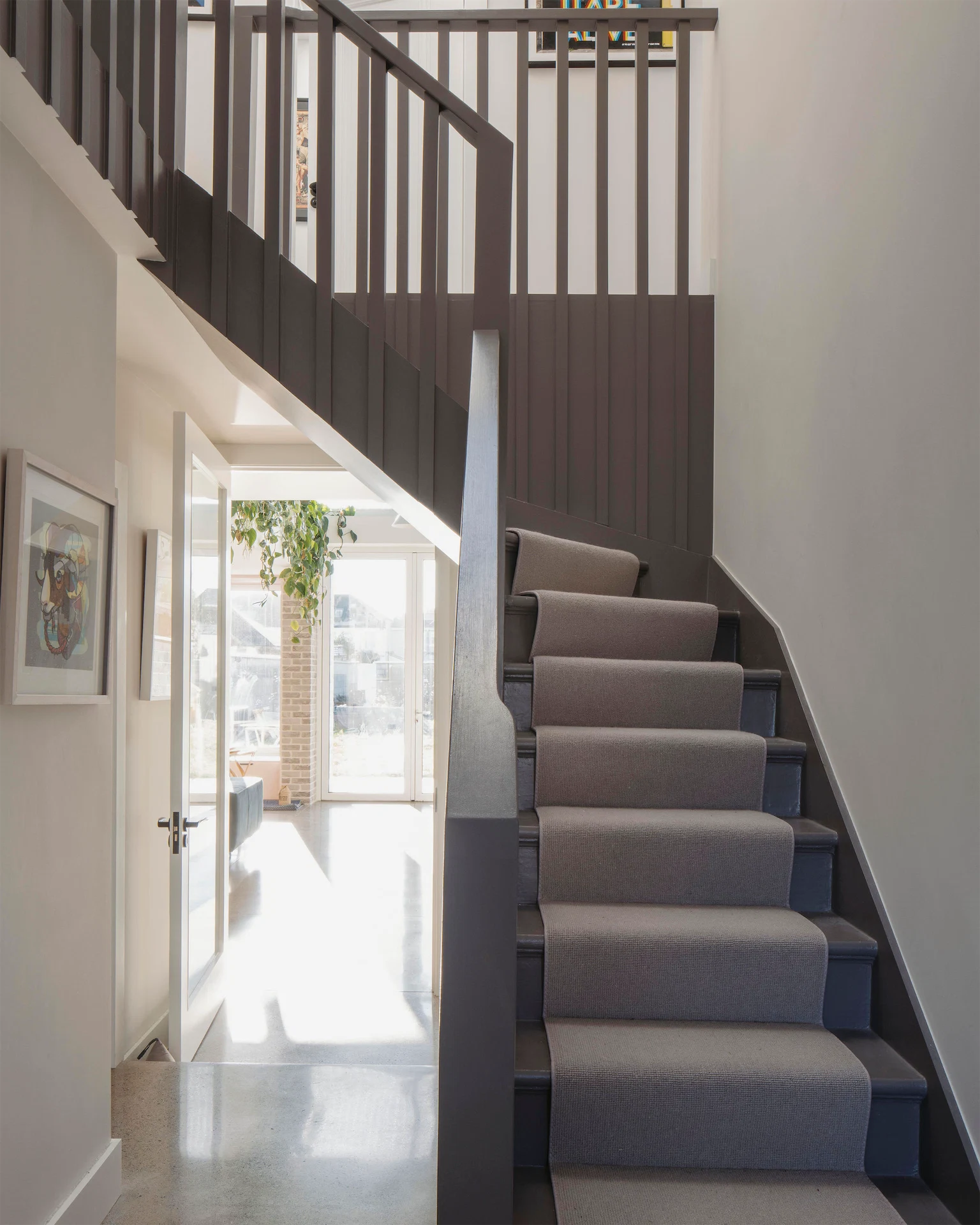
Environmental performance and comfort were also key drivers. “The GGBS concrete cornice supported on the brick piers and timber fins at high level acts as a passive solar shading device,” Cotter explains. “This improves the comfort of the occupants in the summer and removes the need for artificial cooling, while maximising daylight. A new openable roof light has been installed in the existing roof to provide daylight to the hall and stairs while also ensuring cross ventilation for the new spaces.”
Together, these interventions allow the home to feel open, light-filled and generous, while remaining grounded in robust materials and considered detailing. The pavilion-like kitchen and family room sit at the heart of the house, flowing effortlessly into the south-facing garden, and the combination of brick, timber, and polished concrete ensures warmth, tactility and a subtle modernity throughout.
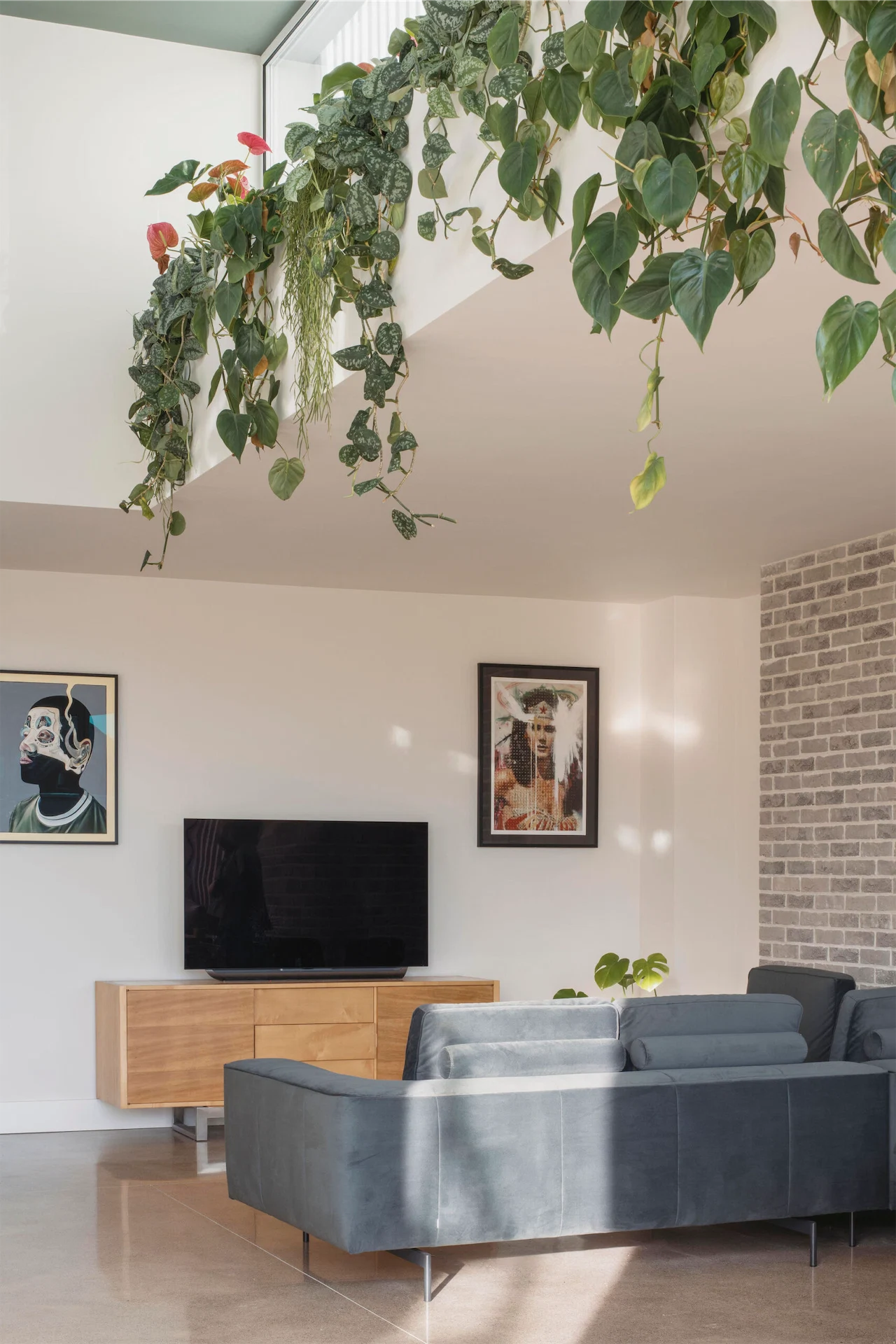
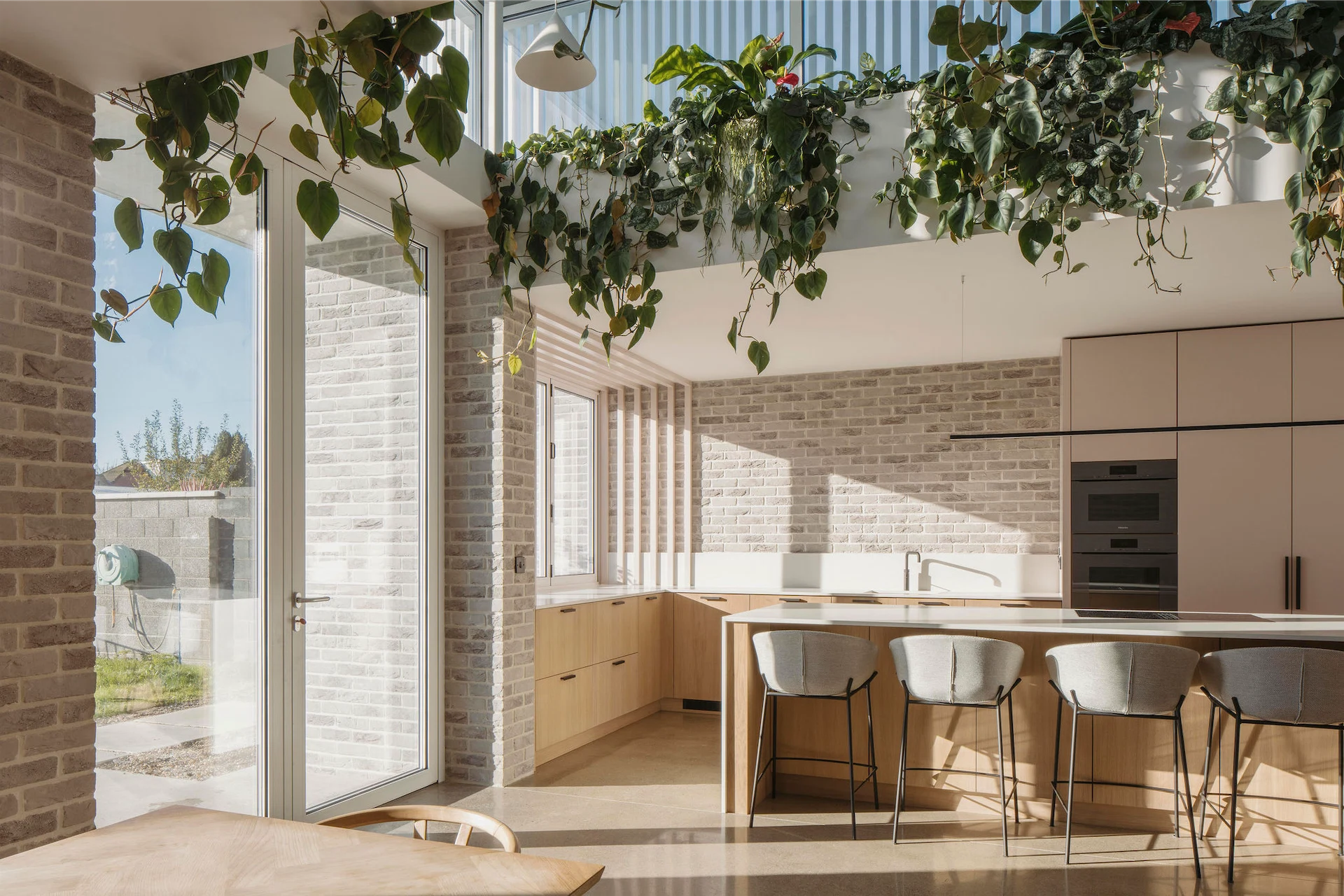
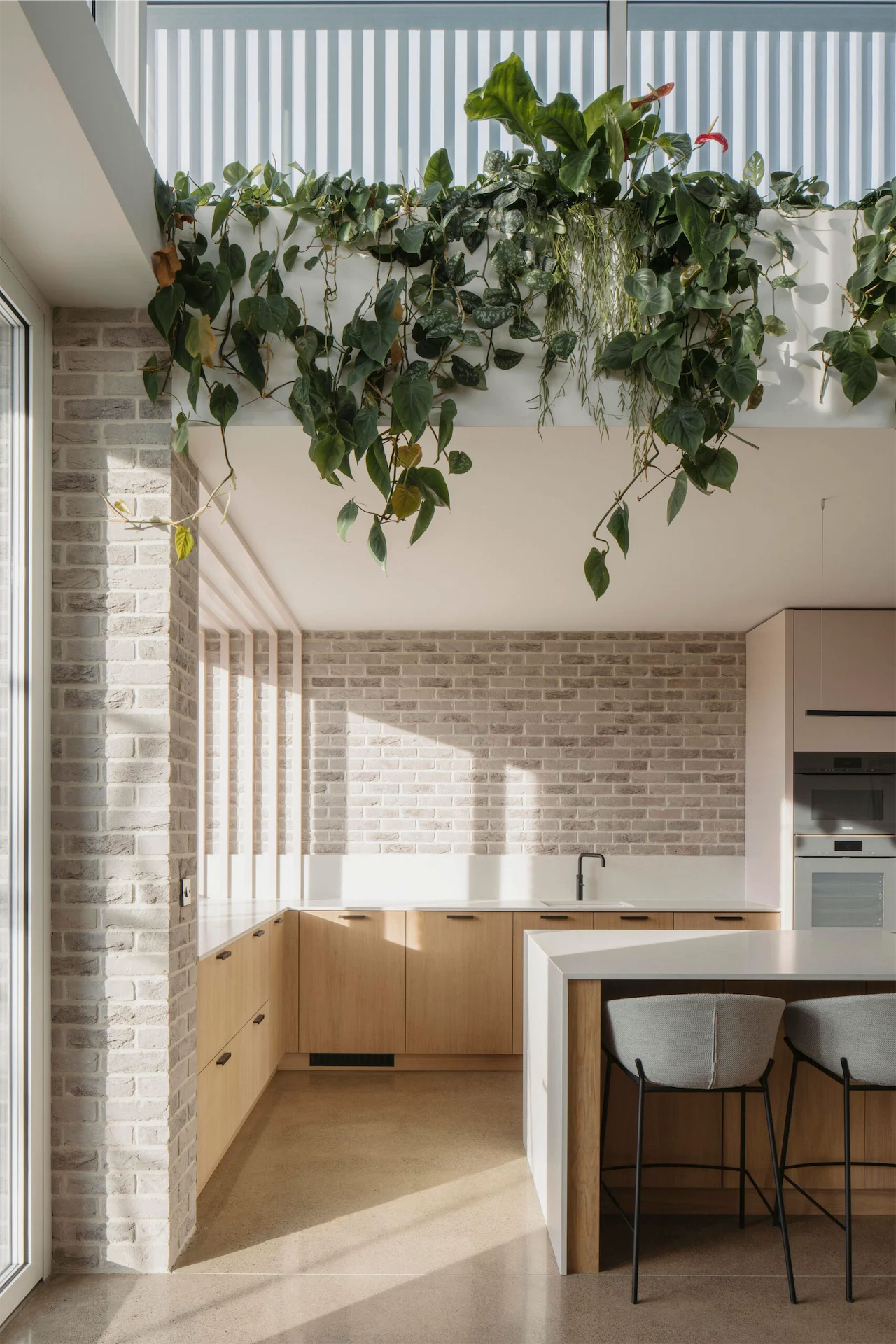
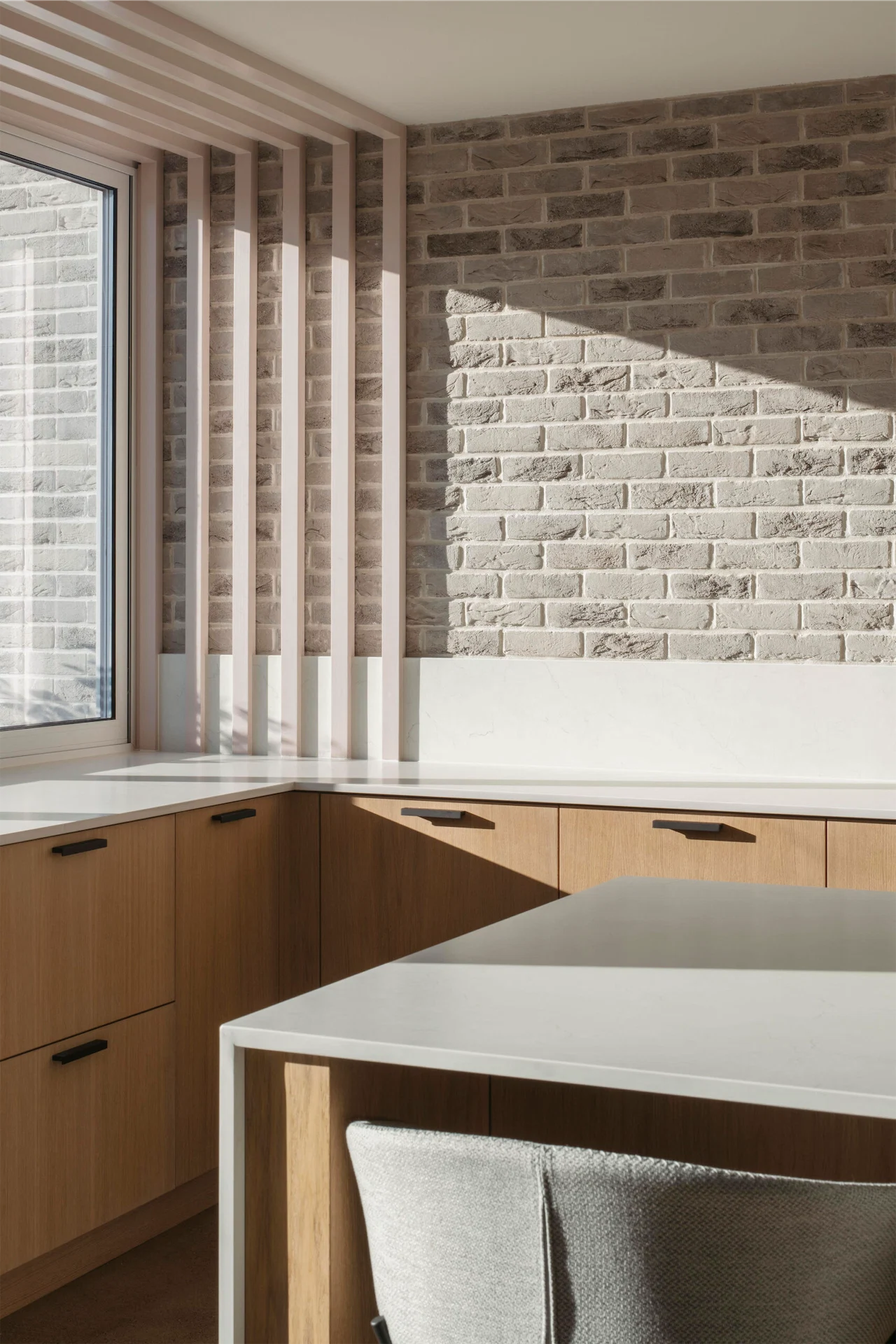
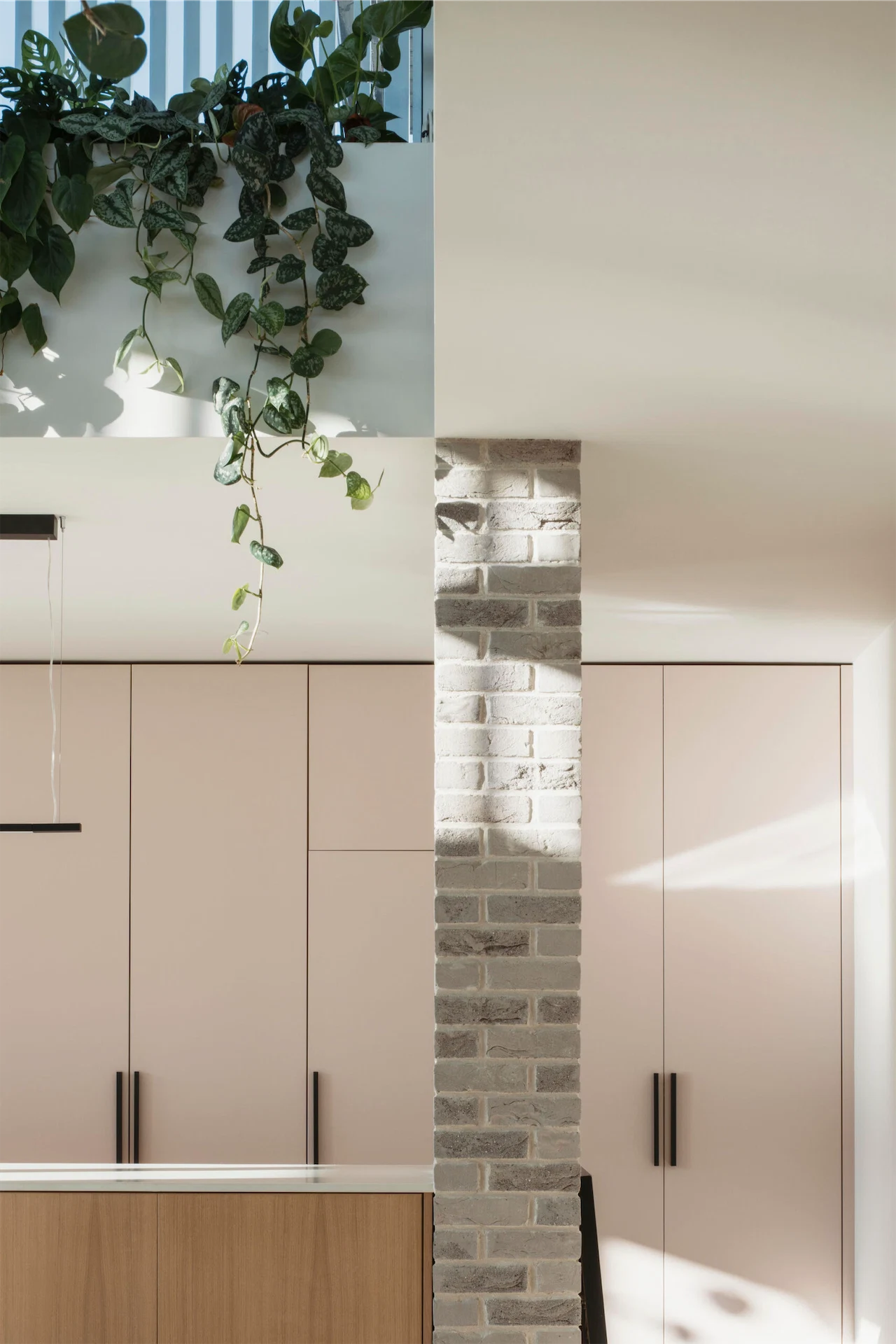
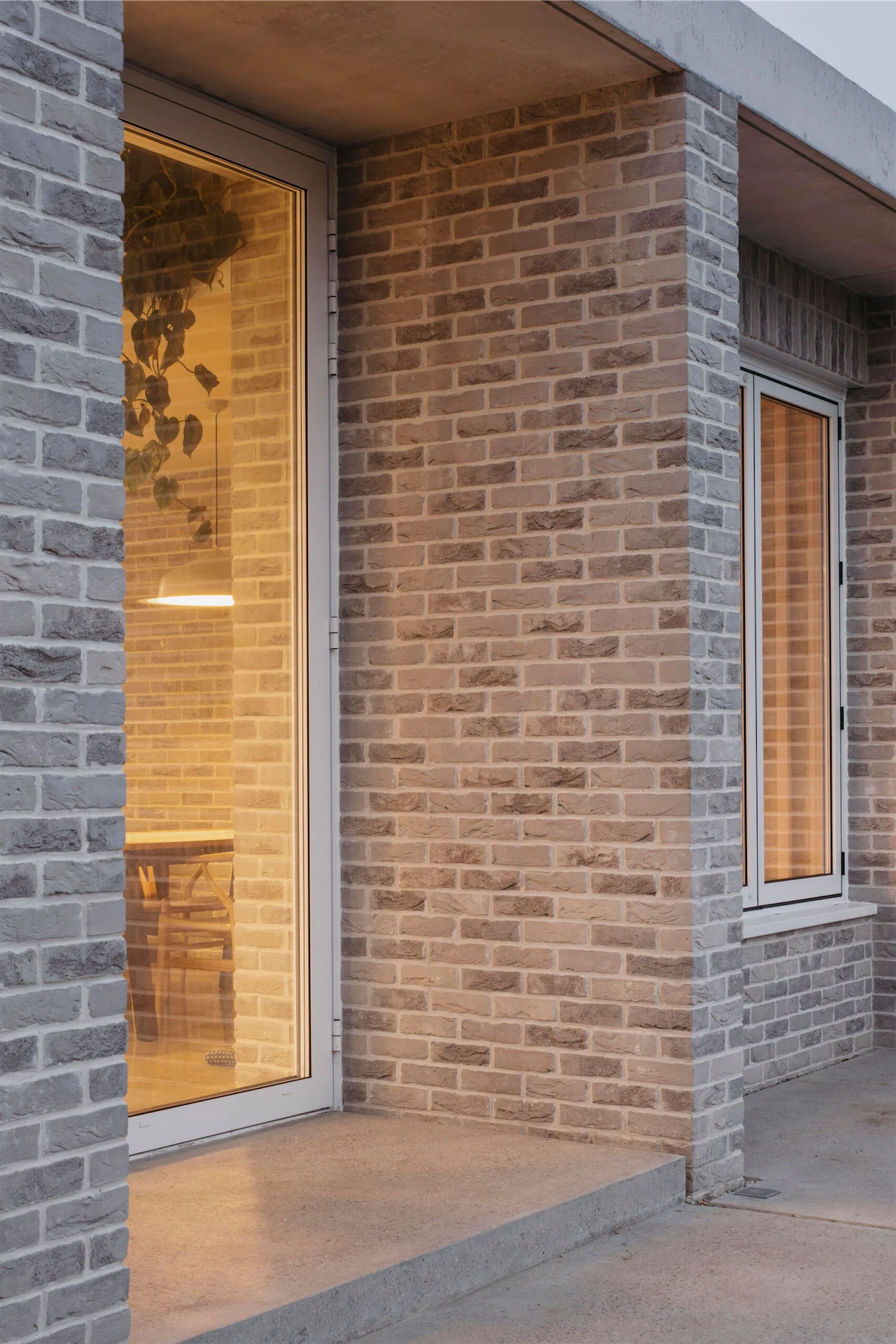
Brick takes centre stage in the material palette, bringing texture and depth to the home, and Cotter notes that “the brick chosen in this case has a more industrial feel than many of the bricks we would normally use, as it responds to the simple grey unpainted façade of the existing terraces of Celtic Park.”
This tactile is complemented by a polished concrete floor that runs from the front door through to the rear landscaping, creating a sense of continuity and light-filled openness.
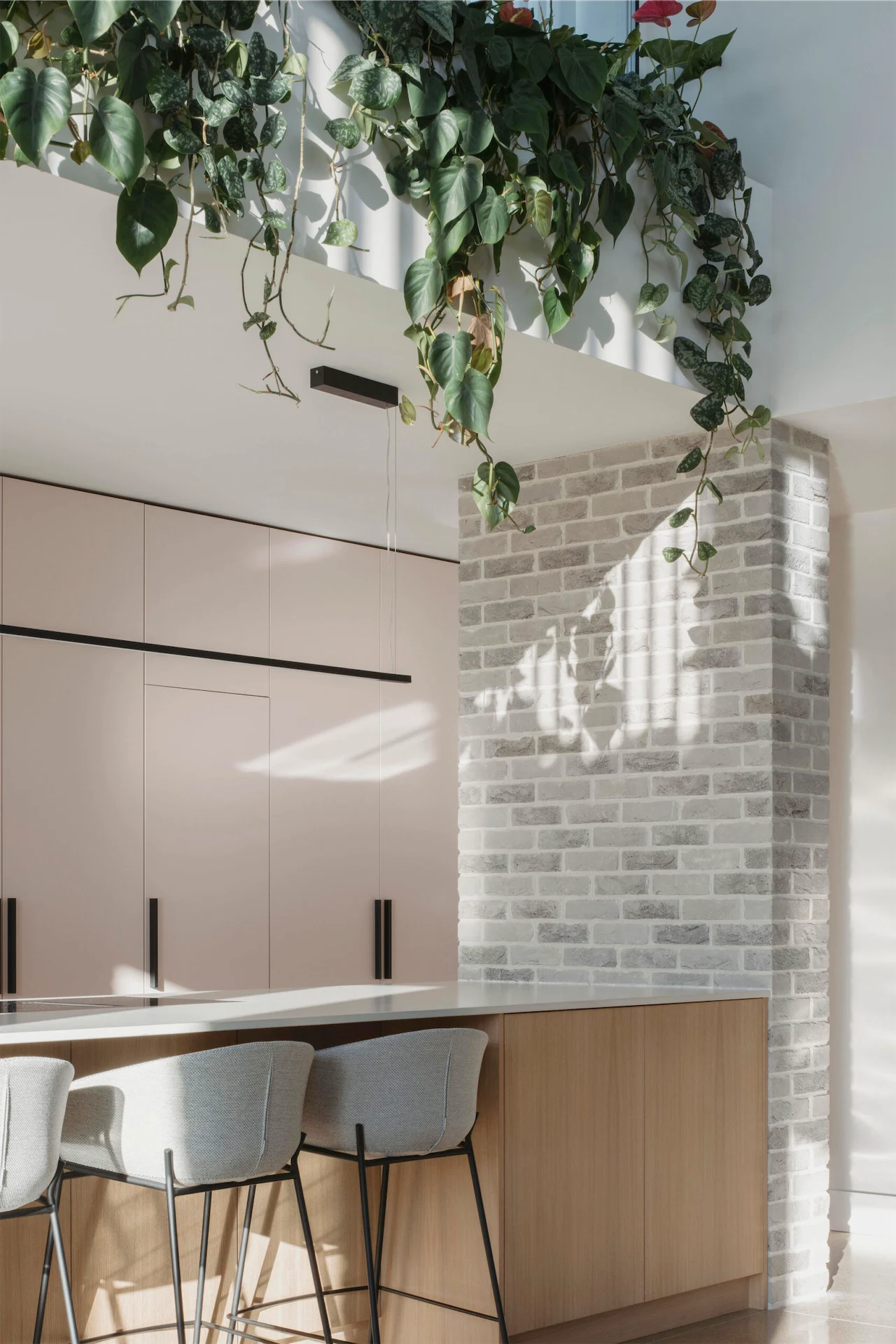
To soften the industrial edge and ensure the home felt warm and inviting, a combination of oak and pale pink was introduced in the kitchen. “With these two elements, there was a danger that the whole space could feel too cold,” Cotter says. “The introduction of a mixture of oak and pale pink into the kitchen ensured this was not the case.”
The result is a balanced palette where raw, structural materials meet warmer, softer tones, bringing both character and comfort to the heart of the home.
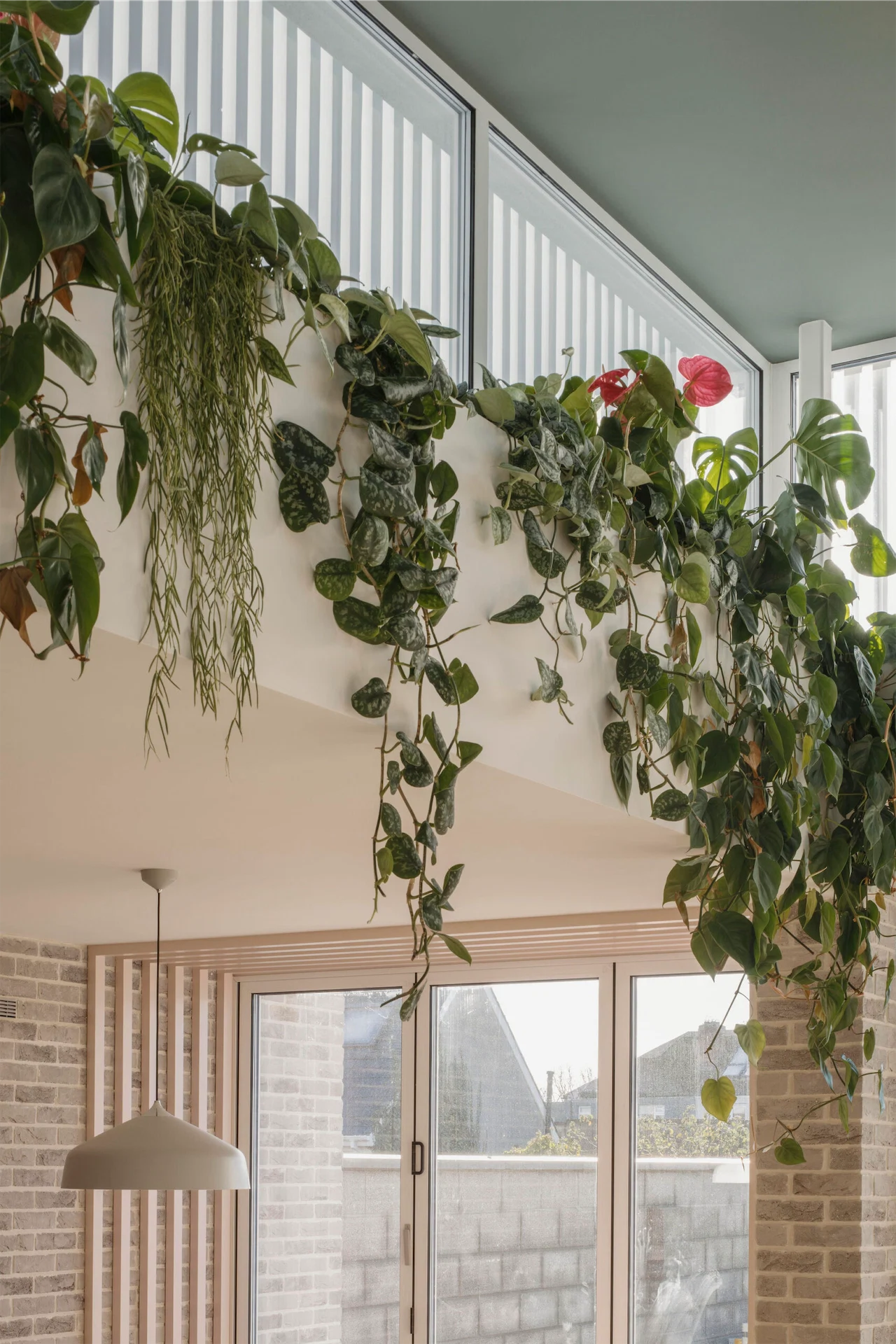
And Cotter’s favourite aspect of the house? The hanging gardens. “We loved the drama of entering the rear room with the diffused light that enters through,” he explains. “But the real star of the show is the planting. Our clients worked with Hopeless Botanics to select plants that were low maintenance and they made maximum impact in the space. They nailed it.
Photography: Fionn McCann
Also Read