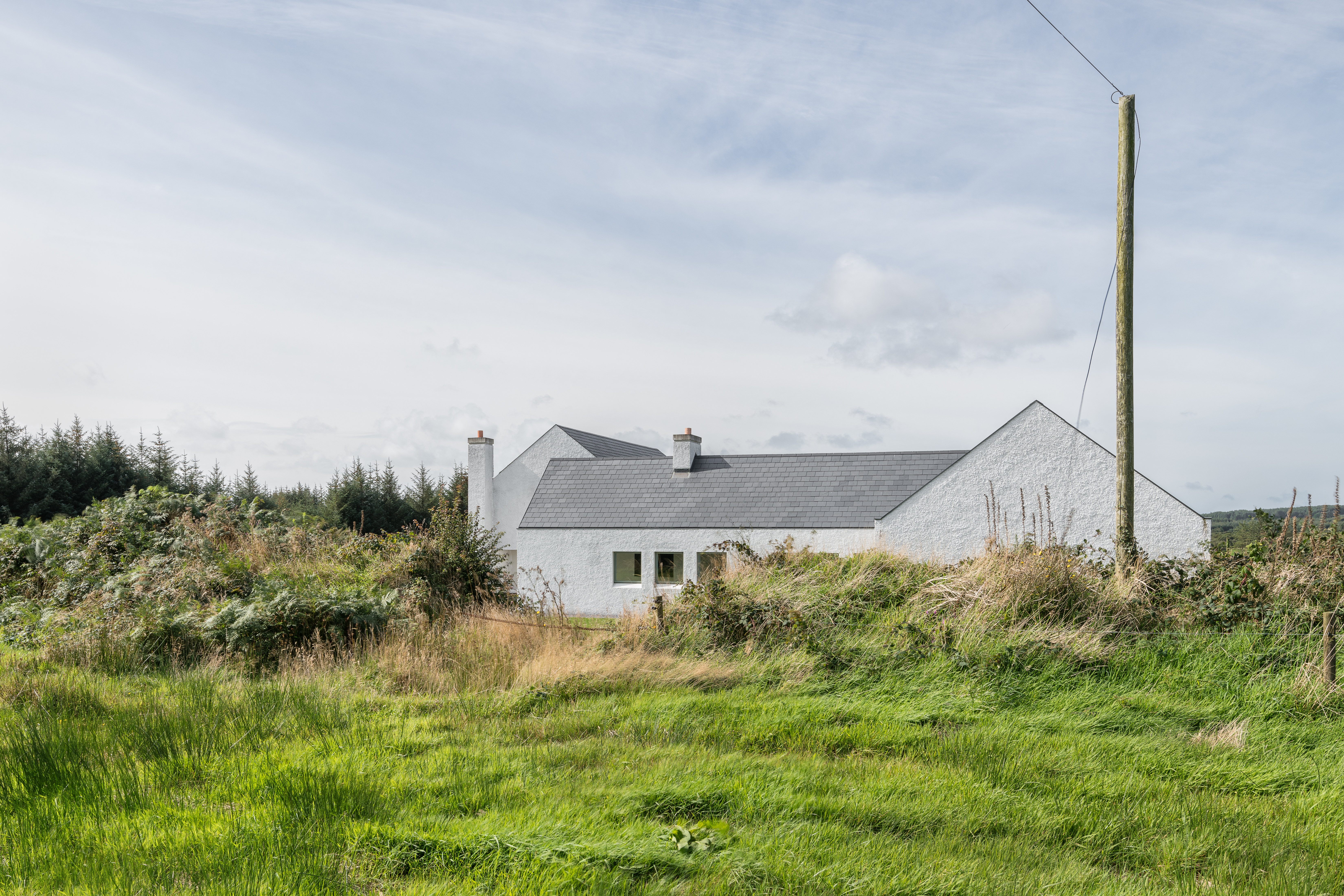





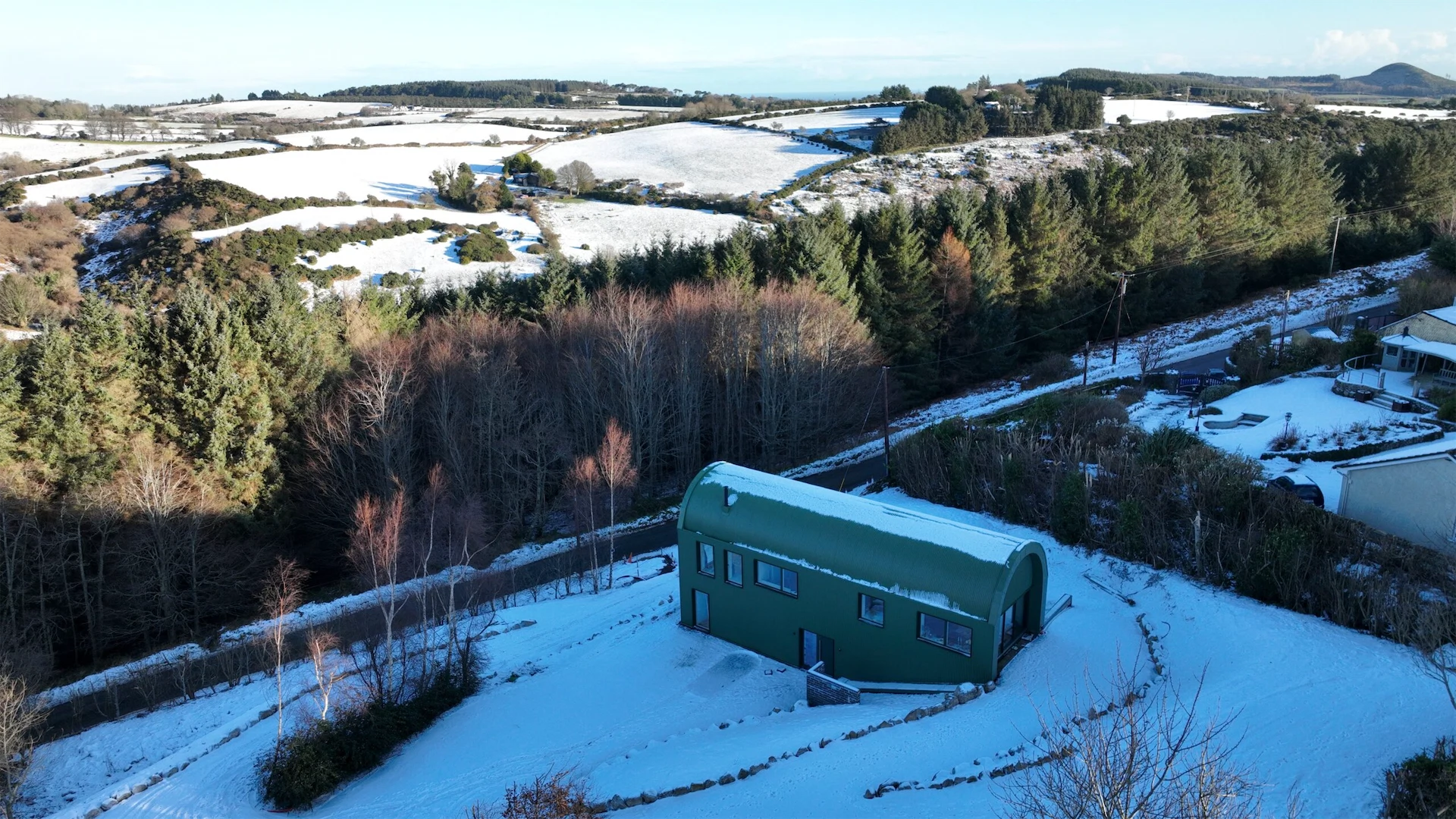
Designed to fit into the surrounding landscape with minimal impact, this house by DUA got planning permission on a site where it had previously been denied.
Corrugated steel buildings are a familiar sight in the Irish countryside. Mostly used for agricultural purposes, they are simple in form, and perhaps not your first thought when designing a home.
However, as Darragh Breathnach, creative director at DUA explains, sometimes you have to think outside the box. “The clients’ primary focus was to get planning on this site,” he says, “which was previously refused before we were appointed. They were also very connected to the area and a sensitive approach to the landscape and area was important to them.”
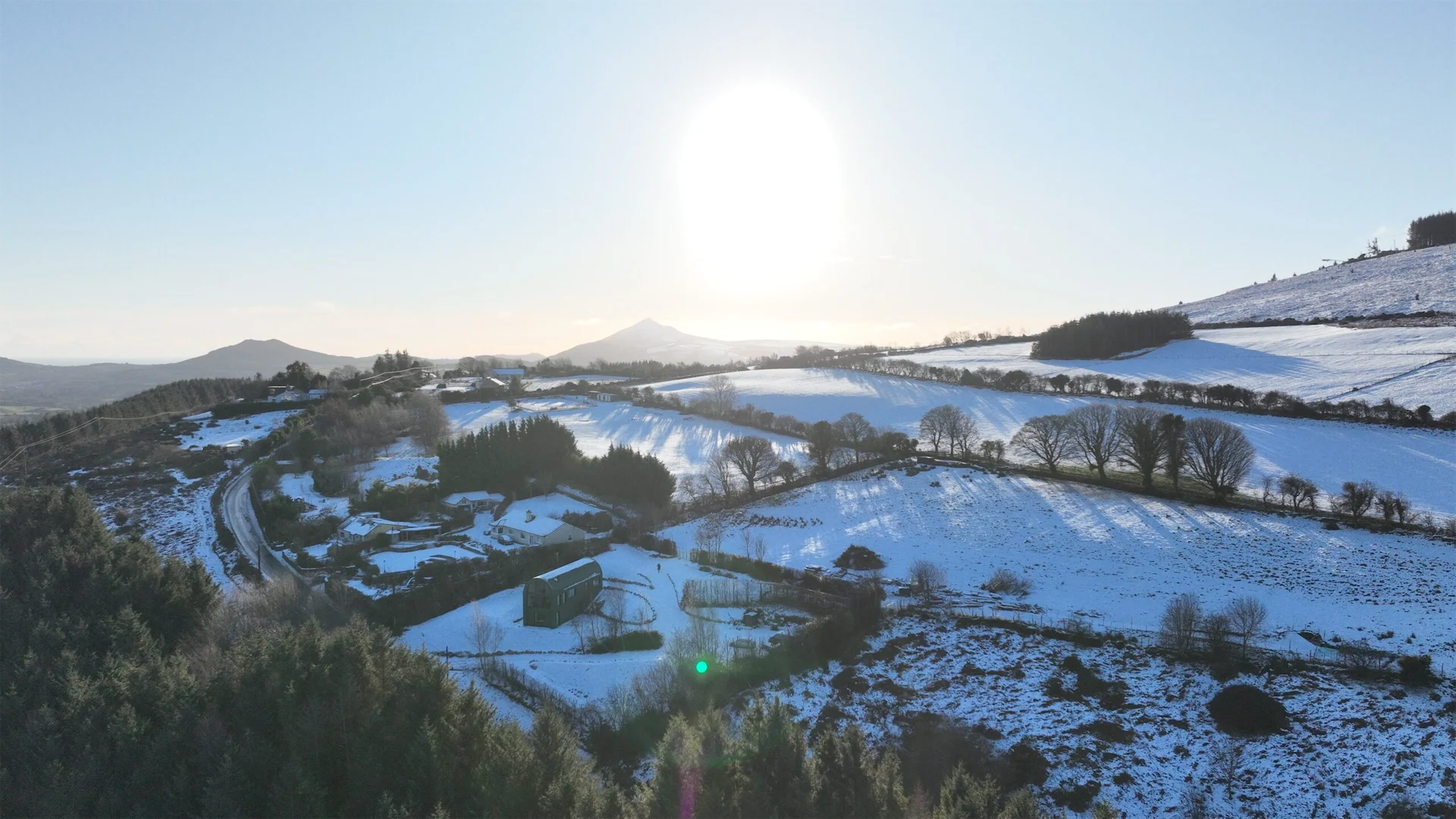
The design not only mimics other buildings found in the surrounding area, but makes every effort to sit unobtrusively in the landscape. “Positioned to follow the slope of the site and capitalise on a naturally flat portion on the site, the house is carefully embedded into the terrain, minimising excavation and preserving the site’s topographical character,” Darragh explains.
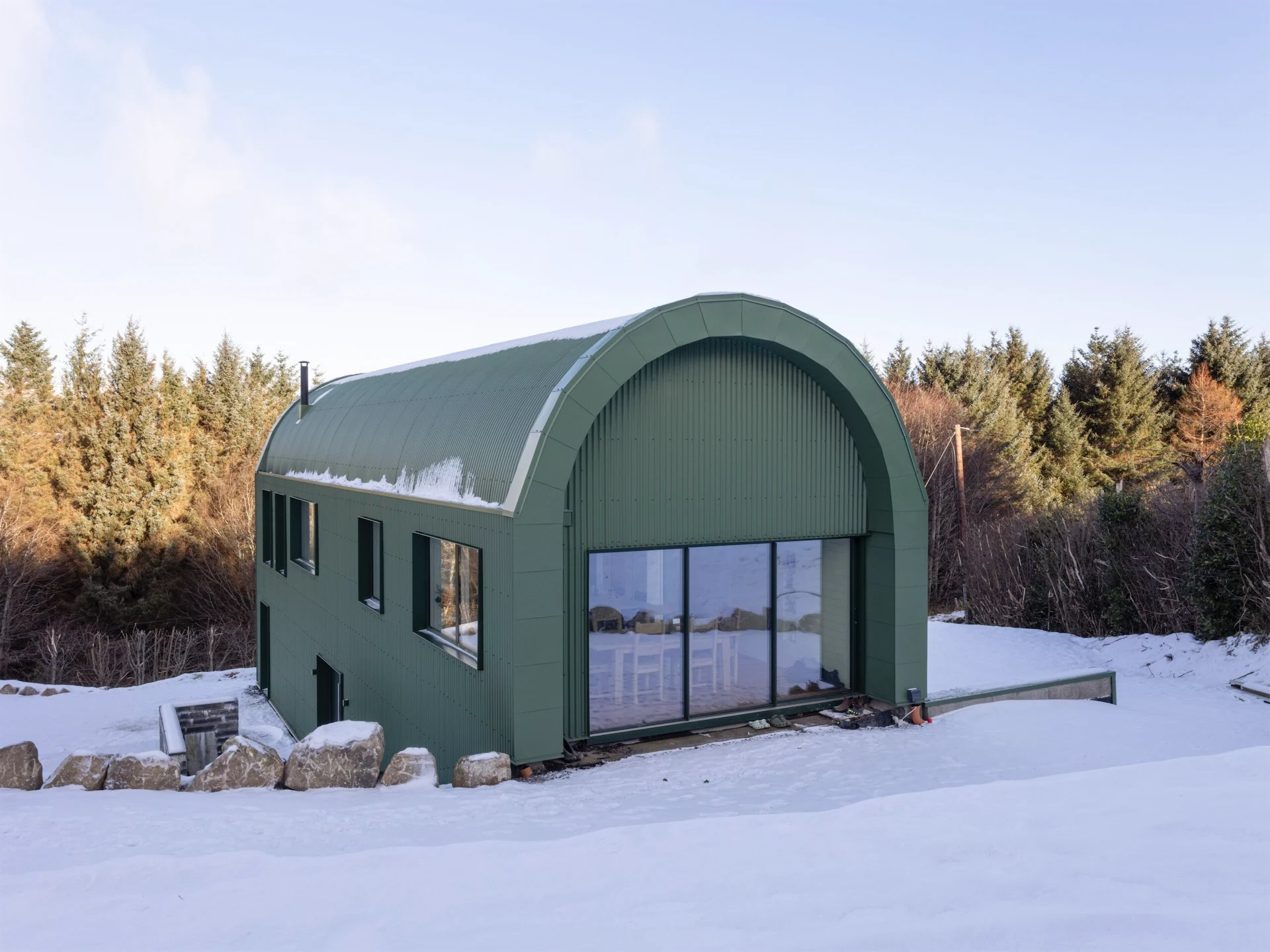
“The form draws inspiration from the green corrugated steel structures that punctuate the Wicklow countryside. A simple, elongated volume with a curved roof reflects the utilitarian elegance of these agricultural buildings while providing a striking yet understated presence. It is semi submerged into the hill to minimise its visual impact on the landscape.”
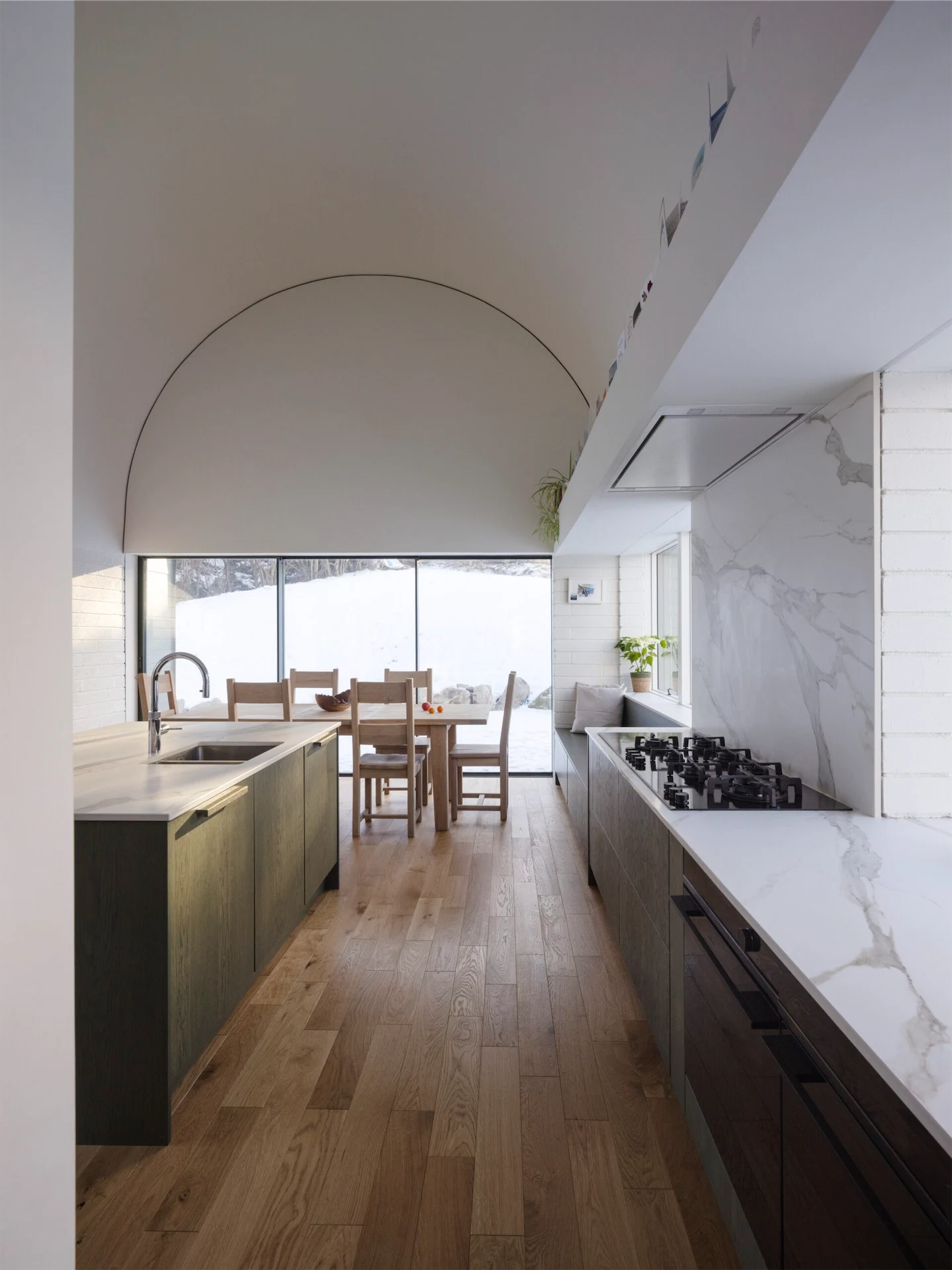
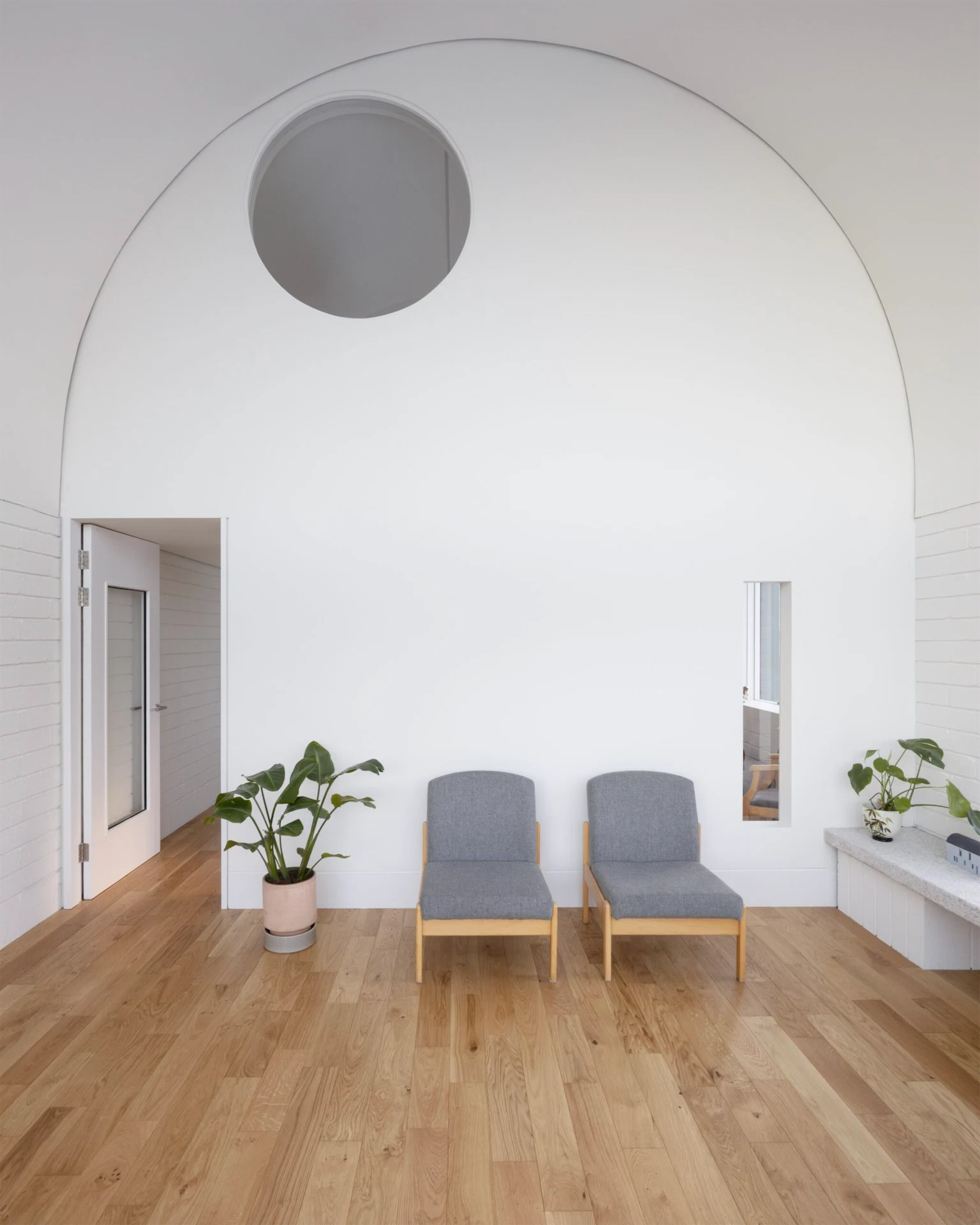
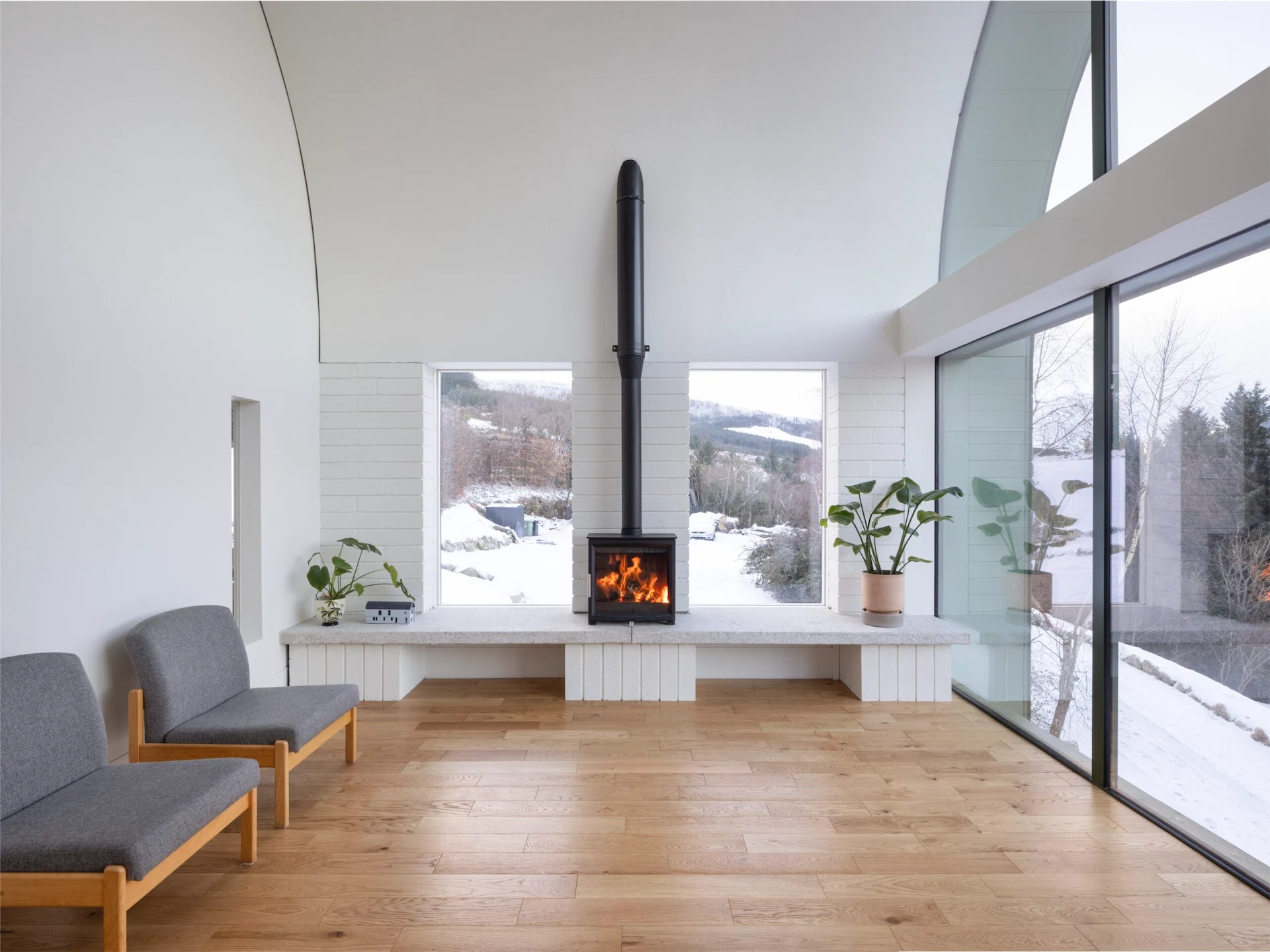
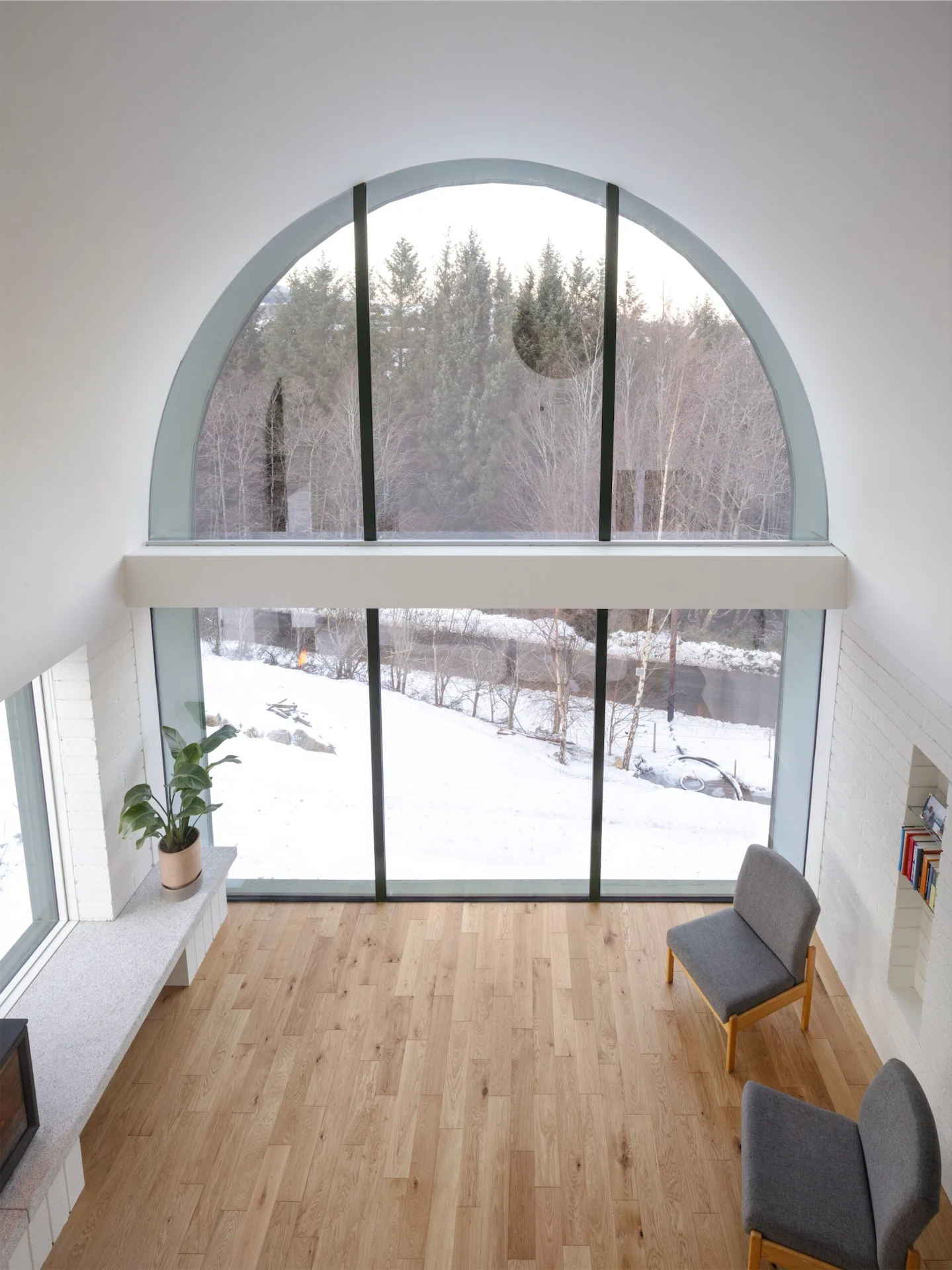
Oriented north south to provide light throughout the day, it was decided to locate the living spaces upstairs, not only to make the most of the natural light in the home, but to capitalise on the vaulted space the roof provides. The result is a bright, calm home with spectacular views of its surroundings.
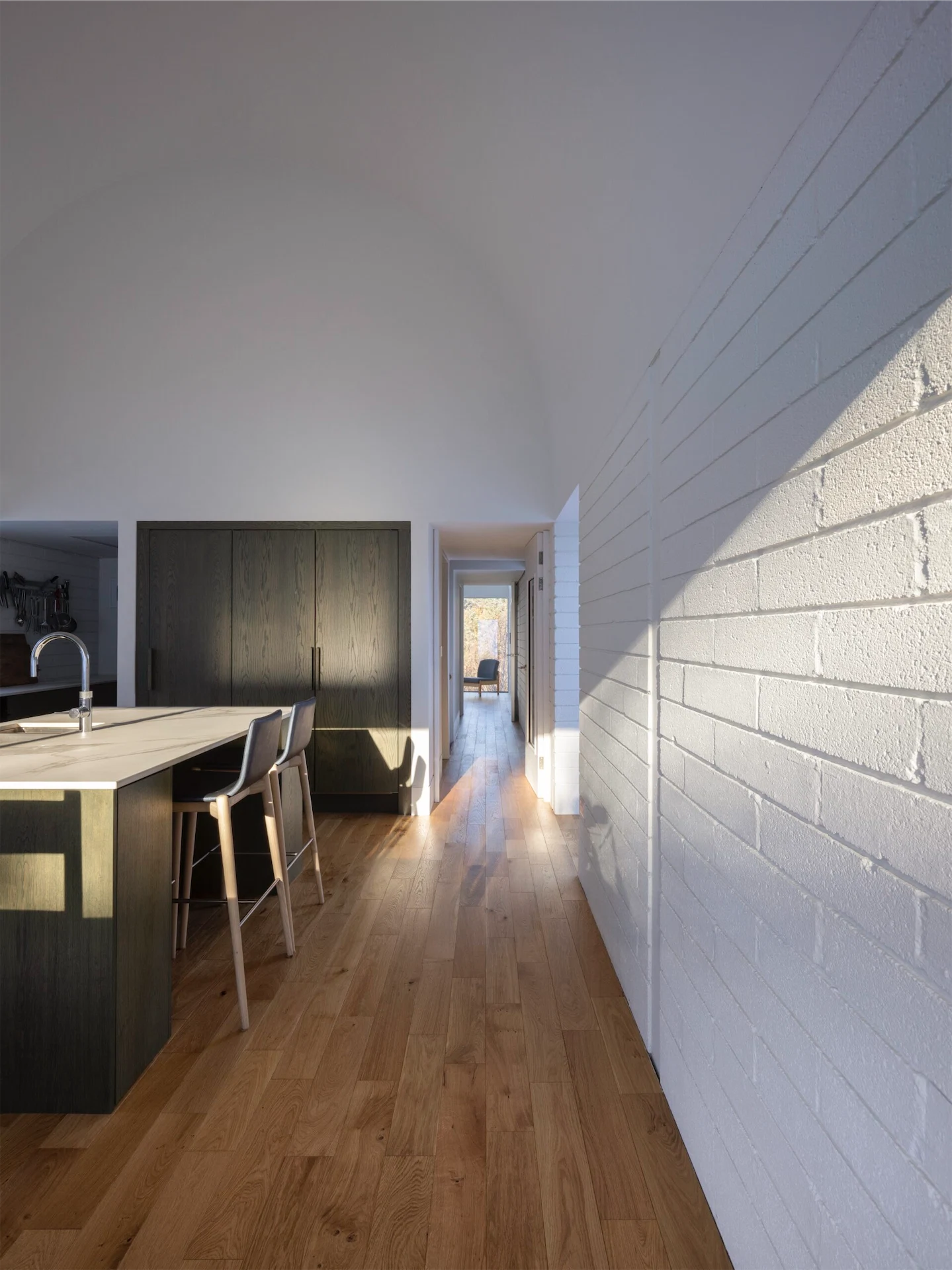
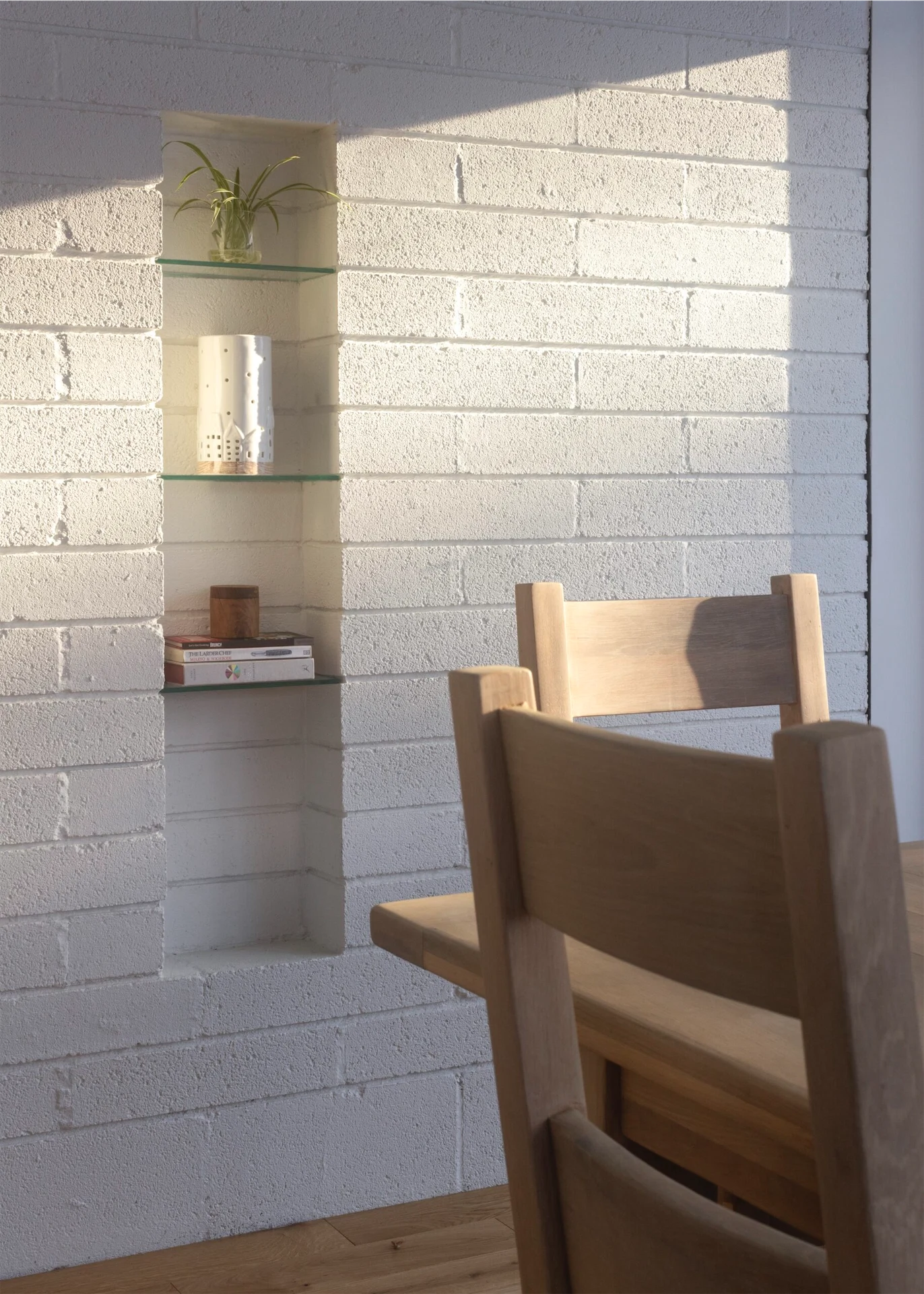
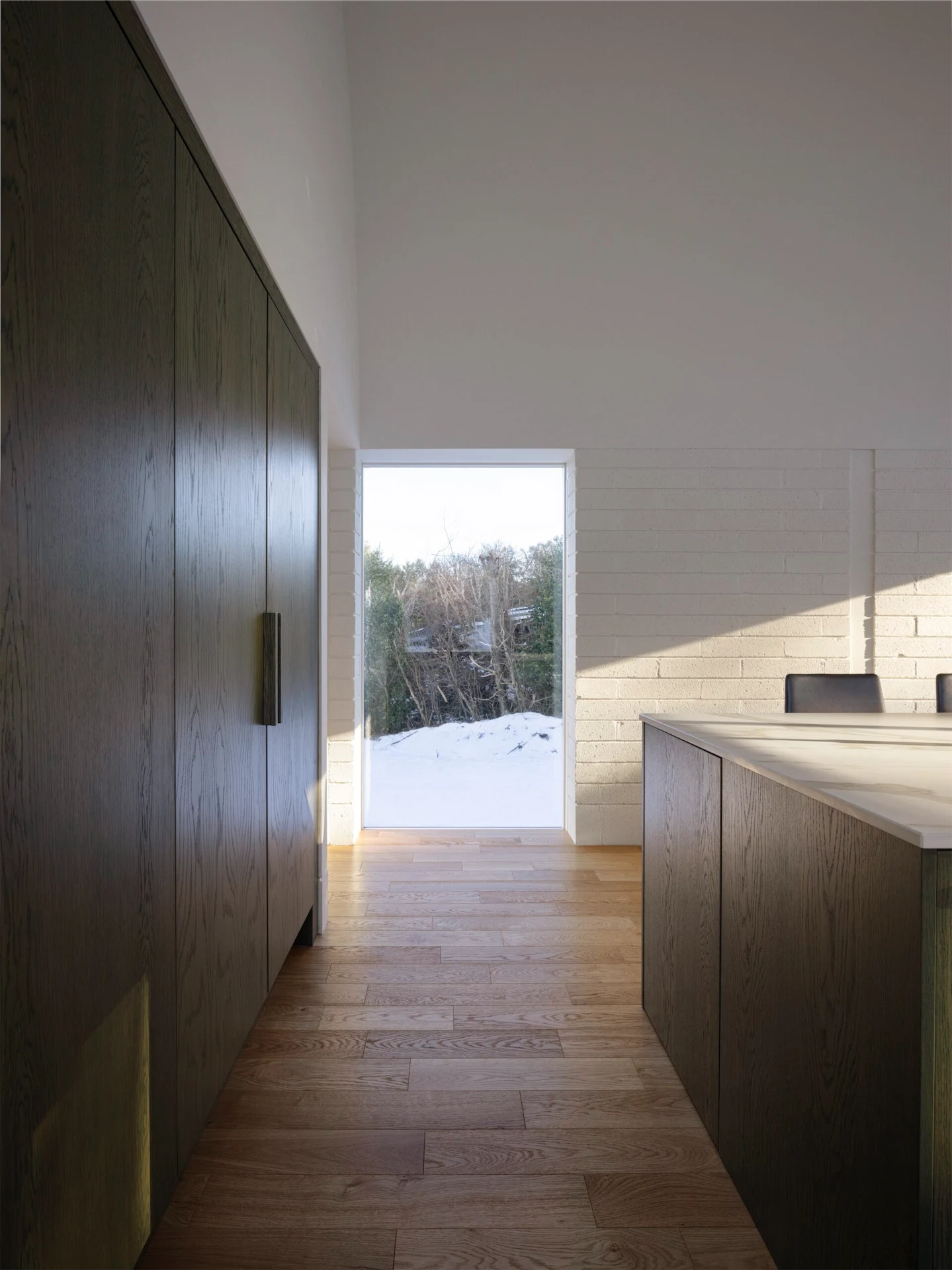
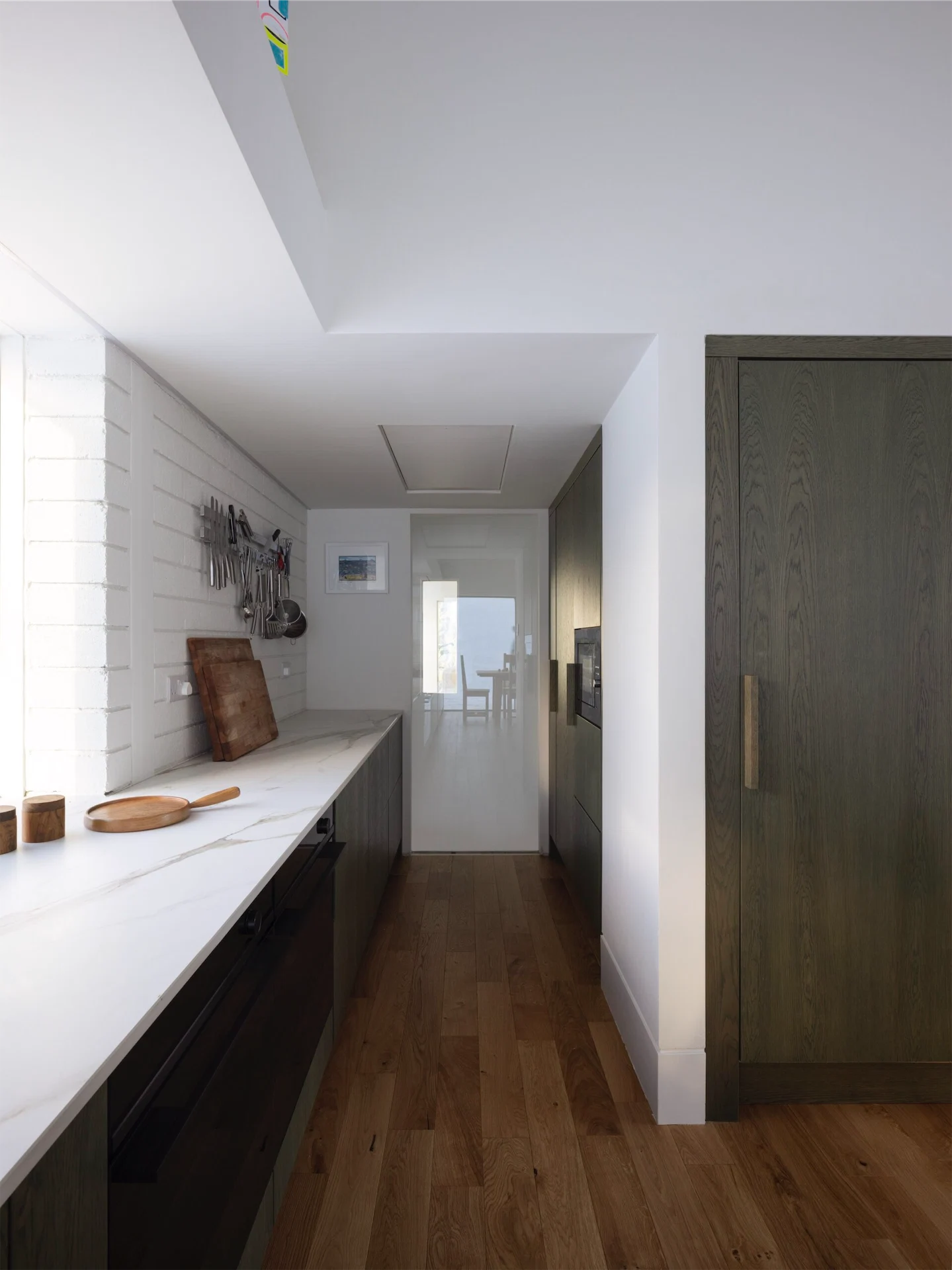
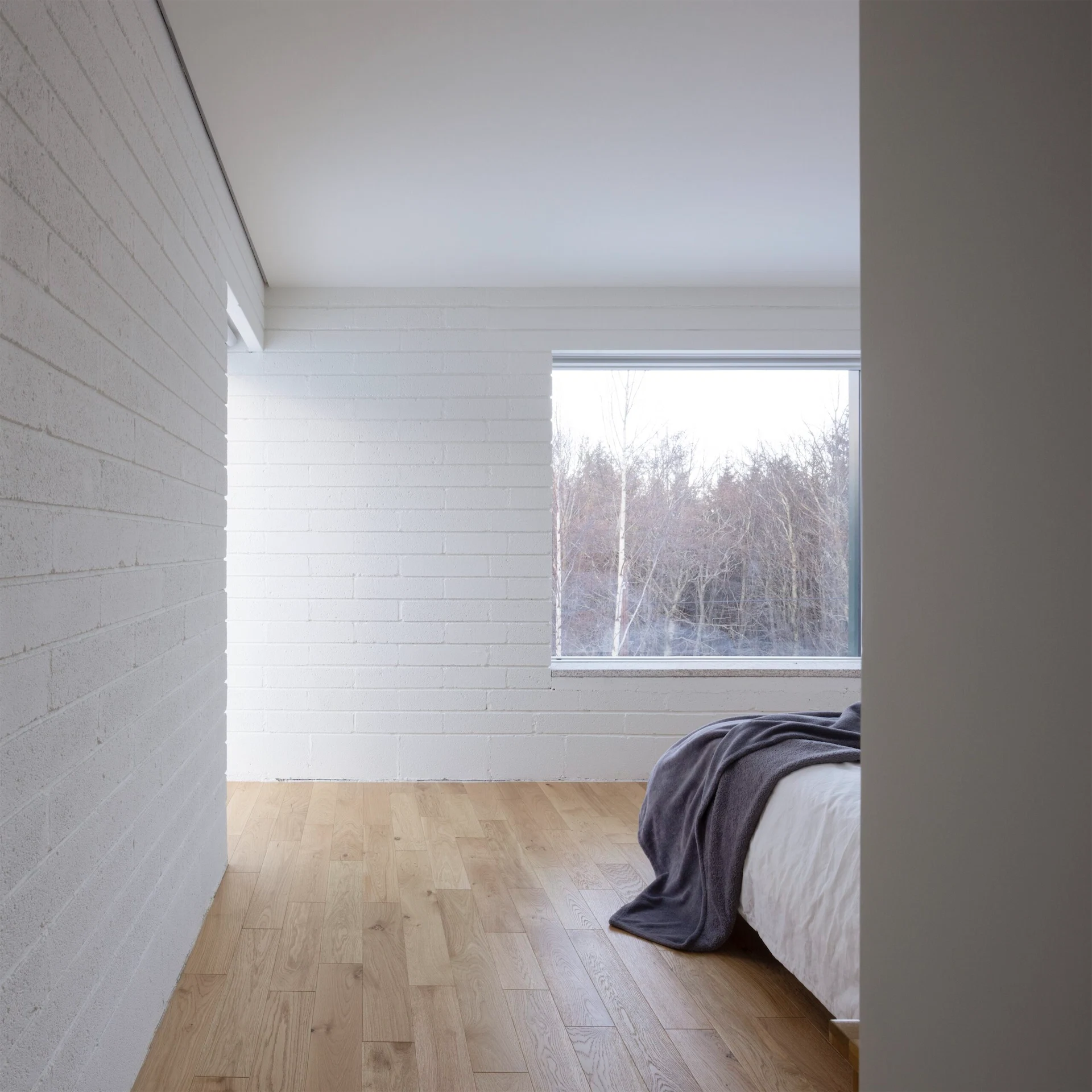
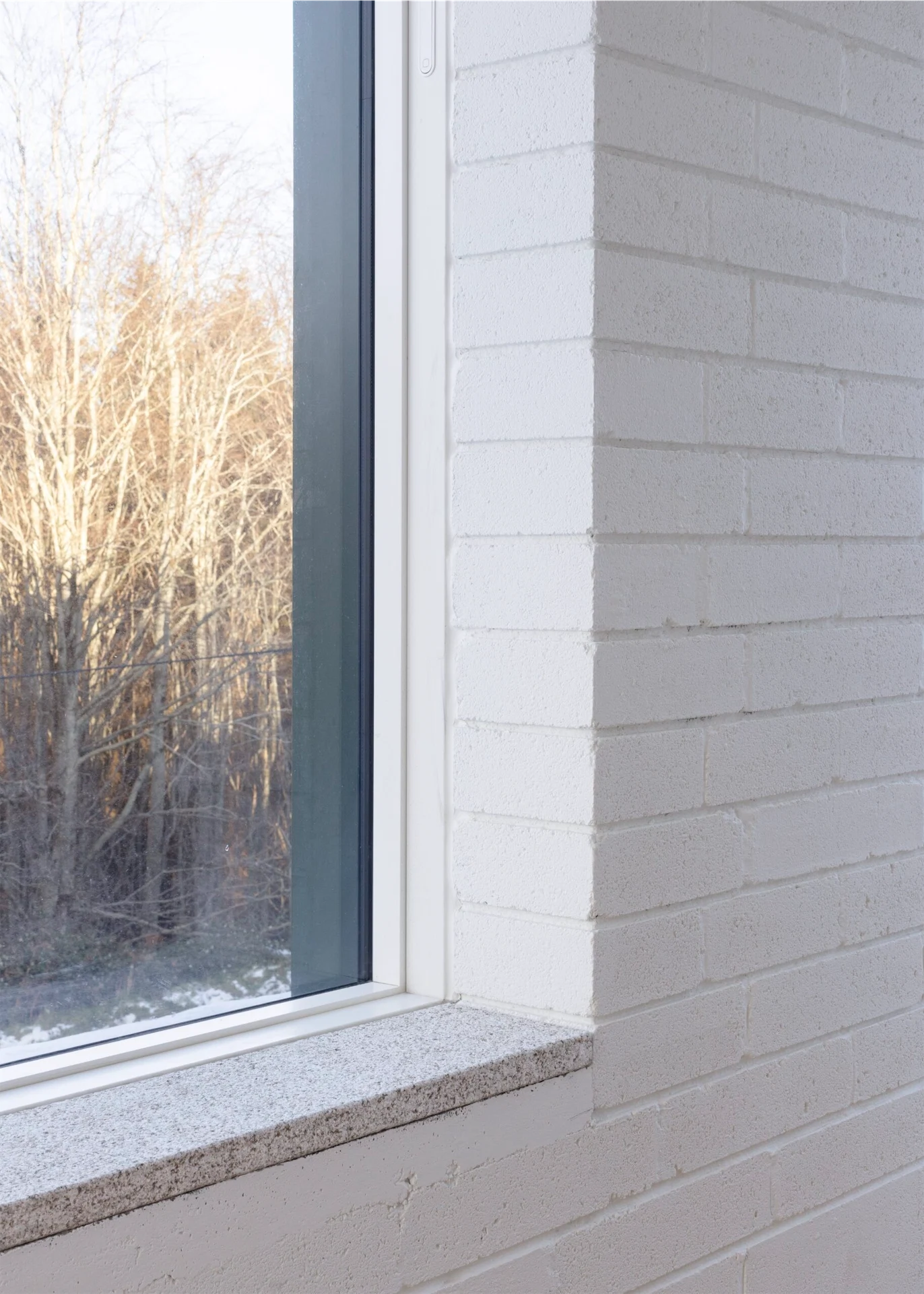
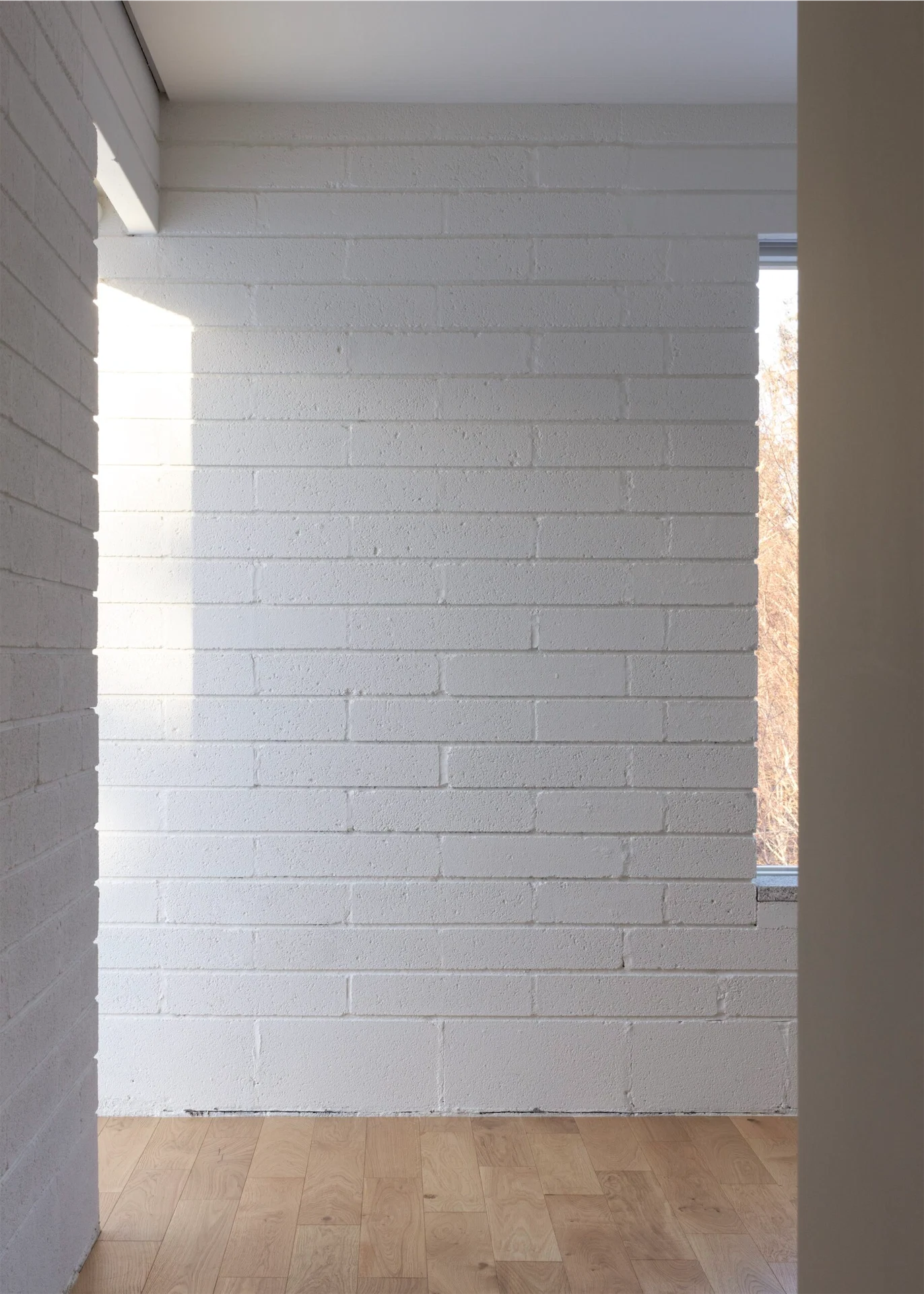
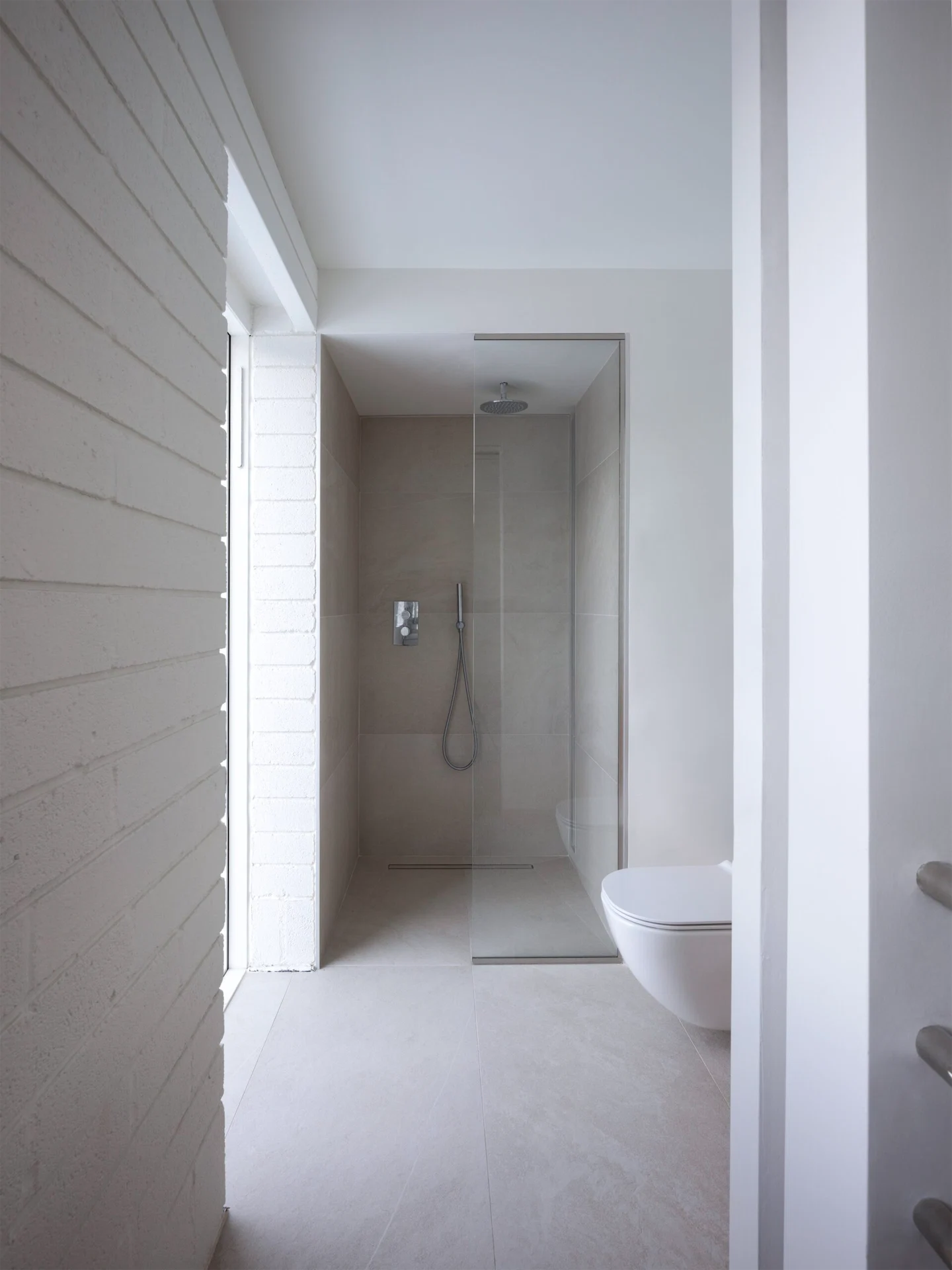
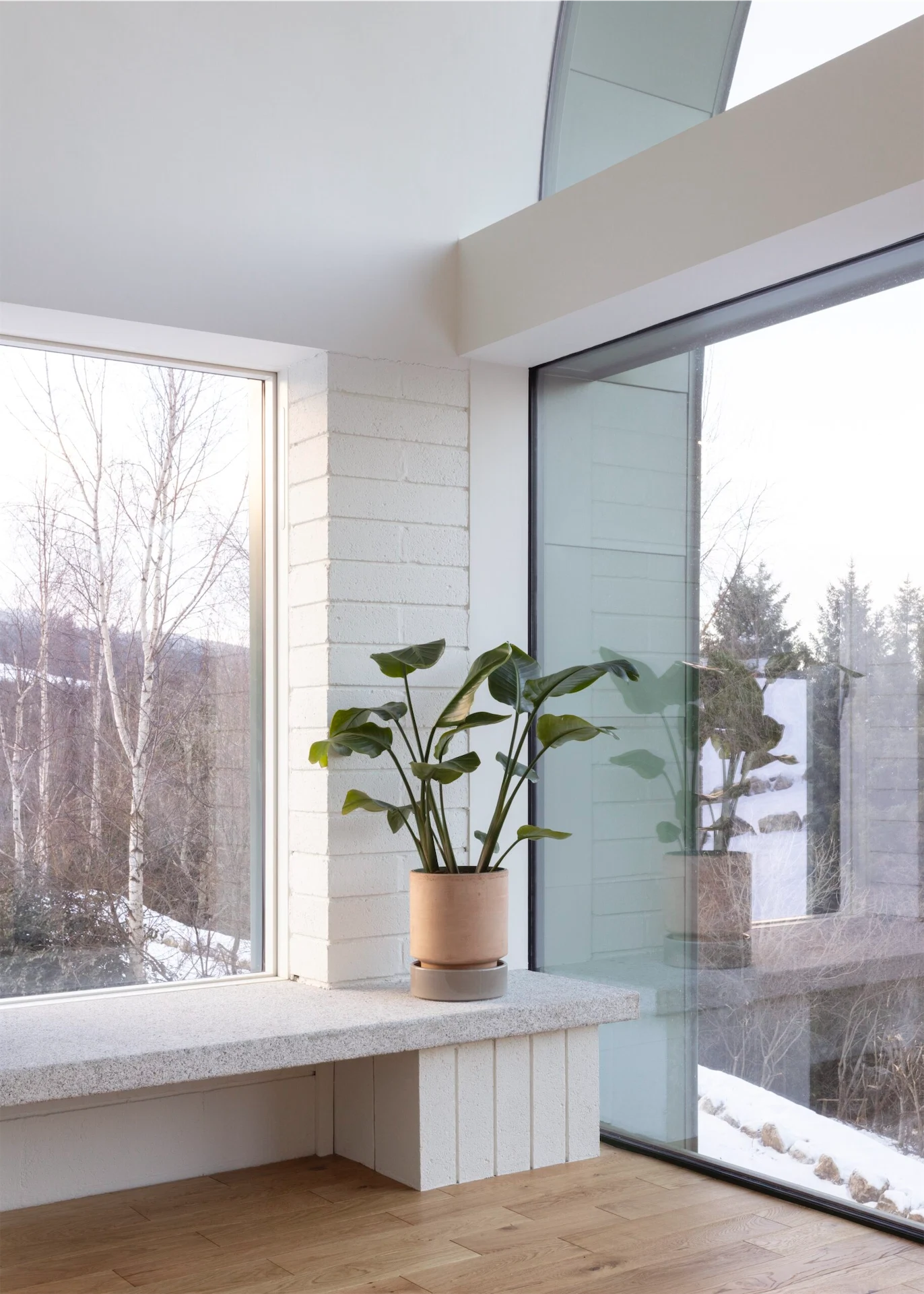
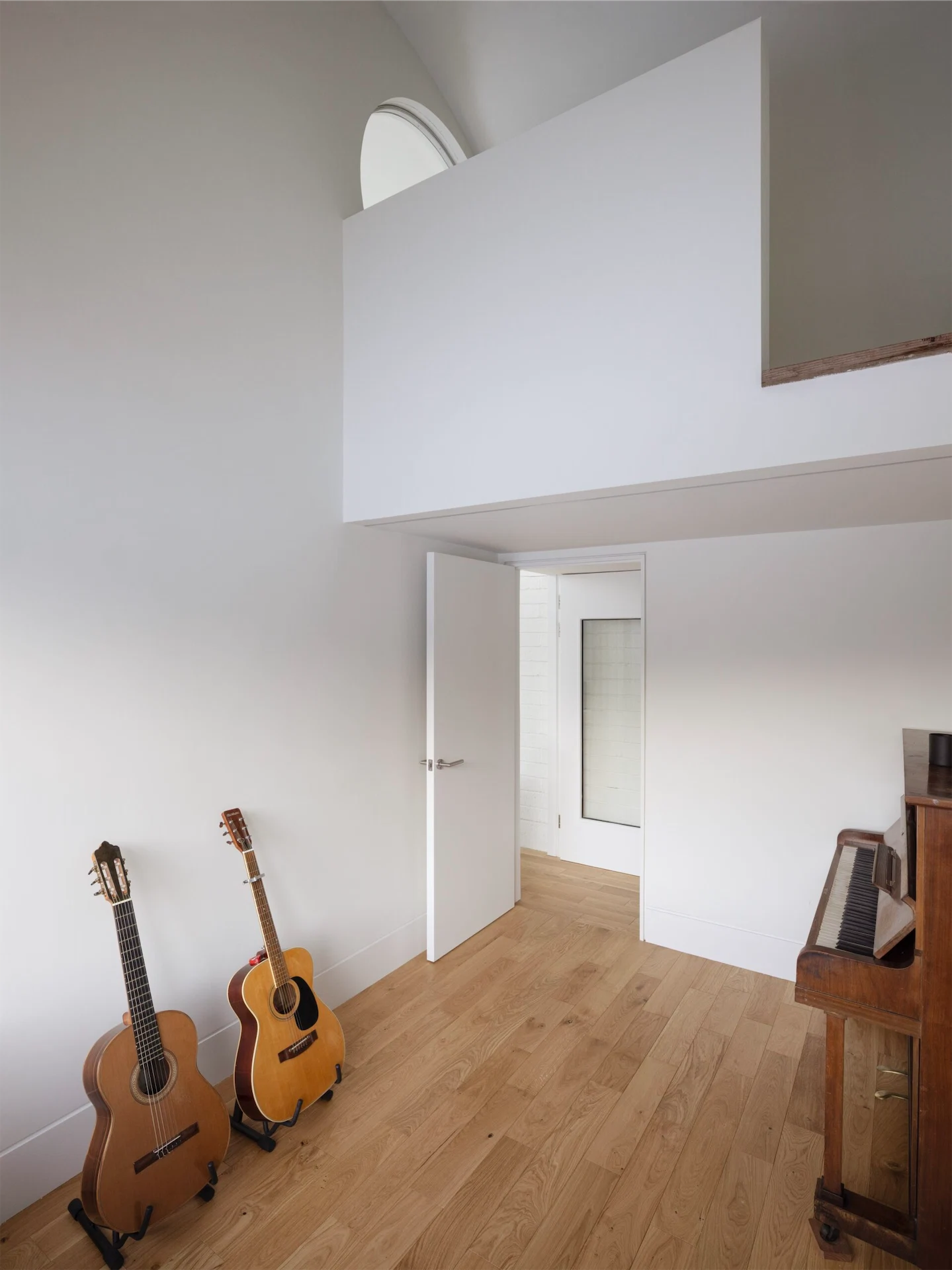
The owners love to cook and entertain, Darragh says, so the kitchen and dining space was very important. Simple finishes such as wood and exposed blockwork keep the focus on the captivating view, while all the lighting is concealed to keep things streamlined and uncluttered.
While the colours are very neutral inside, outside, “green was chosen to reference the local agricultural sheds scattered throughout the area,” Darrah says.
The most successful part of this project, he believes, is “working with something which is common throughout the Irish landscape and reinterpreting this for the use of a family home. It feels familiar but at the same time innovative and exciting.”
Photography: Aisling McCoy
Drone photography: Magnaparte
Also Read