






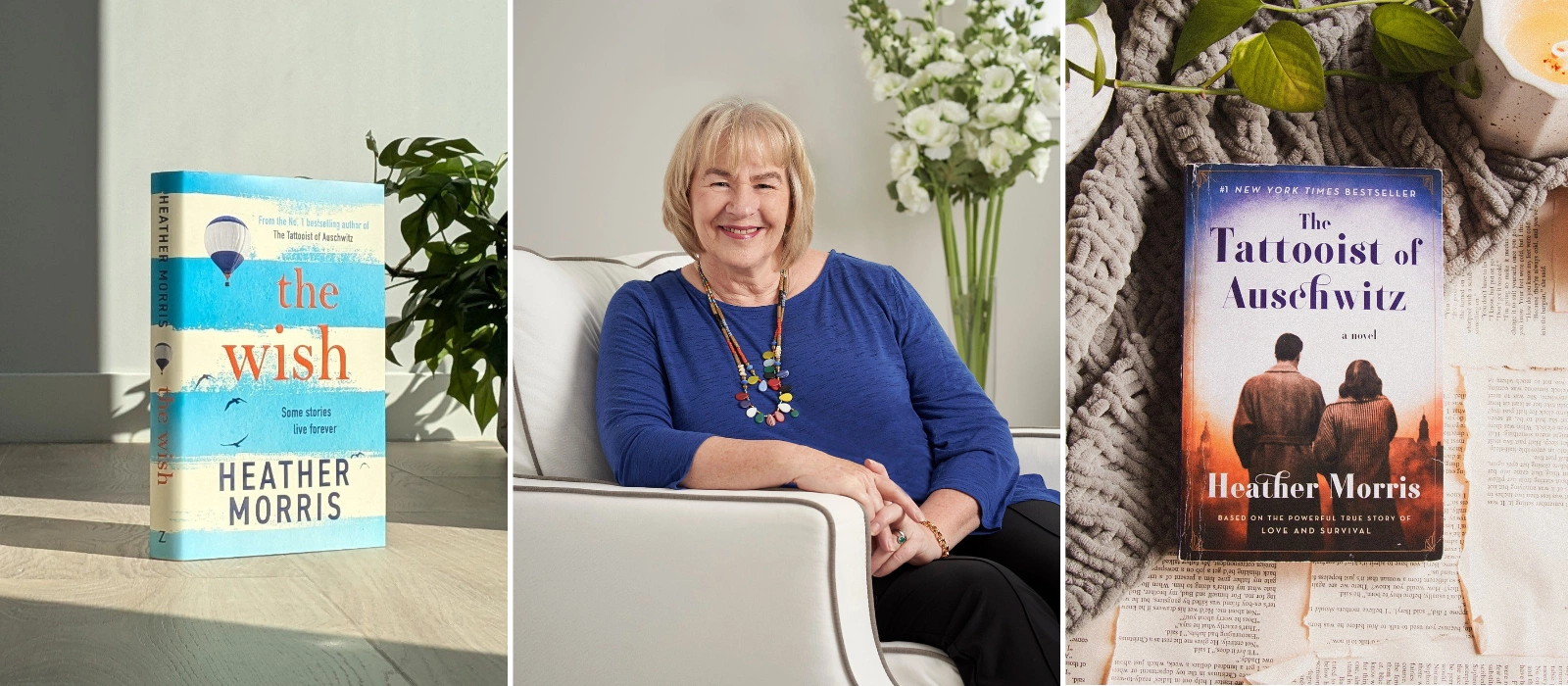
Page Turners: ‘The Wish’ and ‘The Tattooist of Auschwitz’ author Heather Morris
Multi-million best-selling author Heather Morris has published four incredible novels based around the lives of remarkable, real people. Now, she’s just published her first contemporary novel, The Wish.
Heather Morris was born in a small rural town in the middle of New Zealand’s North Island, and later moved to Melbourne in her twenties. Fondly known as the family storyteller, Heather hadn’t realised that she could actually become an author, but still she followed the passion to a screenwriting course, working on scripts and in seminars for years.
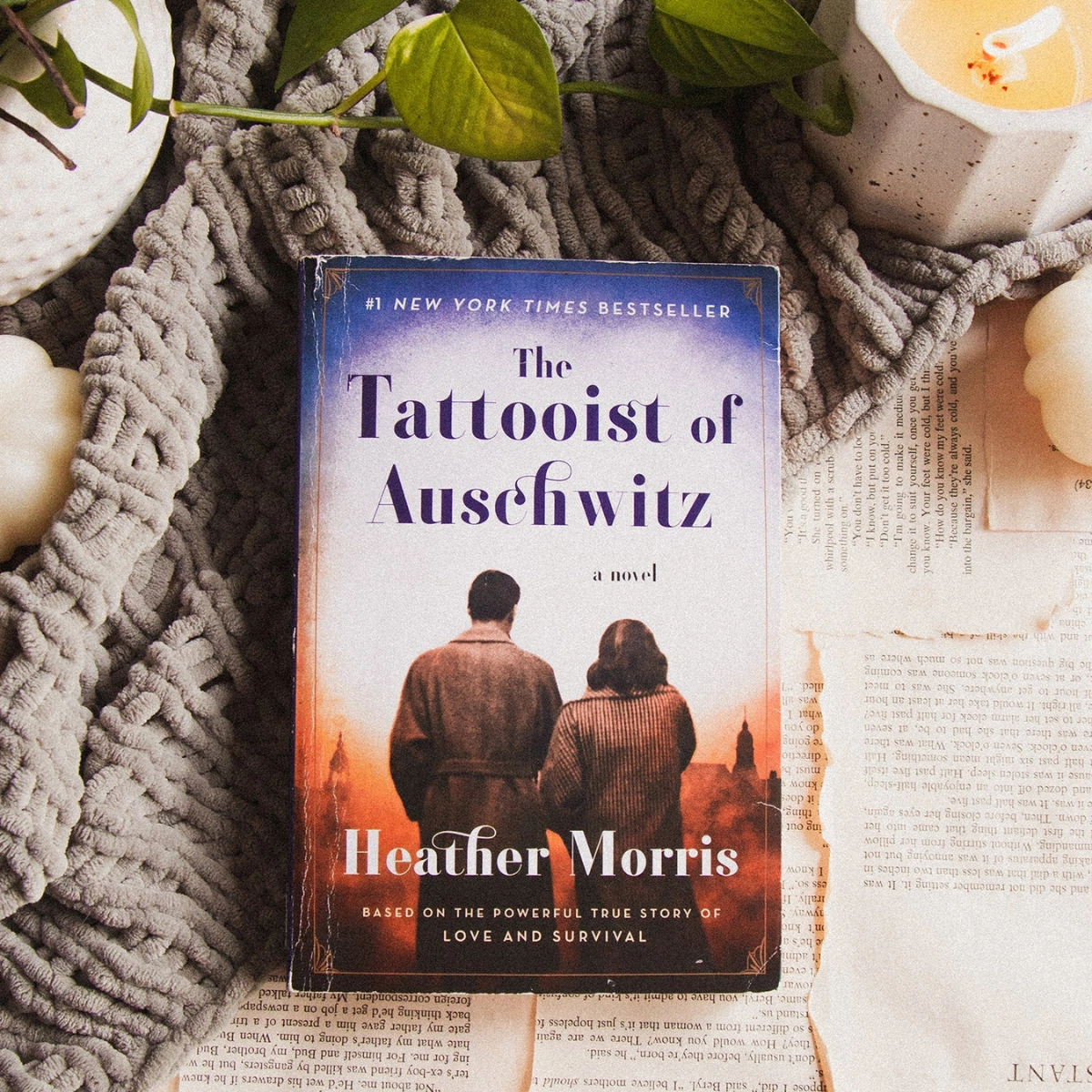
Then, in 2003, Heather met Lale Sokolov, an elderly man who ‘might just have a story worth telling’. This day, both of their lives changed, and 15 years later, The Tattooist of Auschwitz was published. Since then, Heather has published three more novels based around the lives of remarkable, real people: Cilka’s Journey, Three Sisters and Sisters under the Rising Sun. Together, Heather’s books have so far sold over 18 million copies worldwide.
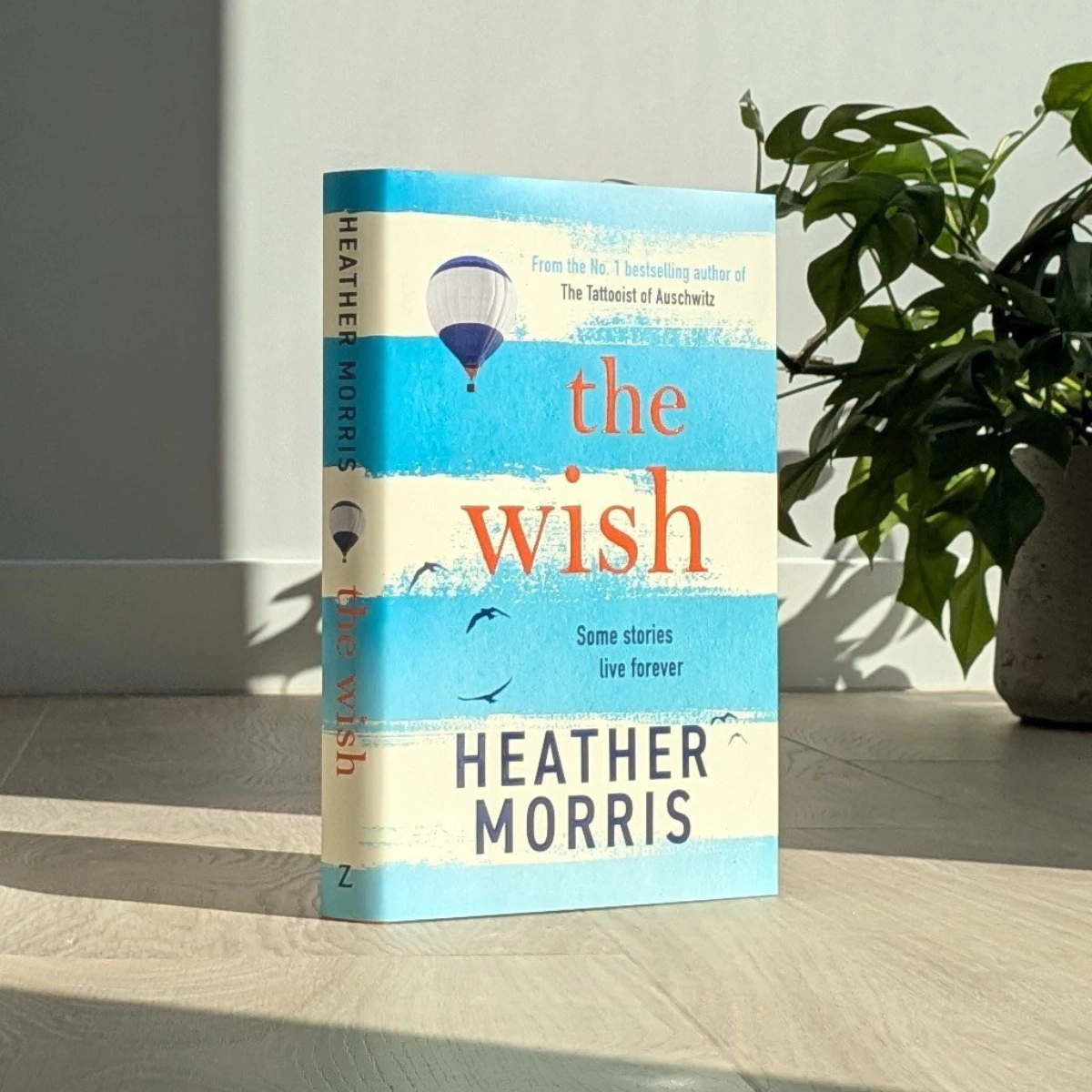
The Wish is Heather’s first work of contemporary fiction, and is inspired by her work in the social work department of a large hospital, where she was interacting with women, men and children at the worst times of their lives daily. It is a powerful and heartfelt contemporary novel about courage, family, resilience and finding hope in the darkest of places.
Did you always want to be a writer? Tell us about your journey to becoming a published author.
In a word – No. Not long after my first novel, written and released when I was aged 65, I was having a conversation with two of my four brothers. They were joking with me about the success I’d had and never expected. I asked them what they thought mum and dad would think. They both thought our parents would be surprised that I had written a story, after all I was known as the family storyteller, (they used a different phrase, I’ve cleaned it up for you). I’ve always told stories and never considered writing them down. They were right; hence I call myself a storyteller, not an author.
What inspired you to start writing?
As my children stopped asking me to drive them somewhere, instead asking for the car keys, I realised I was at an age when I could think about myself and how I wanted to see the remainder of my second act and third act of life playing out. Being a long-time lover of movies, I decided to study the craft of writing a screenplay. How difficult can it be, I asked myself? In my work in the social work department of a large hospital, I was daily interacting with women, men and children at the worst times of their lives. I was in awe of the courage and resilience of patients, their family and friends. Stories were all around me. And then I met Lale Sokolov, and he told me his story of being the Tattooist of Auschwitz.
Tell us about your new book, The Wish. Where did the idea come from?
The Wish was written over twenty years ago as a screenplay. It was the story I wrote when doing an online course. One patient, a 16-year-old, was told it was time to ‘make a wish’. For most of us, being asked to make a wish would be the best thing, but for the parents of children with a life-threatening illness, it is the last thing they want to be told. I had been honoured to be on the periphery of too many wishes. Witnessed too many families grappling with a terminal diagnosis. I never got used to the bravery of these young people and their families at this time.
The Wish is inspired by too many young people and their families. Jesse asks for a video experience to help her family ‘move on’, thinking they would need something to remember her by. Alex has never had a biological family. Withdrawn, he lives in his own world with his dog Max. When he is brought into the world of Jesse, her family, other young patients and the medical professionals, he is forced to make a decision – walk away, or become part of the team.
What do you hope this book instils in the reader?
That it takes only moments to die. The rest of the time we are living, so live each day, embrace those around you. There is no greater gift than to love and be loved in return.
What did you learn when writing this book?
That it is more difficult to tell a story that I was involved in than someone else’s story. Initially I was trying to write the story protecting myself; in a disconnected way, desperate to remember the beautiful memories, not the painful ones. I felt like a fraud. I had asked others to open up to me with their stories, but I wasn’t always being truthful with myself in how I was feeling. I had to learn to face many painful experiences where I had remained somewhat detached at the time in order to do my job and now I needed to acknowledge how I had really felt all those years ago.
Tell us about your writing process?
Coming to writing late in life I have been able to write when the mood takes me. No work or family commitments means I have never developed a pattern or discipline of so many words per day or hours at my desk. I do know I write better at night, the fewer distractions the better. For my historical fiction stories, I follow the words of the writer William Goldman – research, research, research, now throw the research away and write. Other than checking on timelines, I write from what I have researched and read over and over. The story must be in my head when I sit down to write.

Where do you draw inspiration from?
People I have been privileged to meet or be introduced to; a sentence in a news article that intrigues me, and I need to know more about. I’ve discovered I love the research needed for my novels, the detective in me awakens and I have to remind myself I have a story to tell.
What are your top three favourite books of all time, and why?
Parting words: 9 Lessons for a Remarkable Life, by Benjamin Ferencz: Written when he was 100 years old, this memoir of less than 200 pages gives us a glimpse of one of the most incredible men of the past century. A poor immigrant to the US in the 1920s, Benjamin was one of the first Jewish men given a scholarship to study law at Harvard. He was a decorated soldier during World War II. He was the lead prosecutor at the Nuremberg War Trials, the first to utter the words in a court of law: “Crimes against humanity”. He was instrumental in setting up the International Criminal Court in the Hague. He is inspiring and funny, writing with love, hope and above all else, humour. He reminds us how everything we need and want in life is already inside of us.
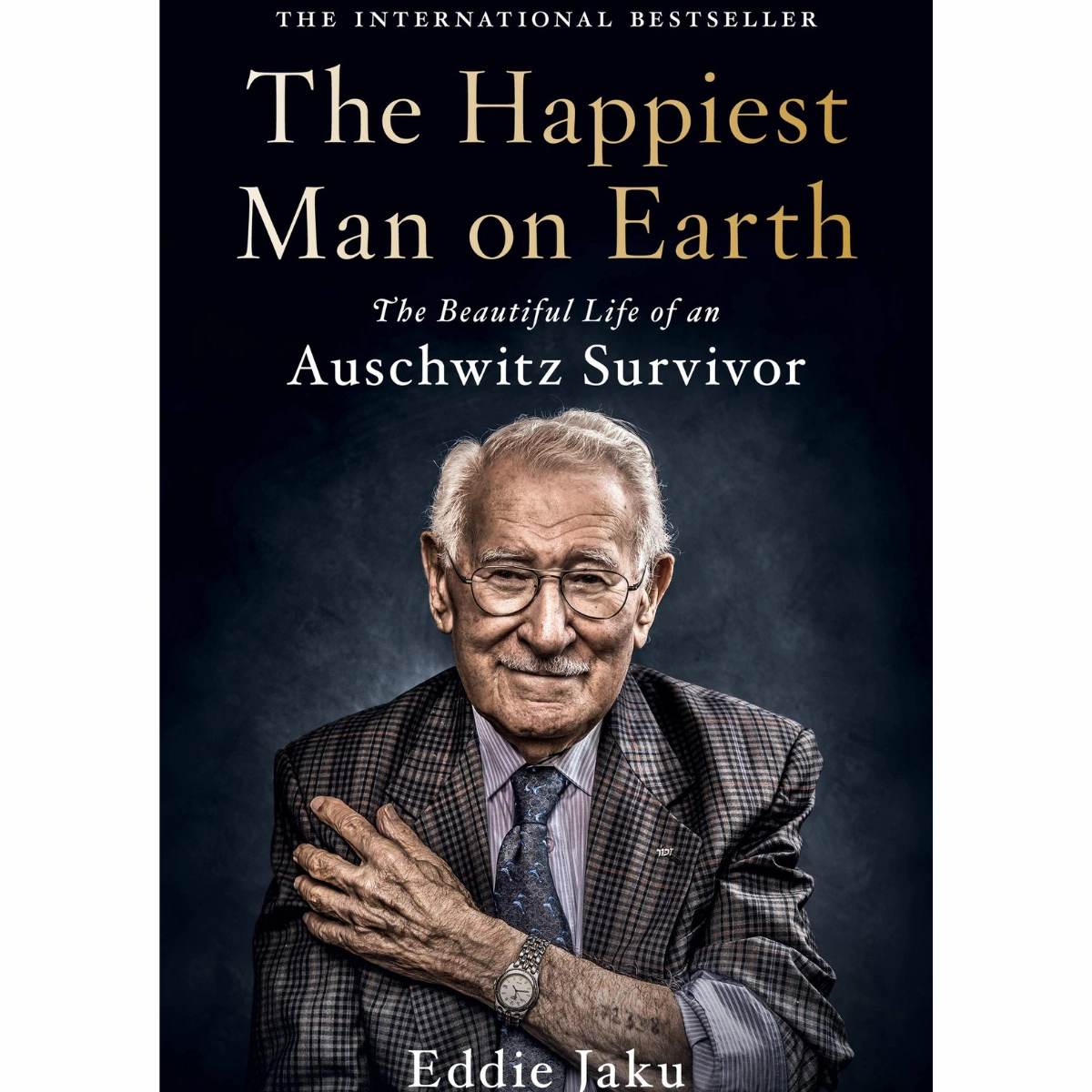
The Happiest Man on Earth, by Eddie Jaku: Again, a memoir published as Eddie turned 100. What is this saying about me that I have chosen two centurion’s books as my favourites! You’ve got me thinking now and I’m wondering if I am projecting my fears and concerns for our world right now and what it means for my children and grandchildren. Anyway, Eddie is a Holocaust survivor who found happiness in all aspects of his life. Uncomplicated, vivid, written with the rich pure voice of Eddie. I finished this book in one sitting.
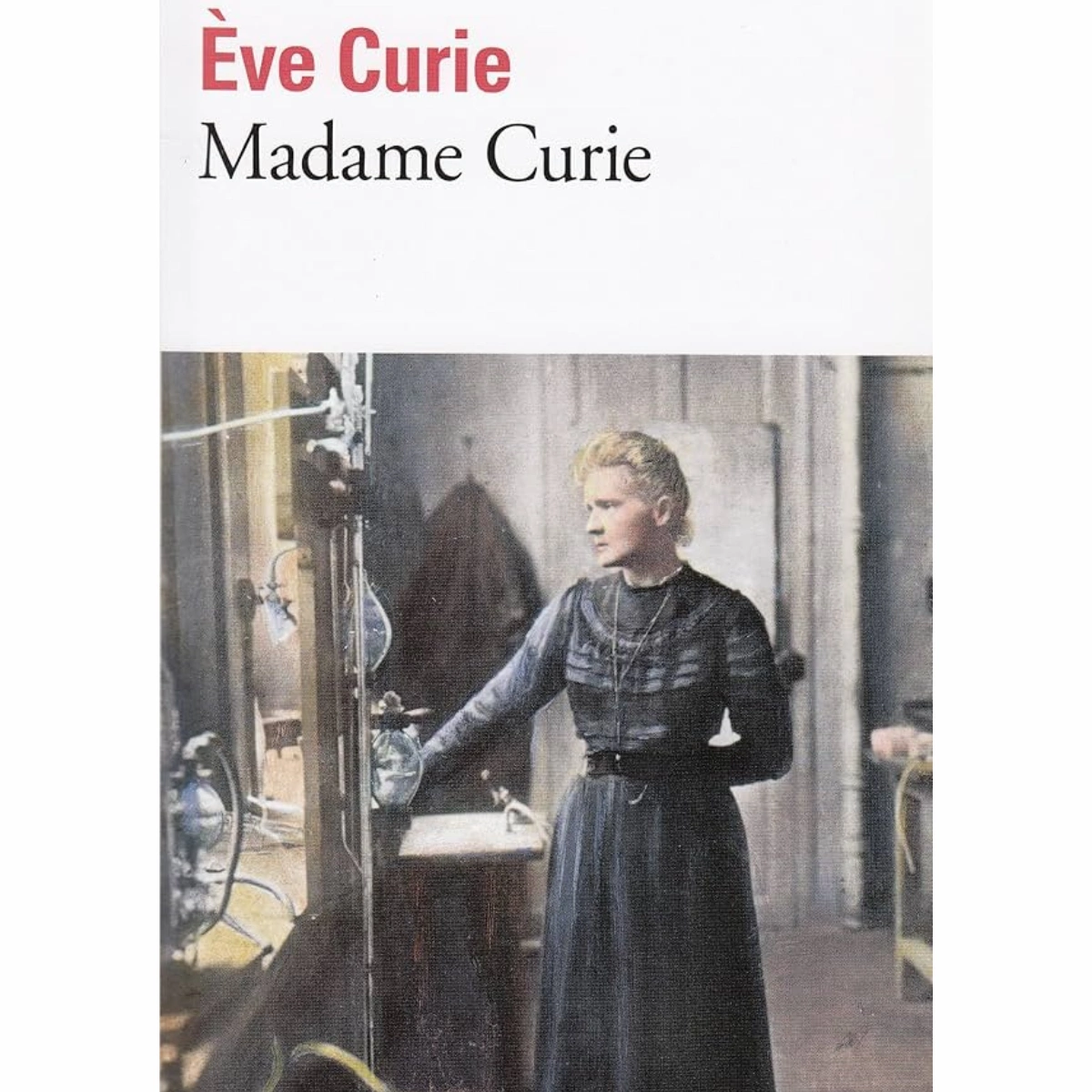
Madame Curie, by Eve Curie: Reading my first biography as a child about the life of Marie Curie changed my life. I read about a woman who had achieved greatness in a male dominated world. I was growing up in rural patriarchal New Zealand. This book gave me permission to dream that I too could leave the shackles of our small town, that being female did not have to relegate me to a life of domesticity. I subsequently left that small town, moved to another country, became a feminist and activist, went to university as a mature age student with three small children, and at the age of 65 wrote my first novel, The Tattooist of Auschwitz.
Who are some of your favourite authors, Irish or otherwise?
Maeve Binchy – Growing up in a small village I related to her stories set in small-town Ireland. She is the master of ensemble story telling.
Sally Rooney – What a breath of fresh air Sally was bursting onto the scene. She gives us all permission to be our flawed selves, no explanation necessary.
Michael Connelly – There, I’m admitting I am a huge Harry Bosch fan. I’ve read all 24 novels and look forward to the 25th. I feel like I know Harry, I like him, I have connected with him as a character.
What are some upcoming book releases we should have on our radar?
It was released last week in Australia, my dear friend Vikki Petraitis’s novel Stolen is a cracking read and will be coming your way. While waiting, check out her first novel The Unbelieved. For many years Vikki has been a true crime writer, she’s now joined the ranks of fiction.
What book made you want to become a writer?
Here’s the thing, I never thought I would have the ability or talent to write a story. I accept that for all my life with my family and friends I was called a storyteller, any attempts to tell me to write were shrugged off. I found the rules given to me when studying screenwriting easy to follow. Follow the formula. Three acts governed by page numbers for a 90–100 minute film. I do believe learning these rules helped me with structure and pacing when it came to writing my first novel which was after all, my own adaptation from my script to a novel.
What’s one book you would add to the school curriculum?
I’m humbled to have The Tattooist of Auschwitz on the school curriculum in many countries. Touched by the hundreds of letters I have from students. I’d like to suggest Benjamin Ferencz’s Parting Words : 9 lessons for a remarkable life should be read in every school, in every country.
What’s the best book you’ve read so far this year?
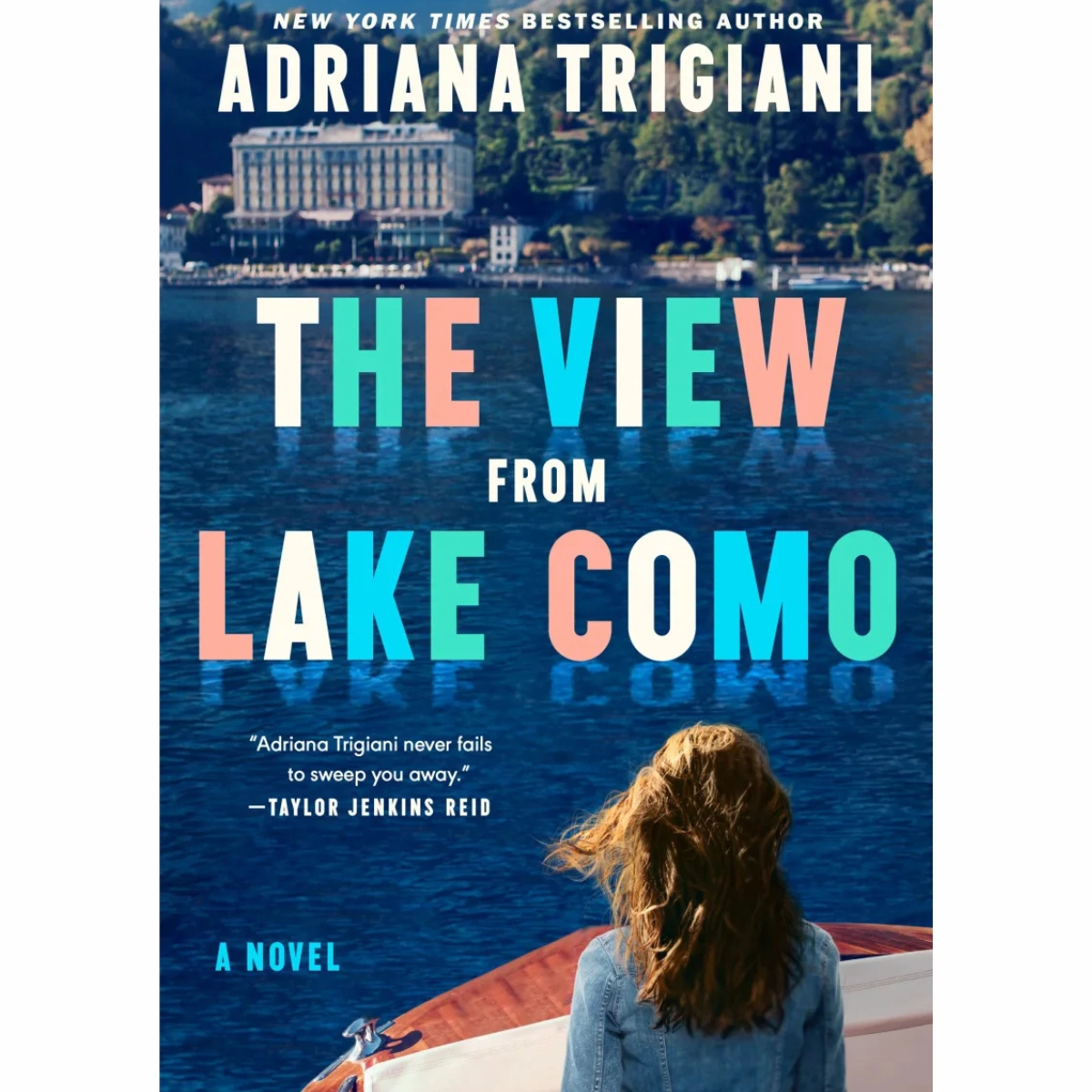
The View from Lake Como, by Adriana Trigiani: Living in New York, Adriana leans on her cherished Italian roots to tell us a story of one woman’s determination to live the life that matters to her, a creative life that doesn’t go down well with her family in America. Leaving Lake Como, New Jersey Jess travels to Lake Como, Italy with a one way ticket.
What’s some advice you’ve got for other aspiring writers?
Listen to others, take advice from yourself. You alone know what you want to write, what stories you want to tell. Tell them your way. Yes, there are conventions, learn them but if they don’t suit the way you want to tell stories, reject them and write from your heart and head, yes, you do have to listen to your brain as well. Think of the children’s story about getting the engine over the mountain—I think I can, I think I can—now get your engine over the mountain.
Lastly, what do the acts of reading and writing mean to you?
Reading comes in two forms for me. Research to enable me to write what I want to write, and of course, for pleasure. I love both, but I must be strict with my time to get the balance right. I have my escape stories when my research is getting bogged down or upsetting because of the nature of it. Then I reach for Connolly, Baldacci, Brown. As for writing, it is my happy place, time disappears when I’m writing, I absolutely go into the zone using music to get there and then to bring me out.
Heather Morris has just published her first contemporary novel, The Wish (Zaffre).
Also Read