






From the rise of remote and hybrid work, to multi-generational living, we’re asking so much more of our homes than we once did. Architect Robert Bourke shares some ideas on how to get the most out of your most hardworking rooms.
We’ve all been there: trying to answer emails while the kids are playing nearby; trying to relax in the evening but kitchen clutter keeps catching your eye; or having a room that becomes a dumping ground for everything because it doesn’t function properly.
Most of us don’t have the luxury of having separate rooms for the countless things we expect from our homes: work spaces, relaxation zones, practical areas, and occasional spaces such as guest rooms.
Architect Robert Bourke of Robert Bourke Architects, an award-winning architectural design practice based in Dublin, explains that by thinking about how to make your living spaces as flexible as possible, it allows homes to adjust to multiple uses and remain functional over time.
“A well-designed home should provide the flexibility to support various activities without feeling chaotic,” Robert says. “The layout needs to prioritise spaces that matter most to you and your family, while planning sustainably for the future. When homes are designed to adapt, they last longer, use resources more efficiently, and reduce the need for further renovations down the line.”
Here, he shares his advice for making your spaces more flexible.
Multi-tasking rooms
Flexible homes incorporate spaces or rooms that serve more than one purpose. By planning ahead, you can create adaptable living areas for different uses, such as a home office that converts into a guest room or a gym. If you often host family or friends at weekends, for instance, try allocating an area that easily allows for an extra table but doubles up as something else day-to-day.
Clever dividers
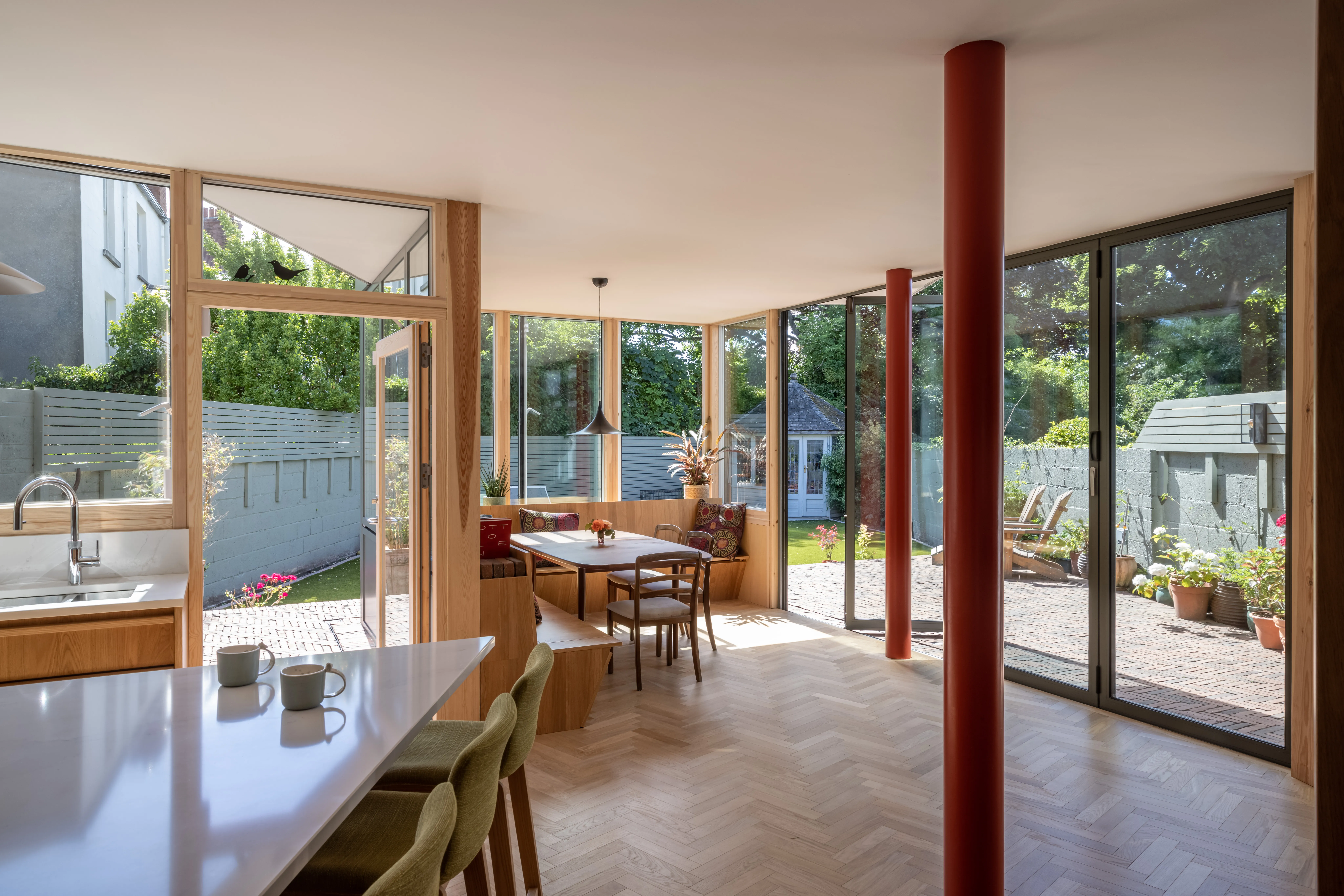
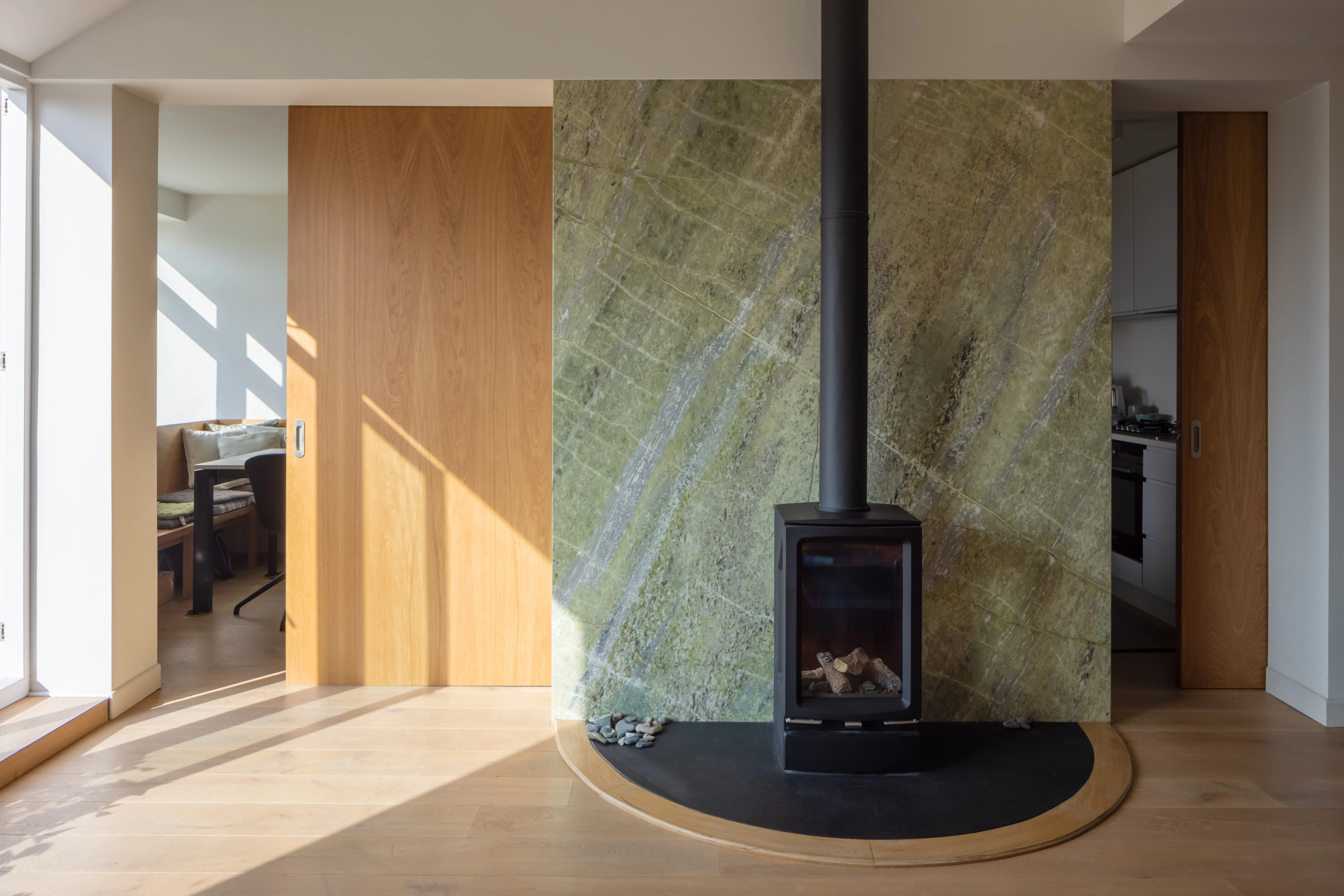
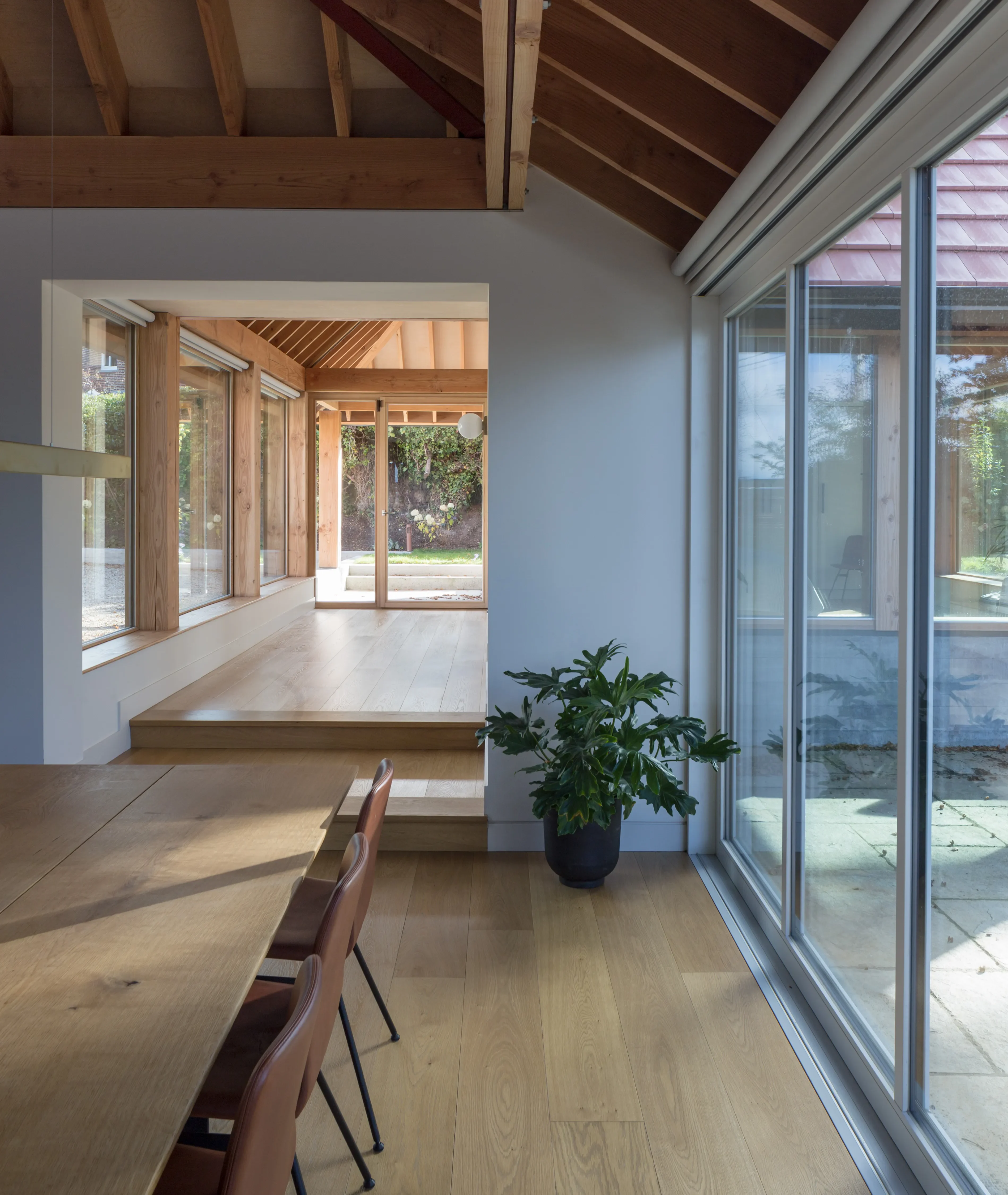
Through clever design and attention to detail, it is possible to create flexible dividers that either open up or close off a space as needed. One example is the use of bi-fold or sliding doors, which can be an efficient way to help conceal areas that are not always in use, such as a utility space or study zone. The doors act as a privacy partition but allow for extra room if required.
Zoning techniques
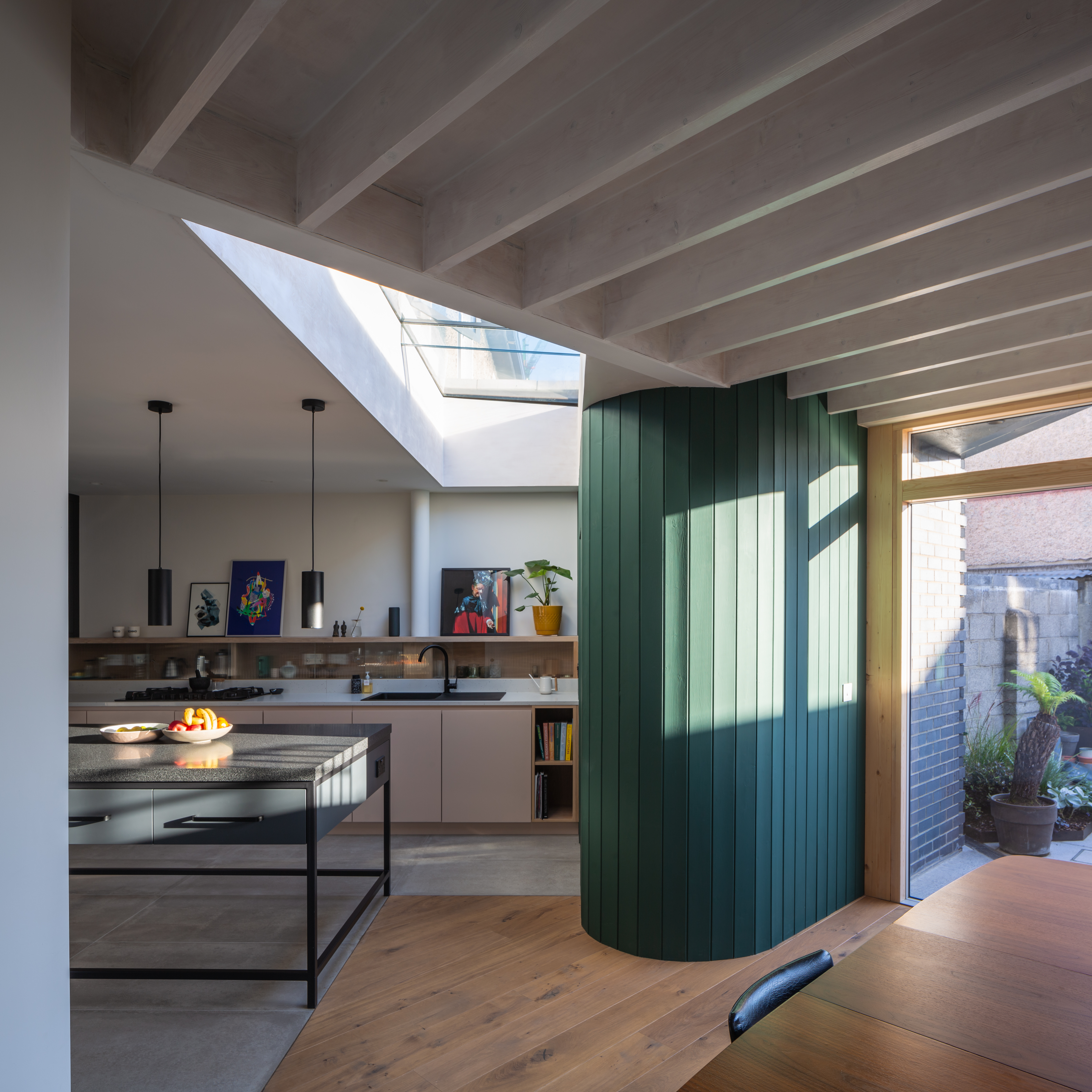
Open-plan layouts can often be transformed with use of subtle zoning techniques. Changes in lighting, a different paint colour, or strategic placement of rugs and furniture, can all help to define separate sections in the one room without the need for permanent walls. Zoning allows the flexibility of an open space with the organisation of individual areas for dining, study, or watching TV.
Storage strategy
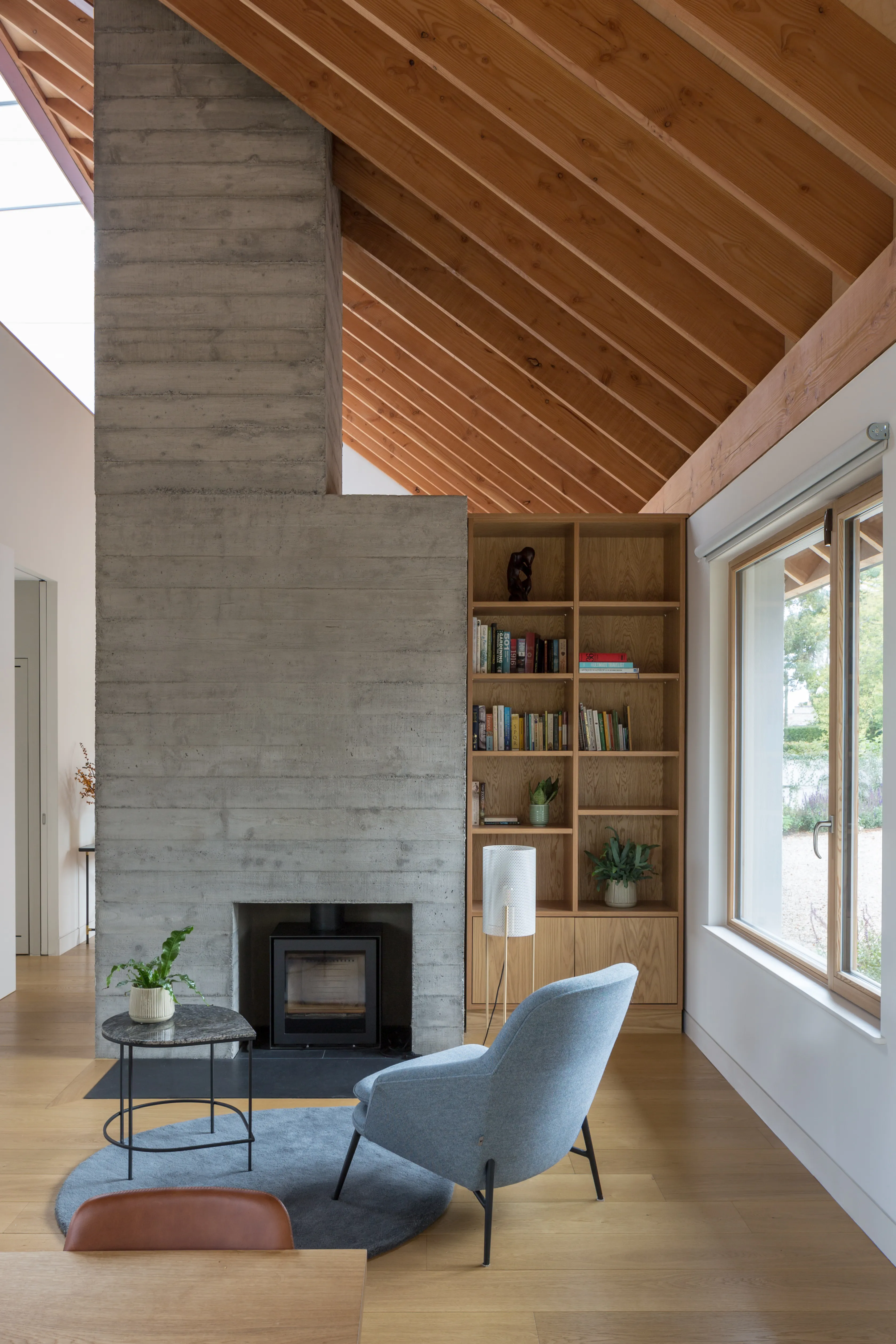
If integrated storage is considered at the early design stage, it can prove invaluable, while also adding character to a home. Built-in cabinets, shelves and ledges, or innovative use of awkward alcoves and window seats, can all provide effective storage solutions that help eliminate clutter. Sufficient storage allows a room to transition more easily from one purpose to another.
Functional furniture
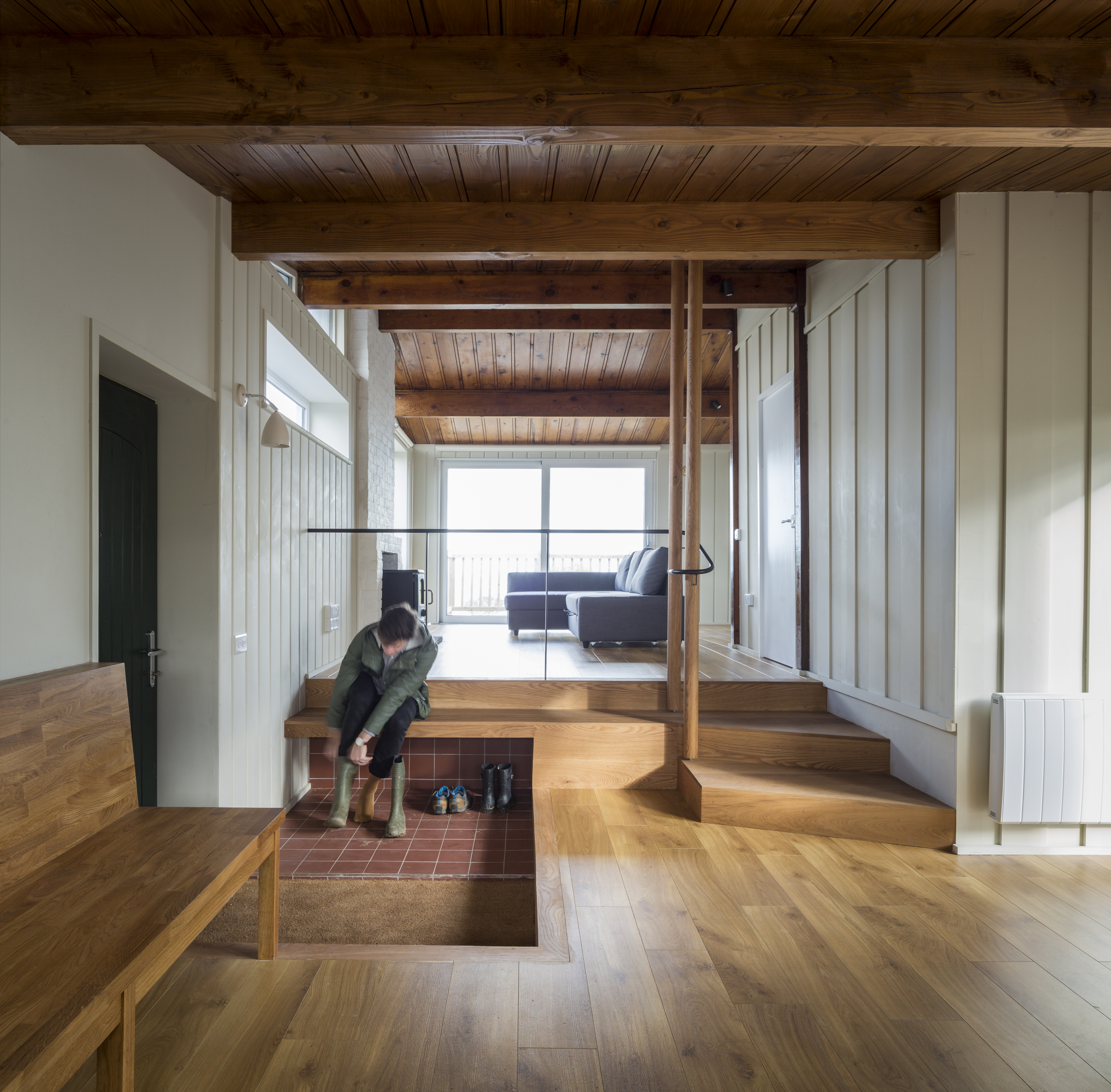
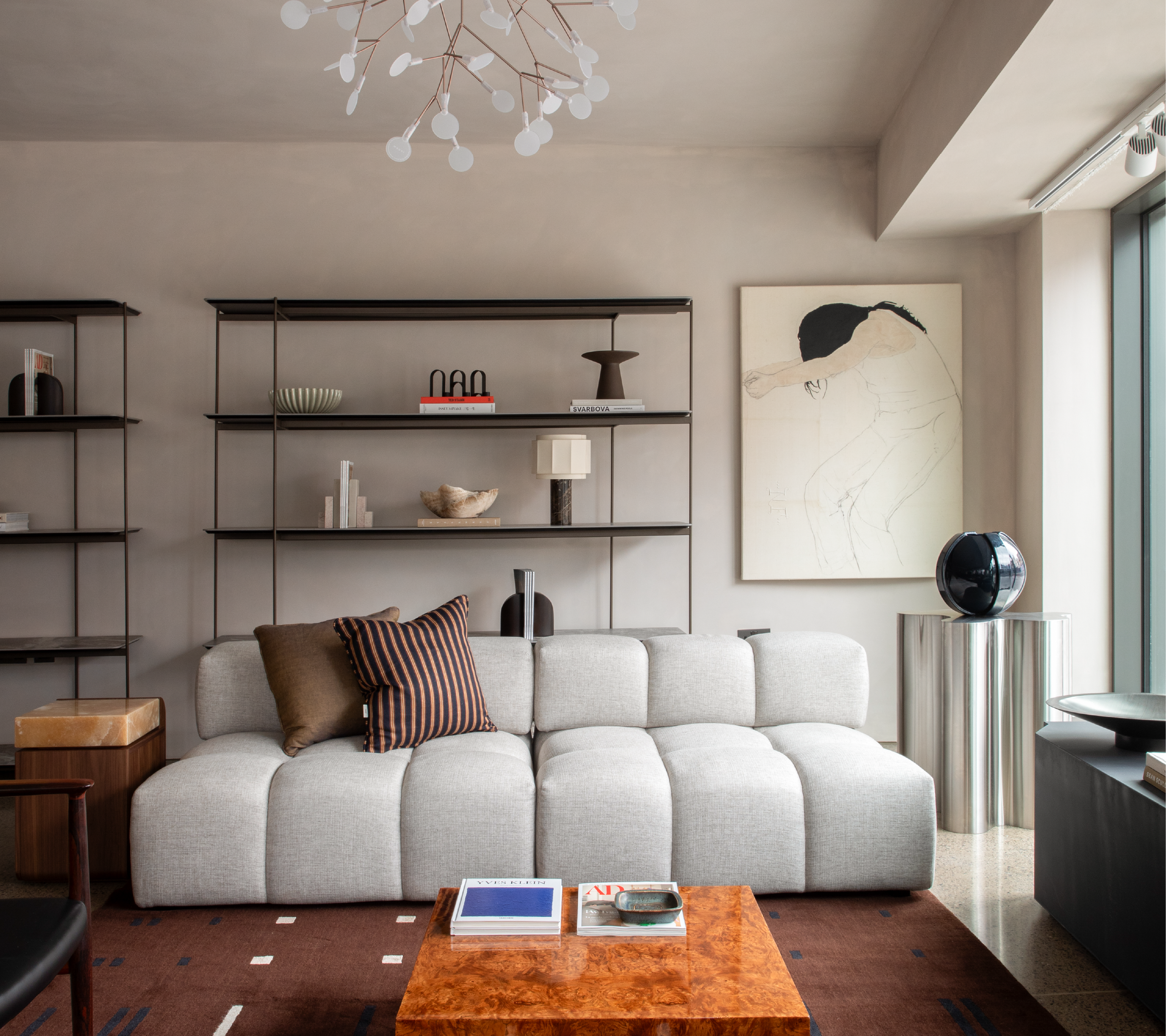
Versatile and durable furniture can play a crucial role in flexible home design, particularly when adapting rooms for changing routines. Modular sofas, extendable tables or fold-away desks and beds, can be reconfigured to suit specific needs. The right furniture pieces will maximise space while also supporting a flexible way of life, whether transitioning from bedroom to study or gym.
Sustainable design
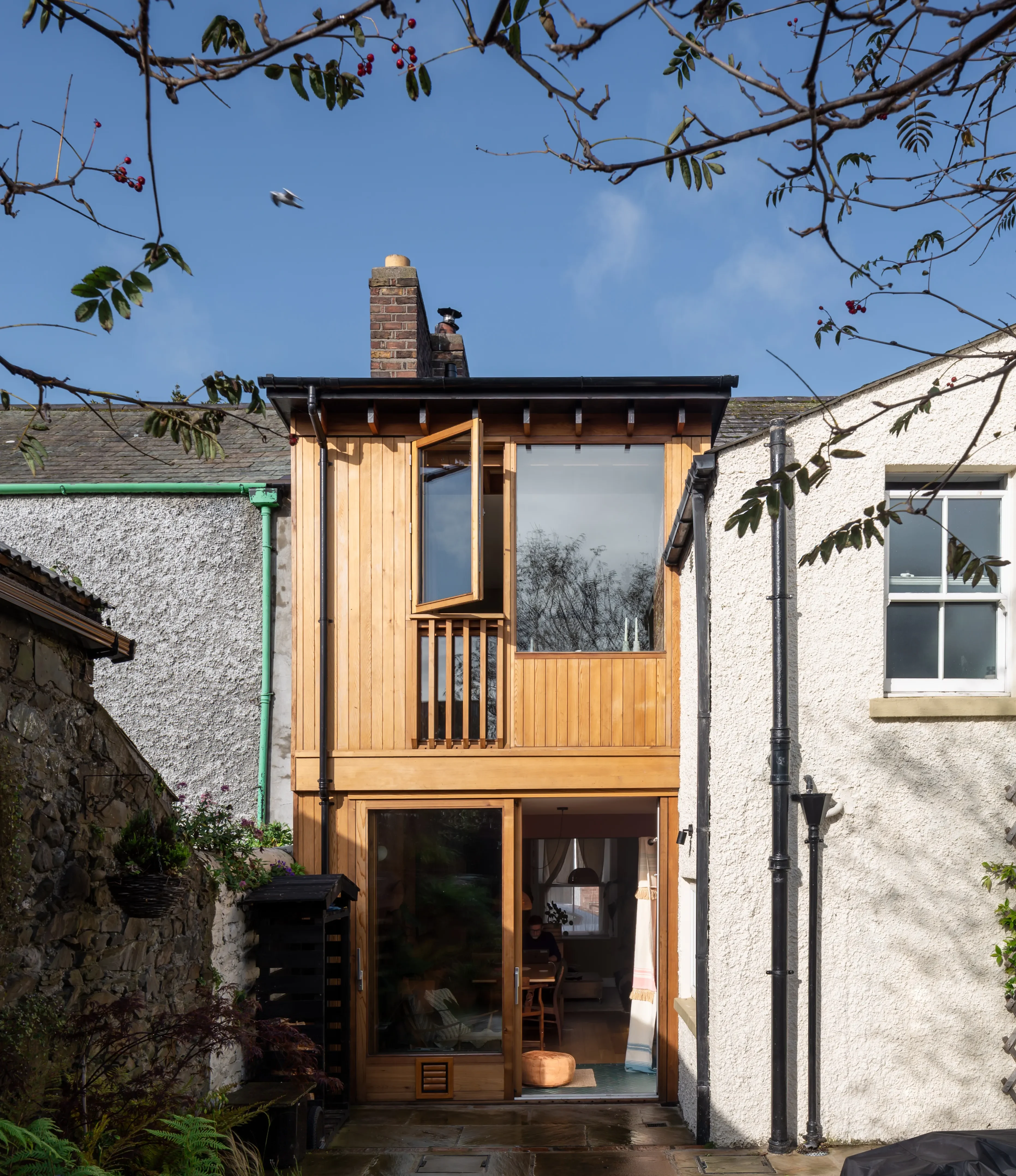
The most enduring homes are those that combine adaptability with long-term environmental responsibility. To ensure an energy-efficient design, the materials and systems you choose are critical. High-performance insulation, efficient windows, and smart home systems will not only reduce long-term utility costs but also minimise waste and extend the lifespan of your home.
Outdoor space
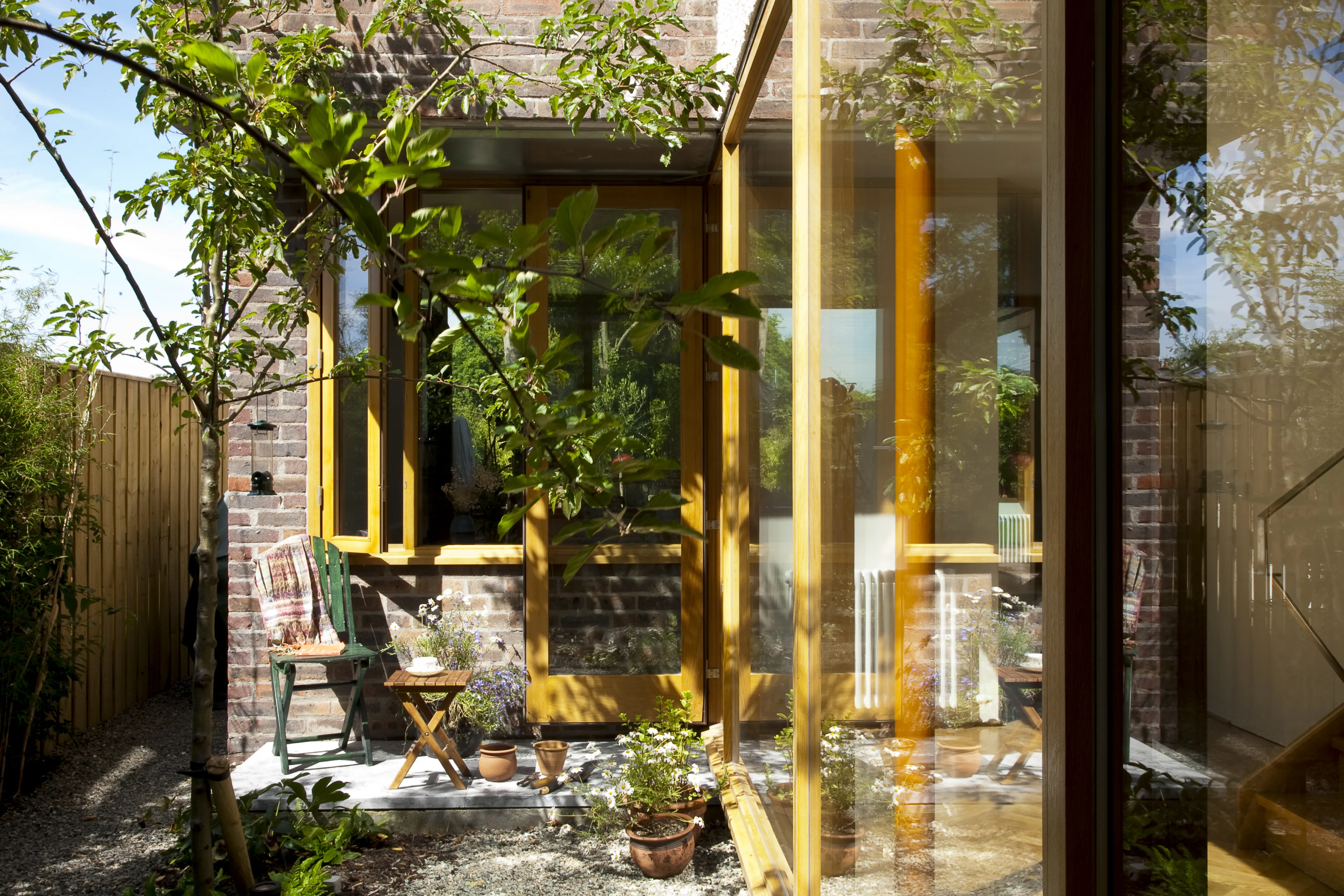
An outdoor area can greatly enhance the overall sense of space and versatility in a home. If you have a garden, patio or balcony, regardless of size, consider ways to maximise its use. With thoughtful design, even the smallest outdoor space can be converted into a functional extension of your home, providing additional flexibility for entertainment and recreational use.
Future-proof
A future-proofed home is one that supports how you want to live, while adapting with your changing needs. Whether considering a growing family, new work patterns, or retirement plans, designing for flexibility ensures a home remains functional for generations to come.
Also Read