








By Sophie White
25th Feb 2018
25th Feb 2018
In the last few years, skin care has practically replaced self-help, Sophie White explores
As a culture we’ve become steadily more obsessed with routines in the last couple of decades. The internet is awash with articles about the morning routines of successful people, the bedtime routines of yoga gurus and the make up routines of influencers.
“A routine is a series of habits,” Meg Selig wrote in Psychology Today. “If you’ve got a good routine set up – say a morning routine of breakfast-exercise-shower-dress-commute, you’ve freed yourself from a lot of small decisions that could slow you down or capture valuable brain-space that you’d prefer to use for something else. You can now go on autopilot and still accomplish your goals. In this way, paradoxically, a good routine can be freeing.”
This removing of decisions has seen the rise of the ‘work uniform’ and a near-obsession with emulating successful people’s daily steps. Selig goes so far as to say that routines can “save lives and sanity”. During the Chilean mining crisis in 2010, the leaders of the 33 trapped men were quick to establish set routines for the men – mealtimes, a chapel, work schedules and a buddy system – to stave off mental deterioration during their ordeal.
It makes sense that routines have become almost an object of fetish in the years since the turn of the century. Our daily lives have undergone a massive re-jig since the digital age hit – with the 24-hour news cycle, notifications of violence and peril are literally dropping into our pockets on a minute-by-minute basis. Clinging to the comfort that a routine offers makes sense in such turbulent times.
Lifestyle choices now say more about us then our actions – vegan, clean-eating, cruelty-free all tell a story about our personality. We have also never before been presented with so much information and knowledge (via social media) of the personal lives of our peers, meaning we have an unending curiosity about how others are “pulling off” their lives. “I’ve started a new breakfast routine,” announces one of the Bookclub Gals and everyone leans closer ready to glean whatever new tidbit of information is coming – bee pollin? proats? fasting? – presumably in a bid to the better to hone our own routines.
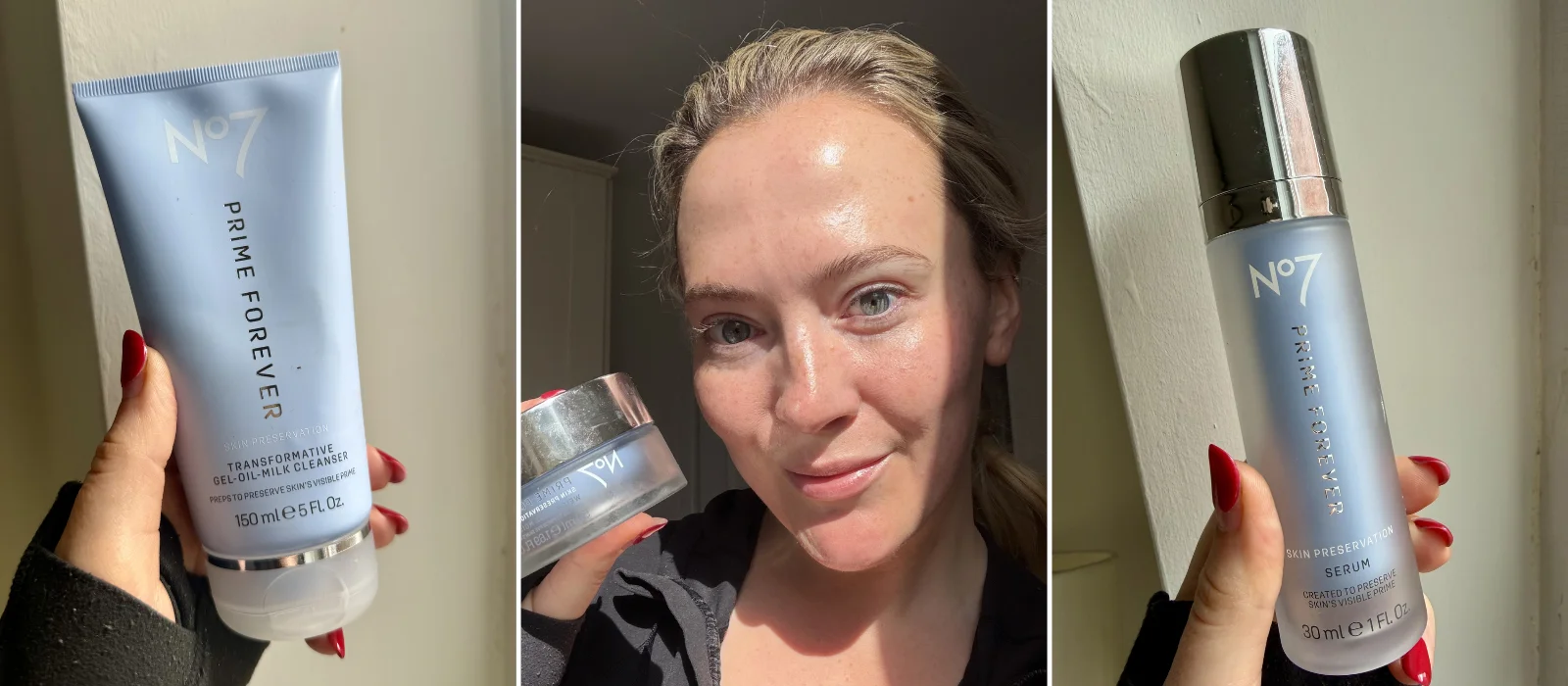
In the last year, skincare has become a major focus of our collective routine obsession. In the New Yorker Jia Tolentino wrote of the “year that skincare became a coping mechanism.” She described buying an exfoliator writing: “[I was] unsure if I was buying skin care or a psychological safety blanket, or how much of a difference between the two there really is.”
The skin care routine has moved far far beyond the traditional cleanse, tone, moisturise with many extolling the virtues of the Korean 82-step (or is it 802?!) routine. Ingredients and modes of application have become at times the stuff of Sci-Fi – think: placenta cream, snail slime, donkey milk and infrared face helmets.
I, myself, obsessively watch the skincare routines of women on Instagram. It all feels particularly perplexing to me, I suspect because I have never considered skin maintenance a pleasant indulgence but rather something to get over with as fast as possible. For me, skincare has always been a practice bound up in equal parts resentment and shame. I have had acne of varying severity since I was 13. By many people’s acne standards, it would not be considered a huge issue but in my head it has always loomed large. I don’t enjoy being make up free because of my skin, so the spectacle of women exfoliating and serumming and moisturising on social media is compelling to me. What am I missing I wondered?
The rise is our skincare obsession is not merely anecdotal, beauty columnist and broadcaster, Louise McSharry says the number of questions she gets from readers and followers is largely concerned with skin care.
“I’d definitely say it’s about 50:50 skin care to make up queries,” she says. “People love to discuss skin care routines and often want to know what I’m using or what I think about particular products. I’m also in a WhatApp group about make up and skin care and I’d say we spend about 65% of the time on skin care!”
There’s even a new addictive podcast, Forever35 by writers Doree Shafir and Kate Spencer “two friends who love to text each other about serums.” On Forever35, they talk all things sheet masks, serums, exercise, fave mascaras and mascara, Doree’s addiction to restorative yoga, and much more. They also explore how it all takes on new meaning as they age.
It’s fascinating to see skin care is no longer the private preserve of age-dodging women with more money than healthy skepticism but rather an outlet for all thinking women.
“Caring for myself is not an act of self-indulgence, it is self-preservation, and that is an act of political warfare.” wrote the feminist writer, Audre Lorde while battling liver cancer in 1988.
As women, we most likely spend a lot of time caught in a stress-vortex of work, family and socialising. Skincare has moved far beyond the realm of just trying to look good, it’s about taking back time to focus solely on yourself. Even just watching the skin care routines of others have an almost sedative effect, while the practice of a skin care routine practically has meditative properties – a sense of control restored in a chaotic world.
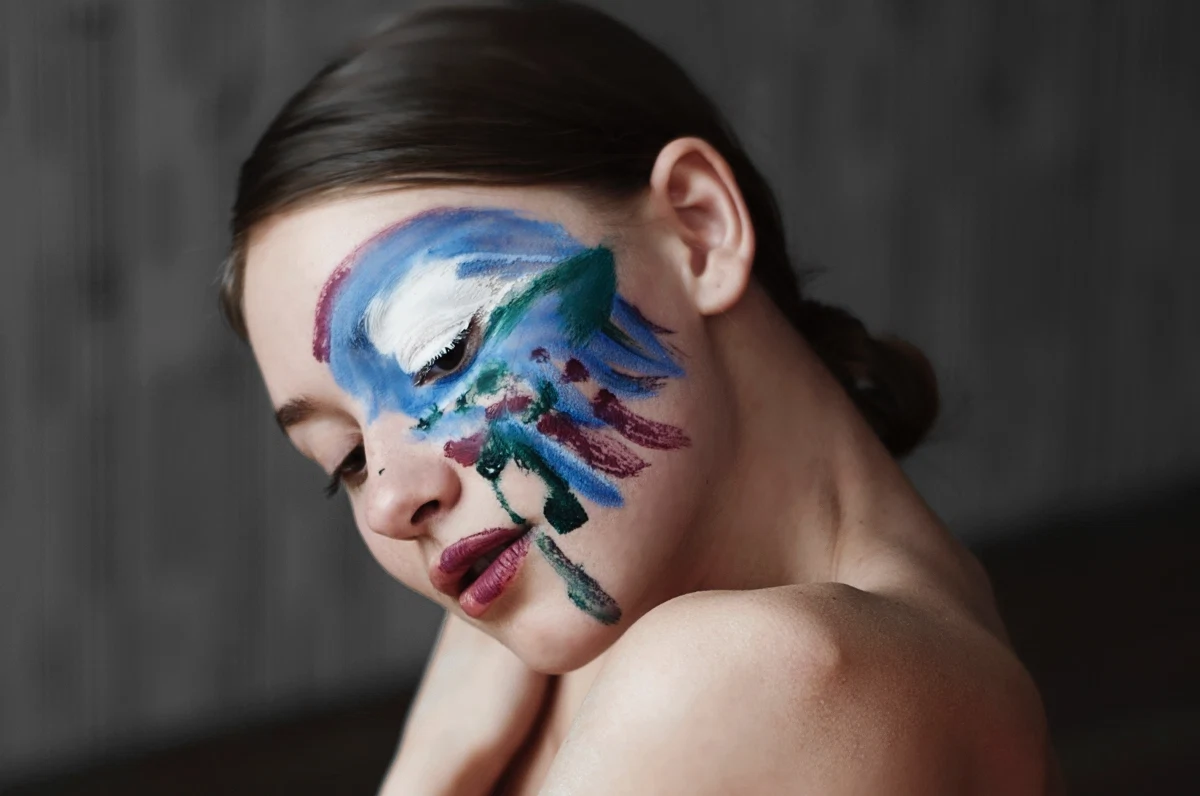
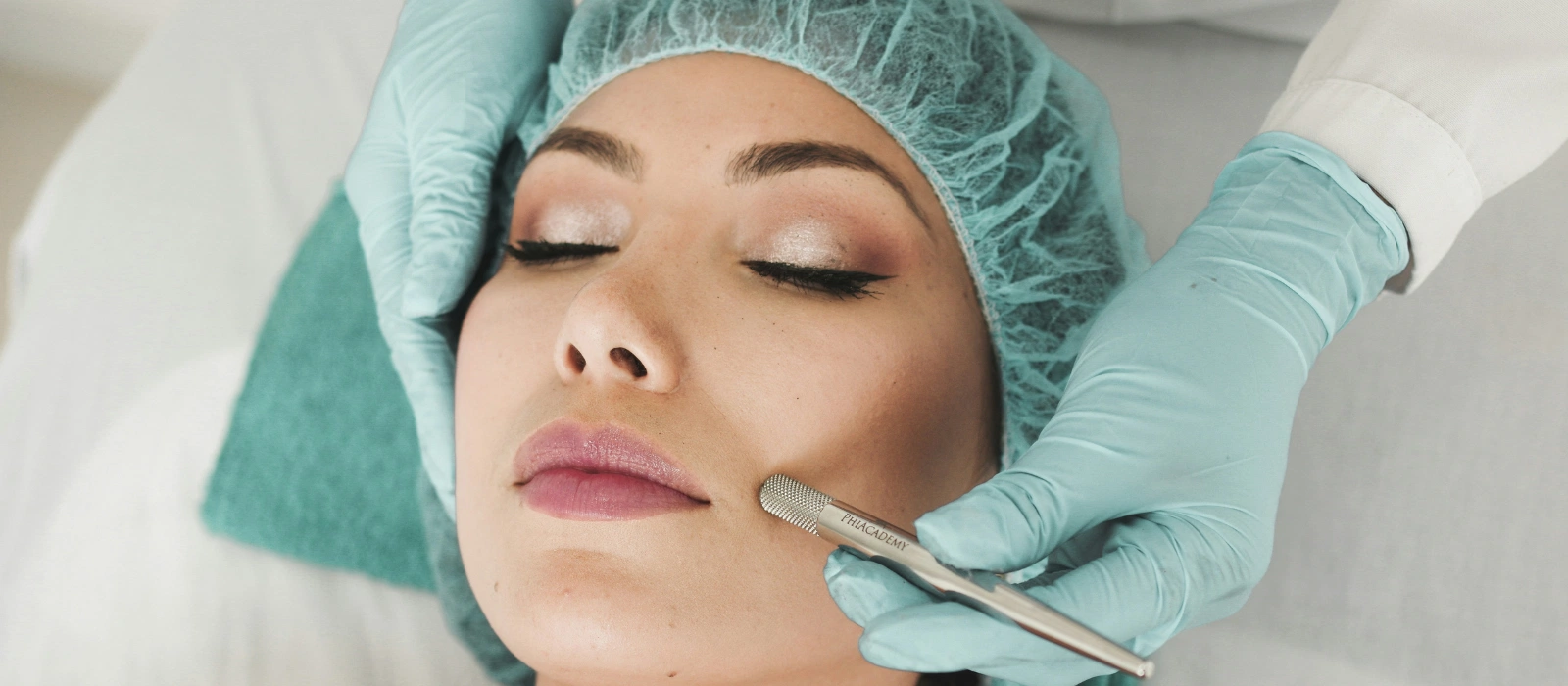
Photo by Svetlana Pochatun on Unsplash

Also Read