









Women’s unpaid work is worth $10.8 trillion a year — 3 times more than the global tech sector
By Erin Lindsay
20th Jan 2020
20th Jan 2020
A new report on wealth inequality by Oxfam has revealed the extent of economic sexism worldwide
Oxfam’s latest report has shown the massive wealth inequality that exists worldwide — and how it disproportionately affects women and girls.
The report, entitled Time to Care, was launched today ahead of the World Economic Forum in Davos, Switzerland and focuses on the wealth divide worldwide, which is built on “a flawed and sexist economic system that values the wealth of the privileged few”.
According to the report, there are just 2153 billionaires worldwide — but they have more wealth between them than 4.6 billion people. New World Bank estimates show that almost half of the world’s population lives on less than $5.50 a day. The combined wealth of the world’s 22 richest men equals the wealth of all the women in Africa combined. Perhaps most shockingly, the monetary value of women and girl’s unpaid work worldwide amounts to at least $10.8 trillion a year — which is three times the value of the global tech sector.
Care work
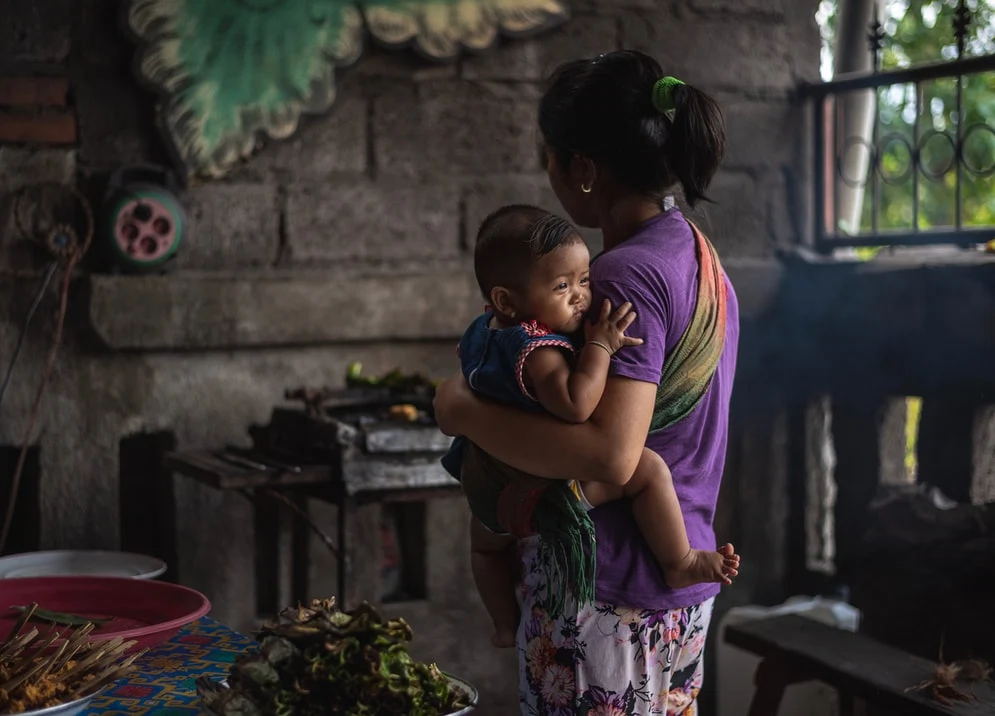
The global economy, even now in 2020, still fails to adequately reward care work, which means that women and girls, who do more than three-quarters of all unpaid care work, are disproportionately affected. Women and girls put in 12.5 billion hours of care work every day, such as caring for the sick and the elderly, completely unpaid. Countless more are paid poverty wages for care work.
The report warns that, without decisive action, these figures will worsen. Global trends such as ageing populations, cuts in public spending and climate change will threaten to exacerbate gender and economic inequality worldwide, and there are very little resources for the poor to access to enable change.
The Irish angle
While circumstances are significantly worse for women and girls in rural and low-income communities worldwide, the report also focused on Ireland, which is one of the worst countries for wealth inequality in Europe, according to Oxfam. Ireland has the fifth-largest number of billionaires per capita in the world, and its women contribute €24 billion worth of unpaid care work to the economy every year — the equivalent of 12.3% of the entire annual Irish economy.
Parental leave and pension systems
Oxfam has recommended that the upcoming Citizen’s Assembly on gender equality address the issue of wealth inequality in Ireland. Jim Clarken, Oxfam Ireland Chief Executive, said: “We’re calling for changes to social and employment policies that support carers, enabling them to combine caring with employment and encouraging more men to participate in care work.
“For example, more paid shared parental leave or a reformed pension system that means women don’t miss out if they have to leave the workforce to care for a loved one. We need high-quality care services, resourced by care workers that are paid a living wage.”
You can read Oxfam’s report Time to Care in full here
Read more: Flexible working has changed my life, and now there’s a chance to help bring it into law
Read more: The Beauty Premium: how society rewards pretty, and why it’s a lose/lose game for women
Read more: This Disney heiress’s speech about wealth will make you want to register to vote


Also Read