










By Erin Lindsay
14th Jul 2018
14th Jul 2018
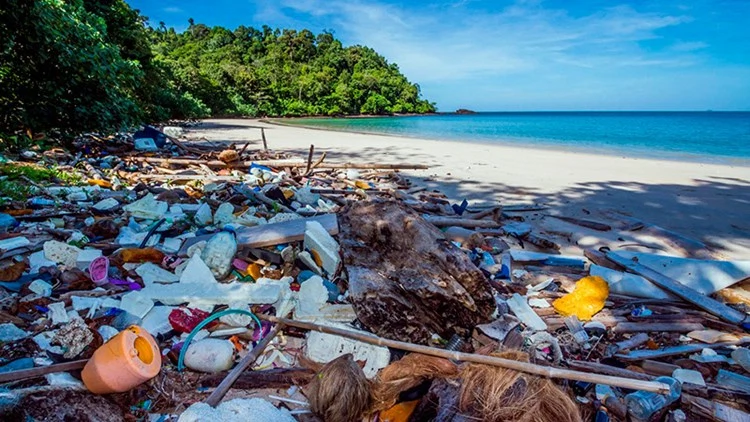
If you’re jetting off on that once-in-a-lifetime trip to Asia this summer, then congrats. I am eternally jealous. Whether it’s Thailand, Vietnam or China, Asia has thousands of miles worth of stunning landscapes, incredible culture, rich history and wonderful people. But there is one blemish on Asia’s pull that risks ruining it all. And that’s the state of the environment.
Around 8 million tonnes of plastic waste is dumped into oceans annually – the equivalent of five bin bags stuffed with plastic for every foot of coastline. According to a UN Environment report from this year, around half of all the plastic wastes that end up in the world’s oceans comes from just five countries – Indonesia, the Philippines, Thailand, Vietnam and China, who accounts for 30% alone. Mismanaged waste (defined as waste that doesn’t make its way to proper receptacles, either intentionally or accidentally) tends to be higher in developing countries that don’t have waste-collection systems that pick up and deliver rubbish to recycling centres or landfills.
These five countries are experiencing rapid economic growth, resulting in lower poverty rates and a higher quality of life for their people. But with this, consumption is growing rapidly too – which means more plastic being produced, and then dumped. While these countries are making strides in waste management, the reality is that their recycling systems have not yet caught up to their increased plastic production.
If you’re holidaying in one of these countries in the next few months, chances are that being an eco-warrior will be the last thing on your mind. But just as you’ll be making responsible choices with your activities (elephant sanctuaries only please!), it’s not difficult to make eco-conscious decisions when it comes to everyday stuff.
Practical things you can do to ensure you have the most sustainable holiday possible include:
- Bring a bag for life and don’t use plastic bags for your food and drink during your stay
- Bring a reusable water bottle and avoid single-use plastic bottles. You’ll be drinking a lot of water with the warm weather in Asia, so might as well keep it sustainable.
- Volunteer for a beach clean-up. Plastic and rubbish on some of Asia’s most iconic beaches have almost ruined their picturesque beauty, but you can do your bit to help out and make friends with some fellow travellers in the process.
- Recycle your waste. If you’re on an extended trip, collect your waste and bring it to a recycling plant before departing. Yes, these plants are scarce and yes, it’s a pain to do it, but the planet will thank you.
Related Stories



Also Read