




Mary Quant: Inside the Irish exhibition celebrating one of the 20th century’s most influential designers
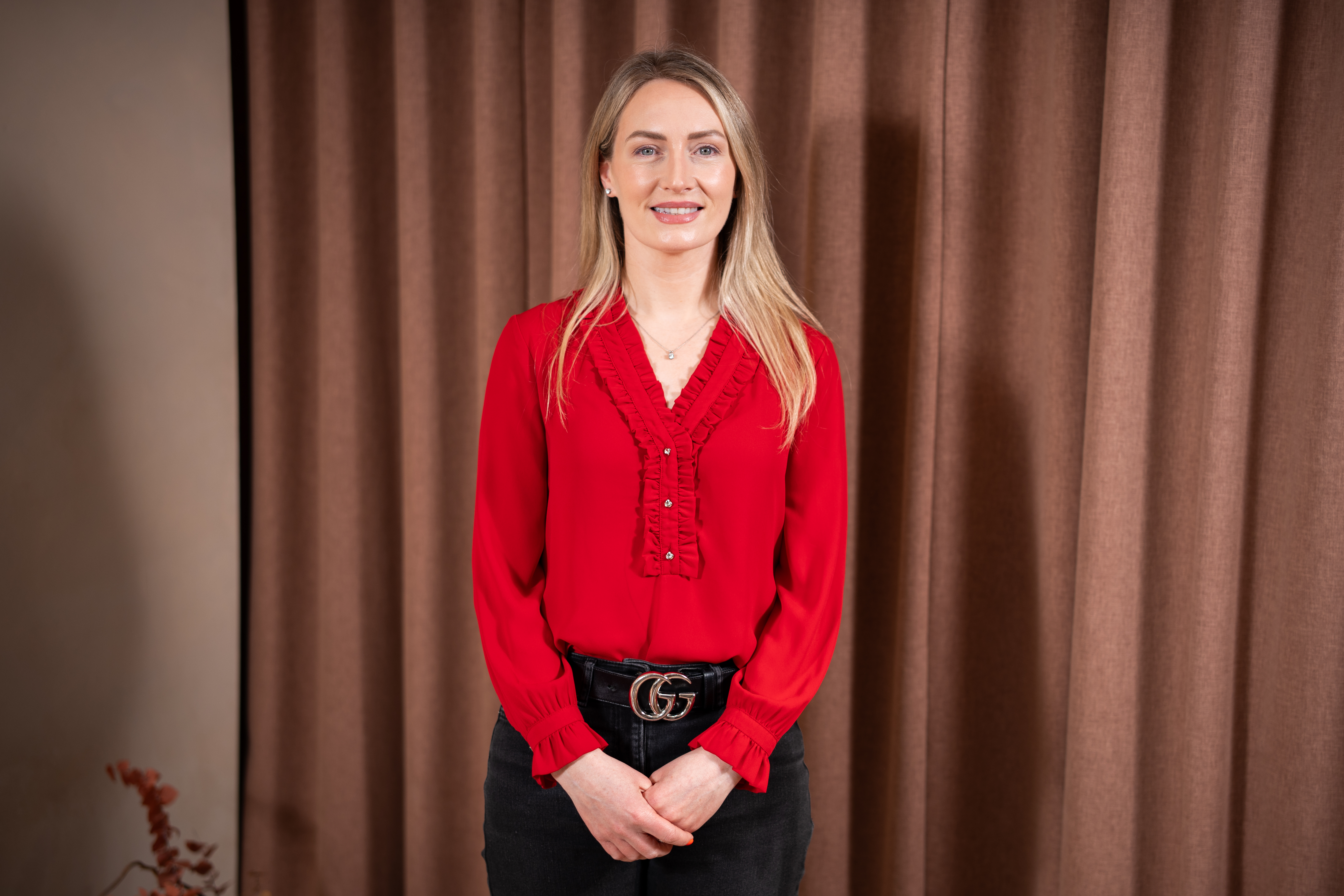
A new exhibition Mary Quant – ‘60s Mini Revolution, celebrating one of the most influential designers of the 20th century, has just opened at the Museum of Style Icons at Newbridge Silverware in Kildare. The exhibition marks the first time this collection has been shown in Ireland. Ruth O’Connor speaks to the collection owner Jannette Flood about her passion for all things Mary Quant.
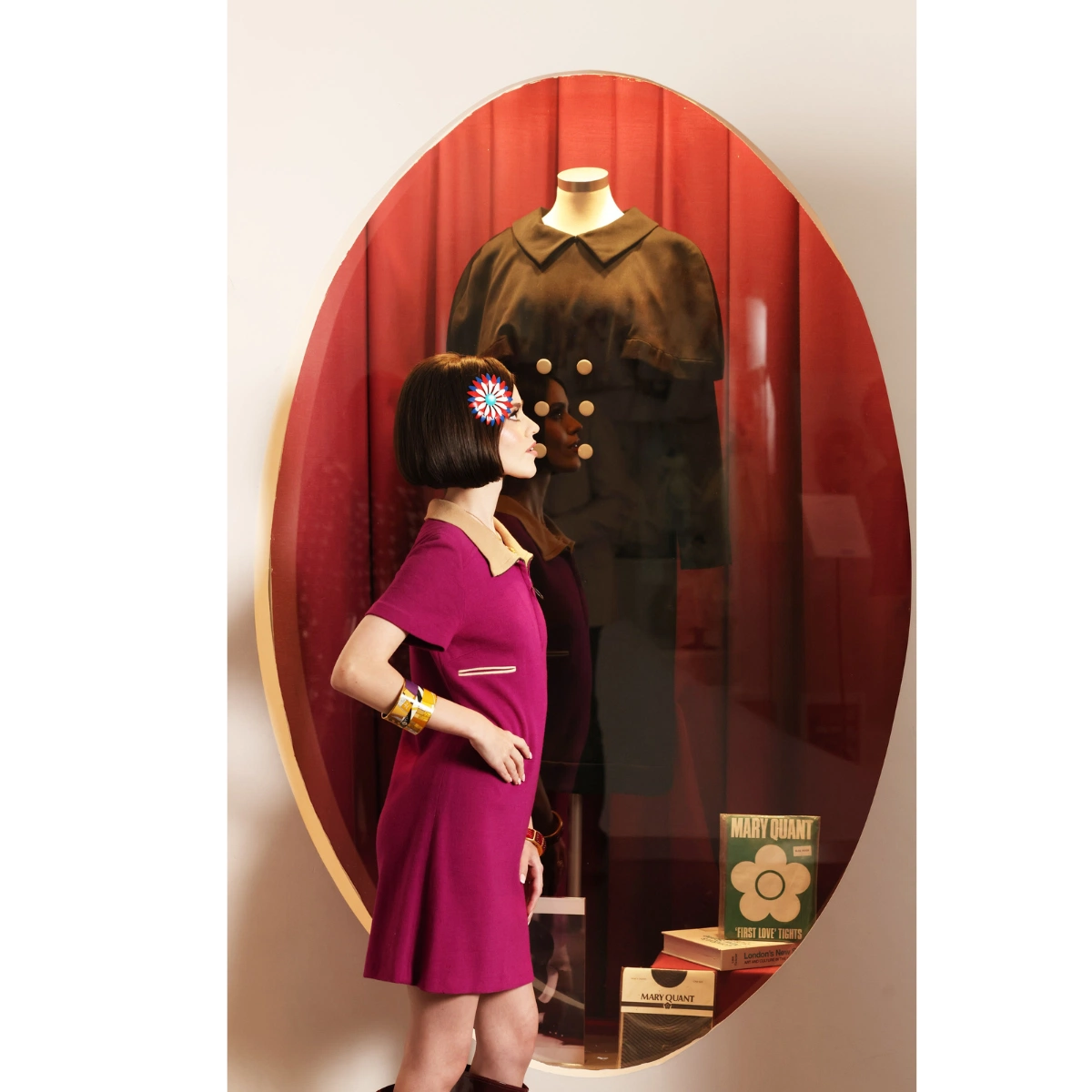
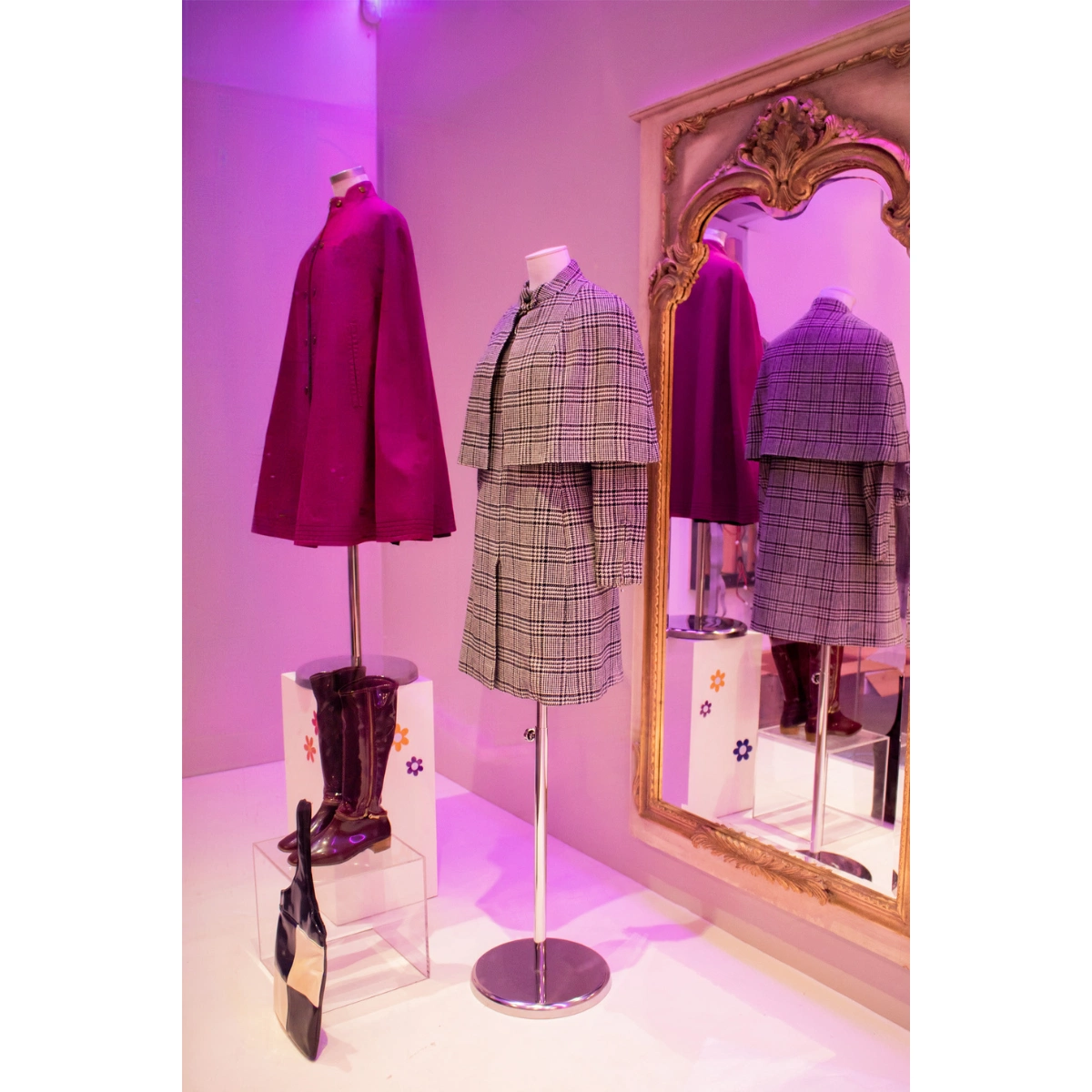
Lovers of Sixties style and all things fashion and design should make tracks to the latest exhibition at the Museum of Style Icons at Newbridge Silverware. The exhibition, which celebrates the enduring legacy of Sixties fashion designer Mary Quant, includes a fascinating variety of original garments and accessories, including her trademark PVC handbags, skinny-rib dresses, ring pull zipper dresses and a dramatic hot pink cape – all the property of graphic designer, DJ and Quant collector Jannette Flood.
You’ll also find make-up and skincare, including rare examples of Mary Quant’s playful ‘Face Crayons’ and a great example of the brilliantly named ‘Daddy Longlegs’ boots that convert from knee-high to ankle boots with the flick of a zip.
Many of these pieces previously featured in 2020’s Mary Quant exhibition at the V&A South Kensington in London – an exhibition that travelled around the world – but this is the first time visitors to an exhibition in Ireland will have the chance to see Jannette’s entire collection under one roof.
The Quant exhibition perfectly complements the Kildare museum’s permanent collection, which includes the only complete set of Beatles suits worn by the band themselves. Indeed, Mary Quant has been described as the ‘Beatles of the fashion industry’ – her work reflecting, in parallel with theirs, the revolution and freedom of the 1960s youthquake in Britain and beyond.
In one of this writer’s favourite books on 1960s design, The Sixties: Decade of Design Revolution author Lesley Jackson describes the Sixties as a “decade of radical change” with Mary Quant at the forefront as the look she helped to create displaced the New Look of the 1950s, laying waste to what had come before.
This was an era in which young people were better off financially and more independent than ever before, one in which shopping became a pursuit in itself and one in which, as Jackson puts it, “areas of activity that had previously been the preserve of a cultural or economic elite were opened up to a mass audience… One by one, the taboos of how people dressed, what music they listened to, what they ate, how they behaved, and how they furnished their homes were all swept away.”
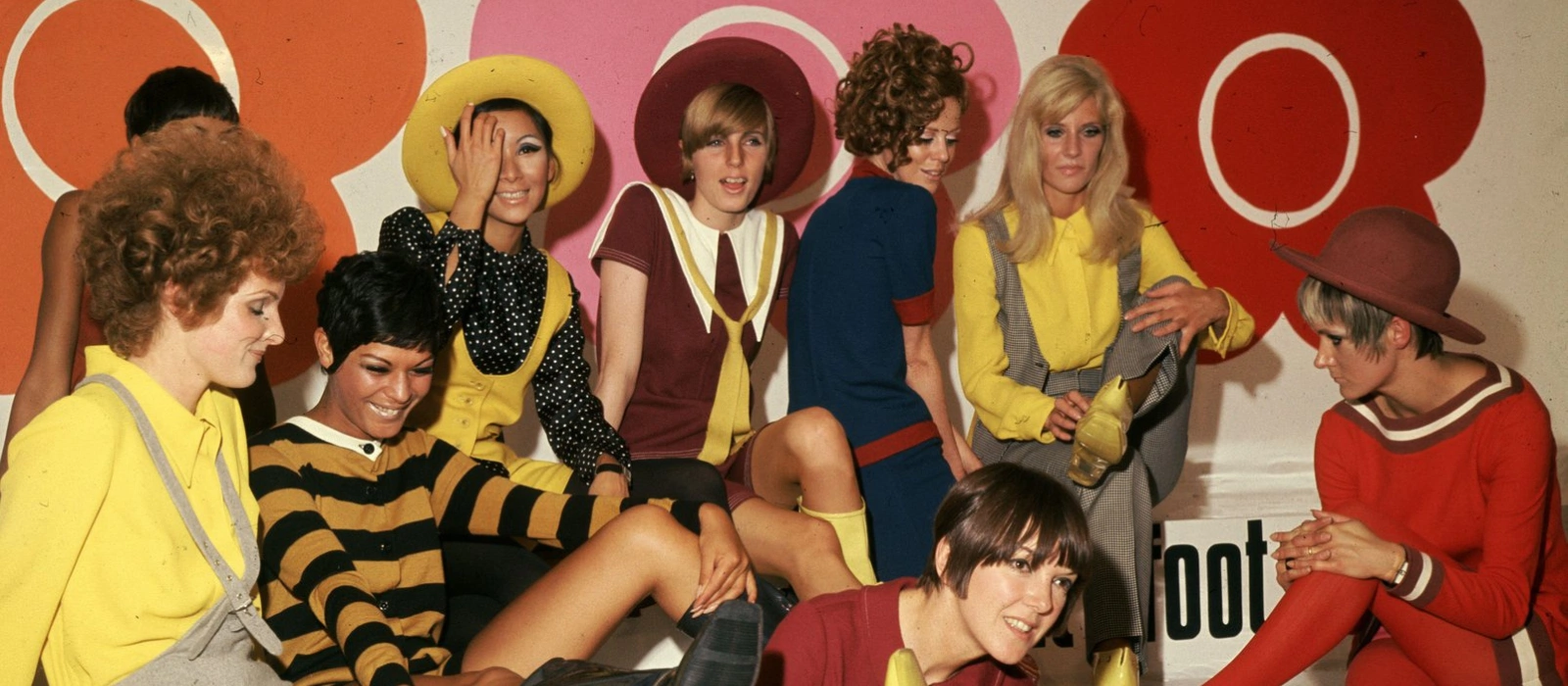
“Quant’s clothes were made to be worn and to be enjoyed as women – particularly as young women,” says collector Jannette Flood. “They were about a complete and utter rejection of everything your mother had worn – the stiff hair, thick pancake make-up, bullet bras, stays, corsets, girdles, garters, underskirts… it was putting that entire look in the bin and starting with clean lines and simple, accessible clothes that could be worn every day.”
Quant was in the vanguard of this movement. Born in London in 1930 and educated at Goldsmiths, she opened her first boutique, Bazaar, on the King’s Road in 1955, dissatisfied with the clothing available to young women at the time. With her husband, Alexander Plunket Greene, and his friend Archie McNair, her business evolved from one (albeit iconic) shop to become an era-defining brand that employed multiple manufacturers across different product lines, including Dublin’s own Crystal Products Ltd in Cabra, which manufactured cosmetics for the company.
Quant believed that fashion should be accessible and fun. In 1963, she launched the Ginger Group – an affordable line sold in department stores which brought her distinctive style to a mass audience. At the height of her popularity, it’s estimated that over seven million women owned at least one Quant piece and her look was championed by style icons and famous personalities such as Twiggy and Cilla Black, Jean Shrimpton and Pattie Boyd. “Increasingly, fashion was becoming a signifier not of social position but of social attitudes,” writes Jackson. “Quant clearly delighted in the fact that her clothes challenged Establishment values and appealed to all sectors of society.”
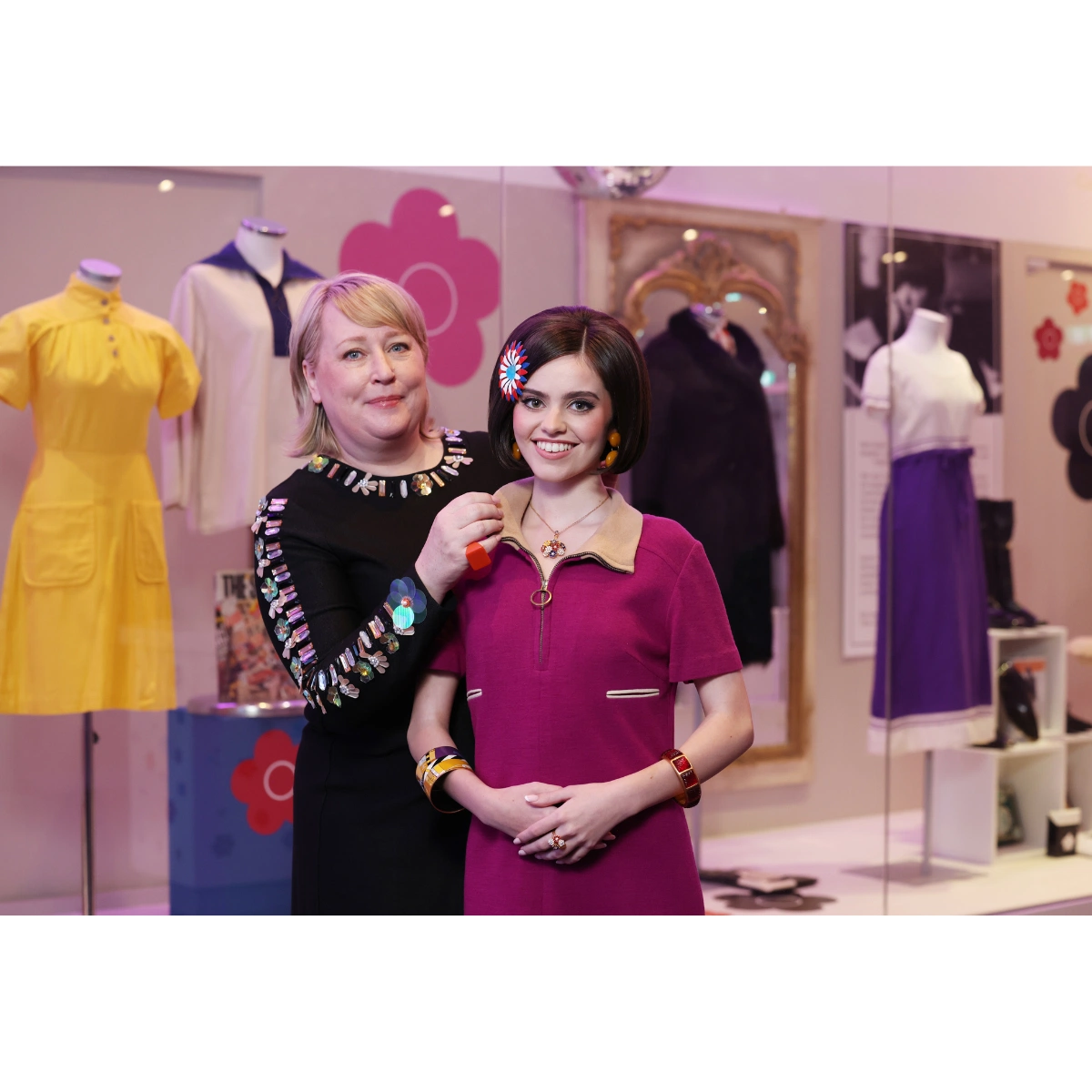
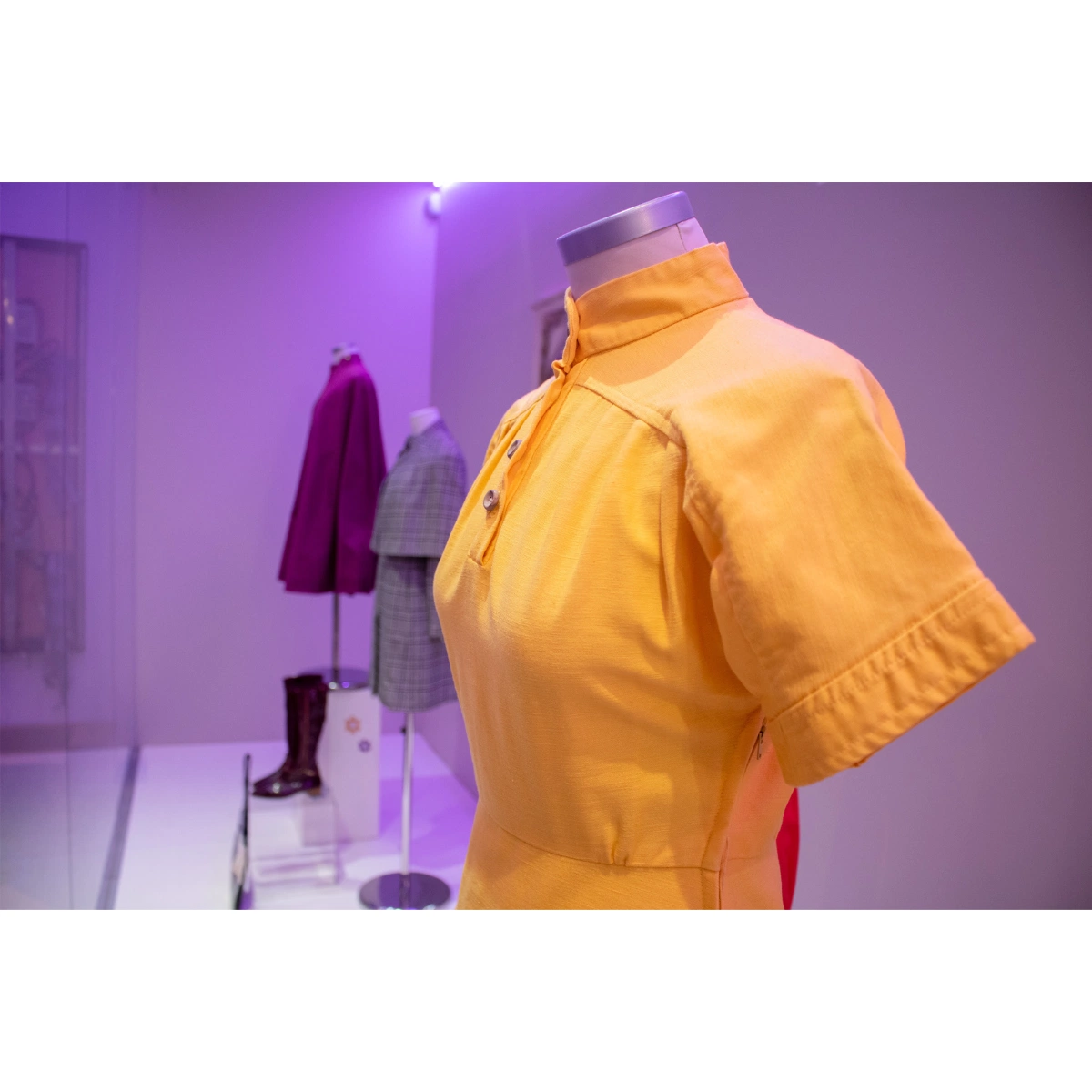
“She was a working mother who employed a lot of women in her business,” says Jannette Flood of Mary Quant. “The rules of daytime and evening dressing went out the window too – the look was about freedom and about clothes that could be worn to work and then out for the evening – flat shoes, tights and a shift dress.”
For Jannette, the inspiration to collect Mary Quant came from growing up in a style-conscious and creative family. “My interest in design stems from my childhood – everyone was creative in my family,” she says. “My mother was a hairdresser, my dad made fur coats, my aunties were dressmakers and my great grandmother was a dresser in the Theatre Royal, so clothes and design have always been big things in our family.”
“I was born in 1973, and my parents were in their early twenties when they had us kids, so their 1960s music was always on in the house and someone was always making something somewhere – everybody knit, everybody sewed, there’d be a cake in the oven and someone would be getting their hair cut in the kitchen,” she says.
“Growing up in Ballyfermot was brilliant – it was a hub of style because there were lots of teenagers and everyone was into a particular look – there were Teddy Boys and Mods, Skinheads and New Romantics – it was style central.”
“As kids, we had Daisy Dolls – Mary Quant dolls made by the same manufacturer as Sindy. You could buy her clothes cheap as chips, and Sindy’s clothes also fit her, so you could swap them around,” says Jannette. “With my family being into all the 60s stuff, I would come across vintage Vogue and Petticoat magazines, and the strength of Quant’s designs really jumped off the page.”
Aged 13 in 1986, when the Virgin Megastore opened on the quays of an otherwise drab Dublin, Jannette made her first purchase of Mary Quant make-up – the vibrant packaging and affordable price making a big impression on her. Later, working in London at famed shop The Merc, she would spend her weekends scouring through secondhand shops looking for vintage bargains.
“In the 90s, I worked in a shop called The Merc in London. We used to dress Blur and Oasis and Kate Moss and Johnny Depp – all the big stars at the time. At the time, secondhand shops in the London suburbs would have big bargain buckets selling items for a pound. The first Mary Quant piece I found was a candy-striped dress,” explains Jannette. “Later in New York, I came across deadstock Mary Quant cosmetics and bought them up. Later still, I began to source pieces online and was able to source items that I could never have accessed in Ireland.”
The items on show in Kildare represent 30 years of collecting, and, over time, Jannette has acquired around 80 pieces of Quant’s designs. “I’ve always been selective and have bought pieces that were in immaculate condition and pieces that I loved,” she says. “The V&A exhibition in 2020 was probably the first time I really realised Quant’s impact. I had collected in isolation for a long time, and investing in Mary Quant knickers is not really a conversation starter down the pub, I was really just collecting for myself because I got so much joy out of the pieces!”
Having been in touch previously with fashion curator and Mary Quant biographer Jenny Lister on how best to store her collection, Jannette was paid a visit by Lister and her V&A colleague Stephanie Wood prior to the 2020 exhibition in which 21 of her pieces ultimately formed a part.
So what’s her favourite piece? “My black and white circle bag with the daisy on the front is my favourite because it went everywhere with me – it has been on every dancefloor in the country at this stage,” laughs Jannette. “When the curators from the V&A heard I’d been using this particular bag, they were appalled! They said they only knew of four of them in existence because they’re so rare!”
Quant was savvy – creating a full lifestyle brand beyond simply clothing to appeal to young people. “The make-up was a big part of it too, as Mary herself said, it got to a point where the make-up at the time didn’t match the clothes she was selling, that’s when she began to create cosmetics that were lighter, transparent and natural looking. Hair was cut (in Quant’s own geometric Vidal Sassoon style) so that you could just dry it and go,” says Jannette.
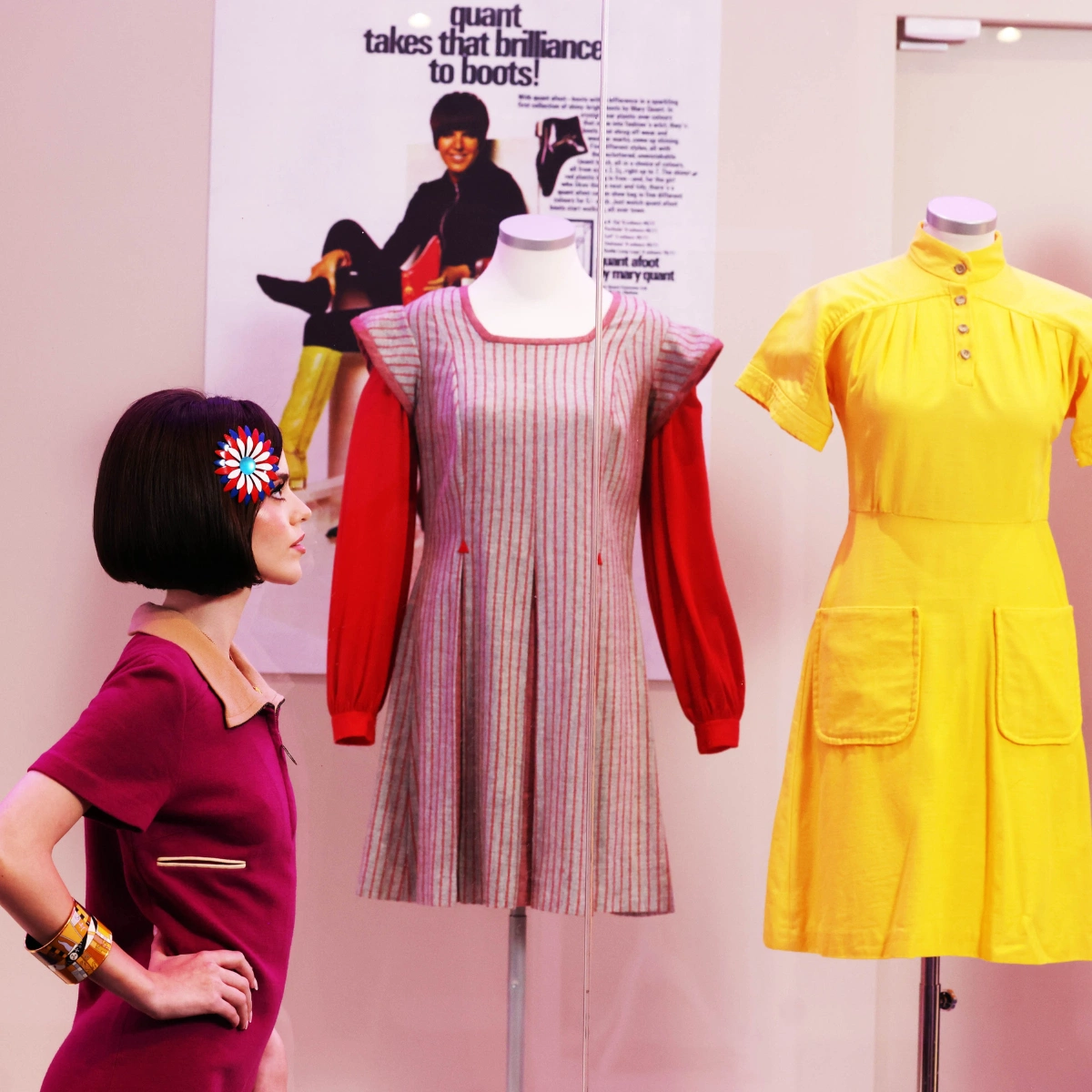
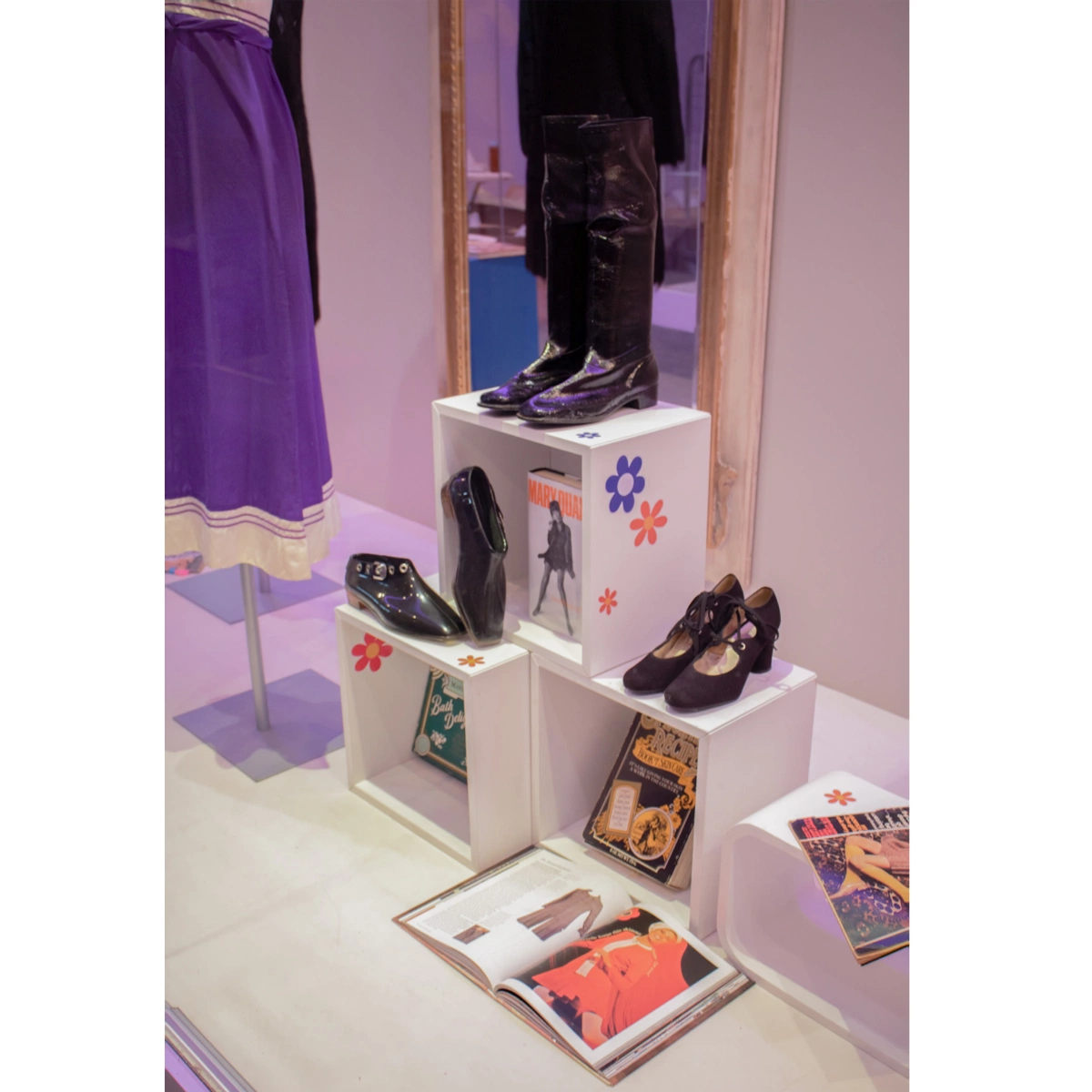
Mary Quant died at the age of 93 in 2023. I ask Jannette why she thinks the designer was so influential. “I think Mary Quant has been so influential because she was at the forefront of change. I think she and her husband, Alexander Plunkett Greene, had the right people around them and were in the right place at the right time.”
“There was rationing in England up until 1954, half the country was still bombed out and here comes this young group of vibrant, talented creatives coming out of art college and starting what would become the ‘Swinging Sixties’. Quant and Plunkett Greene’s business partner, Andrew McNare, was also very astute when it came to broadening the product offering and licensing, which allowed them to have a tanning line and a cosmetics line, to have collaborations with Kangol and so on. He brokered deals with everyone and they were always moving forward as a company.”
The oldest piece in Jannette’s collection is what she calls the Sherlock Holmes dress – a black dress with six white buttons down the front and capelet sleeves dating from about 1960, however there’s one piece she’d dearly love to own and that’s the Christopher Robin – a reverse coat that buttons up the back with a Peter Pan collar. “There’s footage of Cynthia Lennon (John Lennon’s first wife) in the 1960s getting off a plane wearing one,” she says. “There’s one in the V&A but that’s the only one I’ve ever seen in real life.”
Collecting can be a long game and it took Jannette almost two decades to acquire the famous Daddy Longlegs boots in good condition. “I love them – they’re so much fun and that’s what I love about the exhibition in Newbridge Silverware – they’ve really brought the joy and fun of Mary Quant to visitors,” she says.
“For the older generation, the exhibition is a trip down memory lane and for younger people it’s a chance to see how well clothes were made in the past, how they were made to be enjoyed and lived in, and how, sometimes, we need to look back to look forward.”
Mary Quant – ‘60s Mini Revolution runs at The Museum of Style Icons until the end of 2025 and admission is free, visitnewbridgesilverware.com.
Photography by Angela Gonzalez and Leon Farrell.
Also Read