


Photography by Amber O'Shea
Irish luxury designers are getting scrappy with material
Dublin Independent Fashion Week saw young Irish designers reframe the meaning of luxury, putting a firm focus on vintage, scrap and deadstock materials.
Much of how we think about shopping and styling sustainably is premised on charity, vintage and second-hand buying. At least for those in my generation, still studying, working minimum wage jobs or stuck in entry-level positions, this can feel like the only option that their income allows for.
At Dublin Independent Fashion Week (DIFW) however, another way seems possible. Over the course of the week, over 60 brands took part in over 30 events, insisting on Dublin’s place on the fashion calendar as a hub of creativity – and showing the possible ambition of slow fashion while they were at it.
Thoughtful use of vintage fabrics, scrap materials and deadstock across the collections on display pushed attendees to re-think how they see luxury wear, showing why it could and should be the epitome of sustainable shopping.
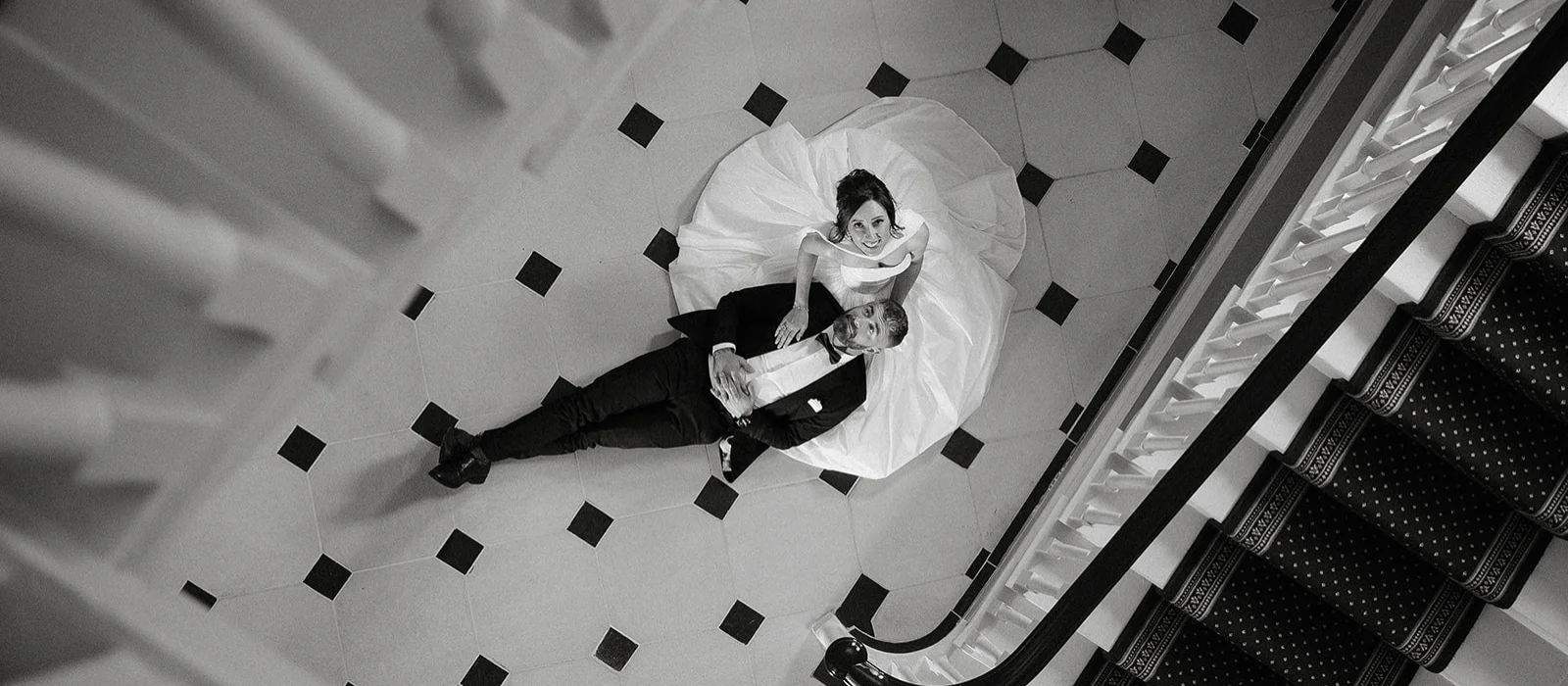
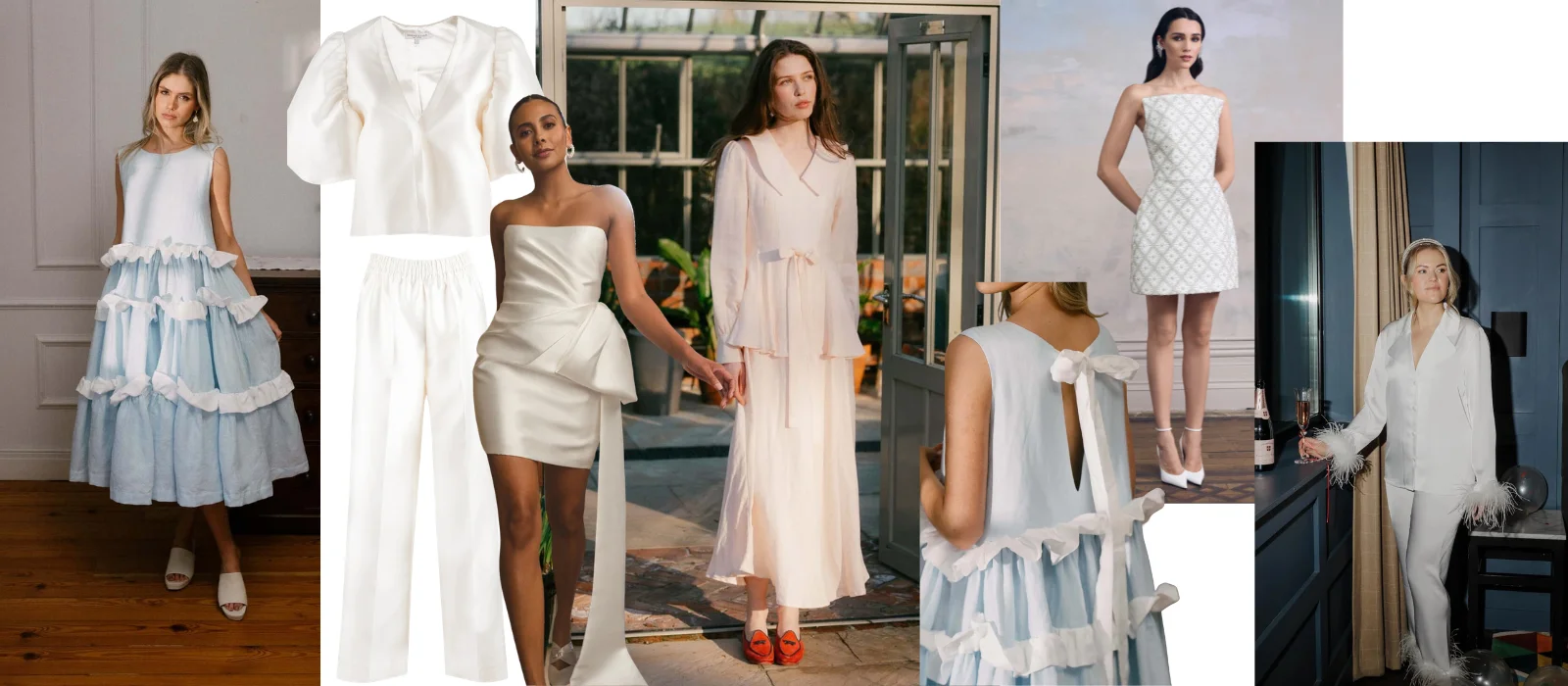
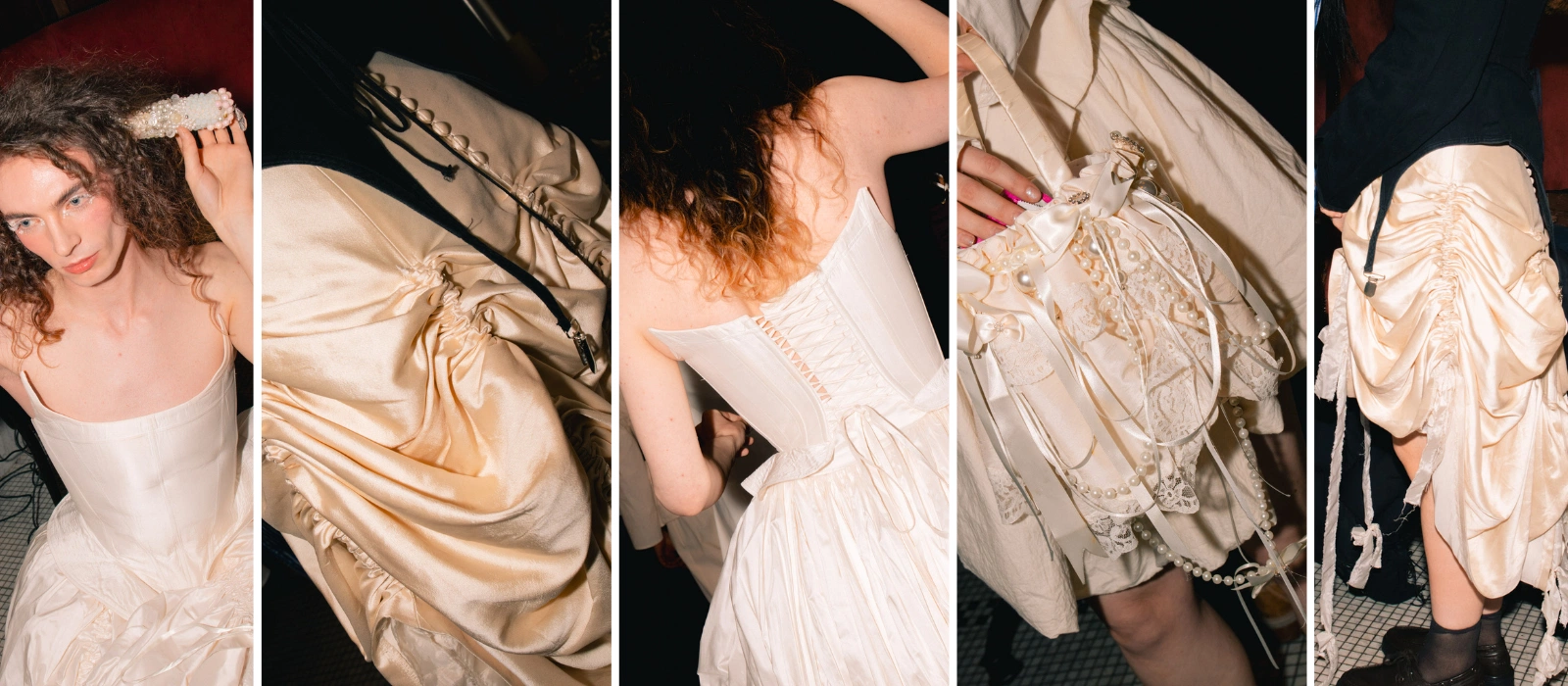
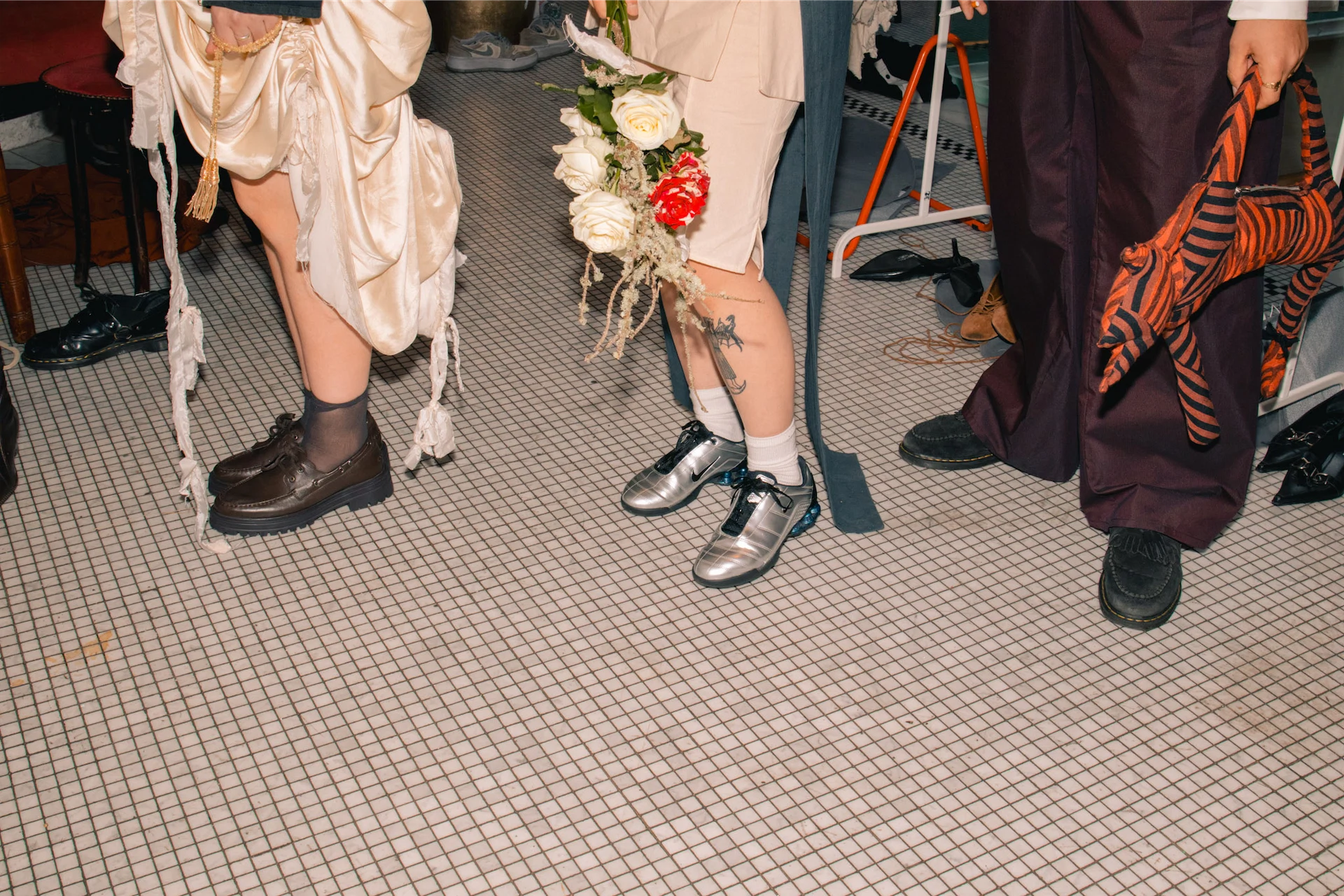
One of the week’s highlights was Ríon Hannora’s first solo show, Sex Before Marriage, which displayed a unisex bridal collection that included a number of reimagined vintage wedding dresses. The designer’s tongue-in-cheek collection, complete with branded condoms and bejewelled knife-headbands, playfully probed at Ireland’s fraught relationship with the institution of marriage, while showing what it means to ground value in eco-friendliness.
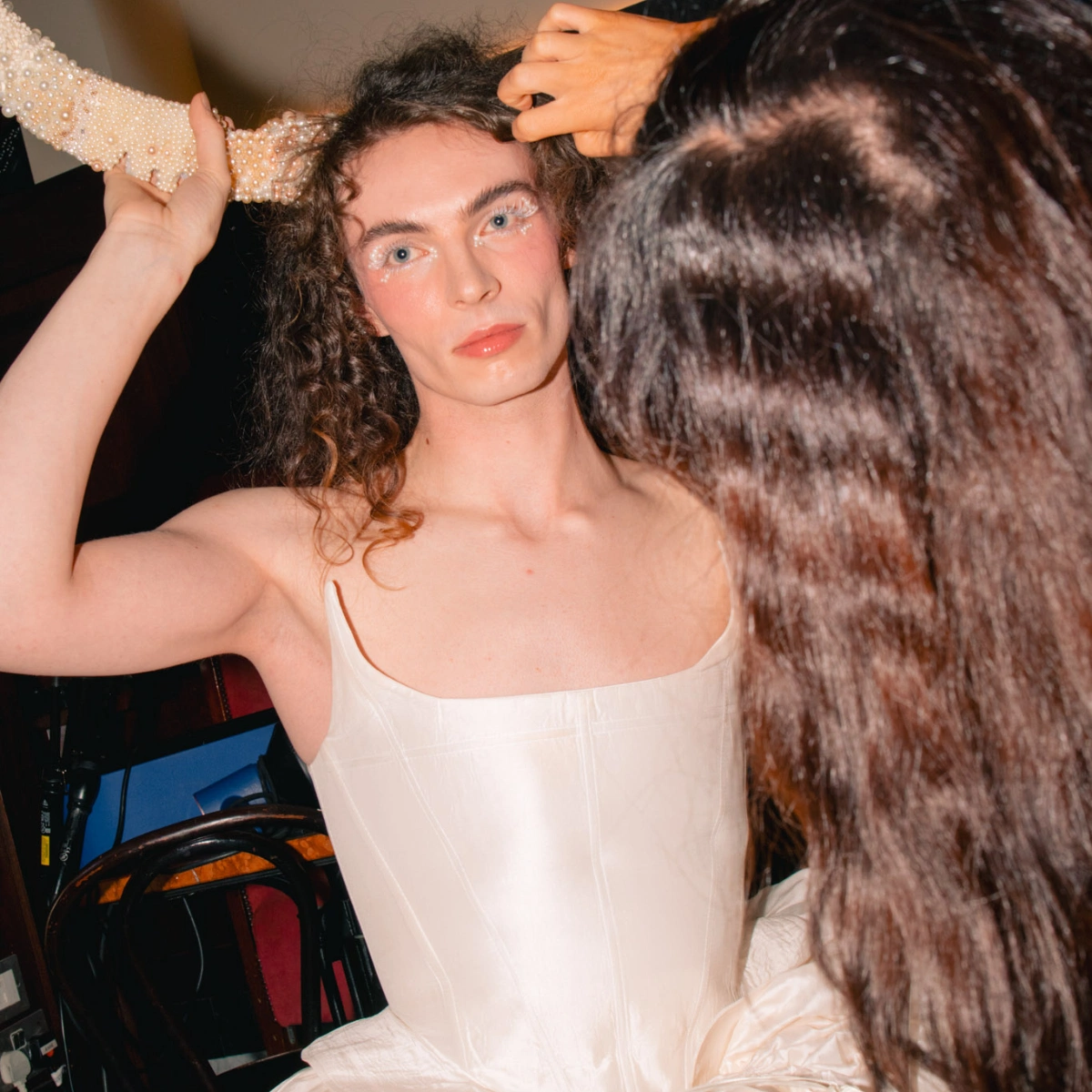
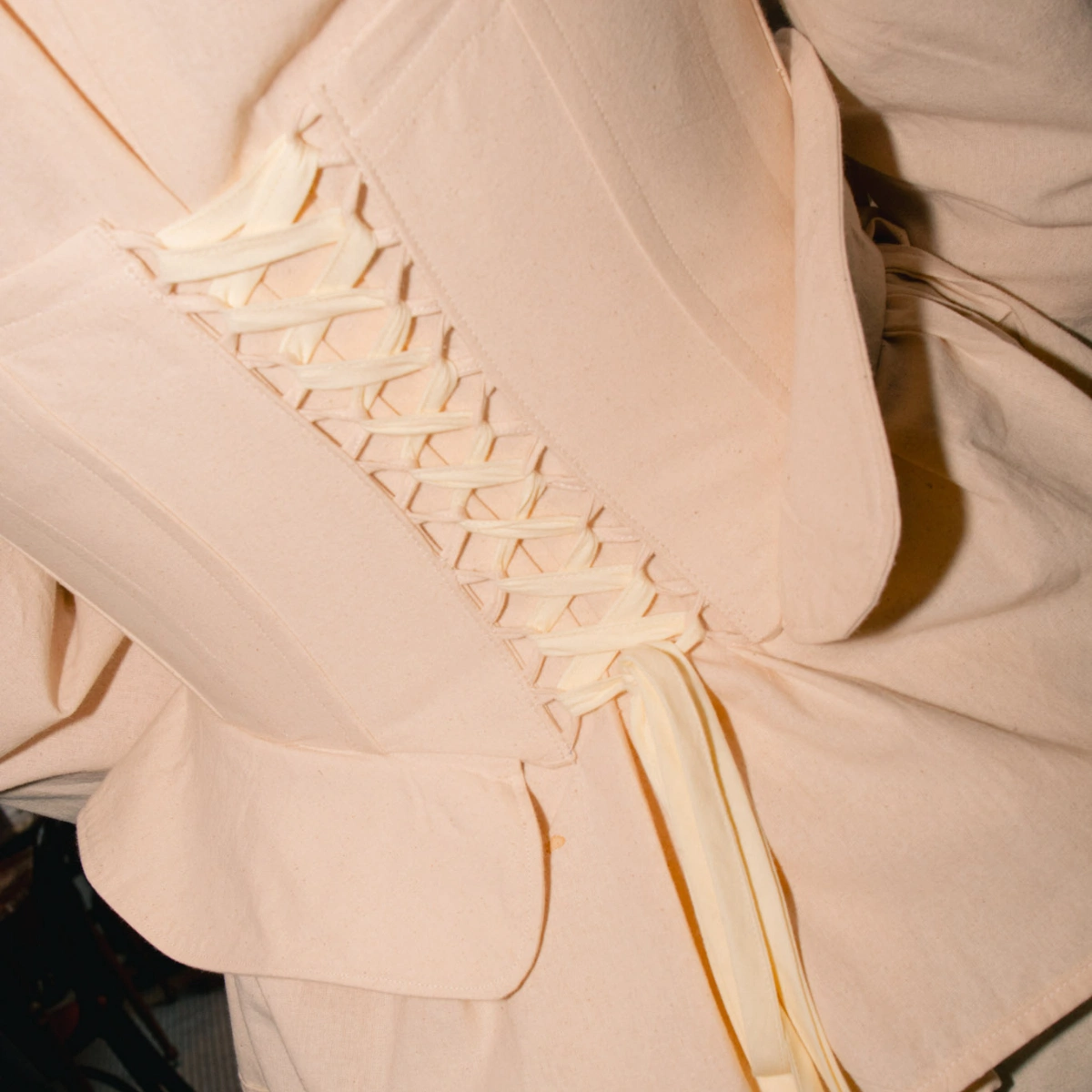
“I love the idea of taking these wedding dresses that people have maybe already been married in and then allowing them to have another kind of life,” Ríon tells me. Hannora is bashful about her commitment to slow fashion—she jokes that “I kind have to be slow fashion because I’ve only got one sewing machine”—but the DIFW co-founder’s collection is emblematic of a broader push amongst her peers to achieve luxury through sustainable design.
This idea is not new in Ireland. Heritage brands such as Magee 1866 have epitomised the ideals of slow fashion long before the term was even coined, using locally produced wool and linen to create garments to be passed down through generations. But the ongoing Celtic revival across Irish culture, underpinning DIFW, has introduced a whole new swathe of young Irish designers to the world stage who are bent on taking these ideals a step further. From the materials they are using to the business models they are forging, there is a notable push amongst home-grown talent to imagine and innovate through slow fashion.
Tipperary designer Laoise Carey achieved early success with her eponymous upcycling brand founded during lockdown. In 2024, she was selected to take part in Brown Thomas’s CREATE Programme, a fashion showcase that celebrates up-and-coming Irish fashion designers. “I think it really shows that all the way up to the head office at Brown Thomas, brands and businesses are really thinking about sustainability strategies and they know that their customers are moving towards that.”
Carey has taken time away from her brand this year to complete an MA in Circular Design at the National College of Art and Design (NCAD). Though her work was already grounded in sustainable principles, she was eager to formalise her understanding of circular design in order to forge a business model that was as sustainable as the clothing she produced.
“It’s really, really opened my mind,” she tells me. “It’s not just all about organic cotton. It’s about the durability of the garment and what’s happening to it at the end of life.”
This notion is central to the EU Waste Framework Directive, first introduced in 2008, which is the backbone of European legislation and regulation around dealing with waste, circularity and recycling in the fashion industry. It begins not with the old mantra of reduce, reuse, recycle but with “prevention” – the idea being that the most effective and sustainable way to stymie waste is, of course, to not create it in the first place. In other words, the most sustainable garment you own is not the piece you bought second-hand, but the one you already own.
Where shoppers have grown used to poor quality pieces that deteriorate as quickly as they fall out of trend, this EU directive demands a shift towards a circular mindset – one that actually values the longevity of a product.
Considered in these terms, Carey sees the relationship between sustainability and luxury as a natural one. “It’s rarely an impulsive purchase when you’re buying from a luxury brand – when it costs that much money and it’s that carefully made, you are going to think about how you’re going to look after it,” she points out. For Carey, the preciousness (in terms of both quality and price) of luxury fashion forces its customers to be more thoughtful about their garments: “In trying to slow down and be more eco-friendly, these brands can help their customers to do the same thing.”
Eddie Shanahan, chairperson of the Council of Irish Fashion Designers, is similarly unequivocal about the opportunity Irish design has to reframe our relationship with clothes through luxury design. “If you want to create sustainability in fashion, the way forward is buying less and buying better,” he insists. The challenge facing designers, however, is “to convince consumers that, for probably three to four decades, have been persuaded otherwise.”
The idea of minimal shopping at a higher price point requires a total shift in mindset for generations of people who have grown accustomed to a more disposable relationship to their wardrobe. “It does take time, just to get your head around saving up to invest in one garment or to only shop second-hand,” Carey admits. “But it works out in the long-run.”
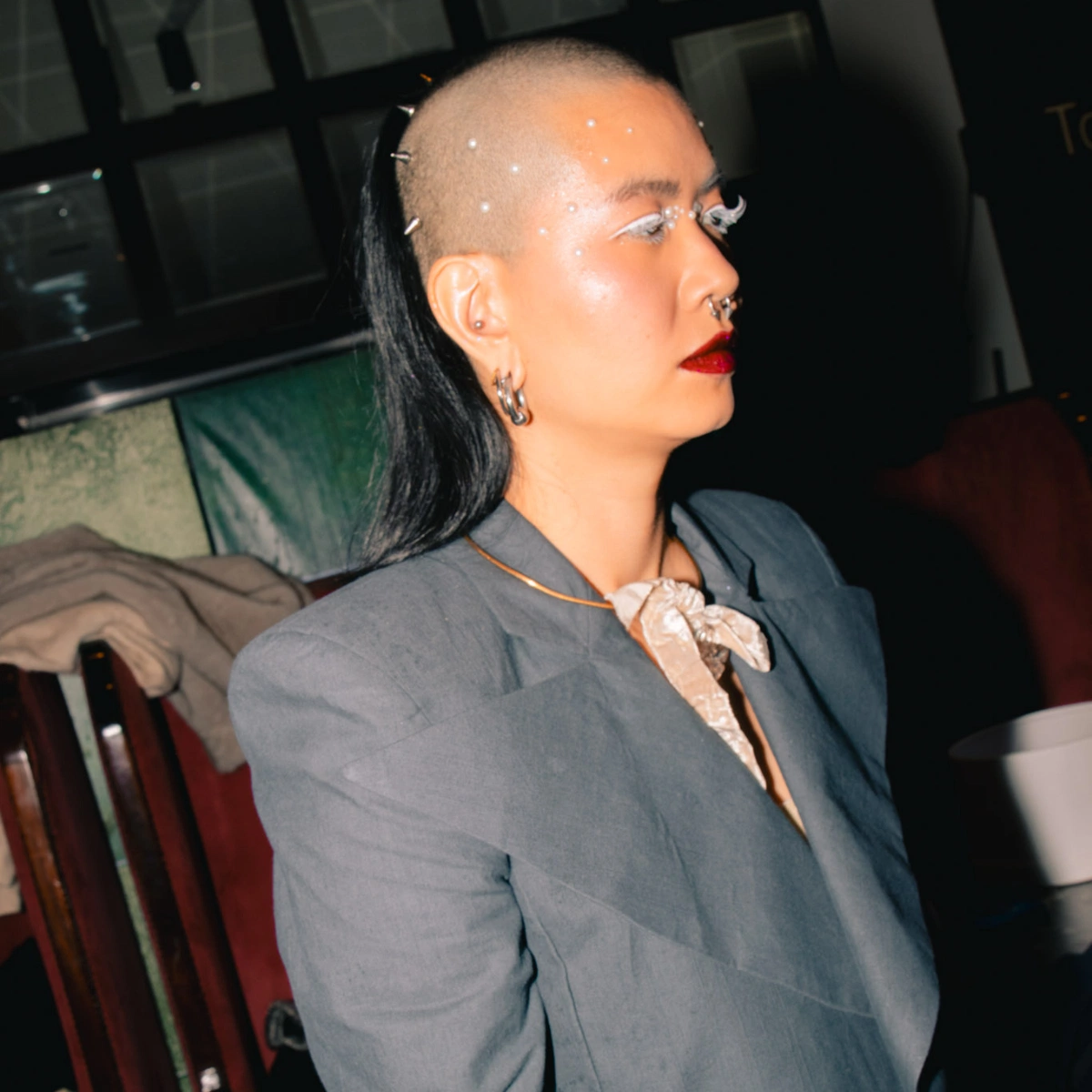
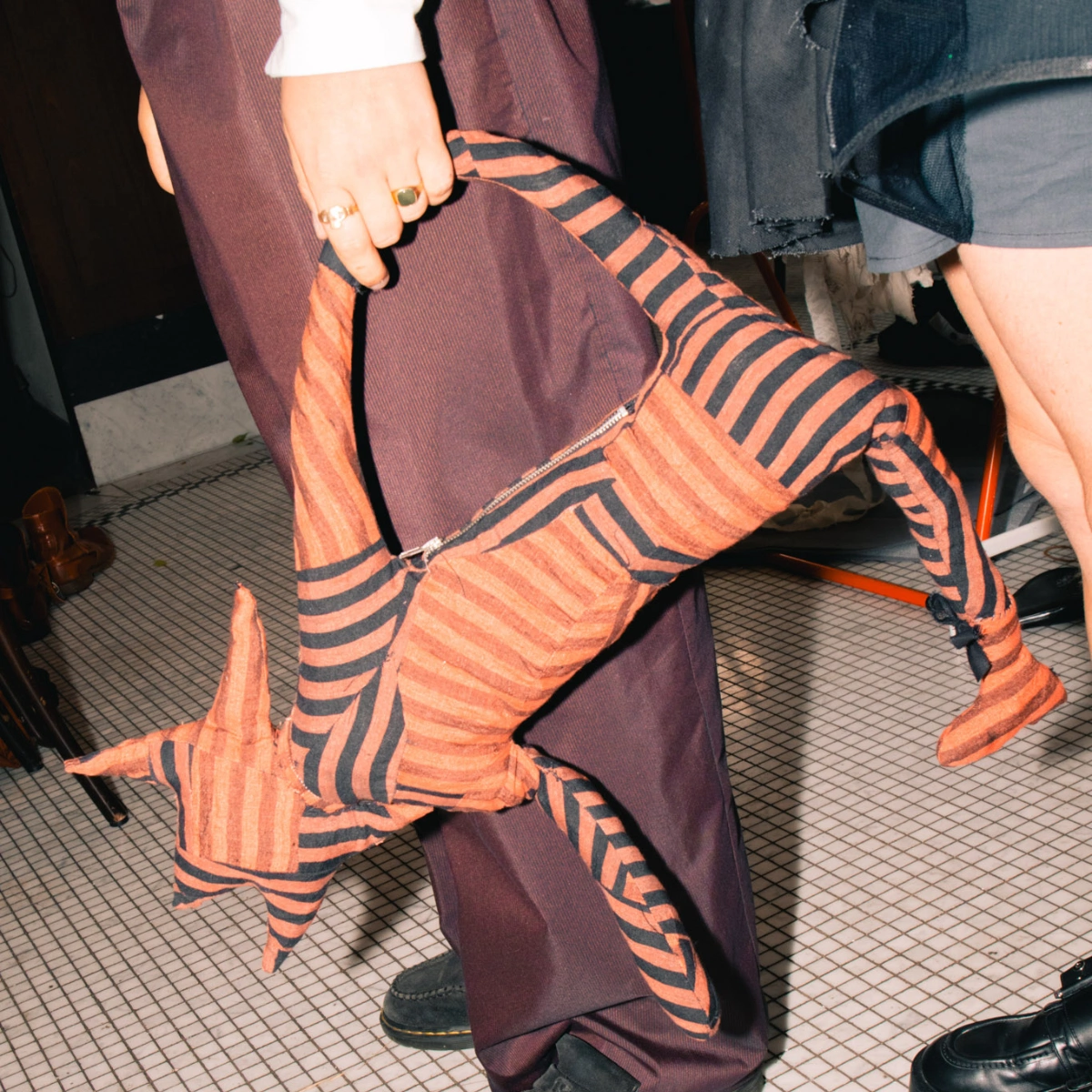
Anyone attending Hannora’s show, or who saw the upcycled work of ZeroWaster, Aisling Duffy and Seeking Judy at their joint show during the week, would have been convinced of the planetary and sartorial benefits of such a shift.
Where luxury brands might once have relied upon a hyped logo to stake out their exclusivity, these young Irish designers are reframing the meaning of luxury wear through the inherent and immutable value of good quality fabric and durable design. Beyond DIFW, Irish designers such as Robyn Lynch and Aoife McNamara are making their own green mark at London and Paris Fashion weeks respectively, with the former known for her use of compostable fibres and sportswear deadstock, and the latter celebrated for her use of local resources and recent creation of her very own wool (in collaboration with Donegal Yarns and Molloy & Sons).
If DIFW is staking out the Irish fashion community’s position in the city’s cultural calendar, then the collections it displayed signalled a broader shift in Irish design towards finding inspiration and imagination in the practices of slow fashion. It was a showcase for a different mode of thinking about our clothes, one that we are far beyond ready to embody – ready to wear. “Everybody, every one of us, has a contribution to make,” says Shanahan. “Buy better, buy for longevity, buy pieces that will last.”
Photography by Amber O’Shea.
Also Read