








Sponsored
Your guide to postnatal pelvic floor recovery
Sponsored By
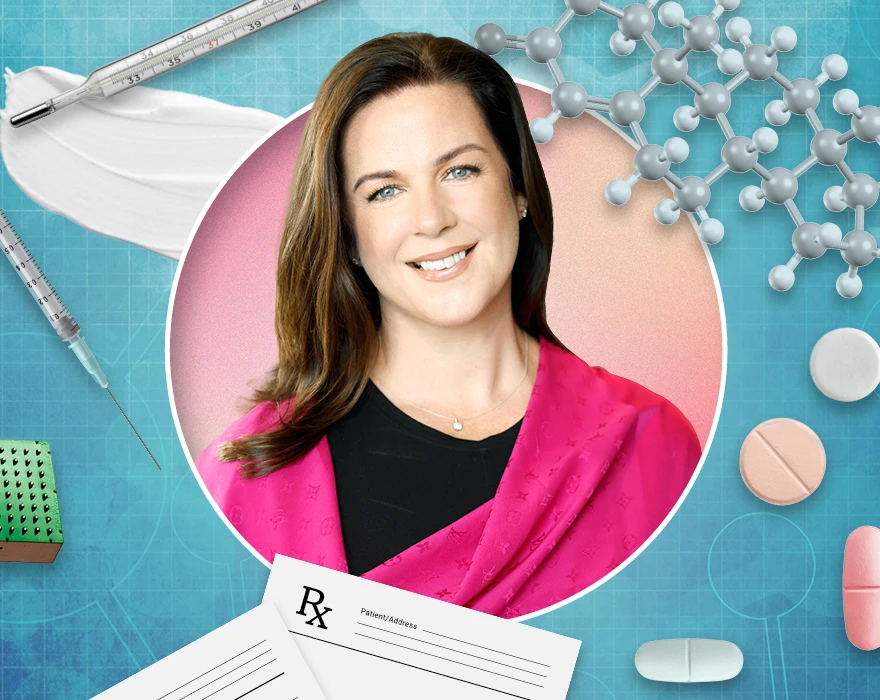
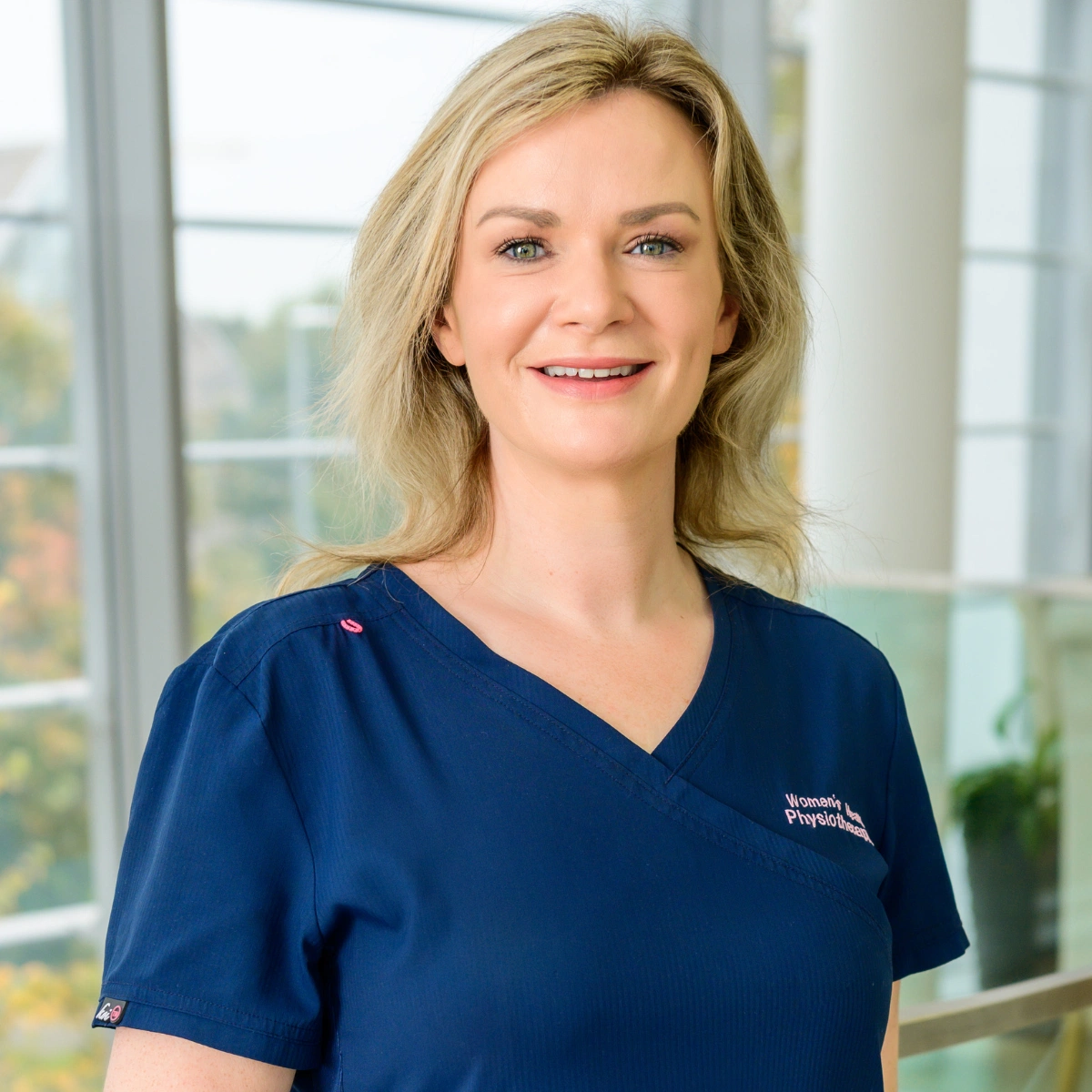
Aoife Harvey, a women’s health physiotherapist and advocate, answers all our burning questions about postnatal health and pelvic floor rehabilitation.
“When I was pregnant, it really exposed my mind to the changes a woman’s body experiences before and after having a baby, and how much more support we should have.”
Aoife Harvey has been a physiotherapist for over 20 years, and while she studied female health physiotherapy, it wasn’t until she experienced pregnancy and childbirth first-hand that she realised how little support and information is available for postnatal women.
“Even as a physio who knows a lot about the body, when I was discharged home with my own baby and encountered pelvic floor symptoms, I realised that no one checks in on you. That experience gave me more passion and understanding for women’s postnatal health.”
This sparked Aoife’s specialty. After returning from maternity leave, she decided to solely focus her physiotherapy learnings on women’s health physio.
Her practice, Women’s Health Dublin in Donaghmede, provides support for women looking to strengthen their pelvic floor at all life stages, from early twenties, pregnancy and post-natal, to menopause and beyond. Aoife is one of the many women’s health specialist physios that Irish Life Health members can now attend and depending on their plan, claim back a contribution of up to €150 towards the cost of their consultation*.
Alongside this, she spends her time as a women’s health advocate and educator, taking courses and speaking at conferences, in media and on her social media platform to help raise awareness of the many issues women face.
Raising awareness
One in every three women experiences pelvic floor dysfunction, and yet, it remains a taboo topic, says Aoife. Thankfully, due to social media, this stigma has slowly started to fade with this generation of women – but we still have a long way to go
“We’re better at talking about it than our parents and grandparents’ generations because we probably see it on social media or hear about it on podcasts or TV, which normalises common symptoms.”
However, there’s still a disconnect between self-education and seeking support. That’s where Aoife’s practice comes in. As a specialist in women’s health pelvic floor physiotherapy, she helps women with whatever pelvic issue they’re facing at the moment – for younger people, it could be painful sex, endometriosis or postnatal care, while for older women this could be menopause symptoms such as incontinence, constipation or prolapse.
Most of her patients, though, come to her seeking postnatal care. “Fifty per cent of women will have pelvic floor dysfunction after they have a vaginal delivery, experiencing symptoms such as prolapse, bladder leakage, urgency of their bowel, and really bad constipation,” explains Aoife.
Yet, many of us aren’t told the importance of physiotherapy during pregnancy and after childbirth, which can help alleviate these symptoms before they worsen and vastly improve both our physical health and mental well-being too.
“If no one’s explaining that this is normal or not normal, they’re often left in the dark wondering what to do and where to go for help.”
Empowering education
The first step is education – letting women know that these things can happen, and then encouraging them to seek physiotherapy if they don’t get better after a few weeks.
“When they come to the clinic for an examination after they’ve had a baby, we check things like their tummy gaps and their backs and do a thorough vaginal exam to see if the muscles have been injured. Are they really weak? Are they too tight? Do they have any kind of prolapse of their bladder or their uterus? Do they have any pain at their tear sites; are they finding sex really uncomfortable? I spend ages discussing all the possible symptoms and then examining them to see why it could be happening, so we can intervene early and it doesn’t become a long-term problem for them.”
Think of it this way, says Aoife, if you tear a tiny ligament in your knee, you get a small surgery and have to spend weeks with a physiotherapist to regain function and rehabilitate. But when you have your baby, you’re told to just go home and do a few squeezes. No one is thoroughly examining us and giving us a proper rehab program to recover after pregnancy and delivery – which is much more traumatic on the body than a small ligament tear.
“So, giving women that space, time and attention, and then supporting them, advising them on the dos and don’ts and what exercises to do is so important.”
I can relate; I’ve been through it. As moms, we tend to put ourselves at the bottom of the list... which means postnatal care isn’t prioritised.
Quality of life
Despite suffering from pain, many women still wait to seek help due to the mental toll these symptoms have, adds Aoife. Or, they may have been unable to get a diagnosis from their GP. She sees this time and time again with her patients.
“When you’re experiencing things like painful sex or pelvic pain but you can’t find a diagnosis, you start to wonder if it’s in your head or if it’s just due to stress… but chronic pain has a massive effect on you, whether you’re exercising, sitting for long periods at work, or having to hold your bladder on a long flight. It affects every part of their life, and it has a massive impact on their quality of life. I recommend seeking help for anyone with pain or chronic pain that’s not going away.”
But getting help isn’t always as clear-cut as it should be. While hospitals have physios on hand, their departments are under massive strain, with long waitlists, varying policies and expensive treatments that create roadblocks for postnatal women.
Then, of course, if it’s not your first child, it can be a burden to carve out time and mental energy for regular (and sometimes far away) appointments. “I can relate; I’ve been through it. As moms, we tend to put ourselves at the bottom of the list. We’re so busy looking after one child or two, that we put our own needs last, which means postnatal care isn’t prioritised.”
Seeking support
“Financial support can have a big impact,” says Aoife. “In the women’s health sphere, we need to show that we care about their health and quality of life, and how patients are going to proceed as they age. Again, it’s that education piece – we want women to know this is on their cover and is easy for them to access.”
Irish Life Health are changing how women in Ireland access the health services they need. They’re the first and only insurer to offer members access to specialist online or face-to-face medical experts like Aoife, including an extensive suite of maternity and postnatal benefits – like full cover for an initial consultation up to €150* with a female pelvic health physio.
So, when should you first see a physio to start your postnatal recovery journey?
“You’re supposed to have a check with your GP at the six-week mark, and this is when we recommend seeing a physio as well,” says Aoife. “This allows time for healing from a tear or C-section. At your initial consultation, we do an hour-long, really thorough exam to check for issues like prolapse, tummy gaps, diastasis… we want to make sure we give you the best care possible.
“Then, we usually recommend a 12-week program, be it tummy exercises or pelvic floor exercises, to really rebuild the muscles. We might give you a pessary which supports your prolapse – or find that everything’s brilliant, and just give you advice on how to keep going. Then you can have that guidance before going to postnatal classes or returning to normal life.”
Alongside this tailored programme, it’s her personal approach that sets Aoife’s practice apart. “When patients come to me, I can relate from personal experience. I create a safe space for them to ask me things they’d be afraid to ask someone else, and we really dive into how they are doing.
“For example, they may be hesitant to have postnatal intercourse, or maybe they already have and it feels weird or it hurts. That’s a hard topic to talk to your friends about. I always encourage them to just send me an email, and I’ll call them and we can chat through it. With all of these topics, we want them to talk to us instead of suffering in silence.”
*Available on selected plans. Please check your table of cover. This new female health pelvic floor physiotherapy benefit will cover up to €150 off one initial consultation. One consultation per policy year. Terms & conditions apply.
Irish Life Health believes that all women should have access to the expert help they need, when they need it. They offer access to medical specialists online and an extensive suite of maternity and postnatal benefits to help support you at every stage of your health journey. Visit Female Health Benefits on Irish Life Health’s website for more information.
Also Read