
Sponsored
‘After five years of pushing, I was finally diagnosed with PCOS’
Sponsored By
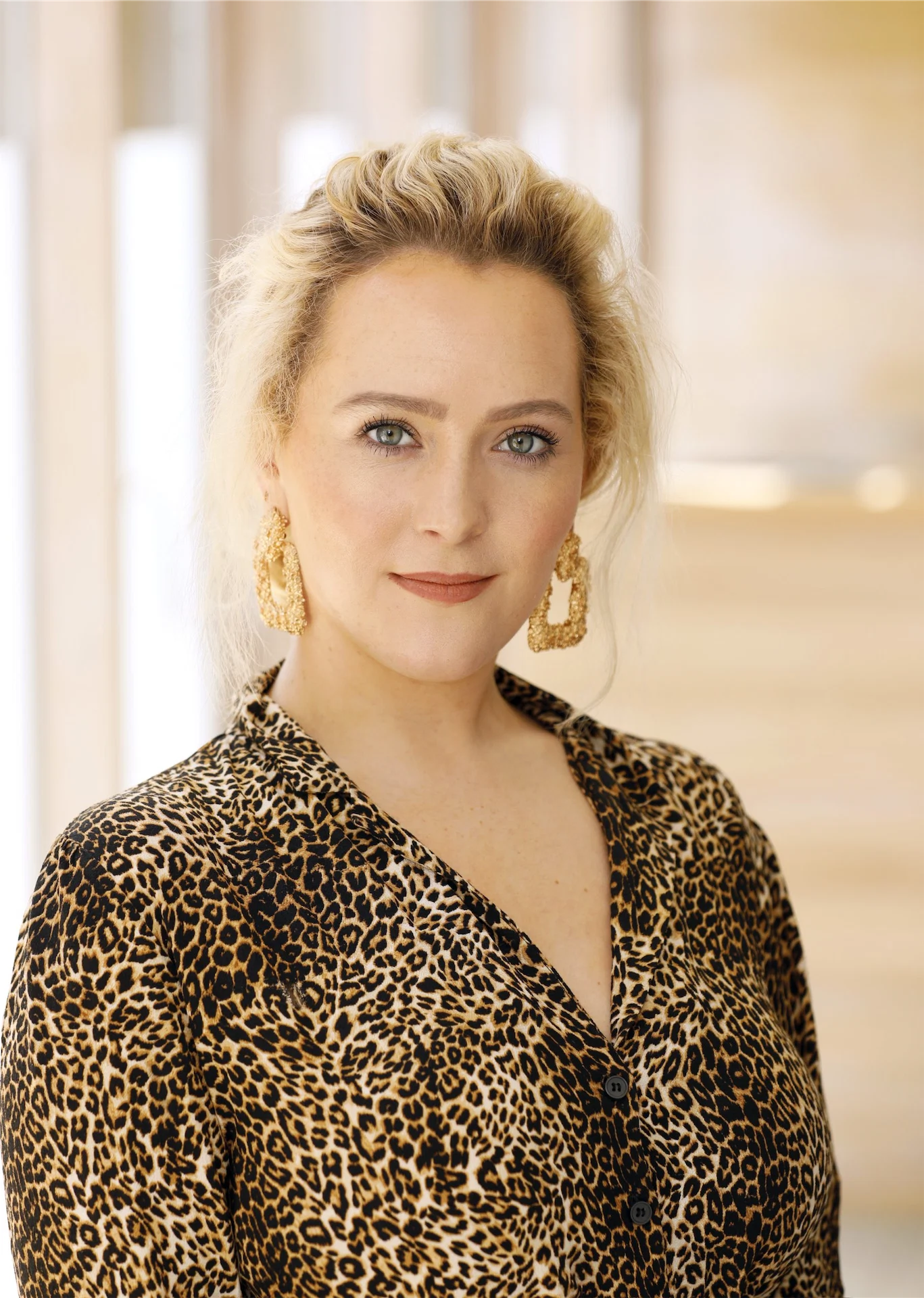
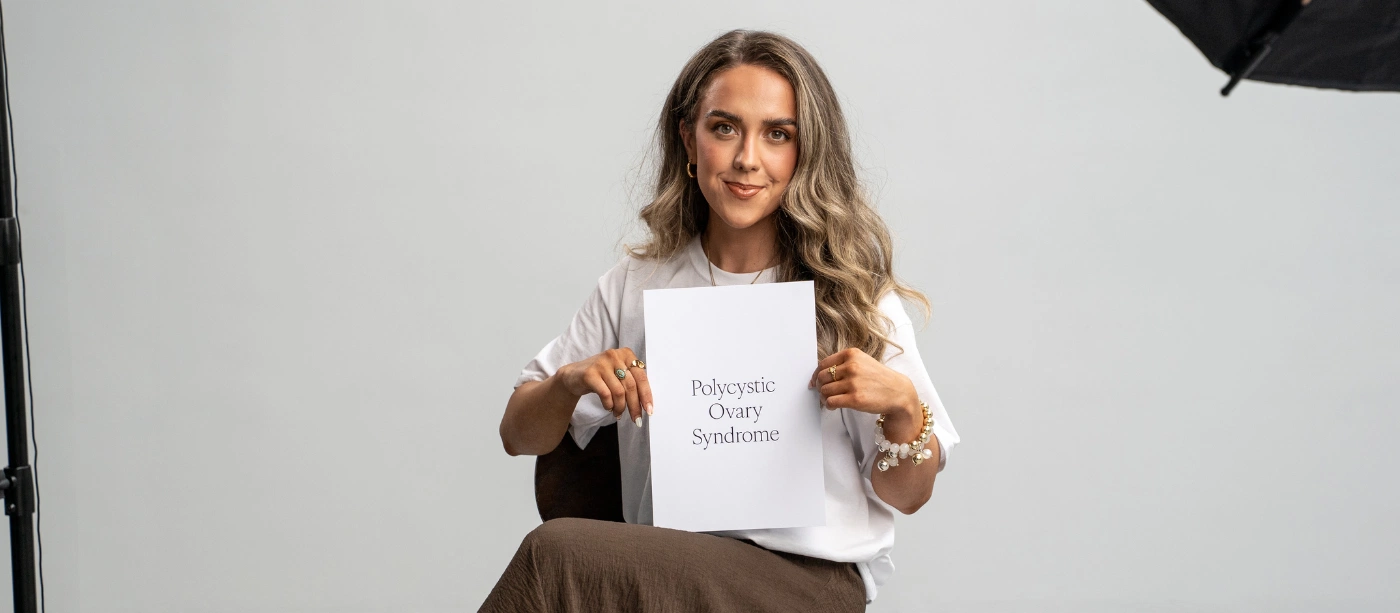
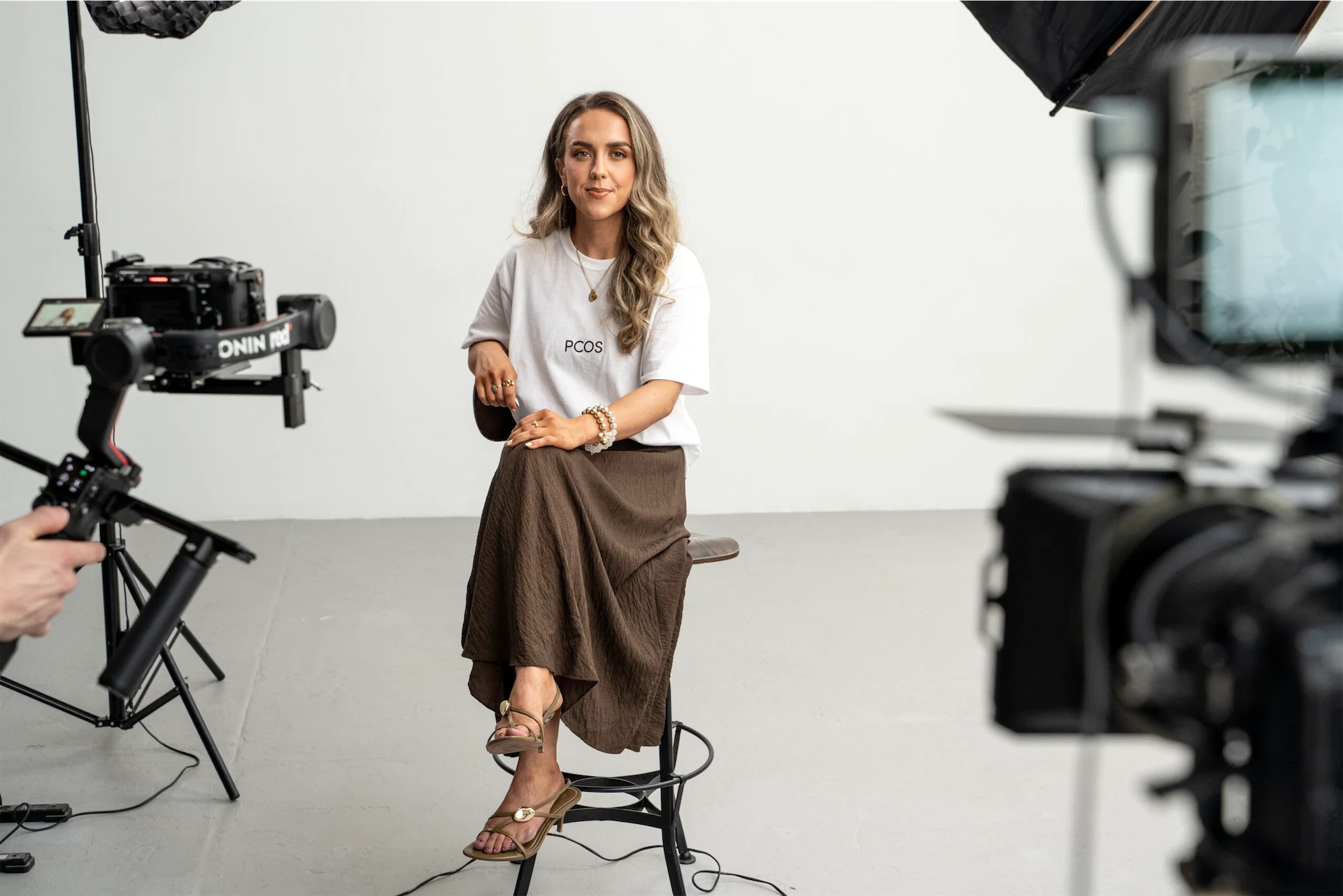
IMAGE's Dearbhla Lovett has suffered with PCOS symptoms since the age of 17 – here she shares her story and the long journey to diagnosis.
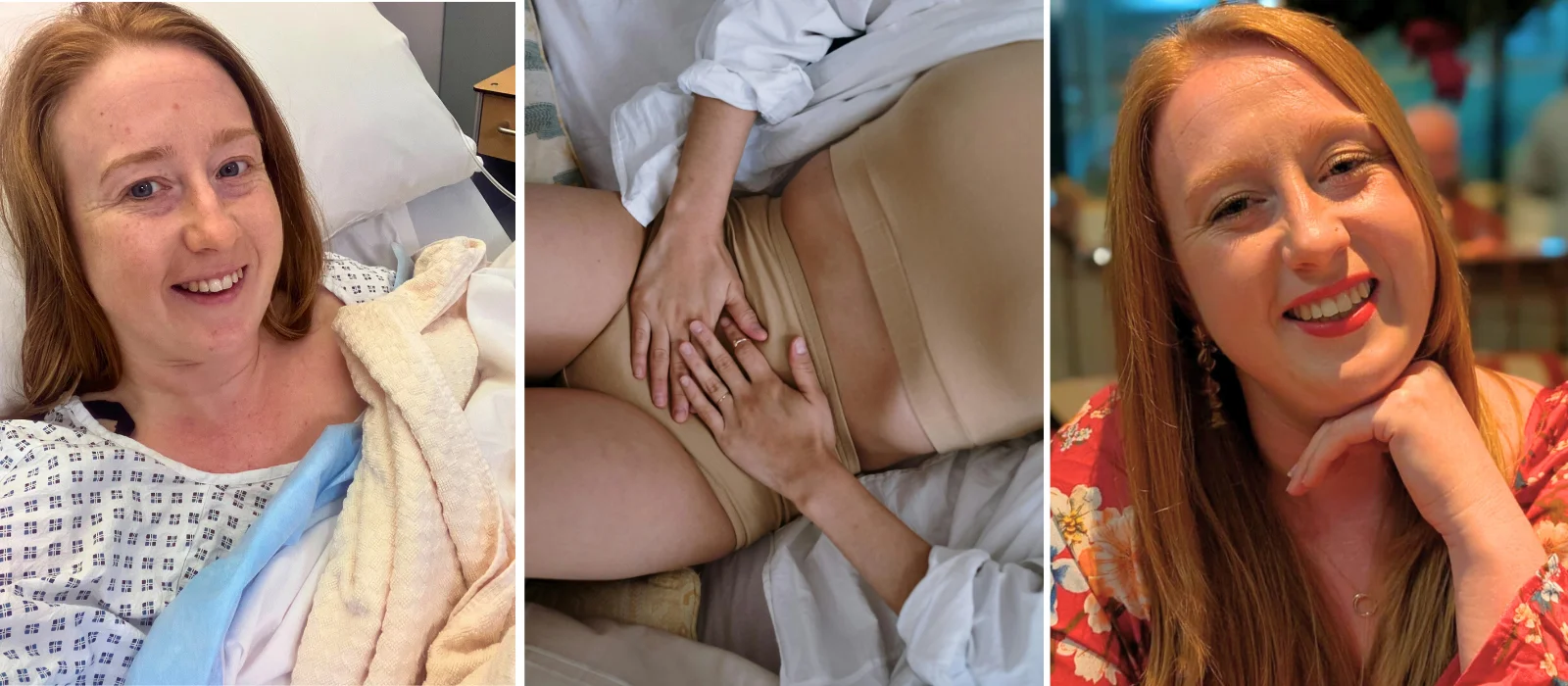
Dearbhla Lovett was 17 when she first started to notice her polycystic ovary syndrome (PCOS) symptoms.
“I was very in tune with my body and my health from a young age,” she recalls. “I had some of the most significant indicator symptoms. Irregular and absent periods, excessive hair growth, especially on the face, and I struggled to shift weight.”
She visited doctors to share her concerns; however, she felt she was dismissed because of her age. “They said I was too young,” she explains. “And because I wasn’t overweight, it couldn’t be PCOS.”
Nevertheless, Dearbhla persisted, and after five years of pushing for medical confirmation, she was officially diagnosed with PCOS. “I finally got it after three different doctors and a scan,” she says. “When it was made official, I was more overwhelmed than I expected to be. I think it was the certainty. My fears about PCOS were realised. I became worried about starting a family and any issues that come with that, but all I have right now is a diagnosis. So, it’s one step at a time.”
PCOS is an endocrine disorder affecting women of reproductive age and is characterised by a combination of reproductive, metabolic and hormonal disturbances. The official diagnostic criteria require the presence of at least two out of three specific signs: an irregular menstrual cycle, clinical or laboratory evidence of high androgen levels (such as excess hair growth or acne), and an ultrasound that shows small follicles on the ovaries.
 Although Dearbhla had these signals, she felt unsupported by the medical system. “Maybe I have been unlucky,” she notes. “But almost after every experience with a medical professional, I left feeling unheard, deflated and frustrated. I also spent a fortune going to doctors and never felt I got anything useful in return.”
Throughout the years, Dearbhla struggled greatly with the effects of managing PCOS day to day. “I can get seriously bloated and puffy,” she says. “This leaves me feeling sluggish and lethargic at times, and I have poor digestive issues. Emotionally, I can struggle with my body image because of the weight changes. In a job that requires a lot of networking, it’s hard sometimes to feel good in my body.”
In many ways, Dearbhla is only at the beginning of her journey. Her diagnosis is recent, meaning she will learn more about the condition and how to treat it in the coming months and years. However, she has grasped how to manage the condition through her own lifestyle. “I was lucky in the sense that I didn’t have to make any major lifestyle changes,” she explains.
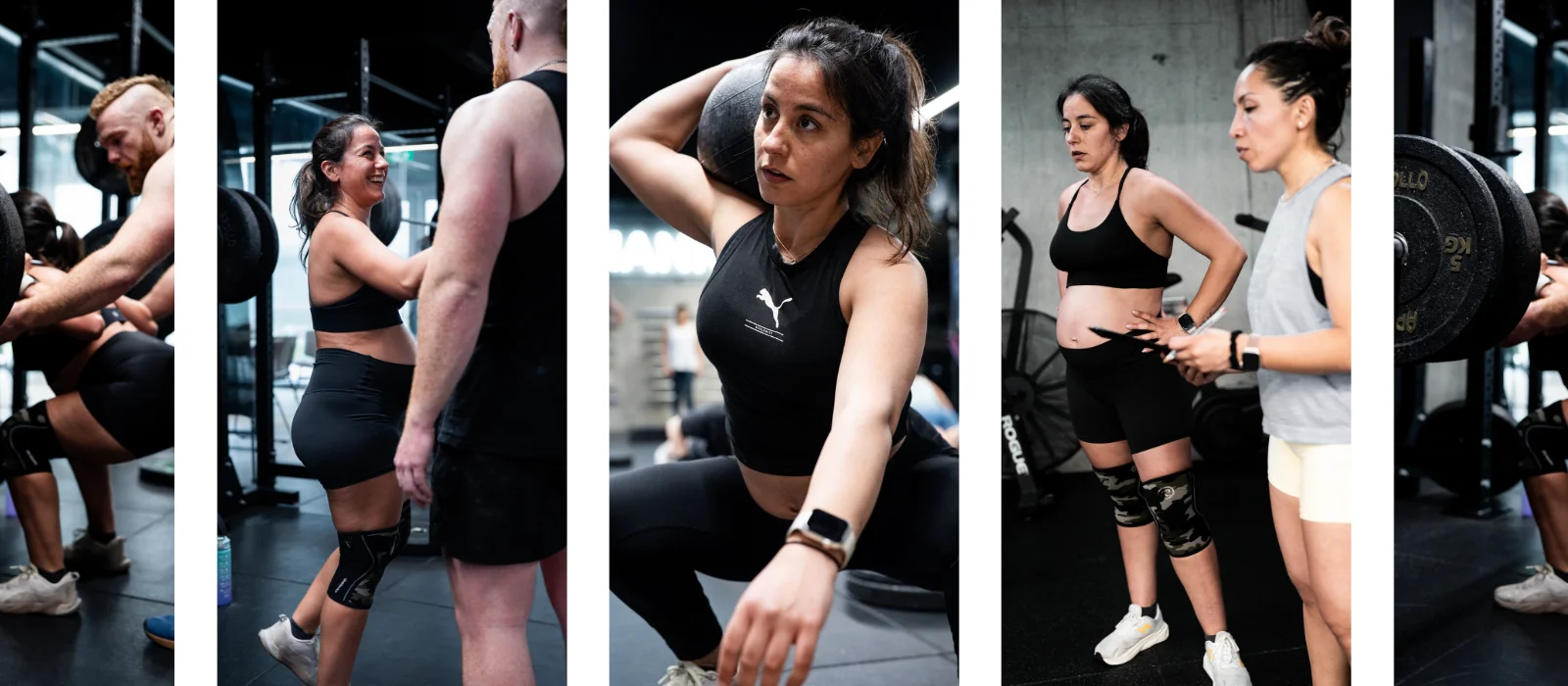
“I was already implementing choices that supported my health. I had been vegan long before the diagnosis, so avoiding dairy and red meat is natural to me, and that certainly helps with symptoms. I’m also incredibly active. I love resistance training and pilates, and I think these activities certainly help keep it under control.”
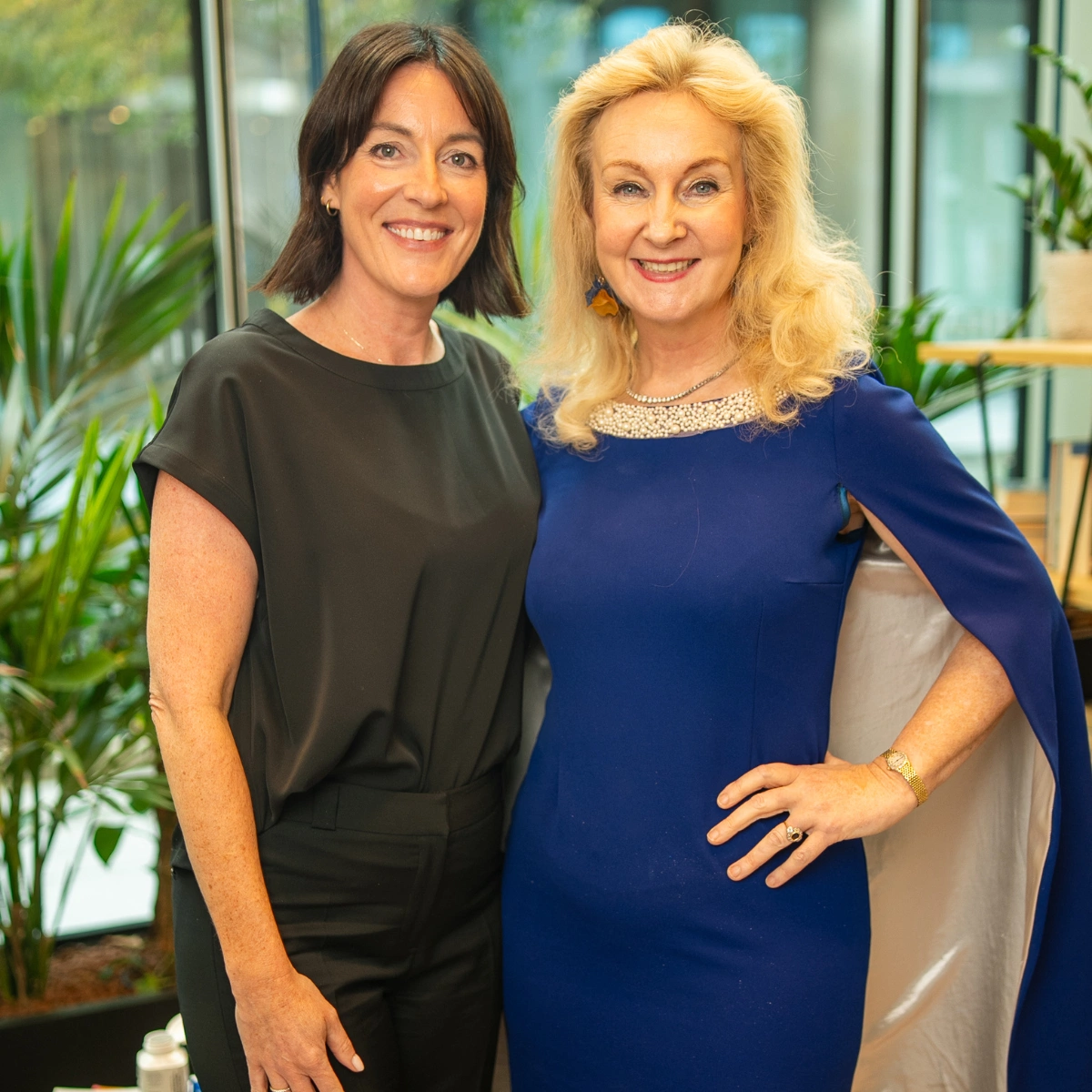
Up to one in five (10-20% of) women of reproductive age in Ireland may have PCOS. However, according to professor and consultant endocrinologist, Dr Mary Ryan, it remains one of the most undiagnosed reproductive conditions and first appears during the teenage years. “It’s something that should really be treated from a young age,” she explains. “I have patients who may have experienced a ‘normal’ period, but then the cycle went off. Sadly, I have women only getting diagnosed at 28, when it’s something that should have been found and handled at 15 and saved them all the suffering.”
Through lifestyle changes and medical aid, Dr Ryan says PCOS symptoms can be reduced significantly. “It’s totally successful,” she explains. “You can bring women back to normal weight and help them live a lovely, healthy life that is fully fertile. It’s all about education.”
For women and girls who have just been diagnosed with PCOS or believe they may have the condition, Dearbhla has some sage advice. “If I could give one piece of advice based on my experience, it would probably be to listen to your body and trust yourself,” she explains. “I wish someone had told me that it’s okay to ask questions and to push for the answers and not to let anyone diminish your concerns.
“Managing PCOS is definitely a journey and one that you have to play around with to find what works best for you.”
Finally, to help her on her own journey, Dearbhla has been utilising the many different outlets available now, which are trying to assist women in their health journeys. These channels have helped her feel less alone.
“I think PCOS and women’s health in general is slowly starting to gain more attention in the media community,” she explains. “Podcasts like ‘The Food Medic’ and our ‘IMAGE The Check-in’ are incredible resources changing the game, and Instagram pages like @gigsupplements are amazing at sharing insights in a digestible way. These insights are helping me to manage symptoms, and it makes it feel a lot less lonely and daunting.”
We’re lifting the lid on women’s health: the real, the raw, the rarely spoken aloud. Our new podcast ‘IMAGE The Check-in’, hosted by Ellie Balfe, gets straight to the heart of what’s truly on women’s minds right now. We dive into monthly health themes with expert guests and honest voices.
To listen to our recent episode with Dr Mary Ryan, click HERE or wherever you get your podcasts.
To stay up to date on our latest expert-led articles, insights, podcast episodes and more, visit the IMAGE Women’s Health Clinic Hub.
Also Read