



From micro-meditation to pole fitness, here’s what’s happening in health and fitness now.
An overarching theme across all the wellness-centric and wellbeing-adjacent trends of this year is that of longevity. Having come to grips with our improved life expectancy and adapting our routines accordingly, we’re turning to long-term investments that will stand to us over the coming years. From neurocosmetics tackling stress at its root level to dental hygiene, light therapy, and algorithmically generated therapy, here’s what’s on the cards for our health in 2025.
1. Artificial intelligence, real-life results
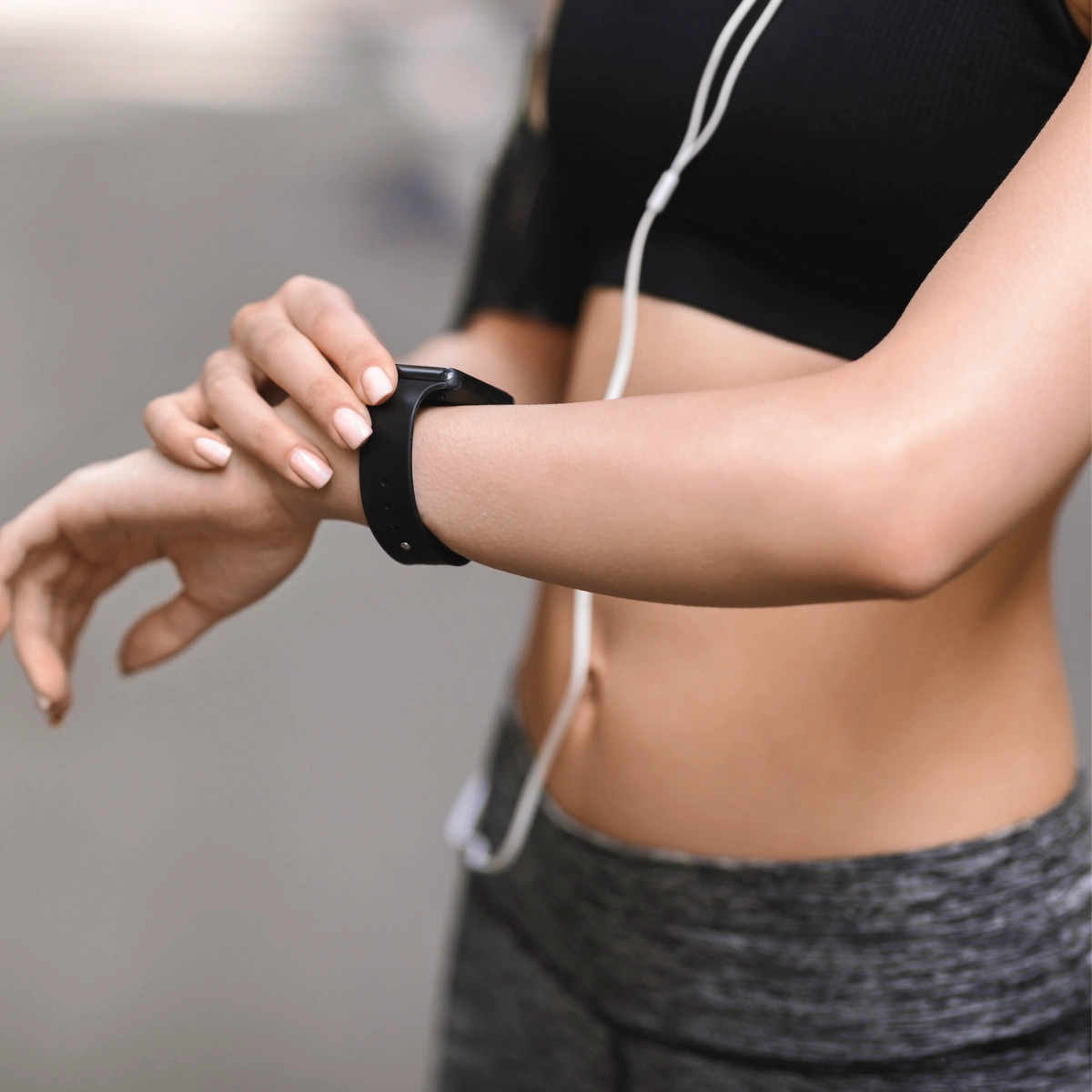
Tech trackers are no new addition to our daily reality – we have all got used to smart watches and rings monitoring our health and fitness stats (even in our sleep) for years now – but it looks like AI will be getting involved in just about every other aspect of our lives from here on out, too.
AI chatbots are becoming increasingly ubiquitous, donning the hats of therapist, personal trainer and wellbeing coach. It may sound dystopian, but the data-driven intelligence and fast-paced response times make it appealing to many. Apps such as Fitbod and Evolve AI tailor workout plans specifically to you, so that you can enjoy a customised routine. And for those seeking therapy, algorithmically generated advice could very well help to bridge that gap, applying a plaster to those wounds until they can be seen to by a registered professional. You can try this out yourself with the everyday mental health apps, Youper or Wysa.
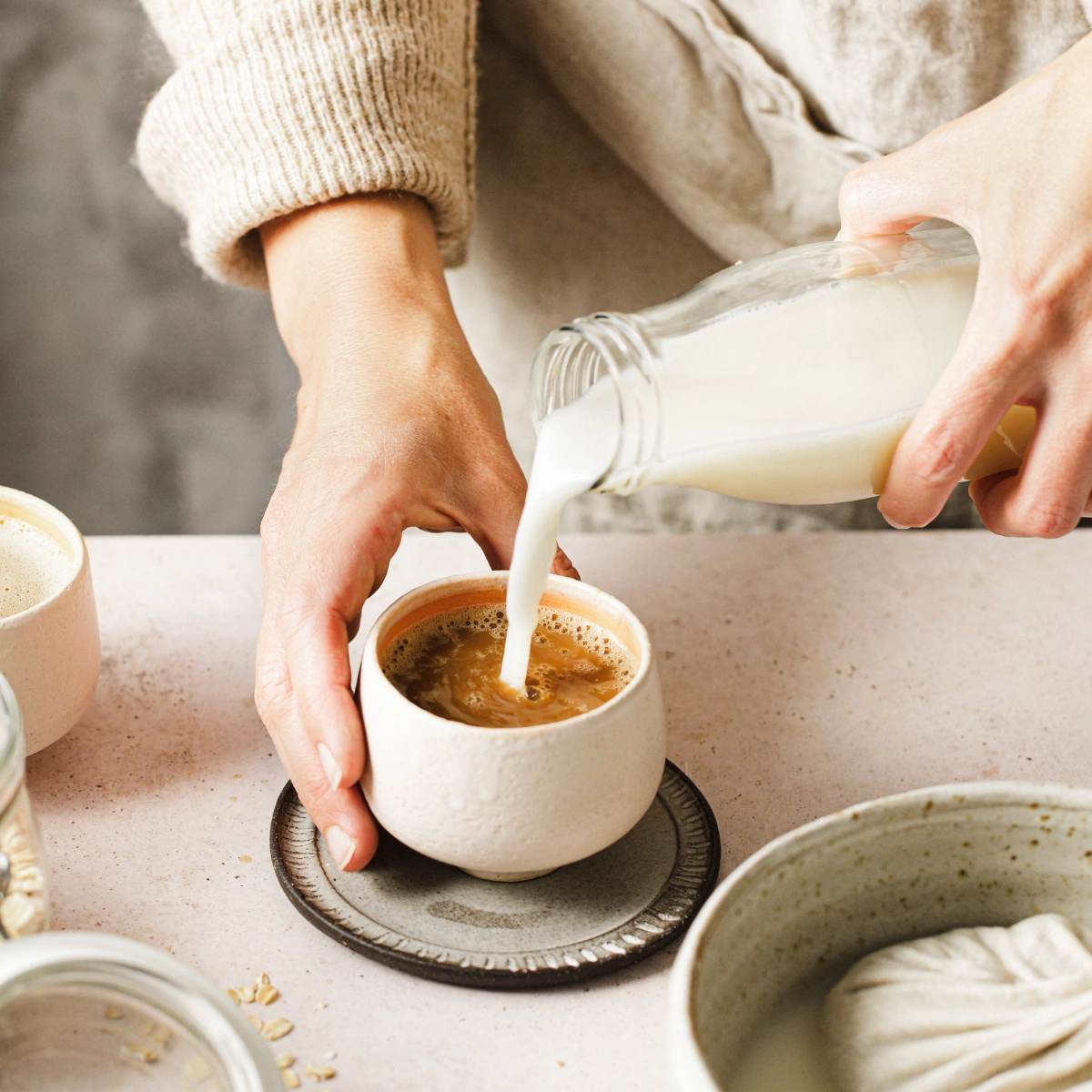
2. Return of the milk moustache
It looks like the days of alternative milks might be coming to an end, with the dial swinging back in favour of whole milk. As it transpires, not all plant-based alternative milks are the “health food” they were cracked up to be in the first place. Certain brands’ formulas contain more sugar than others, and the volume consumed naturally plays a part. Several nutritionists have highlighted that their contents can raise blood sugar levels and cause bloating and breakouts. French biochemist, Jessie Inchauspé, also known as The Glucose Goddess, is an advocate for switching to full-fat whole milk as the (good) fat in the milk balances the glucose sugar spike. Whole milk is, after all, the only food that, by itself, gives us every element vital for our health – protein, sugar, minerals and all important vitamins.
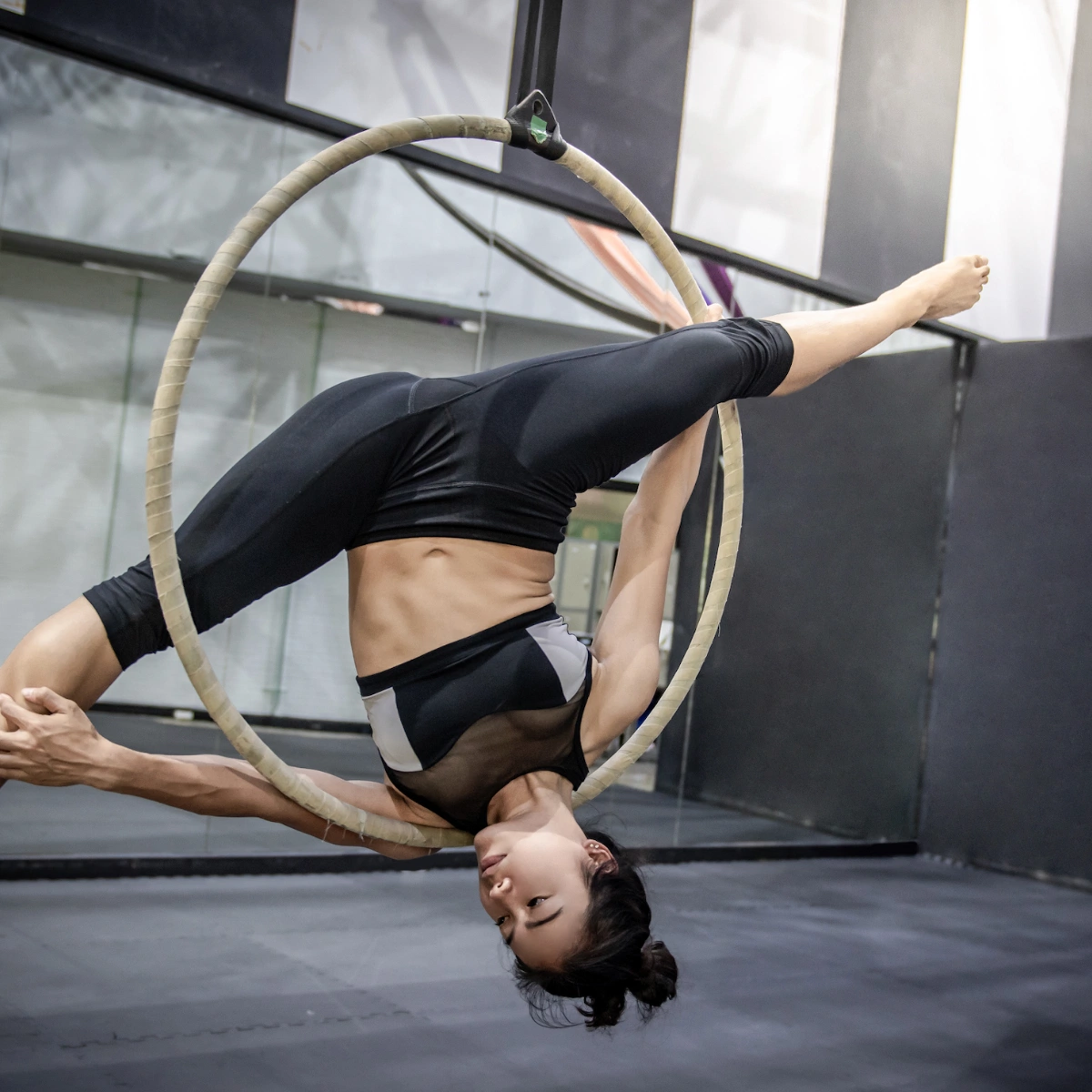
3. Community through alternative fitness
We’re living through an era of disconnection and loneliness, so any opportunity for connection should be jumped at… 2024 was the year of the run club, but for 2025 and beyond, we’re seeing an uptick in alternative health avenues, including aerial and pole fitness, heels dance classes, and even trampolining. Promoting togetherness and a renewed sense of confidence, these classes are a test of strength, will help to build new skills, and above all, they’re a genuinely fun way to get your body moving.
Whether it’s Throwing Shapes with PJ Kirby in Liffey Trust Studios, heels classes in Dublin and Galway at Bevel & Embody with dancer Angela Didek, aerial hoop at Tribe Fitness Dance Studio, or a jumping session with SuperSonic Trampoline Club, you can opt to go solo or with a gang. Your fitness journey does not have to be a solitary one. As someone who’s been in dance spaces for their whole life, Bevel & Embody’s Angela says that these classes “provide a change for those craving connection, self-fulfilment and community”.

4. Micro-mediations
Over the past number of years, there’s been a real movement towards holistic, spiritual wellness practices. Sound baths, chakra healing, reiki, aura cleansing – the list goes on. Now’s the time to standardise these rituals as daily practices and prioritise taking a couple of minutes each day to marry our minds and bodies. Speaking on the idea, Kate Lenehan – aka The Monday Coach – says that micro-meditations are a powerful way to transition from overstimulation to the present moment, no matter where we are.
“This might look like taking a few deep breaths before a meeting,” she explains. “Eating mindfully instead of doom-scrolling, checking in with how your body and mind feel at the end of a workout, or simply jotting down joyful moments before bed.” Yes, dedicated weekend retreats and hour-long ceremonies are all well and good, but incorporating these micro-meditative moments into each day will leave you feeling much more aligned. However, Kate warns against confusing “micro” with “masking”.
“The fast pace of modern life makes bite-sized meditations appealing, but if we’re not careful, they can become a temporary fix,” she says. “Once you’ve taken a moment to calm down, follow it up by asking yourself a few questions: What’s causing these negative thoughts? What is my body trying to tell me? How might this feeling be connected to something bigger? Use the inner insights you gain to make intentional, lasting change in your life.”
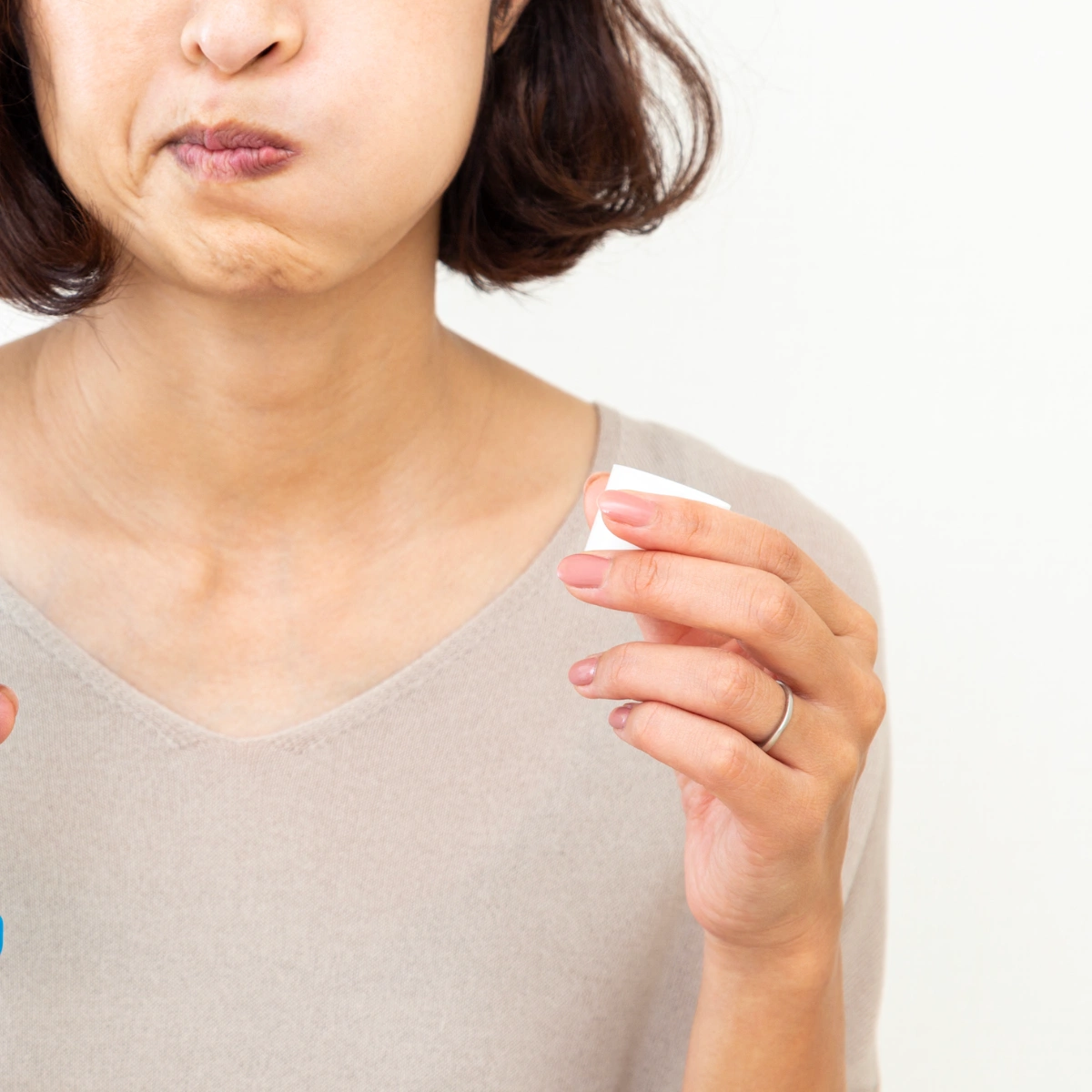
5. We should all be tongue scraping
How’s your dental hygiene routine? Chances are, it’s missing this one crucial element. Residue from the foods we eat can build up on the surface of our tongue, and like a big spongy carpet, it requires a deep clean to avoid bad breath, plague build-up, and tooth decay. A tongue scraper is a metal rod that helps to get rid of nasty bacteria, keeps your taste buds squeaky clean, and can even boost your immune system. Yes, you may gag at first and feel a smidge of discomfort, but this daily practice will leave you feeling cleaner and healthier in the long run. You can get a tongue scraper in your local chemist, or find a copper version online at Ecostore or Faerly – these ones come in a little cotton bag, ideal for all your on-the-move tongue-scraping needs.
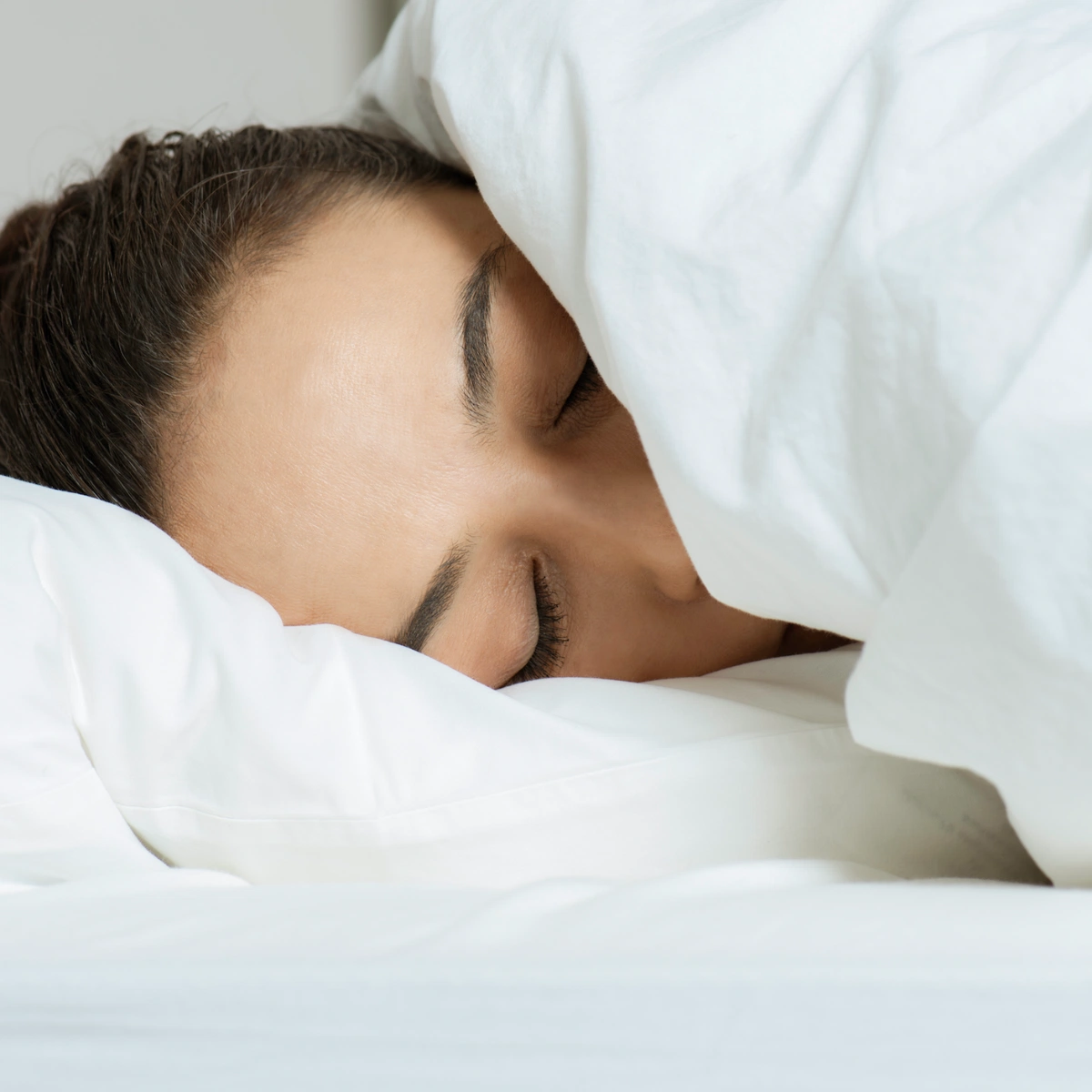
6. Mouth taping
For the snorers among us (myself included), mouth taping may serve as a potential remedy. Not just an online fad, studies have shown that applying a one-inch piece of tape across your bottom and top lips can improve your breathing, reduce your snoring, and encourage a better night’s sleep overall. Some also suggest that this practice may have a sculpting effect on your jawline, though this has not yet been proven. Either way, sleep expert Tom Coleman is an advocate for mouth taping.
“There is a 2015 study that shows mouth taping’s beneficial impacts on sleep apnoea, and another in 2013 showing a 70 per cent reduction in snoring after three months of use,” Tom says. “From a subjective point of view, people report that they sleep a lot better, their quality of sleep improves, and their snoring reduces.” You can buy easily removable mouth taping strips from Snooze Therapy, Hush Strips, and Dryft Sleep online that will be gentle on your skin and avoid any adhesive irritations. Tom’s top recommendation is MyoTape.
7. Oil pulling
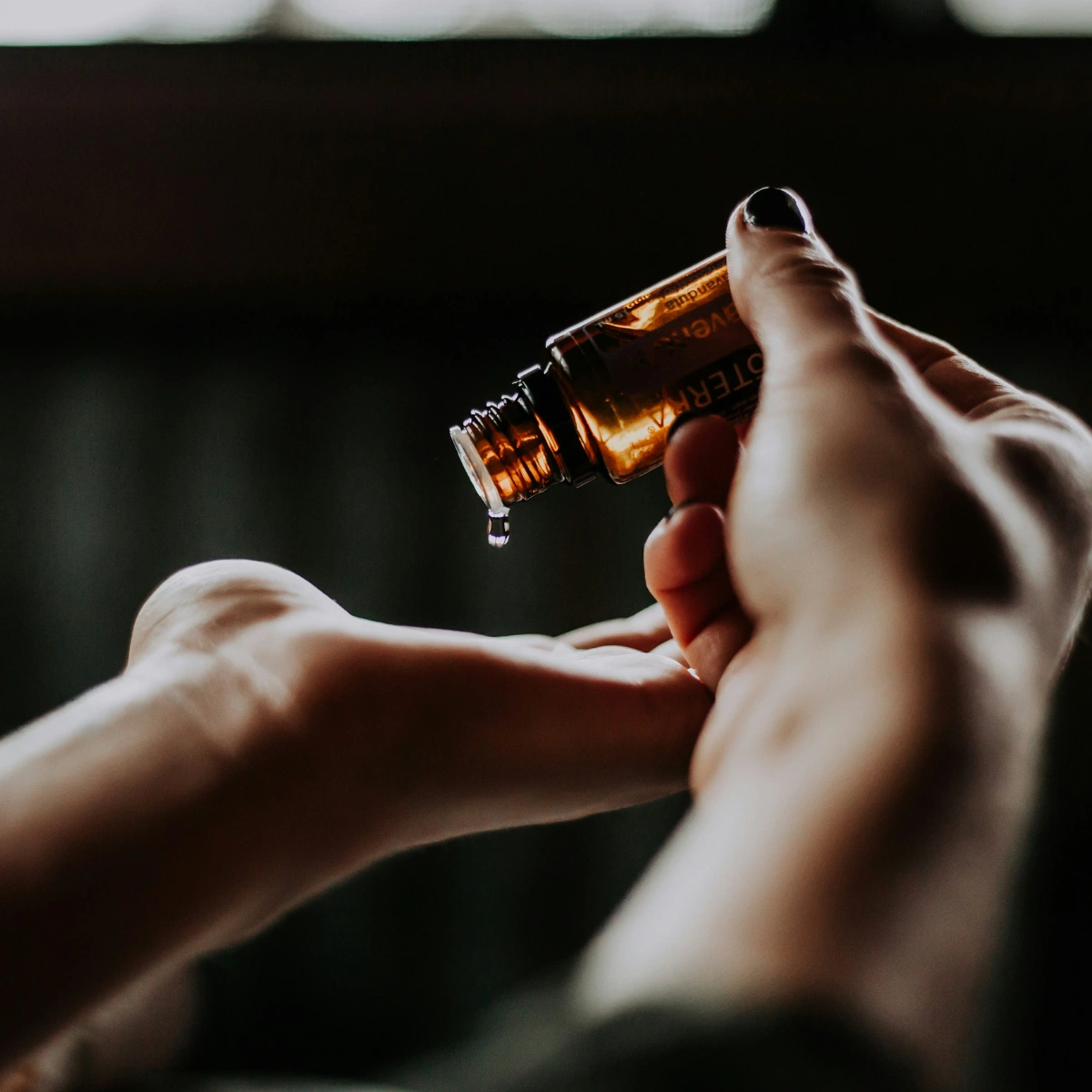
Another idea that marries oral hygiene with overall better health is that of oil pulling, which involves swishing a couple of drops of (coconut, sunflower or sesame) oil around the mouth for about 20 minutes to help remove harmful bacteria from the saliva. It also has the added benefits of improving gum health and reducing bad breath. It’s an ancient practice that originated in India and has been getting a lot of attention online for its ability to reduce plaque build-up and the risk of cavities. It helps to soothe inflammation and is a cheap and natural way to improve your dental hygiene.
8. Red light therapy
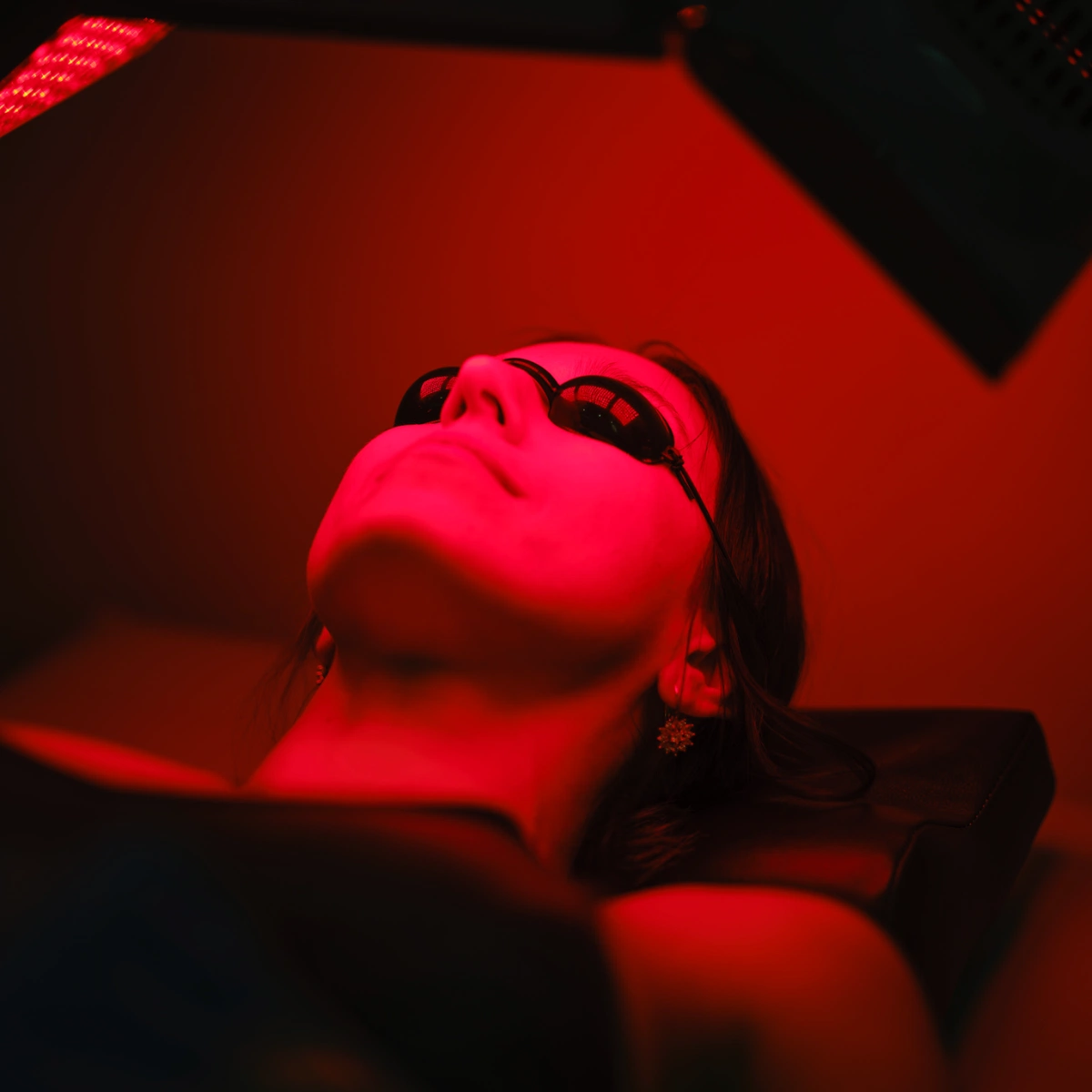
According to Forbes, the global light therapy industry is projected to grow from $1.03 billion in 2024 to $1.56 billion by 2032. This particular method of biohacking is known for its anti-ageing effects, pain management, and improved mental clarity. It’s also said to improve circulation, target hair loss, reduce the appearance of wrinkles, scars and sun damage, and speed up the healing of wounds. In terms of where to find it, Phoenix Wellness and The Salt Clinic in Dublin offer full-body red light therapy sessions, or you can buy torches and lamps from theredlighttherapy.ie for at-home use.
CurrentBody has an LED Light Therapy Face Mask complete with 236 LED bulbs emitting three clinically recognised wavelengths: red, near-infrared, and new deep near-infrared. Speaking about the growing demographic interested in red light therapy, CurrentBody founder Laurence Newman explains, “As anti-ageing has become dominant for home use treatments, especially with our LED mask, we are seeing 35-to-50-year-olds looking for non-invasive alternatives to injectables.” As well as this, younger “skintellectuals” are starting their use early as a preventative measure, adding to their popularity.
9. Creatine for everybody
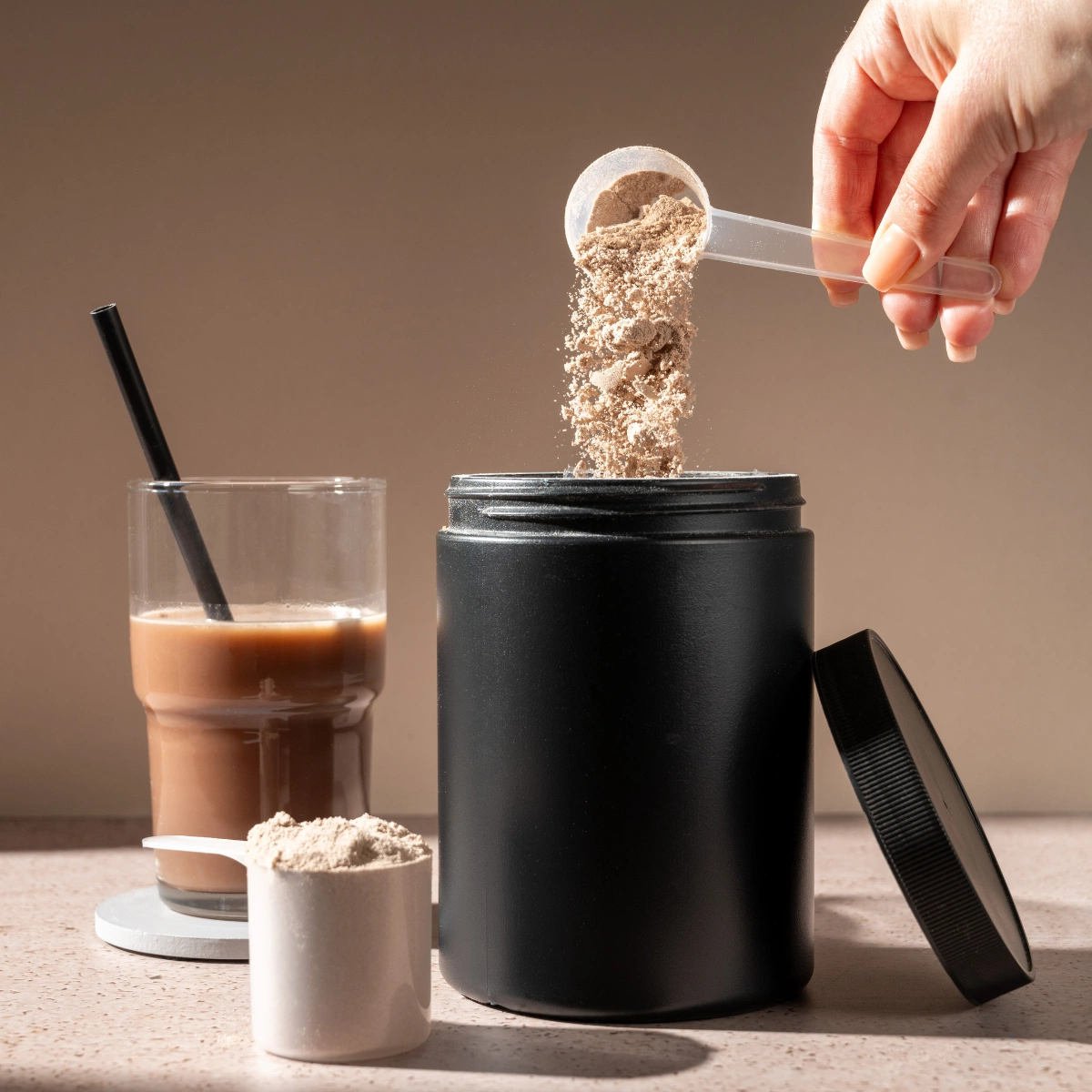
Finally, the long-held myth that creatine is reserved only for bodybuilders and professional athletes is being dispelled, and it’s been proven that the supplement can actually enhance the strength and muscle development of women on their fitness journey. Unequivocally, not just for men, a daily dose of creatine is recommended to be taken post-workout, and it will go a long way in helping to strengthen you physically.
Nutritionist Mark Evans weighs in: “Creatine has long been a staple for athletes, but we’re now seeing a real shift in awareness among everyday consumers, particularly women, who are recognising its benefits beyond just performance. With growing research highlighting its role in cognitive function and muscle health, more people are making it a part of their daily routine. As interest in evidence-based supplements
continues to rise, creatine is emerging as a must-have for those looking to support their overall wellness.”
Where do you find the product? Optimum Nutrition has a great Micronised Creatine Powder, and there are a range of options available from Bulk and Kinetica Sports, while Myprotein even has creatine gummies.
10. Neurocosmetics
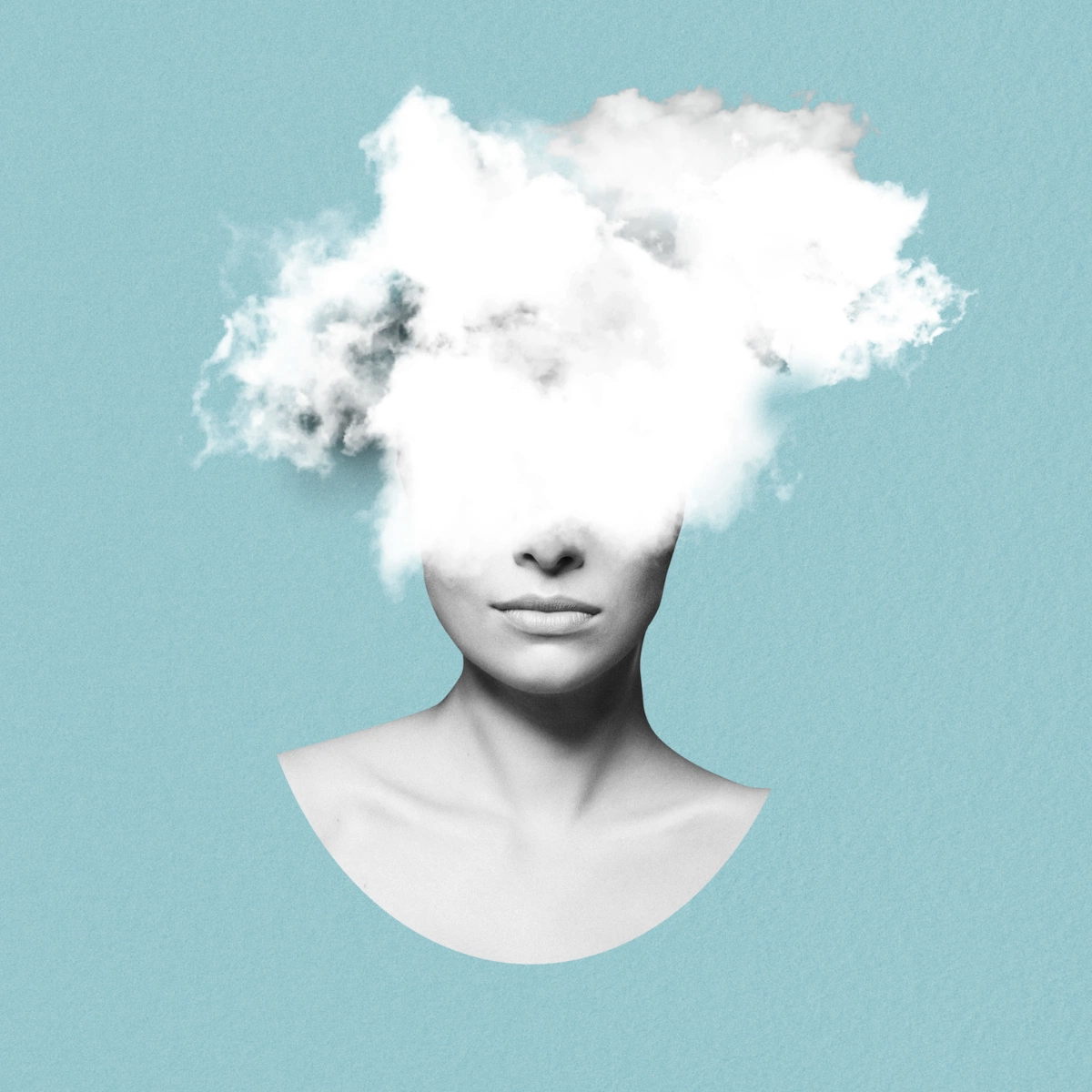
Did you know that there’s a link between your mental and dermatological health? Marketed as “skincare for your brain”, neurocosmetics refers to topical products or electrical treatments that can regulate cortisol levels and give our serotonin a boost. Running from the brain to the large intestine, the vagus nerve can have a huge impact on stress and depression, and the tech world is working to target it through stimulation in a bid to encourage mental clarity and relaxation. New gadgets will be working to send electric or vibrating impulses to de-stress the nervous system, but if you don’t want to invest just yet, you can find routines online to regulate the vagus nerve at home. Sensate is a sensory device that uses vibrations and sound to de-stress your nervous system, and Nurosym is another wearable device that activates specific therapeutic mechanisms that can counter dysregulation in the nervous system and significantly improve health outcomes.
This article originally appeared in the Spring 2025 issue of IMAGE.

IMAGE Summer 2025
The Summer issue of IMAGE is here, and we’re taking a moment to press pause and luxuriate in the best the season has to offer. Plus: * Occasion dressing * Ocean-inspired jewellery * Laid-back fashion * Pioneering businesswomen * Career pivots * Get that beauty glow * Rixo’s Orlagh McCloskey at home * Glin Castle * and so much more…
Find IMAGE Summer in stores, or click here to buy online. Have you thought about becoming an IMAGE subscriber? Our Print & Digital Magazine subscribers receive all four issues of IMAGE Magazine and two issues of IMAGE Interiors directly to their door, along with digital access to all digital magazines and our full digital archive plus a gorgeous welcome gift worth €75 from Max Benjamin. Visit here to find out more about our IMAGE subscription packages.
Also Read