






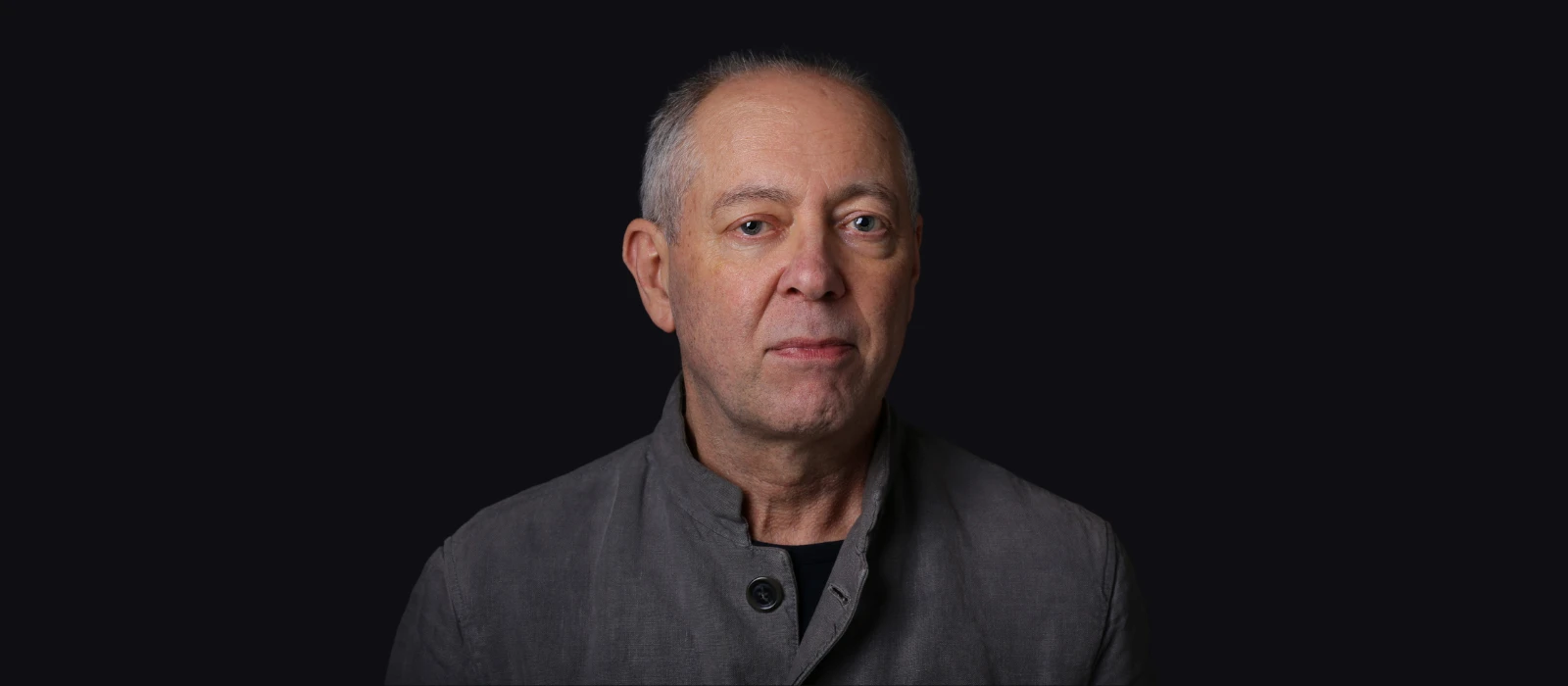
Bestselling author Hugo Hamilton shares his literary inspiration, writing process, and his search for a place of belonging within his writing.
Hugo Hamilton is the best-selling author of The Speckled People, a memoir of his German-Irish childhood in Dublin, growing up with his German mother and prohibited by his revolutionary Irish father from speaking English. It was translated into twenty languages and adapted for stage at the Gate Theatre.
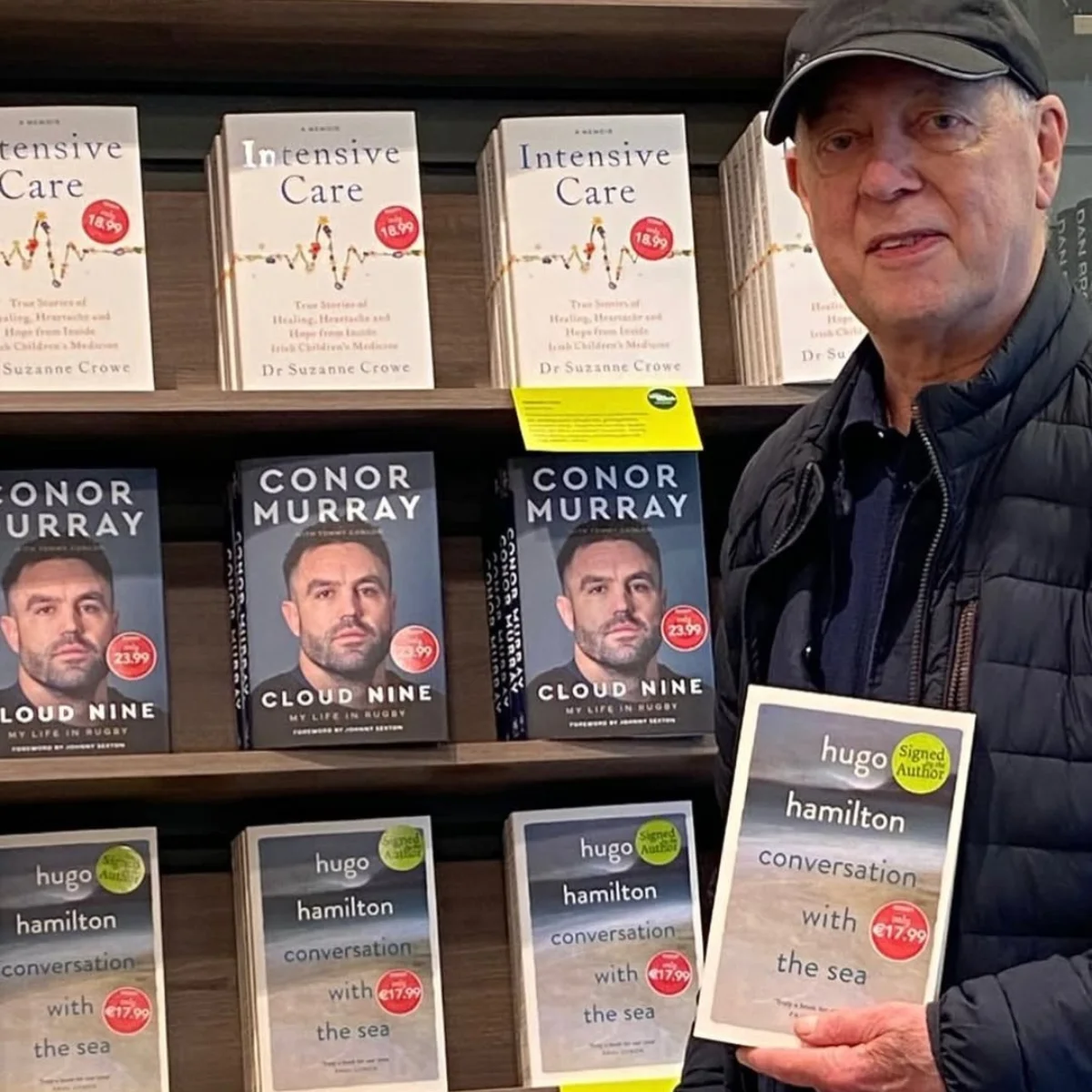
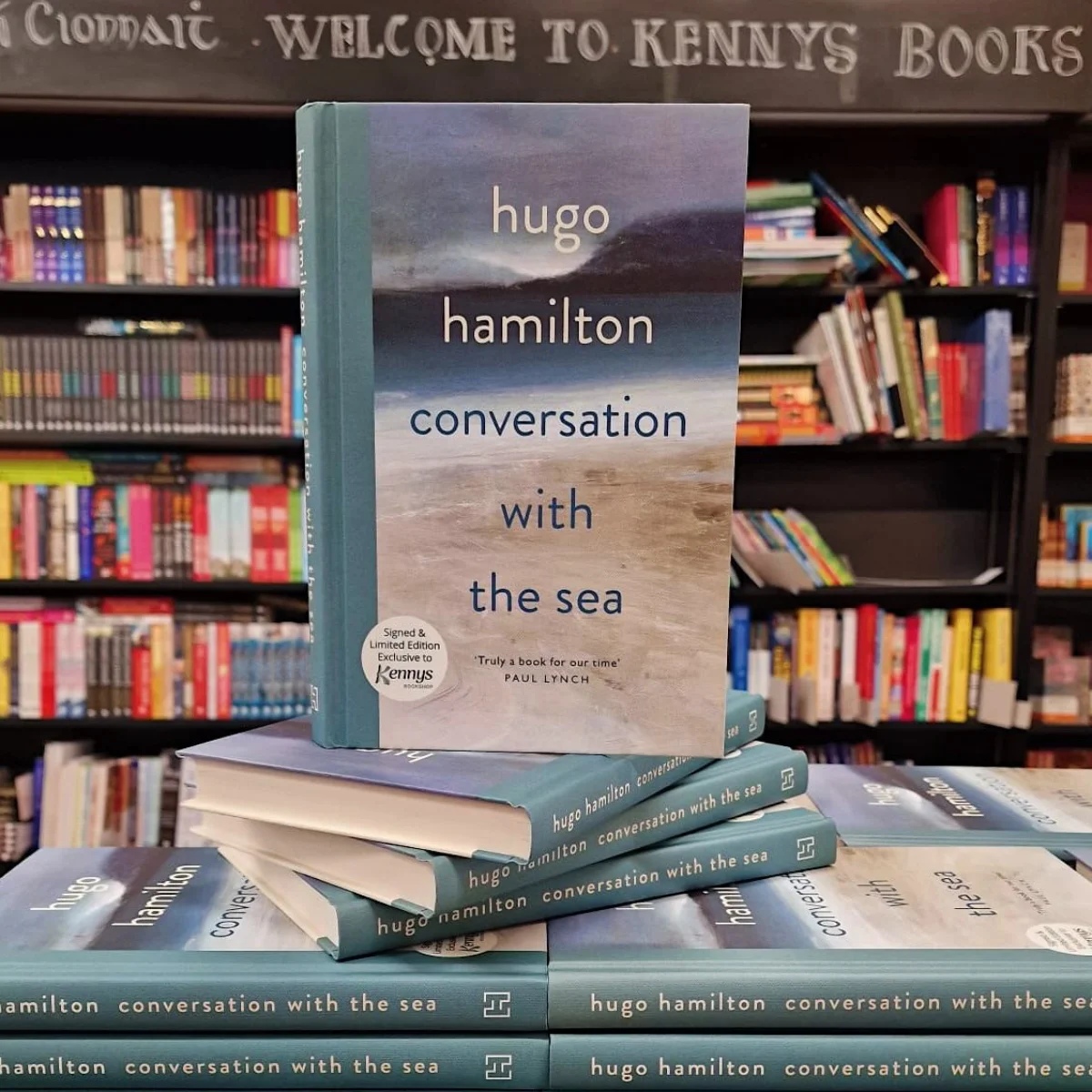
Fleeing his failed marriage in Berlin, Lukas Dorn revisits the West of Ireland, the place of his honeymoon two decades earlier. While his former wife is being cancelled at work and his daughter is arrested at a street protest, he tries to make sense of his broken life with a journal as his sole companion. His inherited memory of the Nazi Holocaust comes face to face with the present when he meets a refugee from a recent warzone.
As Lukas communes with the elements in this wild coastal place, he is forced into a confrontation with the past that will carry him to the edge of existence. Conversation with the Sea speaks with heart-rending tenderness to the present moment, as it explores truth, illusion and the deadly silencing of war in a captivating tale of love in a time of displacement.
Did you always want to be a writer? Tell us about your journey to becoming a published author.
As a child, I was very silent. I grew up in a language war, speaking German at home with my mother and Irish at school. My father prohibited English in the house. We had to be careful which words to use. It’s a bit of a miracle that I can speak at all. I was so hesitant and silent growing up that it naturally made me want to express myself in writing. I was no good at jokes. I became a listener. I eventually started to find a way into writing short stories. My early stories appeared in the Irish Press and the Irish Times. They were picked up by Faber in an anthology of first fictions alongside Anne Enright. I went on to publish my first novel Surrogate City with Faber.
What inspired you to start writing?
I could never fit in. I grew up trying to be as Irish as possible. I don’t think I ever managed to achieve that. Even now, I am an outsider in Dublin, never quite Irish enough. I am perceived as this half-German, not fully Irish person, a first-generation newcomer with a mother from elsewhere. Like many people descendants of migrants from elsewhere, I live in between and don’t feel completely accepted. That makes me want to find a place of belonging in my writing.
My attempt to be as Irish as possible included learning the tin whistle. In Berlin, I could be a bit more authentic. Maybe I was denying my German side, with all its dark history. I remained very silent, living inside my own head, an imaginary life rather than a real one.
It is that silence, that place of non-belonging that inspired me to write. Most of my characters are people who live on shaky territory. I grew up with a mixed view of the world, one foot in Ireland and one foot in Germany. That strange and disconnected point of view gave me the impetus to write from the perspective of a newcomer, never quite at home. I regard myself as a man from elsewhere and my writing comes in the voice of an outsider. This fundamental need to explain myself and my mongrel identity led me to write my memoir, The Speckled People.
Tell us about your new book, Conversation with the Sea. Where did the idea come from?
Conversation with the Sea is the story of Lukas Dorn, a man from Berlin who goes to Achill Island after his marriage has broken up. The breakup coincides with a sense of decline around the world. He is still in love with his ex-wife Katia who is being cancelled at work because of a protest in which one of her students pulled out an anti-war poster in front of the famous Picasso painting of Guernica. His daughter Emilia gets arrested at a street protest in Berlin.
The idea for the book came from an experience of helplessness that everyone feels at what is going on now in the world. Lukas Dorn is oppressed by the memory of being told about the Holocaust as a child and he then meets a young woman Mira and her son Omar who have escaped from a recent war zone. The basic literary conceit in the novel is to place the Holocaust alongside what is going on right now. It is not so much a comparison of horrors but a way of learning from the past and the present.
What do you hope this book instils in the reader?
Lukas Dorn speaks to the sea. He writes things down in his journal. My novel is not so much written by an omniscient author, but a kind of internal viewpoint in which the reader is allowed to listen in to his thoughts on the past and the present. His love for Katia. His concerns about his daughter. And his deep fears about the Holocaust continuing into the present with new atrocities. My novel is not an activist book. It is more like a story in which the reader can empathise with what is happening through the eyes of this narrator from Berlin, a man who has come to be healed by the landscape of Achill.
What did you learn when writing this book?
In my book, Lukas speaks to Mira, a recent refugee from a warzone, where German weapons have destroyed her country and killed her relatives. He feels culpable by association. He says it is not possible to compare grief. Grief is too big. It’s like trying to measure infinity. He discovers, as I do in the writing of this novel, that love comes in many ways, through hope, by acknowledging the pain of others. In declaring how the past keeps on repeating itself in the present.

Tell us about your writing process?
I write every day. My desk is the safest place in the world. My writing room is where I can go to imagine and invent and explore things in my own way. Every now and again I pick up the guitar and sing a song, then I go back to my inner world, writing my journal, writing my fiction, making comparisons and evaluating my position as an outsider in this world.
Where do you draw inspiration from?
I have always been a collector. That’s what writers are. We are collectors of weird bits of information, things that come to our attention and become useful in a literary sense. I take inspiration from watching other people, from reading, from letting the lives of other people into my own life. From early childhood, I tried to imitate other people, rehearsing the way they spoke, trying to get the accent and the intonation right. I am a copy-cat. I am a ventriloquist. I am a magpie, stealing anything that glitters.
What are your top three favourite books of all time, and why?
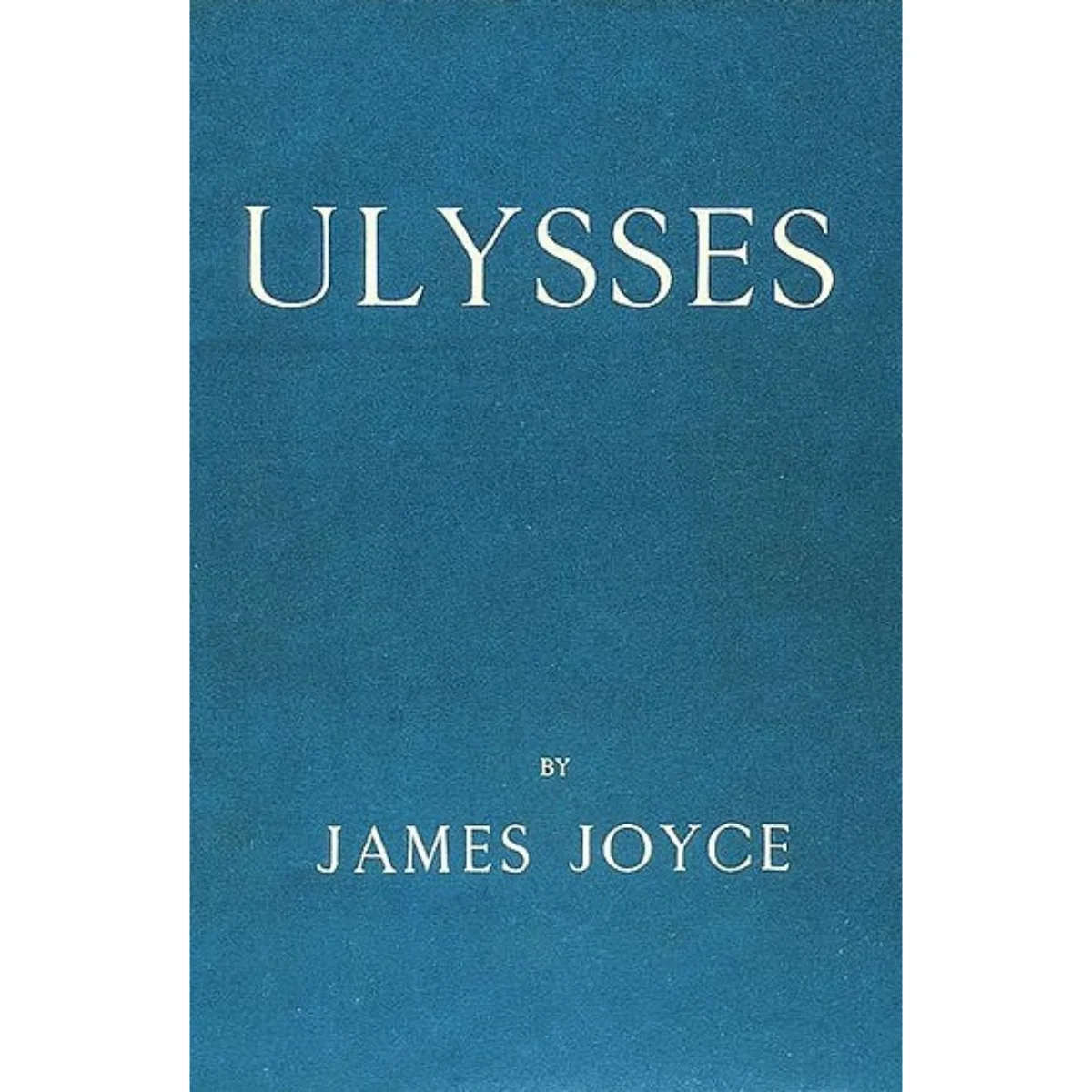
Ulysses, by James Joyce. That great book about Dublin allows me to love language and gives me a sense that this is my home.
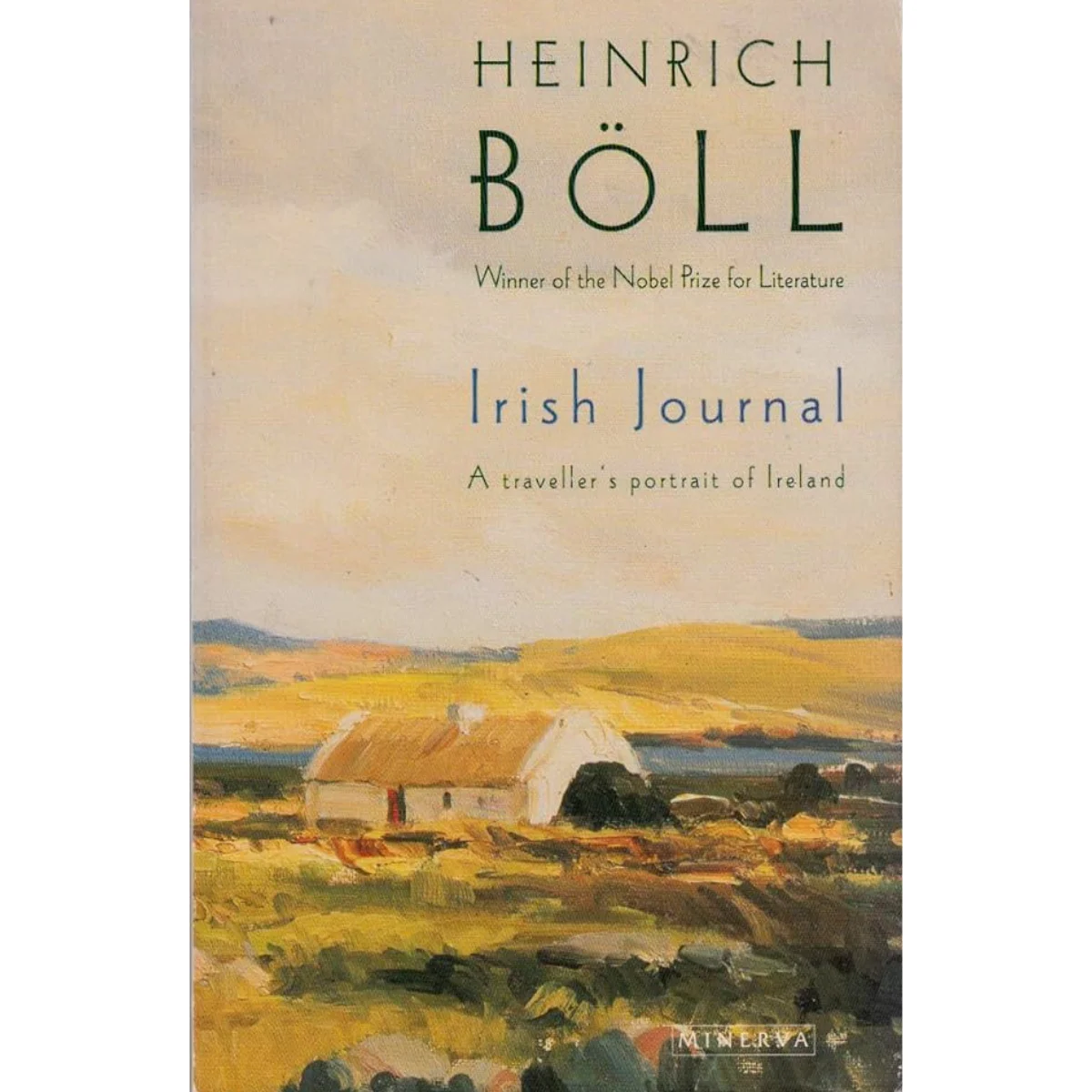
Irish Journal, by Heinrich Böll. I read it when I was fourteen and it seemed to describe my mother’s story of coming to Ireland. Written like a series of postcards sent home to Germany, it is an affectionate, romantic view of this country, full of love for the landscape and the people. The writer turns up in my new novel Conversation with the Sea, a revolutionary man with a black beret who has, like my character Lukas Dorn, come to Achill to seek refuge from the devastation of Europe.
Wittgenstein’s Nephew, by Thomas Bernhard. I love the scene where he buys a new suit to go and accept a literary award, then brings the suit back to the tailor afterward and says it’s too small for him.
Who are some of your favourite authors, Irish or otherwise?
I love so many Irish writers, beginning with Beckett. There are great new voices now, so many women writers in Ireland who are saying interesting things. Like Anne Enright, for example, confronting the truth, staring ourselves in the eye. And Sally Rooney. And Megan Nolan. I find it hard to read those sex scenes in John Updike, now that we have it all written from the vivid point of view of these new woman writers.
What are some upcoming book releases we should have on our radar?
Anything by Donal Ryan. His writing is like an MRI scan of Irish society.
What book made you want to become a writer?
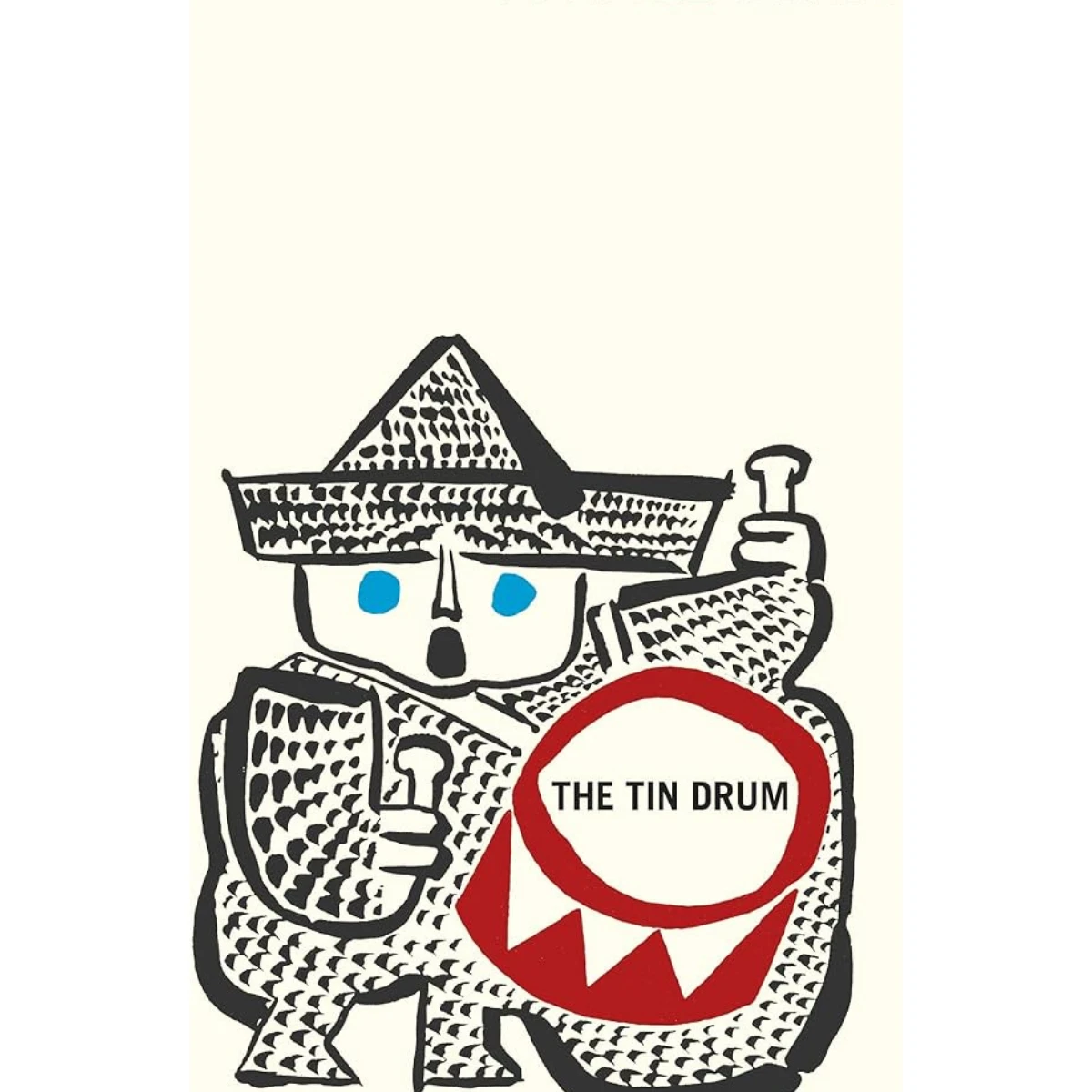
The Tin Drum, by Günter Grass.
What’s one book you would add to the school curriculum?
The Tin Drum.
What’s the best book you’ve read so far this year?
I reread Crime and Punishment. There’s nothing like it. It formed my opinion on everything, still does.
What’s your favourite bookshop in Ireland?
Books Upstairs. It’s like bookshops used to be, full of unexpected discoveries.
What’s some advice you’ve got for other aspiring writers?
Keep a journal. Stay at your desk. Take a risk. Don’t be afraid to be weird. I got away with being eccentric and maybe that’s what is most interesting, writing the awkward bits, the bits of memory that stick in your throat.
Lastly, what do the acts of reading and writing mean to you?
I love the way that reading and writing gives me a place of belonging. Writing is my home. I am at home with my family, but writing allows me to live in a place outside the real world, like I’m telling myself a bed time story.
Conversation with the Sea by Hugo Hamilton is shortlisted for the Eason Novel of the Year award in this year’s An Post Irish Book Awards.
Also Read