
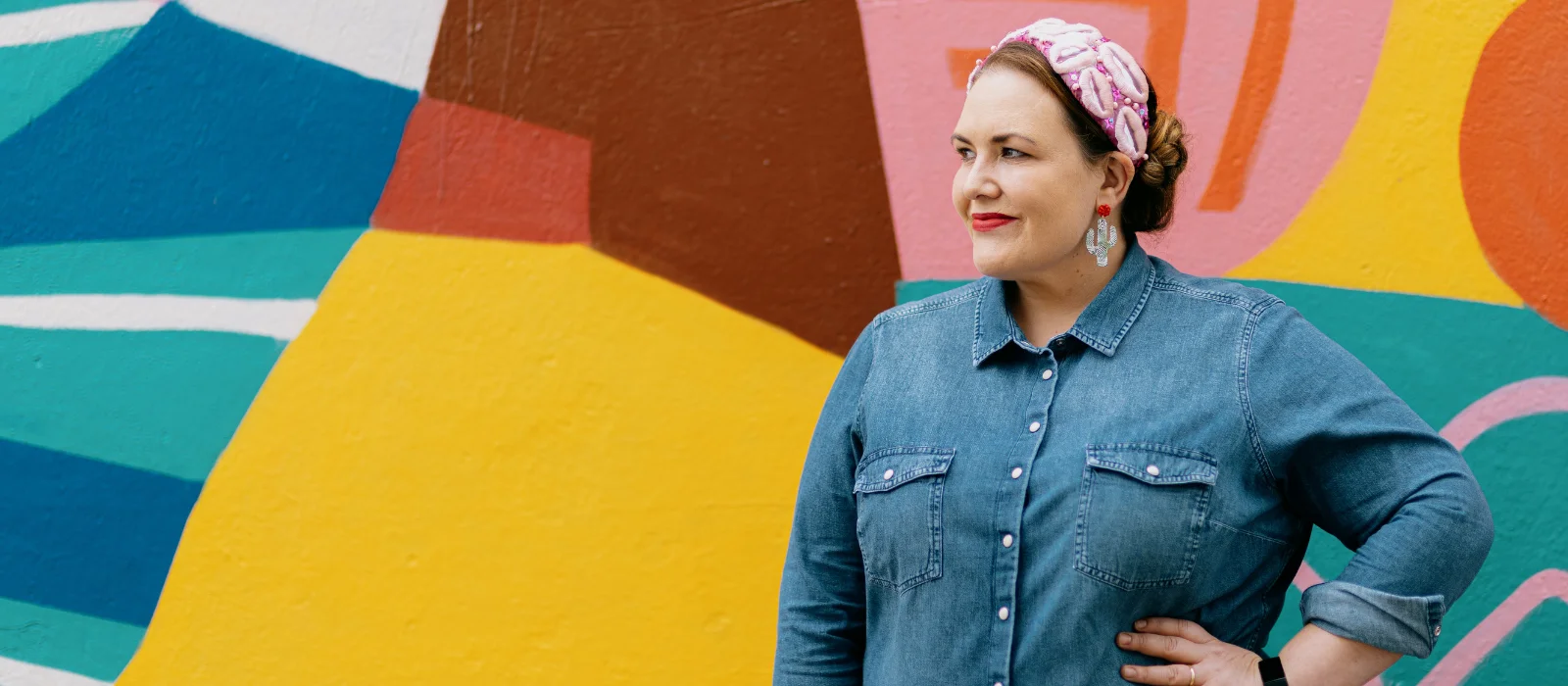
Alison Teahan: ‘Feminism is about liberation, but there can be pressure to ‘perform’ it perfectly’
Consumed by Friel, Wilde, McDonagh and Keane growing up, actor, playwright and producer Alison Teahan always wondered how the modern Irish woman would fit into their worlds. Her conclusion? They don’t. So, she set about creating one, and that’s how she came to create Warm Regards.
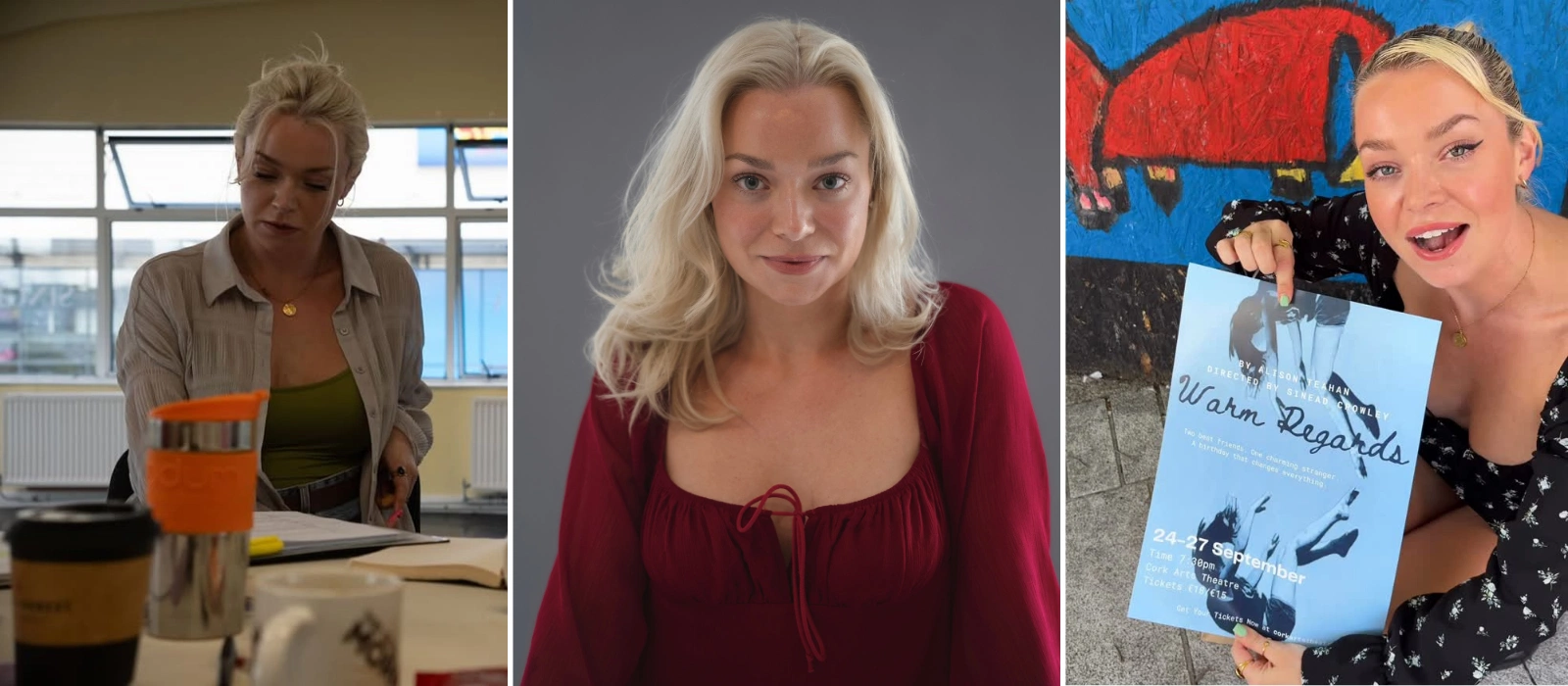
With rehearsals underway for the premiere of Warm Regards at Cork Arts Theatre from September 24-27, Alison Teahan took the time to chat with us about her journey to becoming an actor, playwright and producer, the label of a ‘flawed feminist’, and consciously avoiding Irish stereotypes in her work.
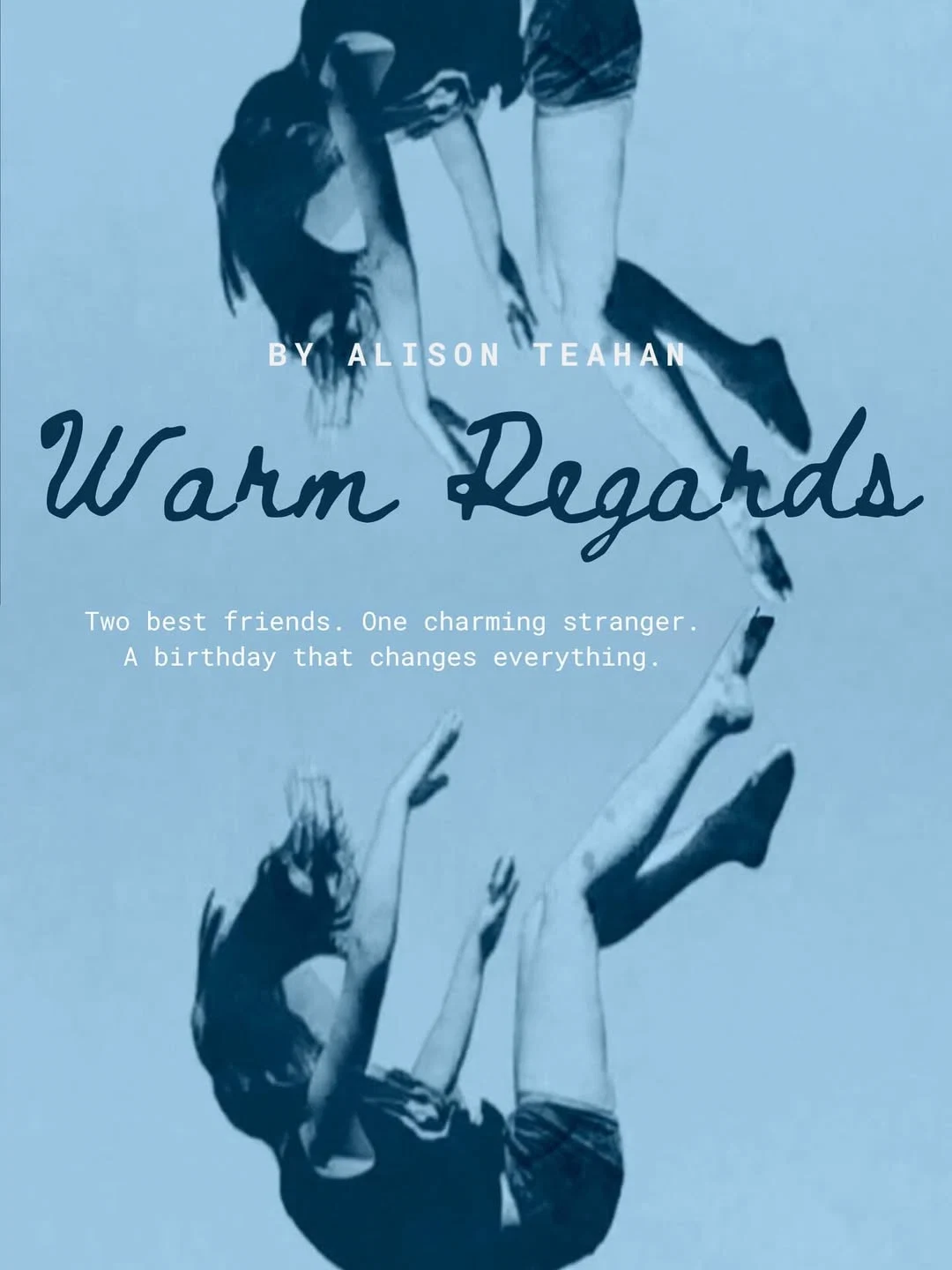
Warm Regards is a play that immediately captured my interest. Exploring female friendship and how romantic relationships forever change our platonic loves, the story journeys through the consequences of envy and the undercurrent of female competition that can permeate even our purest relationships. At its core, Warm Regards is a contemporary Irish play about female friendship, desire, ageing and the quietly devastating moments where our lives begin to diverge from the people we love most. This play asks: how do we navigate envy and comparison in a culture that pits women against each other, whilst romanticising female closeness?
Set in Cork with Cork voices, Warm Regards offers a mirror for audiences to see themselves: their friendships, their disappointments, their laughter and their contradictions. Following two lifelong best friends and one charming stranger, on a birthday that changes everything, I’m immediately hooked.
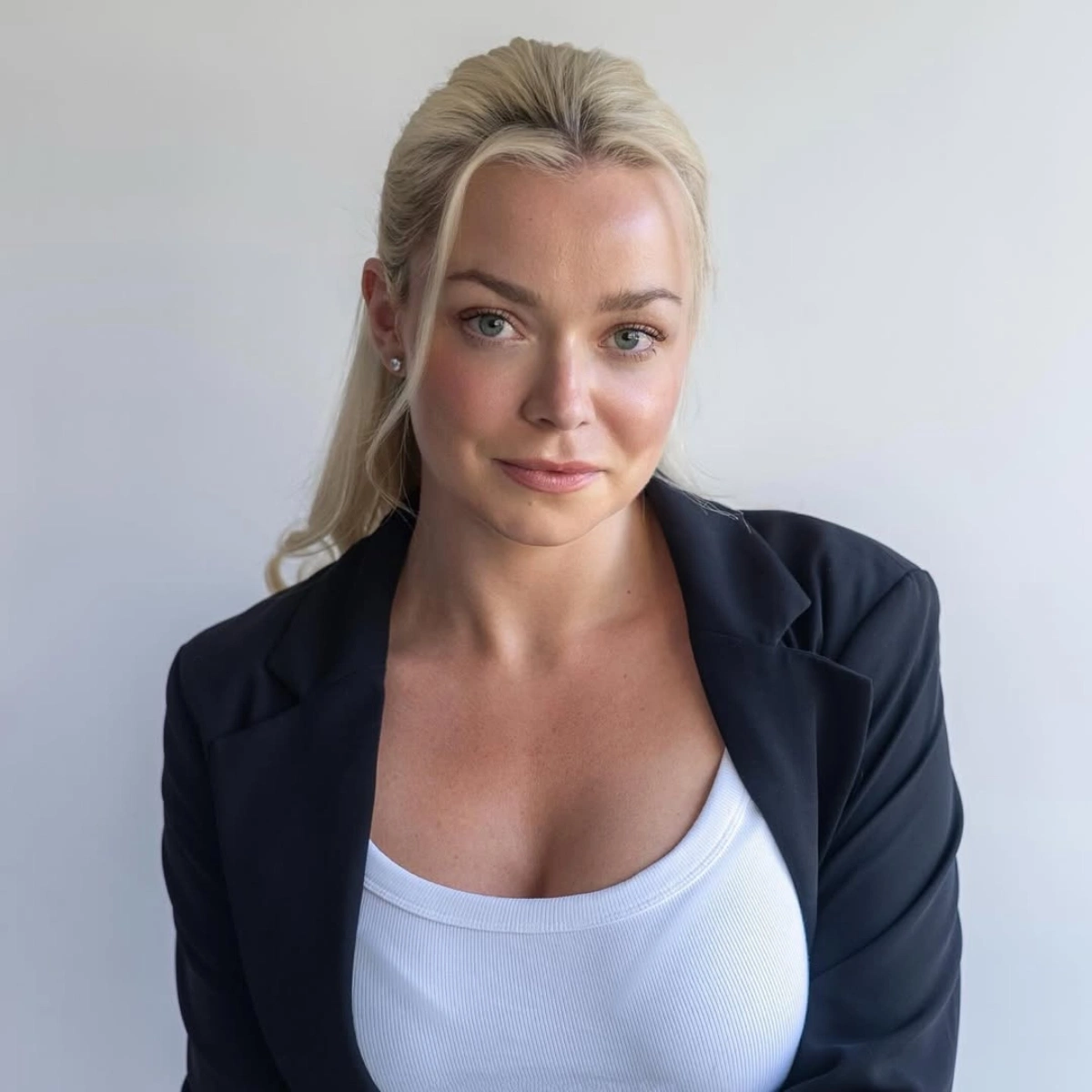
Was a career in the arts something you always aspired to?
I started at Montforts (a Cork Stage School) when I was three and quickly spent every waking hour there. Drama, singing, dance; I didn’t care once I was in the studio.
Once I had the theatre in my blood, I knew I’d end up committing my life to it. I went to NYC and studied at an acting conservatory for four years. I had a ball. I couldn’t imagine doing anything else. I hope I’m lucky enough to do it for as long as I can.
How did you venture into becoming an actor, playwright and producer?
I studied drama and always knew I wanted to be an actor but when Covid hit, it became a barren landscape in terms of work. I have never been one to let circumstances veer me off course, so I thought, “What else can I do?” The answer was loud. I could write.
I’ve always been a lover of literature and writing but I was never bold or brave enough to consider myself one. So I wrote my first play, with no expectations other than to finish it. Then I wrote my second. Now I’m in the early stages of developing my third. I had nothing to lose and submitted all three to different funding avenues in Ireland. All three got selected. It was as much a shock to me as anyone else.
In terms of producing, I landed in it after receiving the Catalyst Award for Warm Regards. I would like to think I’m very organised and run my life like a military operation, so producing suits me. I love developing art, no matter what the form. Plus, learning new things and working through challenges keeps my brain happy.
Tell us about Warm Regards and your role as Madeline.
Set in a warm, lived-in Cork apartment, Warm Regards unfolds, beginning on the eve of Madeline’s 27th birthday and stretches into the following year. What starts as a celebration, full of tarot cards, wine, and dancing in Hawaiian skirts, ends with a heavy choice when Patrick, a handsome and soft-spoken plumber from Derry, enters their lives.
Madeline is turning 27 and she’s a force of nature in my mind. She’s an emblem of all the magnificent Cork women I know and love. She’s vivacious, bold and complicated. I wanted to explore what the modern Irish woman is. The women of my generation. The Gen Zers. We grew up in a totally different Ireland to our mothers and we don’t have the same conditioning that they were sculpted by.
Madeline is hypocritical but also completely caring and nurturing. She’s flawed yet tries her best. It’s important to me as a playwright that women aren’t “damsels in distress” or “perfect” all the time.
I read that you wanted to avoid some usual Irish tropes in this production. What does this extend to?
When I was living in New York City, I was met with all the Irish stereotypes by my well-meaning American friends. We are consumed by Catholic guilt, we are alcoholics and we reside only in rural areas. I denied every accusation until we started doing Irish plays in college and at least one of the three tropes came up every time.
We come from a nation of fantastic playwrights. I was consumed by so much Friel, Wilde, McDonagh and Keane growing up (masters of their craft!) but I always wondered how the modern Irish woman would fit into their worlds. We don’t, and that’s okay. So I tried to be as honest as I could with building a world in which I know most of the women in my life could live. For instance, I was adamant that we see one of the women use a bottle of tan at some stage. The tan mitt is intrinsic to most Irish women.
In short; the play doesn’t centre around Catholicism, it’s not set in the countryside and no one is an alcoholic (as of yet).
The blurb mentions the “emotional labour of being ‘the good friend’” and “how romantic relationships forever change our platonic loves” — which are such relatable themes for female friendships. Tell us more about this, and how that tension can breed a hollowness.
There’s so much emotional labour in being ‘the good friend’, and while it’s done out of love, it can also create an imbalance, where one person’s needs or heartbreaks overshadow the other’s interior life.
Romantic relationships complicate this further. When a friend falls in love, the dynamic inevitably shifts; suddenly, you’re no longer the first phone call, no longer the central figure in their world. That can be beautiful, because you want them to be happy, but it can also feel like a kind of quiet erasure.
The hollowness comes from that tension: you’re still present, still loving, but you’re giving so much of yourself in a space that has been redefined without your permission. It’s not betrayal, exactly, but it can feel like loss. I think many women will recognise that bittersweet push and pull — the joy of supporting someone you love, alongside the ache of realising how much you’ve disappeared in the process.
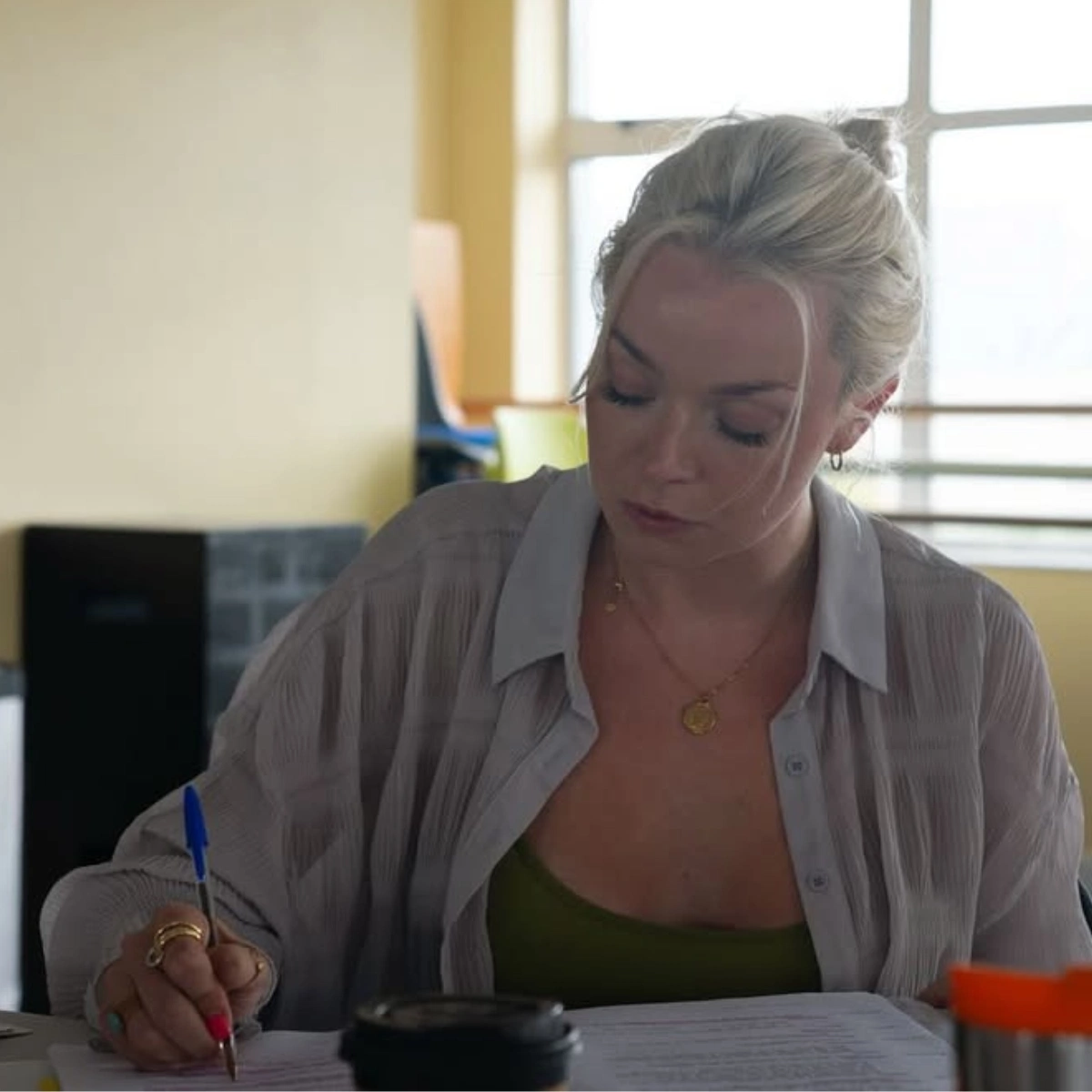
Is there comfort in the label of being a ‘flawed feminist’?
Yes! We are not perfect. We are human. It gives us permission to be human within a movement that often gets flattened into ideals. Feminism is about liberation, but there can be pressure to “perform” it perfectly: to always make the right choices, to never contradict ourselves, to never carry internalised biases. That’s not realistic, and it can be exhausting.
We must acknowledge that we’re all works in progress. It opens up space for honesty, for admitting when we feel jealous, complicit, insecure, or selfish, and for recognising that those feelings don’t cancel out our politics.
I wanted to explore that contradiction in Warm Regards. How women can be fiercely loyal to each other, yet still hurt or abandon one another in ways that feel profoundly gendered.
What is the best part of your job?
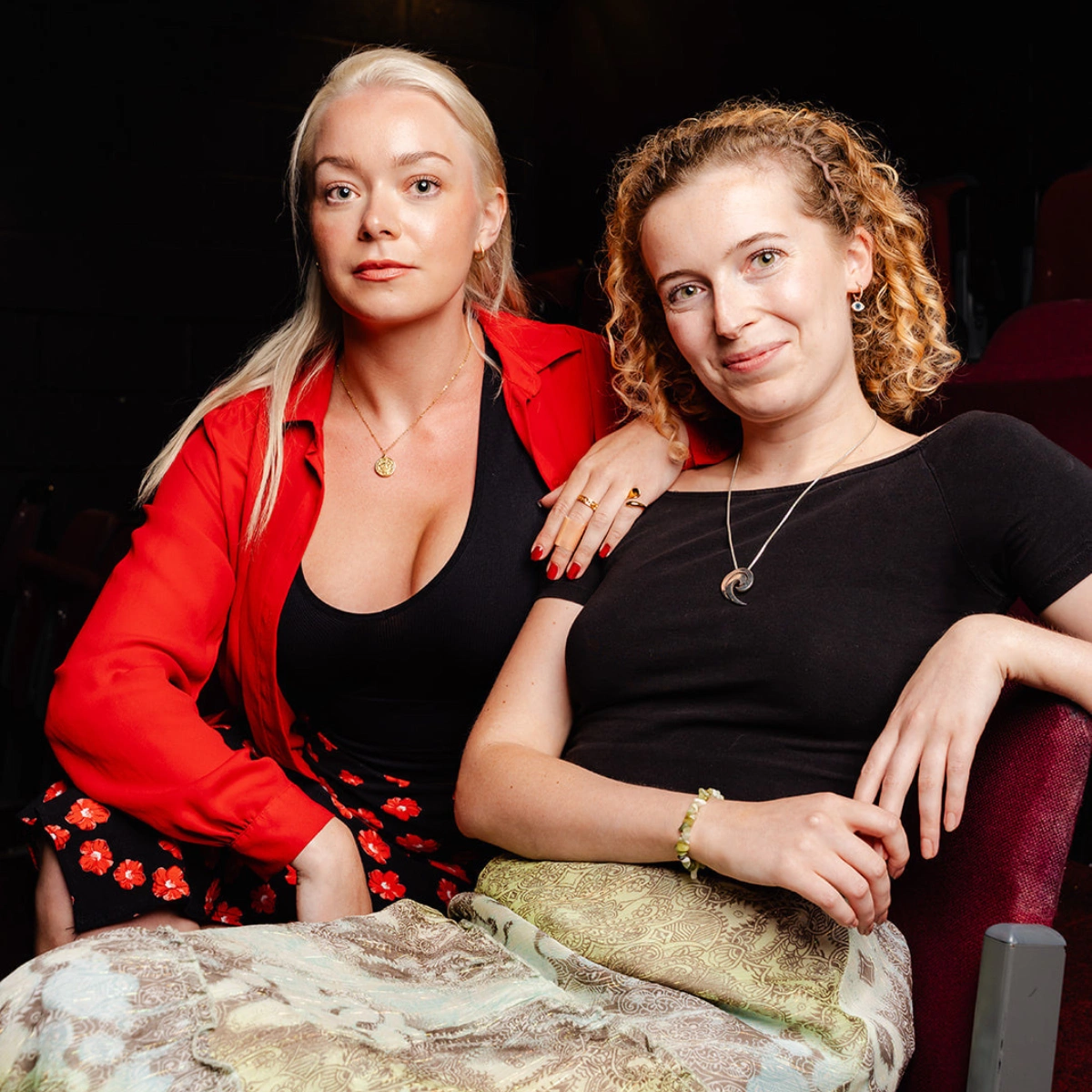
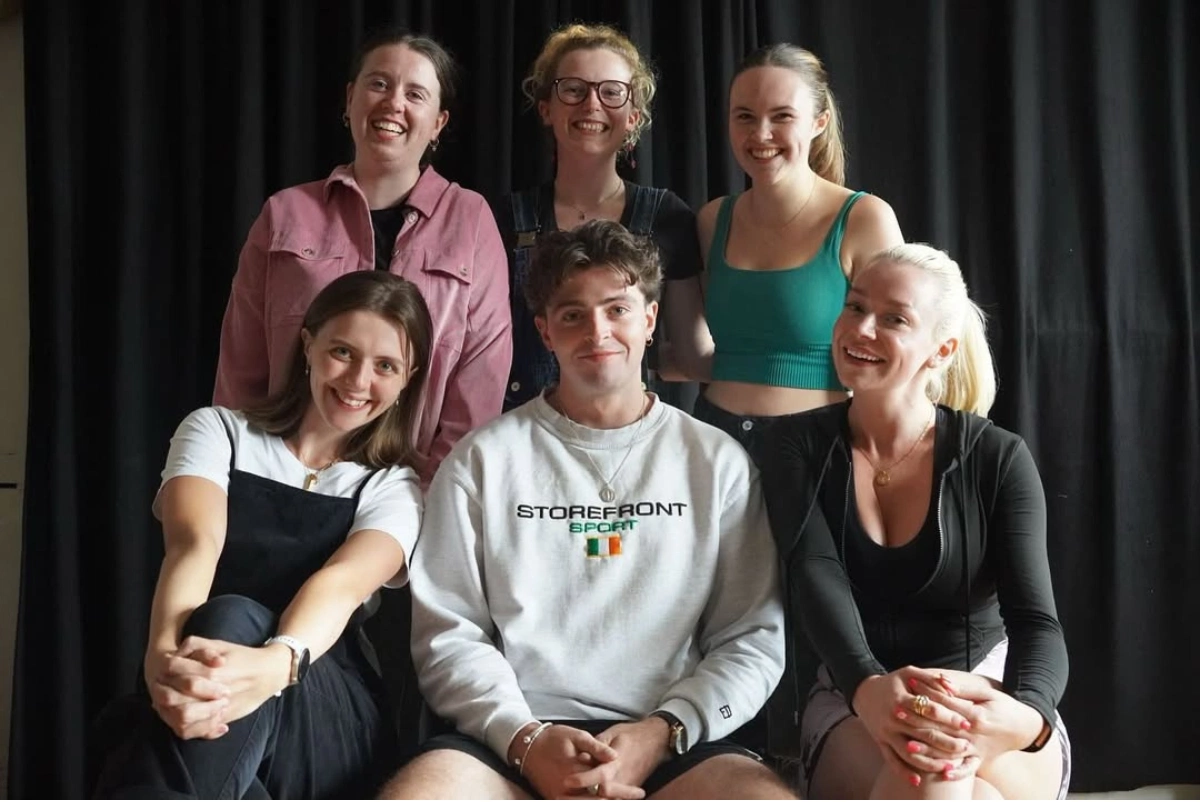
Working with other creatives. My best friend, Sinead Crowley, is the director. We have a team of five women (Sinead, Aisling, Yasmin, Georgia and I) plus one gent (Cillian).
Creation is and always will be a collaborative process in my eyes. Connecting with others in the rehearsal space, building a set or getting eyes on a fourth draft is what makes the process so special.
Who is someone you look up to in the world of Irish theatre?
Marina Carr is an incredible playwright. Her work is so beautiful. I also worked with an incredible Irish director, Nicola Murphy Dubey, while I was in college. She is doing brilliant work at Irish Rep in NYC. Her confidence and command of a space really helped me see the important and powerful roles women can take up in the world of theatre-making.
What has been the highlight of your career so far?
Oh god, I hope it hasn’t happened yet! For now, I would say that it was finishing my first play. No matter what road my life takes, I will always have something I created that will exist after I’m gone and that my (non-existent) children can say, “Our mum wrote this.”
What is one thing you wish everyone knew about working in the arts?
That there are so many avenues of a career in the arts to be had. If you feel like it’s calling you, listen to that voice! It’s also never ever too late.
What is one piece of advice you would give to someone hoping to have a career in the arts?
That a happy and healthy artist is the best artist. There’s this myth that you have to live in your own personal hell in order to make something meaningful, but I think that’s both boring and false. You’re not more talented just because your inner world feels like Dante’s circles of despair. What’s genuinely interesting is when artists find ways to create from joy, curiosity, and resilience.
Alison Teahan’s life in culture
The last thing I saw and loved… Materialists. Pedro Pascal is just divine.
The book I keep coming back to… The Shadow of The Wind by Carlos Ruiz Zafon.
I find inspiration in… Being with my sisters and best friends.
My favourite film is… Beaches with Bette Midler. Gets me every time.
The song I listen to to get in the zone is… ‘Get Me Bodied’ by Beyoncé.
The last piece of work I recommended is… Down The Drain by Julia Fox.
I never leave the house without… Lip gloss… Shout out Lil Mama.
The film/performance/piece of work etc. I still think about is… Denise Gough playing Sylvia Plath at Dead Poets Live.
My dream job would be… An artist!
The best advice I’ve ever gotten… Cynicism is the death of creativity.
The art that means the most to me is… Elm by Sylvia Plath.
The most challenging thing about being on stage is… Getting out of your own way.
After a show, I… Sleep. Hopefully for nine hours.
If I wasn’t working in the arts, I would be… A midwife.
The magic of theatre to me is… The fact that it’s live. It’s so tangible. That feeling between the audience and the players on stage. Nothing like it.
Tickets are on sale now via corkartstheatre.com/event/warm-regards/.
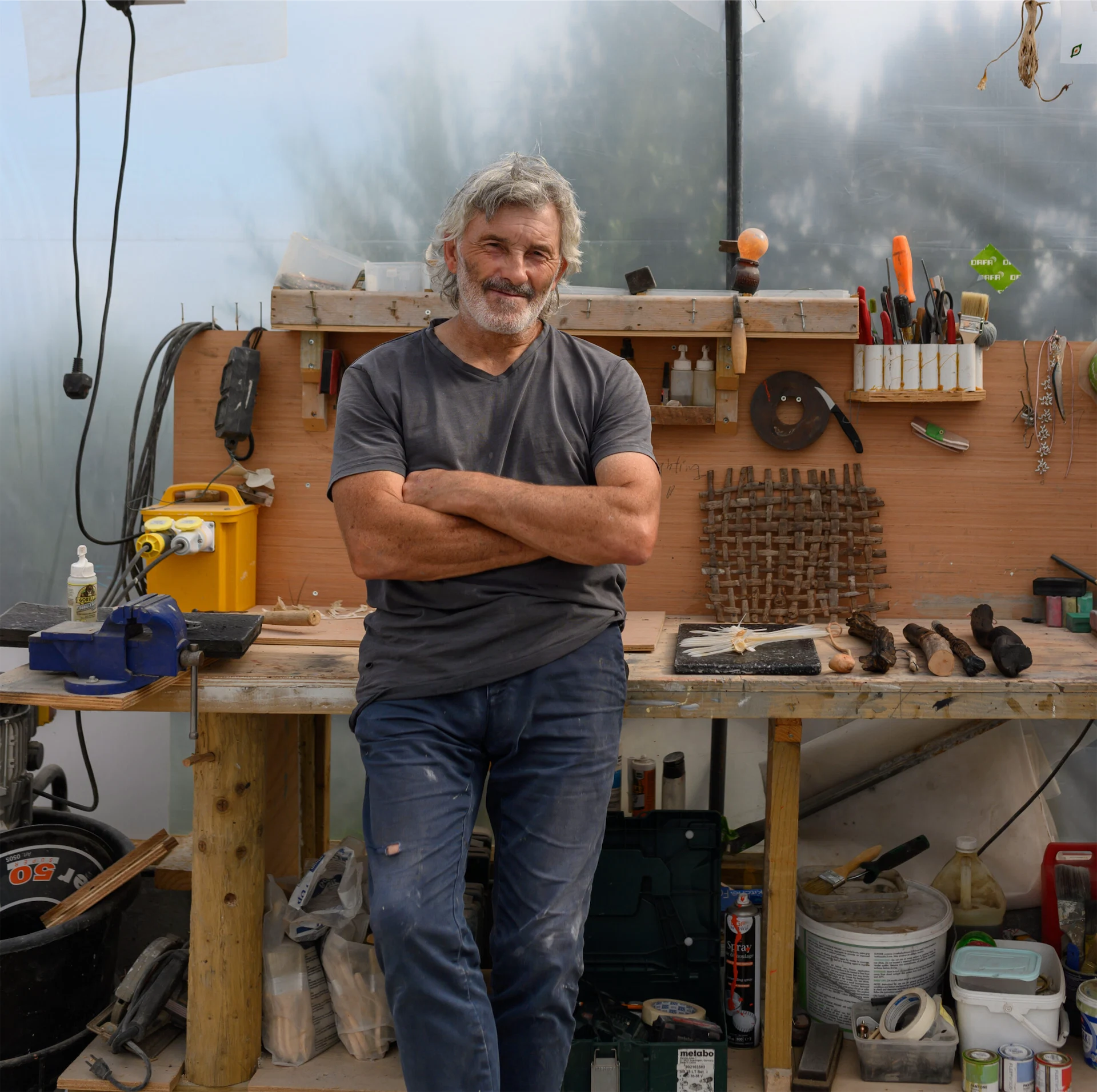
Photo of Alison and Sinead by @lieke.ledphotography
Also Read