




Sponsored
Why am I always tired and bloated? A nutrition expert explains what’s going on
Sponsored By
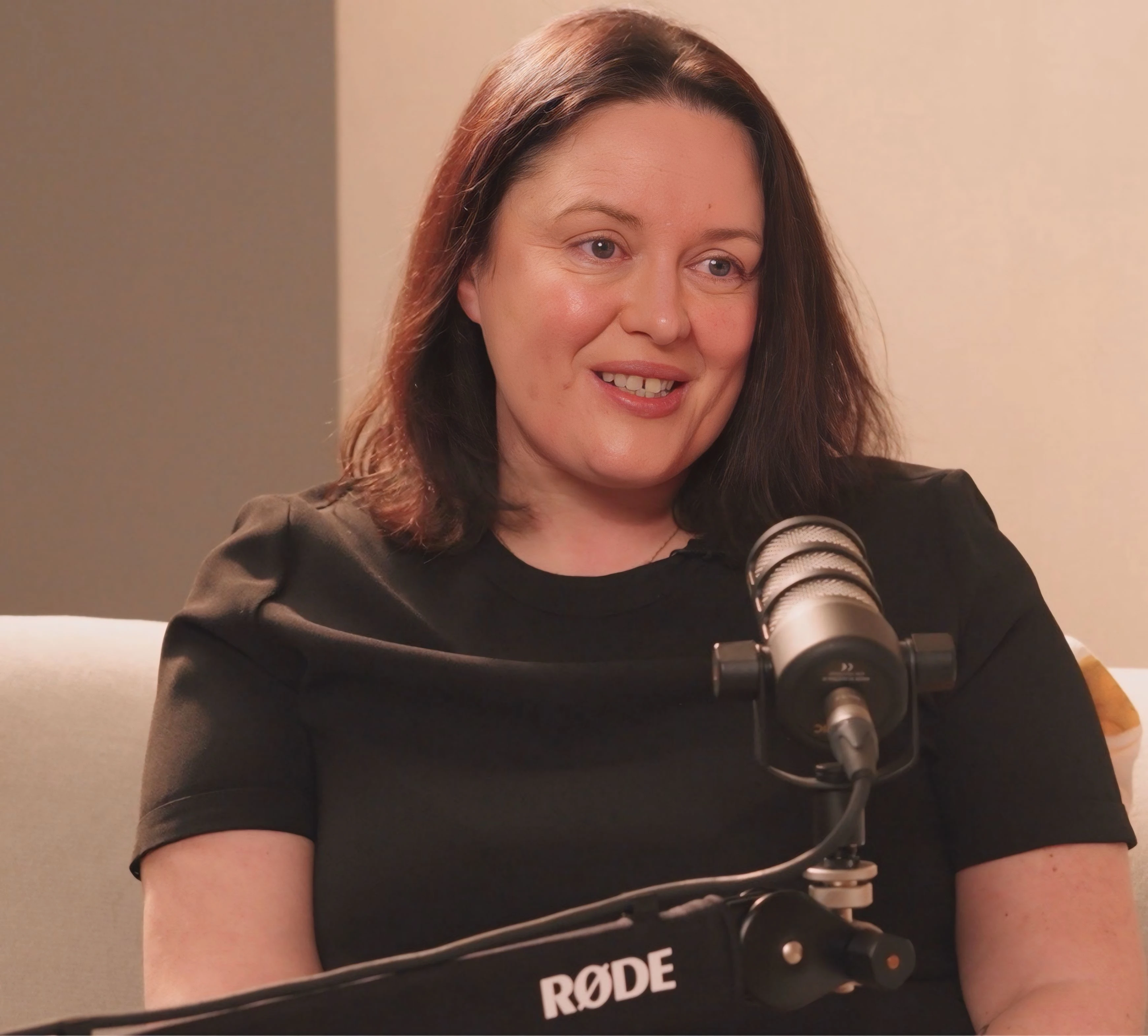
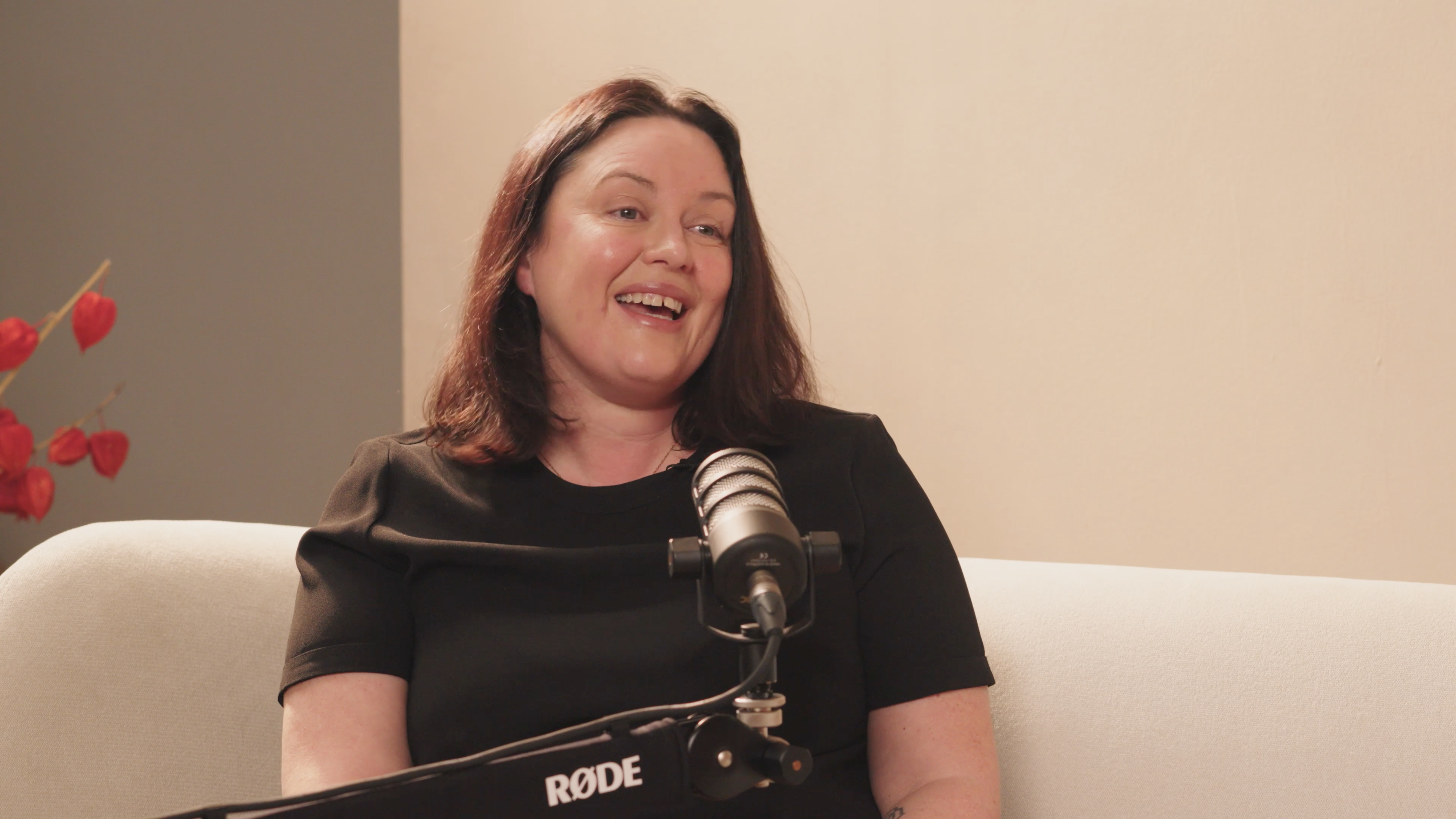
Feeling tired, bloated and not quite like yourself? For many women, these symptoms are persistent, frustrating and often dismissed. Here, functional medicine nutritional therapist Claire O’Brien breaks down what might be driving them and how to start feeling better.
In her clinic, Claire O’Brien sees the same story play out again and again: women doing their best to stay healthy, yet still feeling persistently tired, bloated and out of balance. Many have already been dismissed with a quick label like IBS, or told their symptoms are just part of everyday life.
“Bloating is probably the biggest one,” she tells Ellie Balfe on a recent episode of IMAGE The Check-in. “People will come in and say, ‘I’m really, really bloated. I look like I’m six or seven months pregnant. I feel really self-conscious. I don’t want to eat during the workday because I don’t want to get bloated. I don’t want to be gassy in front of people…’”
For many, this isn’t new; it’s been building for years.
“It’s usually kind of a story of like, the last 10 years, rather than the last 10 months as well… they’ve tried a lot of other like supplements, or they’ve tried a lot of other avenues.”
And too often, they’ve been met with dismissal. “A lot of people will have been told it’s IBS and you’re just having an IBS flare. Or they might be told that it’s normal, everybody’s bloated, don’t expect to be any different.”
“God, that really diminishes someone’s experience,” Ellie reflects.
“Yeah, it really does,” Claire agrees. “And that’s really common, I think, for women… to be told like, it’s ‘just’ this, or it’s ‘just’ that really diminishes how they feel.”
Your body isn’t working against you
“I really want people to walk out thinking, things can be better than this, and I don’t have to put up with this anymore,” Claire says, particularly if you’ve felt unheard in a health setting.
Her own journey into nutritional therapy began when she hit a familiar wall.
“I worked in mostly tech companies and startups, and I got to my early 30s, and I started to feel exhausted and really tired… and that my digestive system wasn’t really functioning very well, and everything seemed a little bit off.”
That experience reshaped how she now works with clients, focusing not just on symptoms, but on the full story behind them.
“Their body isn’t actively out to do with them any harm, the symptoms that they’re experiencing are their body’s way of communicating a message to them, and we just need to really hear what that message is…”
Why we’re all so tired
So why are so many women feeling this way?
Claire points first to the pace of modern life and the mismatch between how we live and how our bodies are designed to function.
“I think we’re very overwhelmed and overstimulated most of the time. So we are going 100 miles an hour, all day, every day, and then we get into bed, and we expect to, you know, fall straight to sleep. But you cannot park your car if you’re driving 100 miles an hour, you just can’t!”
“Our brains are developed over millions of years, and it’s in an environment that doesn’t exist anymore… without 24-hour news cycles… while also eating on the go, not chewing our food, and running and racing from one thing to the next.”
The result is a kind of depletion that can happen at a pace we might not notice – until we do.
“We are more stressed, so we do need more nutrients… and then our bodies are also quite stressed… and it’s not allowing us to feel energised, so we’re functionally undernourished.”
Their body isn't actively out to do with them any harm, the symptoms that they're experiencing are their body's way of communicating a message to them, and we just need to really hear what that message is.
Fibre, plants and why more isn’t always better
With nutrition trends constantly evolving, Claire is pragmatic about popular frameworks like “30g of protein, 30g of fibre, 30 plants a week”.
“It is a really balanced strategy for people to think about. I think it’s great that we have fibre as the current star, for example… but, she stresses, for some women, more fibre can actually make symptoms worse.
“There are people who cannot do 25 to 30 grams of fibre, where their bowel absolutely hates it, and their gut microbiome rebels against it, and they feel absolutely awful.”
Instead, she encourages working with your body rather than against it. “If you find that eating more than 15 grams of fibre makes you feel awful, then it is a good idea to find out why that is the case… and take it at your gut’s pace.”
When it comes to the “30 plants” piece, she starts somewhere very simple: Your cupboards.
“I would start with your spice and herb cupboard. There’s probably a lot you could add. So like, ideally you would have turmeric, ginger, cumin, coriander, maybe some cardamom… they are things that we could use every day, and we could use more of them – and they’re anti-inflammatory, as well as very healthy plants and sources of fibre.”
From there, she breaks down just how many plants you’re probably eating already – often without realising it.
“If you’re making something like spaghetti bolognese or you’re making fajitas for dinner… you’ll have say, the tomatoes, you have peppers, you have maybe onions, you have parsley, you have paprika, cumin, coriander, maybe a little bit of turmeric in there. They’re all plants.”
Even your hot drinks count: “Your herbal teas, your coffee, your ordinary tea, they’re also plants as well… If you are having oats, flax seeds, and chia seeds, you’ve got three plants.”
The overall message is reassuring: “When you start to kind of look at it that way… you’re probably already around 20 without realising it.”
The smallest changes can make the biggest difference
Perhaps the most refreshing part of Claire’s approach is how simple it is. No overhauls. No extremes. Just small, consistent shifts that fit inside a real day.
She starts with how you breathe.
“When we’re busy, or we’re nervous, or we’re not sure, we breathe in here instead of into our lungs or into our diaphragm,” she explains. “If we can do some diaphragmatic breathing, where we’re breathing into our rib cage instead of into our stomach or into our chest, then we can regulate the nervous system, and we can also control our digestive system better.”
You don’t need a yoga mat or an hour-long routine. “You could definitely breathe in the car or in the queue in the shop or whatever, you know, or when you’re waiting for the Zoom call to start and everybody’s saying, ‘Hi, how was your weekend? How’s your day?’ Take a moment to breathe.”
Then there’s a tiny ritual you can do in bed, before you even get up.
“I would do some abdominal massage in bed, either at night or first thing in the morning. It just relaxes the body, gets everything moving and the way it should… in a clockwise motion, all the way around from the top underneath our breastbone down to the like, our pelvic bone, and back around again, just really gently… it’s really grounding, and it really helps with all forms of digestion.”
Even something as basic as chewing properly can change how safe your body feels.
“Chewing as much as we can… physically gets the nervous system to relax by releasing the muscles in the jaw and muscle tension,” she says. “It also sends that like unconscious signal to the brain to say if we are like chewing, then there are no predators around to steal our food, and competition for food is not very strong… that we can relax and eat means that we are safe.”
You’re probably already doing more right than you think
For all the noise, Claire is clear: most women are doing brilliantly already.
“A lot of women are already doing brilliant things for themselves… they’re trying so hard. I think women… are naturally investigators. They want to know what’s at the root of all of this, and make changes.”
The real issue isn’t lack of effort; ultimately, it’s a shift in mindset: “Their body is trying their best to support them… And… they’re probably already doing a really good job.”
To listen to Claire’s full episode, click HERE.
We’re lifting the lid on women’s health: the real, the raw, the rarely spoken aloud. Our new podcast ‘IMAGE The Check-in’, hosted by Ellie Balfe, gets straight to the heart of what’s truly on women’s minds right now. We dive into monthly health themes with expert guests and honest voices.
Listen to IMAGE The Check-in HERE or wherever you get your podcasts.

To stay up to date on our latest expert-led articles, insights, podcast episodes and more, visit the IMAGE Women’s Health Clinic Hub.
Also Read