



Redesigning homes for changing needs: meet the duo marrying style with function
Interior designer Elaine FitzGerald and occupational therapist Martha Hume work together to help people make their homes work for them at every stage of their lives.
So many of us take pride in how our homes look, but when we think of our homes needing to be adapted for changing needs, our minds quickly go to plastic grab rails and large ramps taking up space.
However, making a home accessible and functional doesn’t have to mean that you lose your sense of style and personality. That’s the ethos behind Eyra Collective, who combine the work of interior designers and occupational therapists to offer accessible home redesign.
Founded by interior designer Elaine FitzGerald and occupational therapist Martha Hume, it came from a frustration with the traditional view of home adaptation. “We hate the term ‘housing adaptation’” Elaine explains, “there is something in that that speaks to the idea that the home has to be adapted because the person living there has become unwell or is disabled. We prefer the term home re-design. Our needs are ever changing and we already redesign our homes around this – we redesign when we set up a home office, have children, get a pet or have an elderly family member move in.
“Your home is meant to be designed with you in mind, where you are in your stage of life, free to feel safe and comfortable – aging or changing needs should not change that. When we hear words like ‘functional’, ‘practical’ and ‘accessible’, we often automatically think ‘ugly’. We have heard so many stories from people who don’t want to feel like they live in a hospital in their own home. Our mission is to provide stylish solutions so your home still feels like your home, but your home that works for you.” We delved into the process behind rethinking someone’s home.
How did you come to open the business?
We met at a networking event in the hills of Donegal, while we were both setting up our own businesses – Martha as The Sensory Coach and me, Elaine, as Eyra Interiors. We instantly connected over our shared passion for all things sensory. We literally can’t even go for a coffee together without pawing things, checking out the sound, lighting, furnishings, accessible toilets before we’ve even finished our lattes!
From there our friendship grew and we realised more and more the overlap between our professions and a common frustration of a lack of choice for people living with neurological, physical or sensory challenges. So many people have grafted their life’s work into building these beautiful homes. Homes that hold so many memories in a community where they have built deep connections.
In some cases we have met people who have forked out a lot of money to create what they have been told is an accessible home, only to discover too late that functionally, it doesn’t work for them. Nobody wants to spend their hard-earned money on a beautiful house and then have it ruined with ugly plastic grab rails or clinical looking stair lifts or ramps. Or worse again, find themselves trapped or feeling unsafe in their own home. We are a very house proud nation, home is truly the heart of Irish culture and we want our clients to feel safe, comfortable and proud in their homes, regardless of their functional needs. We chose the name “Eyra” because Éire is home to so many – whether they are Irish speakers or not. Our long term goal is to create a nationwide collective of occupational therapists and interior designers that work with local suppliers and contractors to keep people rooted in place with dignity and style.
Your home is meant to be designed with you in mind, where you are in your stage of life, free to feel safe and comfortable – aging or changing needs should not change that.
What are some of the most common reasons people make use of your services?
We have such a wide variety of clients all with different needs and that’s our favourite thing. For example we work with older adults, who may have developed dementia or Parkinson’s later in life and no longer can manage getting up and down the stairs, accessing their bathrooms or getting in or out of their front door.
We have some younger clients who are wheelchair users, who need to redesign their home to accommodate their ceiling hoists, accessible kitchens and home office spaces. We also work with young families with neurodivergent children or children with physical disabilities, to explore options that incorporate the sensory and physical needs of the family as whole. In Donegal, we work with families who have been affected by defective concrete block and are now rebuilding their homes at a different stage of life.There really are a multitude of reasons why people may come to us. Our main objective is that everyone can maintain their independence and dignity at home for as long as possible.
How do you work together on designs?
Our process is a joint one. Our occupational therapists complete a full functional and environmental assessment of the individuals living in the home. This ensures solutions are tailored to the individuals needs and aren’t just a tick box exercise. Our interior designers then work with our clients and occupational therapists to match up the functional design needs for the home with the right aesthetic and style choices for that client.
Our interior designers have studied accessible design and use their creativity to work with the client’s current home environment to redesign it in a way that feels organic to the lived experience of the home. We work holistically as a team to match up functional needs with current products available on both the mainstream and healthcare markets. We also have access to wonderful upholsterers, ironmongers and furniture makers, who can adjust clinical looking equipment to match the client’s home interiors.
What kinds of solutions do you use for some of the most common issues you see?
When people come to us, they are often a bit overwhelmed. People typically don’t know where to start. Interestingly, often the simplest solutions can make a world of difference.
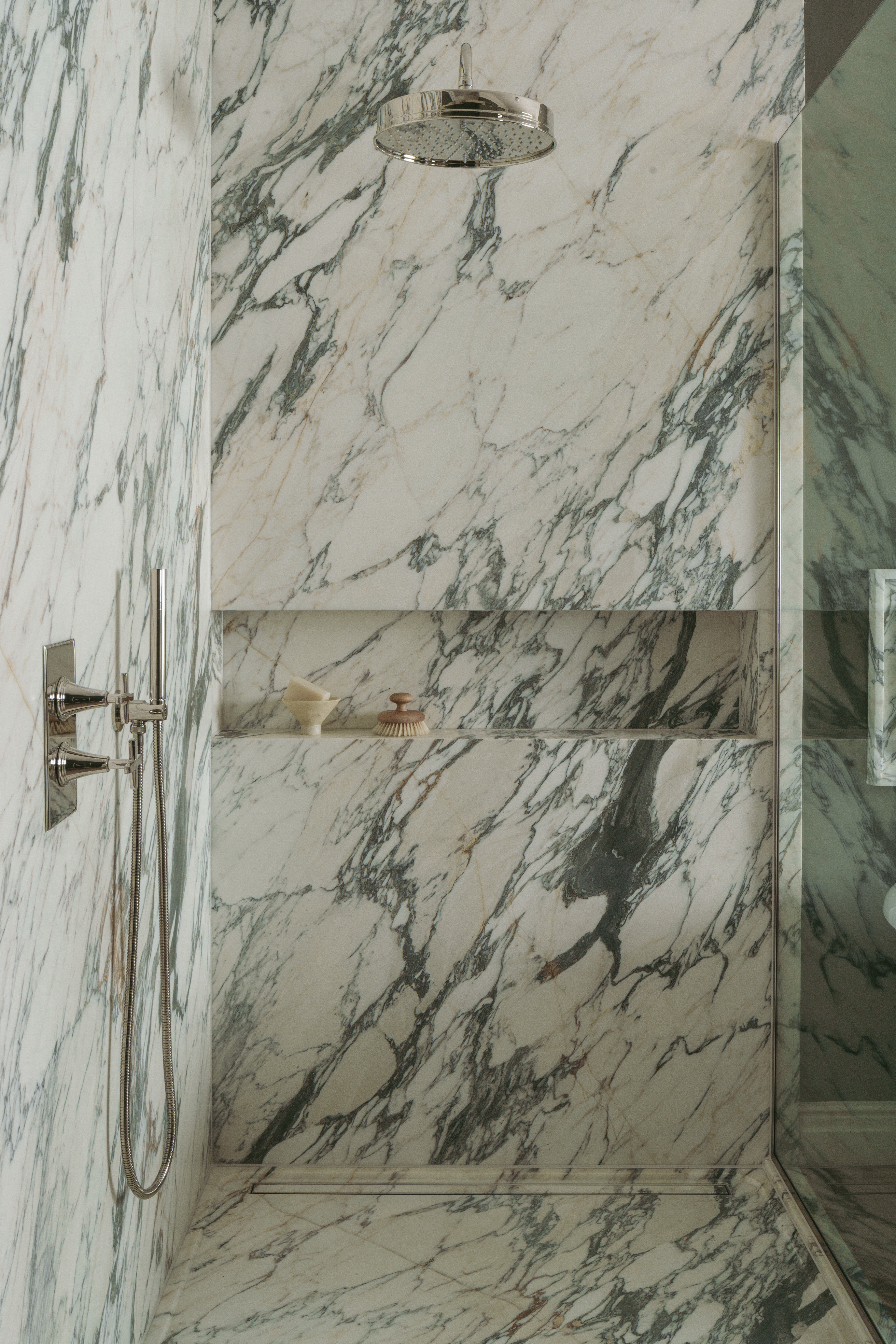
For some people, they may hate the idea of having a ramp or graduated steps at the front door. Sometimes, it’s as simple as putting in a new front door at a different entrance point to avoid this altogether, or adding in raised flower beds or patios to the design of the ramps or steps to give it a homely feel. For others, they may have seen examples of accessible bathrooms from the nineties and be horrified by the idea of having something like that in their home. Modern wetrooms with built in shower seating can look really contemporary and stylish – selecting their own choice of tile colours and tap fittings can offer a freshness to the space. A big one for us can be grab rails – standard PVC rails are recommended in many clinical settings – but this does not need to be the case for the home environment. We work with carpenters and ironmongers, as well as mainstream suppliers, to offer more natural looking supports using wood or coloured chrome rails that can be paired with tiles and interiors to complement the environment.
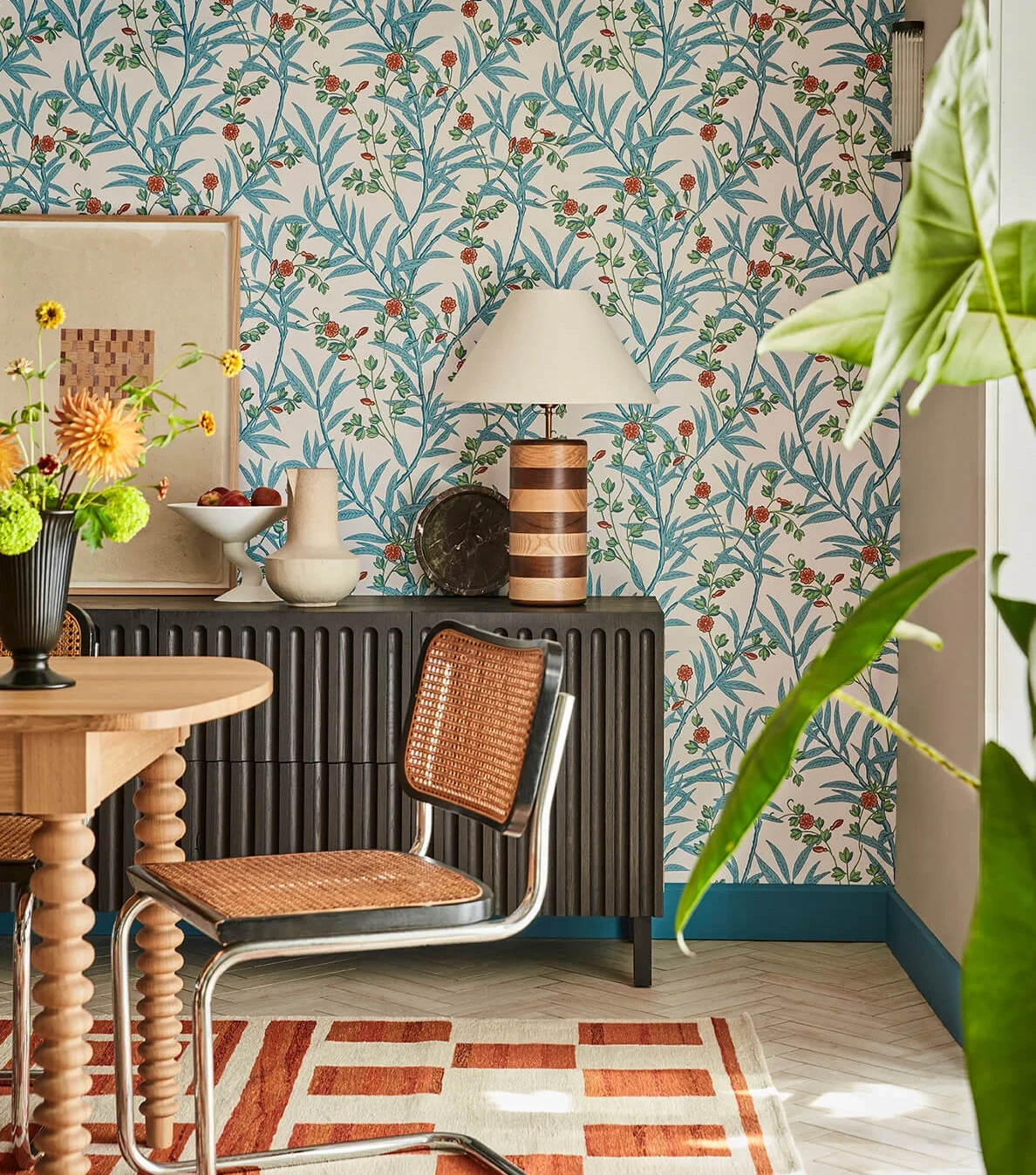
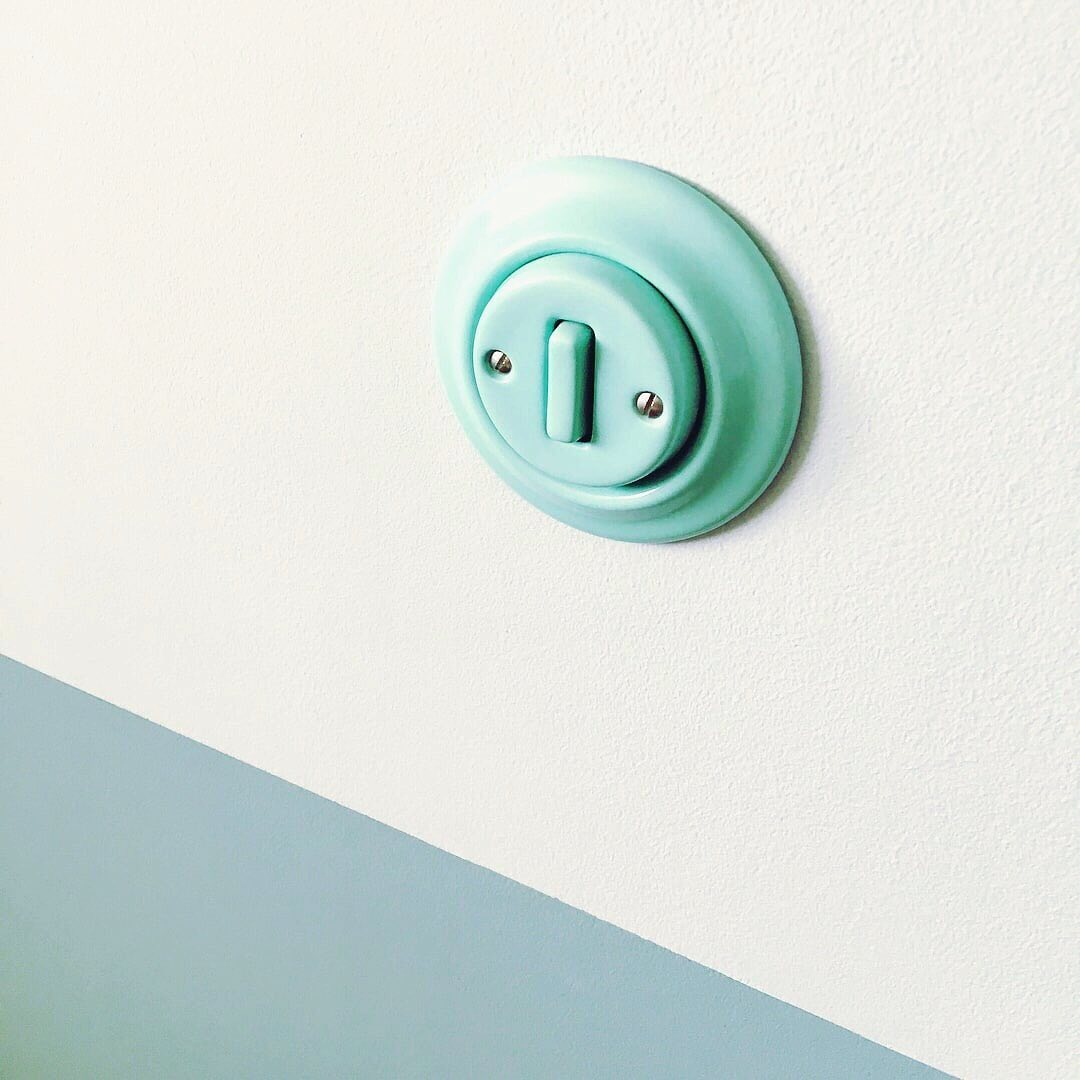
Other simple examples can be changing out light switches and sockets on walls to increase contrasting colours so for example, brass switches on a light coloured wall. Offering alternative lighting options can also have a huge impact on mood, behaviour and general wellbeing. Flooring can be a huge issue for many people, with flooring transitions becoming confusing or a trip hazard. Something as simple as running the same level access flooring throughout the main areas of the home can be hugely impactful or using colour on skirting boards to enhance the depth perception. For someone with sensory issues who may hate the feeling or the sound of the shower, we will specify particular shower heads or shower units that can make the experience more comfortable. We explore furniture and seating options that may be more supportive to an individual’s physical needs but still blend into the home environment.
For individuals looking to build a future-proofed home we recommend reinforcing stud walls so that in time, they can be fitted with supports if needed. While they’re paying slightly more in the short term, it will save a huge amount in retrofitting costs further down the line. Making sure there is a downstairs bathroom, wider door widths, level access flooring and appropriate turning spaces is essential when designing initial plans. This ensures in the future, should further accessibility redesign be required, the structure is there to do just that – avoiding any unnecessary retrofit costs.
What is something that you wish more people knew about changing needs in our homes?
We think it’s natural to be overwhelmed when it comes to redesigning your home for changing needs. There is a lot of stigma and emotion tied up in it. We would love for people to know that it doesn’t have to be that way. Changing needs are a natural part of life and something we would love to see embraced more in Irish society. Changing needs can be as simple as pregnancy, a broken ankle or recovering from that Hyrox event. We all need a little help sometimes and it’s nothing to be afraid of. From our perspective, changing needs really means redesigning. Redesigning your life to empower you to continue feeling independent and able to live a happy and rich life alongside any physical, neurological or sensory changes. It would be the ultimate achievement for us if people started to throw home re-design parties – to invite family and friends around to show off the new bathroom, patio or kitchen renovation. At our core, we want to remove the stigma and raise the bar on accessible home redesign.
Also Read