









Peptides: everything to know about the skin ingredient of the moment
Peptides have entered the chat and their amino chains are getting straight to work in our body’s cells. Melanie Morris digs deep into skincare’s latest obsession.
Hands up everyone here who’s had enough with being told about the importance of protein? Yep, me too, but I’m afraid you’re going to have to hear it again. Because – and here’s a fact you mightn’t be aware of – humans are made up of a combination of carbon, hydrogen, oxygen and nitrogen. That’s it. From DNA to muscles, these four elements make up about 96 per cent of the body (the rest being calcium, phosphorus, potassium, sulphur, iron, zinc and magnesium). While carbon, hydrogen and oxygen are sourced in all three of our daily macronutrients – carbohydrate, fat and protein – nitrogen can only be found in protein, which is essential to build, repair and maintain nearly every structure of our body.
It’s not just enough that we eat protein, but as science and studies are showing, it’s also highly advantageous to the health and appearance of our skin that we slather it on topically too. The beauty industry has woken up to the benefits of protein – or, more specifically, peptides – for skin rejuvenation. A peptide is “a short chain amino acid, which is another word for protein,” says Dr Alex Ergün, a doctor with The Kelly Clinic with an interest in plastic and reconstructive surgery. “Peptides have chains of anything from two to 50 amino acids that act as the fundamental building blocks of skin-boosting proteins such as collagen and elastin, playing a key role in skin structure, condition and health. They act as messengers, directing cells to do things such as repair, build collagen, and stimulate muscle growth. “Peptides have been in medicine for years; a lot of hospital medications are technically peptides, such as those for weight loss and type two diabetic GLP1 drugs such as Ozempic, Wegovy and Mounjaro; technically, all of those are actually peptides. There are many categories of medications that are built on this idea of small proteins that act as cell signallers to change something, whether it’s weight loss, diabetes, osteoporosis – even some chemotherapy and cancer agents are technically peptides. So, research continues to see what and where else can we apply this science, and hence found a use in skincare… focusing these little small collections of amino acids to act as cell signallers to improve skin’s firmness, increase collagen, boost elasticity and skin density. Peptides are basically medicine for your skin.”
It’s not just enough that we eat protein, but as science and studies are showing, it’s also highly advantageous to the health and appearance of our skin that we slather it on topically too.
And while “peptide technology” might look like a new kid on the skin (building) block, in reality, they’ve been around a lot longer while they wait for approval.
“That’s one of the biggest hurdles,” says Dr Alex. “Regular medication can take up to seven to ten years to get European Medicines Agency (EMA) and US Food & Drug Administration (FDA) approval. So, while peptides might be new as a skincare concept, years of research has gone into those products; along with trials and testing.”
In assessing which peptides are the right ones to focus on for improved skin integrity and appearance, there are a few categories that some of the well-known workhorses fall into. Copper peptides, a much-hyped blend in skincare, are amino acids that have a copper ion bound into their (short) chain to facilitate and amplify some biological functions. Copper peptides are known as Carrier Peptides, beneficial in wound-healing and skin repair, that work by promoting collagen and elastin production, accelerate cellular regeneration and reduce inflammation and damage. These little powerhouses can also help even out skin tone.
Signal Peptides, such as the well-known Matrixyl (palmitoyl pentapeptide-4) prompt skin to produce more structural proteins including collagen and elastin to boost skin integrity and smooth out wrinkles, while Neuro-Transmitter Inhibiting Peptides (acetyl hepapeptide-8, or Argireline), inhibit the release of neurotransmitters to relax facial muscles, mimicking the effects of wrinkle- zapping injectable toxins.
Enzyme-Inhibitor Peptides (hydrolysed rice proteins) help preserve the skin’s structure, maintaining firmness by blocking destructive enzymes, while Antimicrobial Peptides (human beta-defensin 3) protect the skin from harmful microbes such as bacteria, viruses and fungi.
Like getting your five-a-day of fresh fruit and vegetables, the ideal is to incorporate a variety of peptides into your skin routine, to address the spectrum of skin concerns. The good news is they’re gentle, like self-molecules that won’t usually cause irritation. They are also good mixers and can be cocktailed and/or layered with other actives such as vitamin C, niacinamide and retinol.
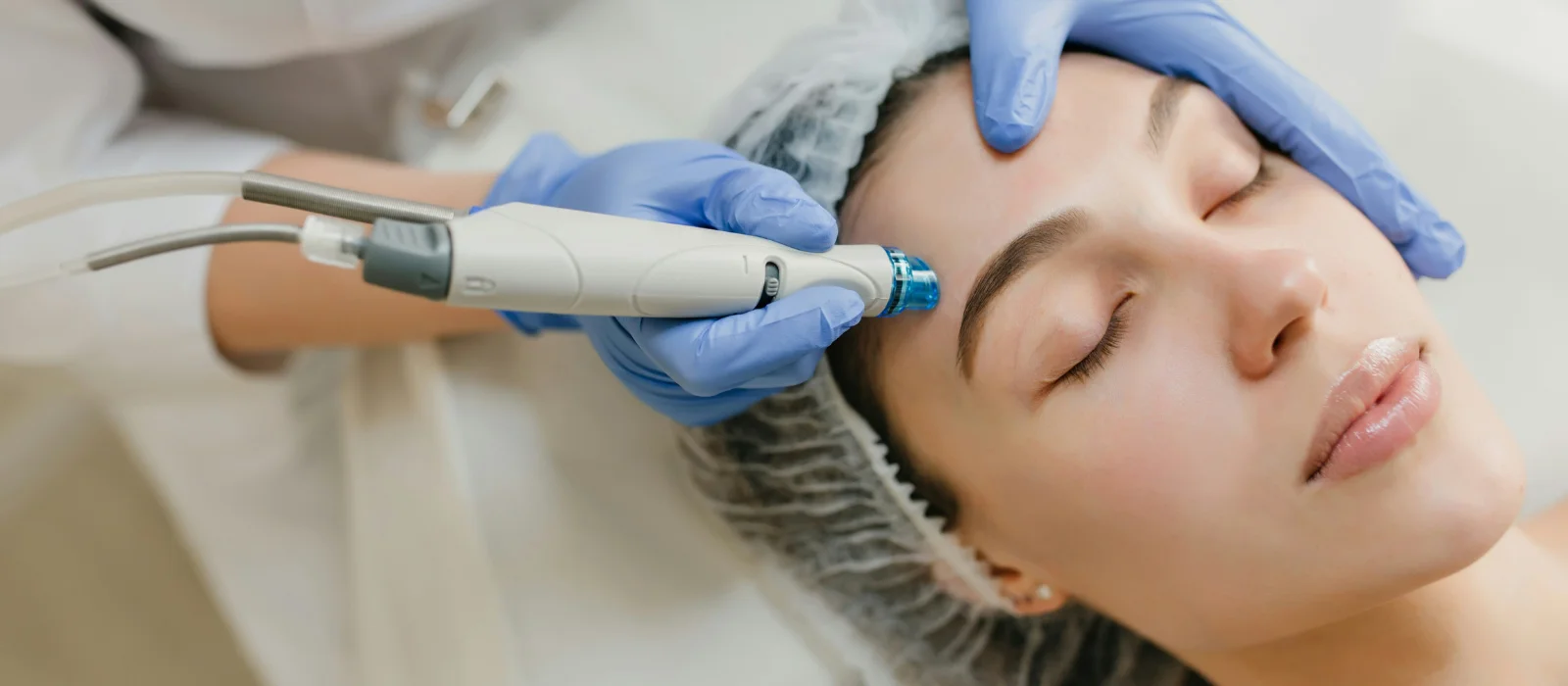
The beauty industry is long-familiar with topical application of creams and serums, but more and more, we’re finding new, direct-to-source ways of getting hero skin saviours into our systems. Active ingredients such as peptides can also be infused, injected and ingested. In-clinic, bespoke peptide cocktails are being added to PRP (Platelet Rich Plasma) formulations, giving the patient an added active boost to concentrated injections of their blood’s growth factors; while at home, science-backed studies are showing positive effects from drinking shots of collagen supplements. These treatments are no longer just for the biohacking bros of YouTube and TikTok and with the popularisation of at-home weight-loss injectables, other peptide combinations are already following suit.
While the science isn’t new, the application and consumption can be, and can go quickly off-label. The rise of “grey market” formulations, people buying blends online that are unapproved, and their ingredients unconfirmed, is a whole eco-system in itself. Peptide injectables such as Retatrutide has yet to receive EMA or FDA approval and is only currently sold for “research”. Yet, it can be found for sale online through targeted social media ads, despite its exact composition being unknown and unregulated. The FDA has issued warnings against the purchase and use of this, but judging by the online noise, Discord groups and number of sellers, that train seems to have well and truly left the station.
For now, the professionals say to steer clear of uncertified peptides (or any other non-approved products) sold online for skin or body health. “Buy from trusted, science-first brands,” says Dr Alex. “If I’m being perfectly honest, there are formulations out there without much specific information to back up the ingredients. When you try to look it up, it just says ‘a collection of peptides’ or similar, so how do you know what you’re getting in your skincare? When there are so many questions behind a product’s ingredients and the standards they’re making it to, I say always go for a brand you know. Go for reliability, not something someone recommends on the internet. Your skin is the first thing people see about you, treat it with the respect it deserves.”
PEAK PERFORMERS
Put some pep in your complexion with these certified peptide-infused potions.
ZO Skin Health Peptide Facial Refining Concentrate, €300
Dr Zein Obagi’s clinically proven serum to smooth fine lines and wrinkles, restore volume and refine facial contours.
Óige Peptide Elixir, €50
Irish-founded skincare by star facialist Agnes Gajewska, this multi-layer anti-ageing trojan incorporates copper peptides, nonapeptide-1, and acetyl hexapeptide-8 to target firmness, fine lines, and uneven tone.
NIOD Copper Amino Isolate Serum, €79
A versatile complexion booster powered by a high concentration of skin-supporting tripeptides to repair struggling skin.
No7 Future Renew Neck and Décolletage Serum, €54.99
The sell-out Future Renew franchise extends below the chin with their patented peptide technology proven to reverse skin damage from 30 days.
Allies of Skin Peptides & Omegas Firming Eye Cream, €76.80
Firms, depuffs and brightens with peptides, vitamin C and bakuchiol (nature’s more gentle alternative to retinol).
This article originally appeared in the Spring 2026 issue of IMAGE. Have you thought about becoming an IMAGE subscriber? Our Print & Digital Magazine subscribers receive all four issues of IMAGE Magazine and two issues of IMAGE Interiors directly to their door along with digital access to all digital magazines and our full digital archive plus a luxury gift from La Bougie worth €75. Visit here to find out more about our IMAGE subscription packages.
Also Read