


Sarah Gilmartin's Dublin novel follows old Trinity friends whose routines are unsettled by buried desire, secrets and a Pinter play. Its appeal is sharp social observation, intimate betrayals and the uneasy pleasure of watching familiar lives crack open.
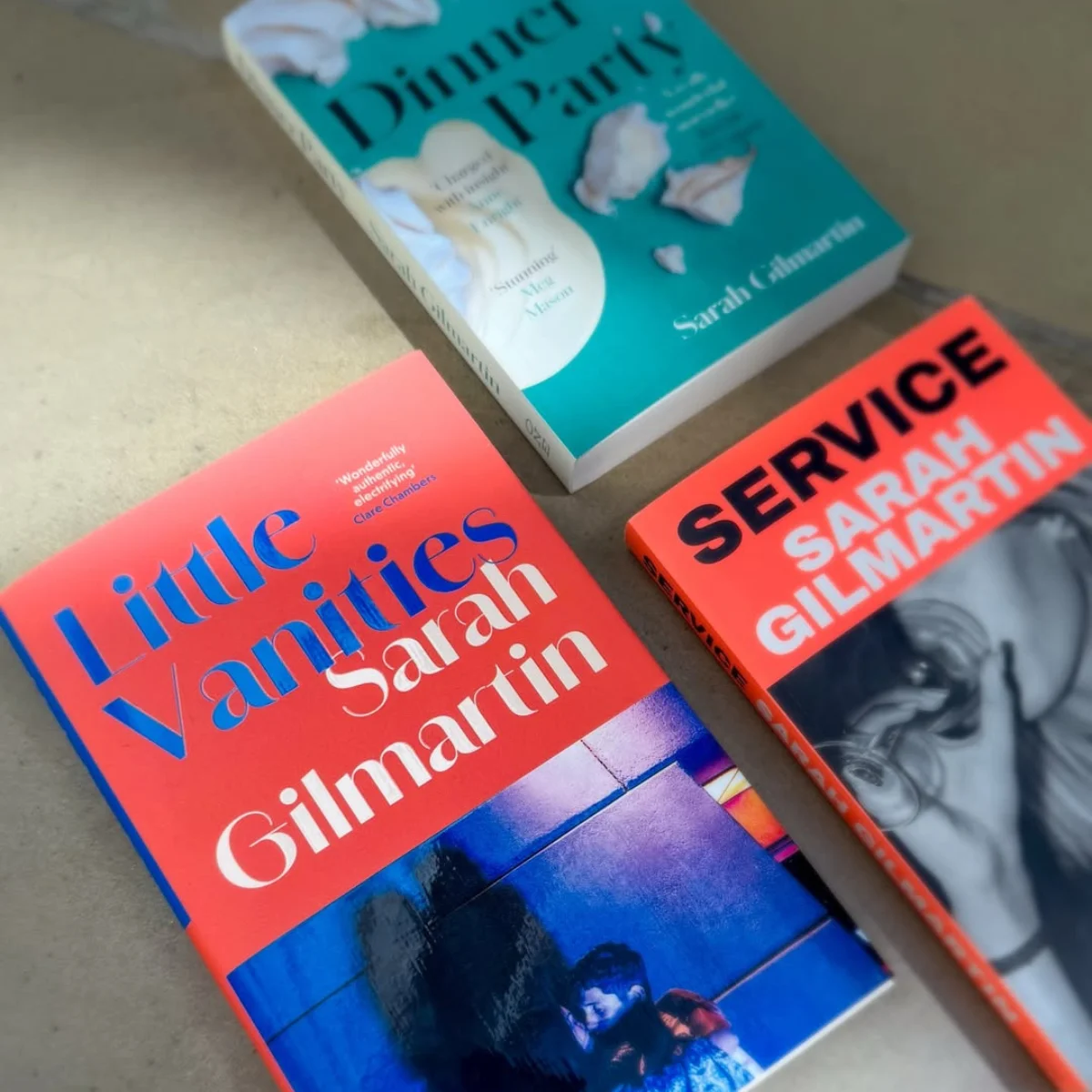
Sarah Gilmartin’s short stories have been published in The Dublin Review, The Tangerine and The Stinging Fly. She won the Máirtín Crawford Short Story Award in 2020. Her novels Dinner Party: A Tragedy (2021), Service (2023) and Little Vanities (2026) are published by One. She was the 2025 Arts Council Writer-in-Residence at Dublin City University.
Dylan, Stevie and Ben have been inseparable since their days at Trinity, when everything seemed possible. A glance between them can still conjure their younger selves: dancing beneath pulsing lights, the sharp taste of salt after swims in Dublin Bay.
Two decades on, life feels smaller. Dylan, once a rugby star, is stranded on the sofa, cared for by his wife Rachel. Across town, Stevie and Ben’s relationship has settled into weary routine.
Then, after countless auditions, Ben lands a role in Pinter’s Betrayal. As rehearsals unfold, the play’s shifting allegiances seep into reality, reviving old jealousies and awakening sudden longings, as each must reckon with how far they’re willing to go in pursuit of desire.
Wry, sexy and deftly observed, Little Vanities is a novel about the dangerous thrill of stepping outside the roles we’ve been given – and the distance between the lives we imagine and the ones we live.
Did you always want to be a writer? Tell us about your journey to becoming a published author.
I loved drama as a child and had vague, grand notions about being an actress, less so a writer. That seemed a world away from anything I knew. Books were for reading. I studied English in college, then journalism, eventually landing in arts journalism and criticism, which felt like a natural fit. But really, I didn’t think about writing creatively myself until I was in my late twenties, I was almost 30 when I wrote my first story. And it took me quite a while to realise it was only the first draft of my first story.
What inspired you to start writing?
I’ve always loved reading, I was always the child with a head in a book that got given out to for not going outside and joining in activities. As an adult, reviewing so many books for the Irish Times over many years gave me a great grounding in the mechanics of fiction, as did co-editing an anthology of stories for The Stinging Fly. I guess at some point I felt I might be able to do it myself.
Tell us about your new book. Where did the idea come from?
Little Vanities is a story about two couples, four friends, played out over decades, from their college days to early mid-life. It looks at the slow, often unnoticed erosion of youthful desires over time, and the many small and big ways people can betray themselves and those they love. It’s a book about pain in different guises – physical, emotional, psychological, existential – but in a way that’s hopefully vibrant and funny, looking at the absurdity of all the things people go through over the course of a life, and mostly survive.
What do you hope this book instils in the reader?
A sense of getting to know, intimately, four very different characters, over the course of the story, perhaps shifting allegiances between them, finding the moral compass in that way; also learning about worlds that might be unfamiliar or unexplored. As a reader I love being introduced to new backdrops and ideas.
What did you learn when writing this book?
That structure is everything! Though sadly I seem to have to learn this anew with every book, and even every short story I write. Once you find the structure, you find the book.
Tell us about your writing process?
I’m a freelance lecturer and journalist so I have to be clever about apportioning time to my writing. If at all possible, I write in the morning, because fiction is the work that matters the most to me, and leave other work commitments to the afternoon. Two or three solid hours with the draft is a sweet spot for me. After that, it’s the question of diminishing returns. If I have to do other work first and then write in the afternoon or evening, often I’ll delete what I’ve written the following day. I try to write every weekday, even if I’ve only time for fifty or a hundred words. Continuity is key. Keeps the mind mulling over the story.
Where do you draw inspiration from?
Everywhere and anything, and mostly without recognising that I’m doing it. Sometimes it will be a visual image that I only realise I’ve clocked when I see it come up on the page. I have a good ear for dialogue, for humour and tone. For subtext too. I think most Irish people do. But the vast majority of what you write comes from the imagination: if you can’t sit in a room and imagine how characters think, speak, act, what they see, and how they experience the world, I think you’ll struggle to write good fiction.
What are your top three favourite books of all time, and why?
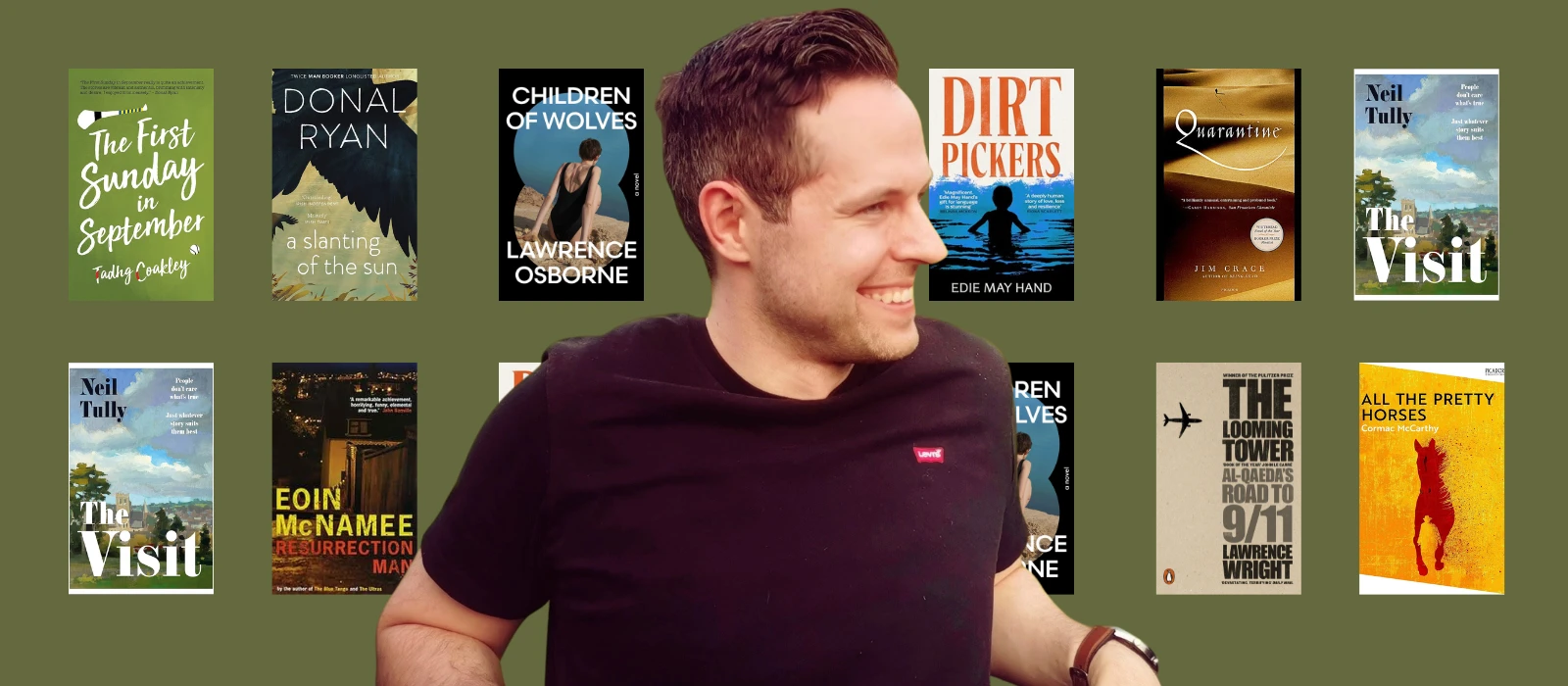
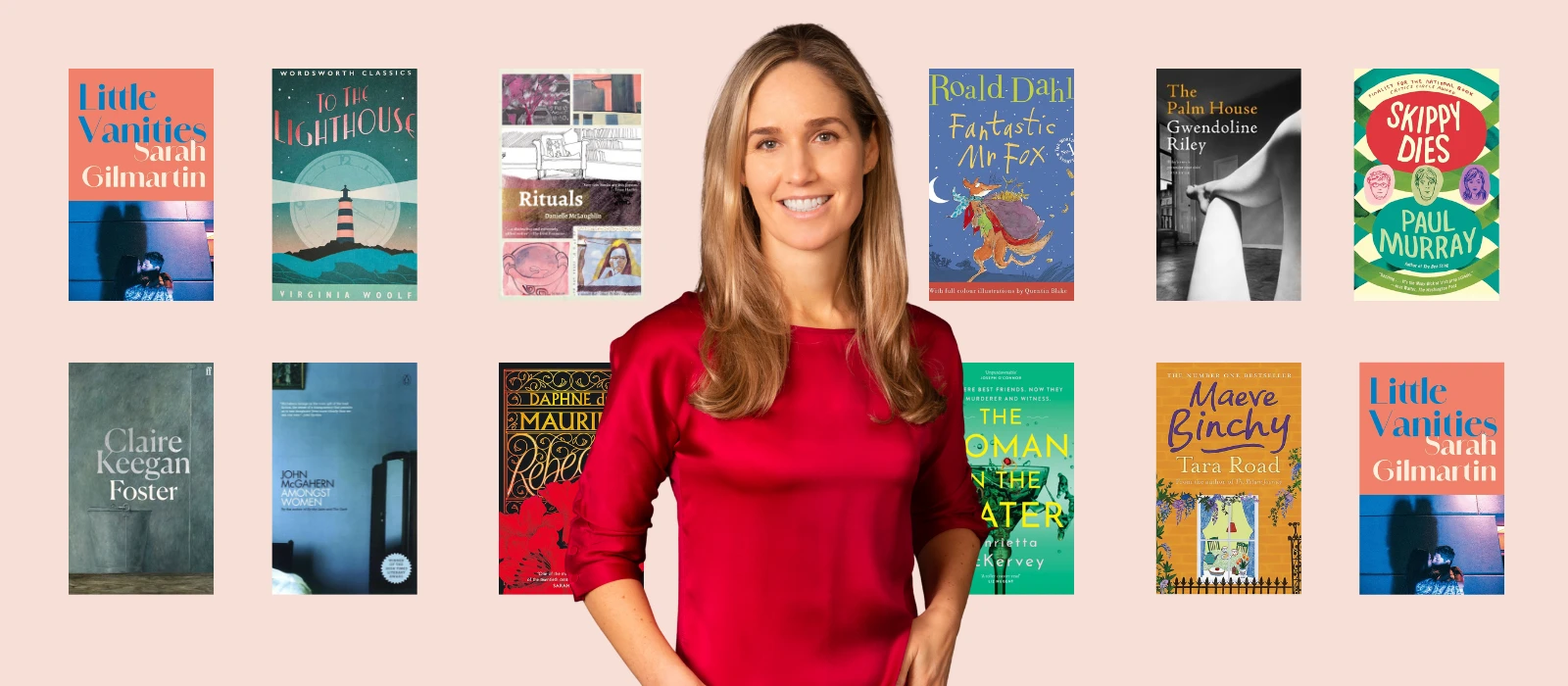
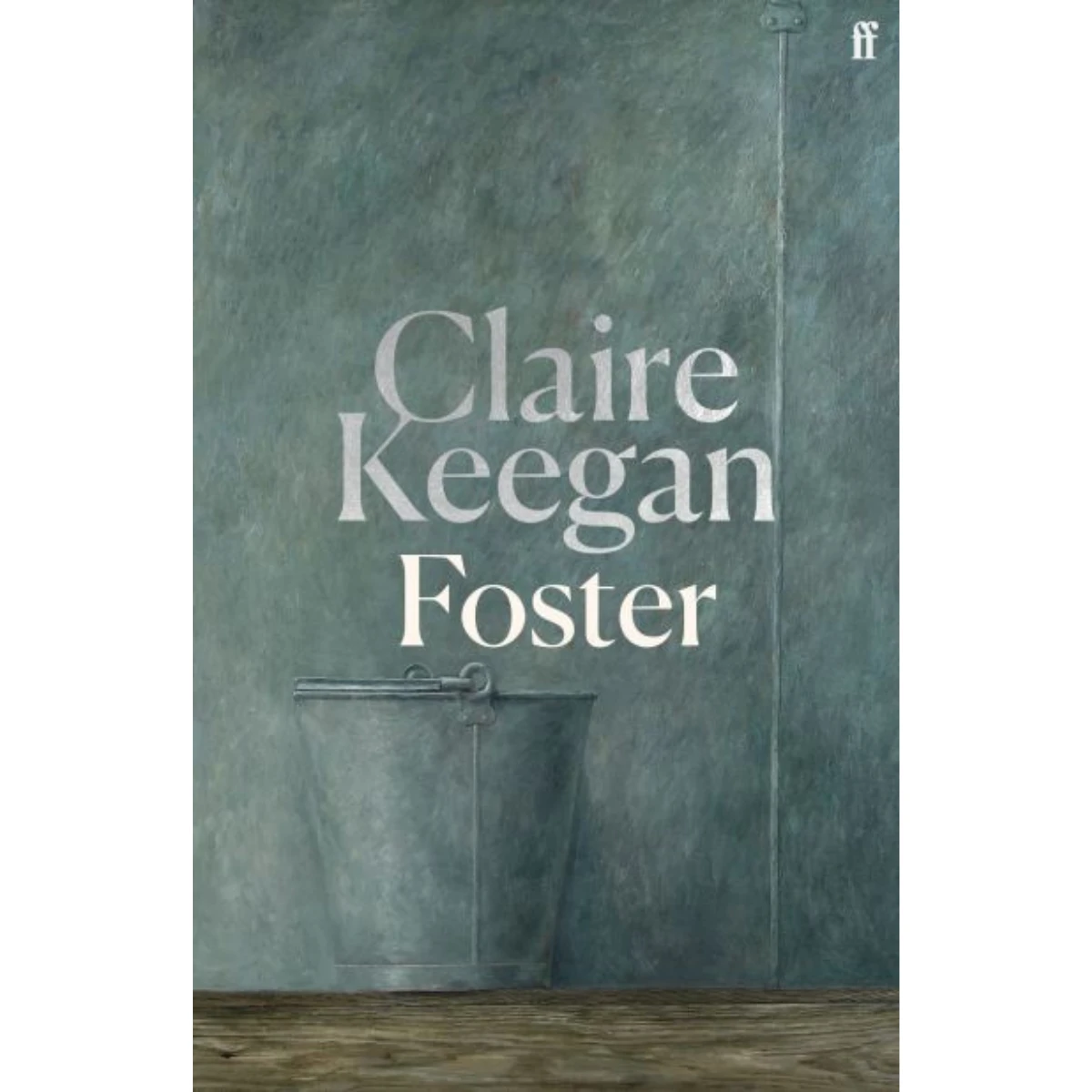
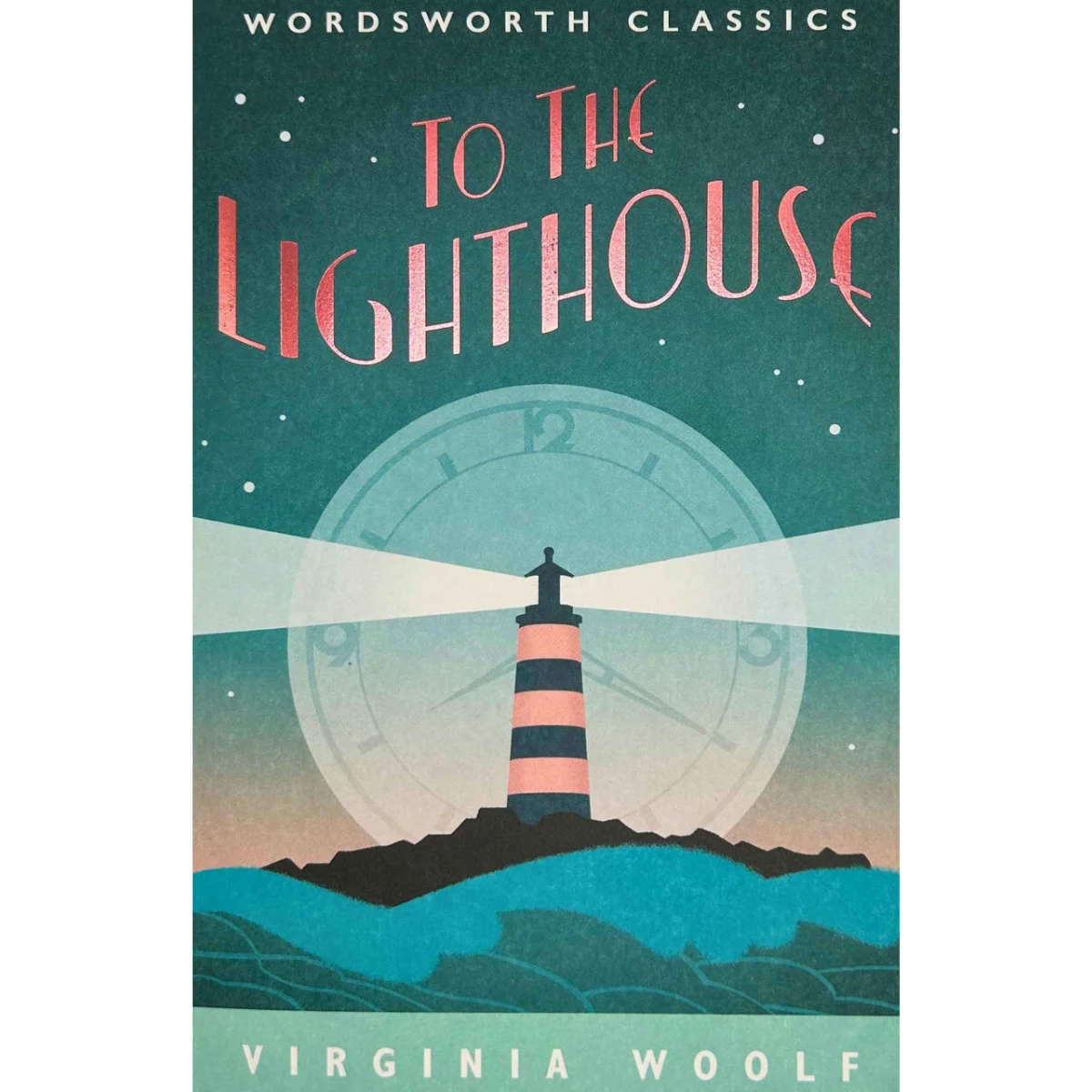
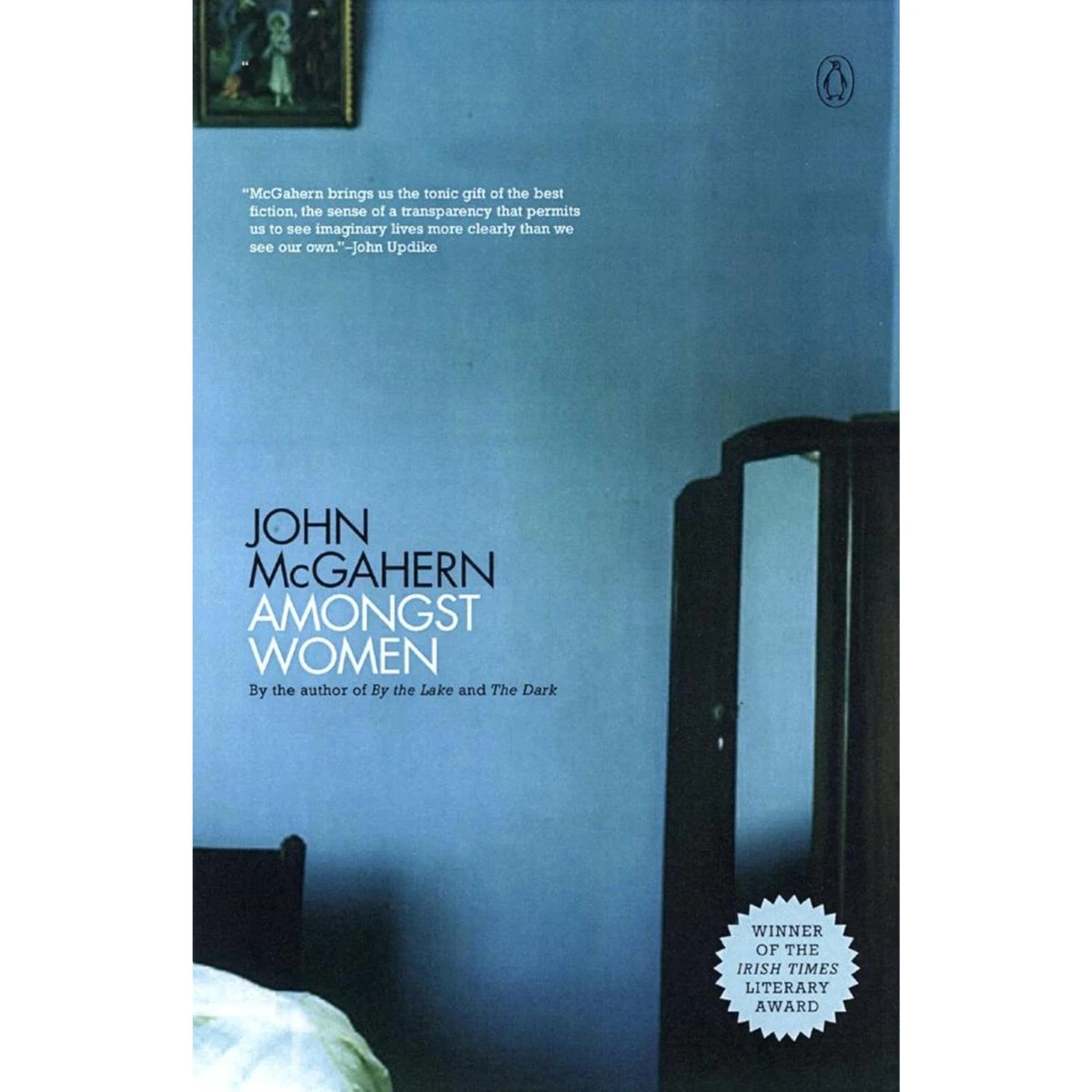
This can change by the day, or by the mood I’m in. But three excellent books that I frequently return to: Foster by Claire Keegan; Amongst Women by John McGahern and To the Lighthouse by Virginia Woolf.
Who are some of your favourite authors, Irish or otherwise?
See the three mentioned above. Anne Enright, Richard Yates, John Cheever, Tessa Hadley, Elizabeth Taylor. I could go on for some time.
What are some upcoming book releases we should have on our radar?
I loved Danielle McLaughlin’s Rituals, which came out last month, a beautifully observed story about two lonely, trapped people who end up making each other’s lives better. I also loved Henrietta McKervey’s The Woman in the Water, which was published in March. It’s a dark, riveting tale of female friendship, set in 1930s London, and inspired by Daphne du Maurier’s Rebecca.
What book made you want to become a writer?
I’m not sure that any book in particular made me want to write, but Fantastic Mr Fox made me love reading from a very young age.
What’s one book you would add to the school curriculum?
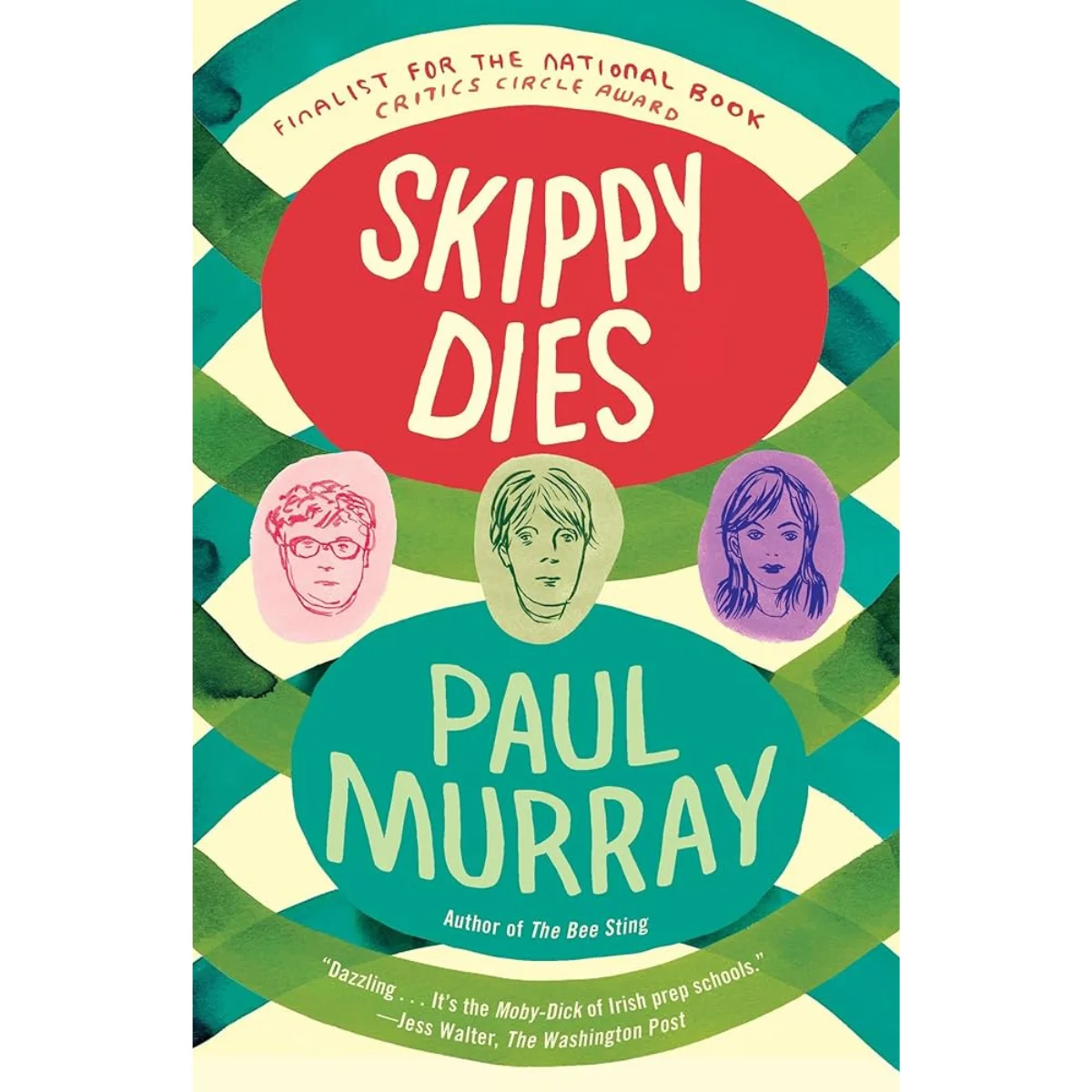
Skippy Dies by Paul Murray. Such a brilliant and unsettling recreation of school life.
What’s the best book you’ve read so far this year?
Hard to call an outright best but Gwendoline Riley’s The Palm House is her usual tour-de-force.
What’s your favourite bookshop in Ireland?
So many great ones. Hodges Figgis in Dublin and O’Mahony’s in Limerick are two favourites; and in the north, where I frequently visit in-laws, Bridge Books in Dromore, and No Alibis and Waterstones Forestside in Belfast.
What’s some advice you’ve got for other aspiring writers?
Try to get to the page as often as you can, and find one very astute, trusted reader.
Lastly, what do the acts of reading and writing mean to you?
So much of my life is spent doing one or the other that I’m not sure if I would fully exist without them. Melodramatic? Not me.
Little Vanities by Sarah Gilmartin is on sale now.
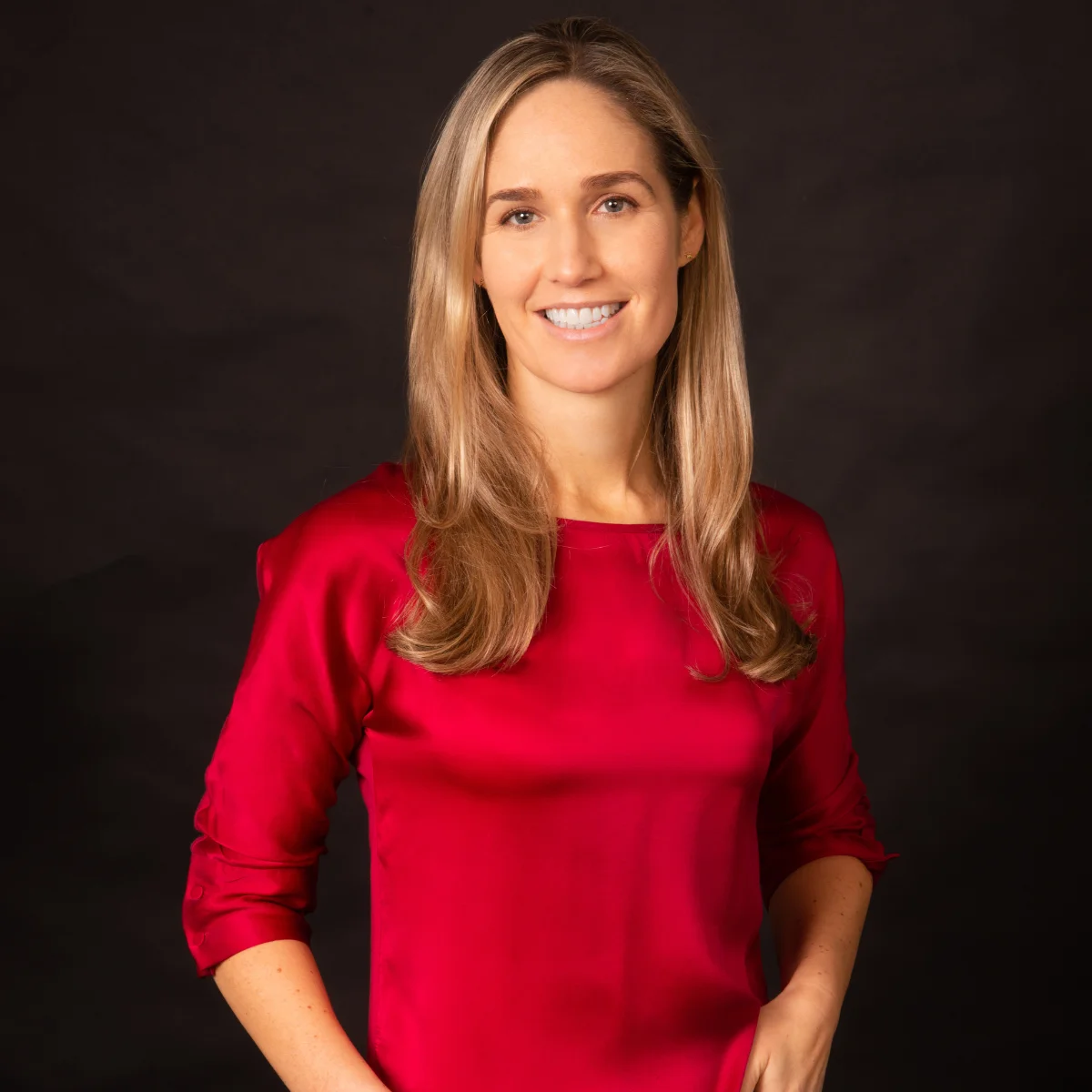
Portrait image by Seamus Travers.
Also Read