








Sponsored
Baby sleep expert Kelly Geoghegan shares her top tips for good naps (and nights!)
Sponsored By

“A lot of the parents will wait to start a routine but then babies are not used to it, so it's a bit more of an adjustment – whereas if you start early on, it’s much easier.”
As a certified maternity nurse and leading paediatric sleep consultant with over 25 years of experience, Kelly Geoghegan is somewhat of a baby sleep guru. Since launching her private sleep consultancy Sleepy Stars in 2019, she’s had immediate success, with sell-out online classes and a lengthy waiting list for private consultations.
Kelly recently sat down with us to share her infinite knowledge on all things sleep, from creating the ideal nursery environment to her top tips for little ones to snooze all night long – all of which she answers in her latest book Sleep Baby Sleep: The Proven Routine-based Sleep Plan for Baby’s First Year.
Whether you’re a mum-to-be or a new mum in the trenches, read on for her ultimate sleeping guide.
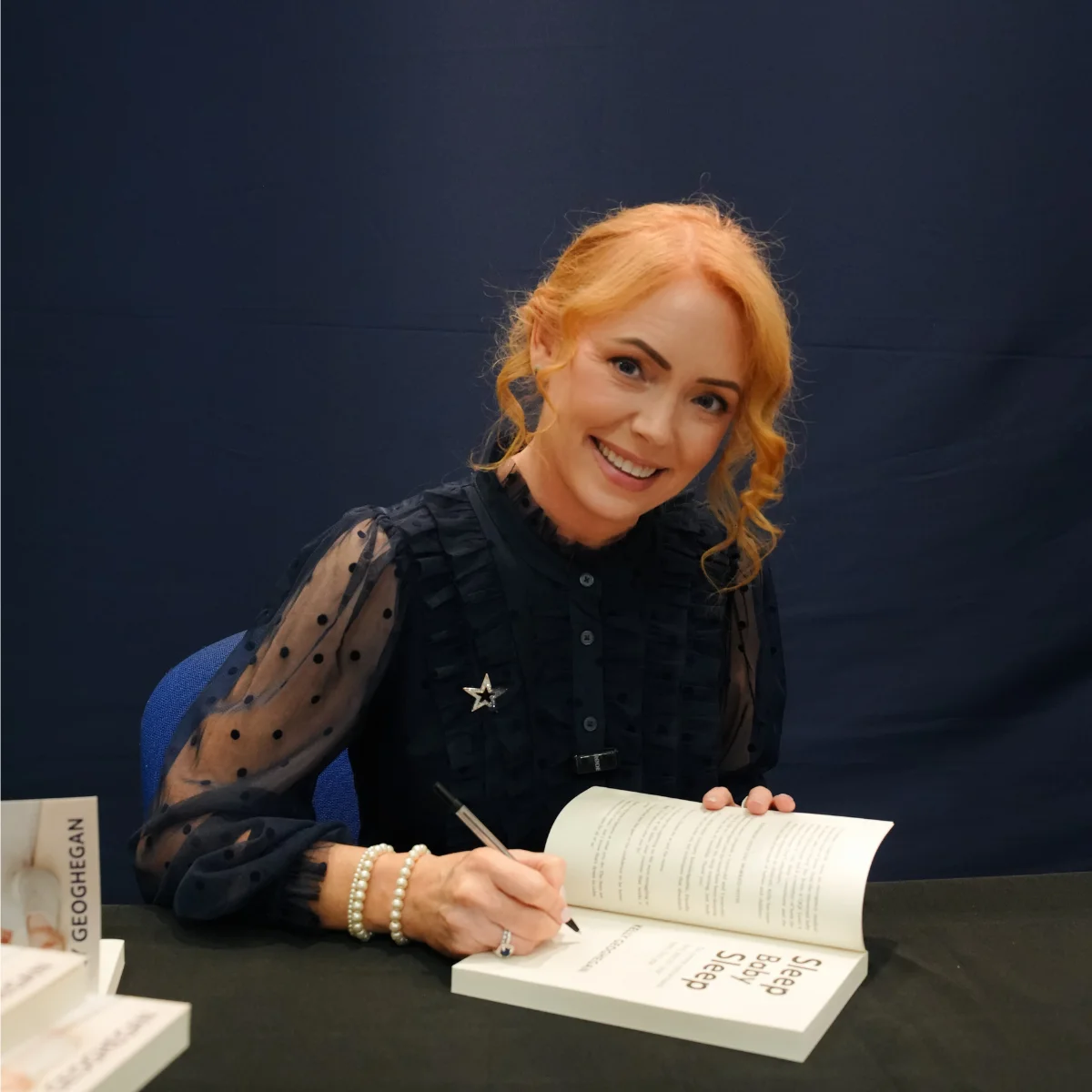
What inspired you to write your new book, Sleep Baby Sleep? Who should read it?
My book was born from my sleep consultancy, Sleepy Stars, Kelly explains. My most popular class, “Let’s Get Started”, was a starter workshop that covered the basics of sleep training. When I couldn’t keep up with demand, the spark struck for writing it all down in a handy beginner’s guide.
“It’s been in the pipeline for a long time, but that demand really gave me a kick up the backside to get it down on paper. It includes everything I do as a maternity nurse – not just sleep training, but gentle guidance too.”
I wanted to give verified practical information and foundational basics, she says. “I wanted to cut out all the rubbish, like, you don’t need to rely on a white noise machine or soothers, but why? So it explains that. It’s important to remember that these are sleeping aids and we use them in a careful manner rather than the be-all and end-all. So it was all about streamlining that information so people know what to take on board and what not to.”
With so much information out there, between word of mouth and social media, how does your book help cut through the noise?
“There’s so much out there – as a new mom, you are going to be overwhelmed by conflicting information… what you should do or shouldn’t do. And I feel so sorry for parents because they don’t know who to listen to. Having everything online is not necessarily a good thing when it comes to being a new parent, because you’re diagnosing your child with some random thing…. don’t listen to Google. Listen to your instinct. Your instinct won’t lead you astray.”
When it comes to social media, a lot of influencers don’t have real expertise, Kelly warns, and are actually just promoting the free baby stuff they’ve been given. “90% of the stuff that’s out there is not needed, and some of it is actually dangerous – like those viral baby hammocks that were taken off the market for a reason.”
So how do you know who to follow/ listen to? “I always say, pick three sources of advice: your GP, your district health nurse, and one other person – and to everyone else who tries to tell you what to do, just nod and smile. Don’t let it sink in.”
How do sleep, feeding, creating a nurturing environment and establishing a strong routine work together to establish a healthy night’s sleep for a baby?
“When it comes to babies, everything relates to everything else – sleeping, feeding, everything all rolls into one. My focus is on their body clock, their circadian rhythm. I actually don’t focus on wake windows because I don’t feel like that works. If you’re stretching the a longer wake window as they get older, fixating on that can actually cause over-tiredness. Instead, it’s aiming to establish hunger habits and sleep habits at the same time every day because everything complements sleep to help establish a strong routine.
“I always say to new parents, who are often playing the grey area guessing game, when you have a little routine, a little schedule, you’re able to make plans, meet your friends in the coffee shop or take a baby class, which new moms need, especially when you’re on maternity leave and stuck in the house. If you have a routine, it’s easier to navigate classes, appointments or whatever it is that you have.”
In your first chapter, you talk about the different sleep stages – can you tell us more about this?
There are different stages of sleep, Kelly explains, light sleep, deep sleep, and the rapid eye movement stage.
“My book explains the different sleep stages. I didn’t want to get too sciency, but I wanted to explain why I was recommending these things. If you have a teeny, tiny baby, you can put them down semi-awake and aware, while they’re in the light sleep stage. But that changes if they’re older when you’re establishing a routine.
“For example, I could be minding a seven-month-old who has no rhythm whatsoever, and I’m helping them nap at the same time. And initially, my steps are going up… I’m rocking, I’m bouncing, I’m doing all these things – after 7-10 days, it gets easier. I’m rocking less. It’s happening quicker. But if I need to go grab my phone or go to the bathroom or whatever, I will wait until the baby’s in a deep sleep stage before I put them down, because they don’t know how to fall into a deep sleep just yet.
So how do you know if they’re in a deep sleep? “One of the simplest things is the arm test. You just lift up their arm and drop it down. If it drops heavily, you’re good to go. If they stir and make noise – if you place that baby, then they’re waking up immediately upon transfer, or very soon.”
I want you to learn from my mistakes, because I've lived and learned it all from experience.
Kelly’s top tips for creating a good sleep routine
1. Avoid overstimulation before bedtime.
Don’t have them go directly from the playmat to a dark room. “Close the curtains, play your playlist, change your nappy, do all these things in the dark room, and it’s going to cue them that it’s bedtime.”
“Children make associations from very early on – If you put a jacket on a toddler, they’ll go to your front door. If you put a bib on a baby who you’re weaning, they’ll start looking for food. They don’t have verbal communication yet, but they make associations. So if you queue them up for sleep, and the longer you queue them up for sleep, the easier it comes, and the longer it lasts.”
2. Limit and rotate their toys.
“Stop spending a fortune on toys. If you have an empty bottle of water that crunches, they will think that’s hilarious. You can buy the fun stuff, of course, but use it in their full waking time. Don’t use it approaching bedtime because it can be overstimulating.
Also, rotating toys is a great way to keep their interest, Kelly says. “I always say, get toys that you’ll get your mileage out of and rotate them.”
3. Having good blackout blinds in the summer is a must.
“I’ve designed nurseries for families all over the world, and sometimes the most expensive stuff is not the best stuff. For new babies, during the day, they can nap in a room with a bit of light and a bit of noise – but for their overnight sleep, complete darkness from 7am to 7pm is best. That’s what I would always encourage when I’m on a maternity job.”
4. Don’t rely on a noise machine.
“If a baby has a noise machine blasting for their naps, they’ll really struggle going to daycare, or napping at Granny’s house or on holidays. Also, there have been studies showing that the overexposure of noise machines at high levels affects speech and brain development. So again, while it can be a sleep aid, don’t rely on it for any and all nap times.”
5. Let them nap while you’re out and about.
“I like to have a flexible sleeper. In fact, it’s actually in my contract that I will nap your child out and about on a regular basis, as I feel fit, because I, like many mums out there, don’t like being stuck in the house all day. This child needs to be able to sleep in noisy places.”
6. What worked for your first child might not work for your second.
“Every baby is different with longer or shorter sleep needs,” Kellie says. It’s important to get to know your baby’s sleep needs in those first few weeks and you’ll soon realise that they may need more or less sleep than their sibling did at their age.
Finally, what do you hope readers will be left feeling after reading your book?
“Confidence and clarity. I want them not to feel judged because I feel like there’s a lot of judgment out there. If you do it your own way and you still have the same outcome, that’s great. As long as the baby is healthy and the parent is happy, that’s what’s important.
“In the book, I share a few situations I’ve encountered with clients or myself when I was away with babies, just to show them that I’ve been there before. I know it’s hard, and I’ve messed up before, but you live and you learn.
“I wanted the book to be non-judgmental, supportive, and a little bit funny. I do feel the tone of some [parenting] things can be quite matronly, focusing on what you “should” be doing. So this is my recommendation, coming from a place of caring and experience. If you want to take it on board, great, and if you don’t, great. Your baby, your choice.’
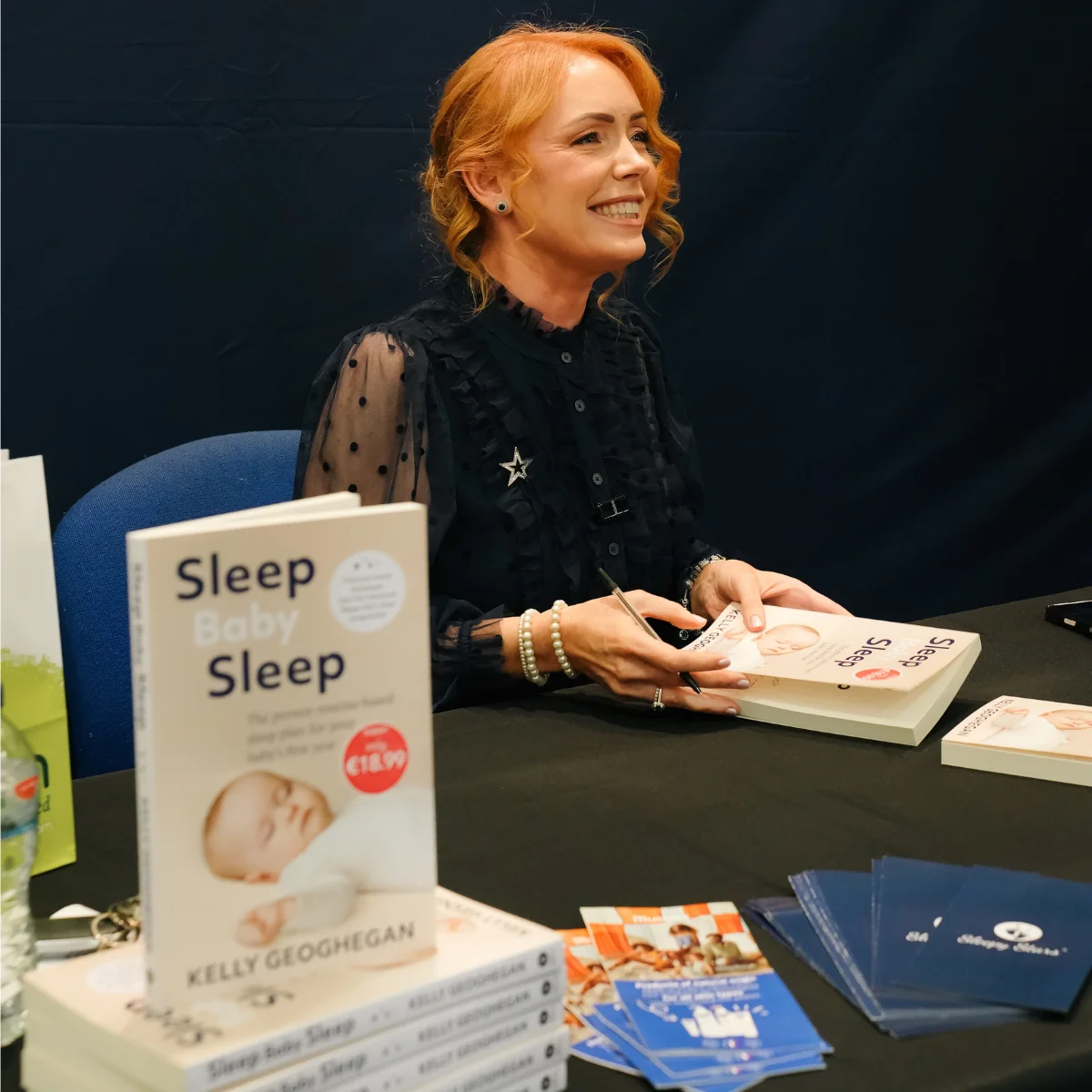
Sleep Baby Sleep is now available at Easons.
Also Read