



Sponsored
‘I followed curiosity rather than a carefully defined ladder’ – Sheila Kavanagh on her career journey
Sponsored By

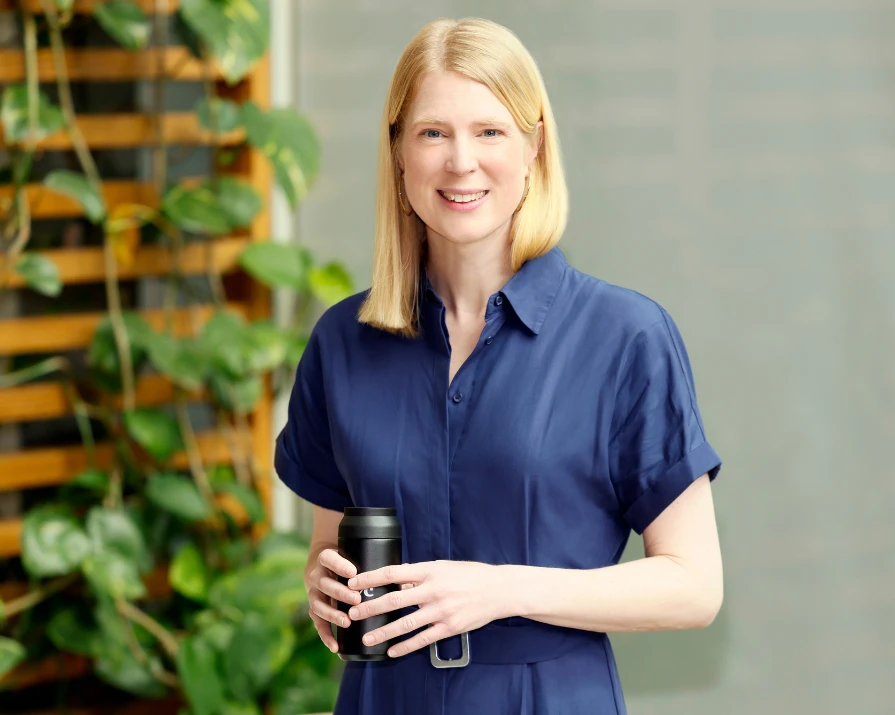
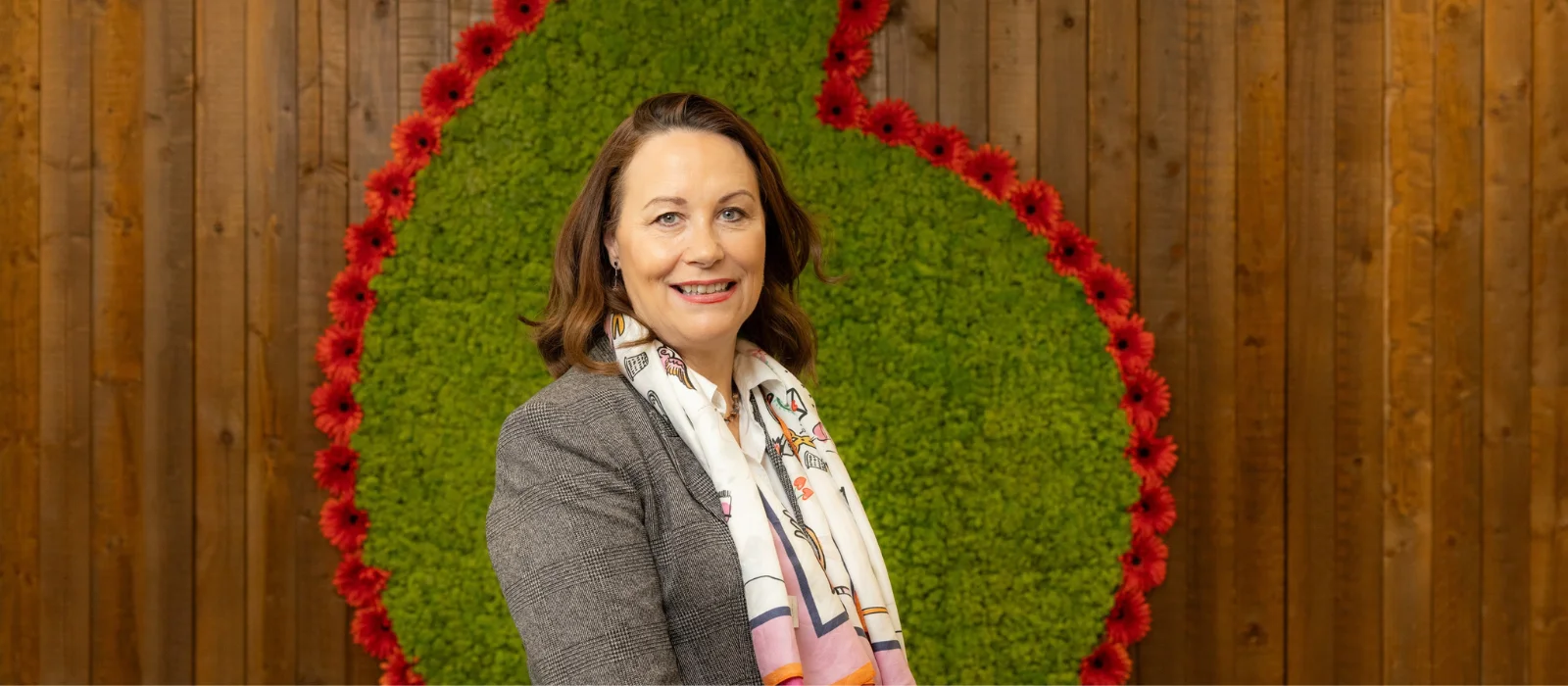
From a graduate role in Eircell to now being network director of Vodafone, Sheila Kavanagh has built a dream (and varied) career in telecommunications. Here, she tells us more about that journey, her leadership style and the future of Vodafone.
You’ve had an incredible career in telecommunications. What first sparked your interest in this industry?
I studied maths and physics at UCD and, at the time, my thinking was that I might go into teaching. Like most graduates, though, I wanted to keep my options open, and I ended up applying for a graduate role in Eircell, which later became Vodafone. I joined as a graduate engineer almost 30 years ago, without fully realising just how exciting the telecommunications industry would become. Looking back now, I feel incredibly fortunate. I’ve had a front-row seat to one of the most significant waves of technological change, from the earliest days of basic voice calling to the fully connected, digital world we live in today. What really drew me in was the constant pace of change. No two days were ever the same; the technology kept evolving, and there was always something new to learn. Combine that with the culture and the people at Vodafone, and I’ve genuinely never felt the need to look elsewhere.
Thinking back to when you started, did you ever imagine the journey your career would take?
Not at all. When I started, I was focused on learning my craft and doing my job well. I certainly didn’t have a long-term career plan mapped out. In the early days of my career, I worked in engineering roles and found myself, at just 22, travelling the world as part of international industry groups shaping how telecoms operate across the globe. It was an incredible experience so early on. If there’s a theme to my journey, it’s that I followed curiosity rather than a carefully defined ladder. I enjoyed learning, taking on new challenges and saying yes to opportunities, often before I felt fully ready for them.
What are some of the moments in your career that you’re most proud of?
It’s hard to pinpoint one single moment. What stands out most is being part of the major technology changes that reshaped how people live and work, moving from basic mobile phones used mainly for calls, to smartphones that now put the internet, video and digital services in the palm of your hand. I still remember my first day at Eircell, when I was given my first mobile phone, a rarity at the time. I even remember scrolling through the menu and spotting SMS, which wasn’t usable yet. Fast forward a few years, and we were handling millions of text messages on Christmas Eve and New Year’s Eve, far beyond what anyone initially imagined was possible.
More recently, I’m incredibly proud of leading teams through major national network transformations, and of the role Vodafone plays in keeping people connected when it matters most. Seeing the real-world impact of the network, especially during moments like COVID, severe storms or other emergencies, really reinforces why this work matters. When connectivity supports people, services and communities at their most vulnerable, you’re reminded just how essential it is.
What has helped you stay motivated and continue growing over the years?
I’ve always been driven by learning rather than by titles. Early on, I realised that if you keep learning, the career tends to take care of itself. I moved into management roles relatively early, after four or five years, and I was fortunate to learn from great mentors along the way. One of them used to describe me as a “sponge”, always soaking up new technology, new ways of leading, and new perspectives. That curiosity has stayed with me throughout my career.
I’m fascinated by the intersection of people, technology, business and customers. When those elements come together, you can create things that genuinely make a difference, and that’s what has kept me engaged and motivated for almost three decades.
How would you describe your leadership style today?
I would describe my leadership style as inclusive, collaborative, but also results-focused, always with the best intentions to give our customers the best possible experience. I’m always challenging the team to look at new and innovative ways to challenge the norm and find solutions.
Vodafone has been involved in some exciting “firsts” in Ireland. What do you enjoy most about being part of that kind of innovation?
What I love most is that our innovation has a real purpose. Telecommunications isn’t just about technology; it has a critical role to play in society. COVID really brought that home. Since then, and especially in an increasingly uncertain global environment, the importance of resilient, reliable networks has never been clearer. We now connect six in 10 businesses in Ireland, which gives our work real economic and societal significance. That’s why this is such an exciting time to be at Vodafone. Whether it’s 5G, private networks, or now satellite-enabled connectivity, being part of the teams building technologies that genuinely matter and knowing you’ve played a part in that, it is incredibly rewarding.
Early on, I realised that if you keep learning, the career tends to take care of itself.
Your team has recently made history by making the first satellite-based mobile video call in the EU. What’s next for this project for real-world use?
This technology is exciting because of what it could enable over time. Today, there are still places – on a mountain, out at sea, or during severe disruptions – where traditional phone networks reach their limits, and that’s an important reality to acknowledge. Satellite connectivity offers the opportunity to add another layer of resilience as connectivity evolves. Rather than replacing existing infrastructure, it can strengthen it, supporting connectivity in situations where terrestrial networks may be constrained or disrupted.
Looking ahead, that additional layer could play an important role in improving reliability during emergencies, extreme weather or unexpected outages. It points to a future where connectivity is more resilient and adaptable to real-world conditions, helping people stay connected when circumstances are challenging. Being part of that journey, shaping how networks support people in more situations over time, is what makes this work so exciting.
From your perspective, how do innovations like this make a difference in people’s everyday lives?
I think the real impact of innovation is often what people don’t notice. Most of the time, people don’t think about their connectivity at all; they only become aware of it when it’s gone. For me, innovations like satellite connectivity are about giving people reassurance in the background. It’s about knowing you can still reach someone during a storm, check in on family, or get help if something unexpected happens, especially in more remote areas or during power outages. That sense of reliability really matters. It takes some of the worry out of situations that are already stressful, and it’s often in those moments that connectivity becomes most human. That’s when technology stops being impressive and simply becomes useful, and that’s where it really proves its value.
Making technology more accessible is increasingly important. What does that mean to you in your role?
To me, accessibility comes down to realism. Life doesn’t always happen in perfect conditions, so technology shouldn’t expect that either. In my role, it’s about making sure networks are built with everyday life in mind, whether that’s people living in rural areas, communities dealing with extreme weather, or services that people depend on when things don’t go to plan. It’s all about consistency and trust. People want to know that their connection will be there when they need it, without having to think about it. If you can deliver that, technology becomes something that quietly supports people rather than gets in their way, and that’s what really matters to me.
As a female leader in the industry, what advice would you give to other women starting in their careers?
The biggest advice I’d give is to lean into opportunities, even if you don’t feel fully ready. You won’t always succeed, and that’s okay, because the learning you gain along the way is what equips you for broader, more exciting roles. I never imagined that when I started as a graduate engineer, I’d one day become network director at Vodafone Ireland. I didn’t follow a rigid career plan; instead, I focused on learning, embracing new challenges and taking on roles that stretched me. Over time, the career took care of itself. Confidence grows through experience, and often the opportunities that feel most daunting are the ones that teach you the most.
Were there any people or moments that particularly inspired or supported you along the way?
I’ve always believed strongly in the power of teams. I’m inspired every day by the people I work with at Vodafone, incredibly talented individuals who care deeply about what they do. Great teams can achieve remarkable things, and I’ve been fortunate to work alongside people who challenge me, support open debate, and are always focused on delivering the best outcomes for our customers. I actively encourage that challenge, because different perspectives make us stronger and drive better decisions.
Outside of work, how do you like to unwind and recharge?
Life outside work is busy, and family is always my priority. I have two children, and my husband carries a lot of the load at home, which I’m hugely grateful for. Whenever I get the chance, I enjoy running. It helps me clear my head and think more broadly and clearly about problems before I land on solutions. I also love walking along the beaches in my home county of Wexford, where we are incredibly lucky to have such a beautiful coastline. The fresh sea air is the perfect way to reset and recharge.
With Vodafone, your business can work from anywhere. Visit vodafone.ie to learn more.
Also Read