
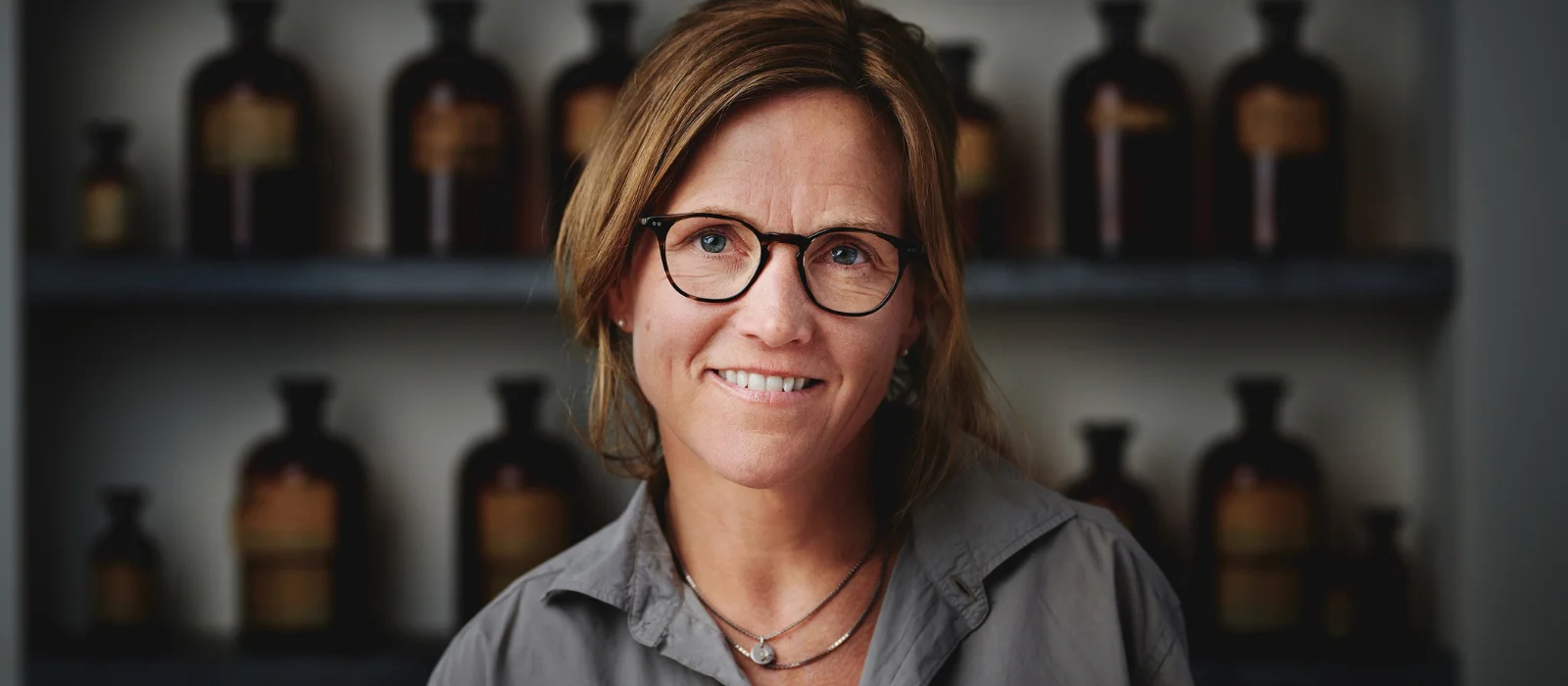





Sadie Chowen of The Burren Perfumery photographed by Ralph Doyle in the Spring 2022 issue of IMAGE Magazine.
What does Ireland smell like and what happens when those smells disappear?
Smells tell stories about how people lived and how they understood the places around them. By the time we notice they are gone, they will already be part of our history, writes Lesley Bond.
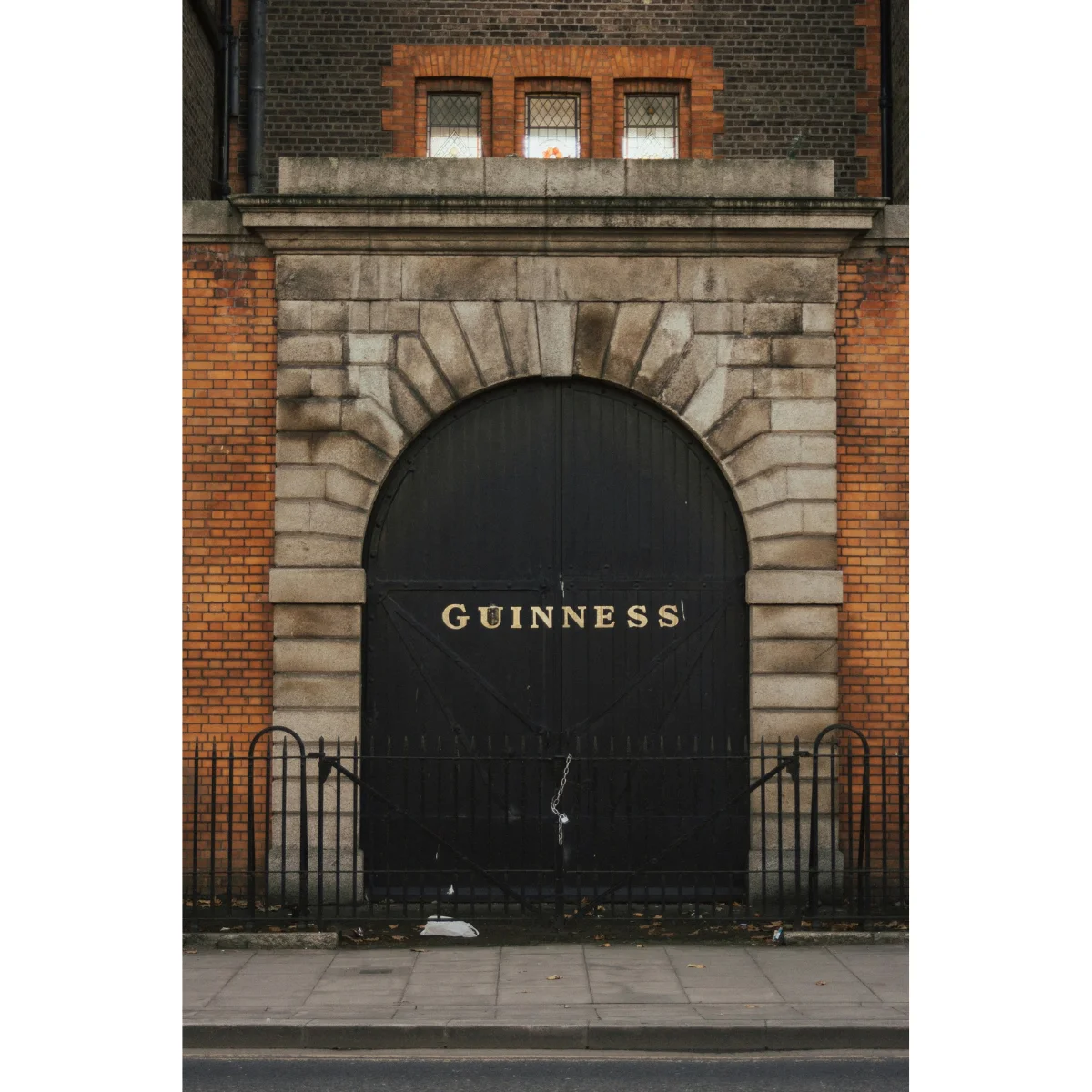
The Guinness Storehouse, Dublin
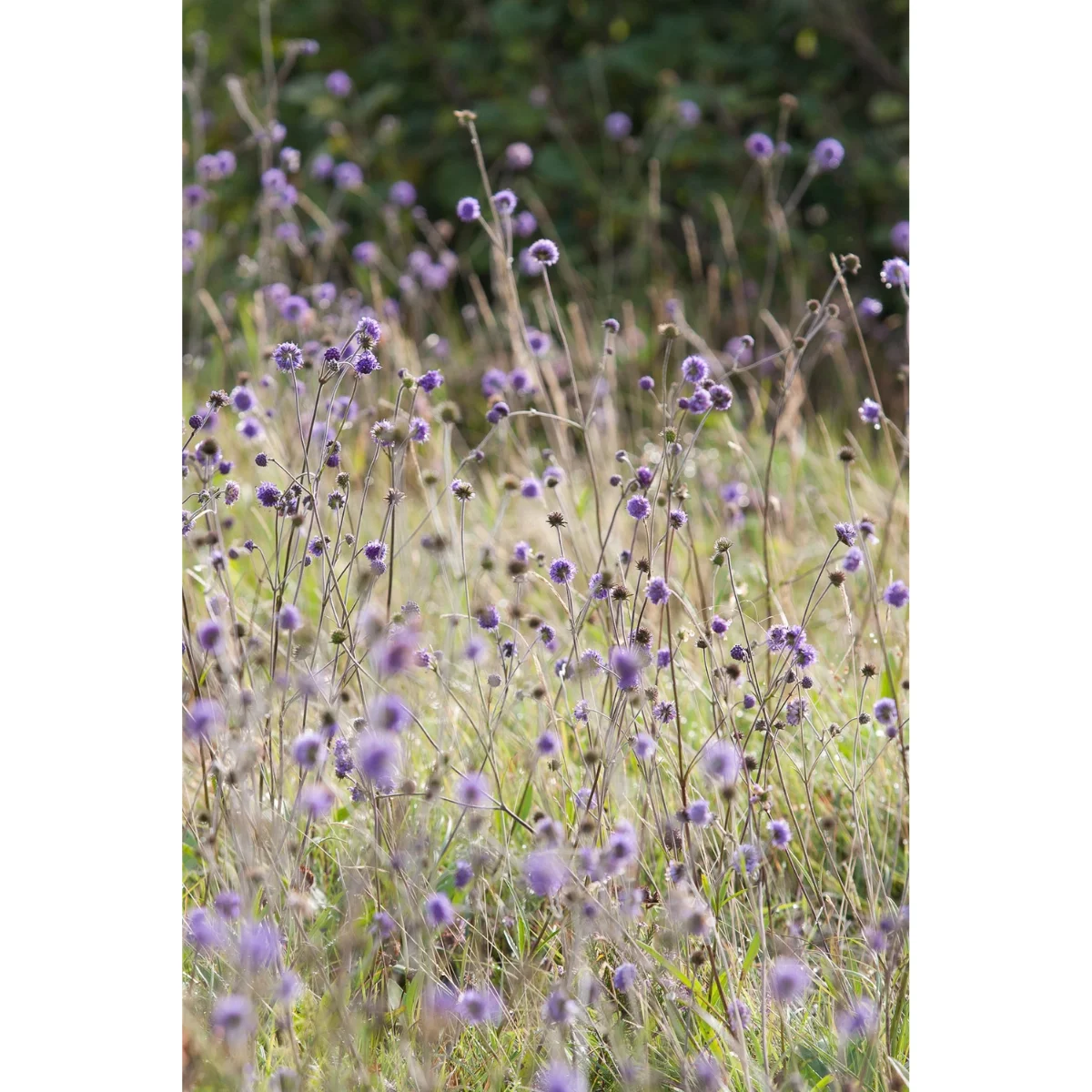
Flowers at the Burren Perfumery
The smell was once so familiar as to be almost unremarkable. Newspapers stacked by the door, penny sweets behind the counter, floor polish, damp coats drying after rain. Every village shop had its own variations, but there was a particular scent common to them all. It survives in a handful of places. Walk into the right shop and its sweet, musky notes greet you, carrying memories of messages run for parents and coins counted carefully at the counter.
Across Ireland, independent shops continue to disappear from towns and villages and their economic and social importance is well understood. However, less attention has been paid to the fact that each closure takes a distinctive smell with it, one that we instinctively know but have rarely taken the time to acknowledge or record. When a smell disappears and nobody records its passing, it raises a larger question: what does Ireland smell like, and what happens when those smells begin to disappear?
The European Commission has announced legal action against Ireland over failures to enforce peat extraction regulations. The dispute centres on environmental law, but it also points toward a more subtle change. Turf smoke, one of the defining smells of rural Ireland, is becoming less common. Drifting over towns and caught in hedgerows, carrying the scent of earth and ancient vegetation, it is likely that children growing up today will have little memory of it. For something as pervasive as smell, it is understandable that they would seem permanent until they’re not.
Sadie Chowen of the Burren Perfumery sees this regularly. Visitors to her perfume workshops in County Clare often know exactly what a fragrance reminds them of, but struggle to explain the scent itself. They speak about a grandmother’s house or a summer holiday and while the memory arrives easily, the vocabulary does not. “We do not have the language for smell,” she says. “We can summon hundreds of words to describe a taste or a sound, but have nothing to reach for when it comes to the scents that surround us. Children in school should be given the means to describe the scent landscape in the same way they can describe music.”
These everyday fragrances that follow us through our lives fall into the field of olfactory heritage, built around the simple idea that smell forms part of culture and identity. Researchers have become increasingly interested in what happens when familiar scents disappear, recognising that they hold significance not simply because of what they smell like, but because of their connection to places, traditions and shared experience. Scientists have long recognised that smell occupies a unique position among the senses. Signals from scent travel directly to areas of the brain associated with emotion and long-term memory, largely bypassing the thalamus, the brain’s central relay station. That shortcut helps explain why a scent can recover memories with such startling clarity. A photograph may remind someone of childhood, but a smell can place them back inside it.
The Ireland of the future will not only look different from the Ireland that came before it. It will smell different too.
Ireland possesses a rich scent landscape, although it is rarely discussed in those terms. The aroma of Guinness brewing greeting passengers outside Heuston Station, hawthorn blossom announcing May from a roadside hedge, the particular smell of a pub snug, built over decades from timber, polish and spilled stout, or silage carried across fields on a warm evening. These scents rarely appear in tourism campaigns or in heritage strategies, but they contribute to a sense of place as surely as architecture, language or landscape.
What sets scents apart is their vulnerability. While a building can be restored and a document archived, smells are inherently fleeting, with climate change adding a new layer of uncertainty. Research has already suggested that Ireland’s native plant communities will be affected by changing temperatures and weather patterns, with a growing number of species under threat. Discussions understandably tend to focus on biodiversity and conservation, but landscapes are experienced through more than sight. Different plants create different scent environments, and changes in vegetation alter the sensory character of a place as surely as they alter its appearance. Chowen believes climate change may also influence how smells are experienced, with Ireland’s humid climate playing a key role in how scents move through the landscape. Changes in temperature and weather patterns are likely to alter that process too.
Unlike the disappearance of a building or a business, these shifts can be difficult to identify in real time. There is no obvious moment when a scent leaves a landscape, no closing ceremony for the last evening when turf smoke drifts across a village in the way it once did, yet smell may be among the most powerful carriers of memory that we possess. UNESCO recognises this, and notes that olfactory heritage is connected to customs, habits, beliefs and traditions, but smell remains largely absent from conversations about heritage protection. The reasons are understandable. It is difficult to document, difficult to archive and almost impossible to preserve in any meaningful way.
The scent of Ireland has never been fixed. New industries emerge, landscapes change and habits evolve. The smell of turf smoke replaced other smells before it, and new scents will emerge in its place. What matters is recognising that these smells tell stories about how people lived and how they understood the places around them. The smell of fish and diesel along the docks, the floor polish and boiling Burcos of a GAA hall, wet wool drying on the back of a chair, incense lingering in a church porch after a funeral. They are the small details, the ones that are easy to overlook, yet each carries traces of work, community, ritual and belonging. By the time we notice they are gone, they will already be part of our history.
The Ireland of the future will not only look different from the Ireland that came before it. It will smell different too.
Photography of Sadie Chowen of The Burren Perfumery by Ralph Doyle, from the Spring 2022 issue of IMAGE Magazine.
Also Read